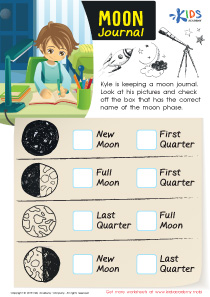
Weather identification Weather Worksheets for Ages 5-9
5 filtered results
-
From - To
Explore our engaging "Weather Identification Worksheets" designed for children aged 5-9! These interactive activities help young learners recognize and understand different weather conditions, from sunny skies to rainy days. Our printable resources are perfect for reinforcing essential concepts while making learning fun. Each worksheet encourages children to identify weather patterns, enhancing their observation skills and vocabulary. Ideal for classroom or at-home education, these worksheets integrate essential science knowledge with hands-on activities. Let your child's curiosity about the world around them flourish as they dive into the fascinating realm of weather with our thoughtfully crafted worksheets! Download them today!
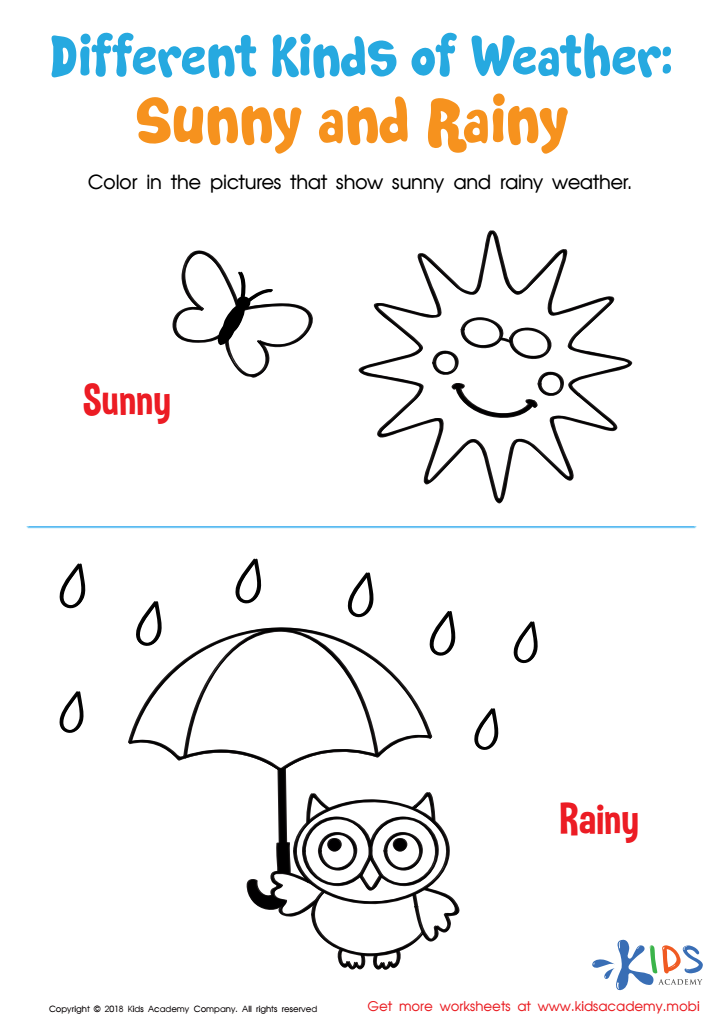
Different Kinds of Weather: Sunny and Rainy Worksheet
 Assign to My Students
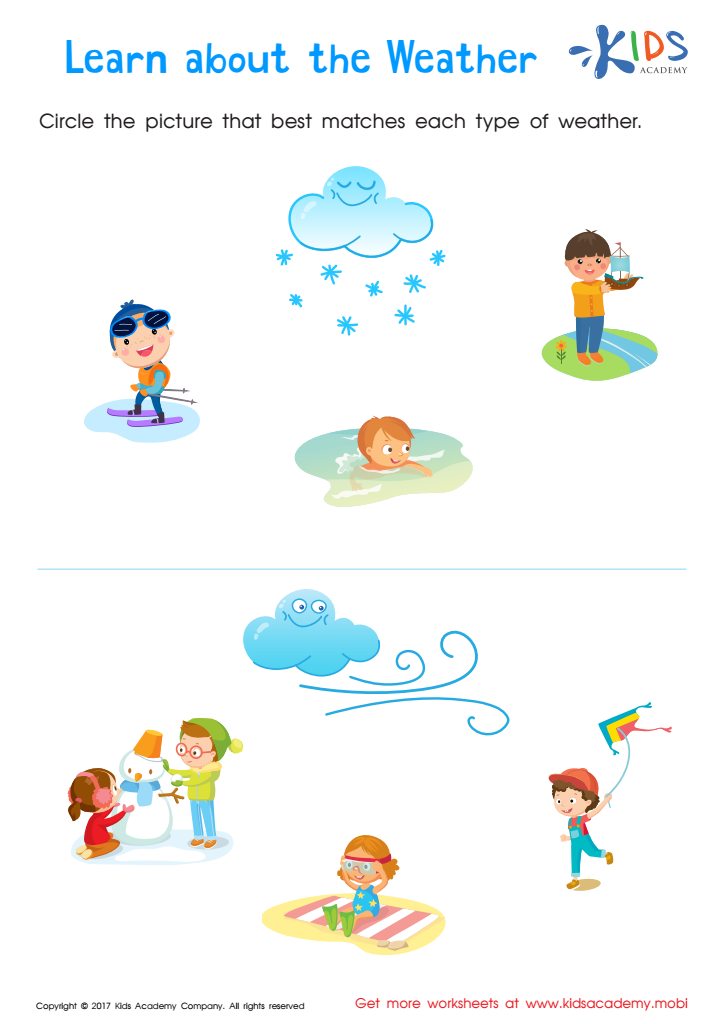
About the Weather Printable
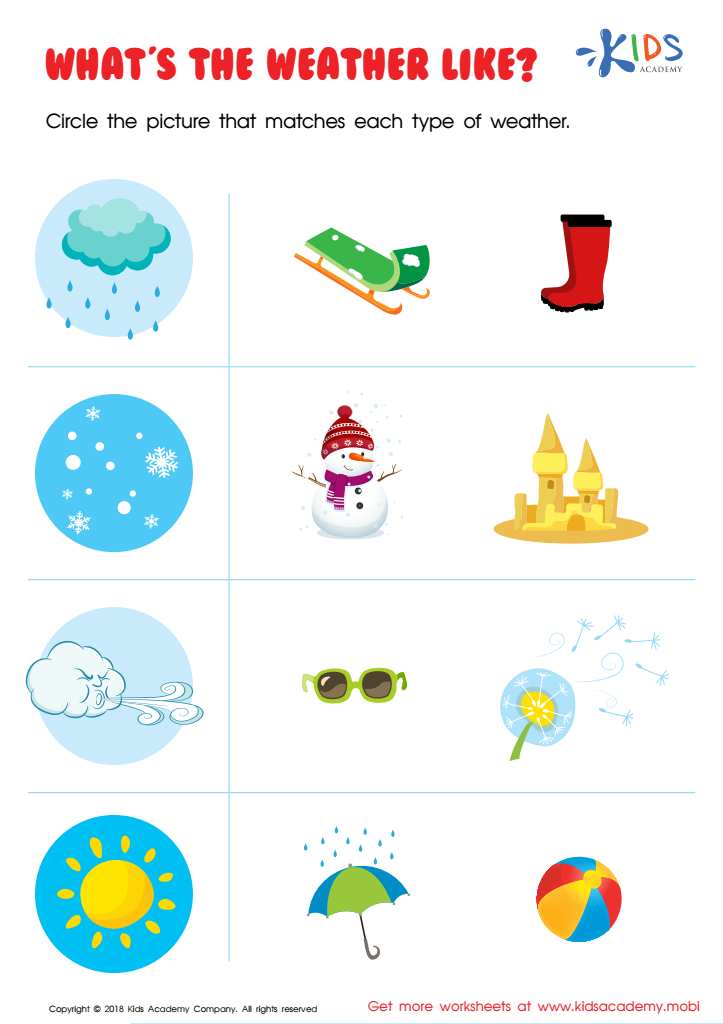
What's the Weather Like? Worksheet
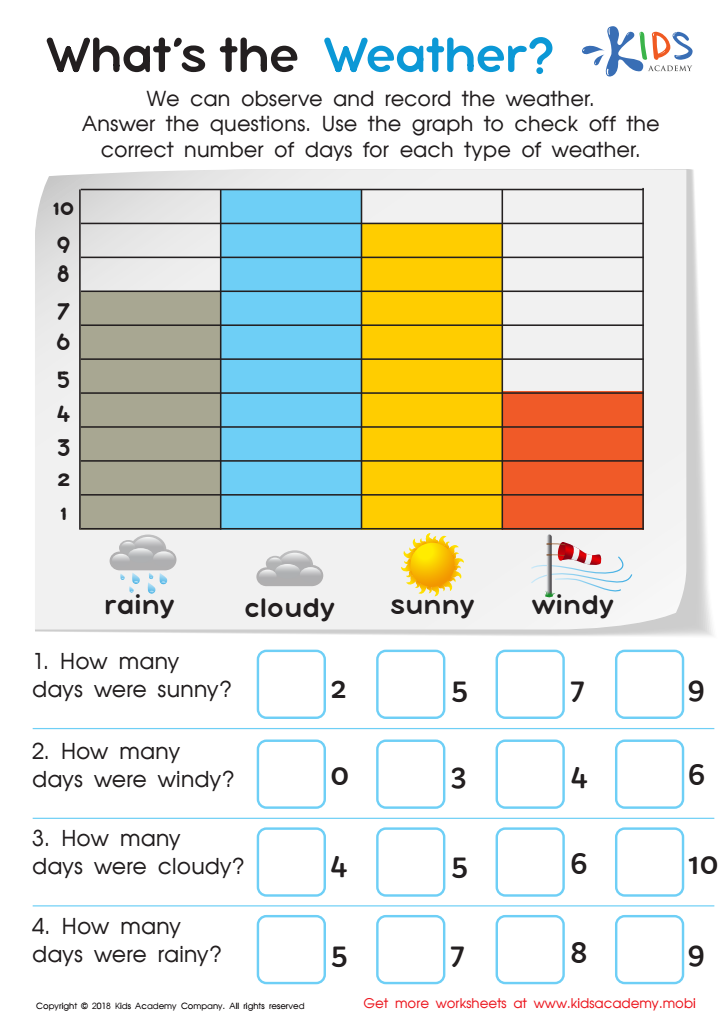
What's the Weather? Worksheet
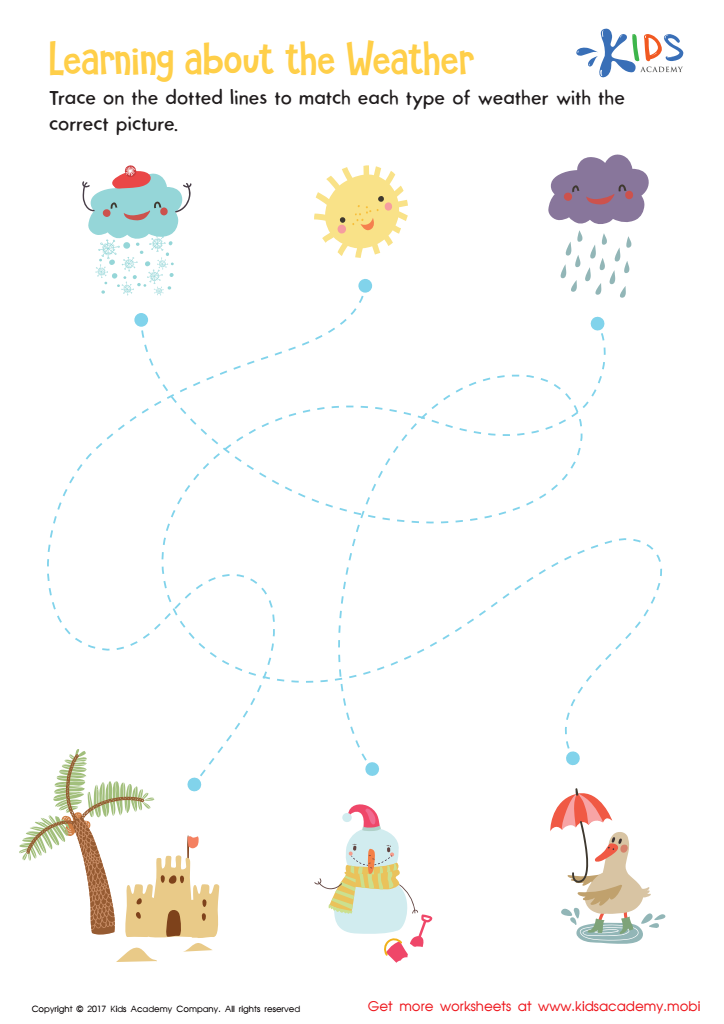








Understanding weather is crucial for children aged 5-9 as it helps cultivate essential skills and knowledge. First, identifying different weather conditions—like sunny, rainy, snowy, or windy—promotes observational skills, critical thinking, and vocabulary development. Children begin to connect words with real-world experiences, enhancing both language and cognitive development.
Additionally, teaching weather identification offers opportunities for science exploration. Children learn about natural phenomena, seasons, and climate changes, fostering curiosity and encouraging scientific inquiry. This foundational knowledge builds a base for later, more complex scientific concepts.
Furthermore, understanding the weather encourages safety. Children learn to dress appropriately for different conditions, which can help prevent illnesses. Knowing about storms and extreme weather prepares them for emergencies and enhances their awareness of their surroundings.
Socially, weather education can spark collaboration and communication among peers. Activities like weather art, creating forecasts, or sharing experiences can reinforce teamwork and interpersonal skills.
Ultimately, parents and teachers should prioritize weather education as it enriches children’s lives—boosting safety, science knowledge, and social interaction while fostering a lifelong interest in nature and the world around them. It’s a simple but impactful way to contribute to holistic child development.