Critical Thinking Community Worksheets for Ages 5-9
6 filtered results
-
From - To
Welcome to our "Critical Thinking Community Worksheets for Ages 5-9"! Designed to nurture young minds, these engaging worksheets focus on developing essential critical thinking skills crucial for social studies and early learning. Children will explore their communities through fun, interactive activities that encourage problem-solving, reasoning, and creativity. Each worksheet fosters curiosity, promotes discussions, and helps kids connect with their environment in a meaningful way. Ideal for home and classroom settings, these resources empower educators and parents to support their children's cognitive growth while making learning enjoyable. Dive into our collection and watch your child's critical thinking abilities flourish!
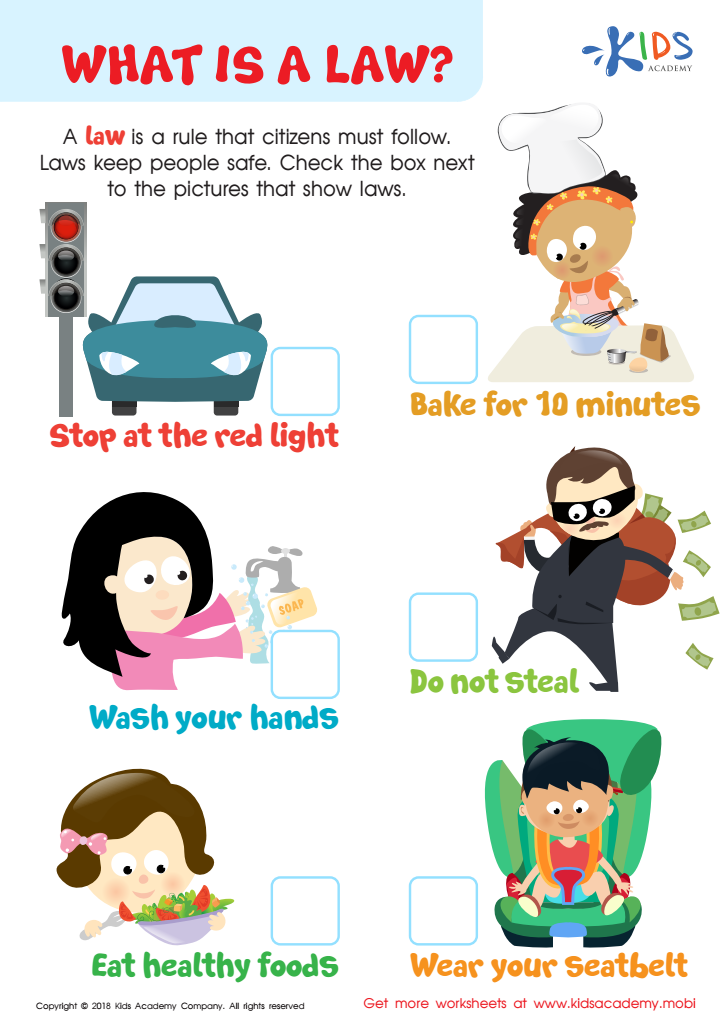
What is a Law? Worksheet
 Assign to My Students
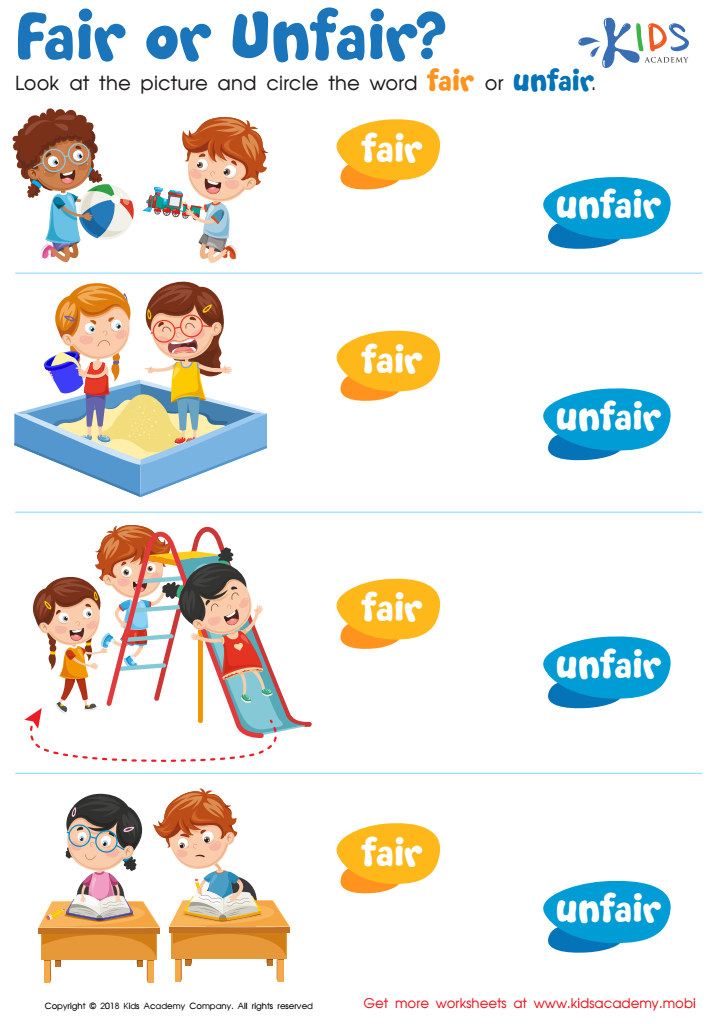
Fair or Unfair Worksheet
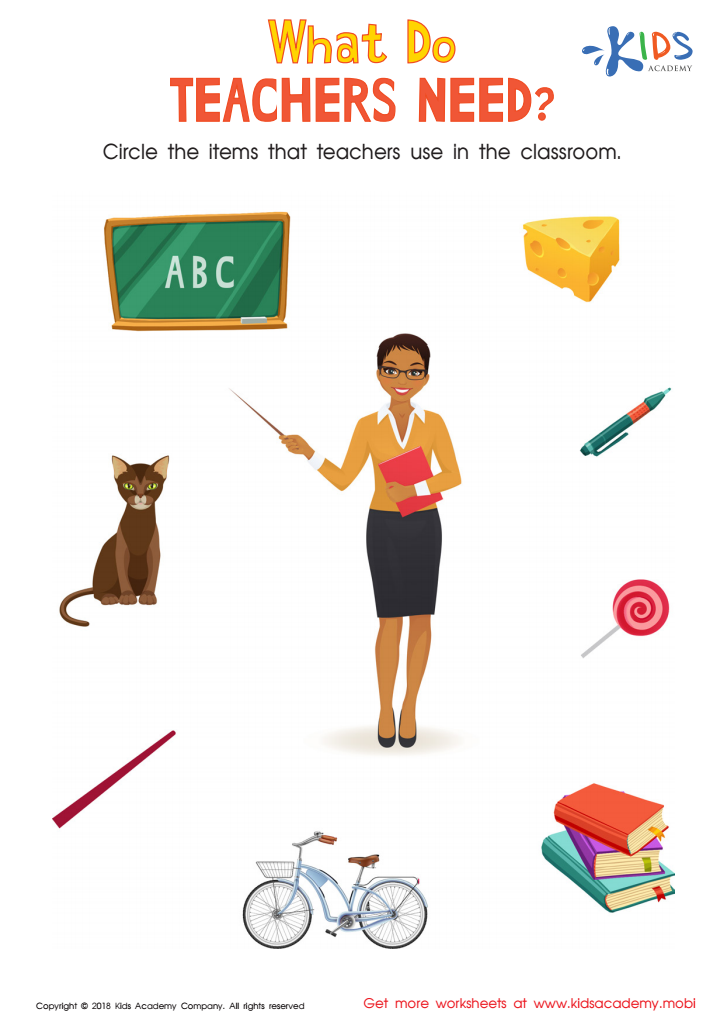
What Do Teachers Need Worksheet

Traditional Music Worksheet
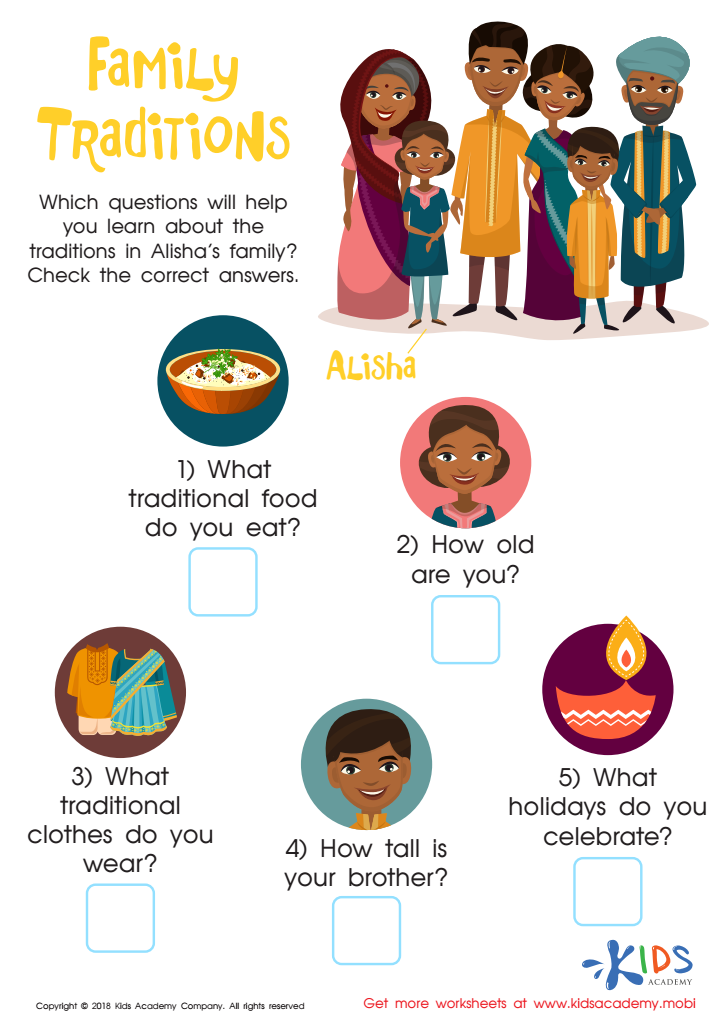
Family Traditions Worksheet
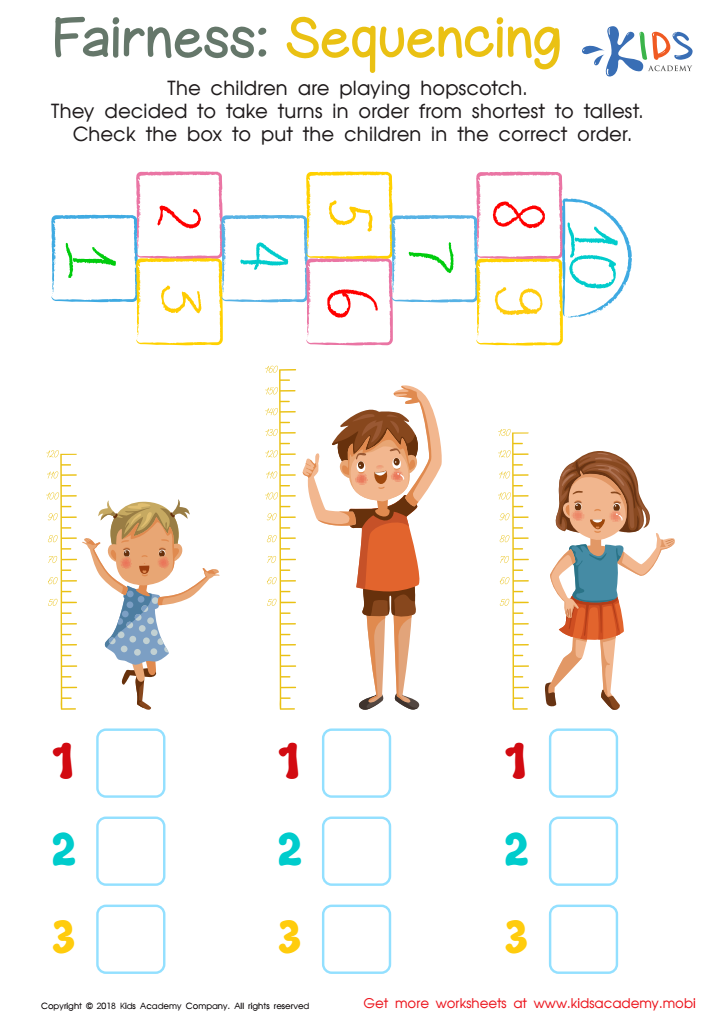
Fairness: Sequencing Worksheet







Parents and teachers should prioritize the Critical Thinking Community for Ages 5-9 because it plays a crucial role in developing essential cognitive skills in young children. At this tender age, children are naturally curious and eager to learn. Engaging them in critical thinking activities allows them to explore concepts beyond rote memorization, fostering their ability to analyze, evaluate, and synthesize information.
Developing critical thinking skills promotes problem-solving abilities, encouraging children to approach challenges with creativity and resilience. This helps build their confidence in tackling new situations. Additionally, critical thinking nurtures communication skills, enabling children to articulate their thoughts and opinions effectively when collaborating with peers.
Moreover, the skills learned through the Critical Thinking Community empower children to become lifelong learners. In today's rapidly changing world, these competencies are vital as they prepare young learners for future academics and their roles as informed citizens.
By investing in a critical thinking framework, parents and teachers create a supportive environment that values inquiry and independent thought, guiding children toward becoming thoughtful, competent adults ready to address the challenges of the modern world. Ensuring children have early access to critical thinking resources lays a solid foundation for their future education and personal development.








