History Worksheets for Ages 5-9 - Page 3
90 filtered results
-
From - To
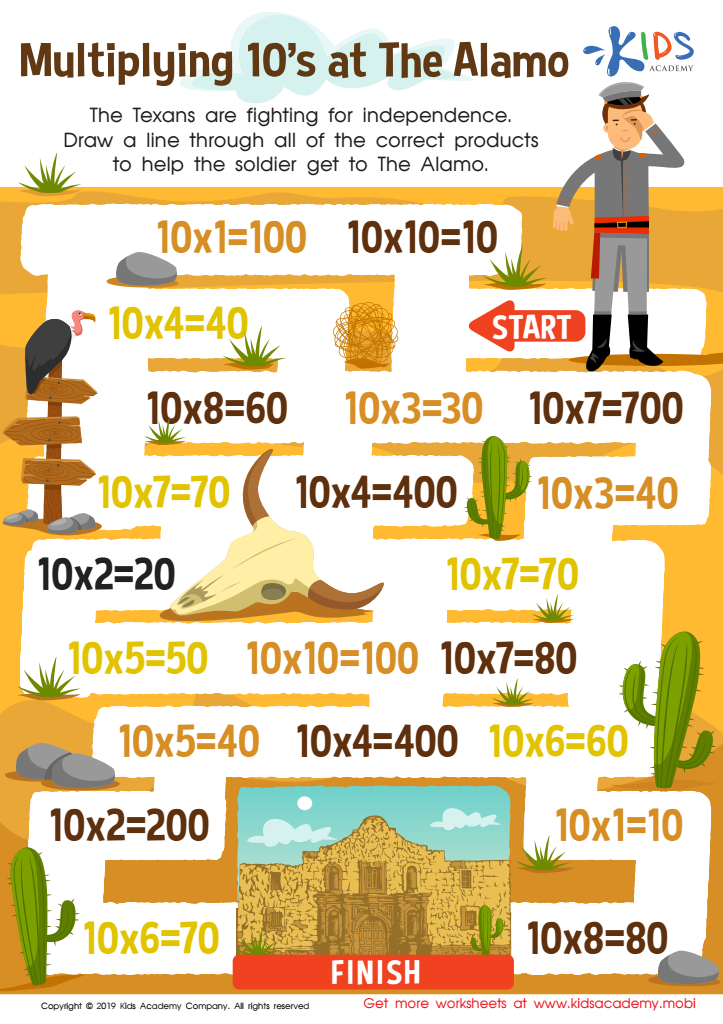
Multiplying 10’s at The Alamo Worksheet
 Assign to My Students
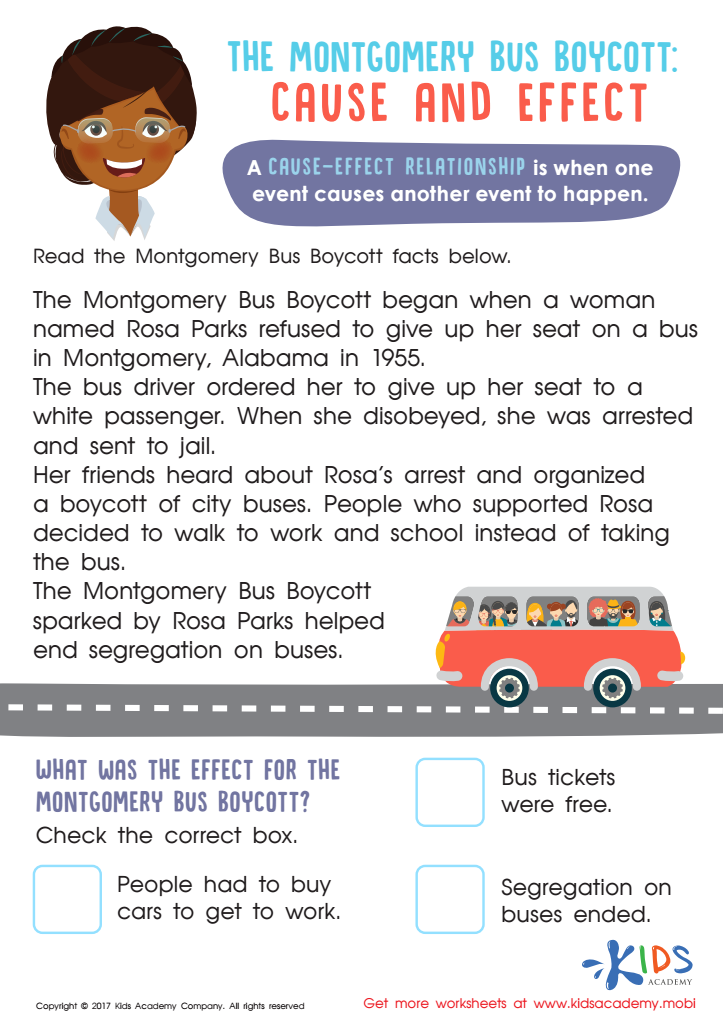
The Montgomery Bus Boycott Cause and Effect Worksheet
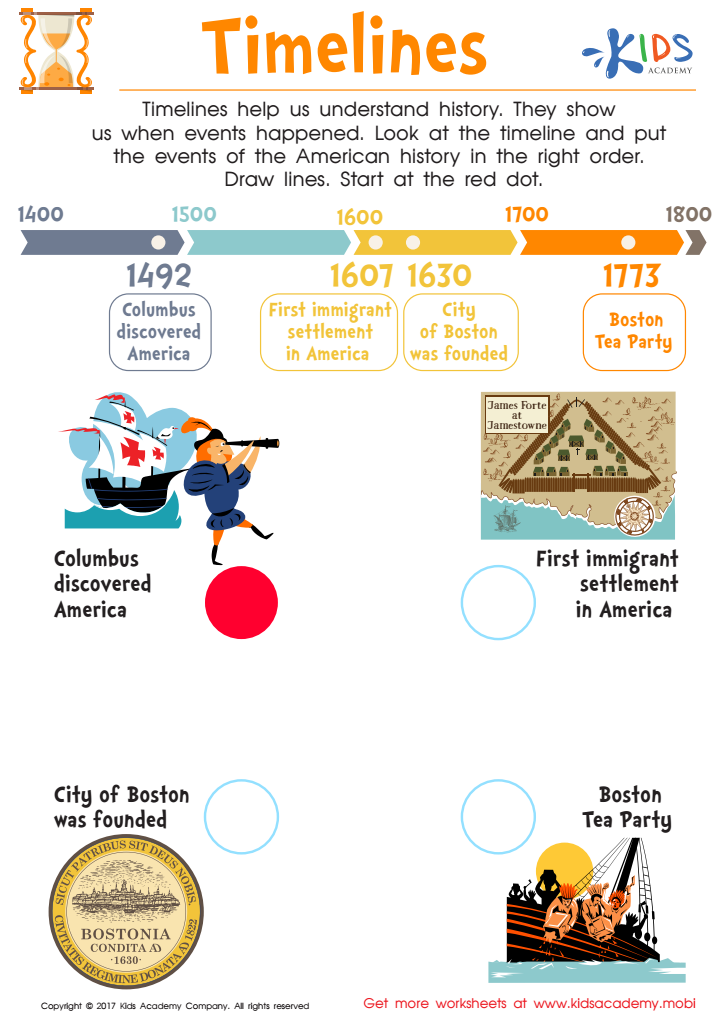
American History Timeline Worksheet
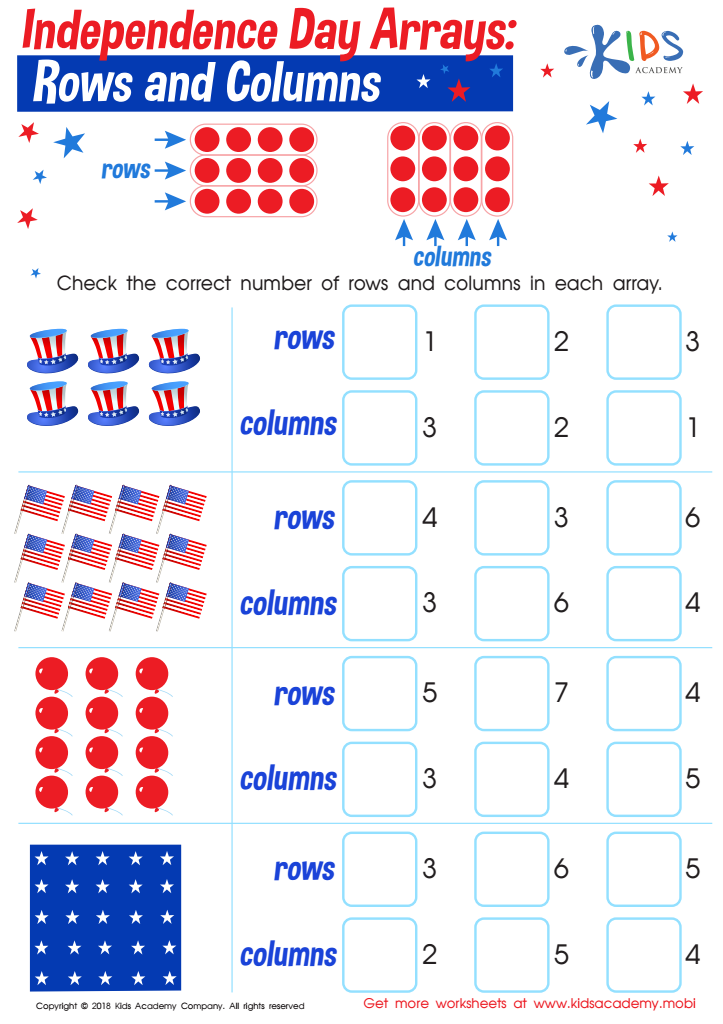
Independence Day Arrays: Rows and Columns Worksheet
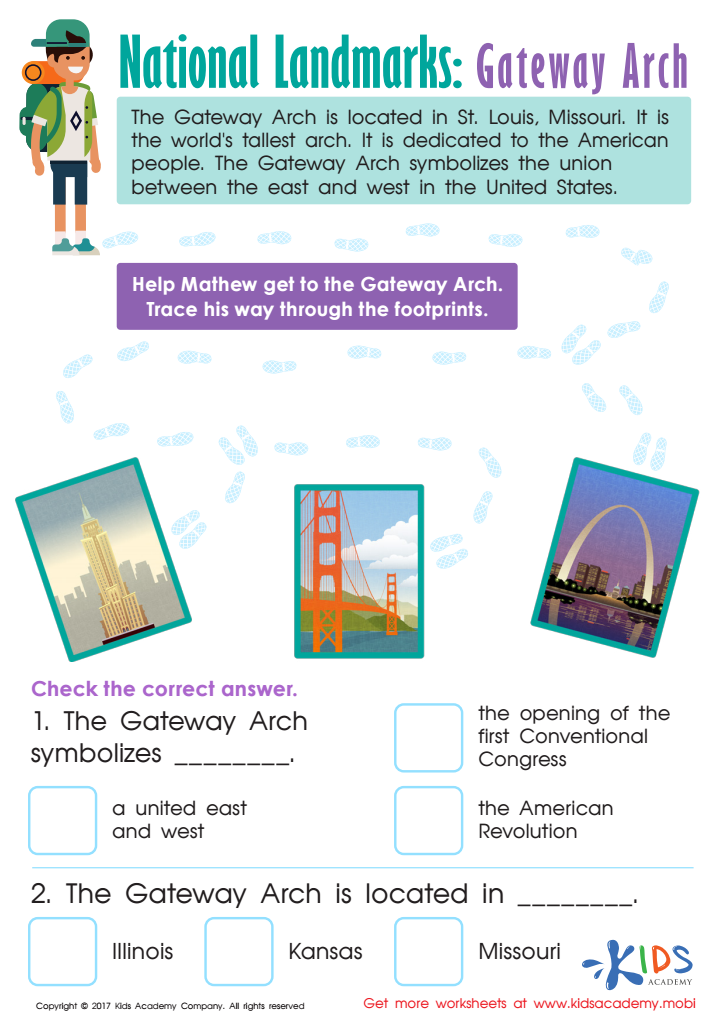
Gateway Arch Printable Worksheet
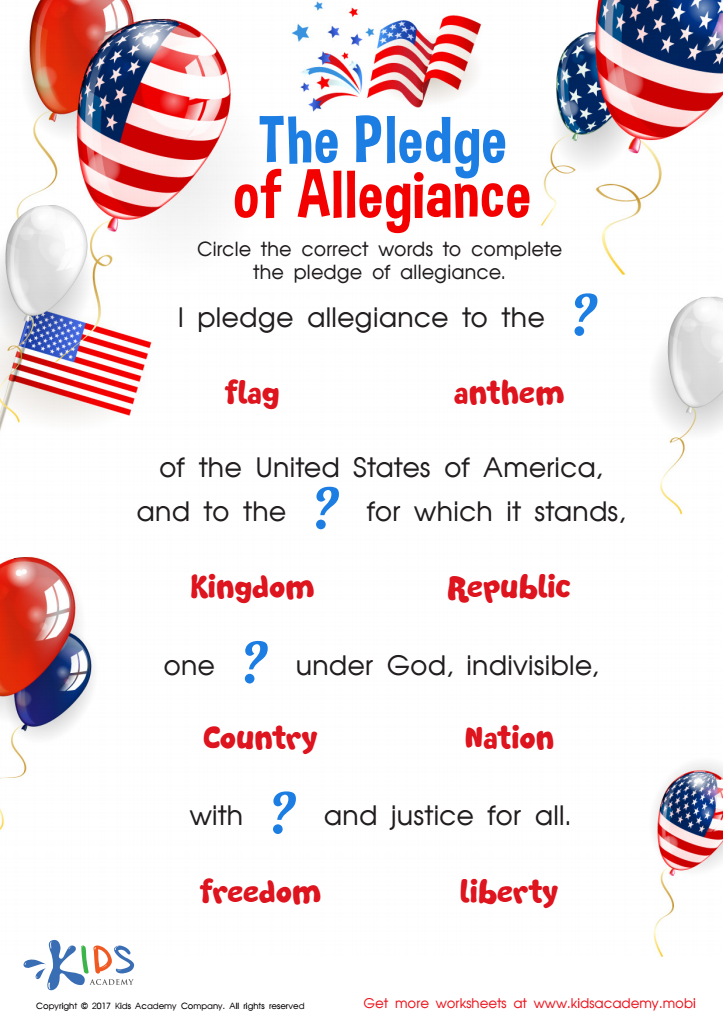
The Pledge of Allegiance Worksheet
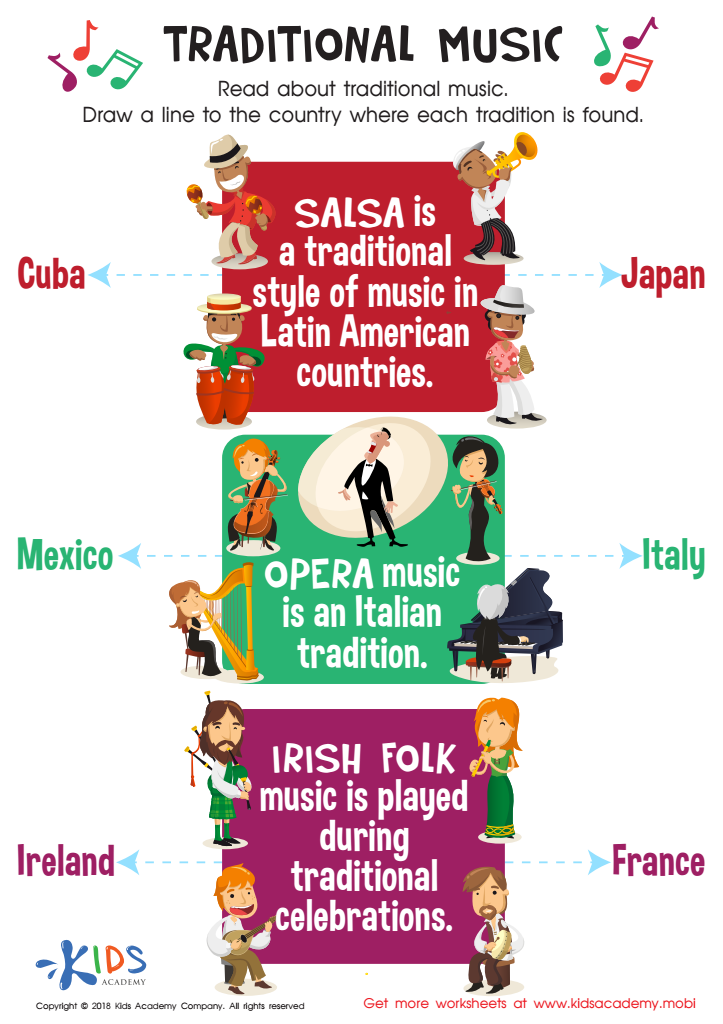
Traditional Music Worksheet
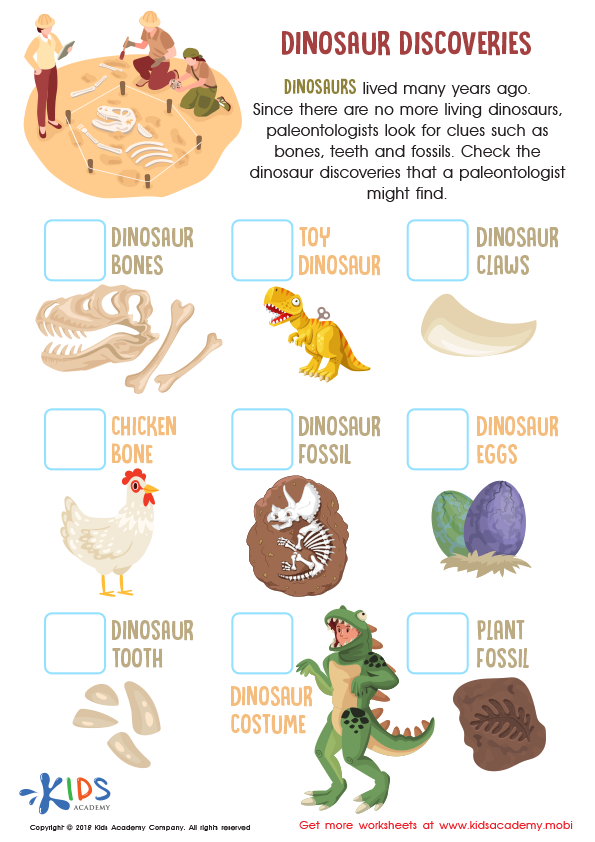
Dinosaur Discoveries Worksheet
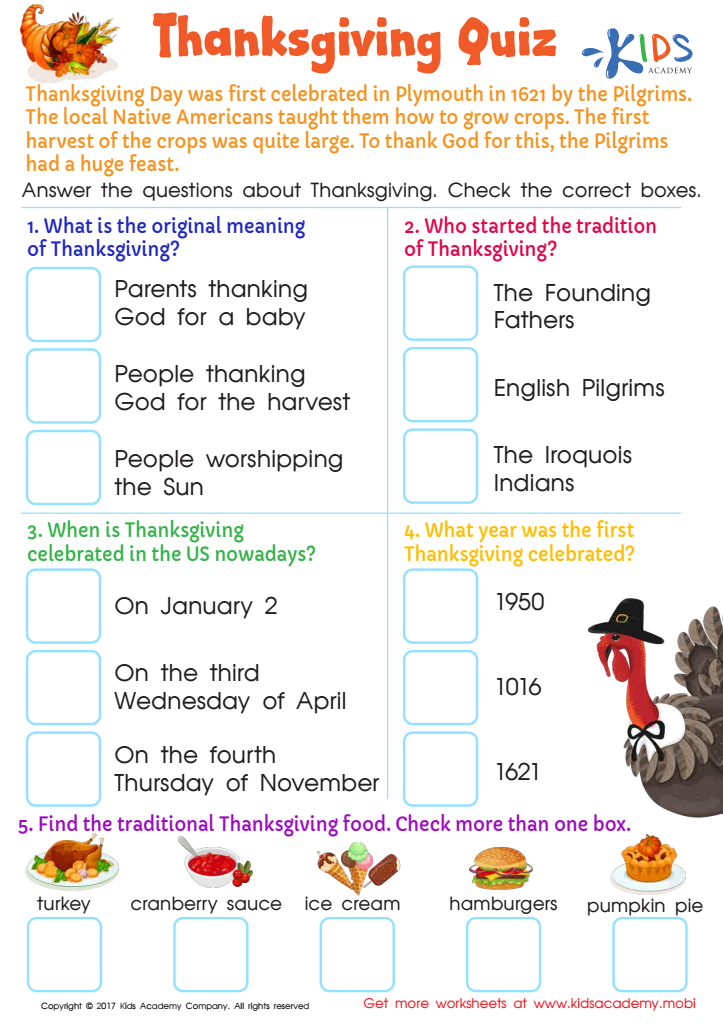
Thanksgiving Quiz Worksheet
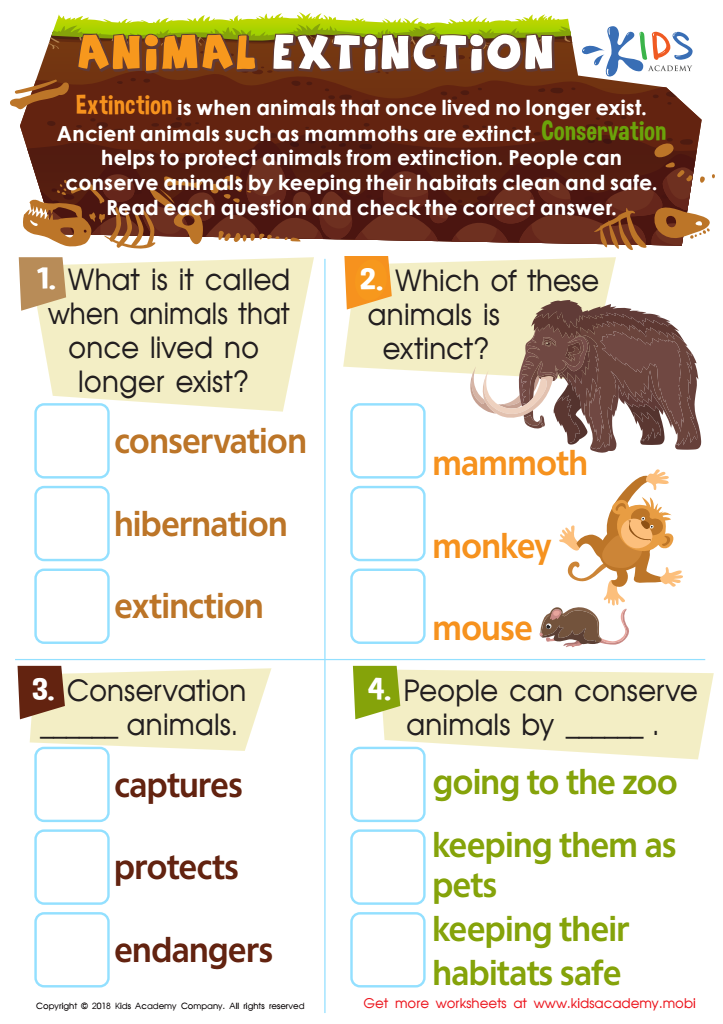
Animal Extinction Worksheet
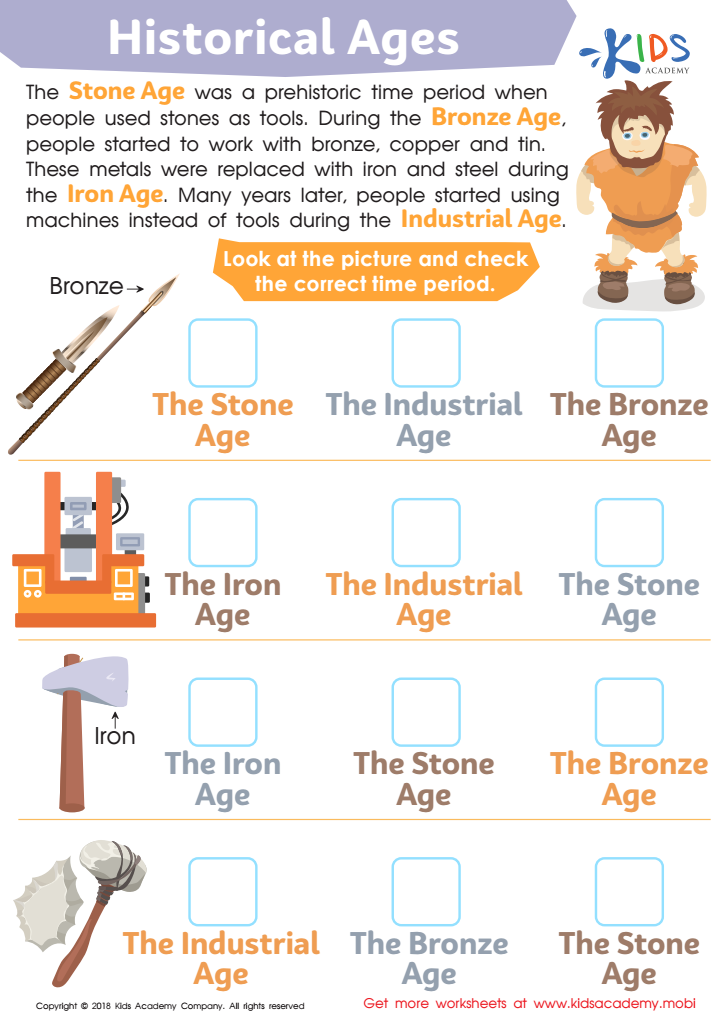
Historical Ages Worksheet
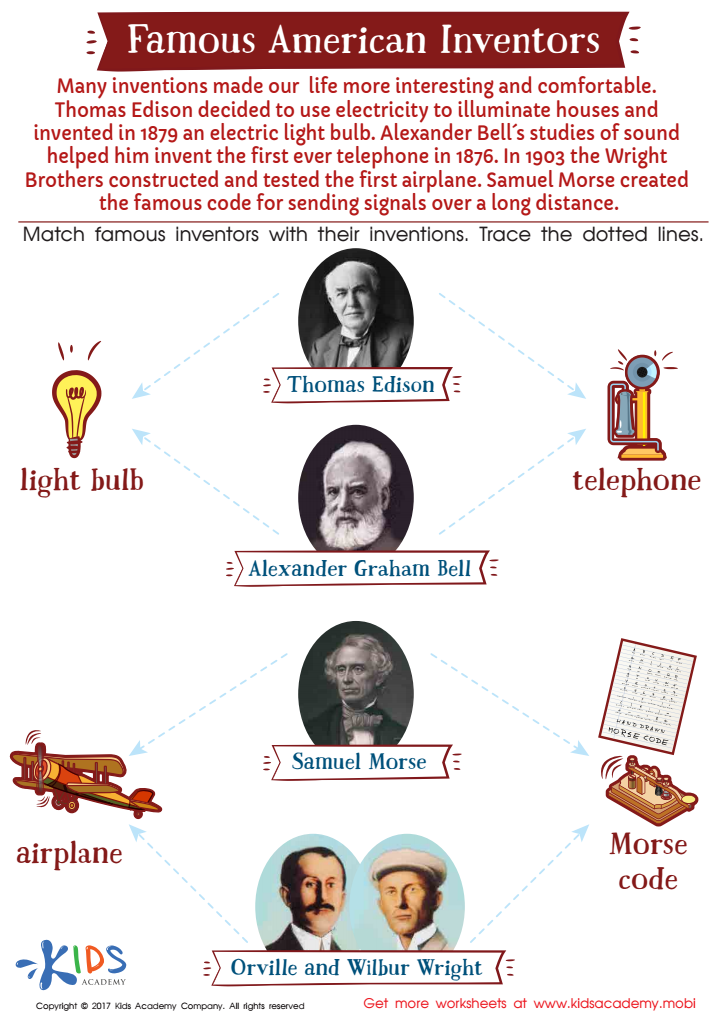
Famous American Inventors Worksheet
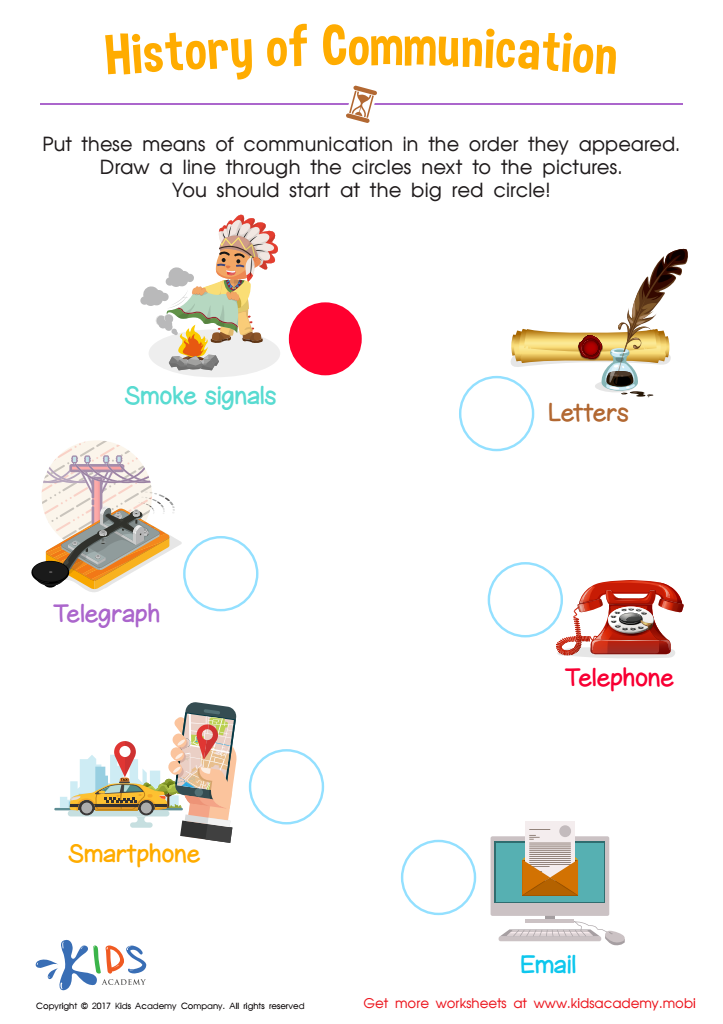
History of Communication Worksheet
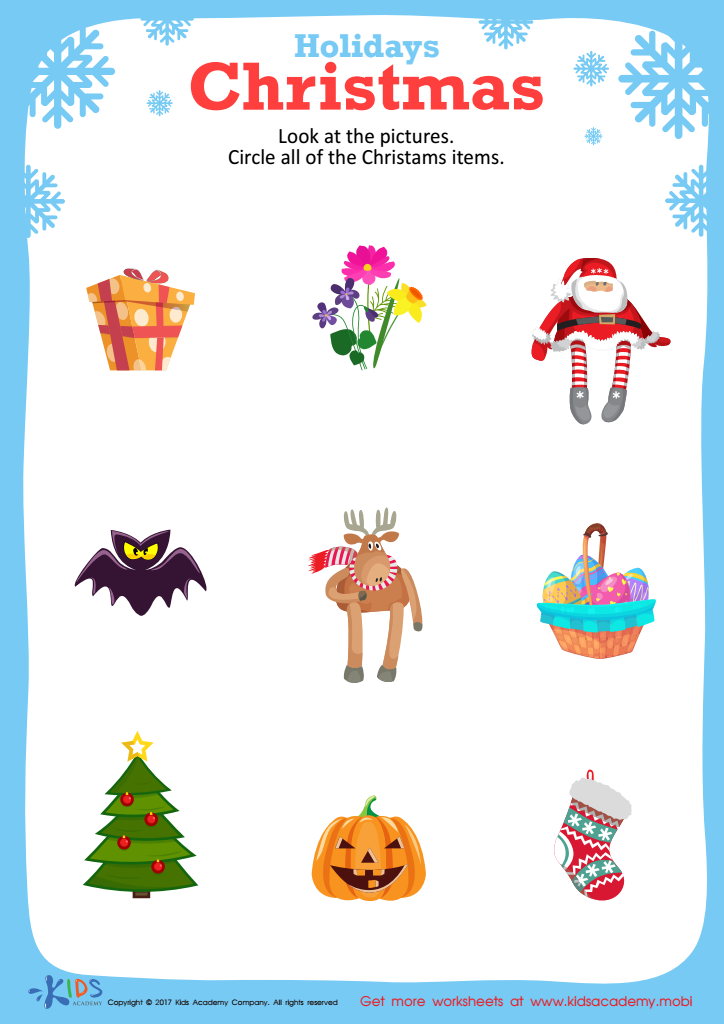
Christmas Holiday Worksheet
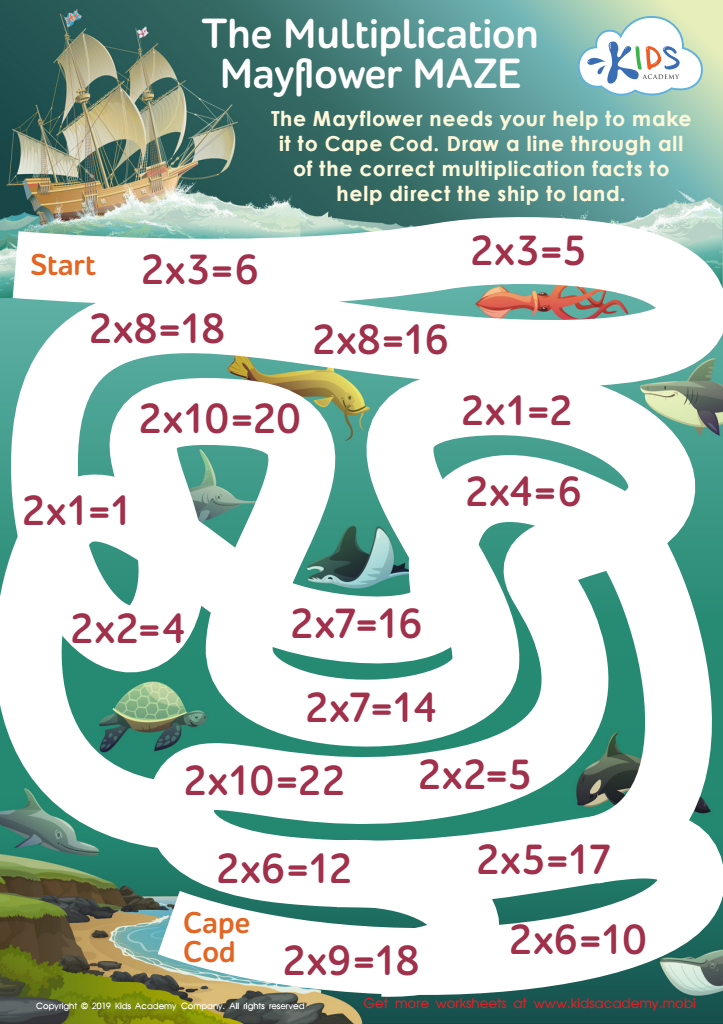
The Multiplication Mayflower Maze Worksheet
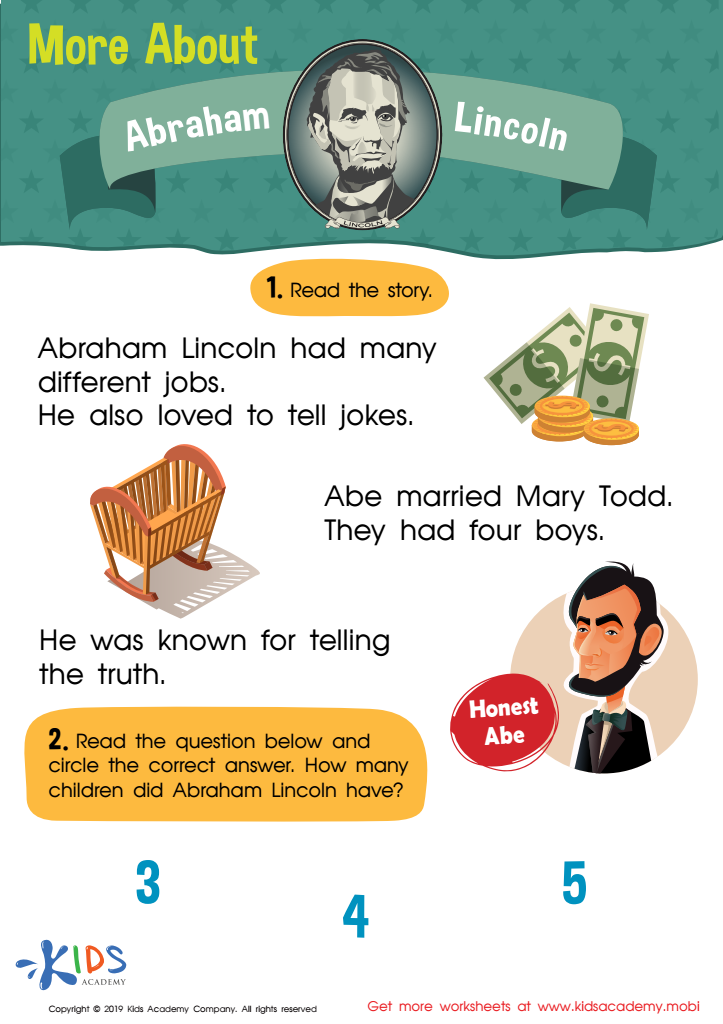
More About Abraham Lincoln Worksheet
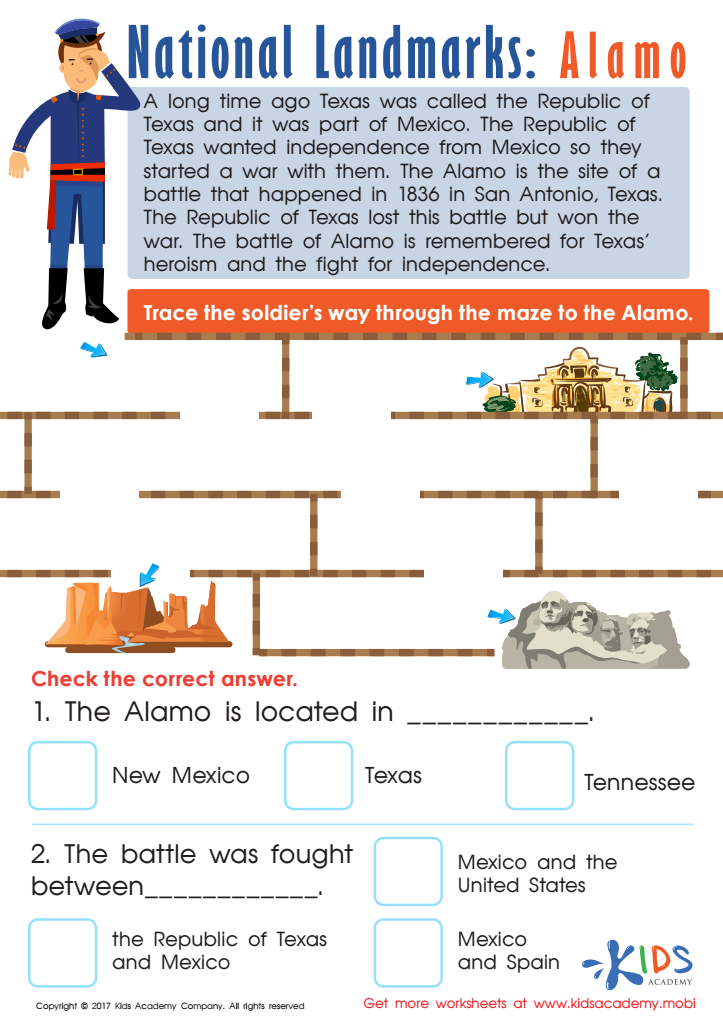
Alamo Printable Worksheet
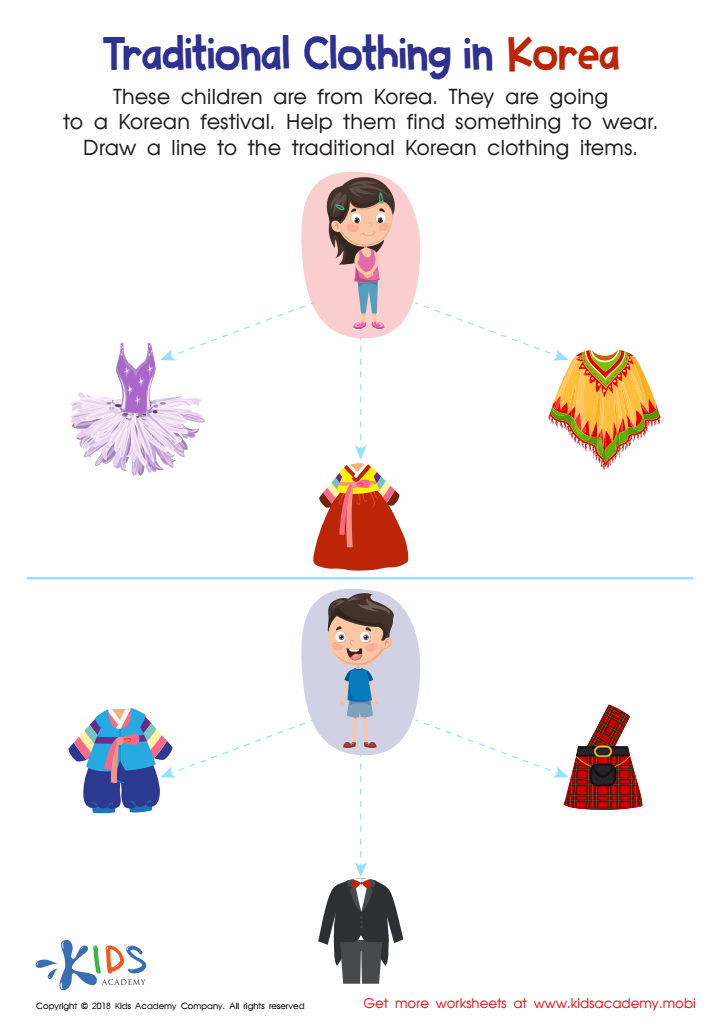
Traditional Clothing in Korea Worksheet
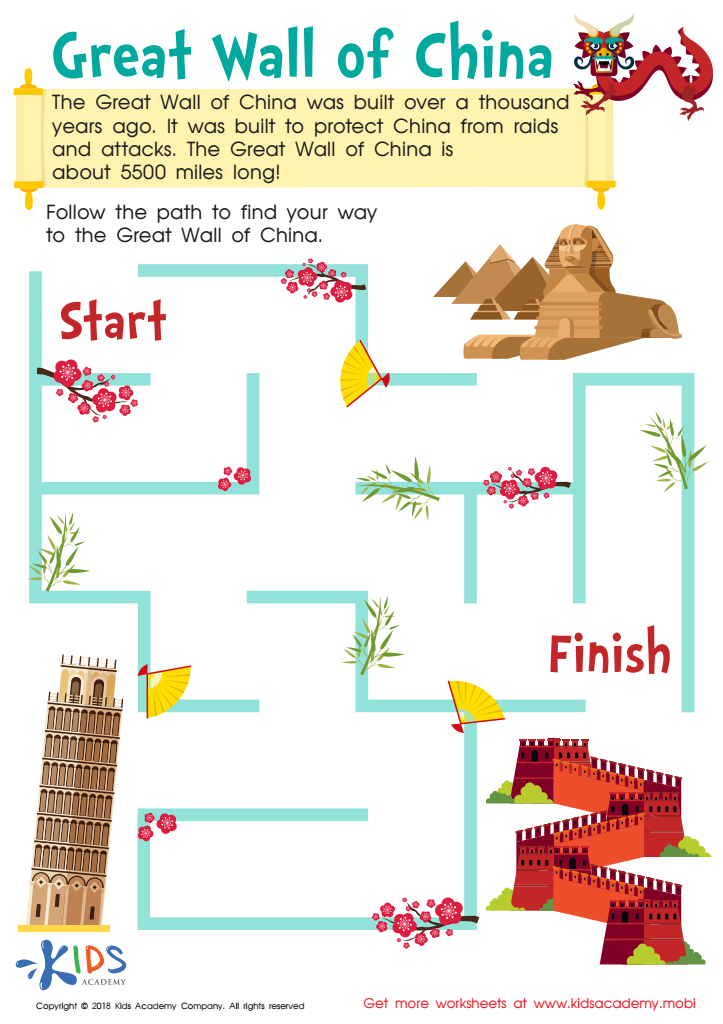
Great Wall of China Worksheet
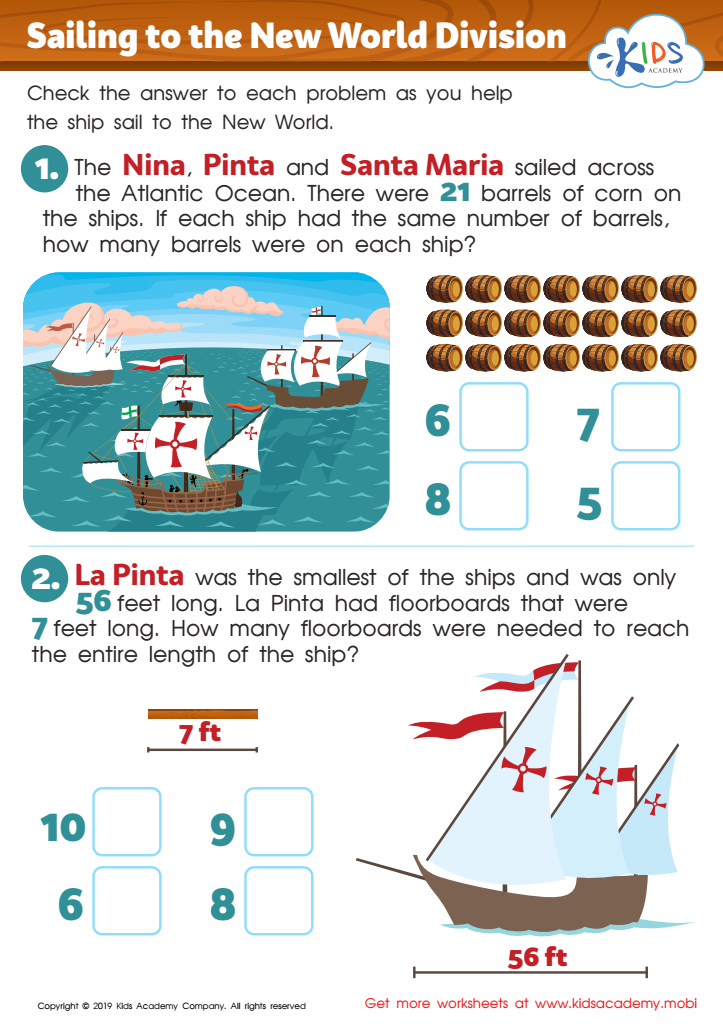
Sailing to the New World Division Worksheet
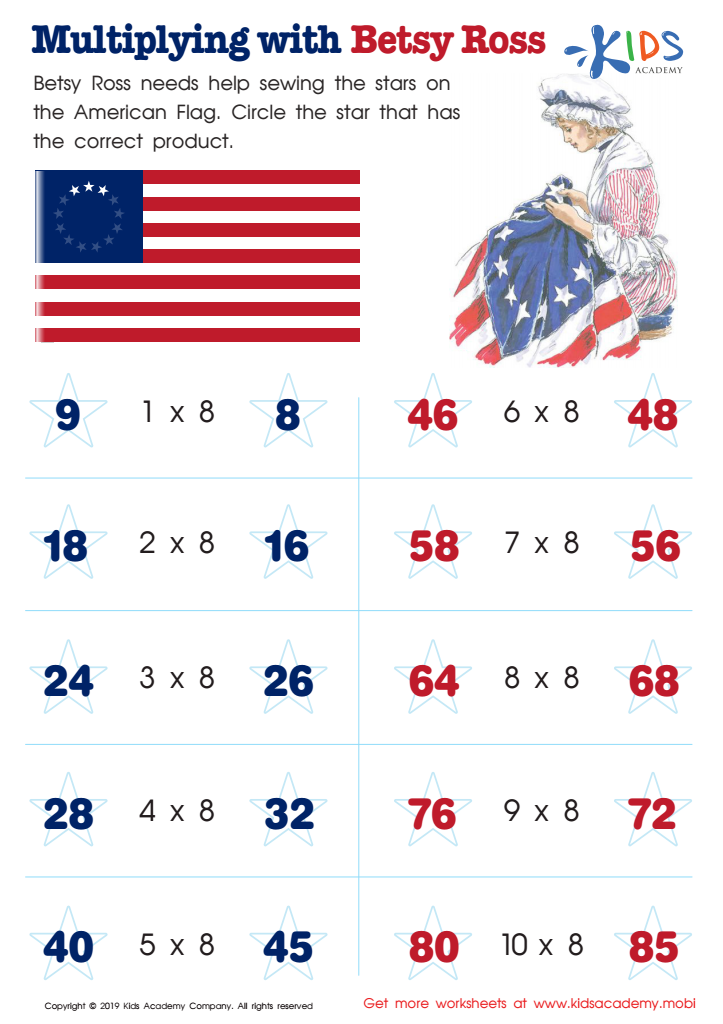
Multiplying with Betsy Ross Worksheet
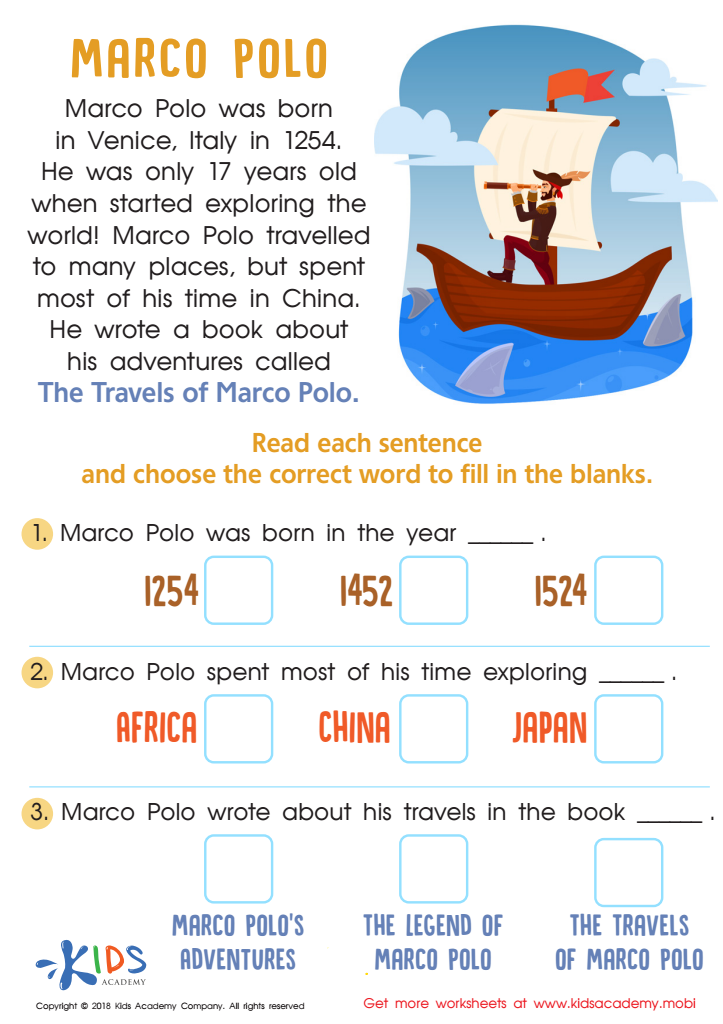
Marco Polo Worksheet
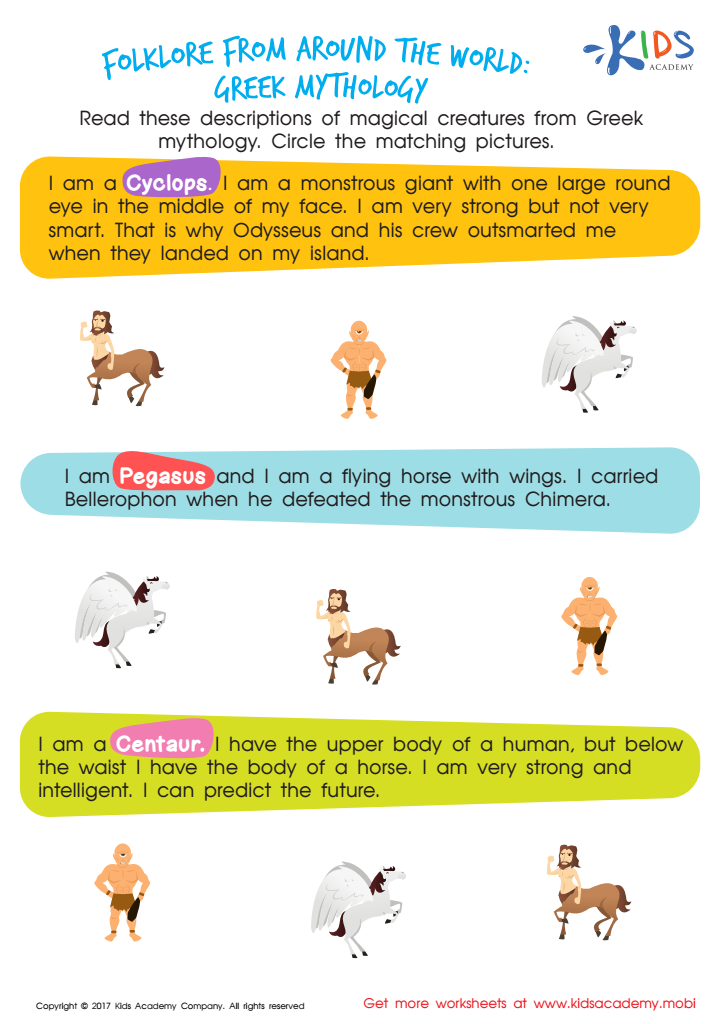
Greek Mythology Worksheet
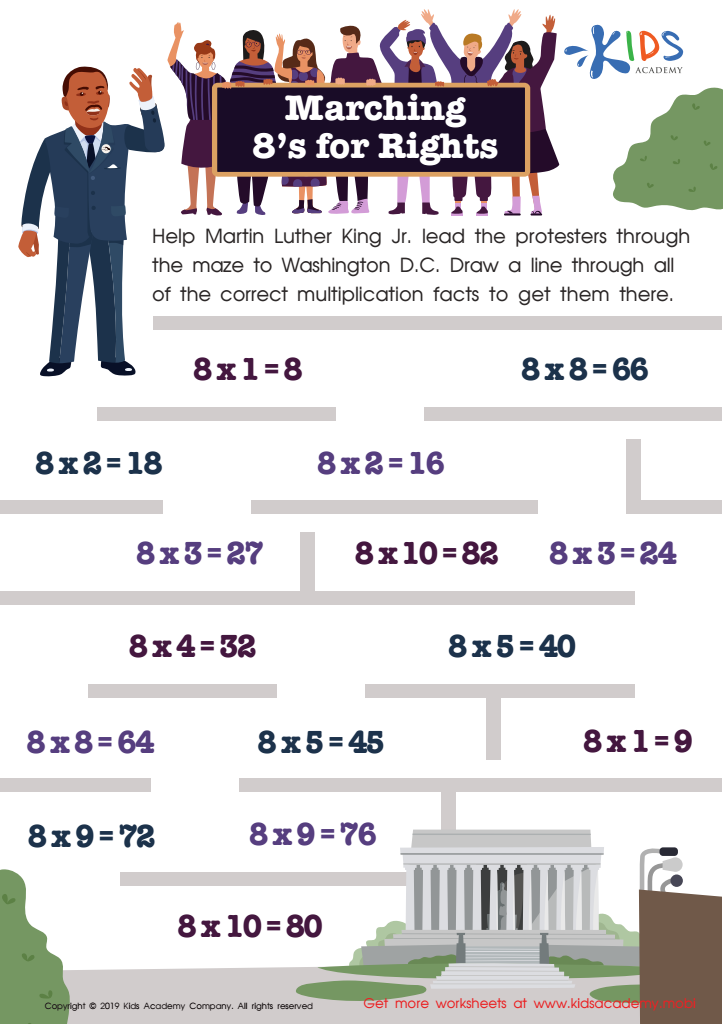
Marching 8’s for Rights Worksheet








History is foundational for young children as it helps them understand the world around them. By learning about history from a young age, children can develop a sense of identity and belonging. They begin to grasp how their families, communities, and cultures have evolved over time, fostering a deeper connection to their heritage.
Moreover, history cultivates critical thinking skills. When children learn about past events, they start to think about cause and effect, encouraging them to ask questions like “Why did this happen?” or “What were the consequences?” These skills are essential for problem-solving and informed decision-making.
Additionally, history teaches important values and lessons. Stories of bravery, innovation, and justice can inspire children and help them understand key moral concepts. They learn empathy by hearing about diverse experiences and perspectives, which is crucial for developing social skills and compassion.
Historical knowledge also aligns with other subjects like geography, reading, and even art, making learning more interdisciplinary and enriching. When a child knows why holidays are celebrated or the origins of certain traditions, their comprehension and appreciation for these occasions deepen.
Overall, integrating history into early education ensures well-rounded cognitive and emotional development, setting the stage for a more informed and empathetic future generation.