Vocabulary expansion Grammar Worksheets for Ages 5-9 - Page 2
57 filtered results
-
From - To
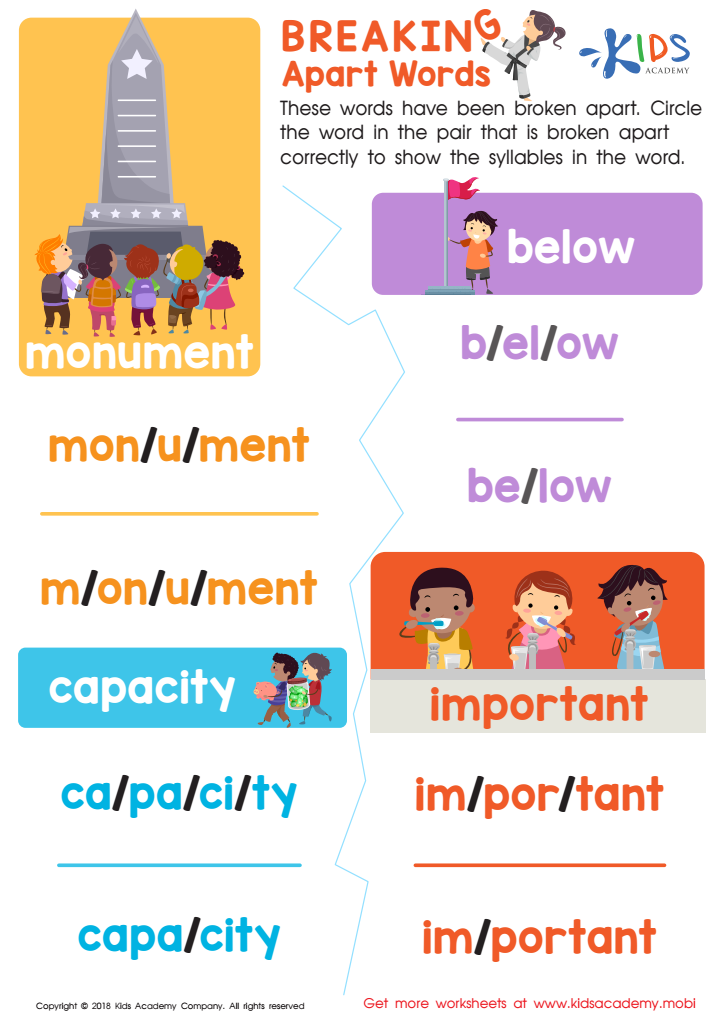
Breaking Apart Words Worksheet
 Assign to My Students
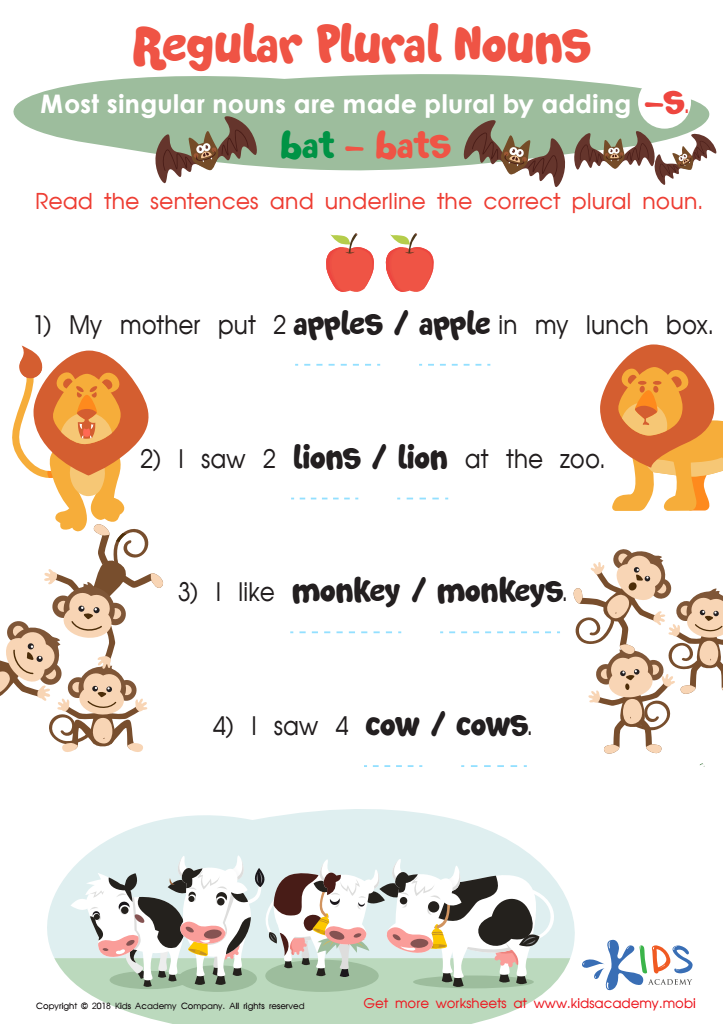
Regular Plural Nouns Worksheet
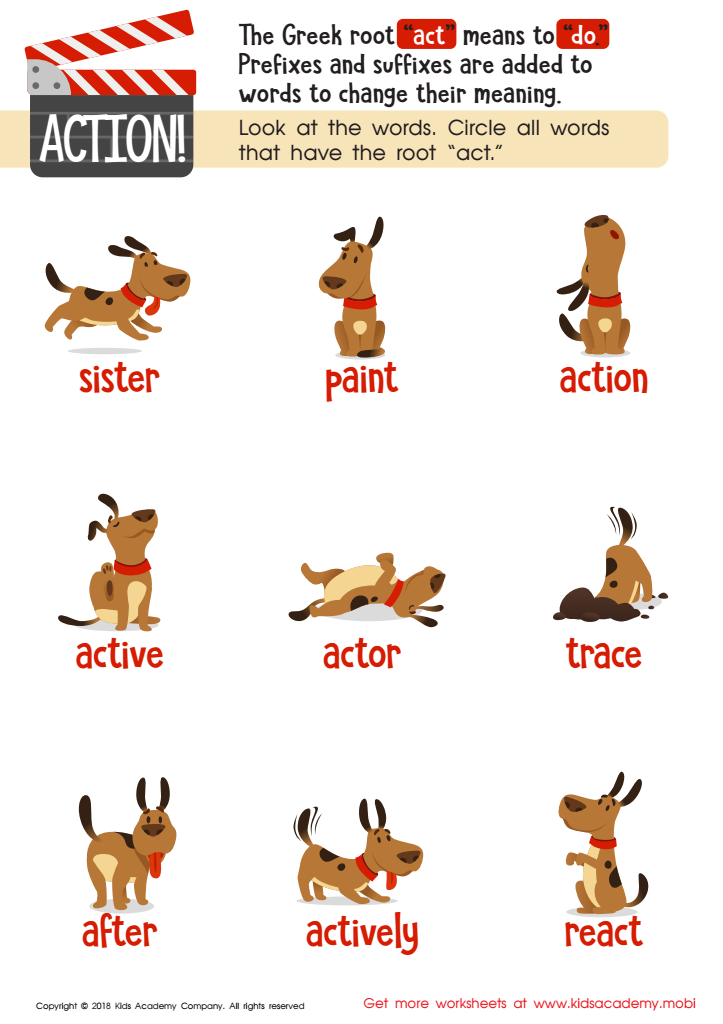
Action! Worksheet
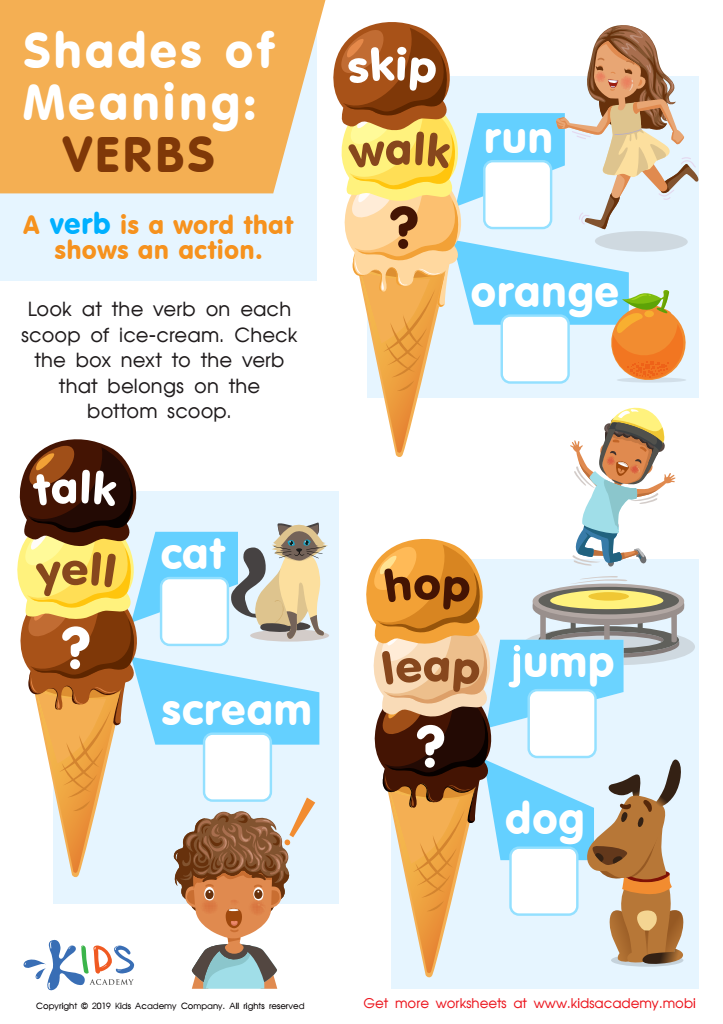
Shades of Meaning: Verbs Worksheet
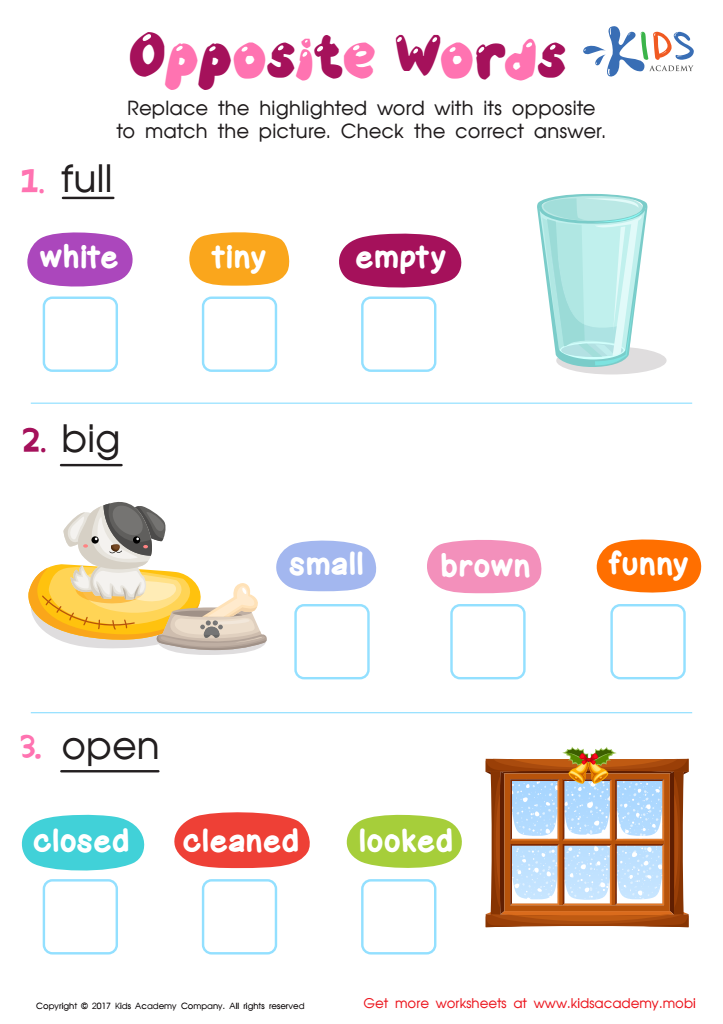
Opposite Words Worksheet
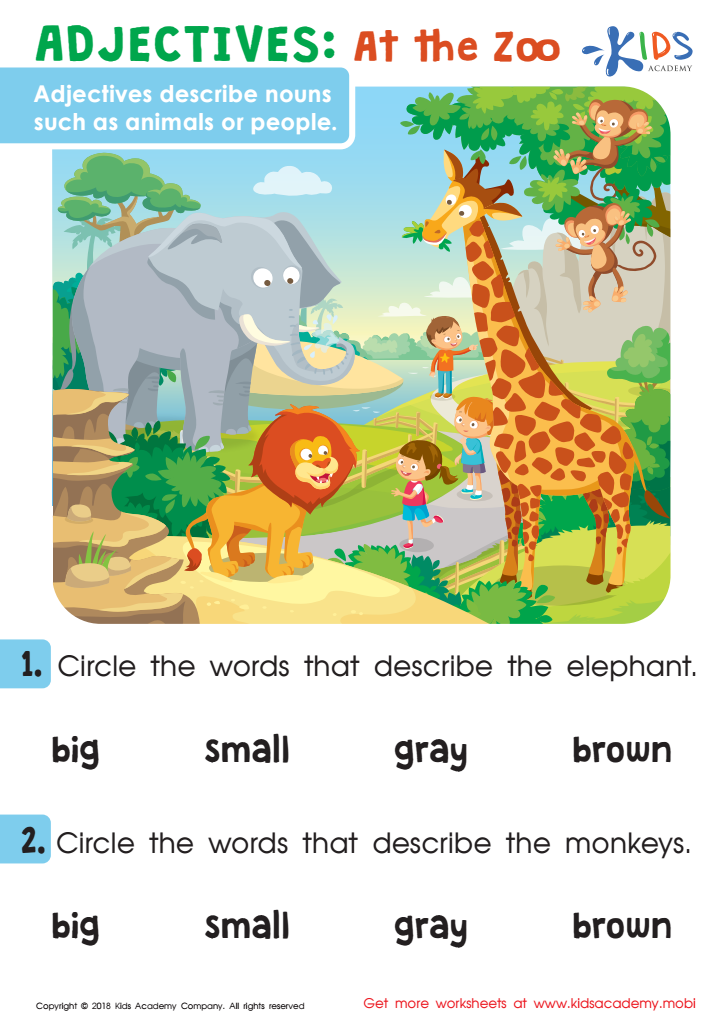
Adjectives: At The Zoo Worksheet
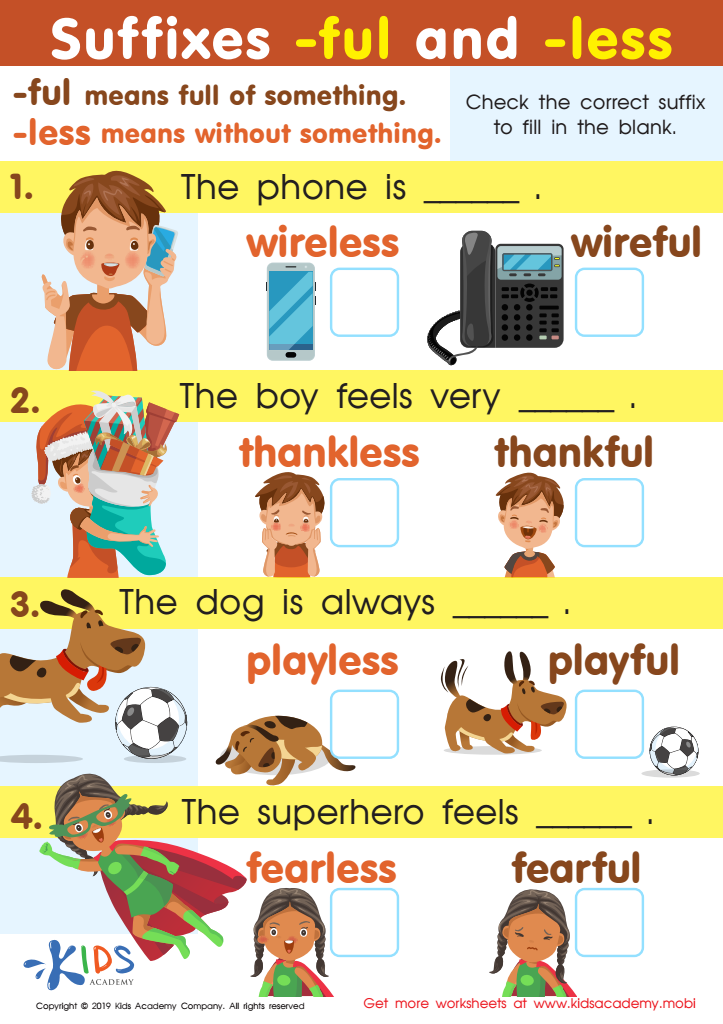
Suffixes –ful and –less Worksheet
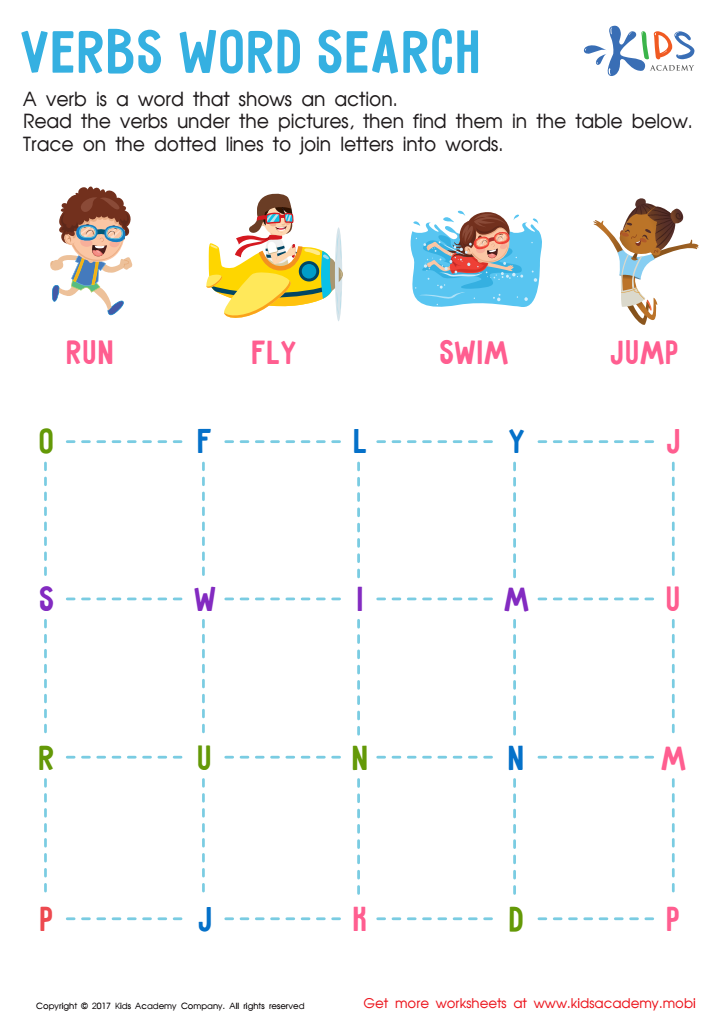
Verbs Word Search Worksheet
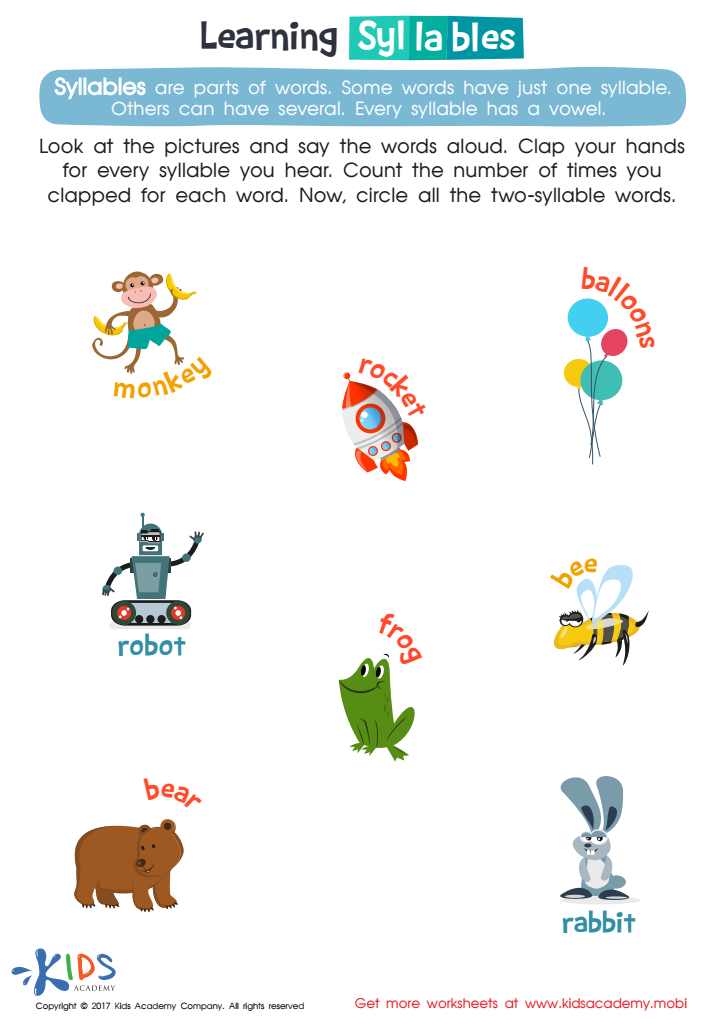
Learning Syllables Word Structure Worksheet
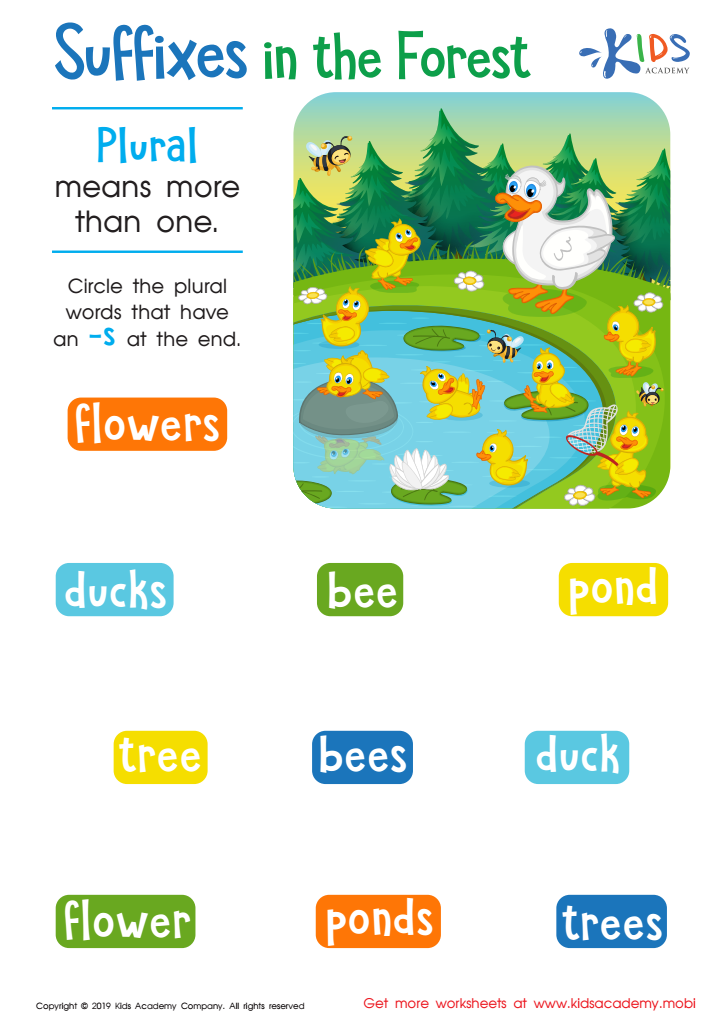
Suffixes in the Forest Worksheet
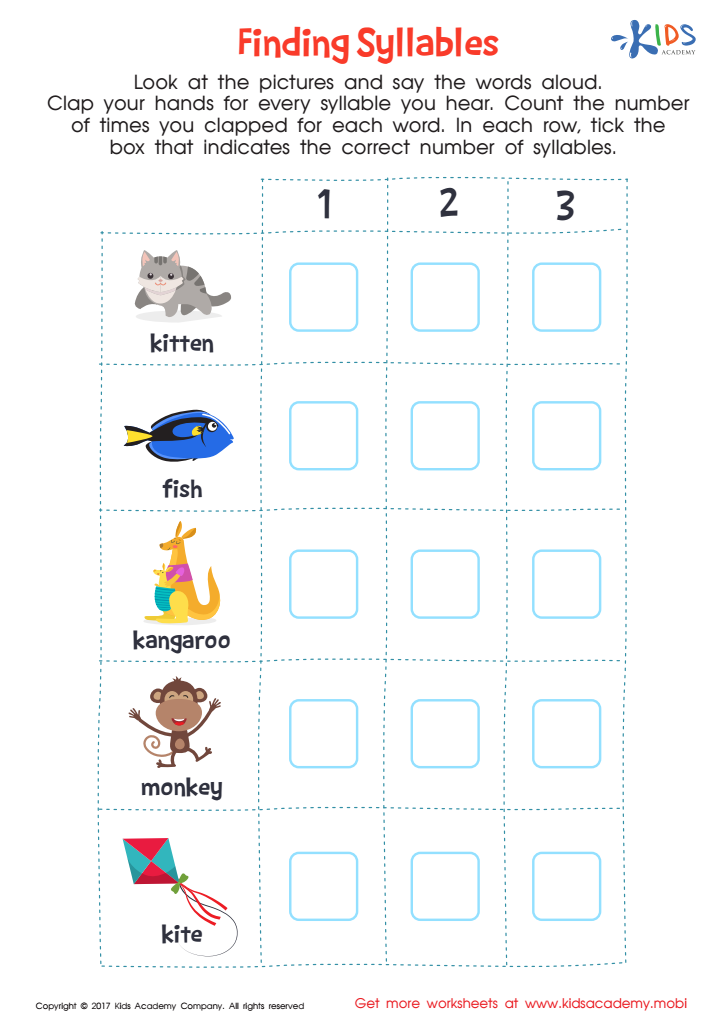
Finding Syllables Word Structure Worksheet
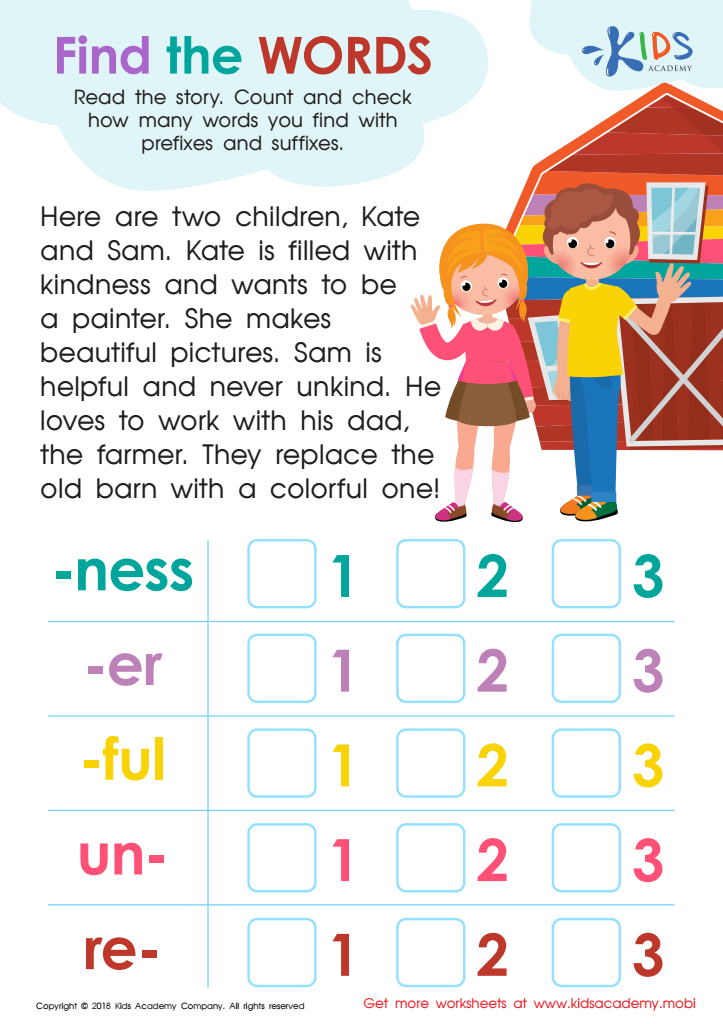
Prefix and Suffix Worksheet For Grade 3
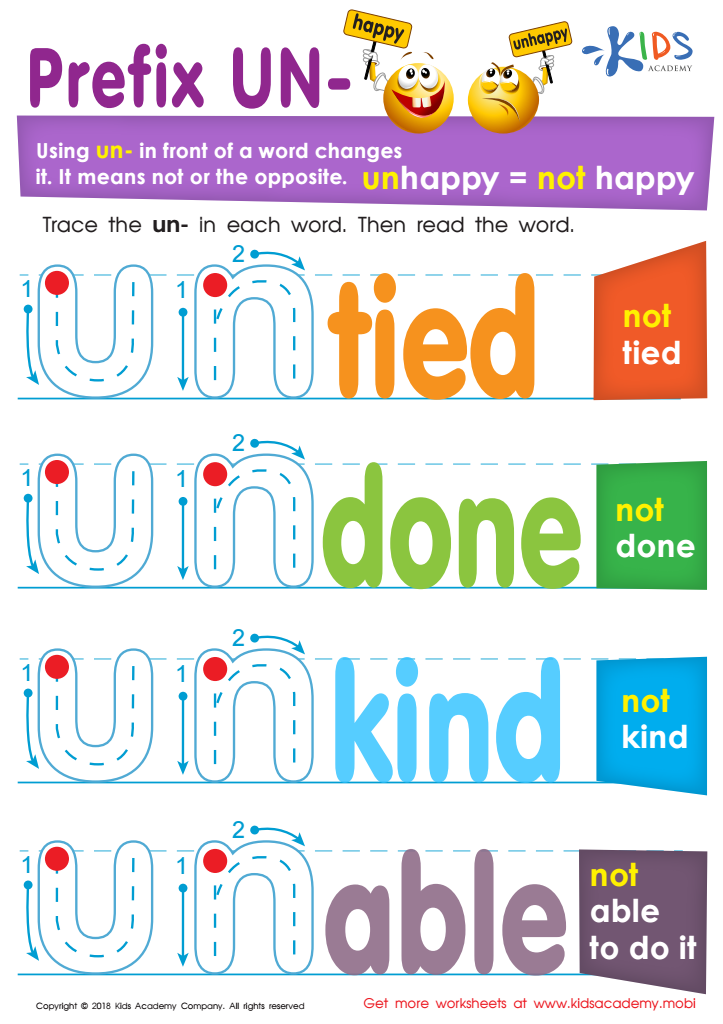
Prefix Un- Worksheet
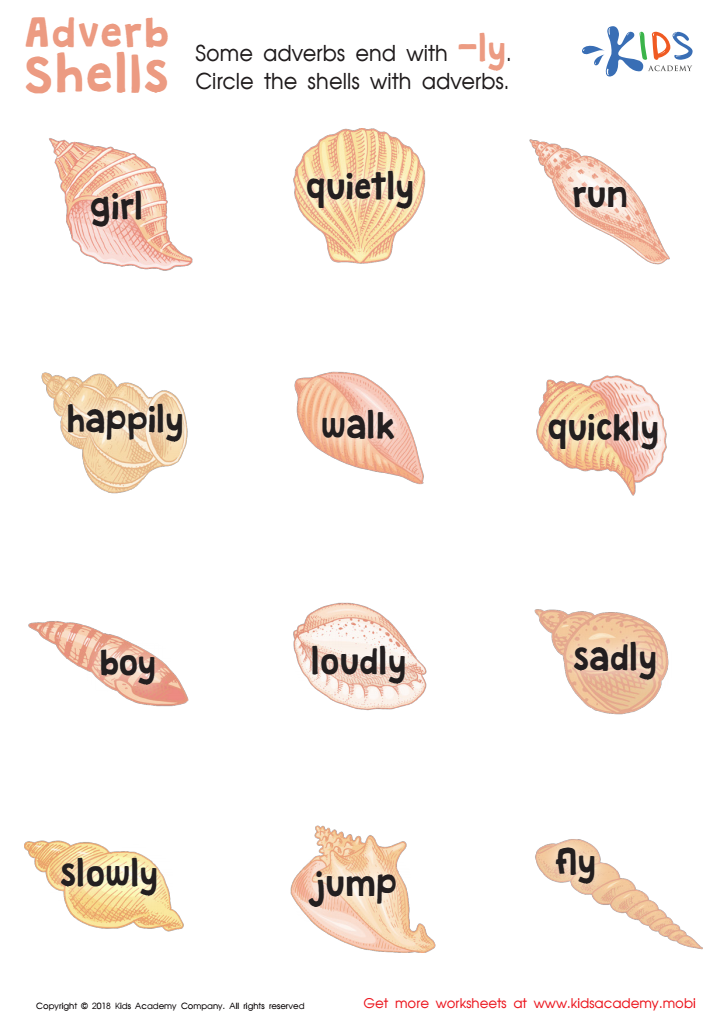
Adverb Shells Worksheet
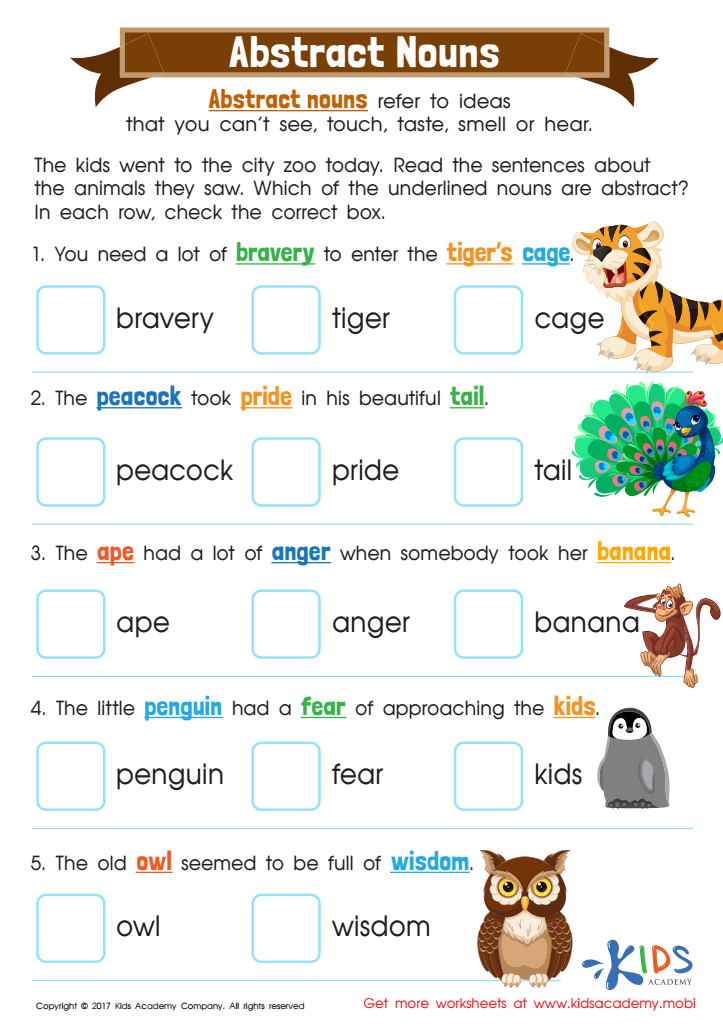
Abstract Nouns Worksheet
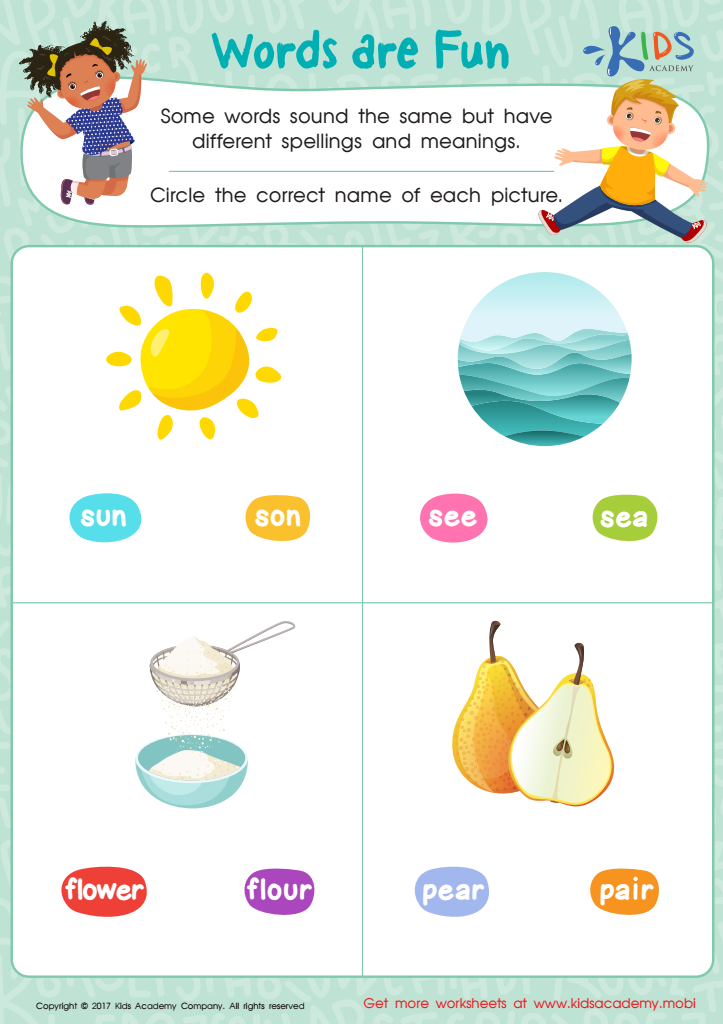
Words Are Fun Worksheet
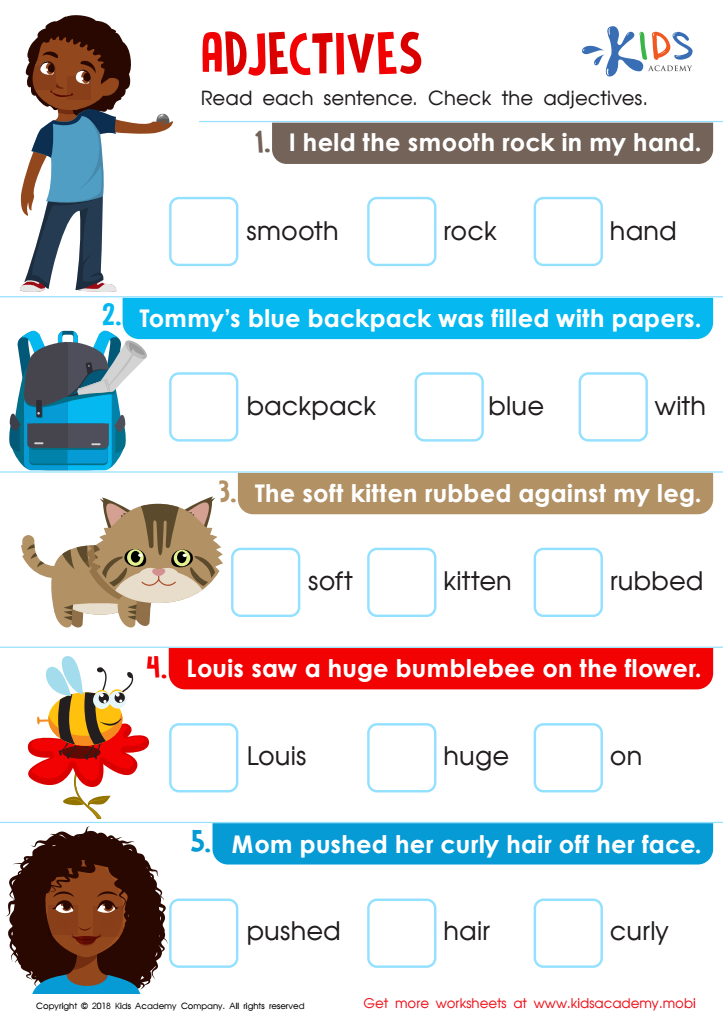
Adjectives Worksheet
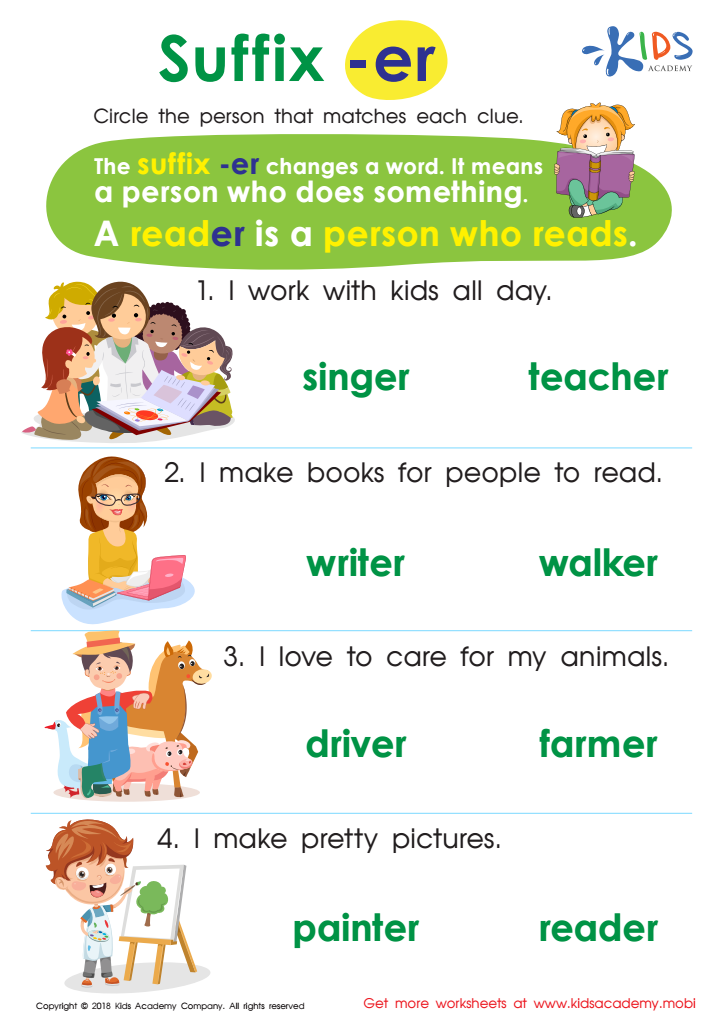
Suffix –er Printable Worksheet
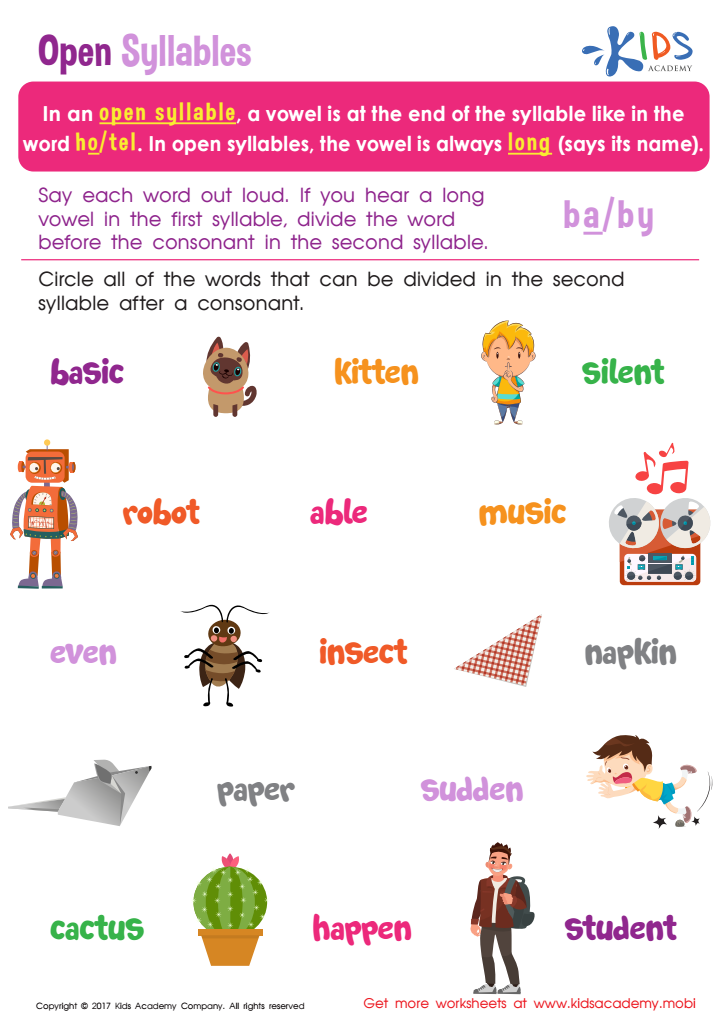
Open Syllable Printable Worksheet
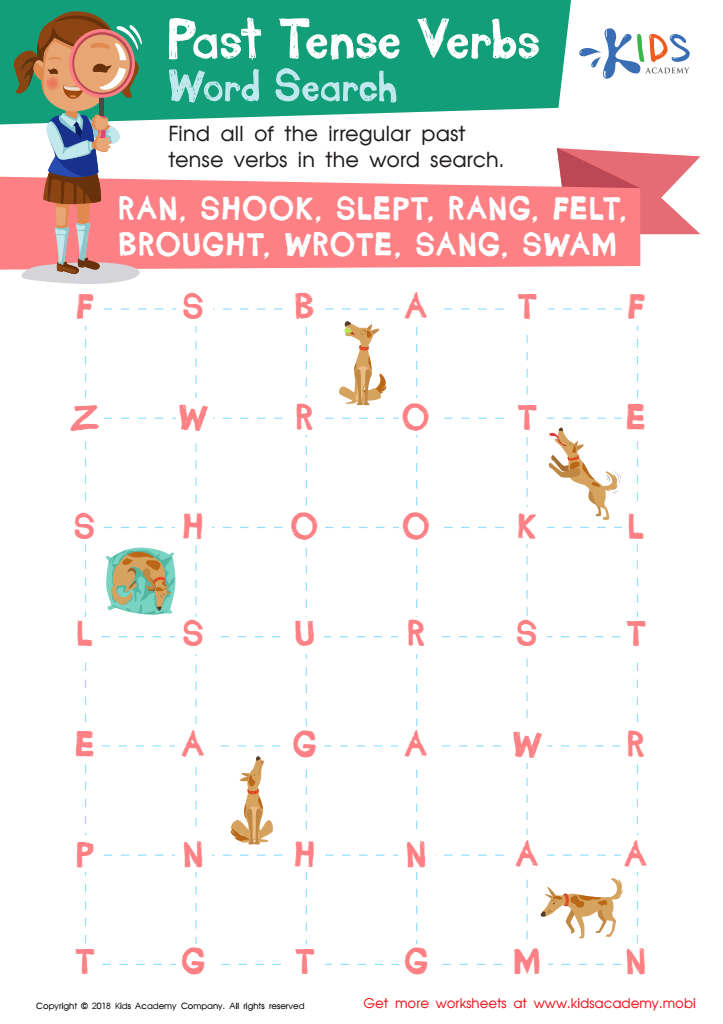
Past Tense Verbs Word Search Worksheet
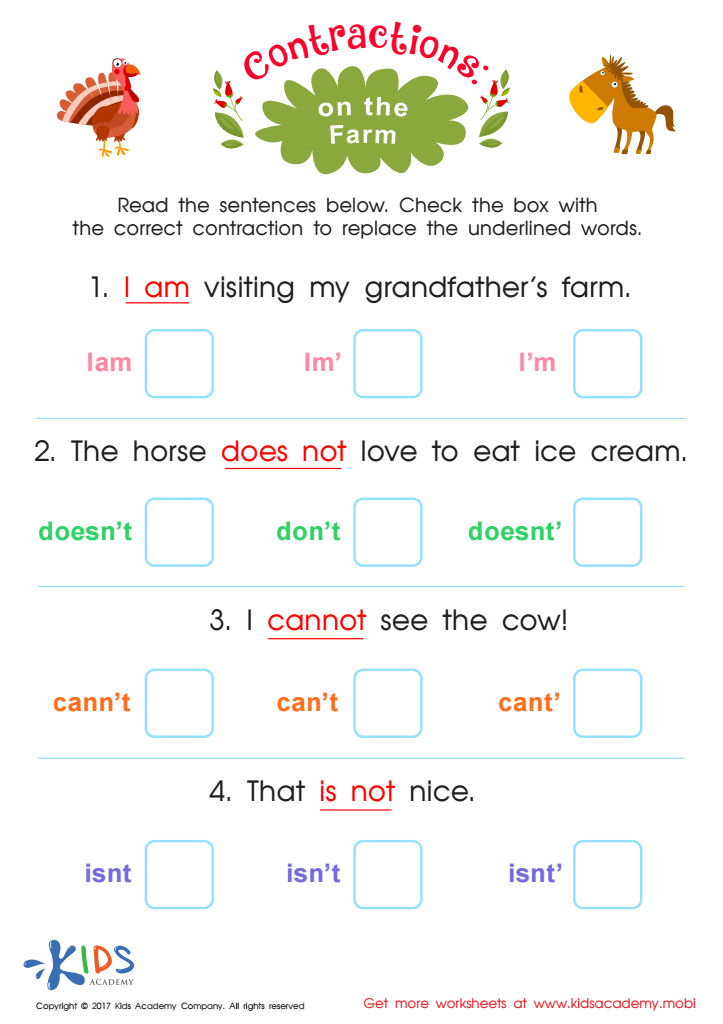
Contractions: On the Farm Printable
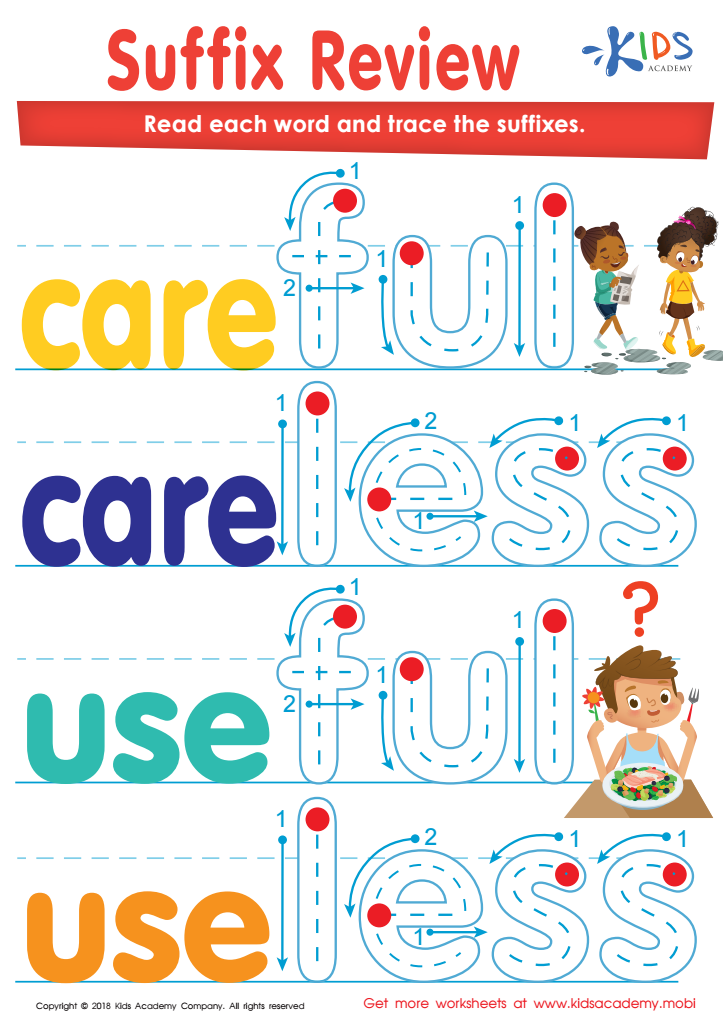
Suffix Review Worksheet
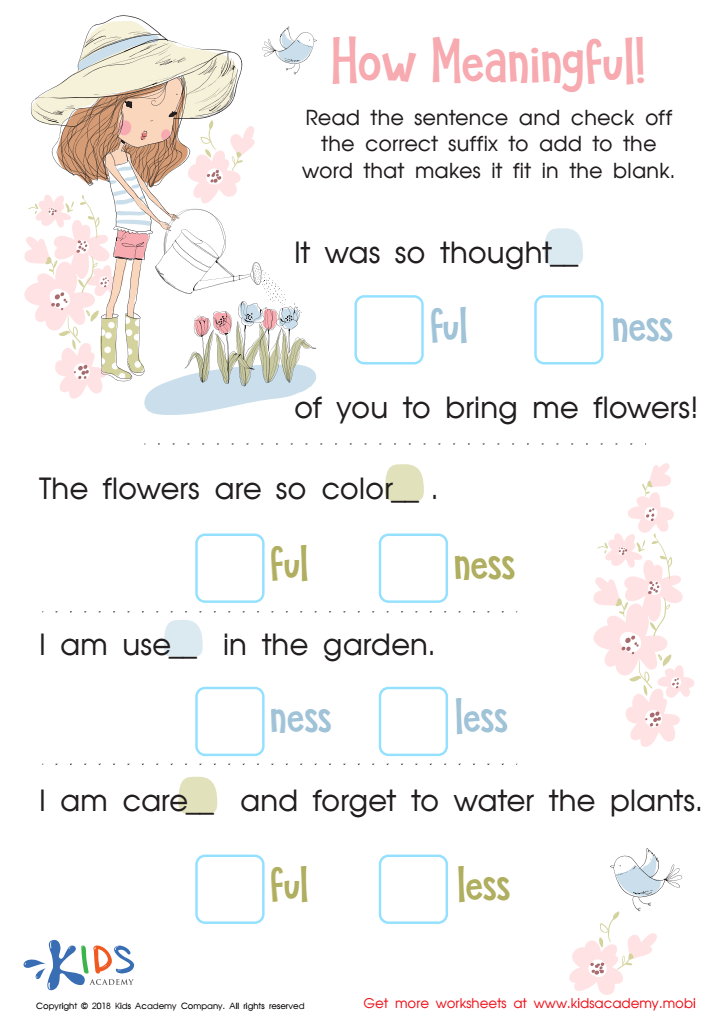
How Meaningful! Worksheet
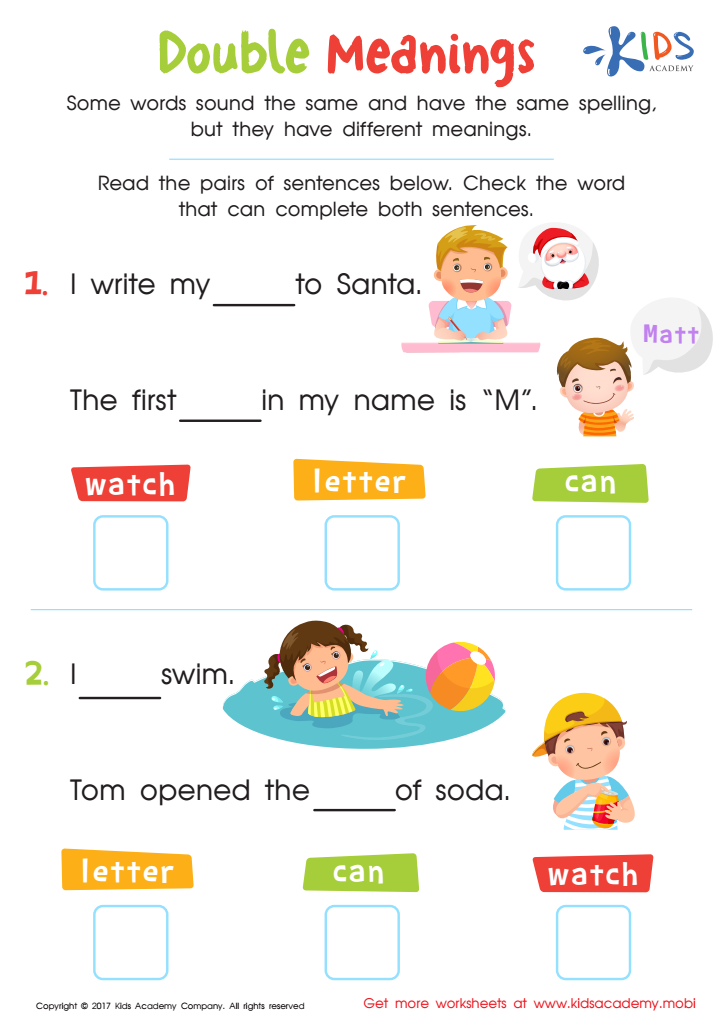
Double Meanings Worksheet







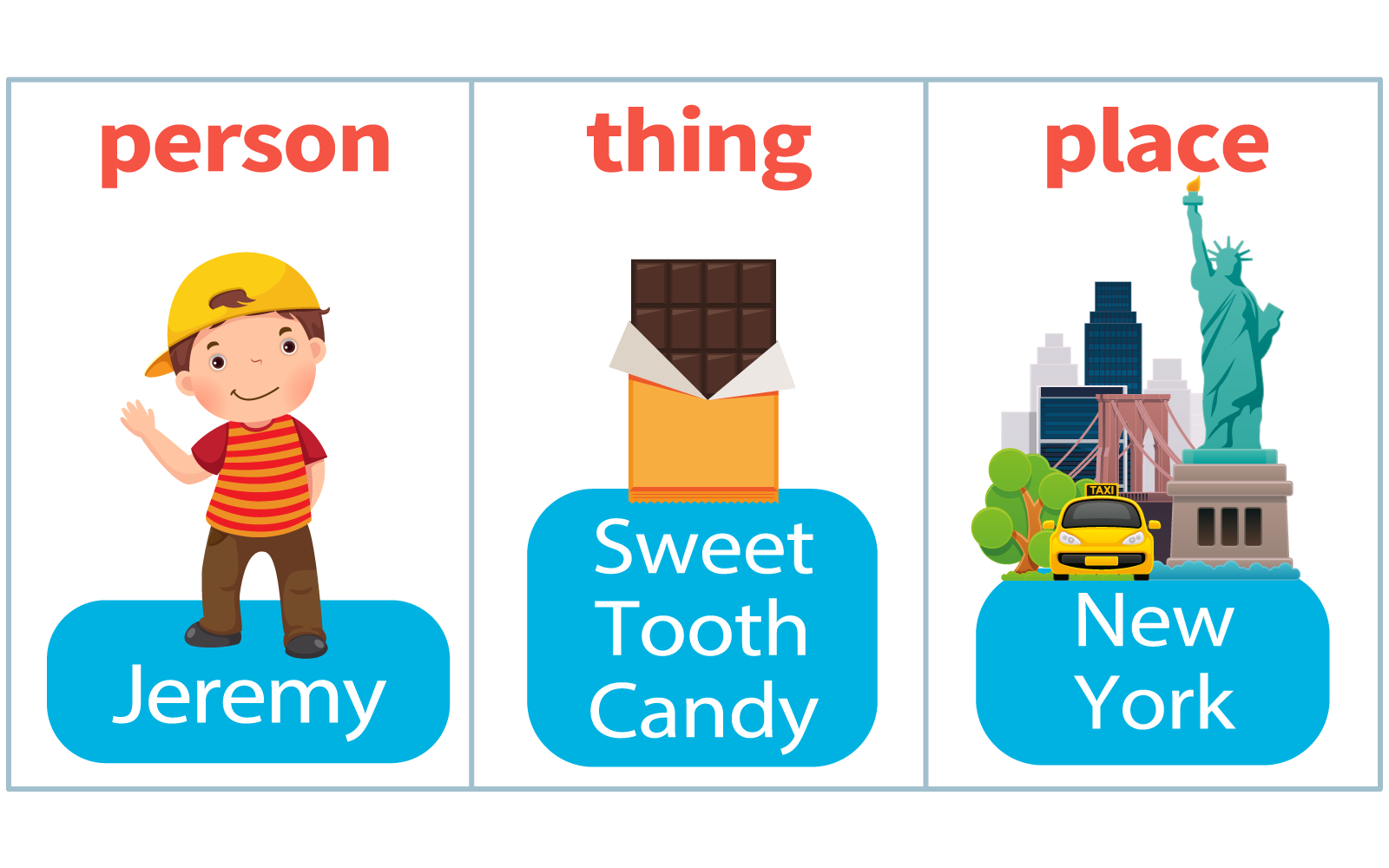
Vocabulary and grammar are fundamental building blocks for language development in children aged 5-9, a critical period for cognitive and social growth. First, a robust vocabulary is crucial for effective communication. When children know more words, they can express their thoughts, emotions, and needs more precisely, leading to better understanding and fewer misunderstandings. This skill is not only essential for interpersonal communication but also for academic success. A large vocabulary can improve reading comprehension, enabling students to grasp complex ideas and instructions, which positively affects their overall academic performance across subjects.
Grammar, on the other hand, provides the rules for how words can be combined to make sense. Good grammar helps children construct clear and coherent sentences, making their communication more effective. Knowing grammatical rules enables children to decode the meaning of written and spoken language more easily, which in turn, supports reading and writing skills.
Moreover, a strong foundation in vocabulary and grammar facilitates further language learning and acquisition of new skills. These competencies set the stage for lifelong learning and adaptability. Encouraging vocabulary growth and grammar proficiency early on helps children develop confidence in their language abilities, boosts their self-esteem, and equips them with the tools needed for successful social interactions and academic endeavors.








