Sound Association Alphabet Worksheets for 5-Year-Olds
25 filtered results
-
From - To
Discover engaging Sound Association Alphabet Worksheets designed specifically for 5-year-olds! These interactive resources help young learners connect letters with their corresponding sounds, fostering early literacy skills. Each worksheet incorporates fun activities that encourage children to match letters with images, enhancing their phonemic awareness and vocabulary. Ideal for parents and teachers, these worksheets make learning the alphabet enjoyable and effective. By participating in sound association exercises, children build a strong foundation for reading and writing. Unlock your child's potential and ignite their love for learning with our colorful and engaging worksheets today! Perfect for home or classroom use.
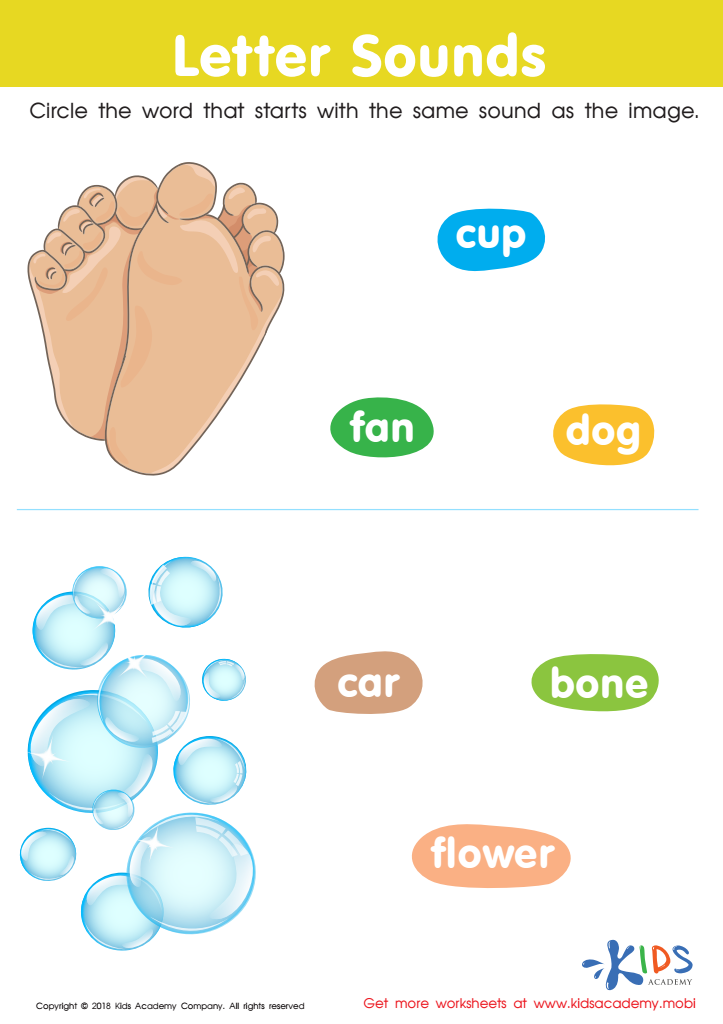
letter sounds Worksheet
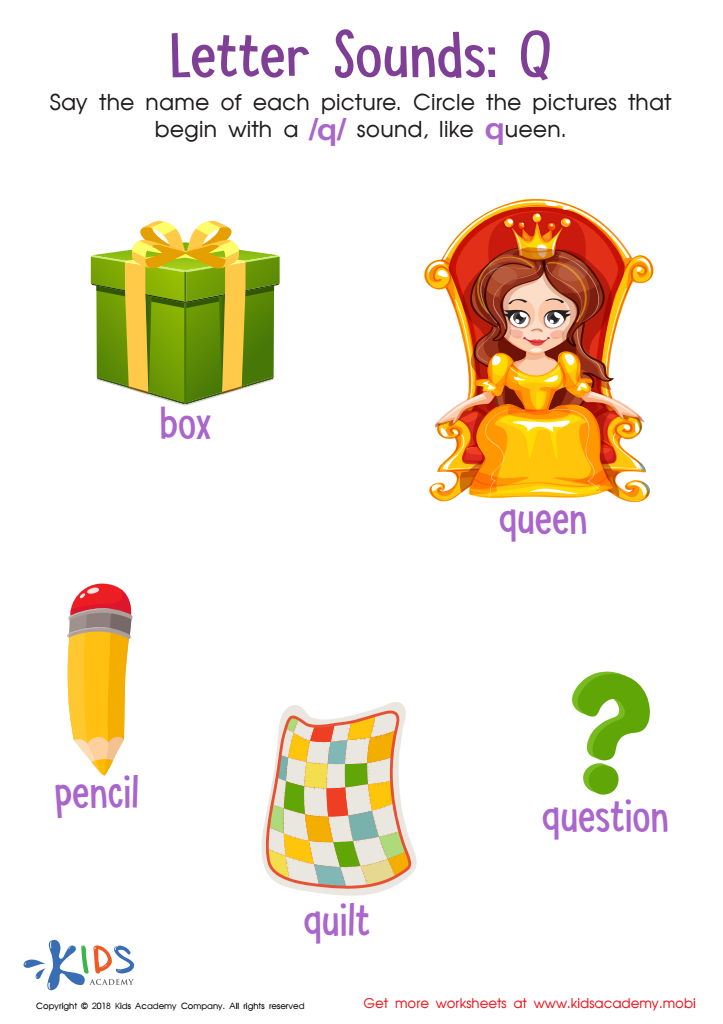
Letter Q Sounds Worksheet
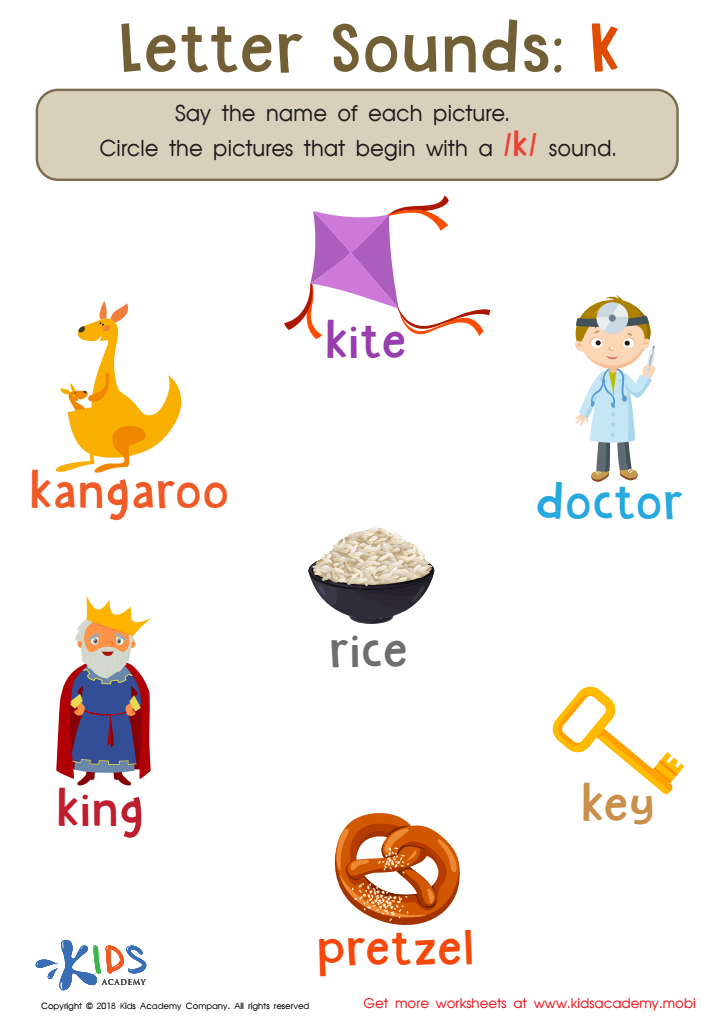
Letter K Sounds Worksheet
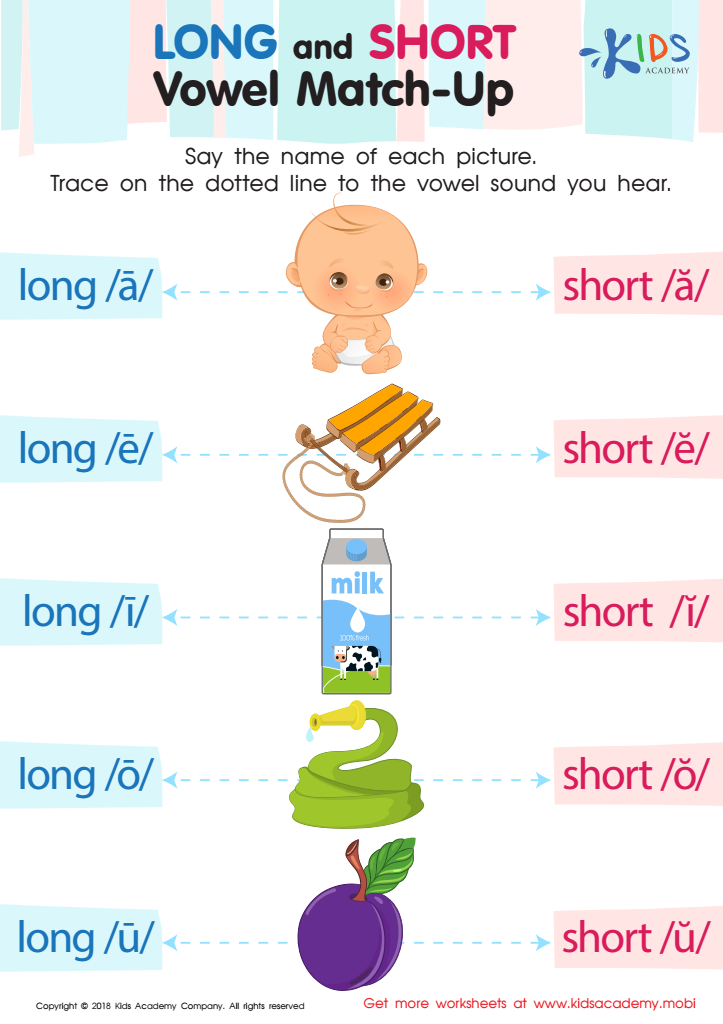
Long and Short Vowel Match up Reading Worksheet
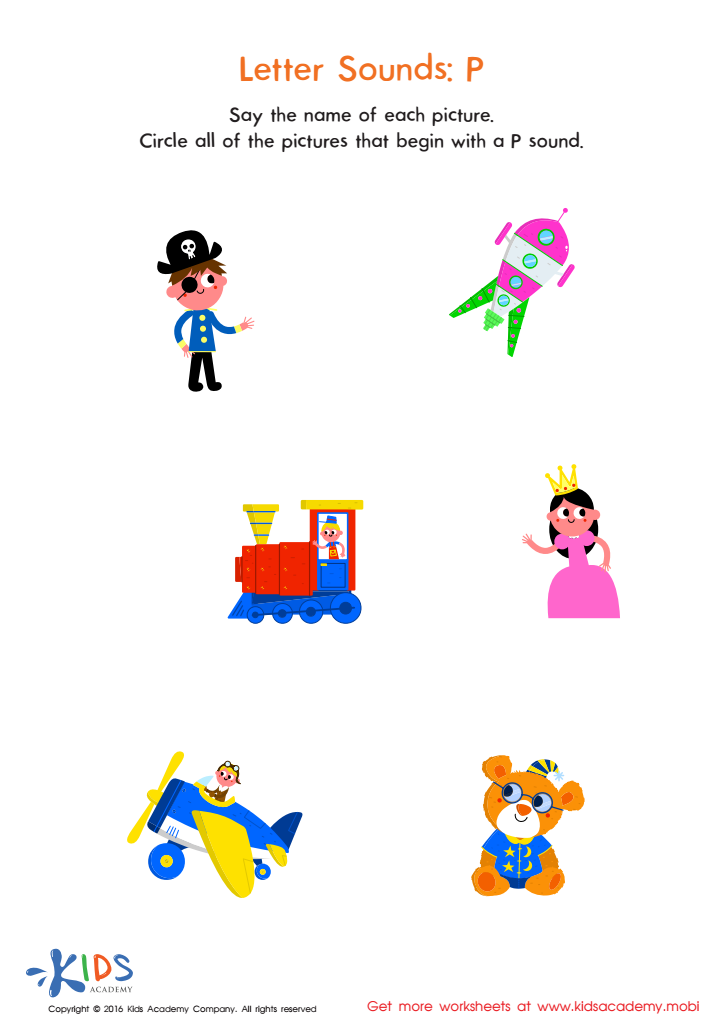
Letter P Sound Worksheet
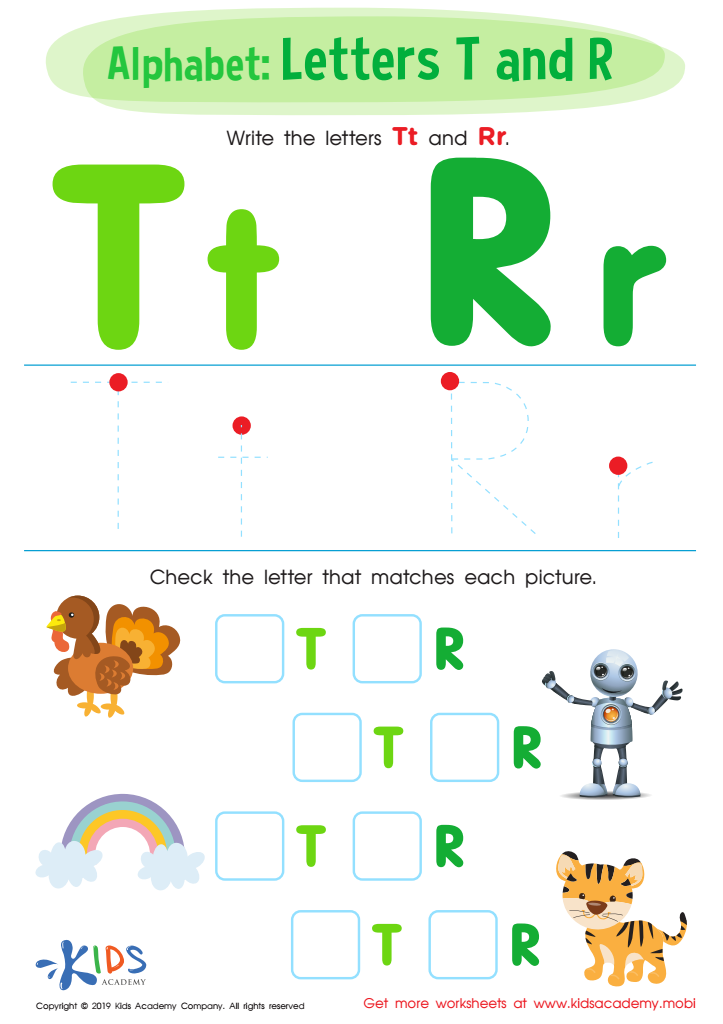
Letters T and R Worksheet
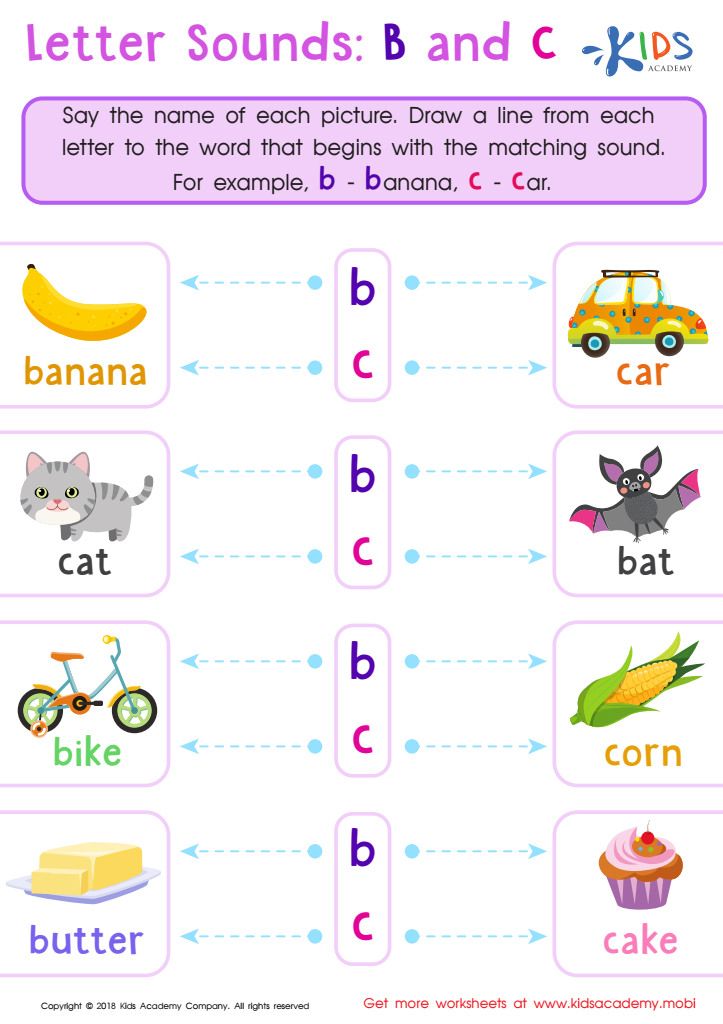
Letter B and C Sounds Worksheet
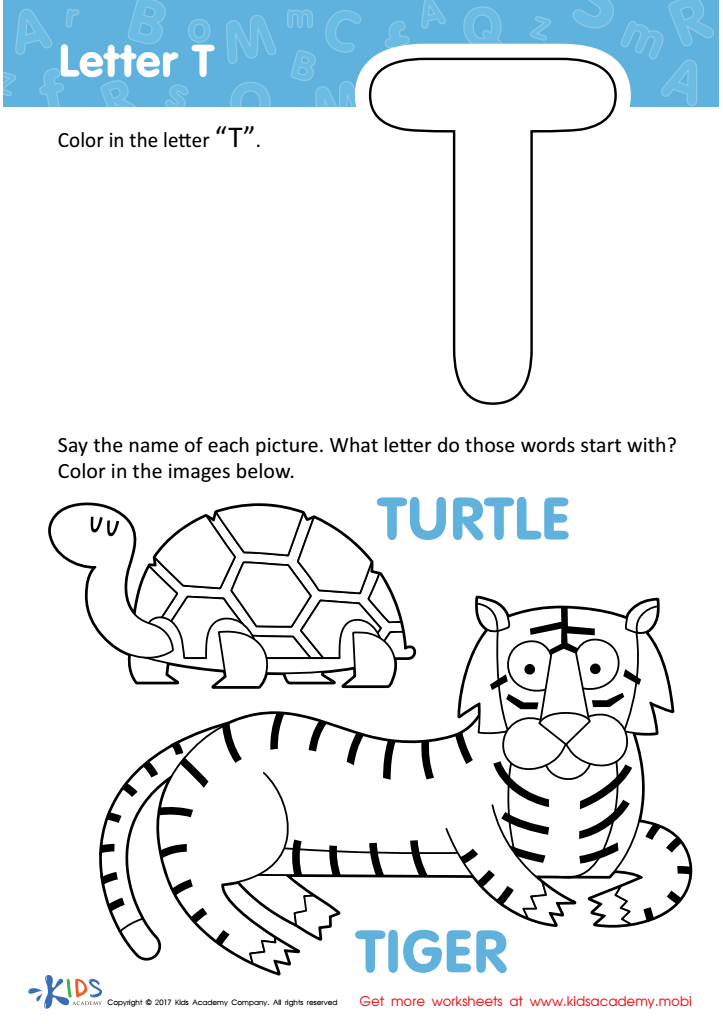
Letter T Coloring Sheet
 Assign to My Students
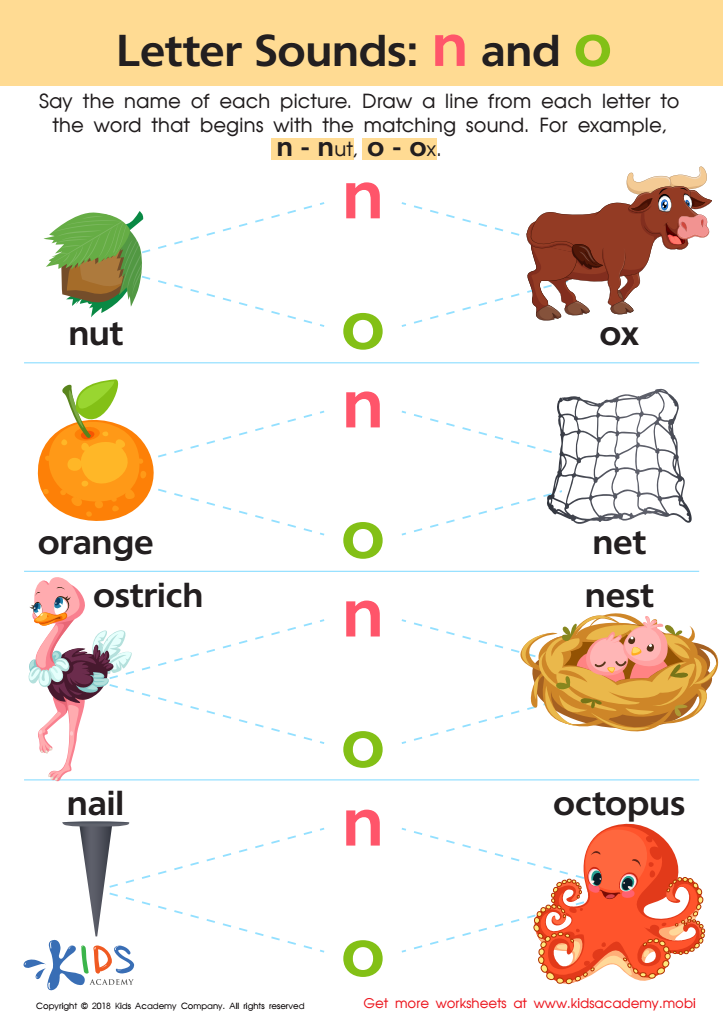
Letter N and O Sounds Worksheet
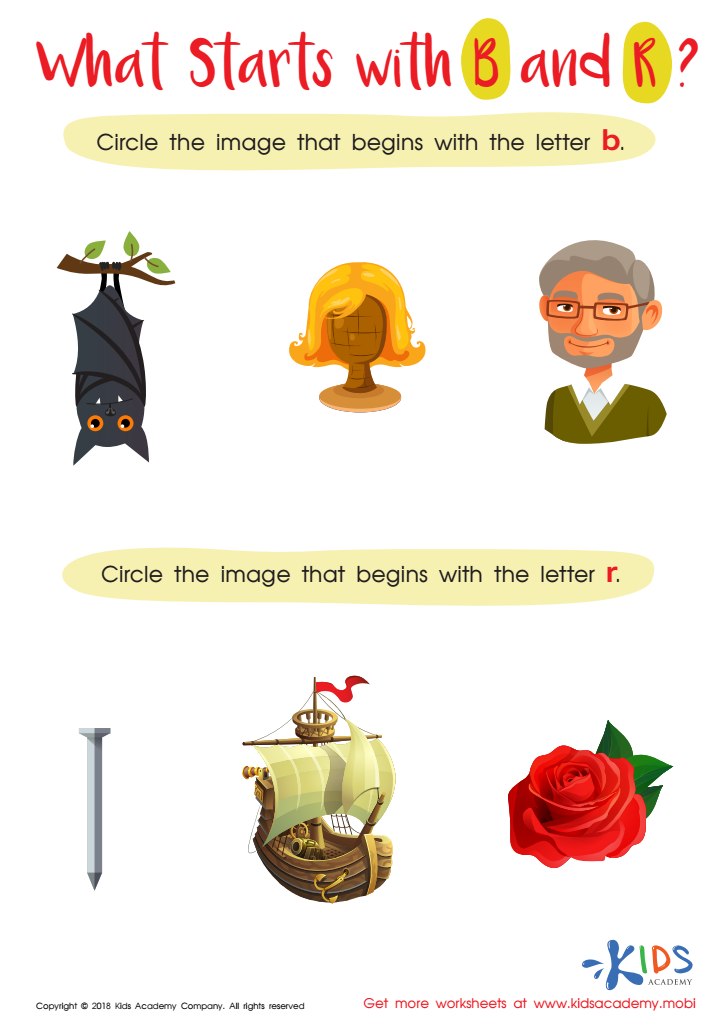
What Starts with B and R? Worksheet
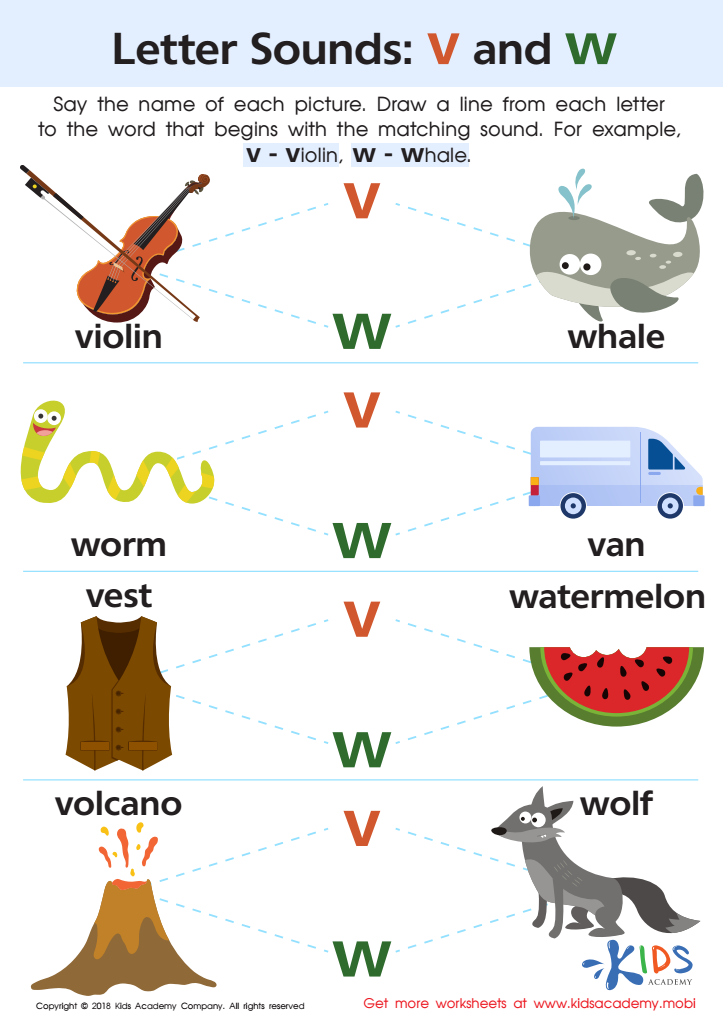
Letter V and W Sounds Worksheet
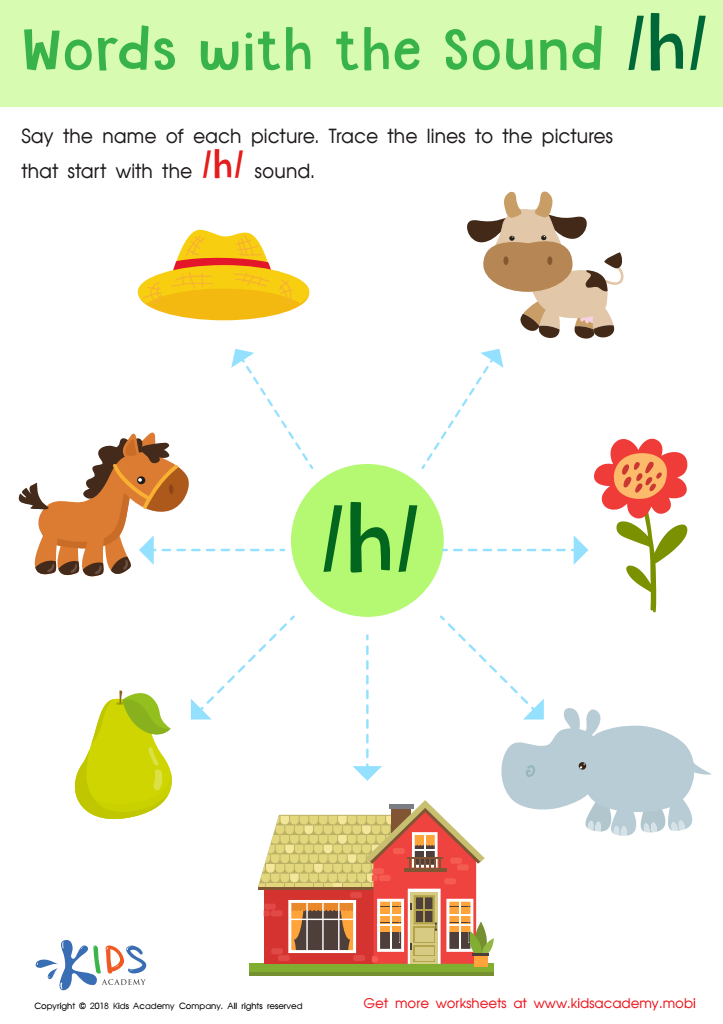
Words with sound h Reading Worksheet
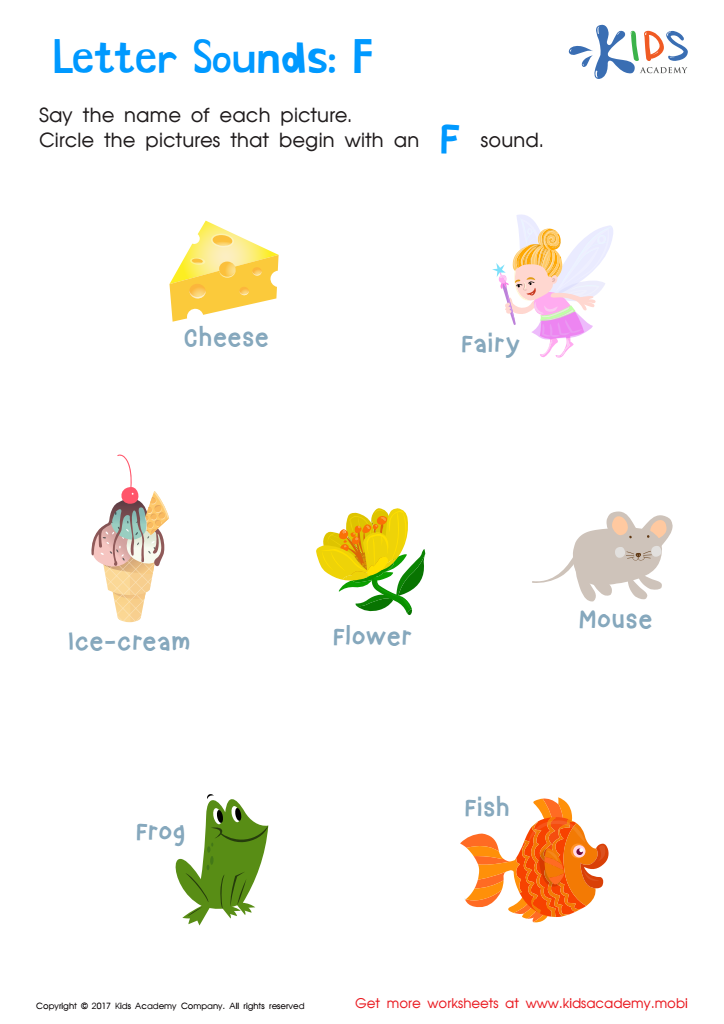
Letter F Sounds Worksheet
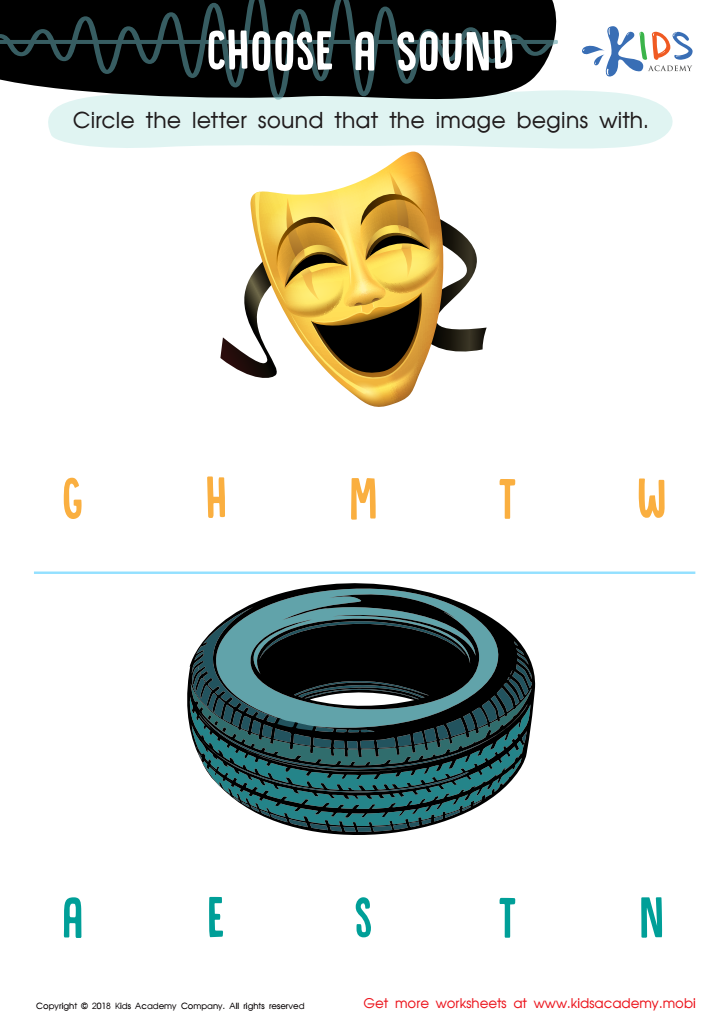
Choose a Sound Worksheet
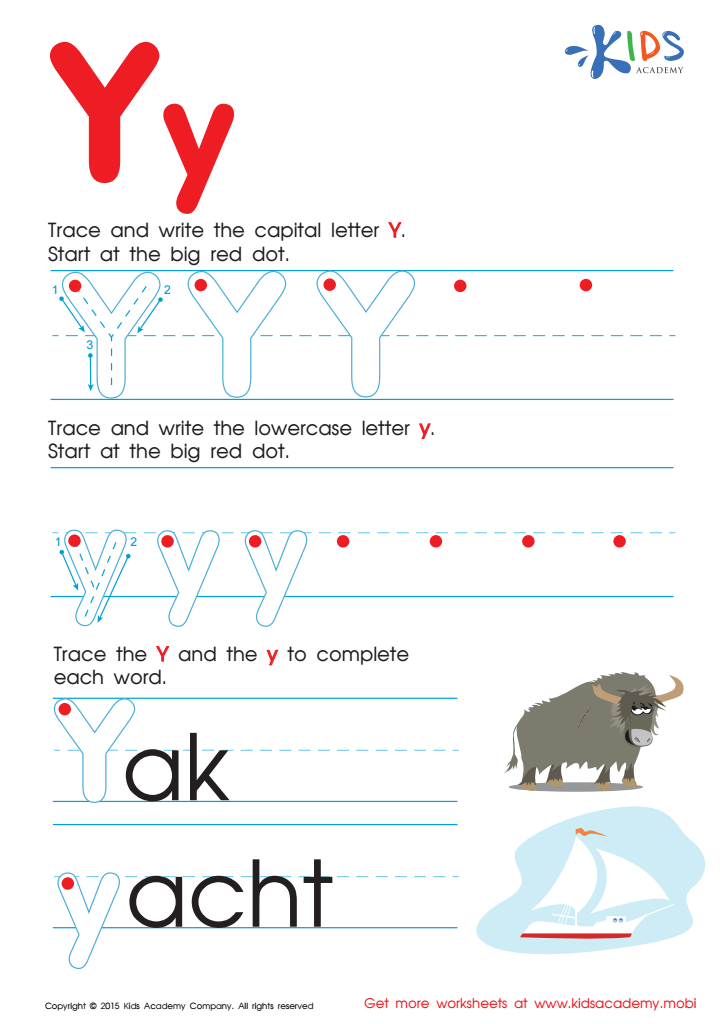
Letter Y Tracing Page
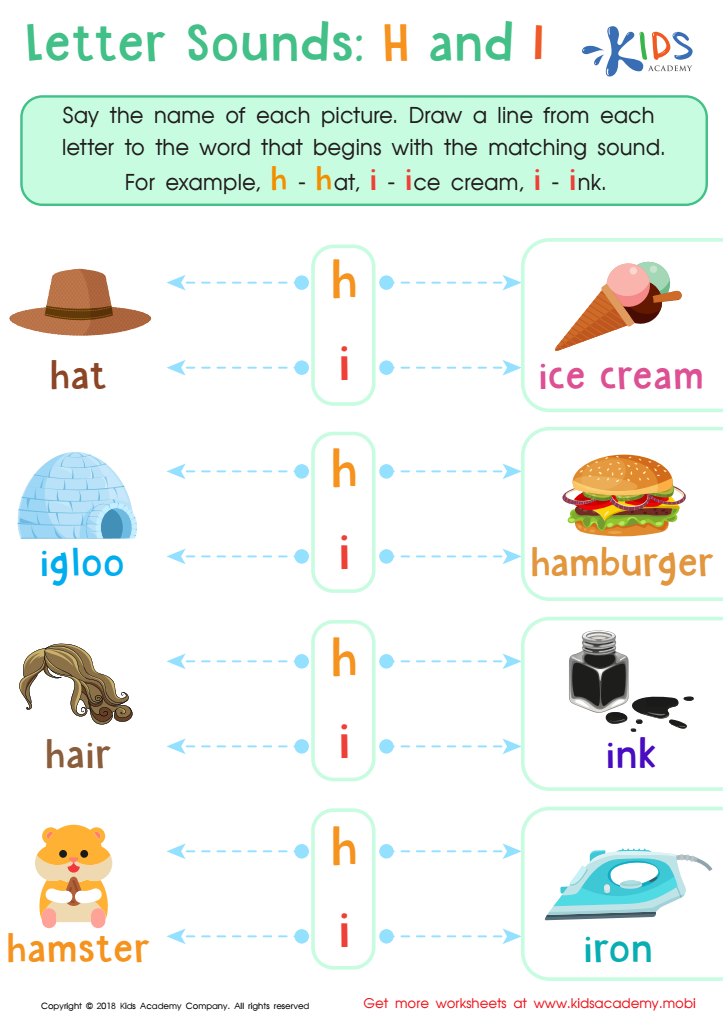
Letter H and I Sounds Worksheet
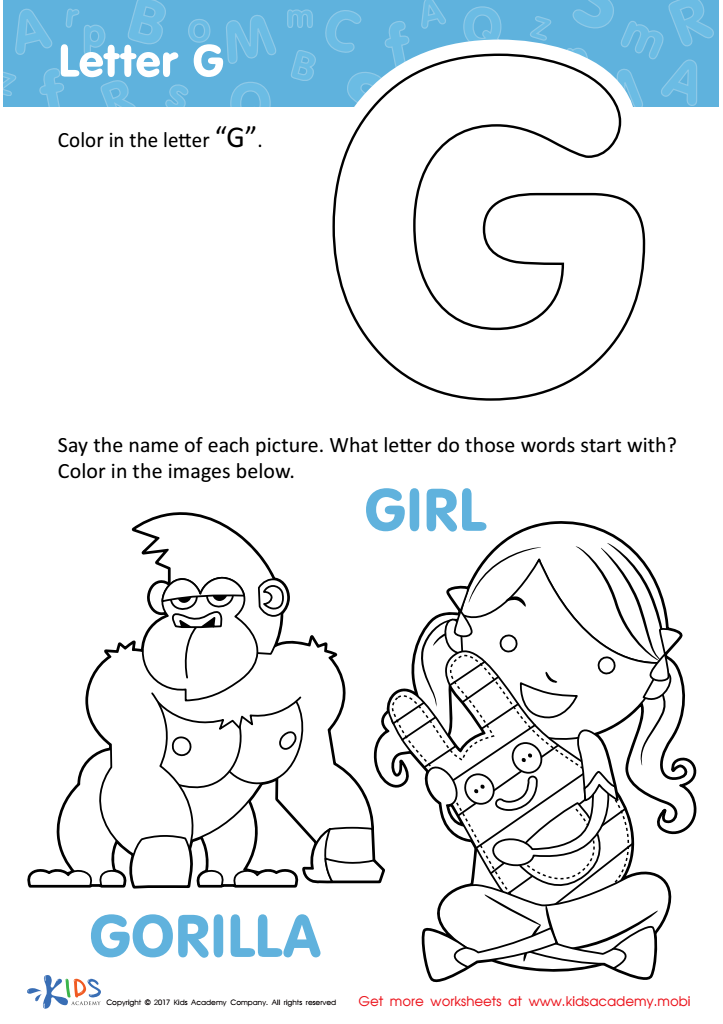
Letter G Coloring Sheet
Assign to My Students
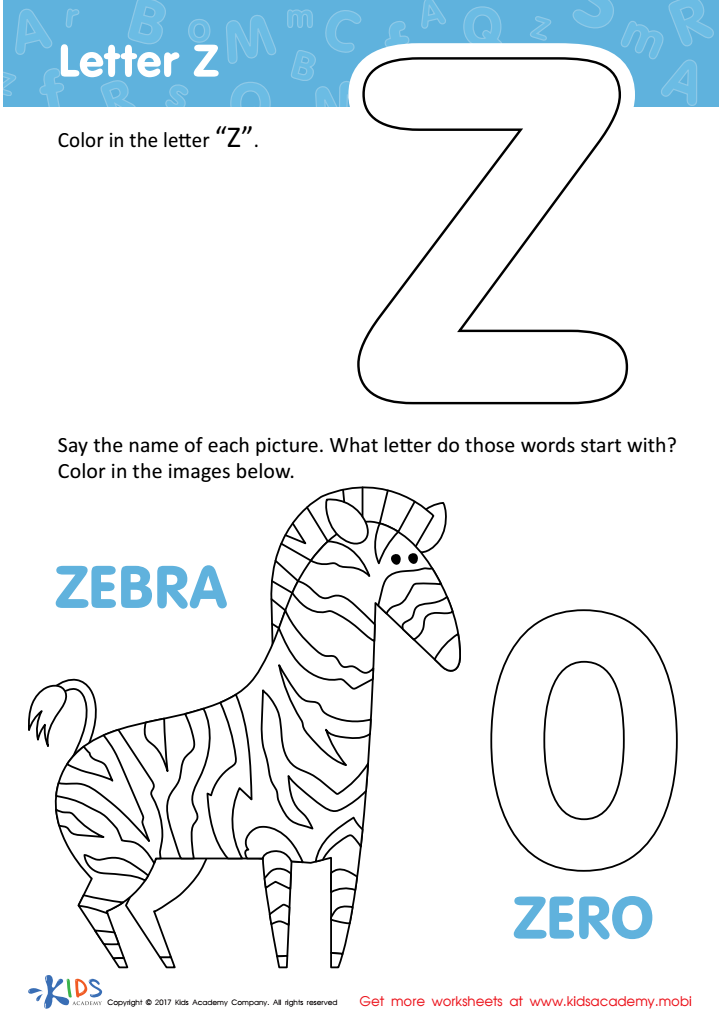
Letter Z Coloring Sheet
Assign to My Students
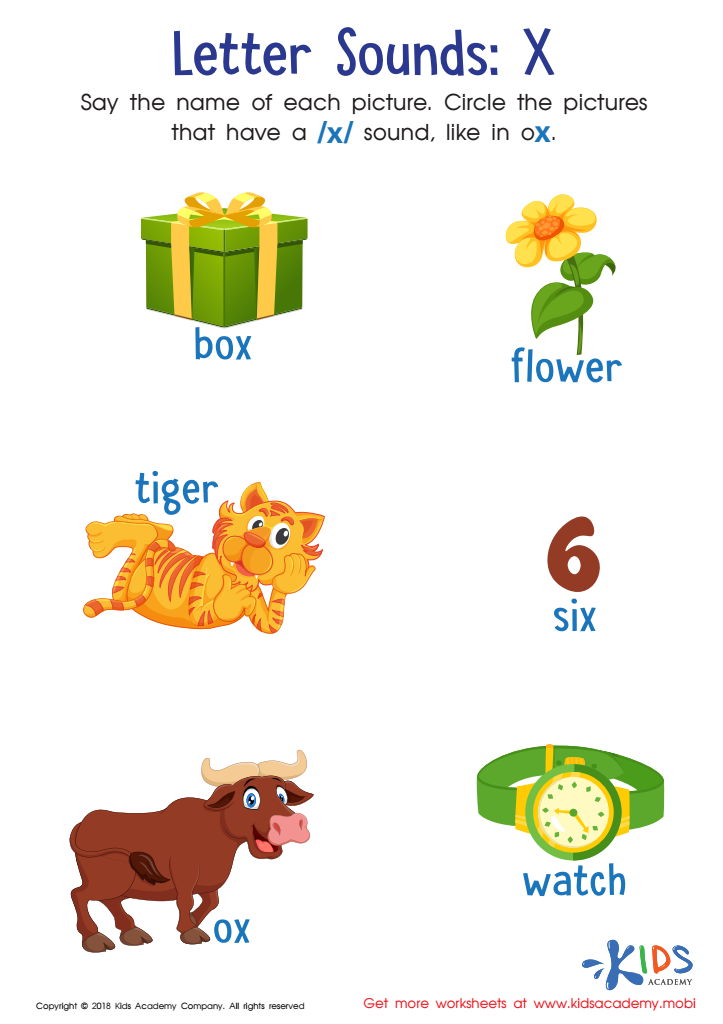
Letter X Sounds Worksheet
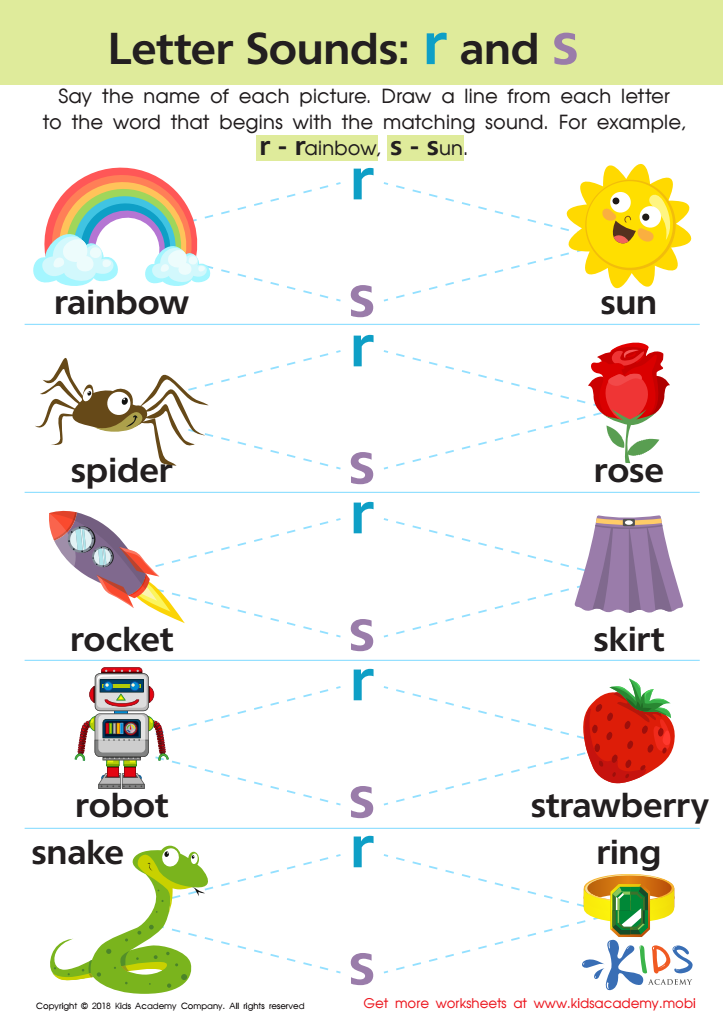
Letter R and S Sounds Worksheet
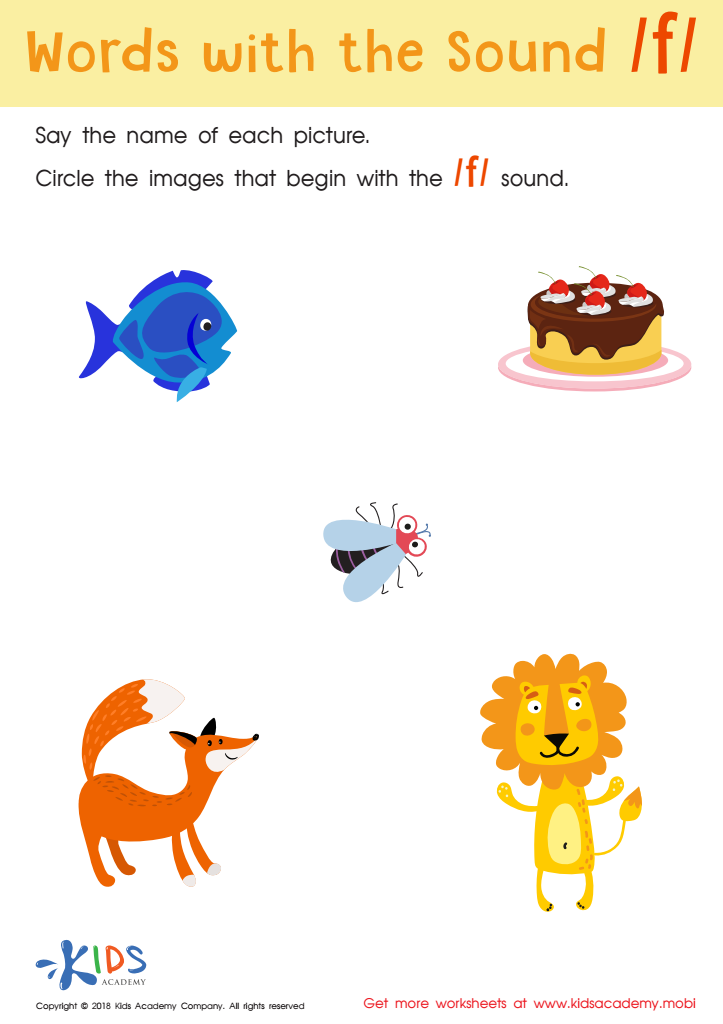
Words with sound f Reading Worksheet
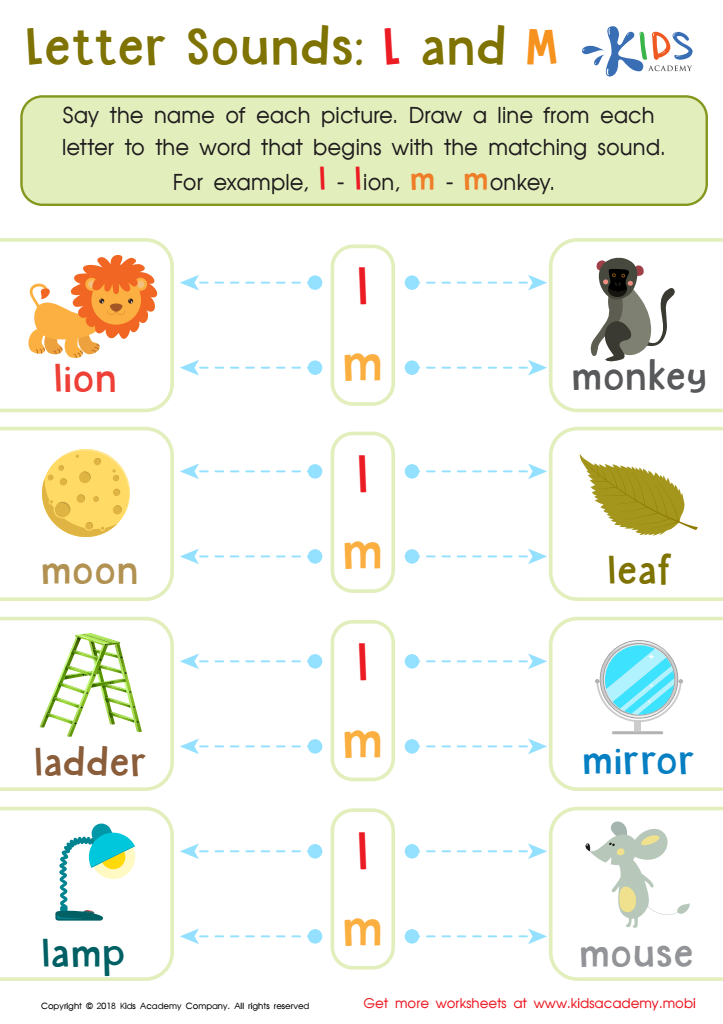
Letter l and M Sounds Worksheet
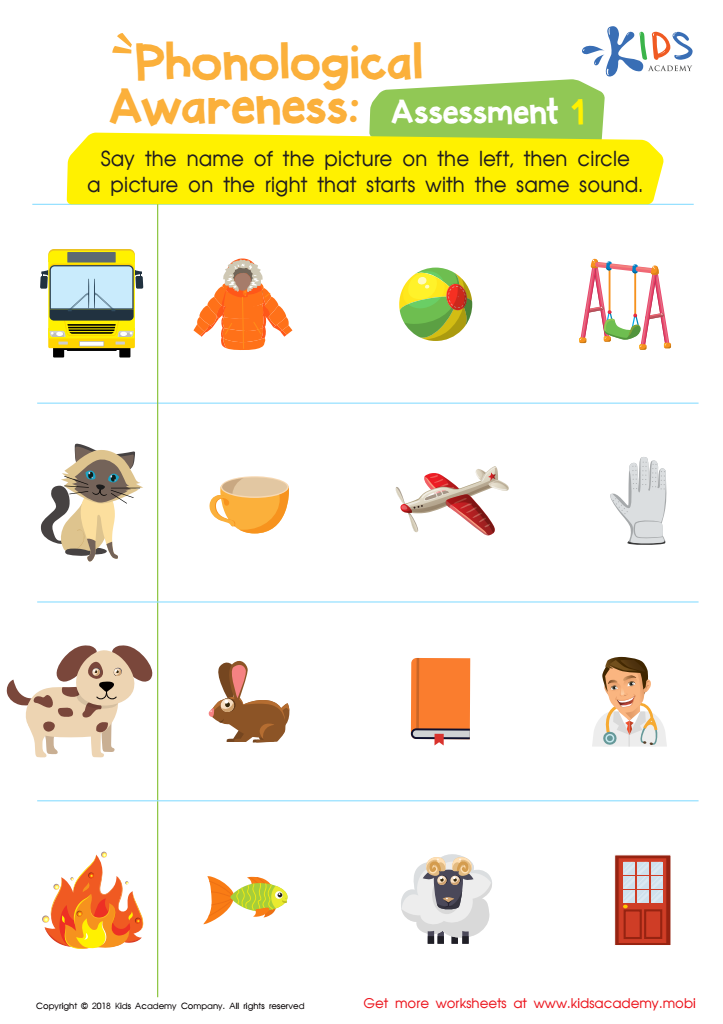
Phonological Awareness: Assessment 1 Worksheet
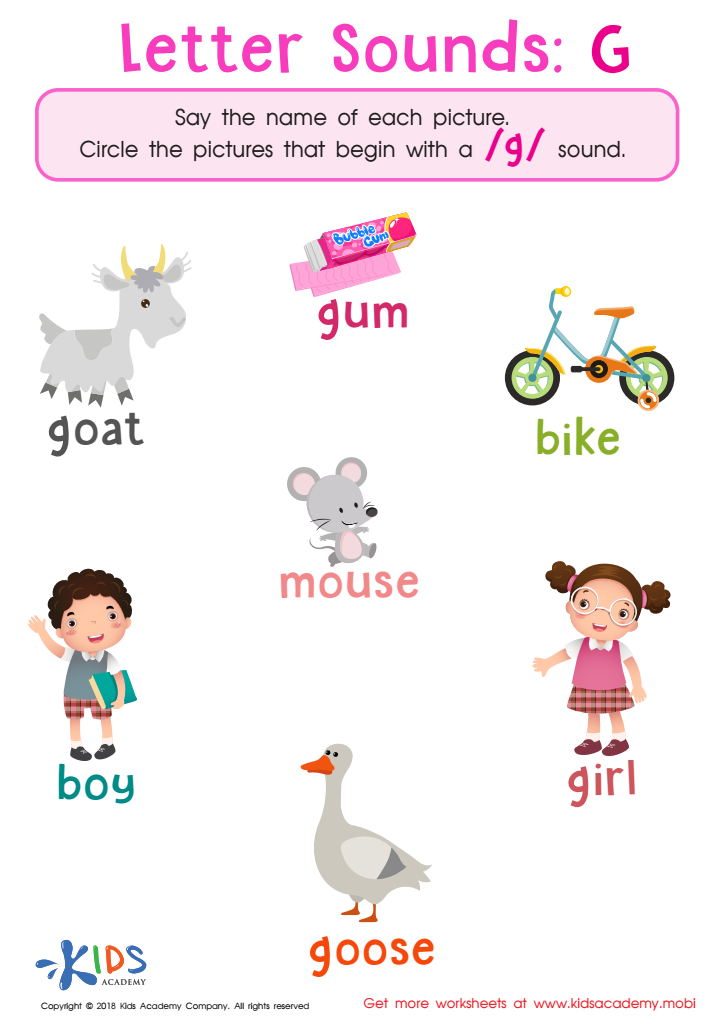
Letter G Sounds Worksheet








Sound Association Alphabet is crucial for early childhood education, particularly for 5-year-olds, as it lays the foundation for reading and writing skills. This method focuses on connecting letters with their corresponding sounds, helping young learners decode words effectively. With proper sound associations, children become more adept at recognizing, pronouncing, and blending sounds, which are essential skills for literacy development.
Parents and teachers should care about this approach because early literacy significantly impacts a child's overall academic success. A child who can confidently recognize sounds and letters is more likely to develop a love for reading and a sense of achievement in their educational journey. This fundamental skill enhances vocabulary, comprehension, and communication abilities.
Moreover, integrating sound association in playful and engaging ways helps maintain a child's interest and motivation. Activities like rhyming games, songs, or letter-sound matching can make learning enjoyable and effective.
Lastly, fostering a solid understanding of sound-letter relationships equips children with the critical tools they need to navigate the complexities of language as they progress in their education. By emphasizing Sound Association Alphabet, parents and teachers significantly contribute to a child’s literacy capabilities and lifelong learning.







