Animal identification Worksheets for 5-Year-Olds
41 filtered results
-
From - To
Discover our engaging Animal Identification Worksheets designed specifically for 5-year-olds! These worksheets offer a fun and interactive way for young learners to explore various animals and enhance their observation skills. Each activity encourages children to identify, match, and classify animals, fostering both cognitive development and an appreciation for wildlife. Perfect for home or classroom use, our printable resources help spark curiosity and build foundational knowledge about the animal kingdom. Easy to use and visually appealing, these worksheets make learning enjoyable while supporting early literacy and critical thinking skills. Start your child’s adventure into the animal world today!
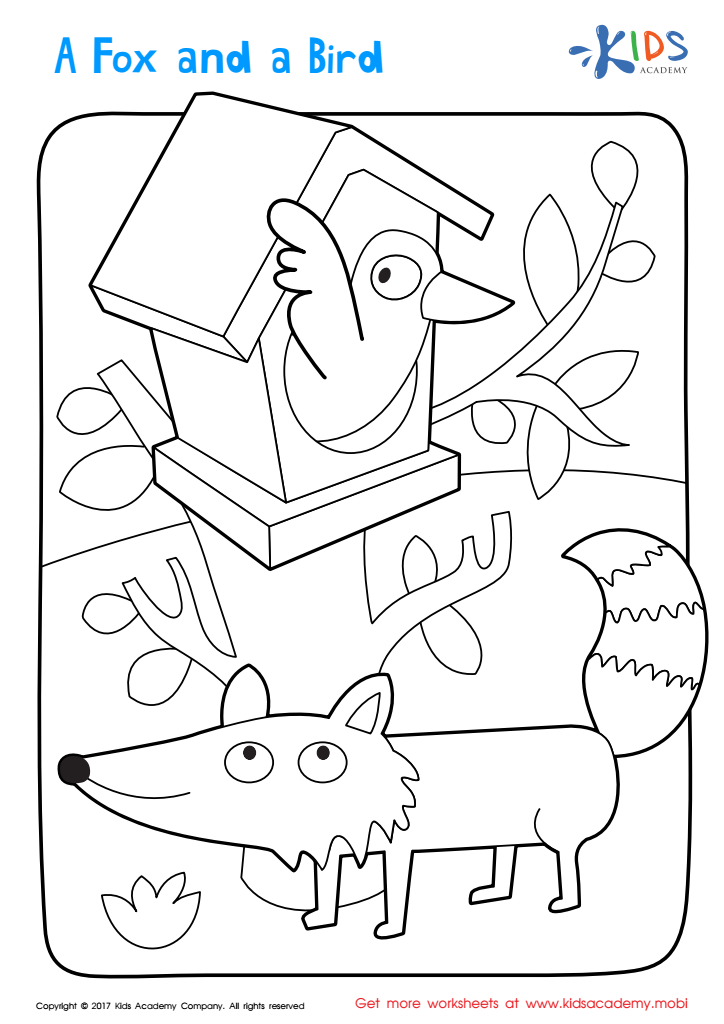
A Fox and Bird Coloring Page
 Assign to My Students
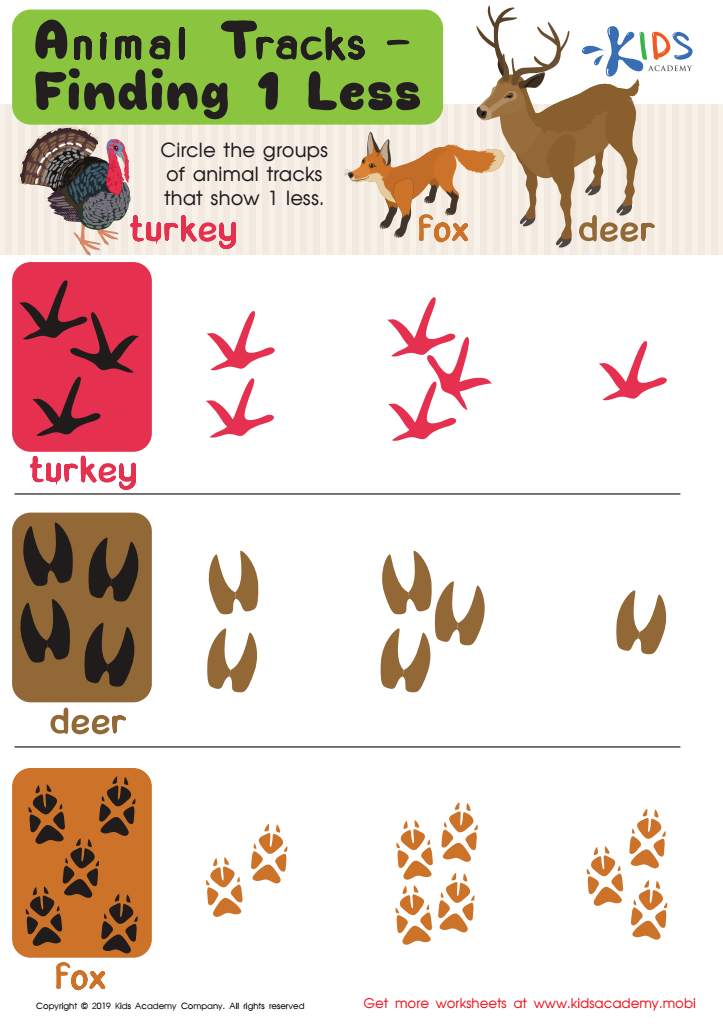
Animal Tracks: Find 1 Less Worksheet
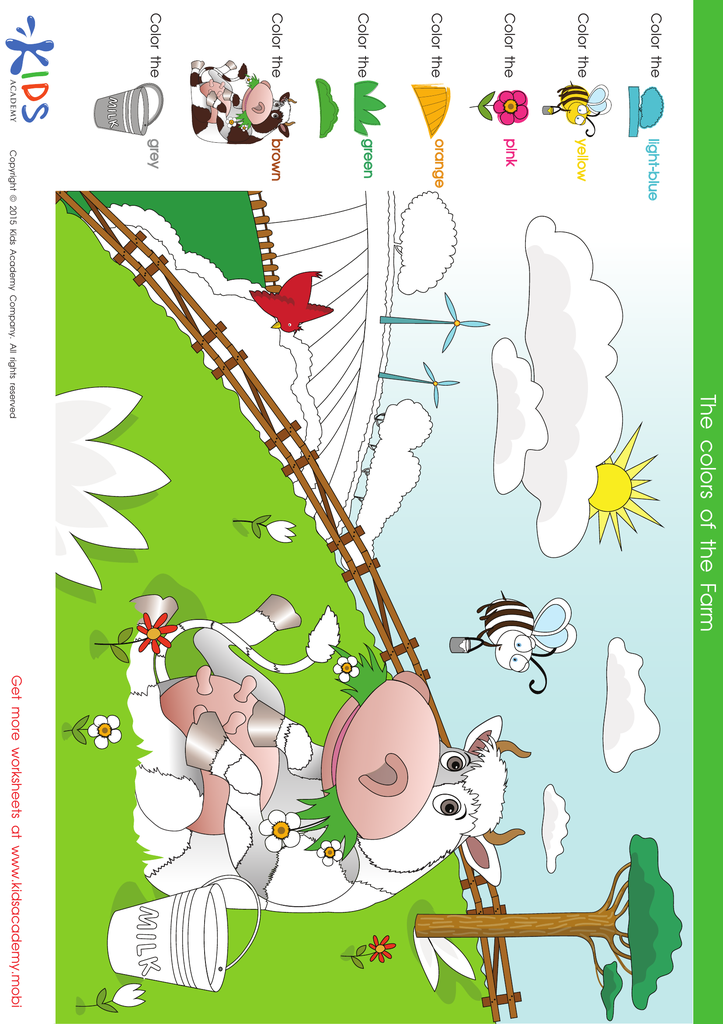
Color the Cow and the Fields Coloring Pages
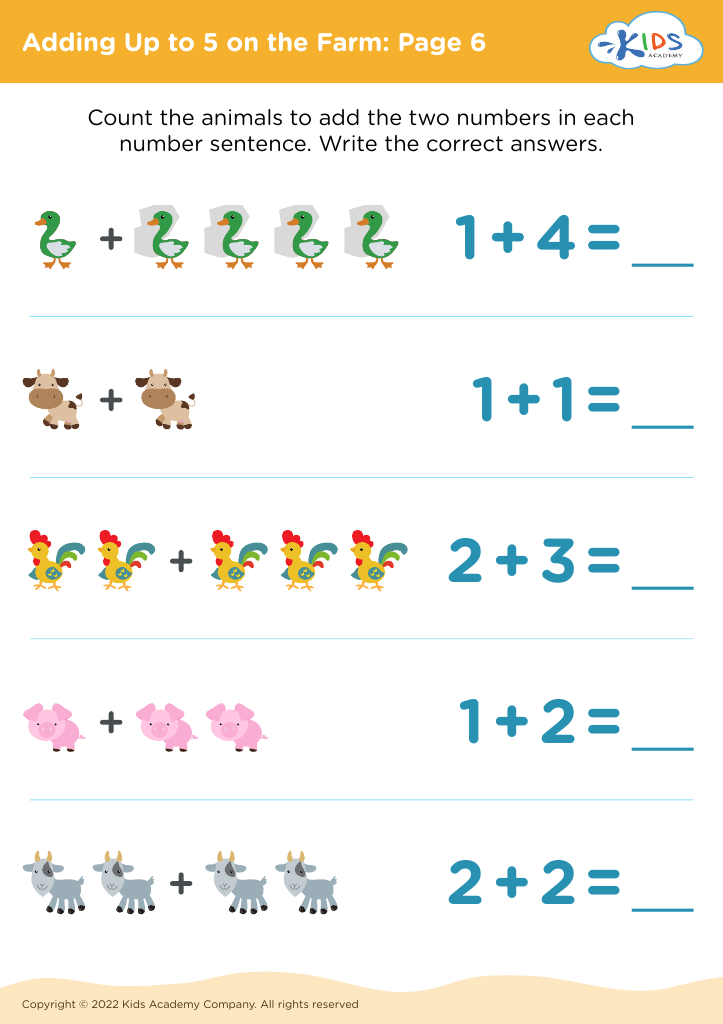
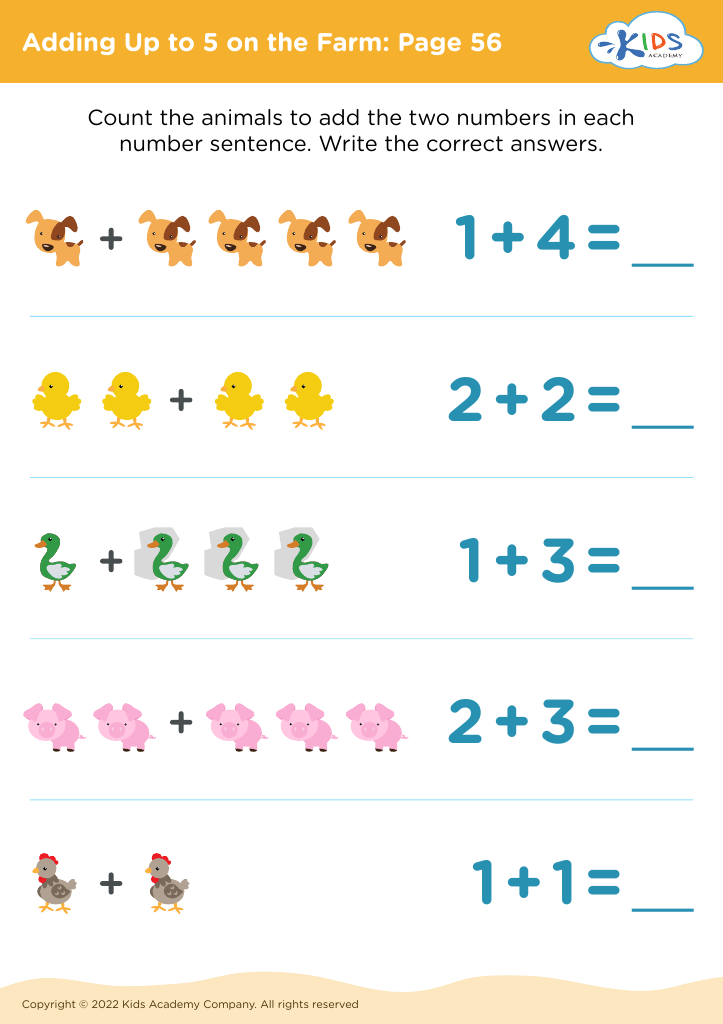
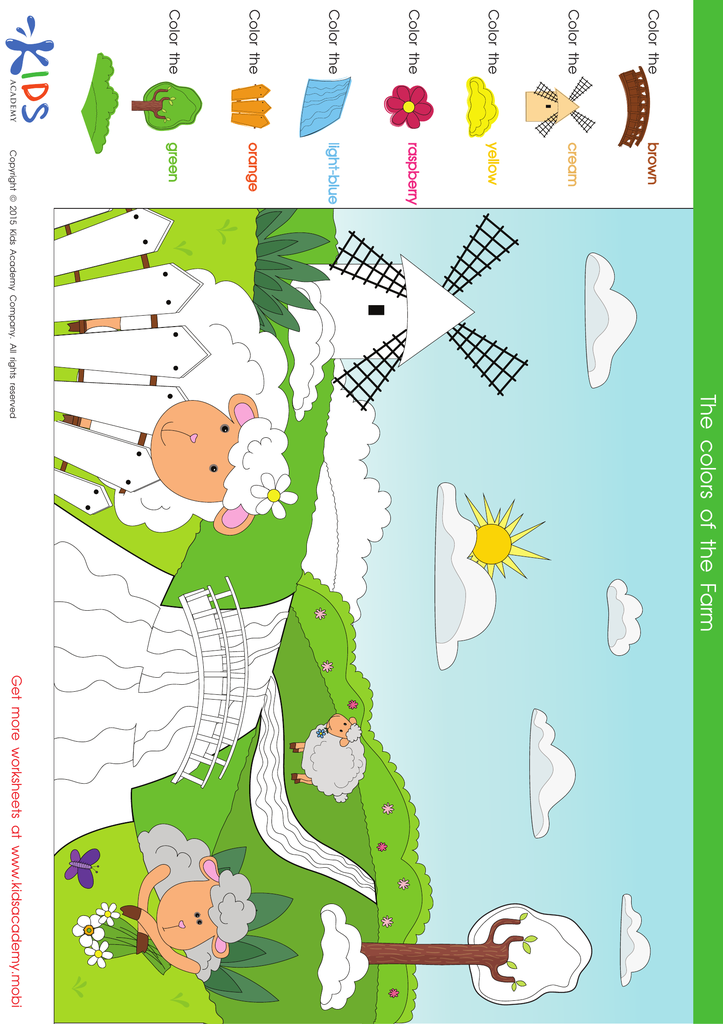
Color the Sheep in the Field Coloring Pages
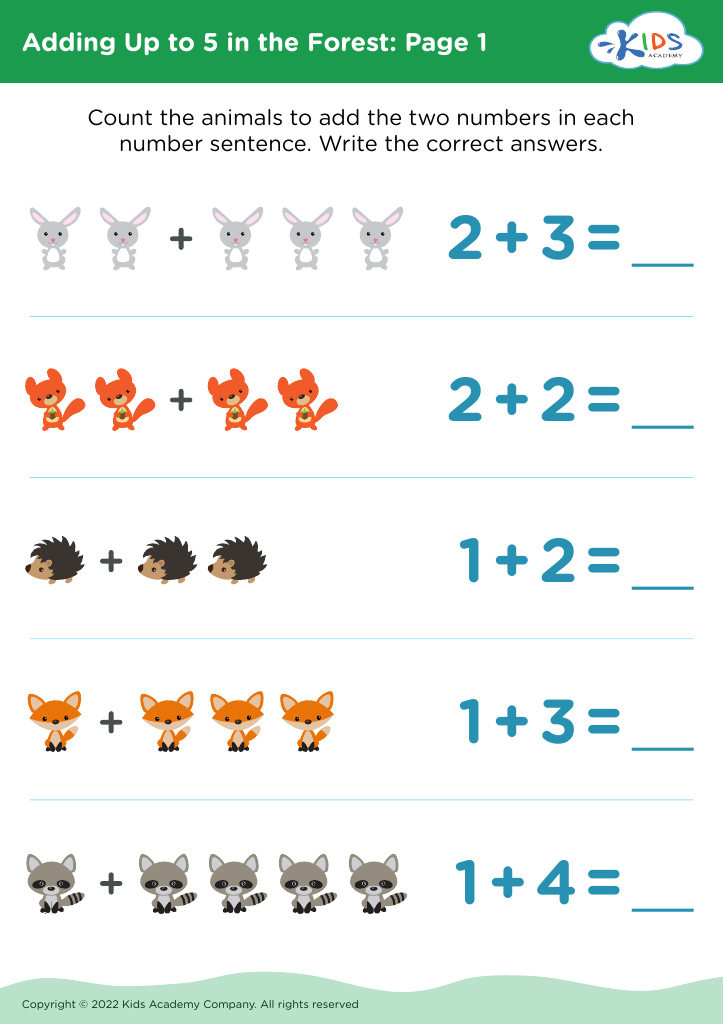
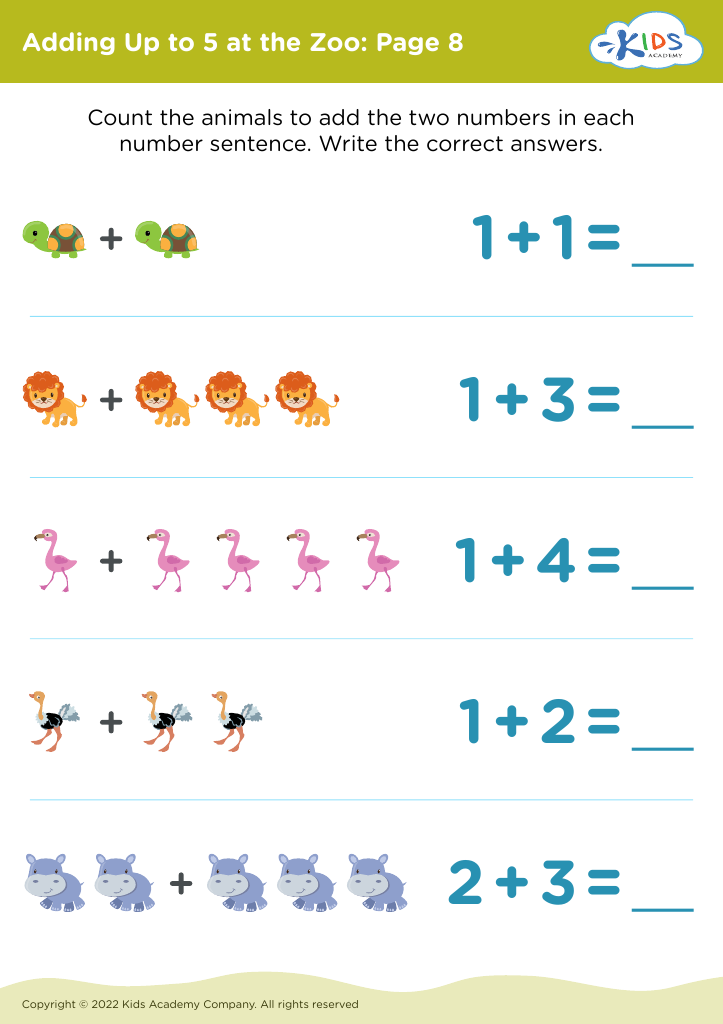
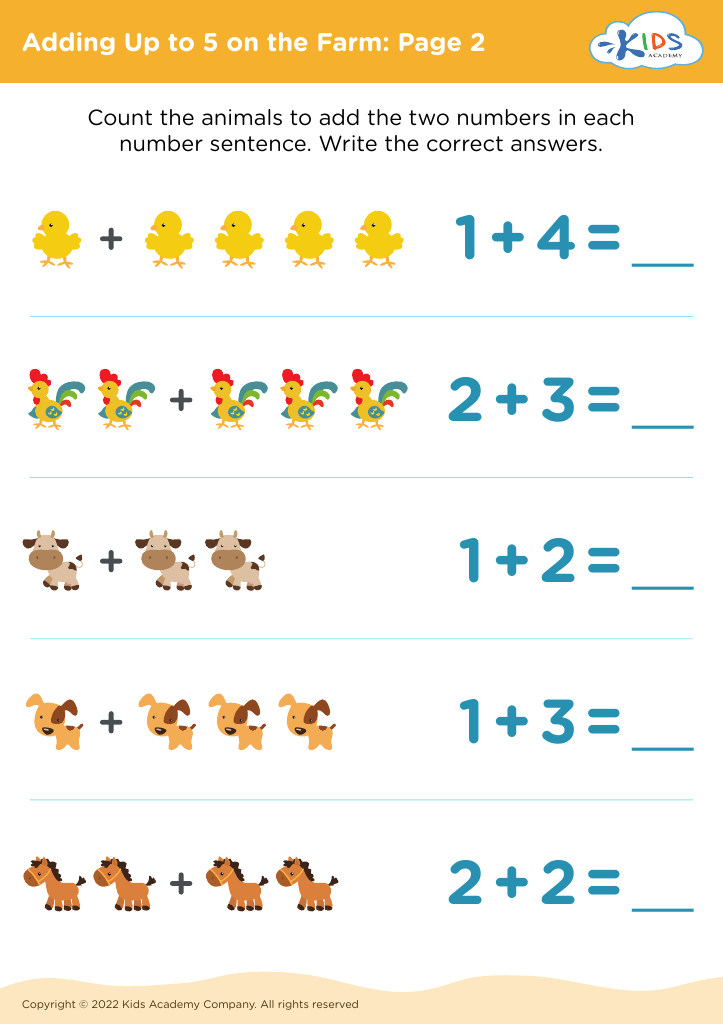
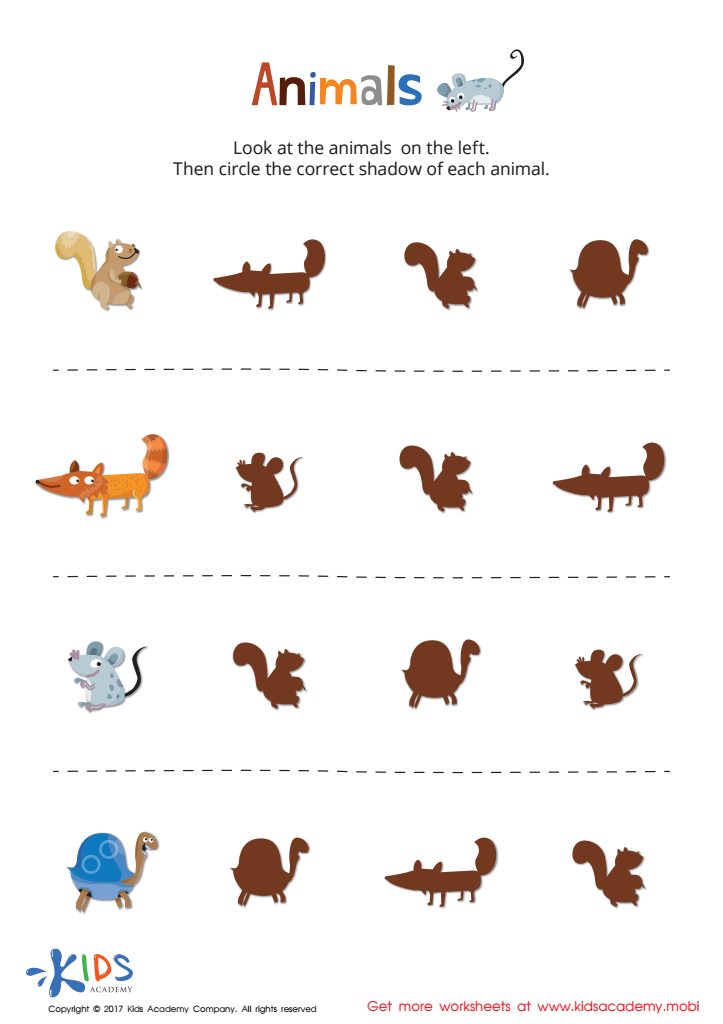
Animal Shadows Sorting Worksheet
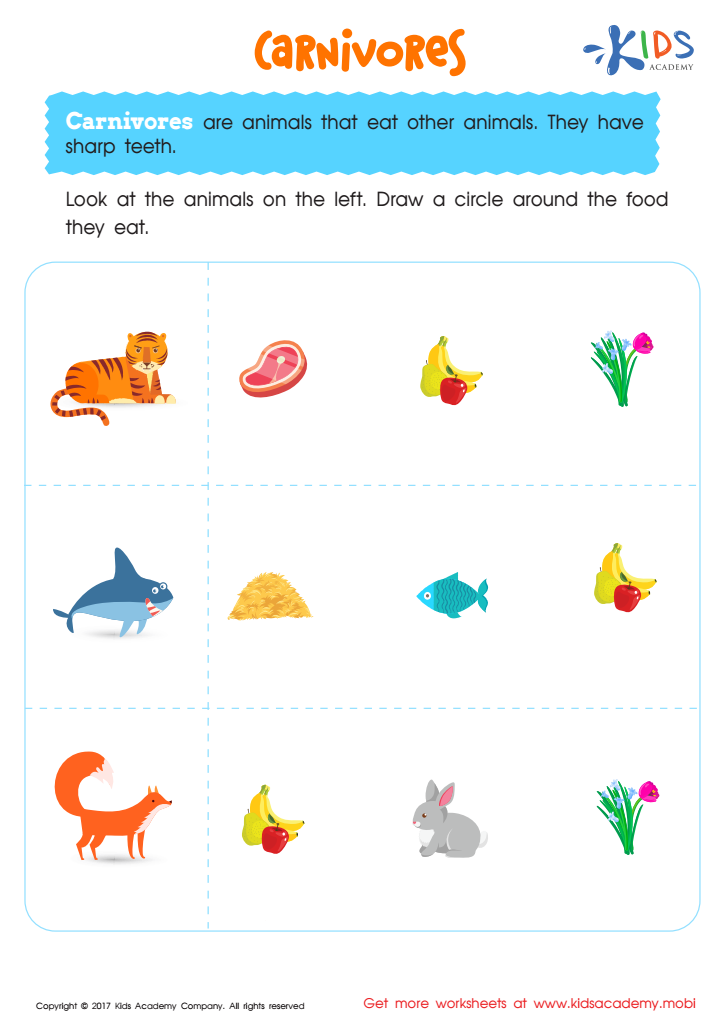
Carnivores Worksheet
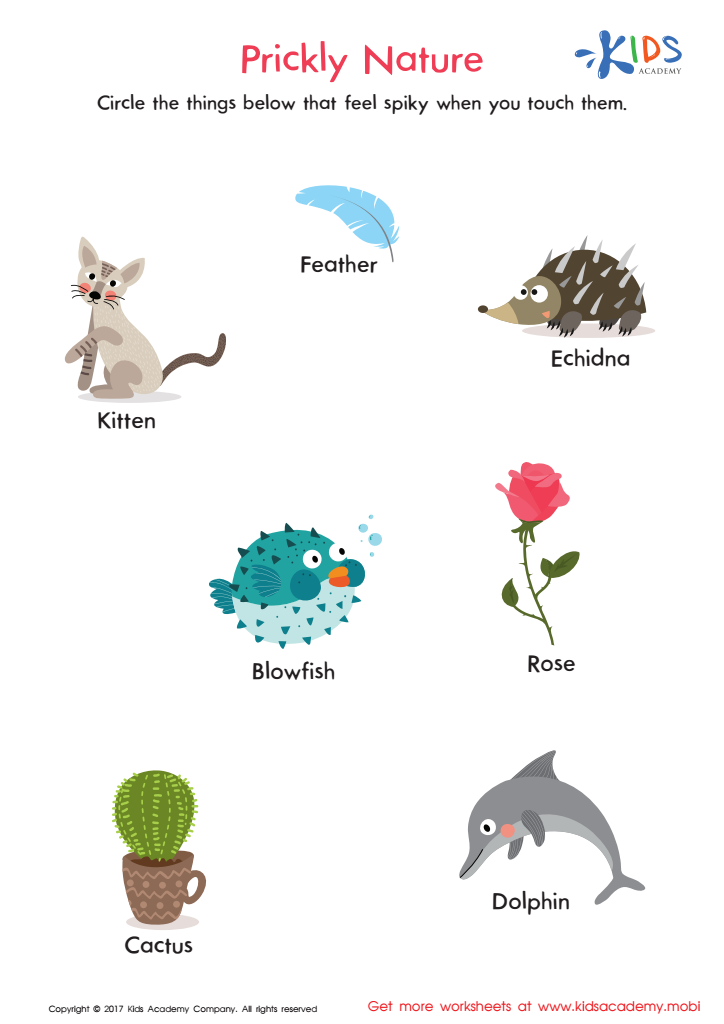
Prickly Nature Worksheet
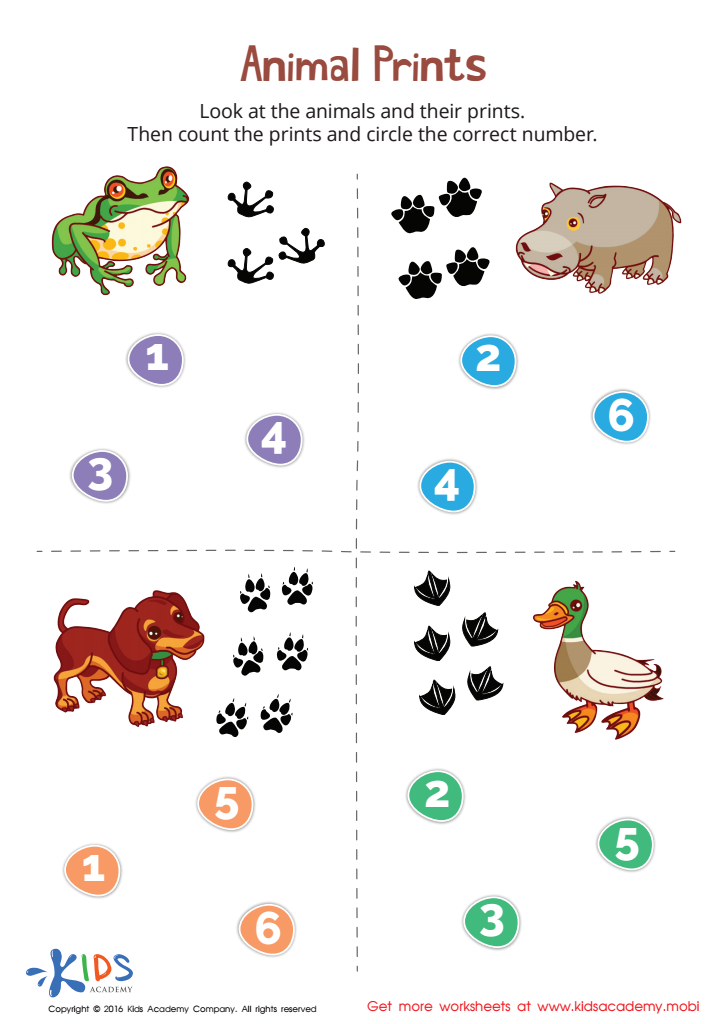
Animal Prints Match-Up Worksheet







Understanding animal identification is crucial for 5-year-olds as it forms the foundation for their cognitive and social development. Engaging young children in learning about different animals not only sparks their curiosity but also enhances their observational skills. Recognizing various animal species helps children develop critical thinking by comparing characteristics, habits, and habitats, thereby fostering an appreciation for biodiversity.
Moreover, teaching animal identification contributes to a child's emotional intelligence. Learning about animals can encourage empathy and compassion, as children understand how to care for living beings. It opens discussions about conservation and the environment, instilling responsibility toward protecting wildlife and their habitats.
In addition, animal identification can enrich language development. As children learn the names of animals and related vocabulary, they boost their communication skills. Interactive activities, such as animal sounds, movements, and stories, make learning fun while improving retention.
For teachers and parents, recognizing the value of animal identification activities can promote hands-on learning experiences. Activities like nature walks, visits to zoos, or interactive books can be integrated into gameplay, nurturing a love for learning. Ultimately, this knowledge not only fascinates children but equips them with essential skills for their growth and development.








