Fine Motor Skills Worksheets for 5-Year-Olds - Page 8
298 filtered results
-
From - To
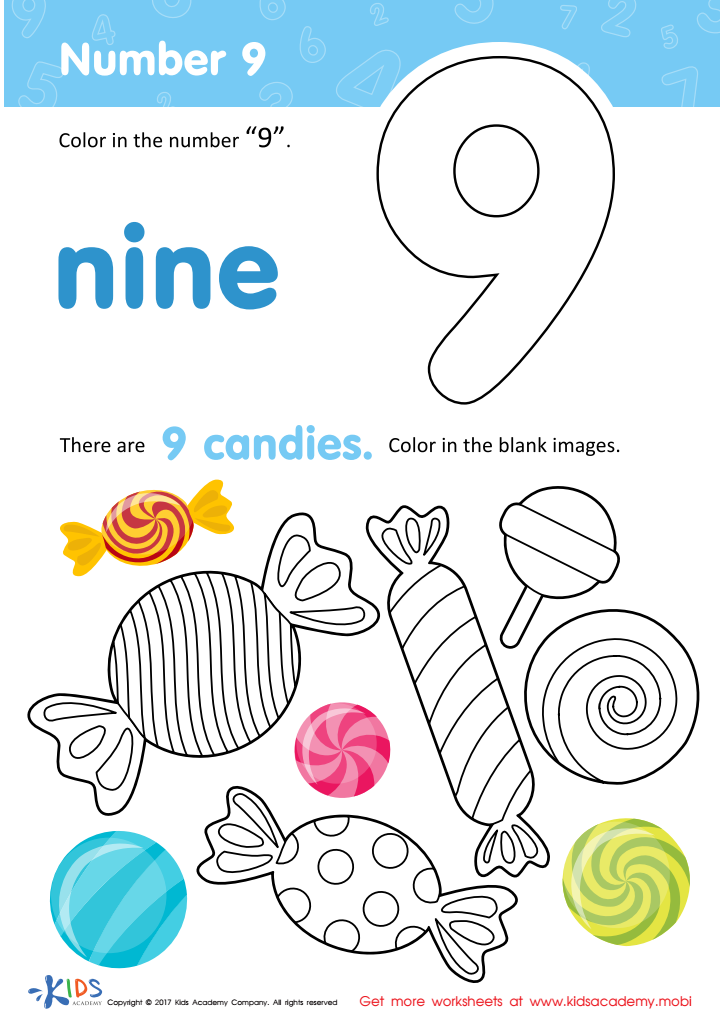
Number 9 Printable
 Assign to My Students
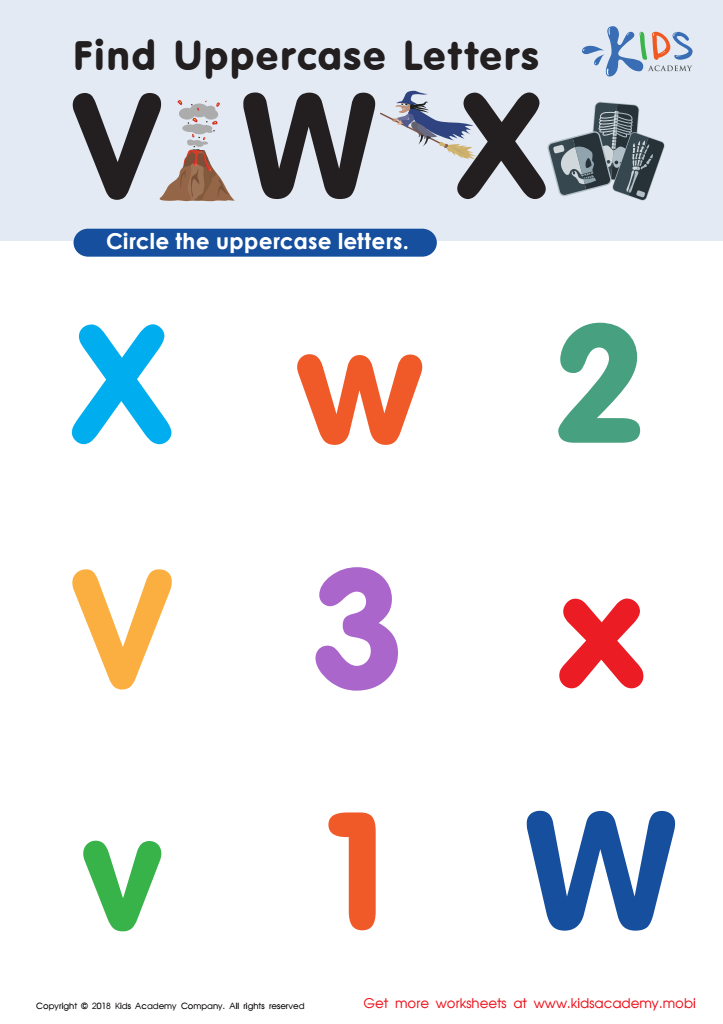
Find Uppercase Letters V, W, X Worksheet

Color the Pigs in the Yard Coloring Pages
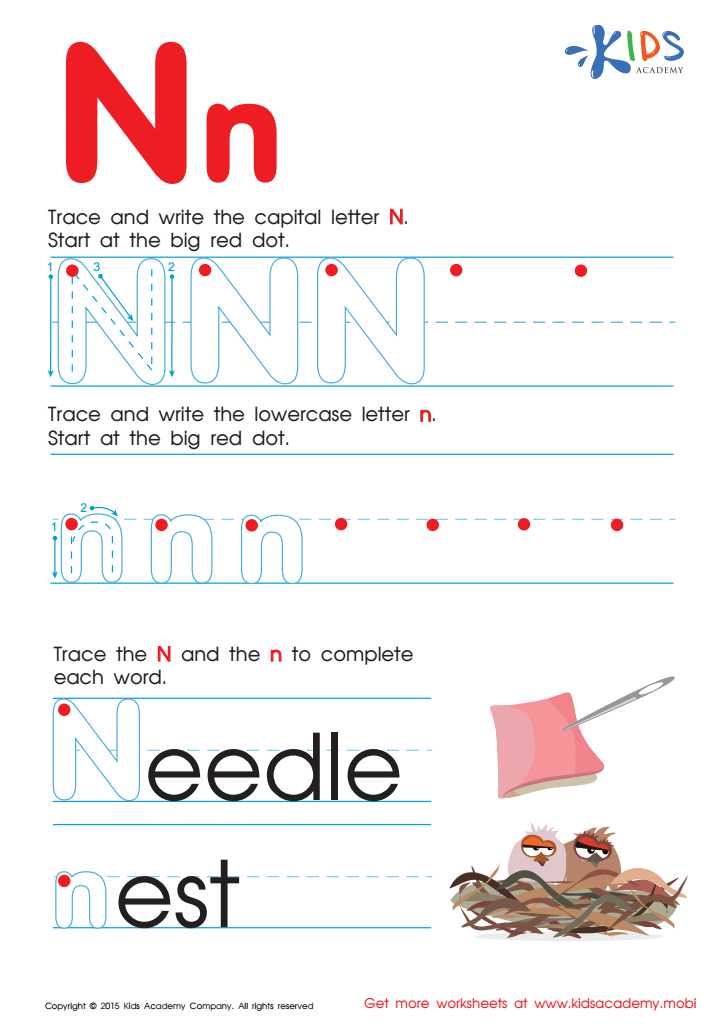
Letter N Tracing Page
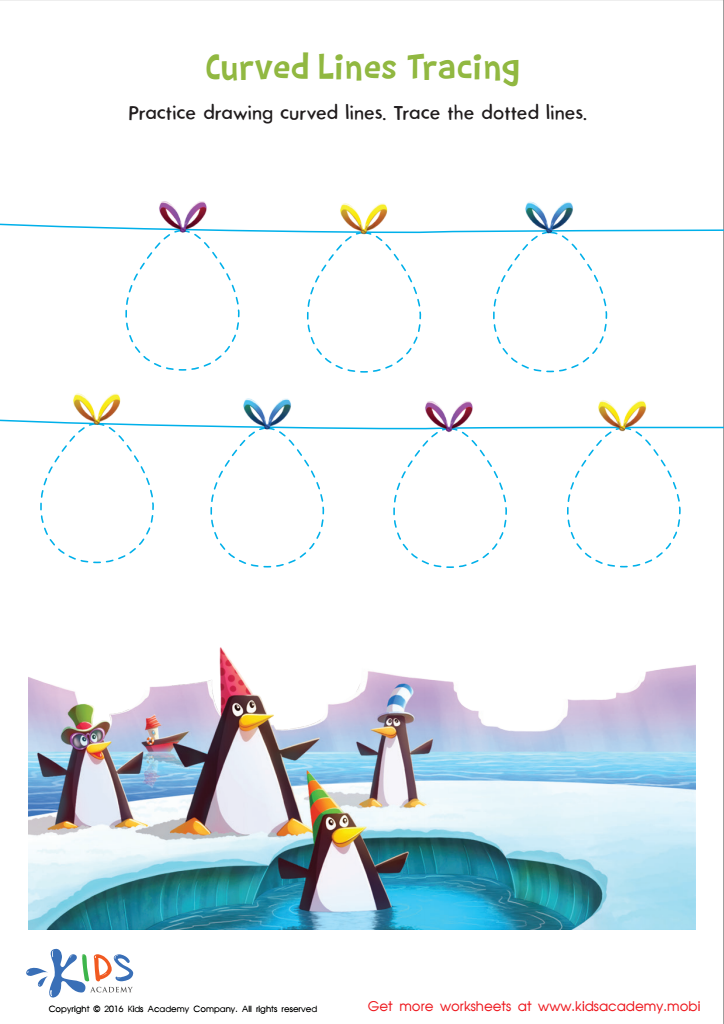
Curved Lines Tracing Worksheet
Easter: Chick in the Basket Worksheet
Assign to My Students
Orange Tracing Color Words Worksheet
Learn Number 8 Easily Worksheet
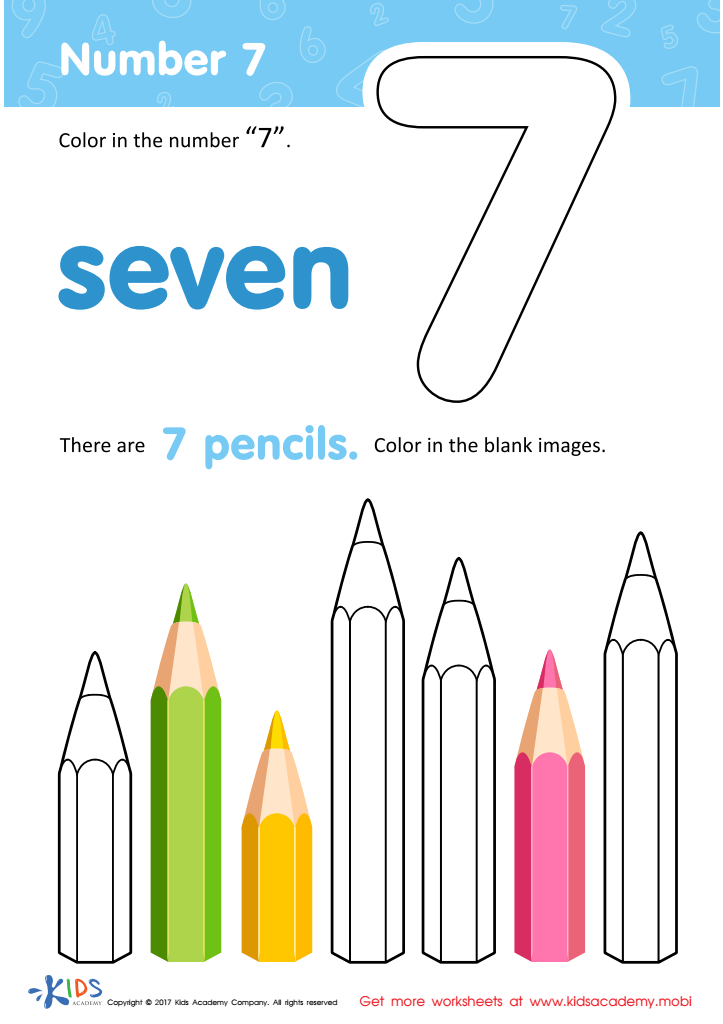
Number 7 Worksheet
Assign to My Students
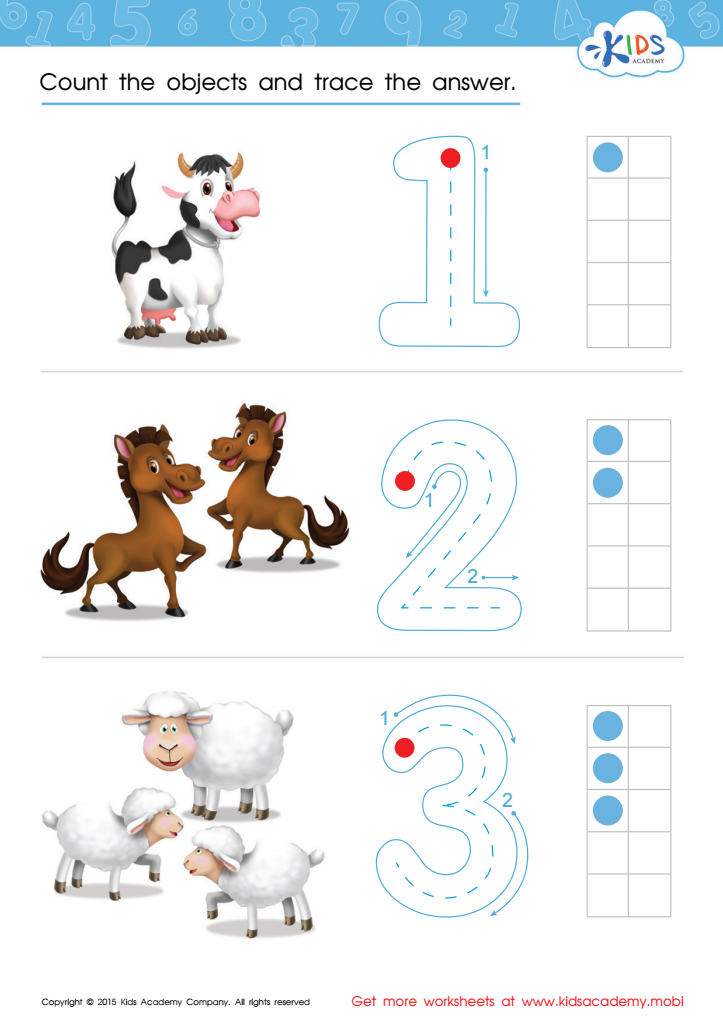
Count and Trace 1 – 3 Worksheet
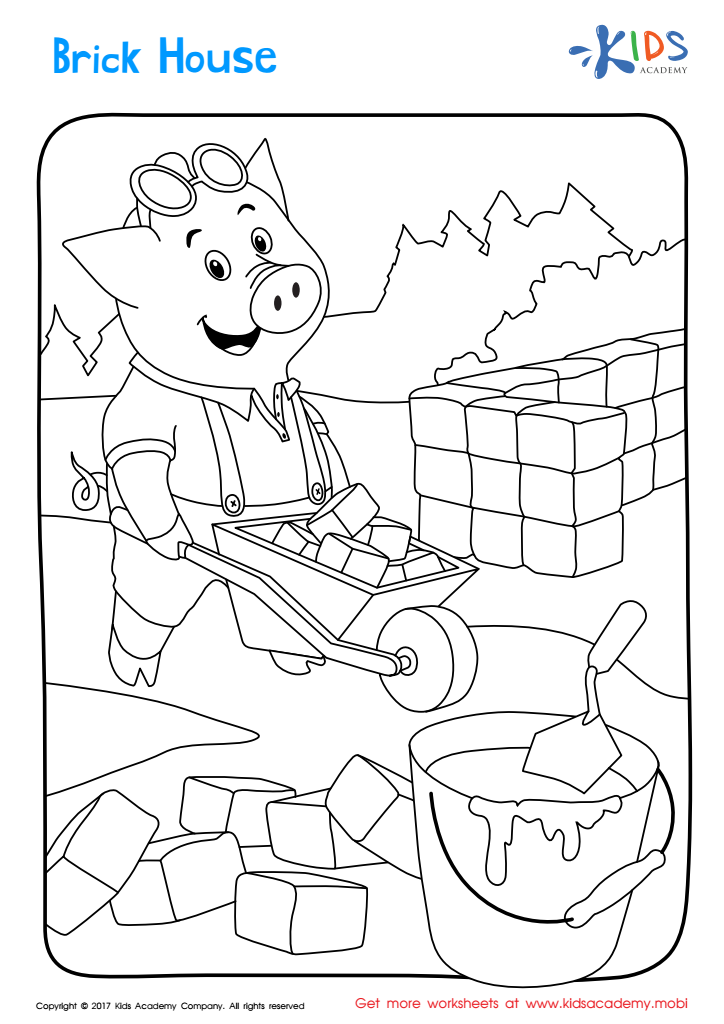
Brick House Printable Coloring Page
Assign to My Students
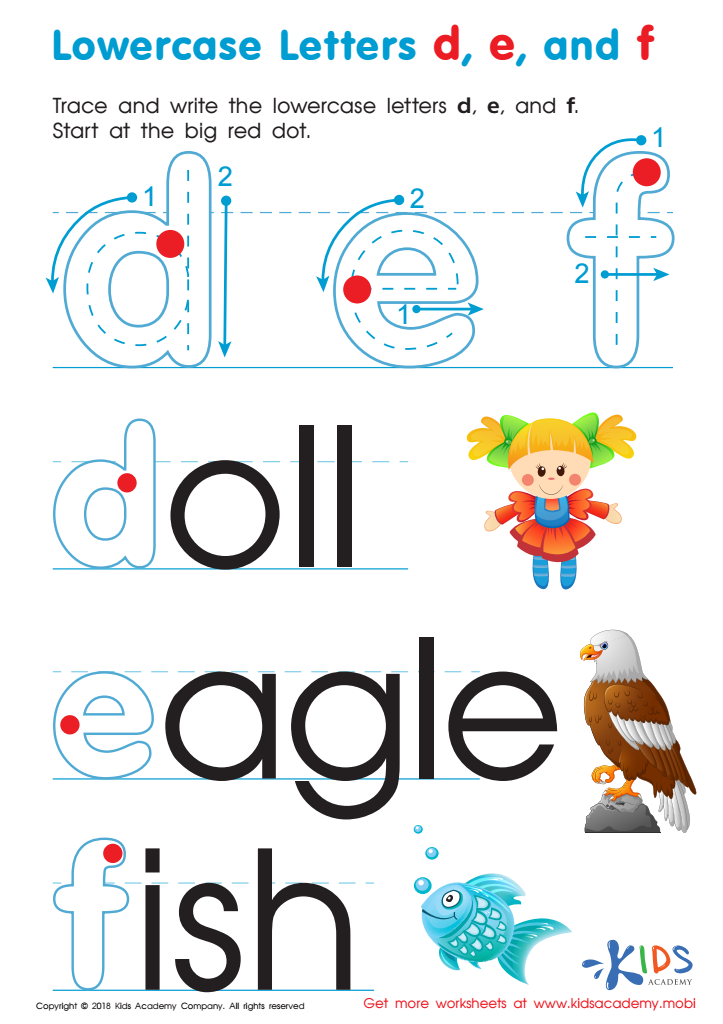
Lowercase Letters d e f Worksheet
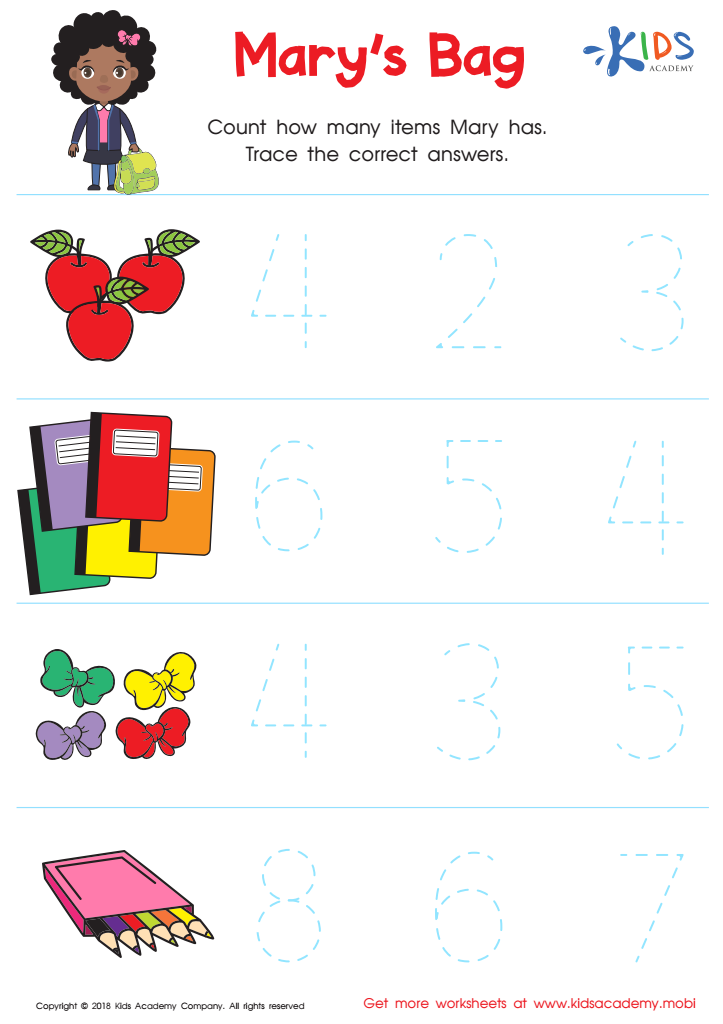
Kindergarten Number Tracing: Mary's Bag Worksheet
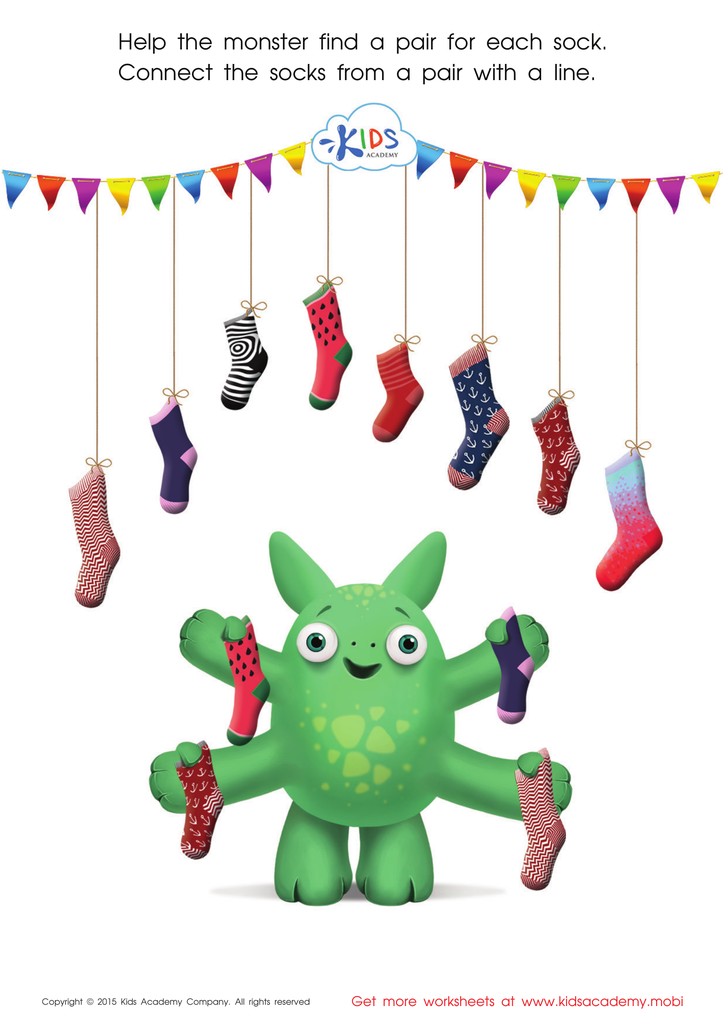
Math Matching Game: Monsterв's Socks Worksheet

Line up the Tigers Worksheet
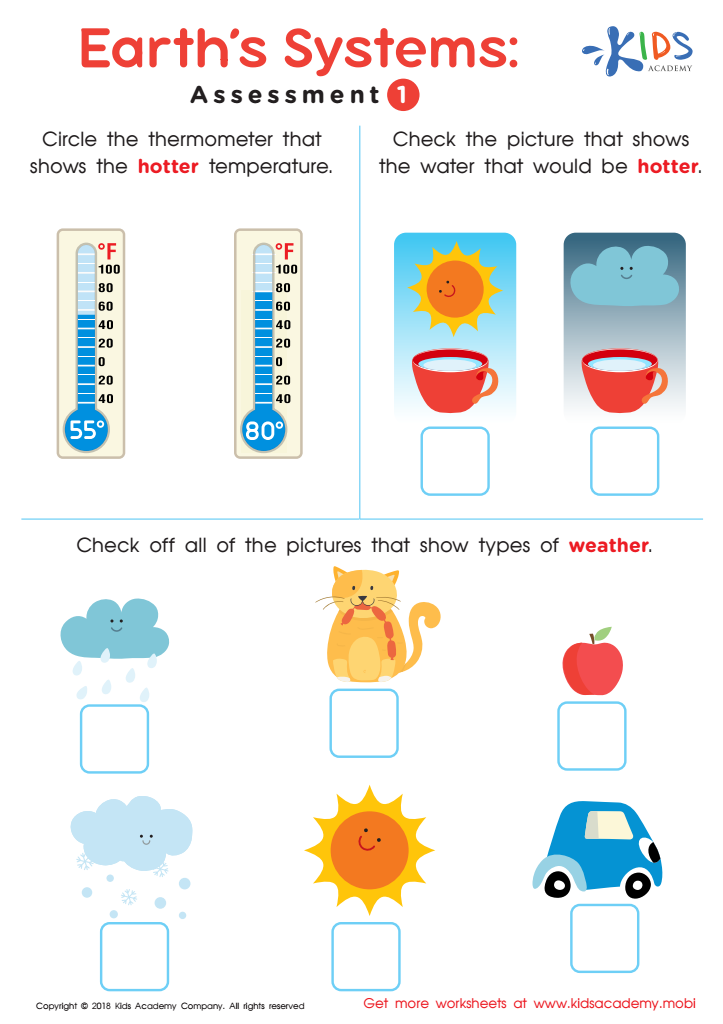
Earth's Systems: Assessment 1
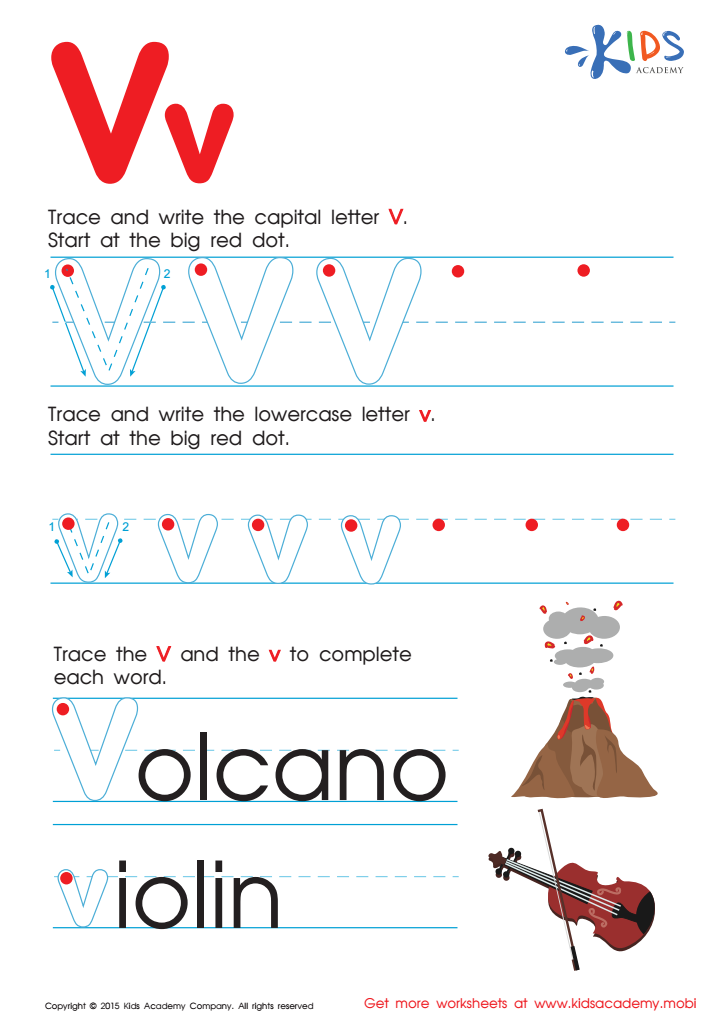
Letter V Tracing Page
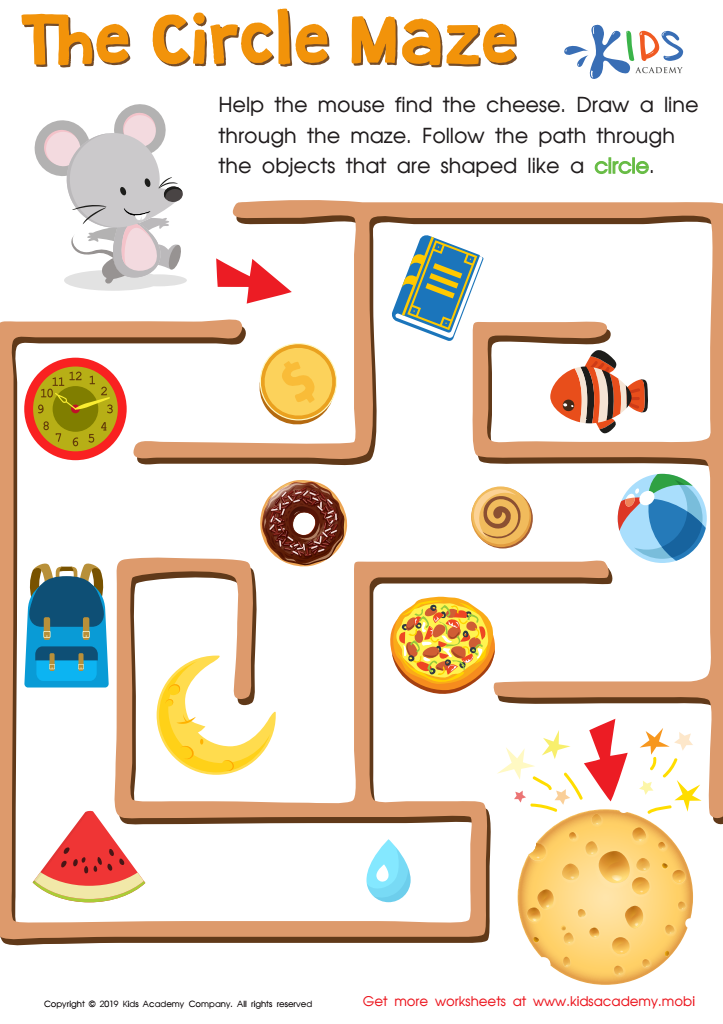
The Circle Maze Worksheet
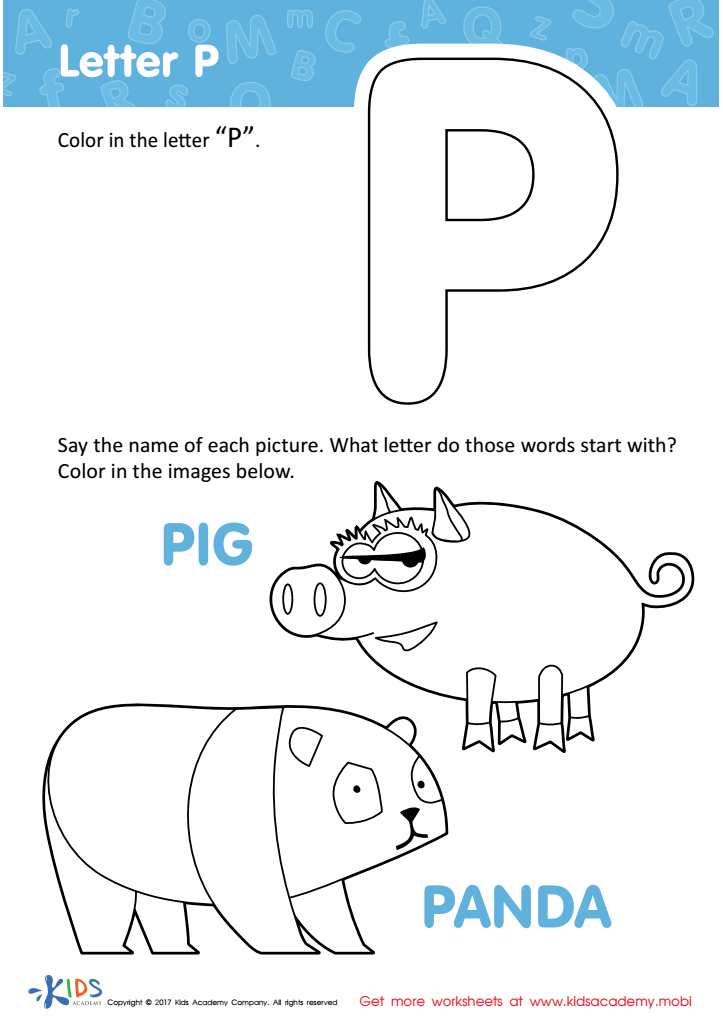
Letter P Coloring Sheet
Assign to My Students
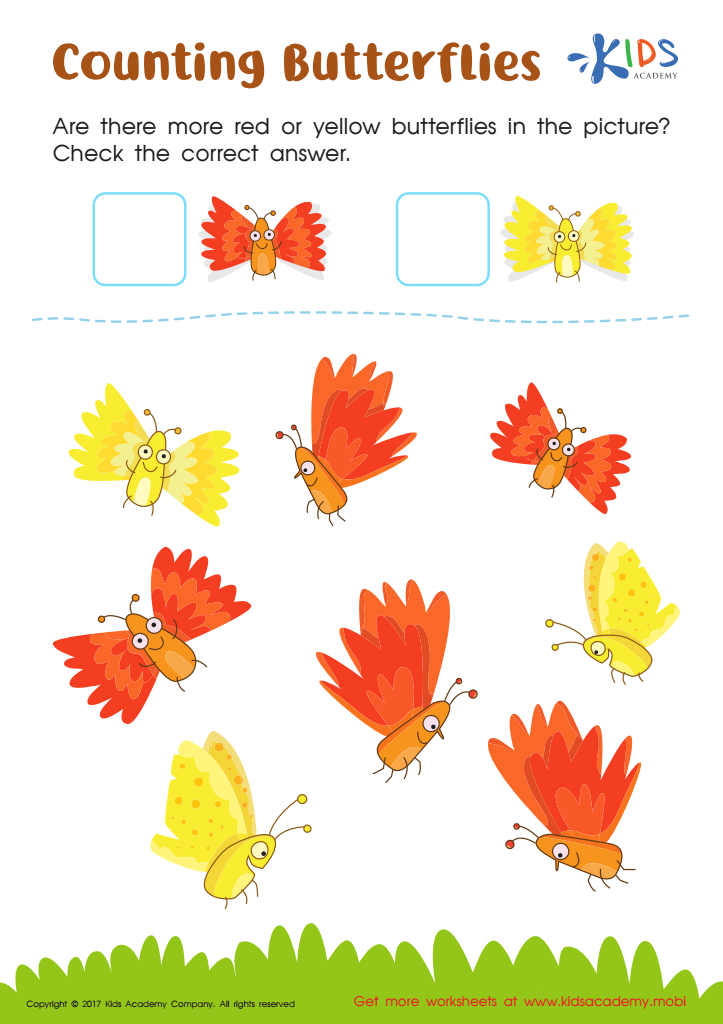
Counting Butterflies Worksheet
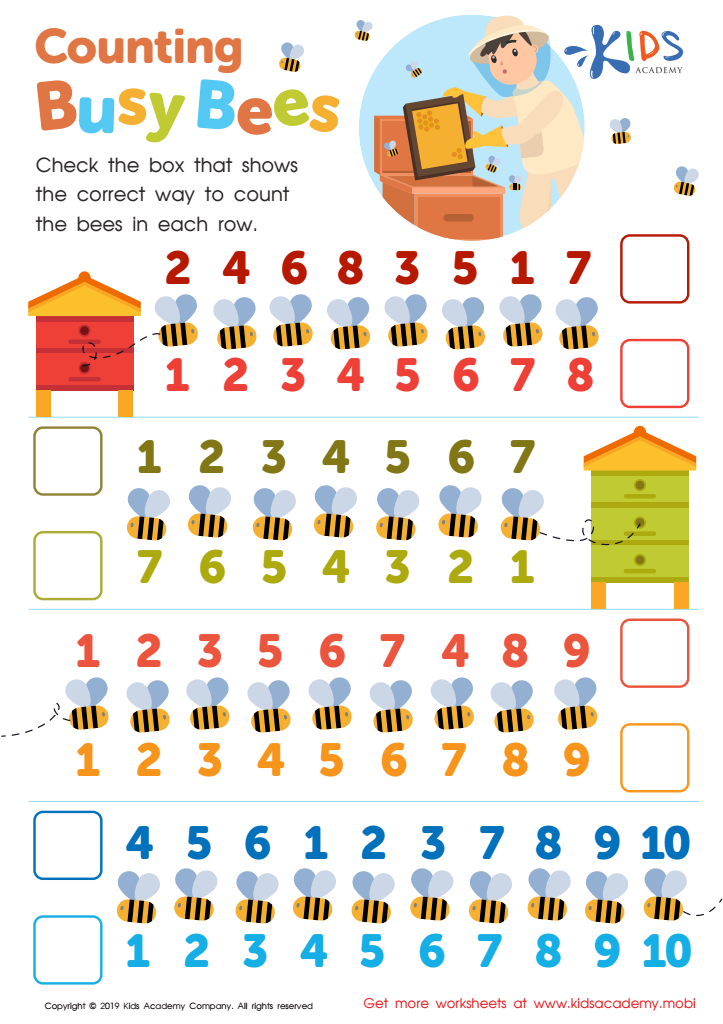
Counting Busy Bees Worksheet
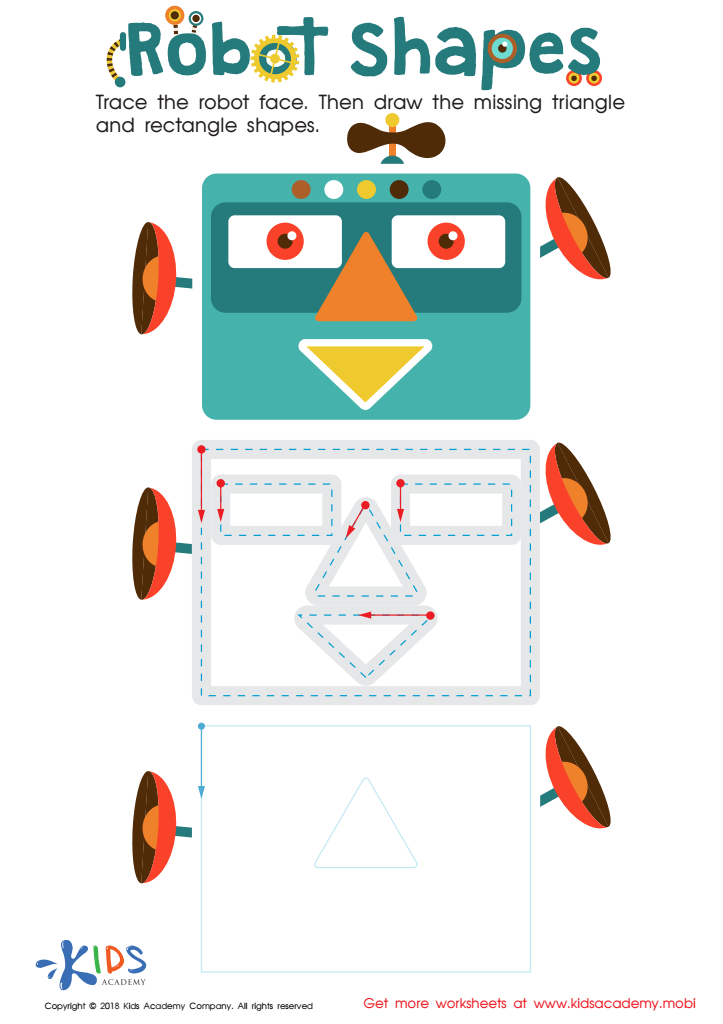
Robot Shapes Worksheet




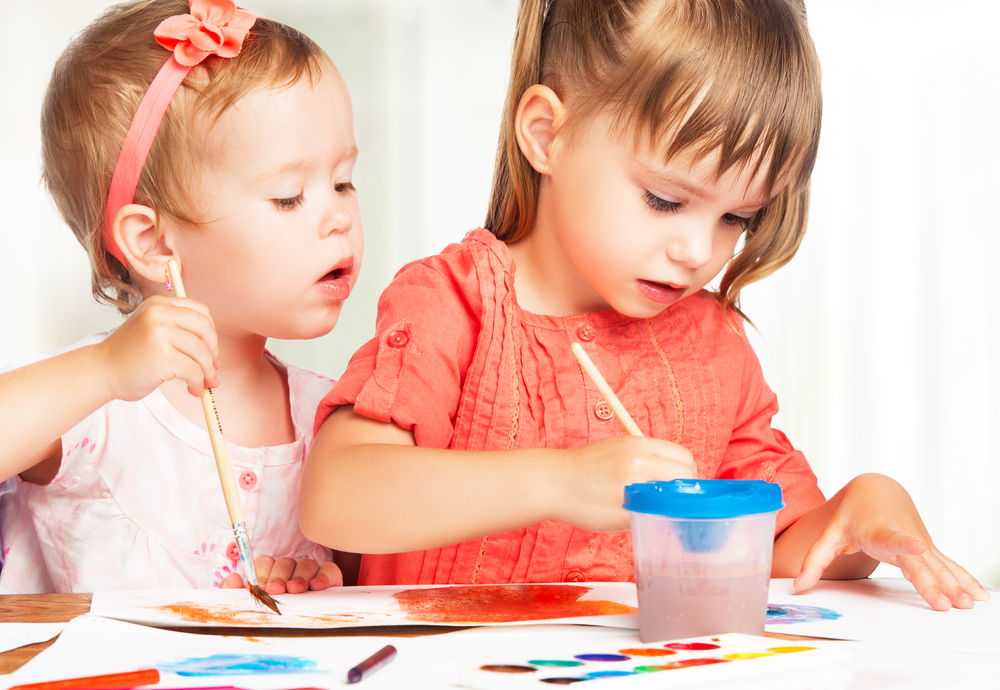


Fine motor skills, the ability to make movements using the small muscles in our hands and wrists, are crucial for 5-year-olds as they set the foundation for numerous essential daily activities. Parents and teachers should prioritize developing these skills since they directly influence a child's ability to perform tasks like writing, buttoning clothes, using utensils, and cutting with scissors.
At this age, enhancing fine motor skills helps children become more independent and boosts their self-esteem. Specific exercises, like playing with building blocks, drawing, or engaging in simple crafts, classic childhood activities, can strengthen hand muscles and improve coordination and control.
Moreover, fine motor skills are a significant part of early childhood education. They impact academic success, especially in skills like writing legibly and manipulating objects, often required in a school environment. Children with well-developed fine motor skills are typically more confident and less frustrated when approaching new tasks, fostering a positive attitude toward learning.
In addition, fine motor development plays a role in cognitive growth, supporting hand-eye coordination, and building neural connections in the brain. We're reminded that fostering these skills isn't just about developing hand strength, but about equipping children with tools for a comprehensive developmental trajectory. By encouraging activities that enhance fine motor skills, parents and teachers help children gain the competence needed for both academic and practical life challenges.








