Counting skills Numbers Worksheets for 5-Year-Olds - Page 5
135 filtered results
-
From - To
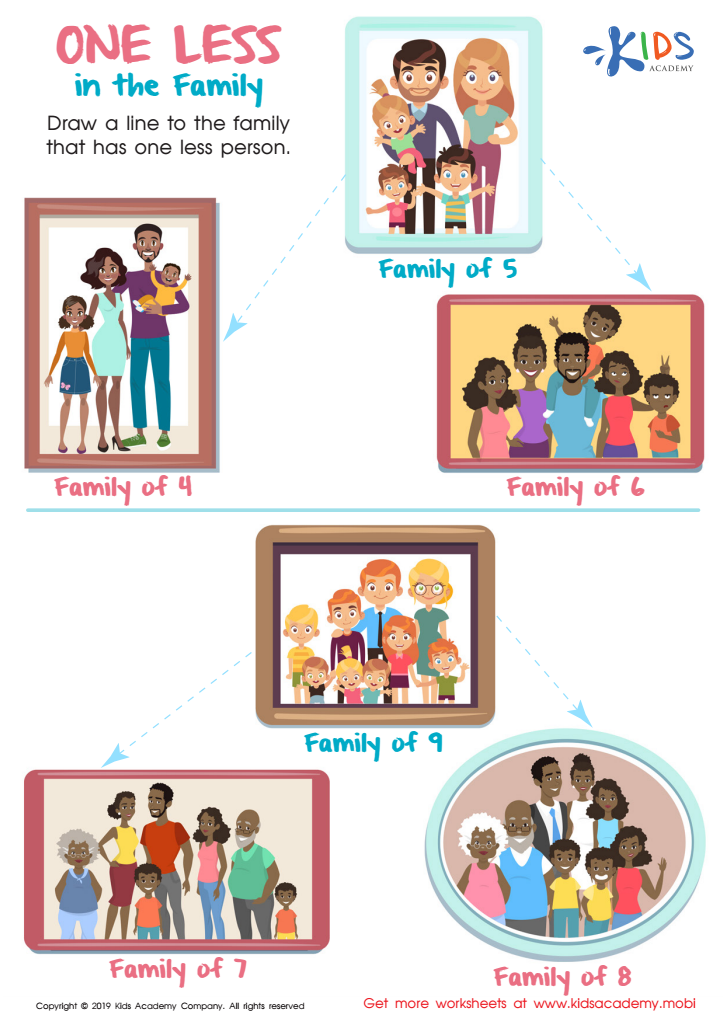
One Less in the Family Worksheet
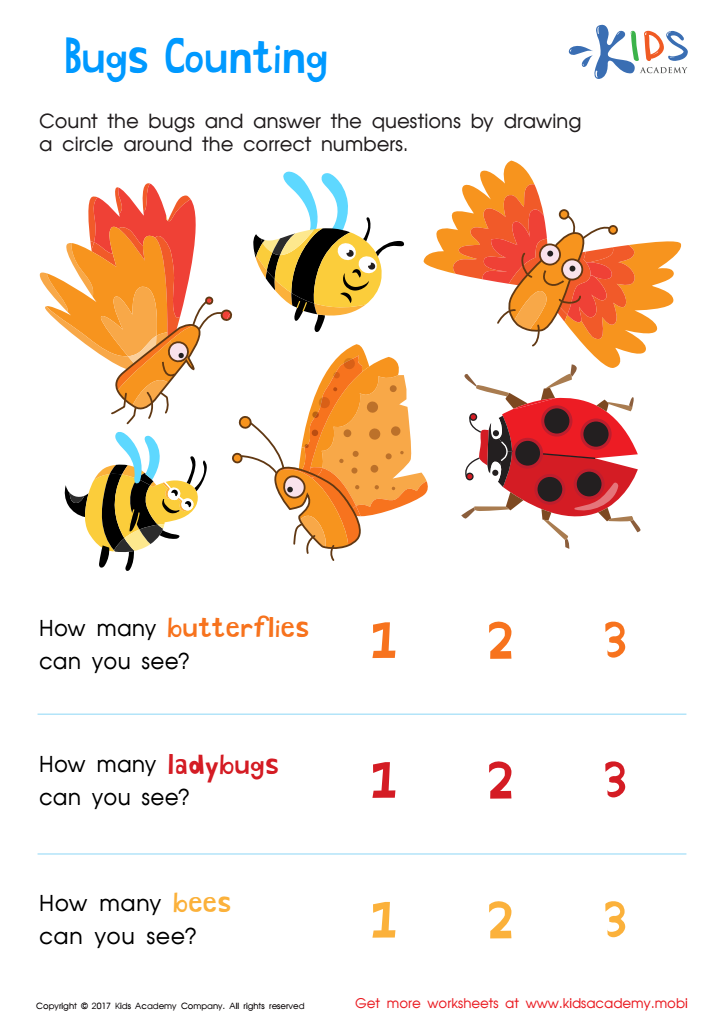
Bugs Counting Worksheet
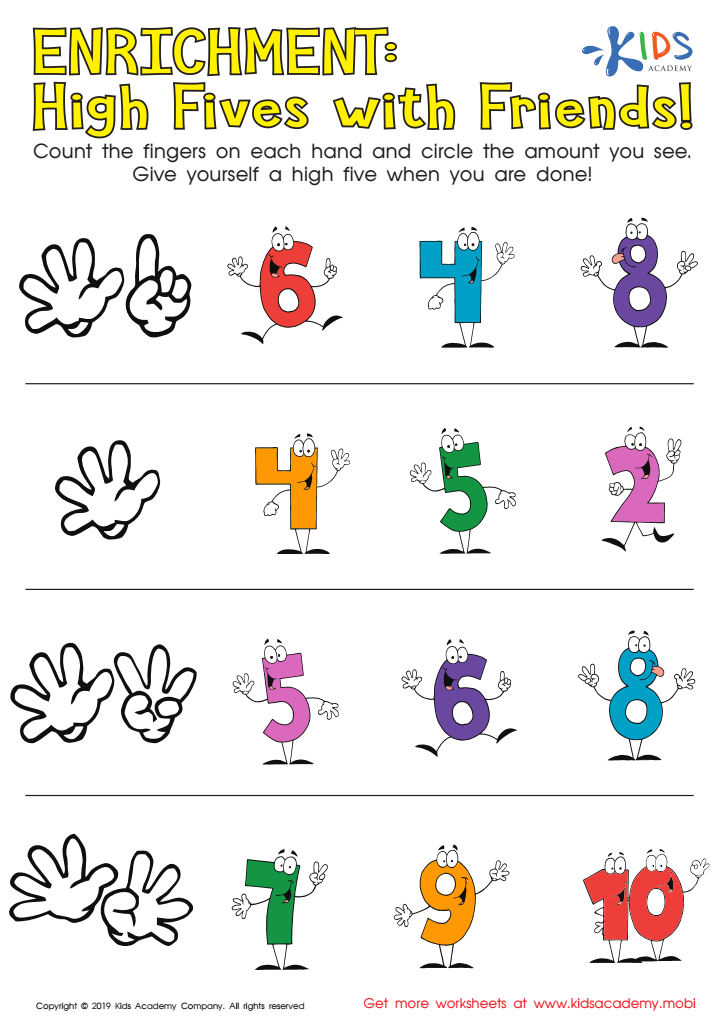
Enrichment: High Fives with Friends! Worksheet
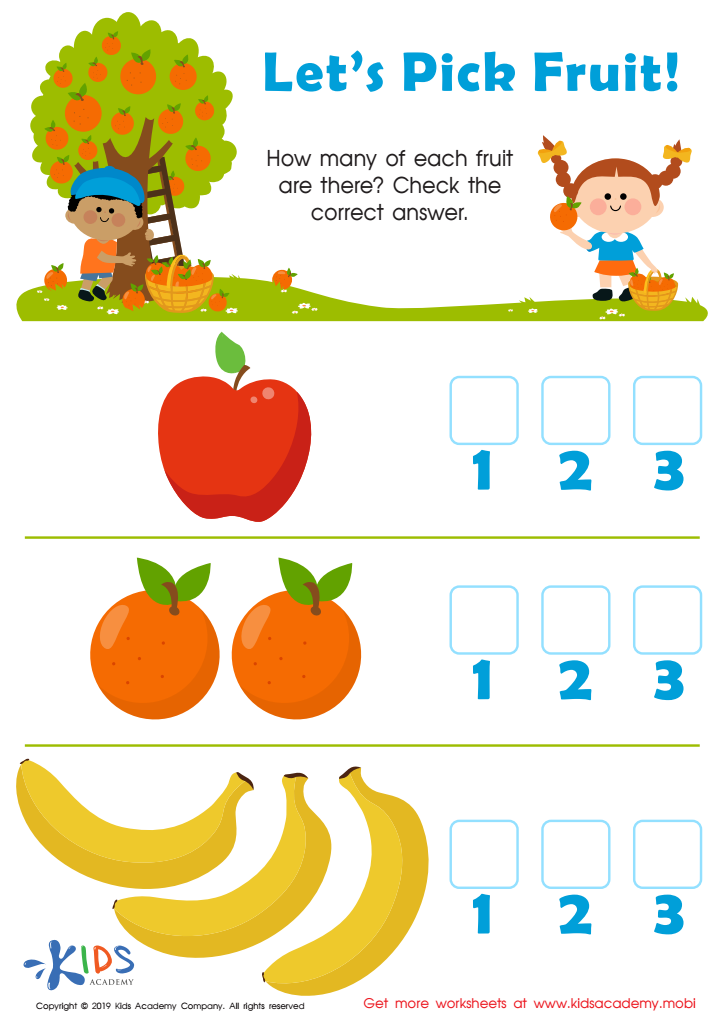
Let's Pick Fruit Worksheet
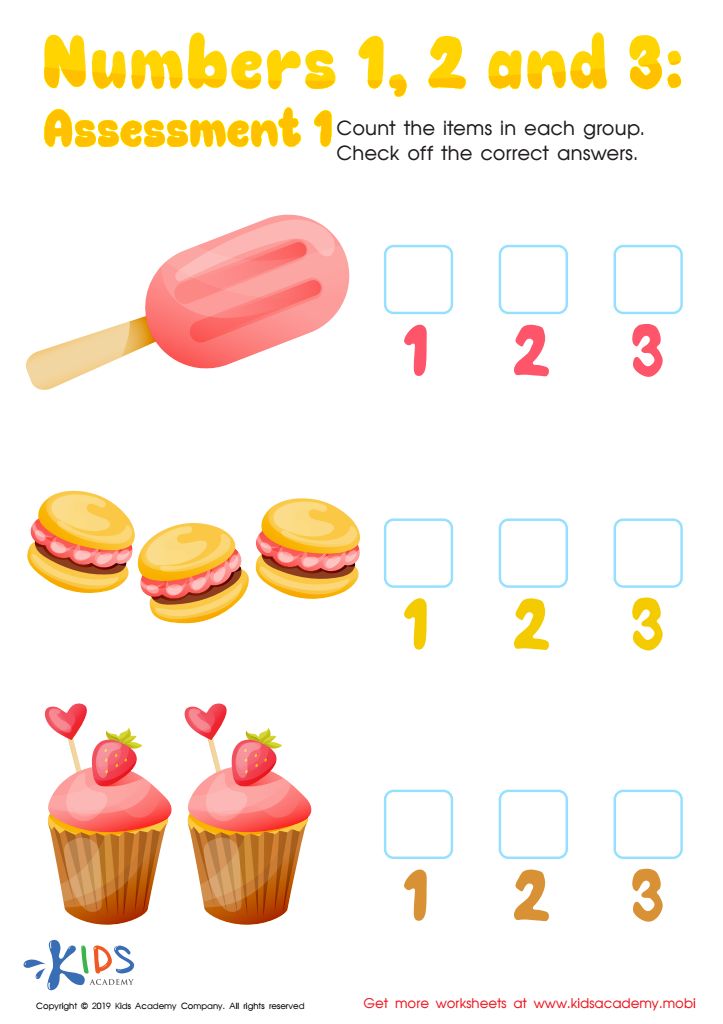
Numbers 1, 2 and 3: Assessment 1 Worksheet
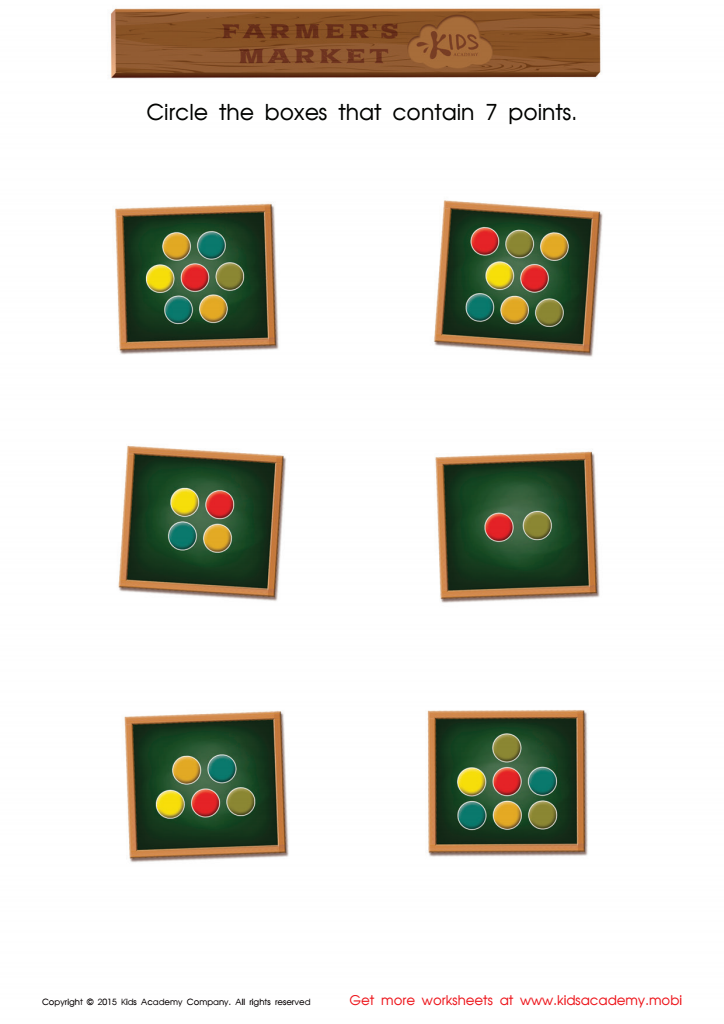
Count and Match Points 7 Math Worksheet
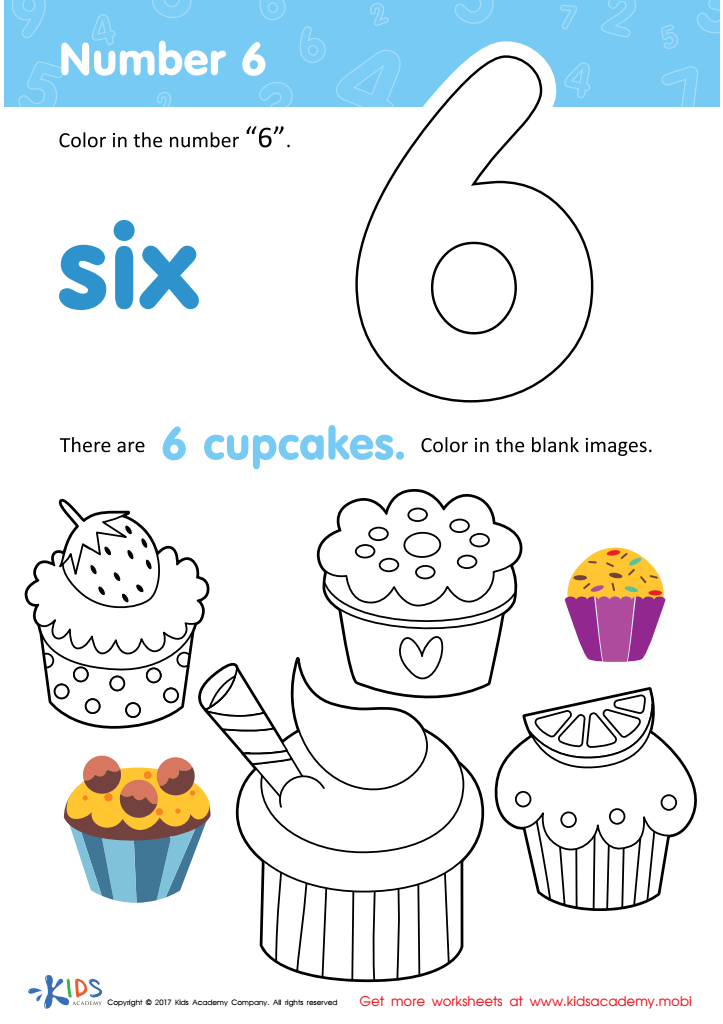
Number 6 Worksheet
 Assign to My Students
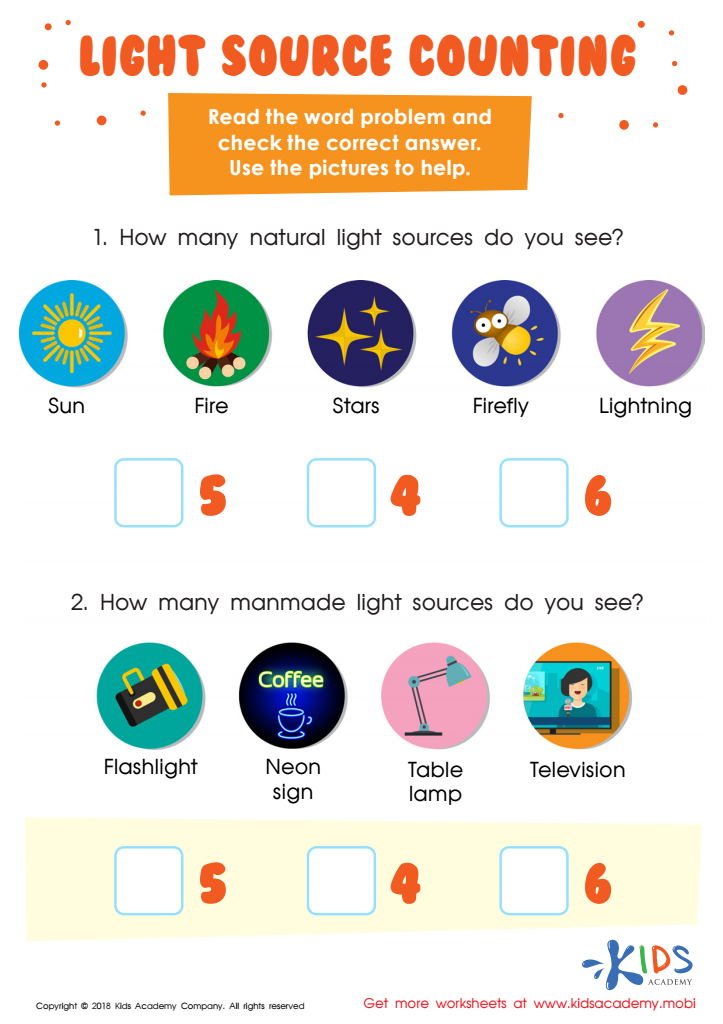
Light Source Counting Worksheet
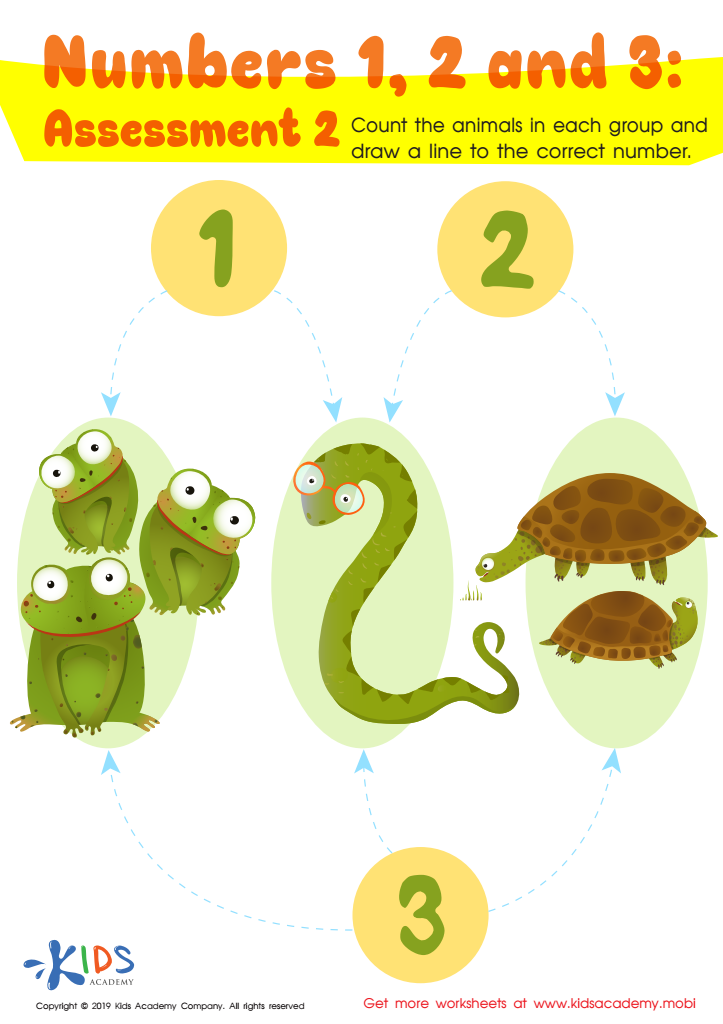
Numbers 1, 2 and 3: Assessment 2 Worksheet
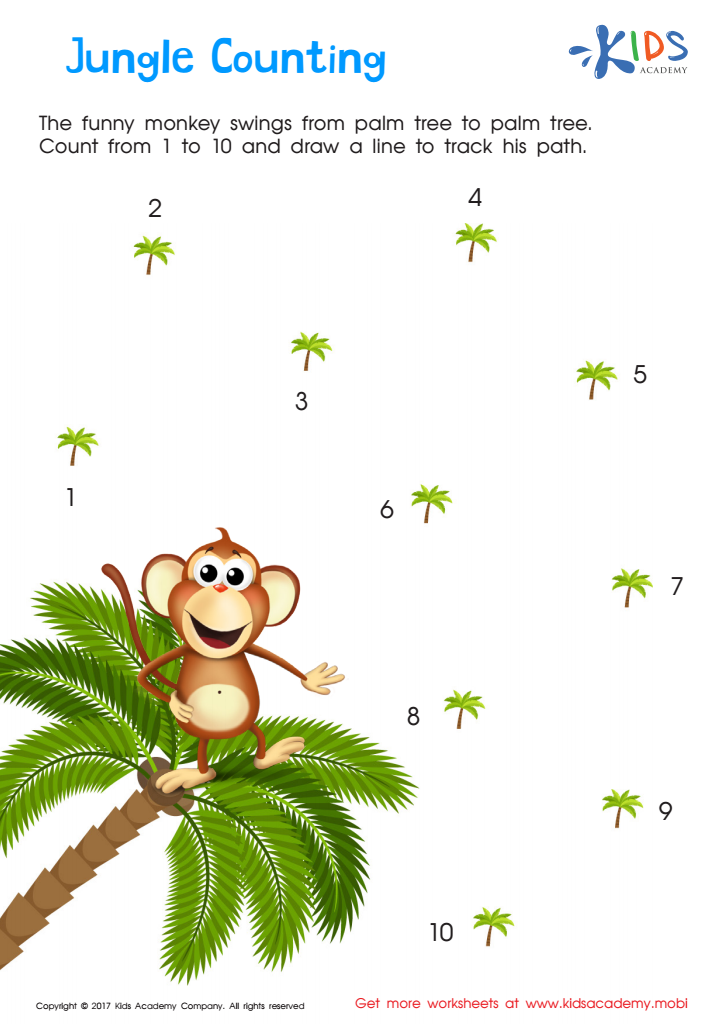
Jungle Counting Connect Dots Worksheet
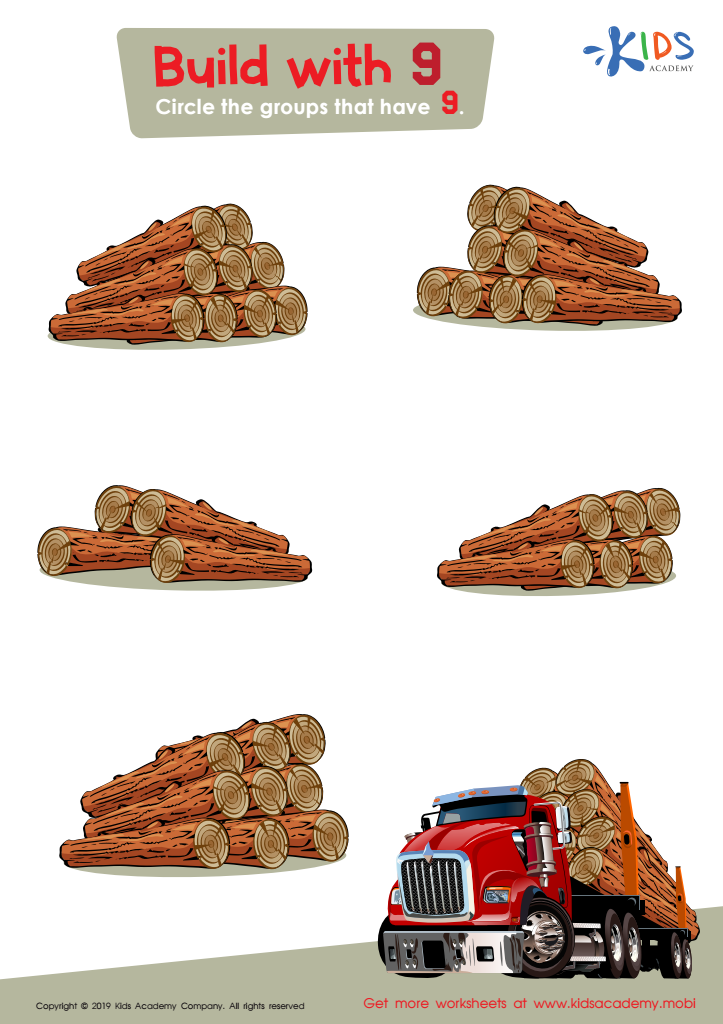
Build with 9 Worksheet
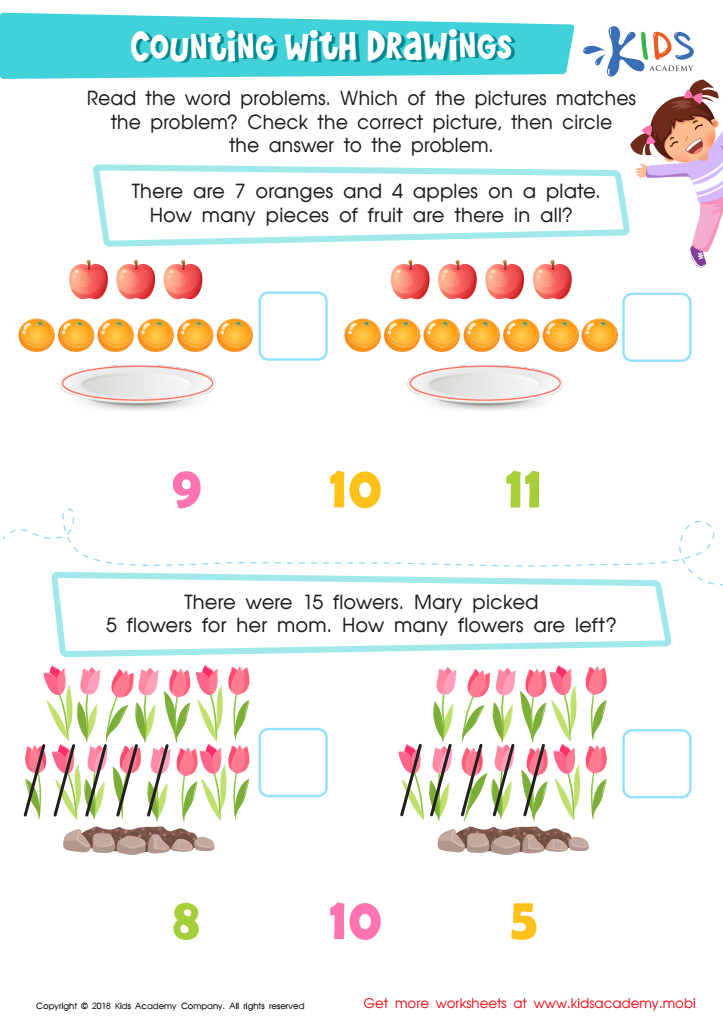
Counting with Drawings:Fruits & Flowers Worksheet
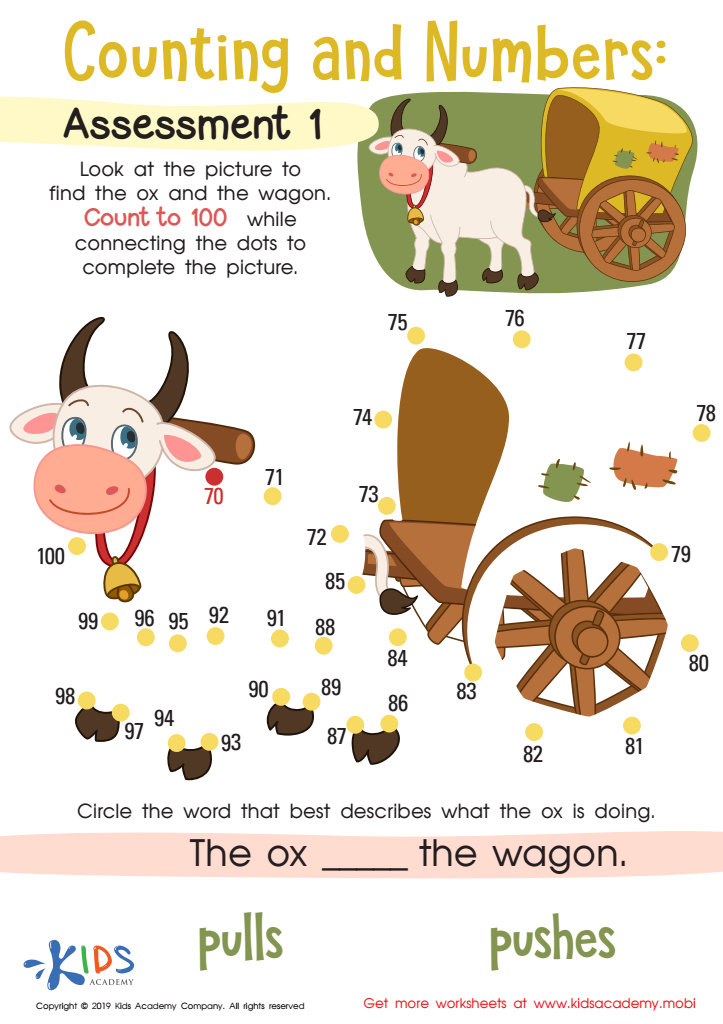
Counting and Numbers: Assessment 1 Worksheet
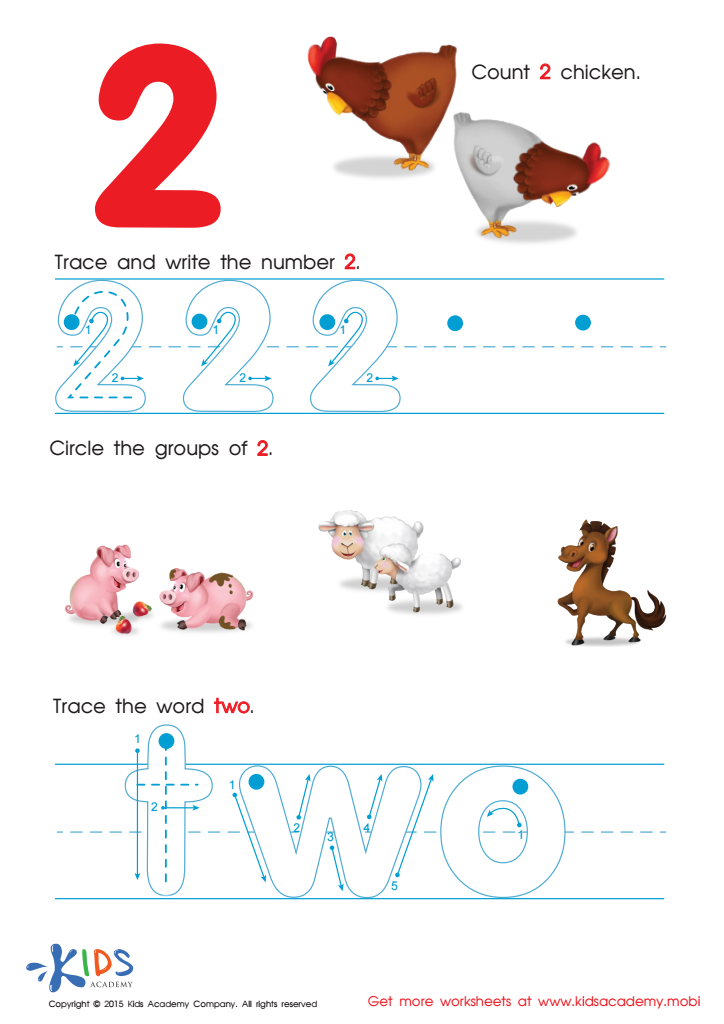
Learn to Write the Number 2 Worksheet
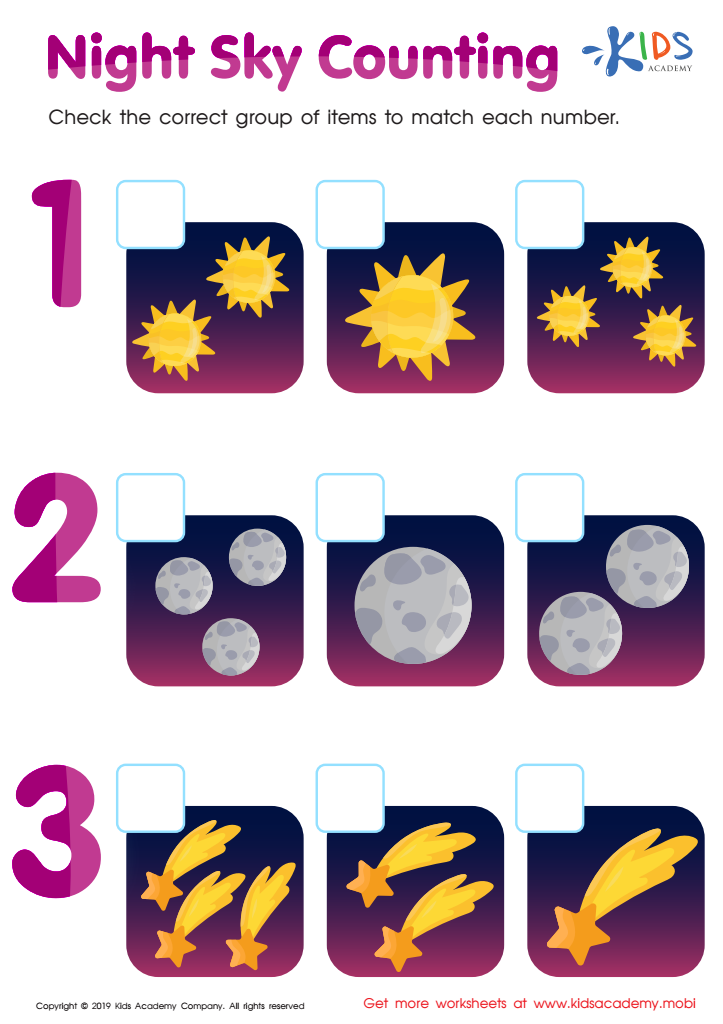
Night Sky Counting Worksheet
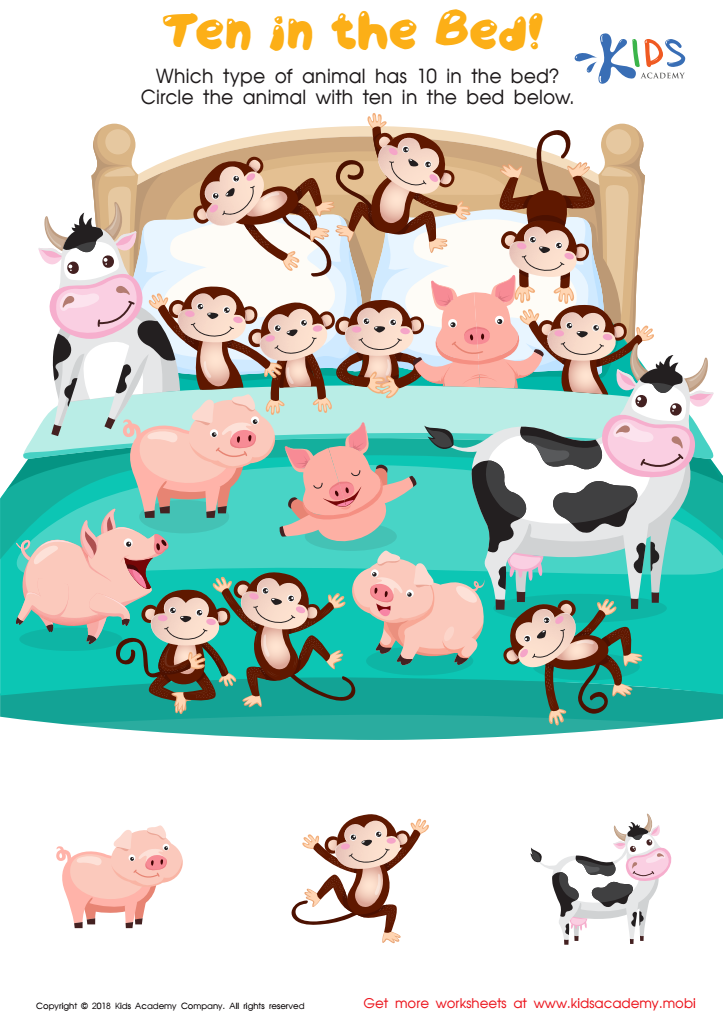
Ten in the Bed Worksheet
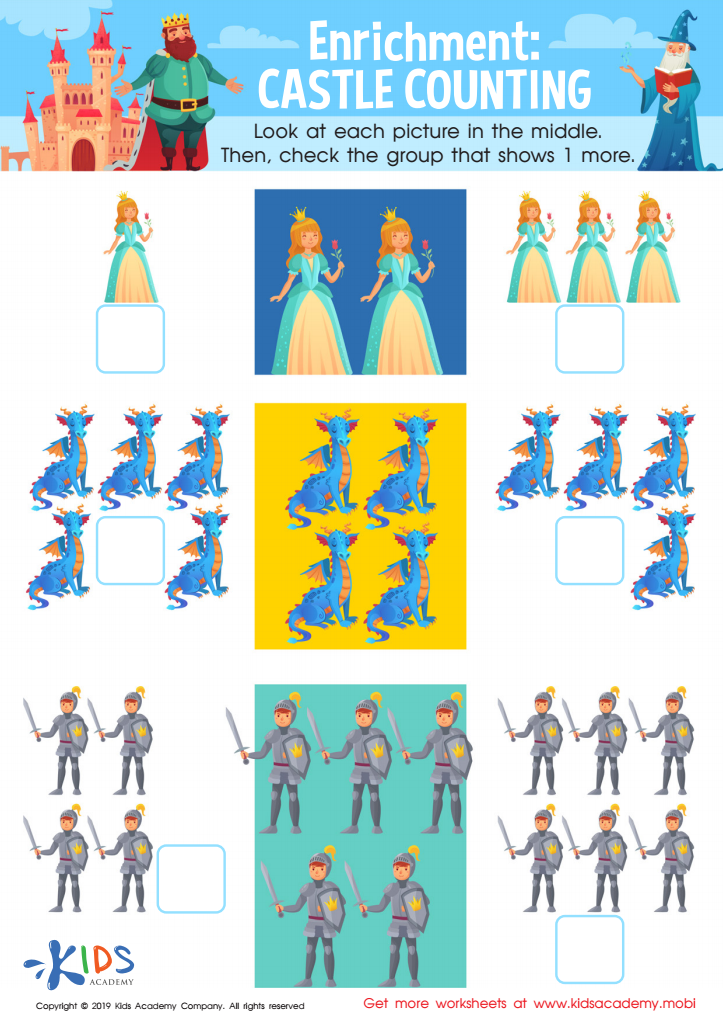
Enrichment: Castle Counting Worksheet
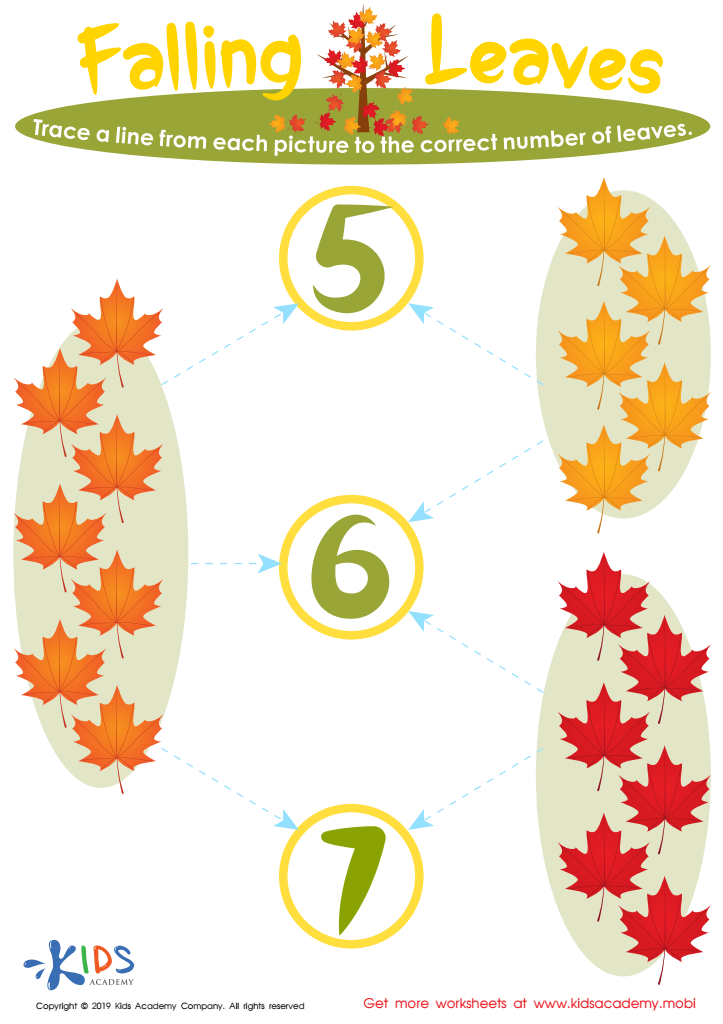
Falling Leaves Worksheet
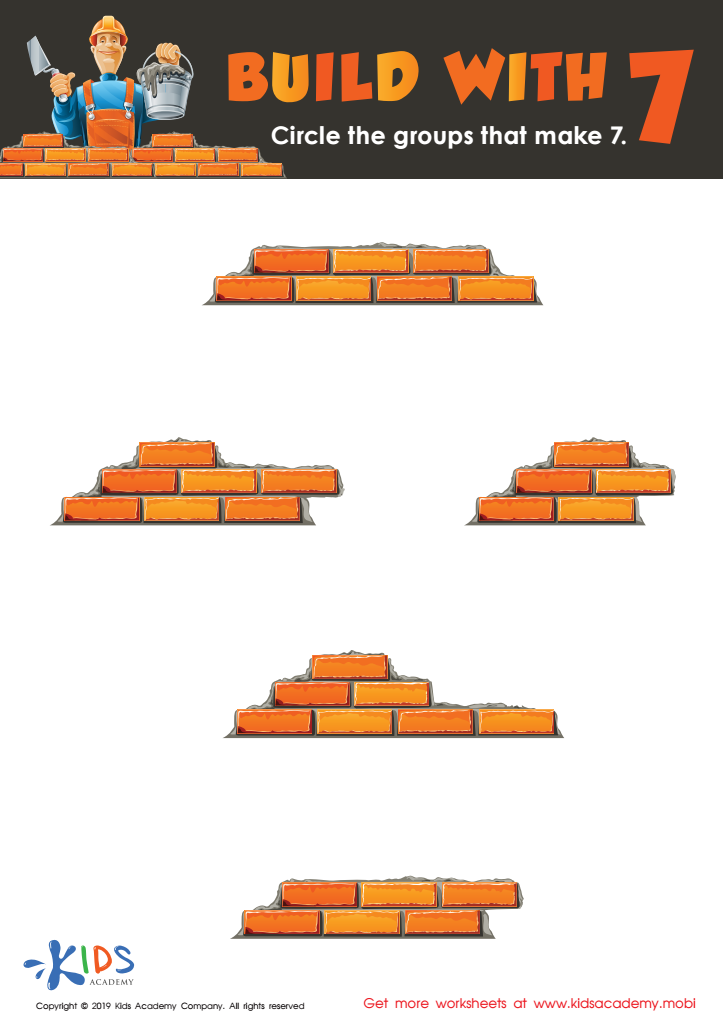
Build with 7 Worksheet
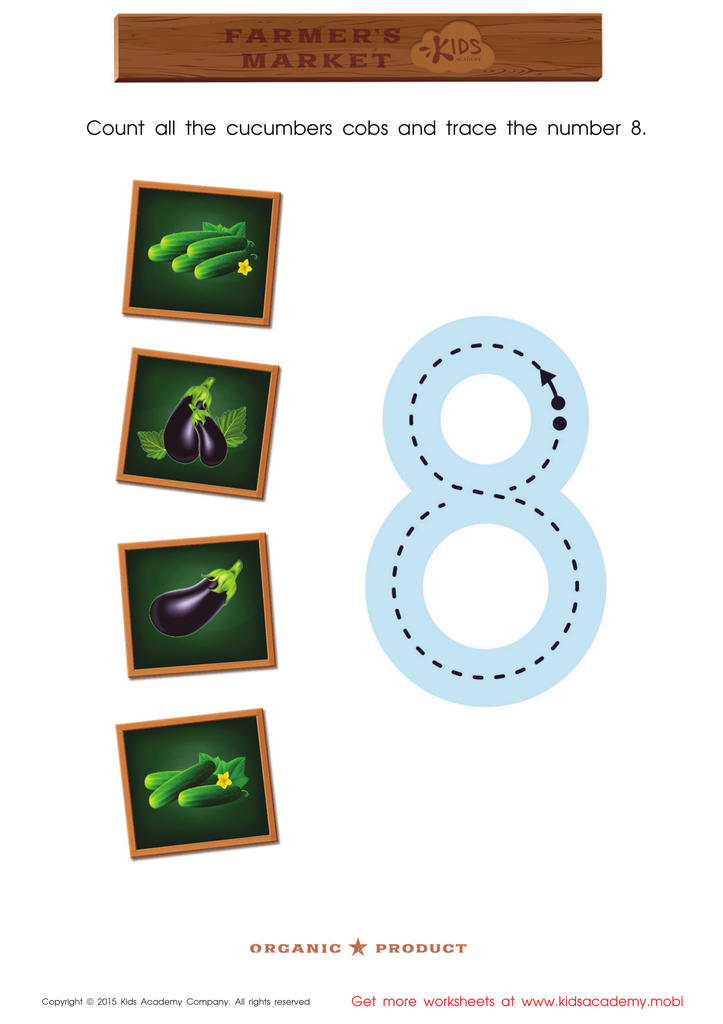
Count the Cucumbers and Trace the Number 8 Printable
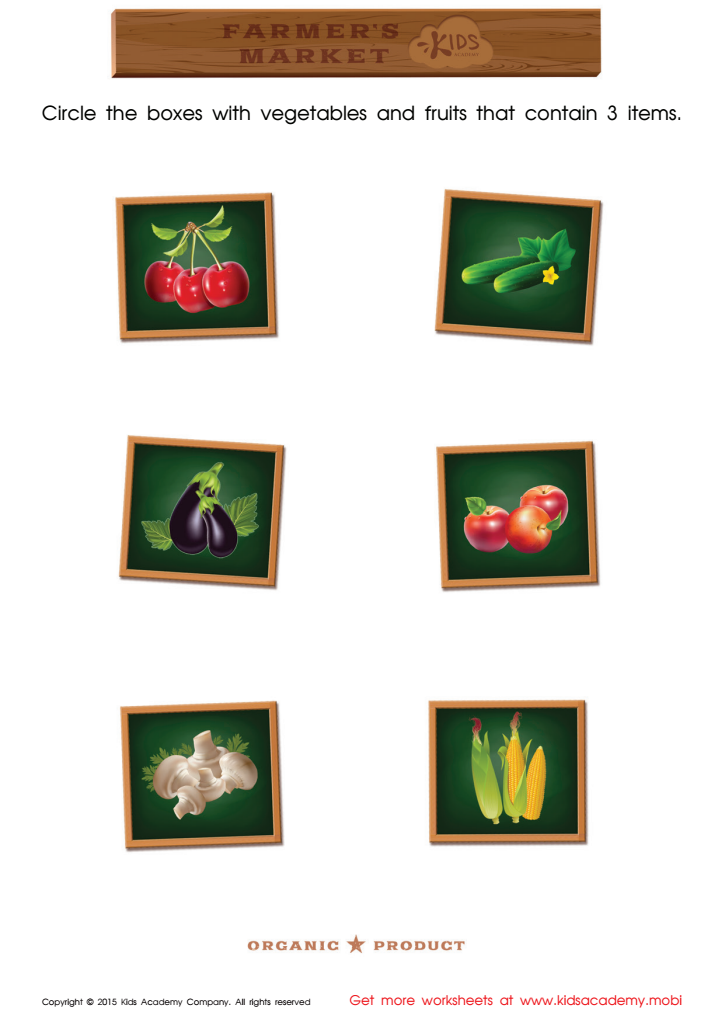
Count and Match Vegetables 1 – 5 Math Worksheet
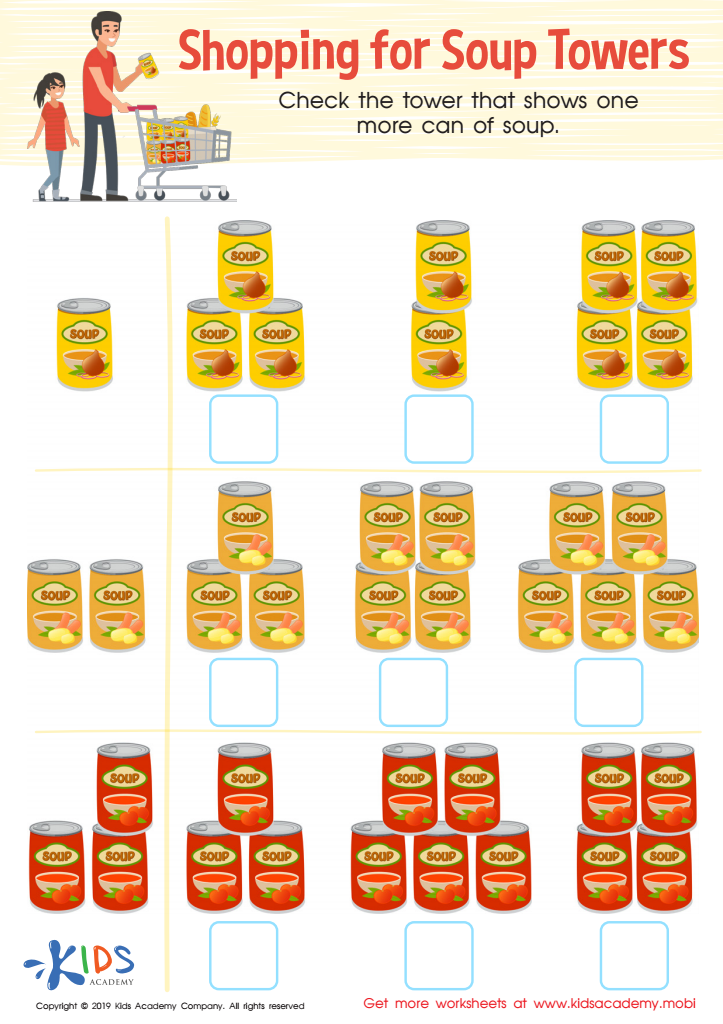
Soup Towers Worksheet
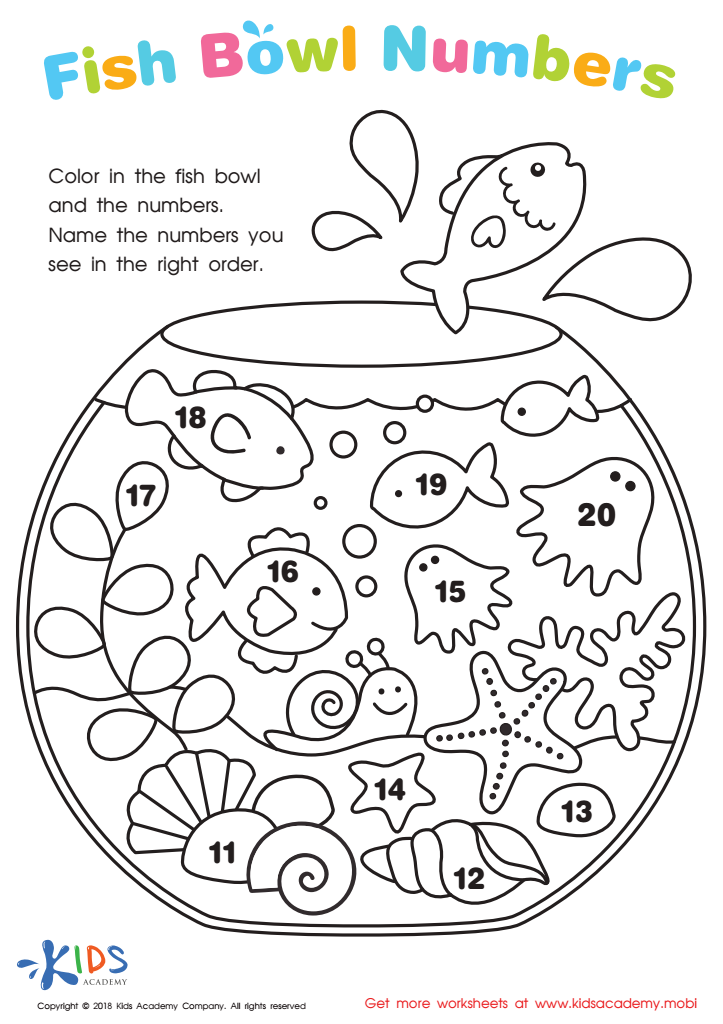
Fish Bowl Numbers Worksheet
Assign to My Students
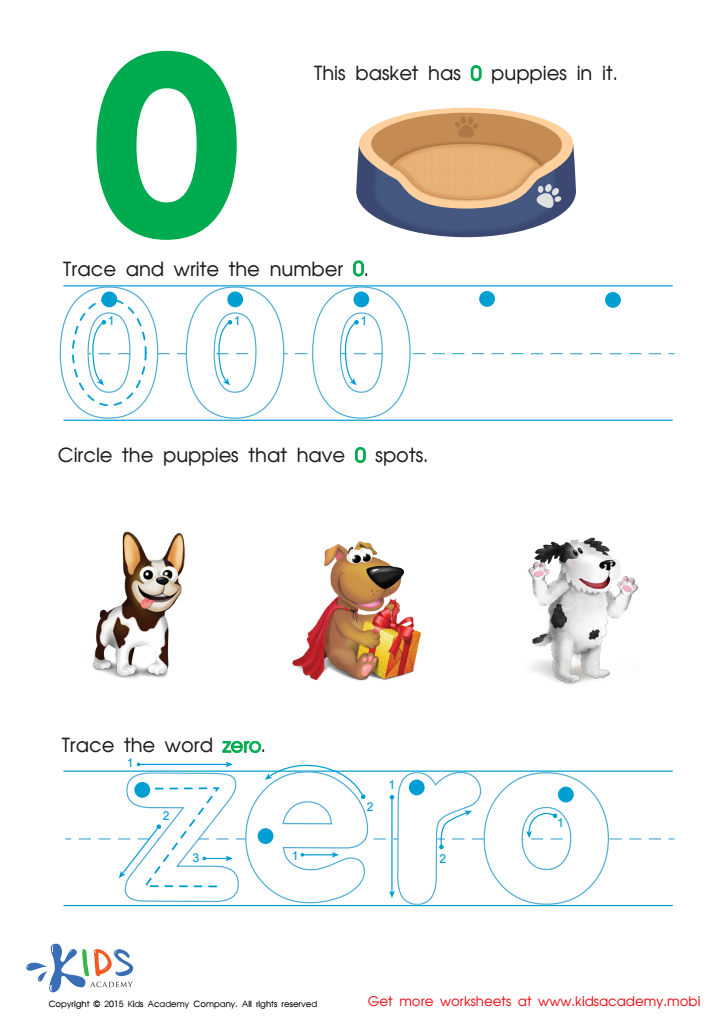
Trace And Write Number 0 Worksheet








Counting skills are the foundation of early math education, crucial for children’s cognitive development, especially around the age of five. These skills lay the groundwork for more complex mathematical concepts and number sense. Mastery of counting allows children to understand quantities, sequences, and relationships between numbers that are essential for everyday life and future academic success.
First, counting helps develop a child's ability to perform simple arithmetic, such as addition and subtraction, by visualizing quantities and understanding numerical order. These skills are fundamental for solving real-world problems, from counting change to measuring ingredients in a recipe.
Moreover, counting enhances cognitive development by promoting logical thinking and problem-solving abilities. It helps children recognize patterns, compare different sets of objects, and make educated guesses, all of which are critical for developing critical thinking skills.
Additionally, engaging in counting activities boosts a child's confidence. Achieving milestones in counting fosters a sense of accomplishment and encourages a positive attitude towards learning other subjects.
For parents and teachers, emphasizing counting and number skills in early childhood education ensures children are well-prepared for the structured learning environment of school. It builds a healthy foundation for lifelong learning and helps avoid potential struggles with mathematics in later grades. Hence, dedicating time to nurture these skills is pivotal for a child's holistic educational growth.








