Shape Recognition Math Worksheets for 5-Year-Olds - Page 2
45 filtered results
-
From - To
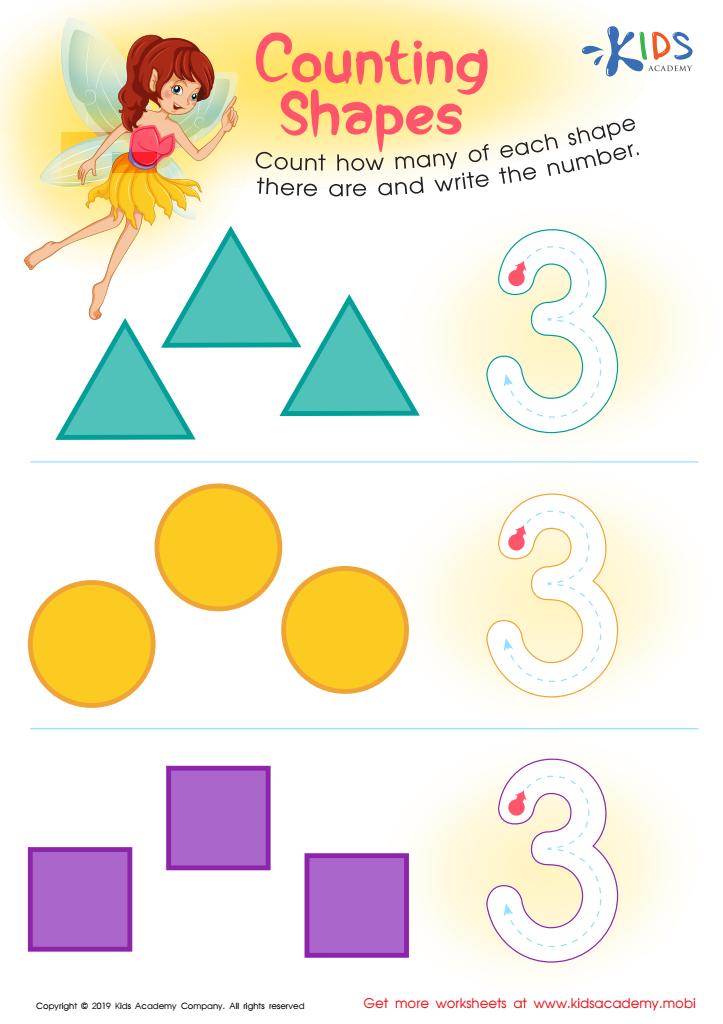
Counting Shapes Worksheet
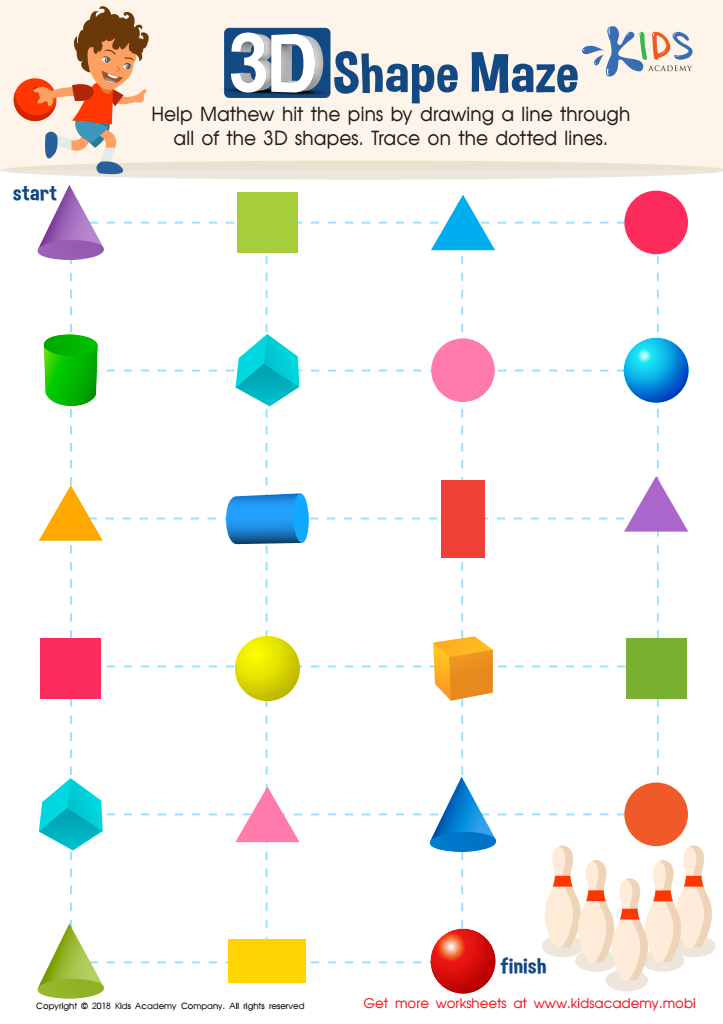
Shapes Maze Geometry Worksheet
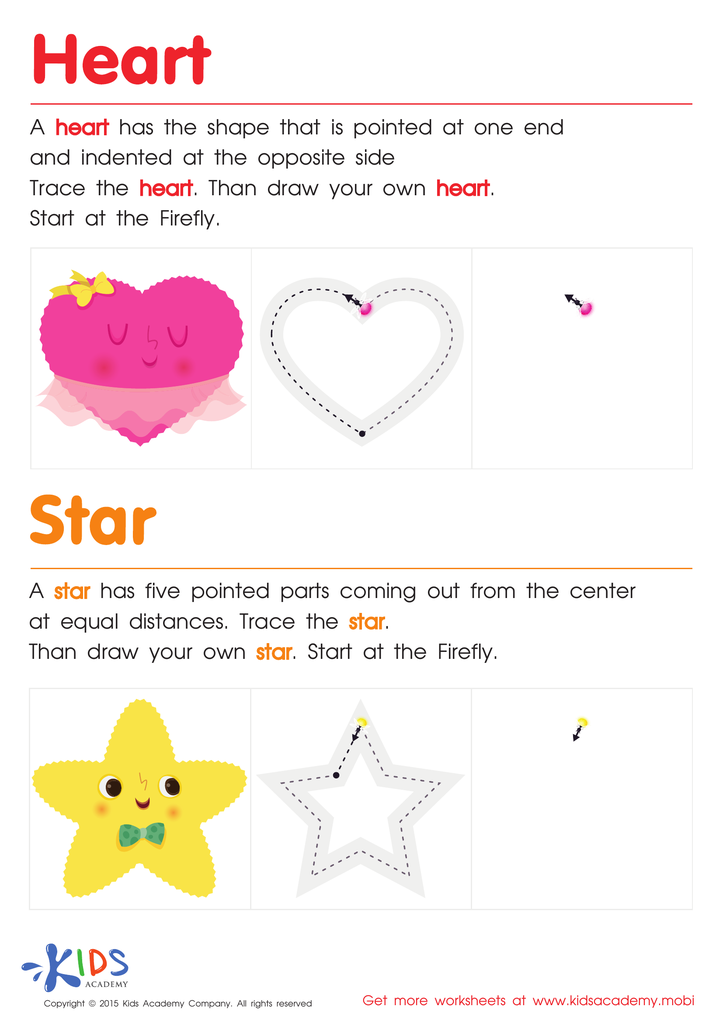
Let's Learn to Draw Hearts And Stars Printable
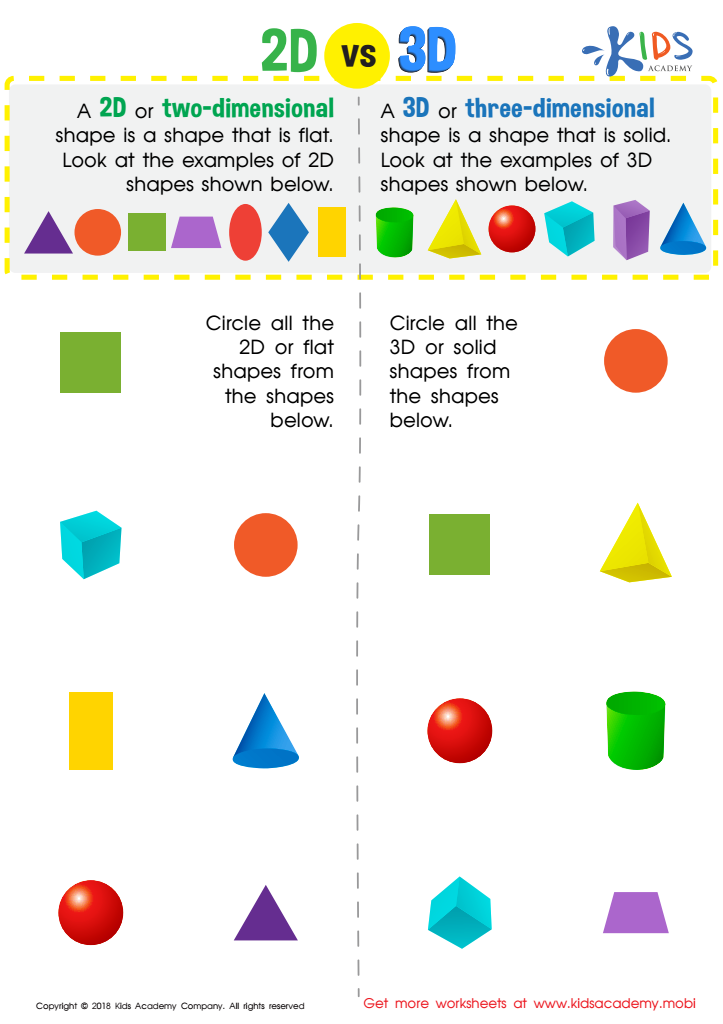
2D vs 3D Shapes Worksheet
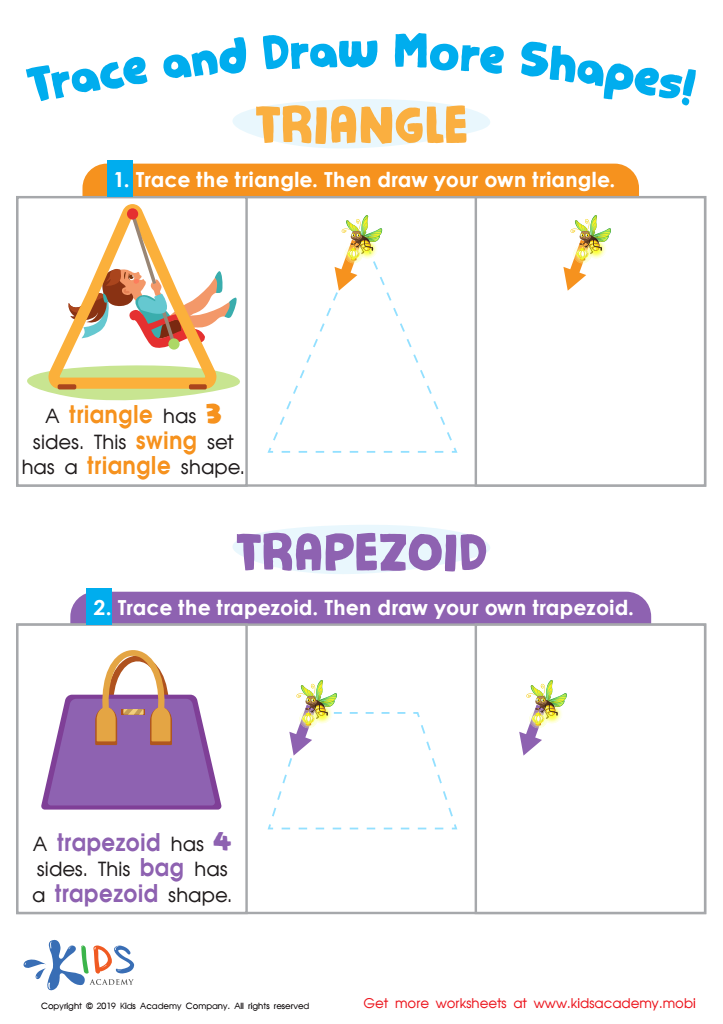
Trace and Draw More Shapes Worksheet
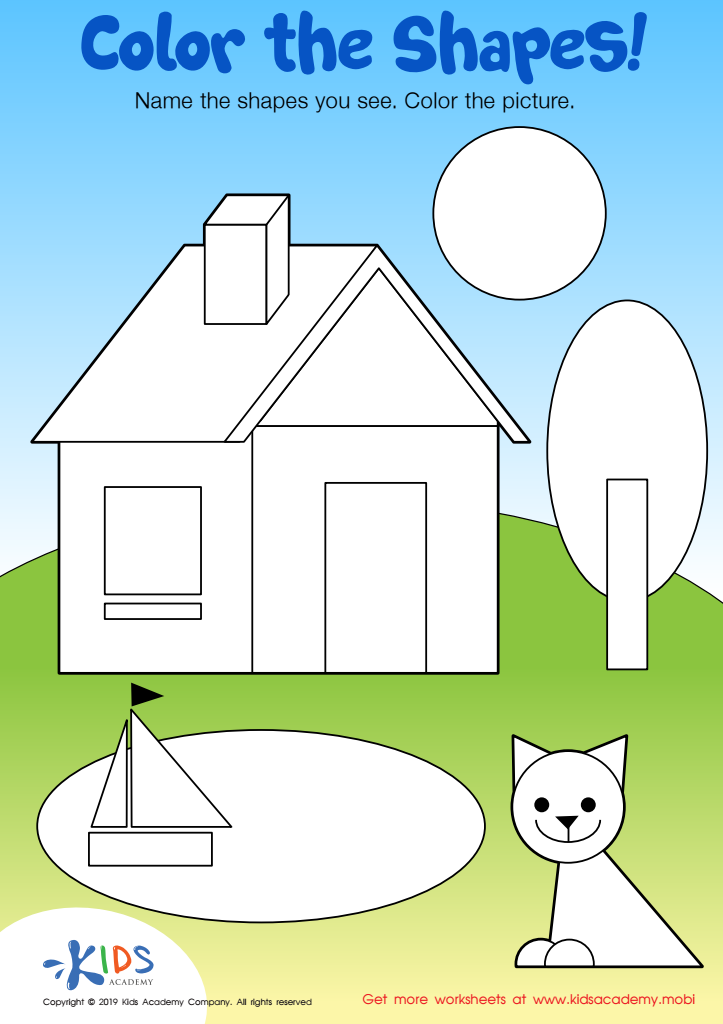
Color the Shapes Worksheet
 Assign to My Students
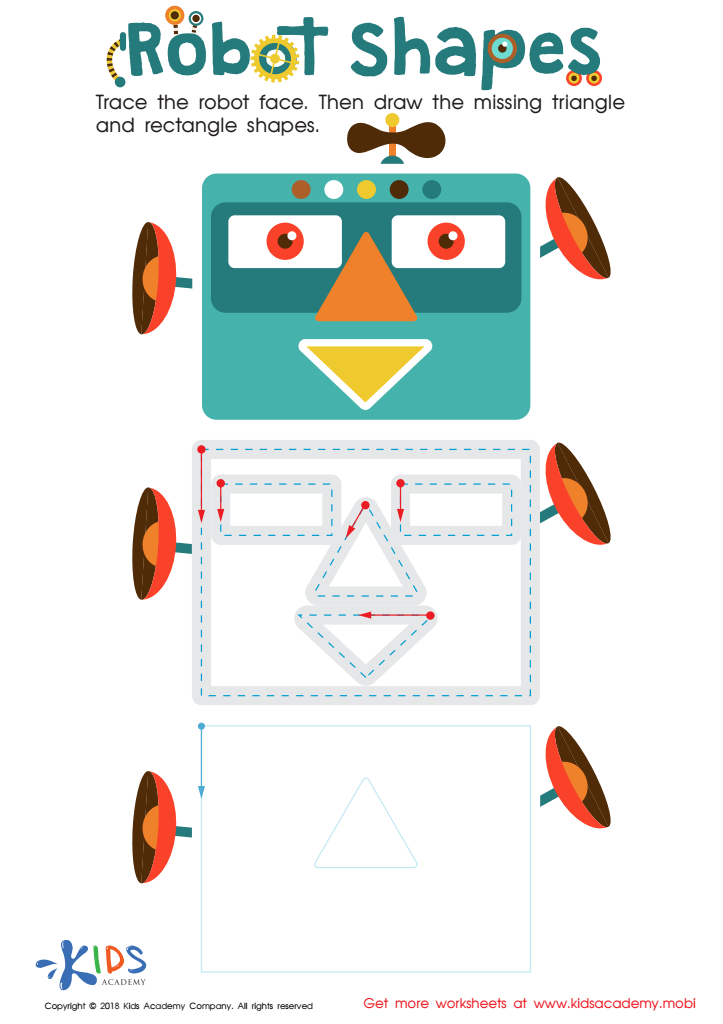
Robot Shapes Worksheet
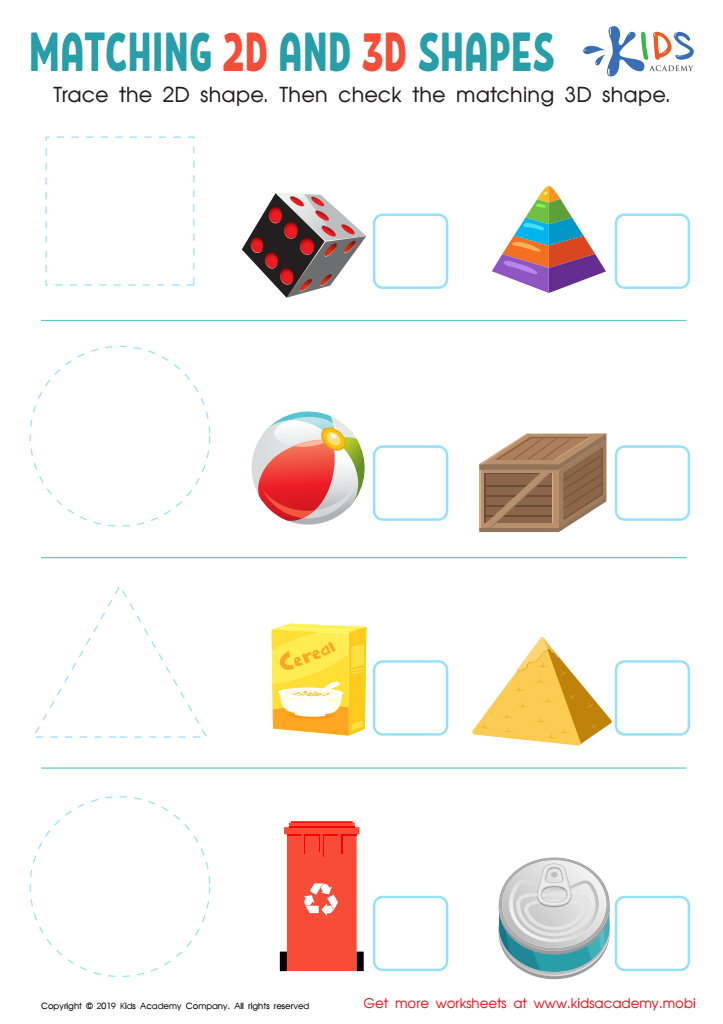
Matching 2D and 3D Shapes Worksheet
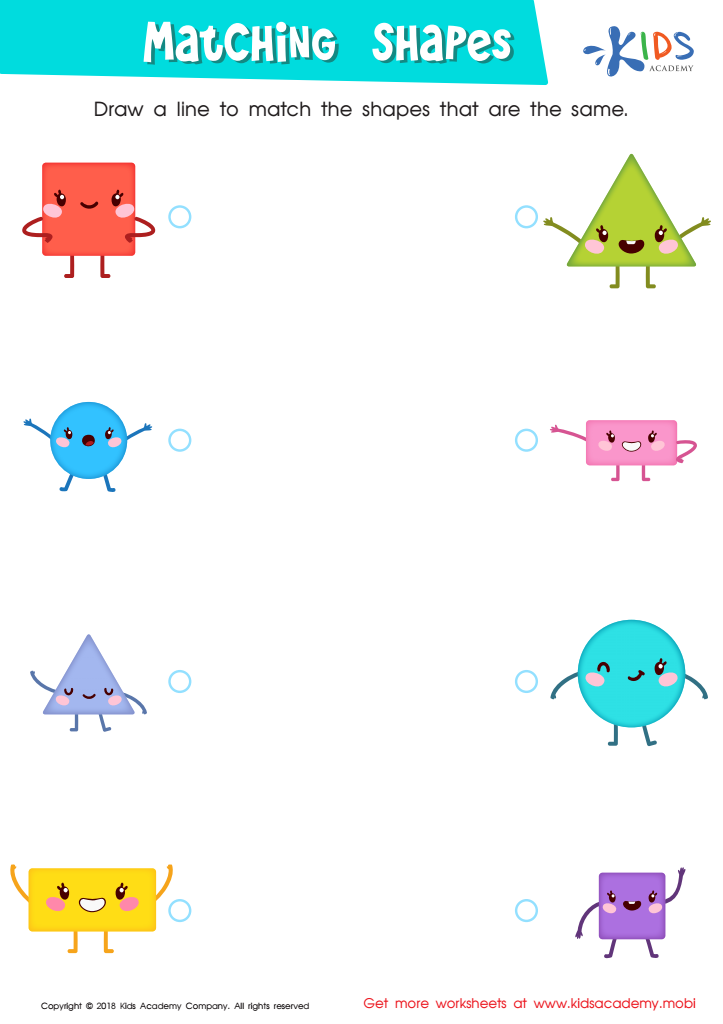
Matching Shapes Worksheet
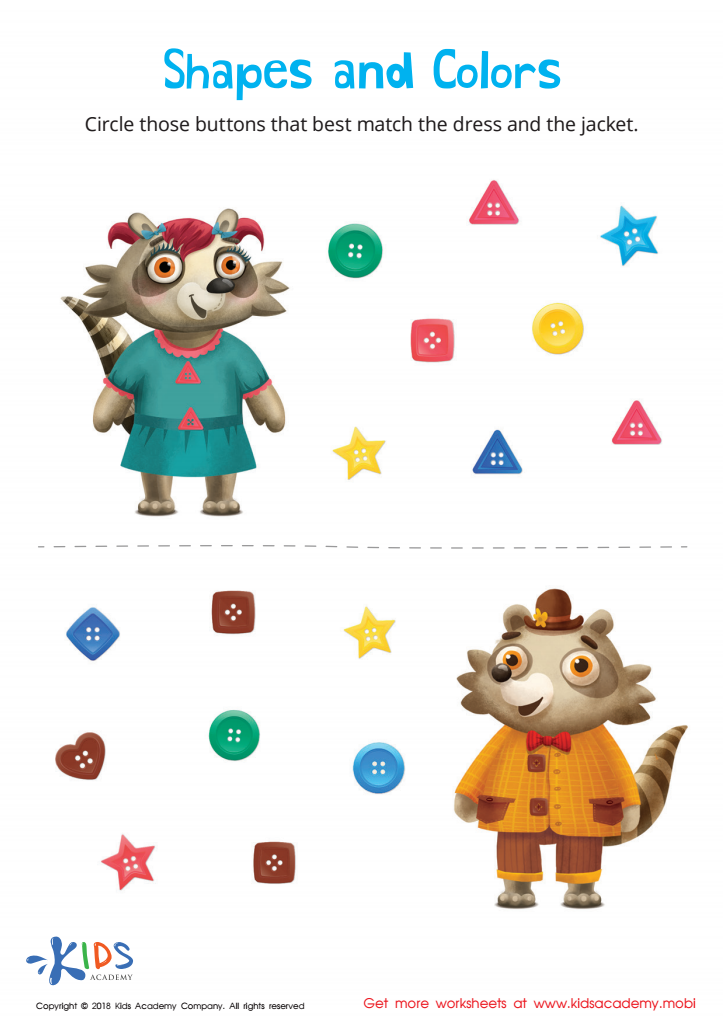
Shapes and Colors Worksheet
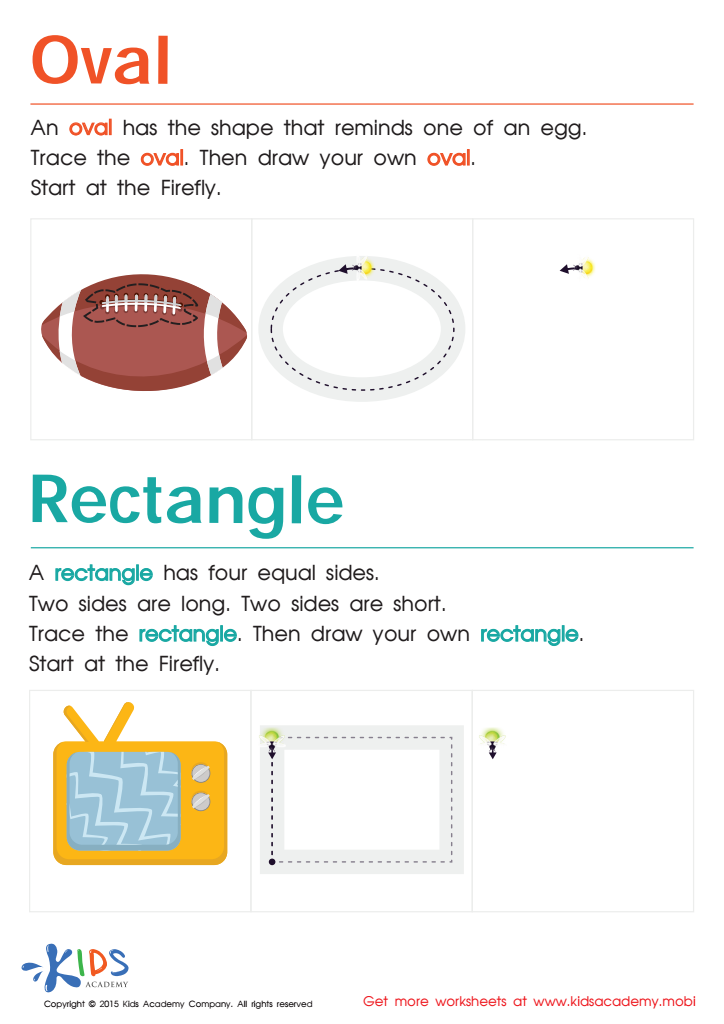
Easy Drawing of Ovals And Rectangles Worksheet
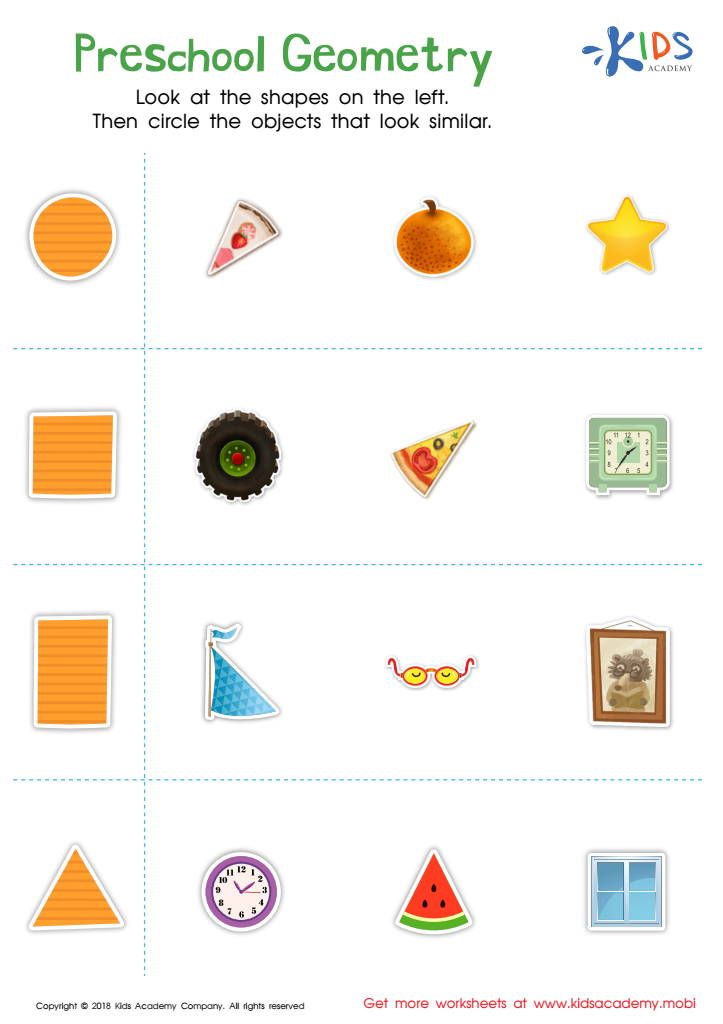
Preschool Geometry Worksheet
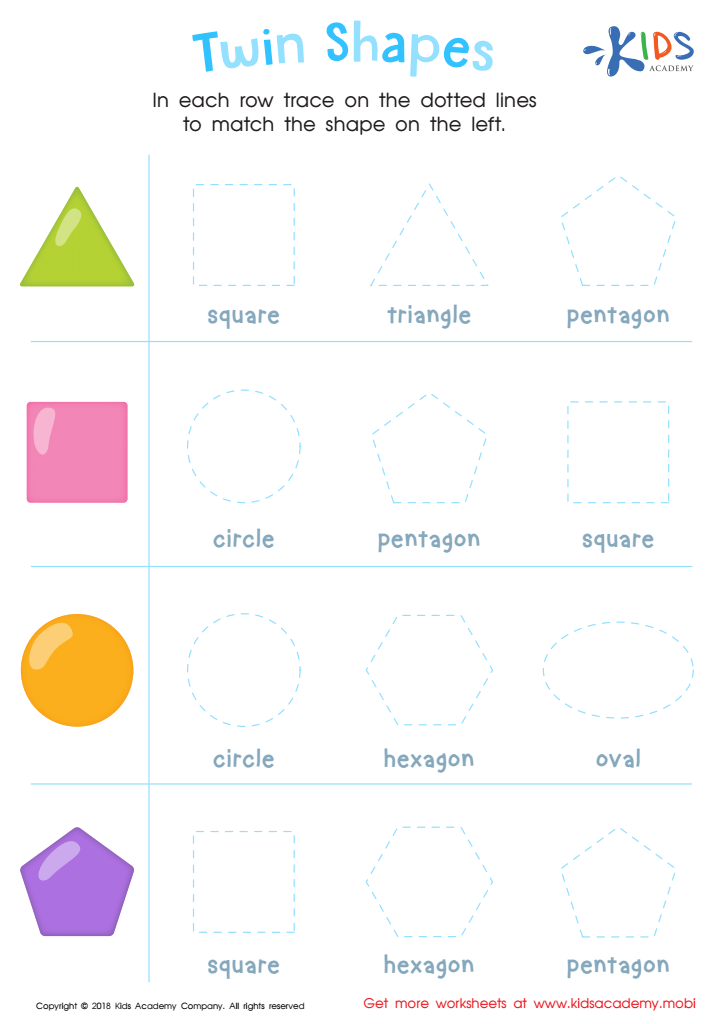
Twin Shapes Dot-to-Dot Worksheet
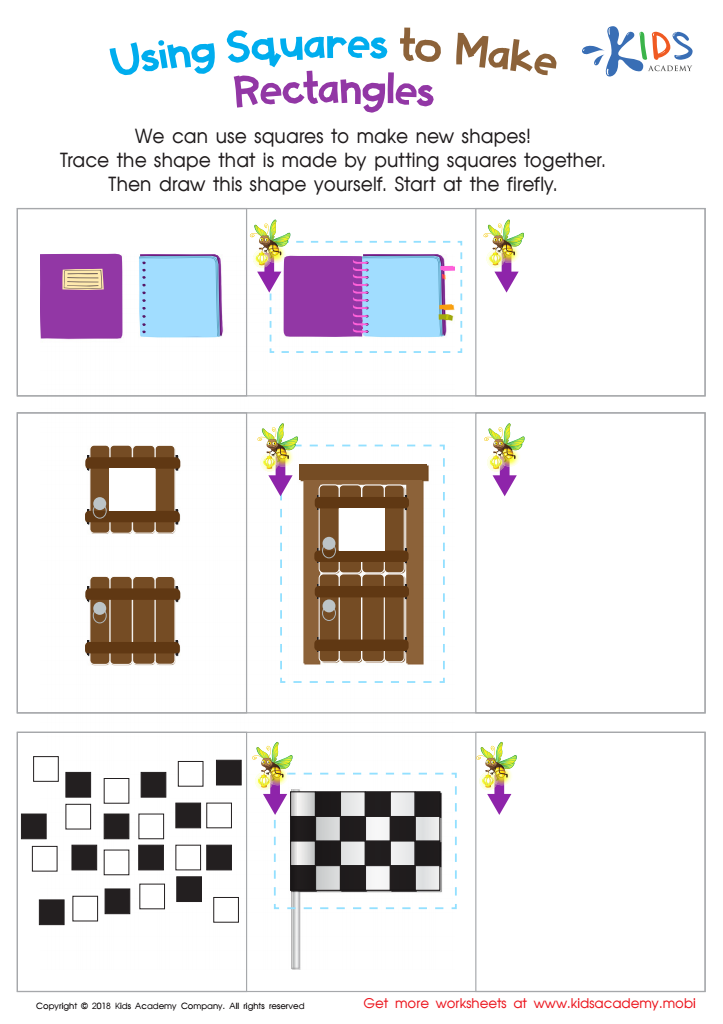
Using Squares to Make Rectangles Worksheet
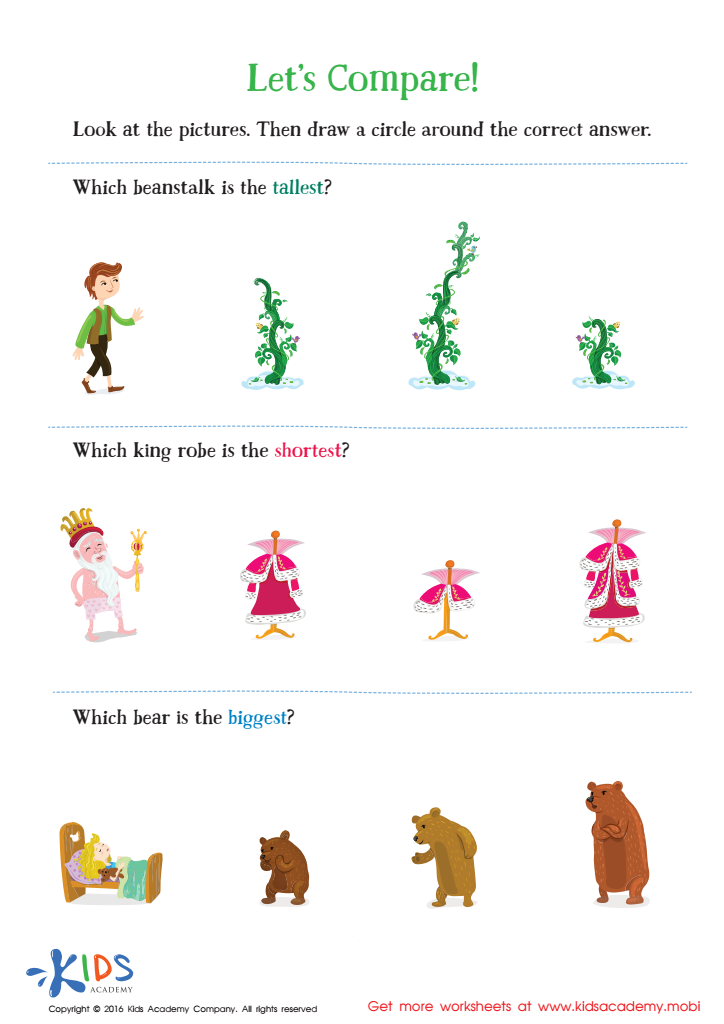
Fairy Tale Worksheet: Let's Compare
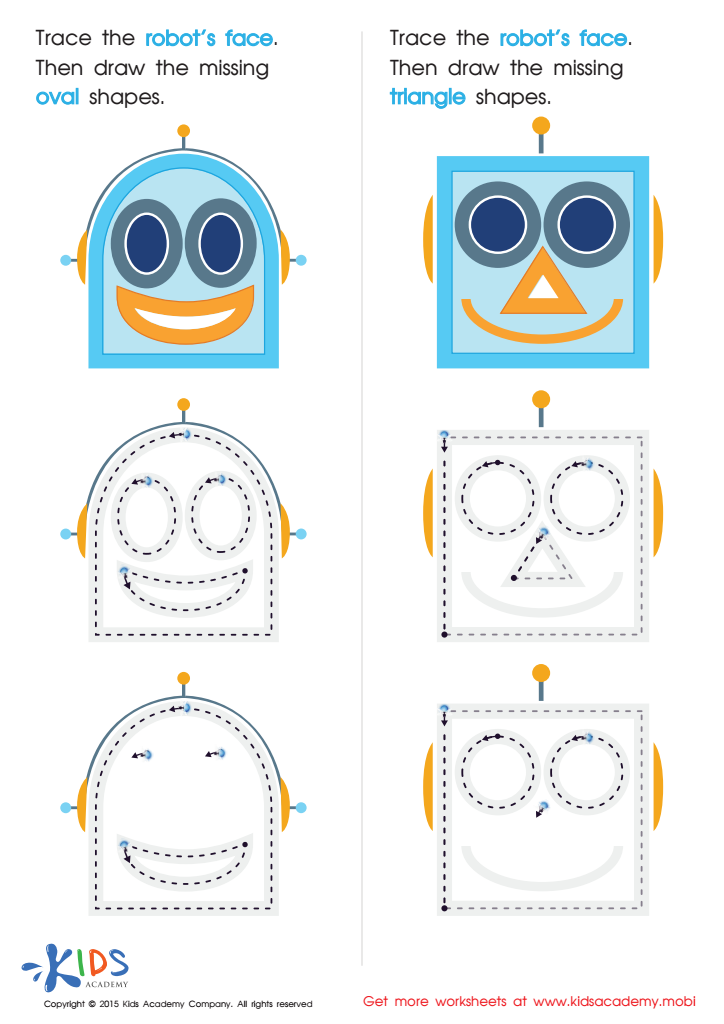
Drawing Ovals And Triangles with Fun Printable
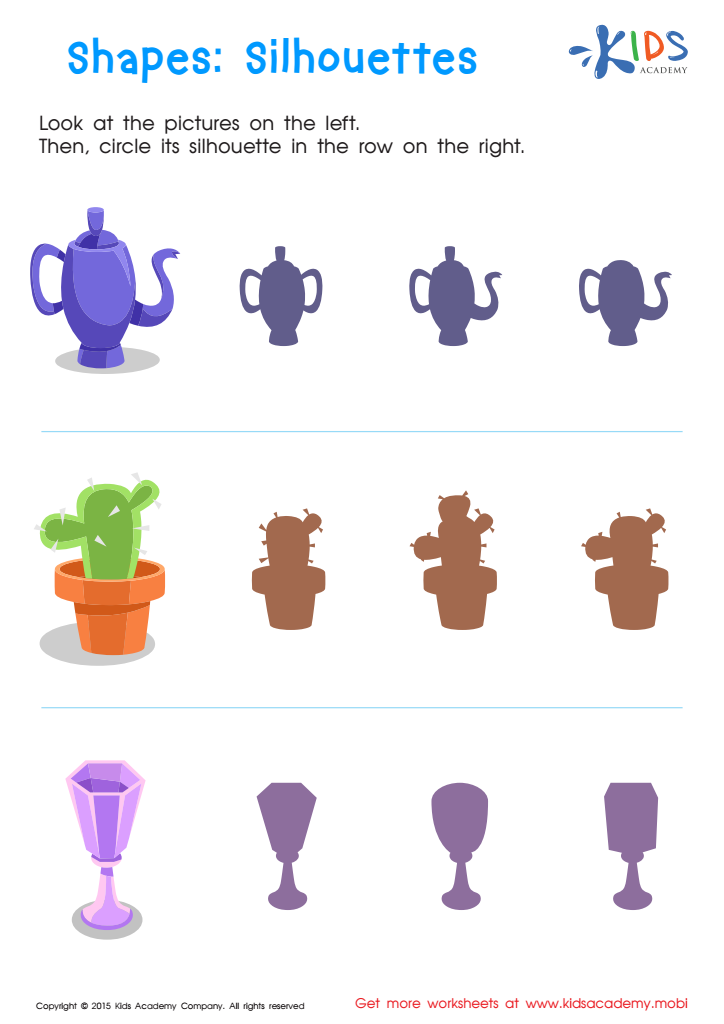
Silhouettes – Shapes Worksheet
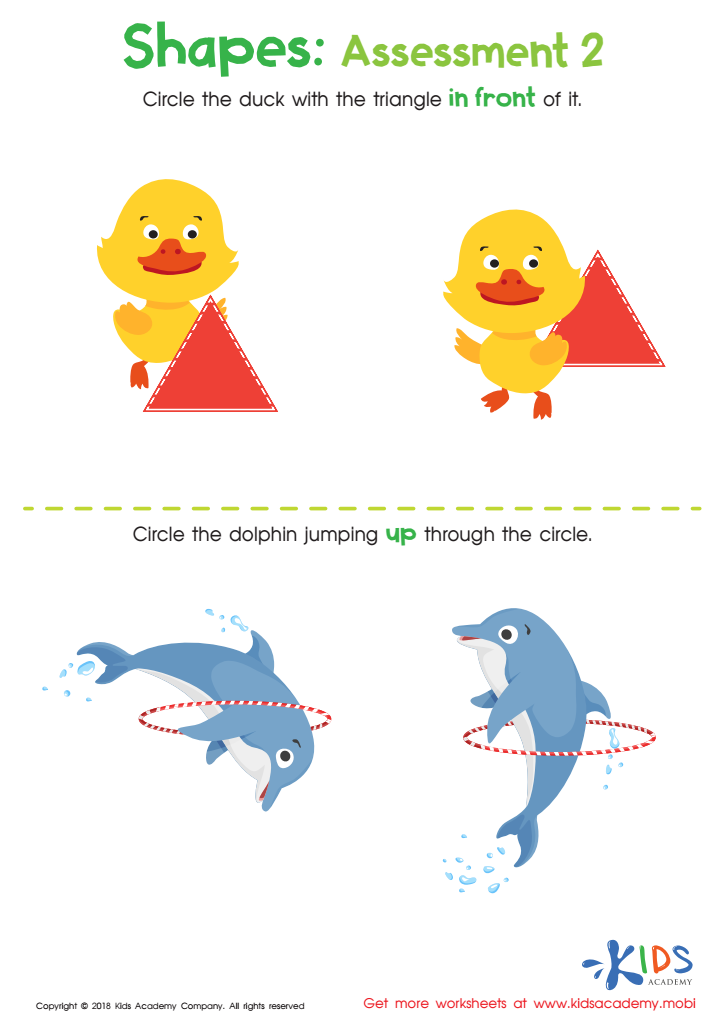
Geometry – Assessment 2 Worksheet
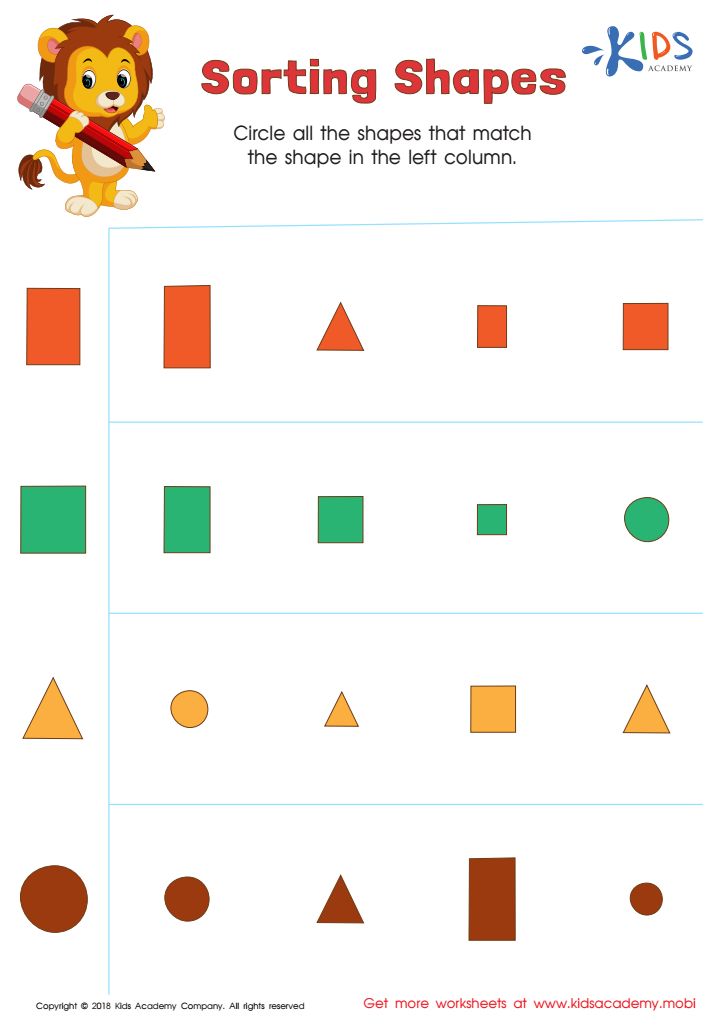
Sorting Shapes - Part 2 Worksheet
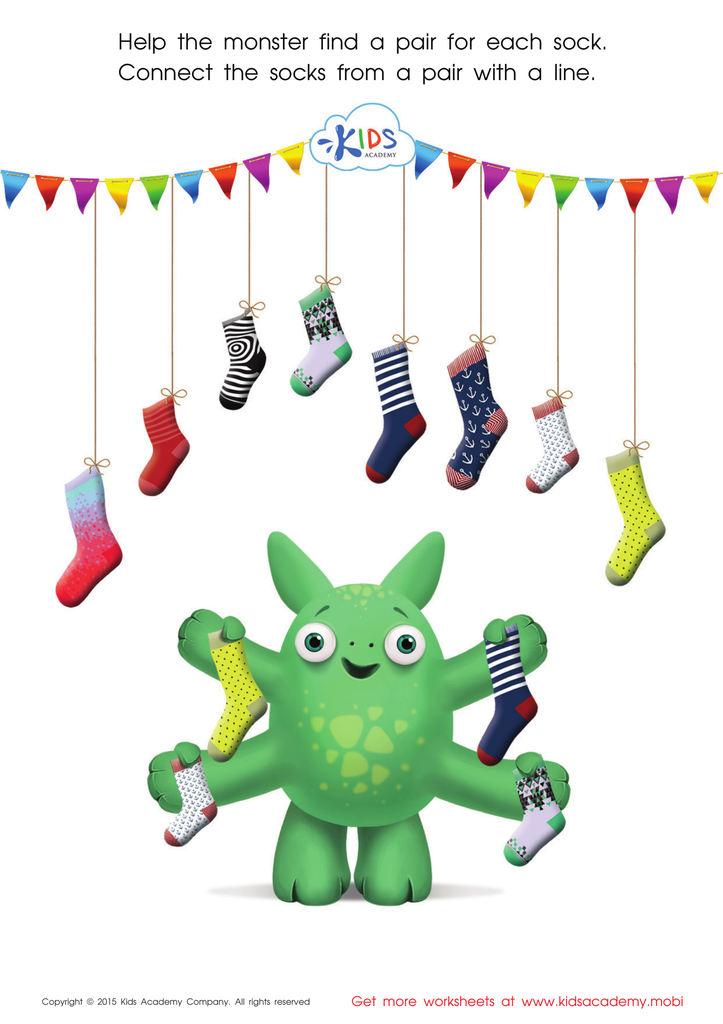
Math Matching Pairs Game: Monsterв's Socks Worksheet
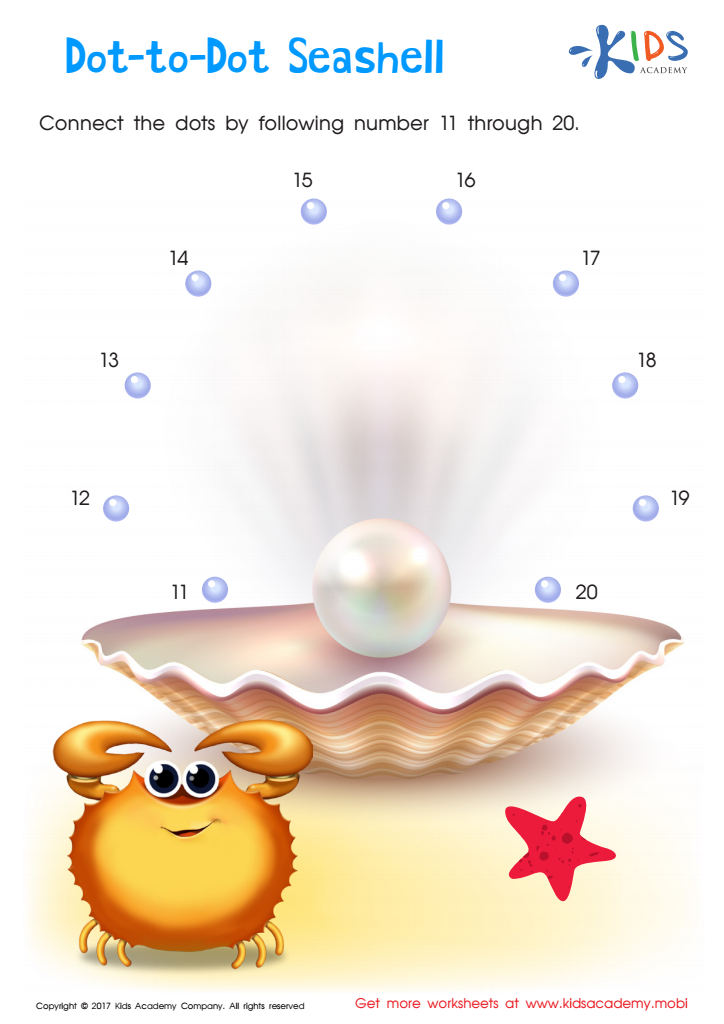
Ordering 11–20: Dot–to–dot Seashell Printable







Shape recognition is a foundational skill in early childhood development, integral for both cognitive growth and mathematical understanding. At 5 years old, children are at a critical stage where their brains are highly receptive to new information and conceptual learning. Learning to identify and understand shapes does more than enhance their geometry skills; it also contributes to overall problem-solving abilities.
Firstly, shape recognition aids in visual-spatial awareness. By distinguishing between different shapes, children develop the ability to observe and interpret the world around them. This skill is crucial not only in math but also in everyday activities, such as reading maps or identifying objects.
Secondly, understanding shapes lays the groundwork for grasping more complex mathematical concepts. Before diving into advanced arithmetic, children need to recognize simple geometric shapes. This will later help them understand patterns, symmetry, and even calculus, preparing them for future academic success.
Moreover, shape recognition enhances fine motor skills. Activities such as drawing shapes or cutting them out assist children in developing hand-eye coordination, which is essential for writing.
Finally, engaging with shapes ignites a love for learning through interactive and enjoyable activities. Parents and teachers who focus on shape recognition give children a comprehensive skill set, boosting their academic and developmental progress.








