Phonics Skills Long Vowels Worksheets for Ages 6-7
17 filtered results
-
From - To
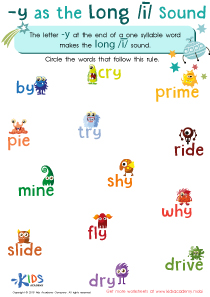
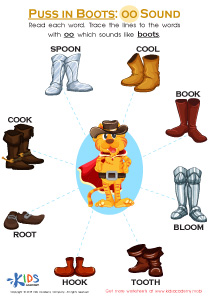
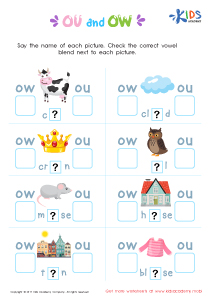
Enhance your child's reading abilities with our Phonics Skills Long Vowels Worksheets, designed specifically for ages 6-7. These engaging printable worksheets focus on mastering long vowel sounds, essential for developing strong literacy skills. With fun activities and illustrations, children will learn to recognize, identify, and apply long vowels in various words. Our resources cater to different learning styles, making phonics exciting and accessible. Ideal for classroom use or at-home learning, these worksheets help support early readers in building confidence and proficiency. Explore the joys of reading with our thoughtfully crafted phonics materials, and watch your child shine in their literacy journey!
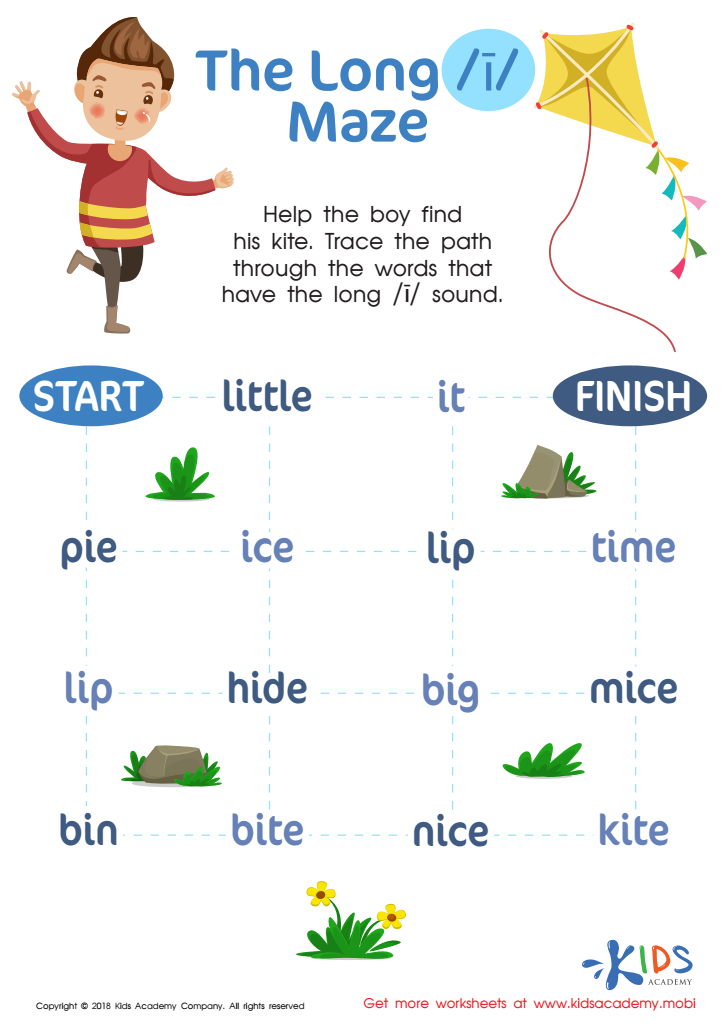
The Long I Maze Reading Worksheet
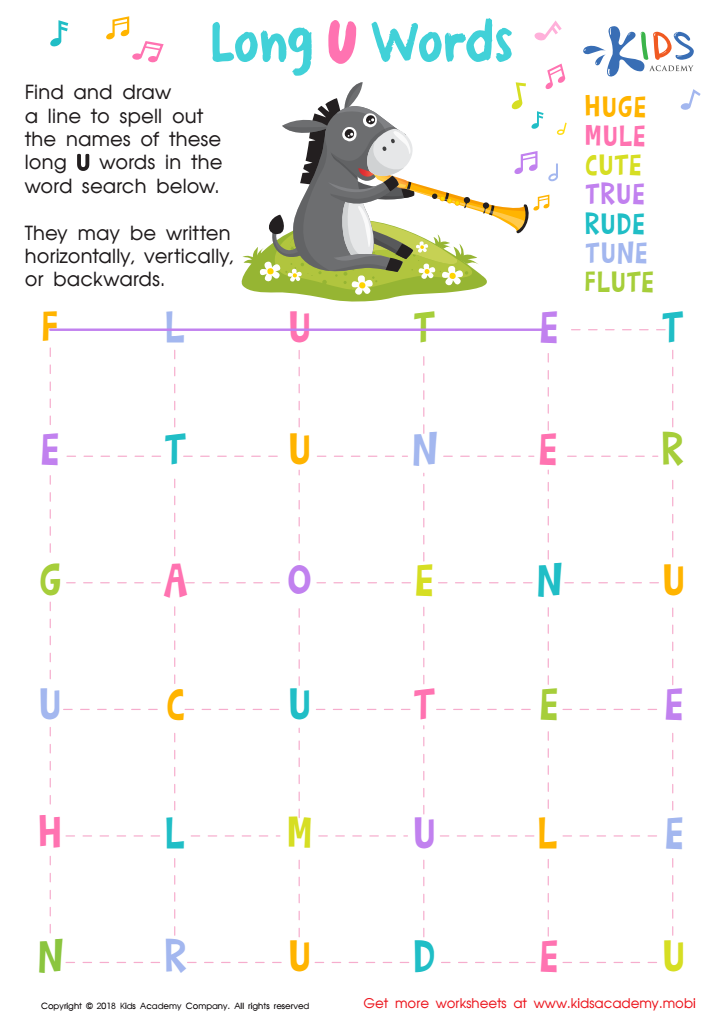
Long /u/ Words Worksheet
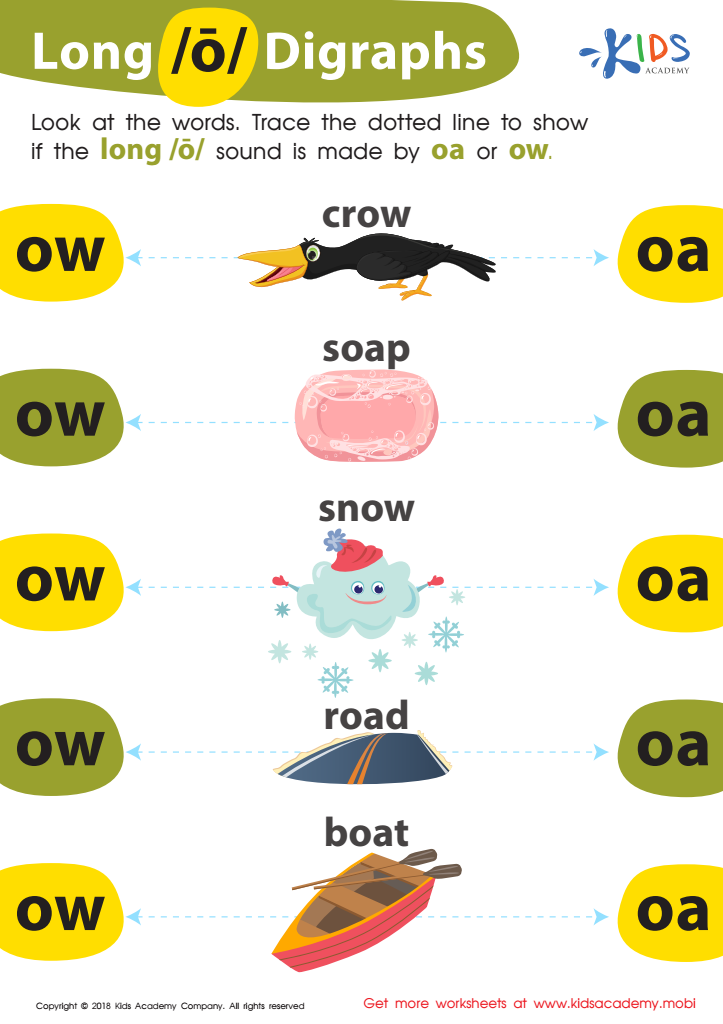
Reading: Long O Digraphs Worksheet
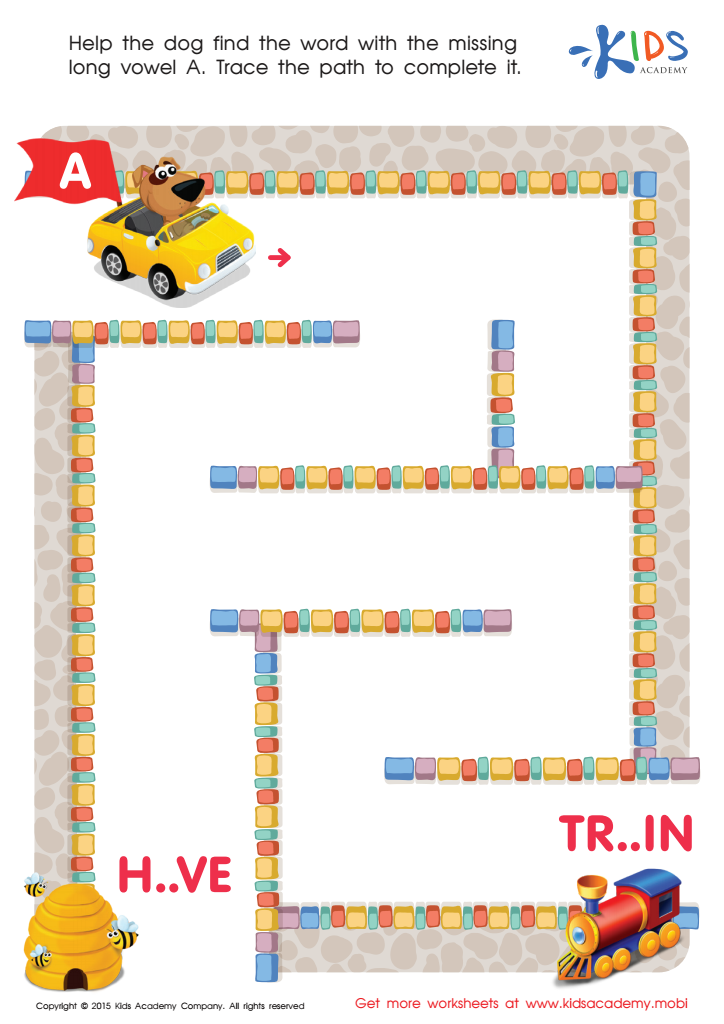
Long Vowel Sound A Worksheet
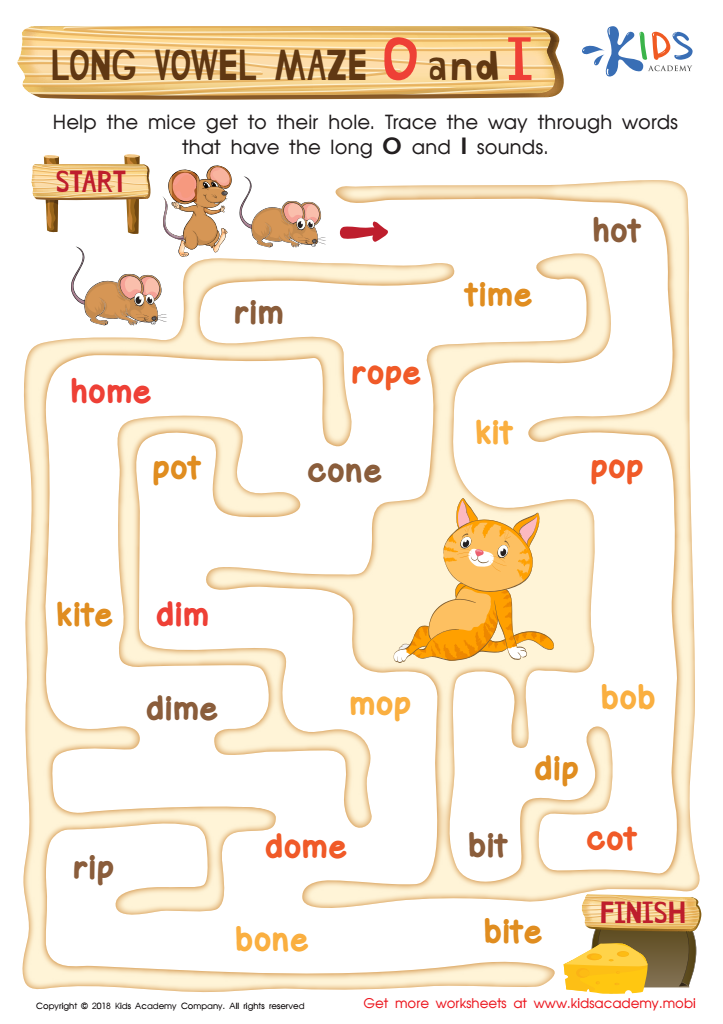
Long Vowel Maze /o/ and /i/ Worksheet
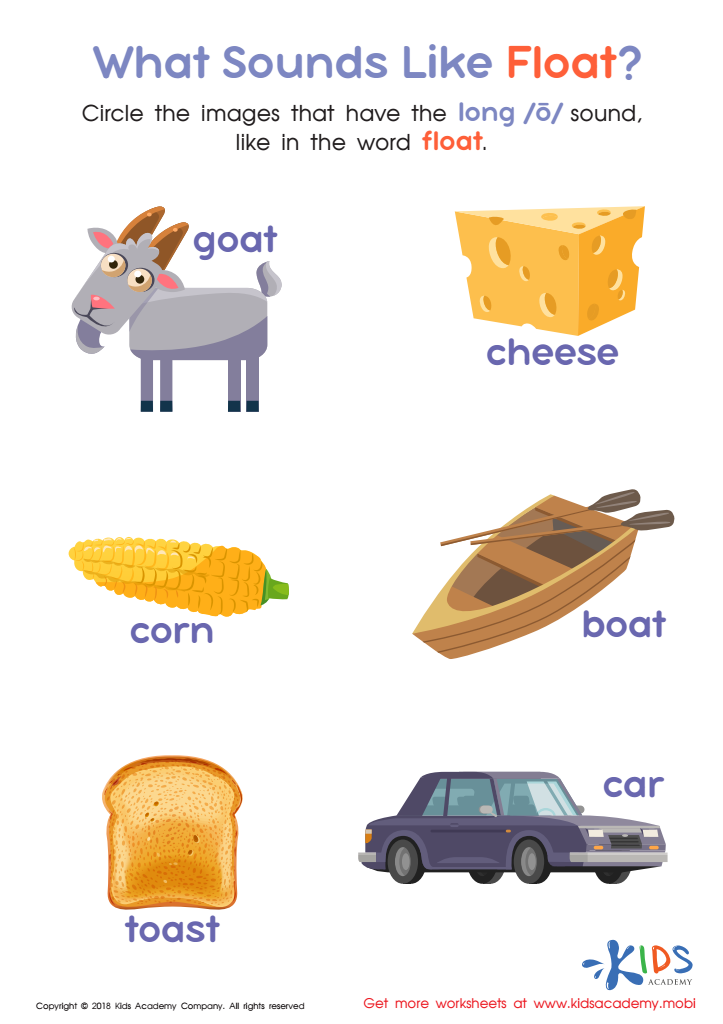
What Sounds Like Float? Worksheet
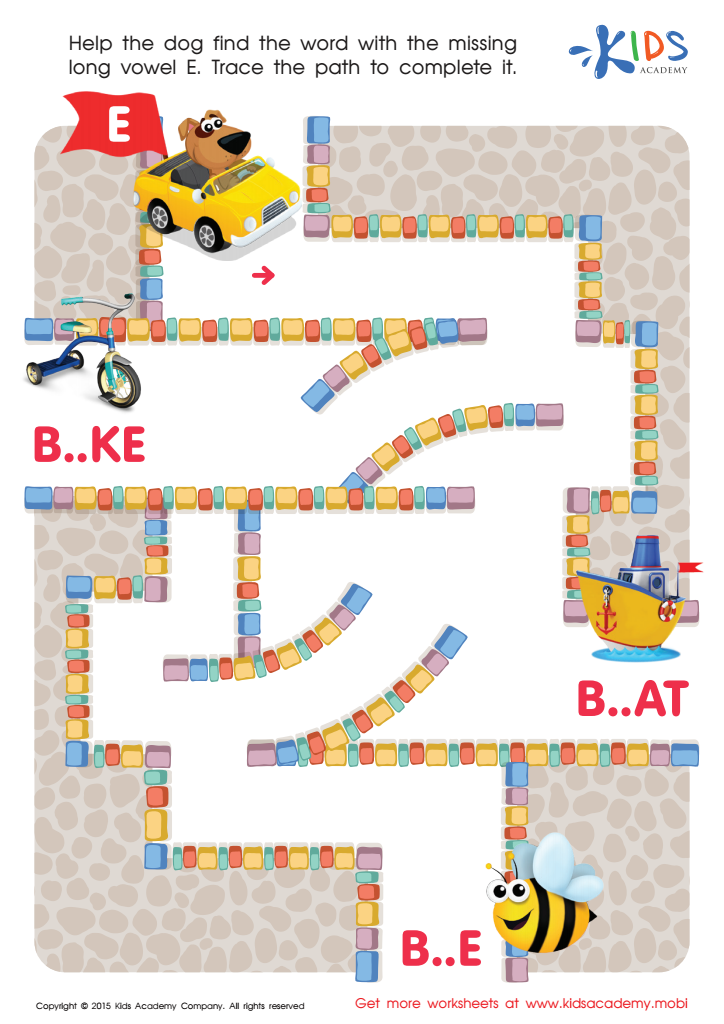
Long Vowel Sound E Worksheet
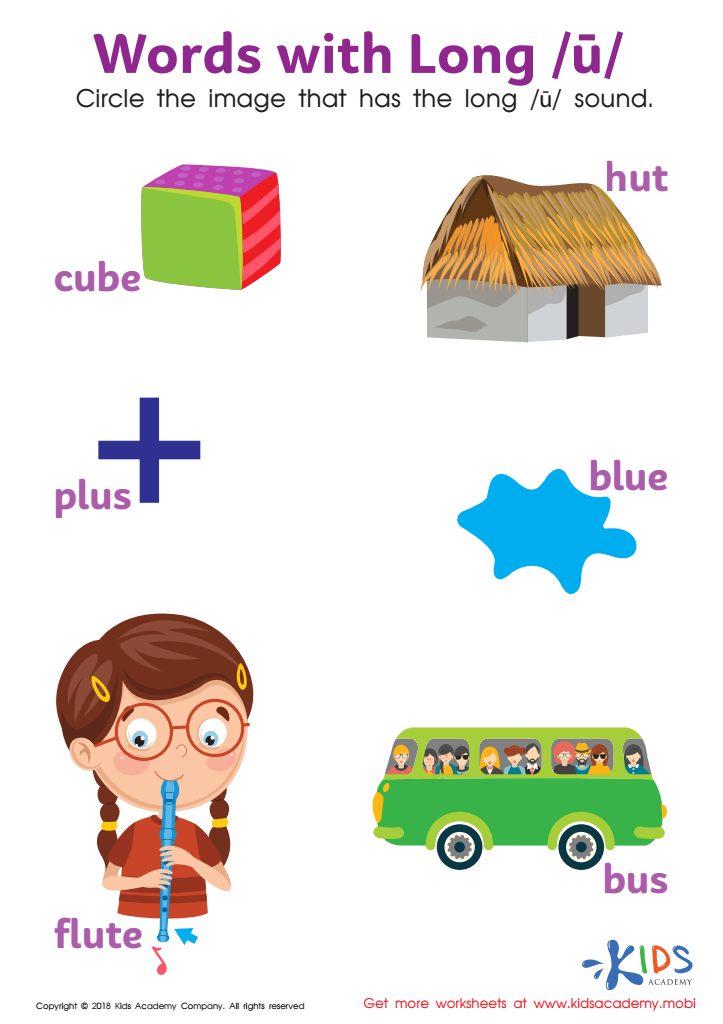
Words with Long U Reading Worksheet
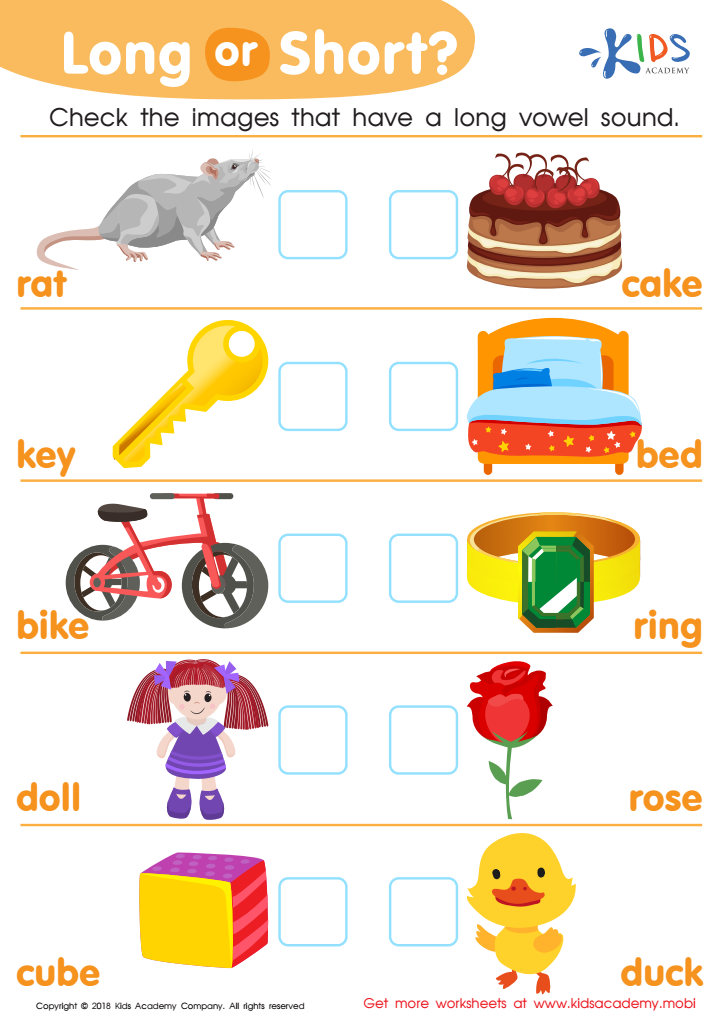
Long or Short Reading Worksheet
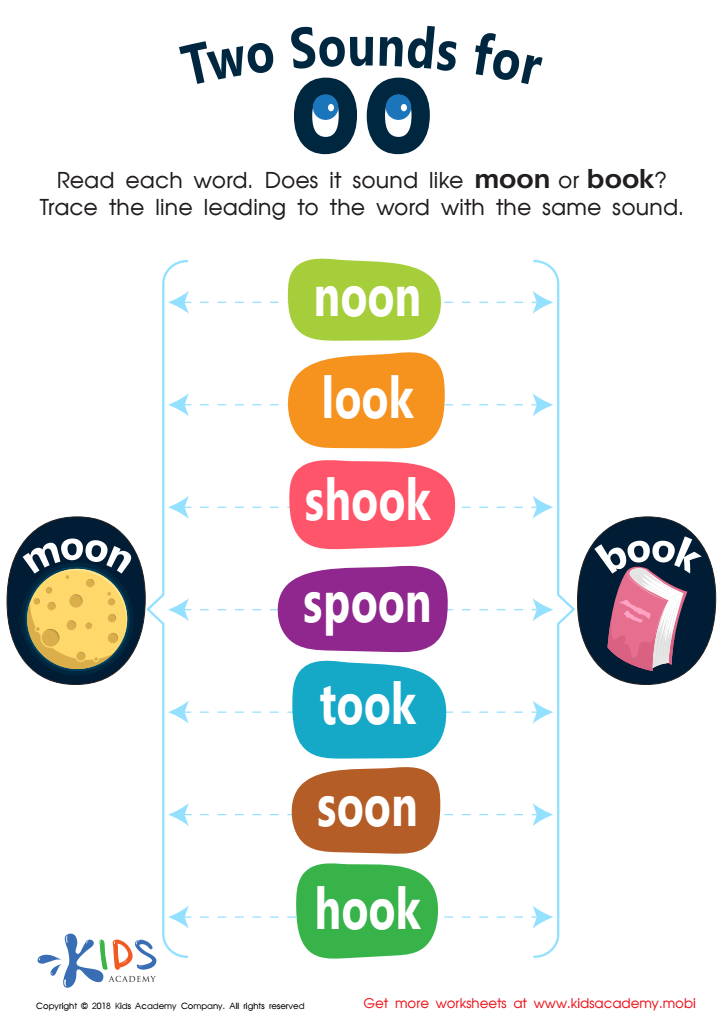
Two Sounds for OO Worksheet
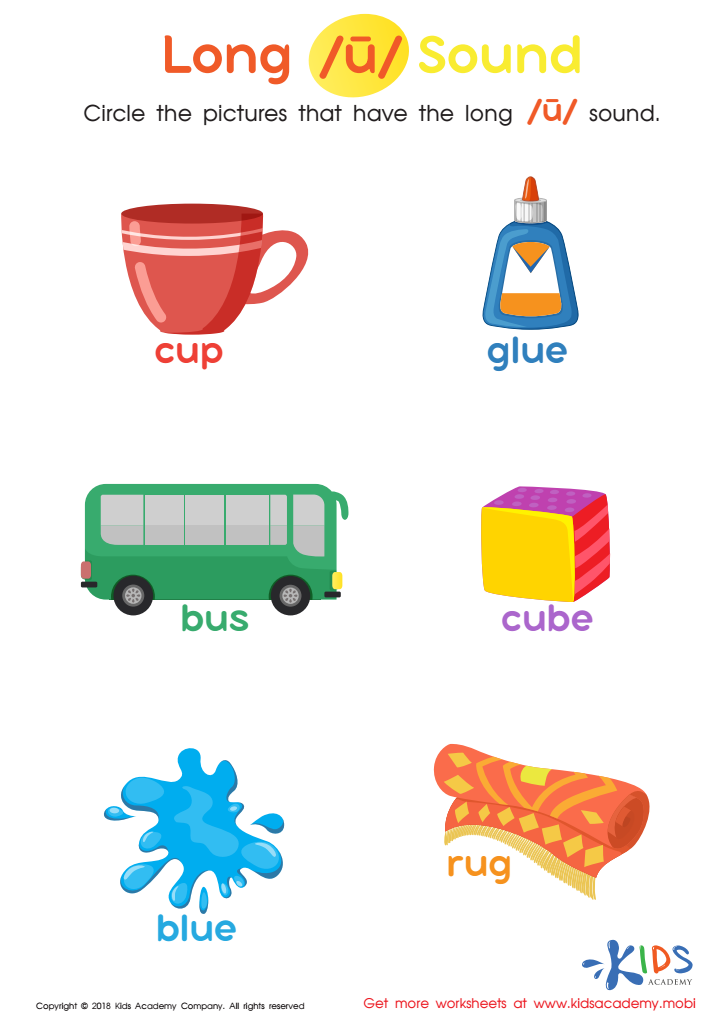
Long «u» Sound Worksheet
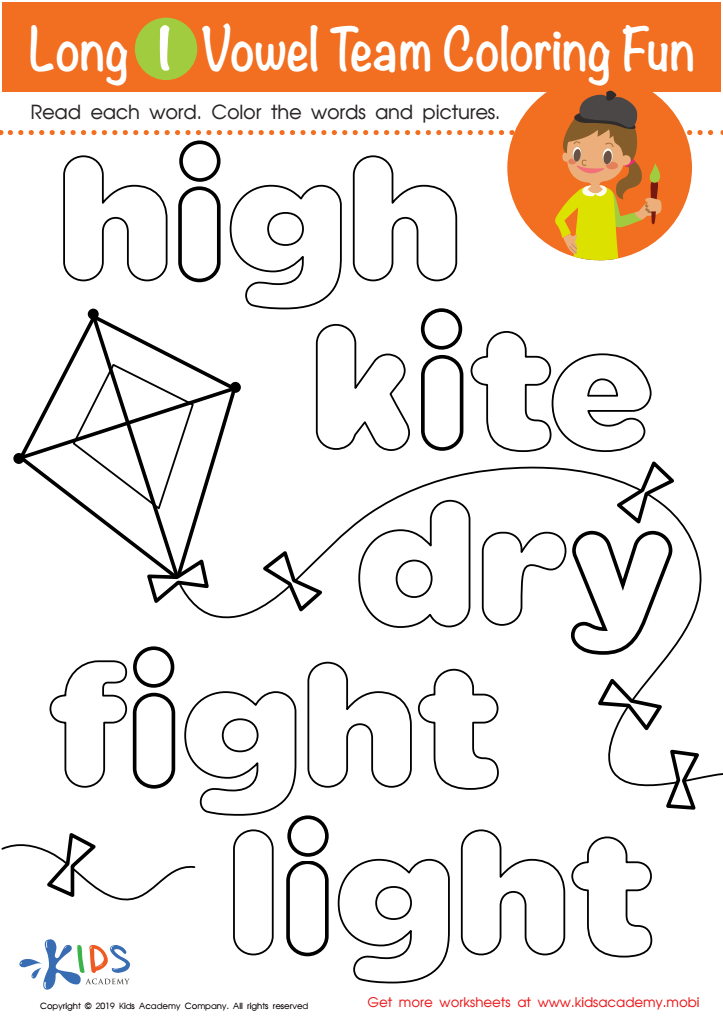
Long I Vowel Team Coloring Worksheet
 Assign to My Students
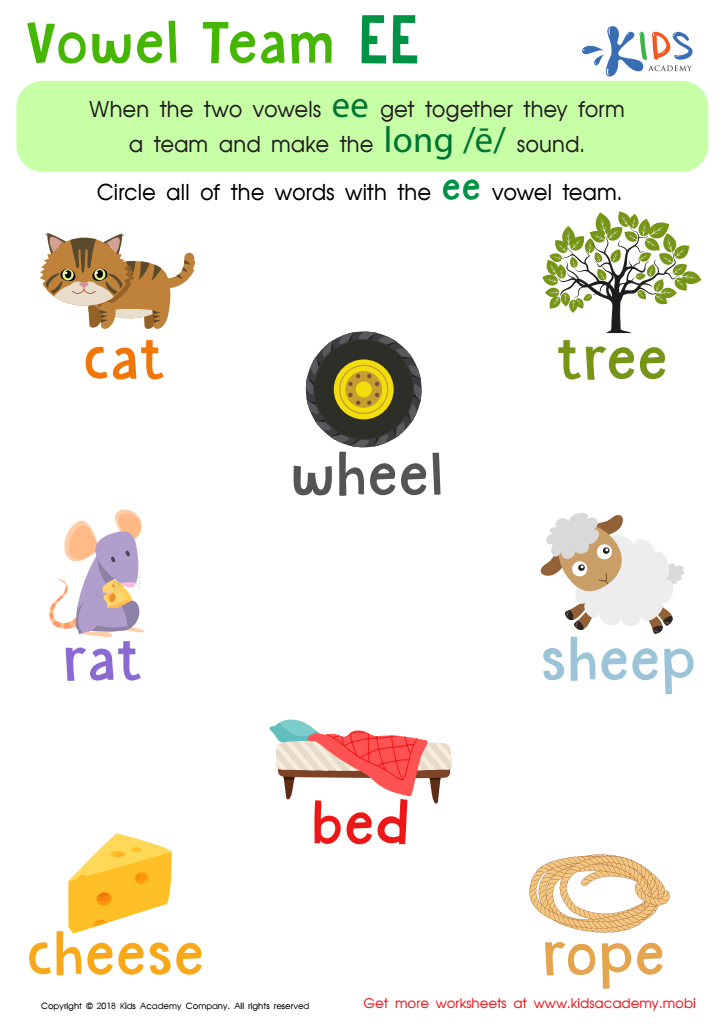
Reading: Vowel Team EE Worksheet
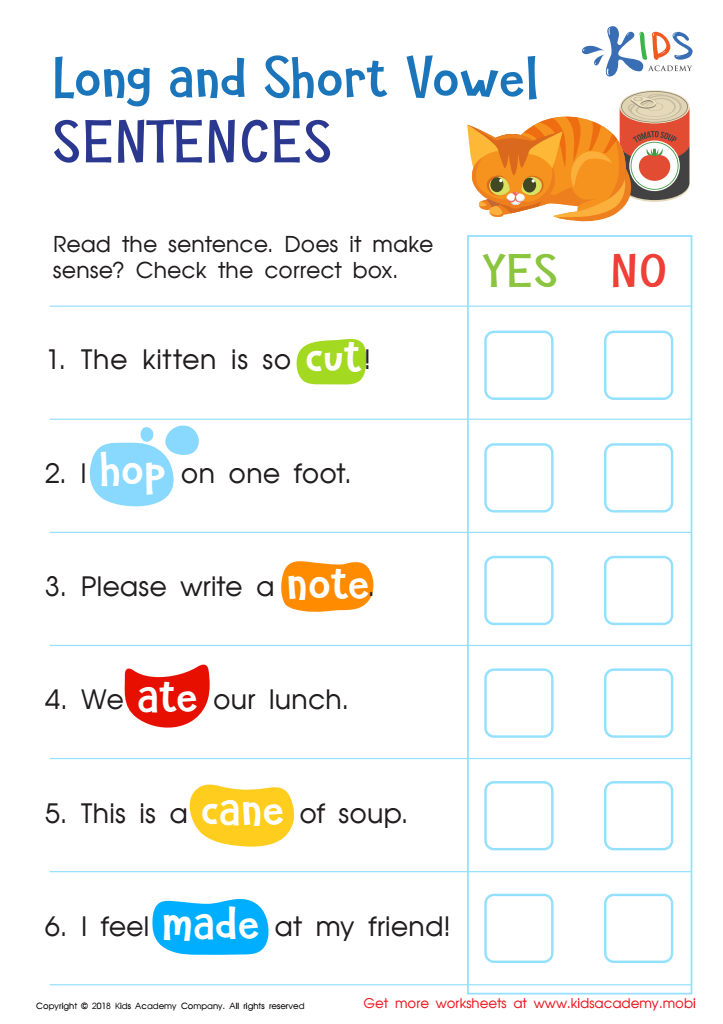
Long and Short Vowel Sentences: Assessment Worksheet

Long and Short E Worksheet
Assign to My Students
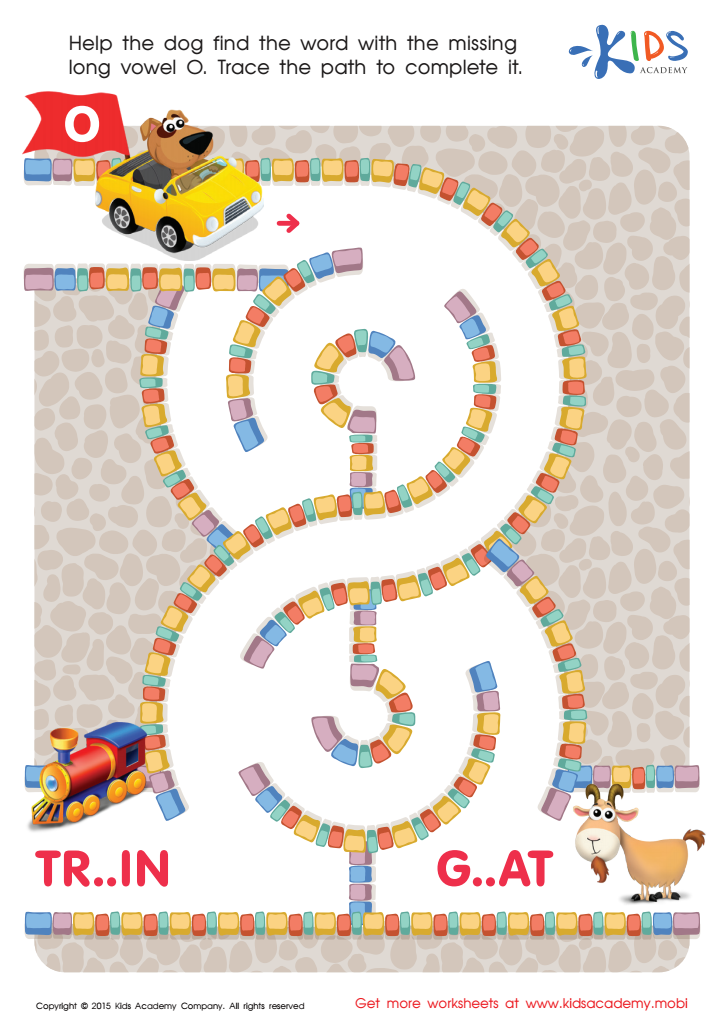
Long Vowel Sound O Worksheet
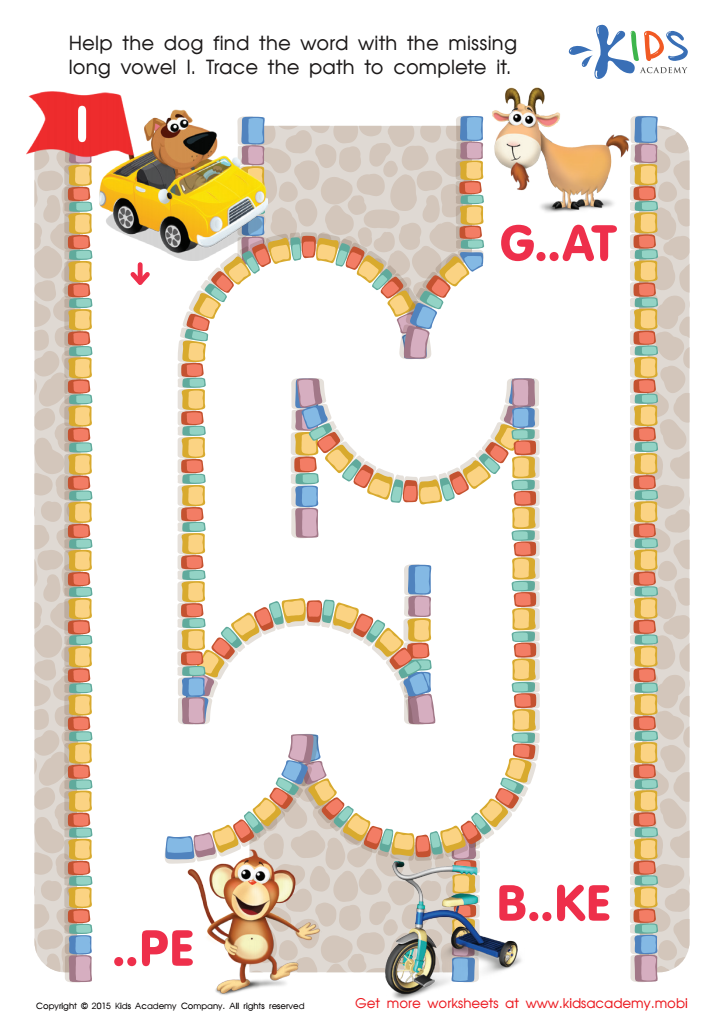
Long Vowel Sound I Worksheet



Phonics skills, particularly focusing on long vowels, are essential for children aged 6-7 as they significantly impact literacy development. At this stage, children are transitioning from learning letter sounds to blending those sounds into words. Understanding long vowels—like the ‘a’ in "cake," the 'e' in "bike," and the 'i' in "time"—is crucial for their reading fluency and comprehension.
Parents and teachers should prioritize phonics skills because they form the foundation for lifelong reading and writing proficiency. Mastering long vowel sounds enables children to decode words more effectively, improving their confidence and motivation in reading. This skill not only helps in recognizing familiar words but also equips students to sound out new ones, thus expanding their vocabulary.
Additionally, phonics instruction promotes phonemic awareness, leading to better spelling abilities. As children learn to differentiate between short and long vowel sounds, they acquire the necessary tools to navigate more complex texts later in their academic journey. By fostering these skills early, parents and teachers lay the groundwork for successful communication and literacy skills essential for everyday life and future educational pursuits. Therefore, investing time and resources into phonics education provides a substantial benefit to children's overall academic achievement.