Basic Addition Worksheets for Ages 6-7 - Page 3
70 filtered results
-
From - To
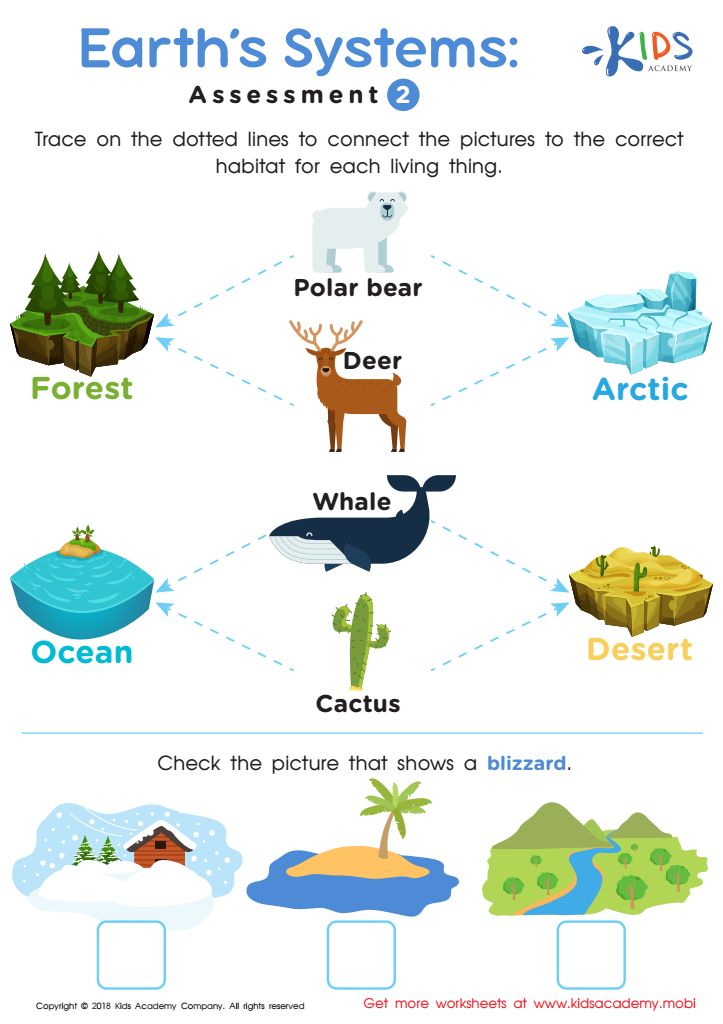
Earth's Systems: Assessment 2
 Assign to My Students
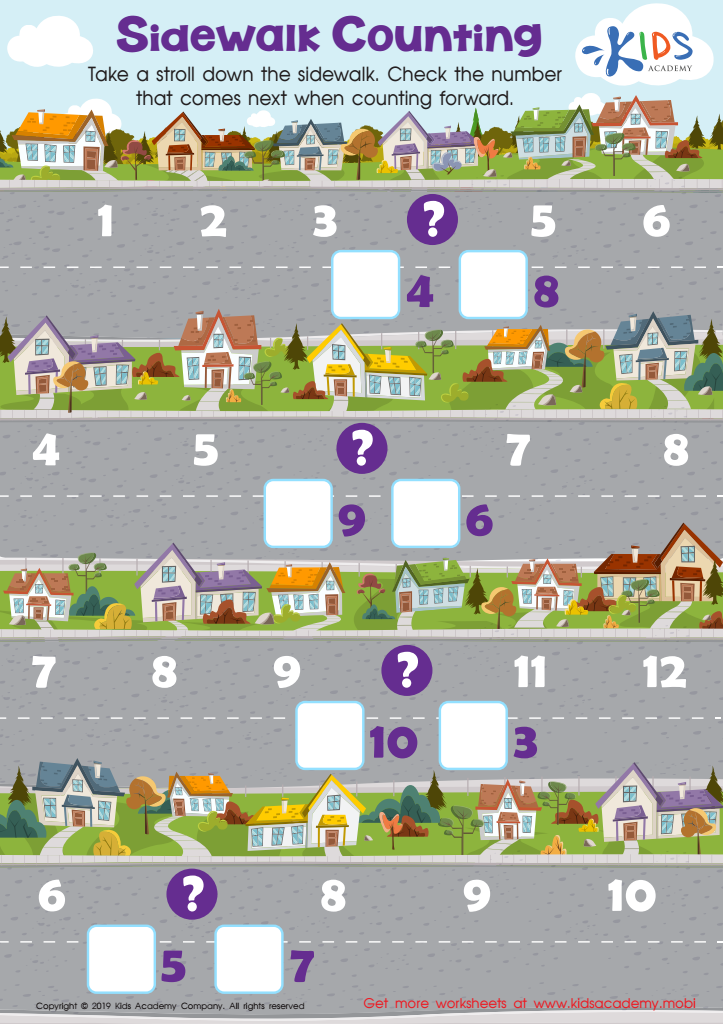
Sidewalk Counting Worksheet
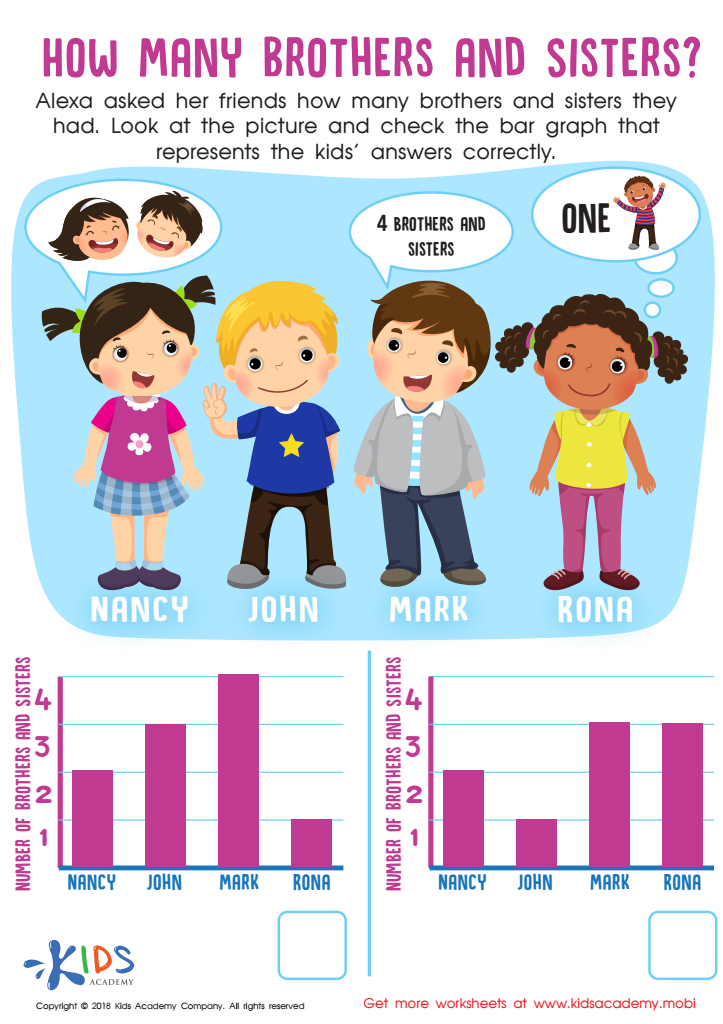
How Many Brothers and Sisters? Worksheet
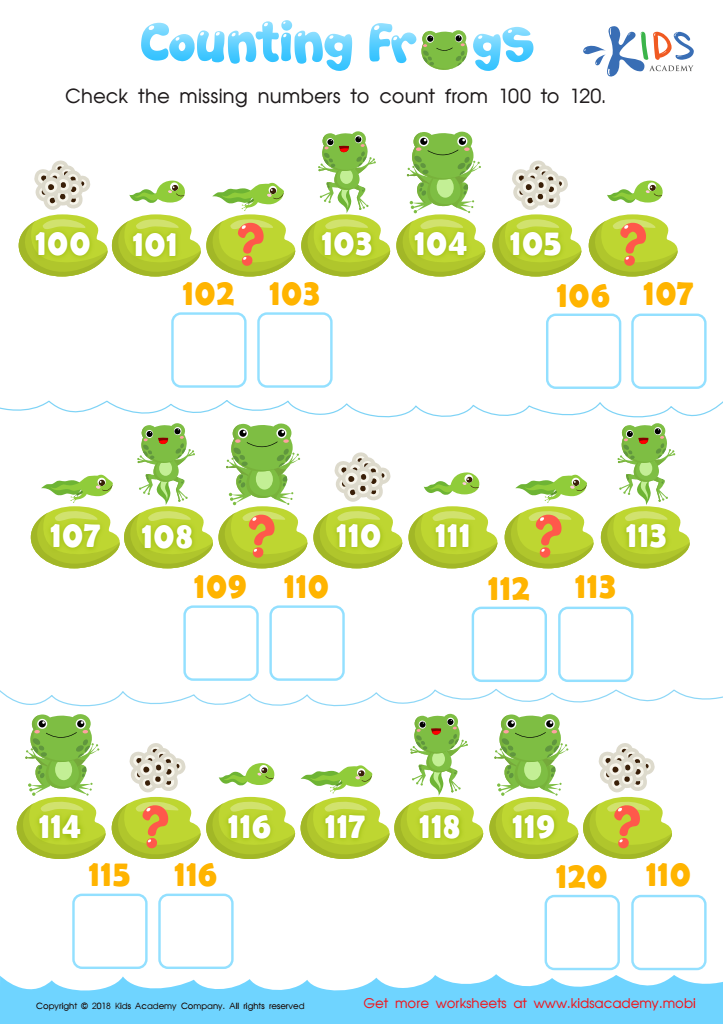
Counting Frogs Worksheet
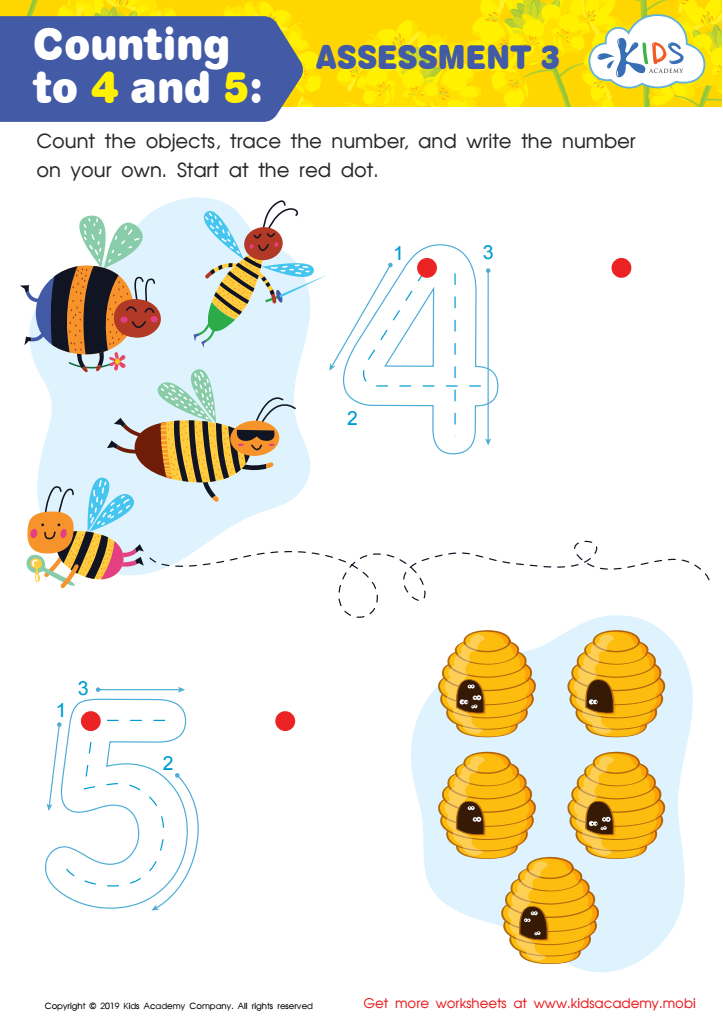
Counting to 4 and 5: Assessment 3 Worksheet
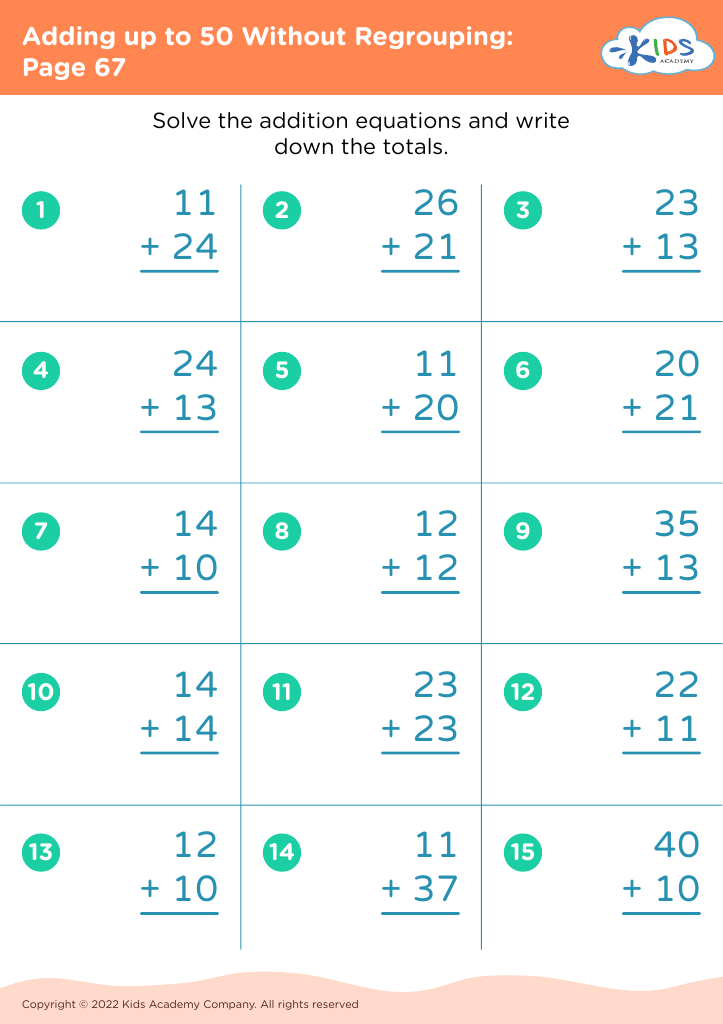
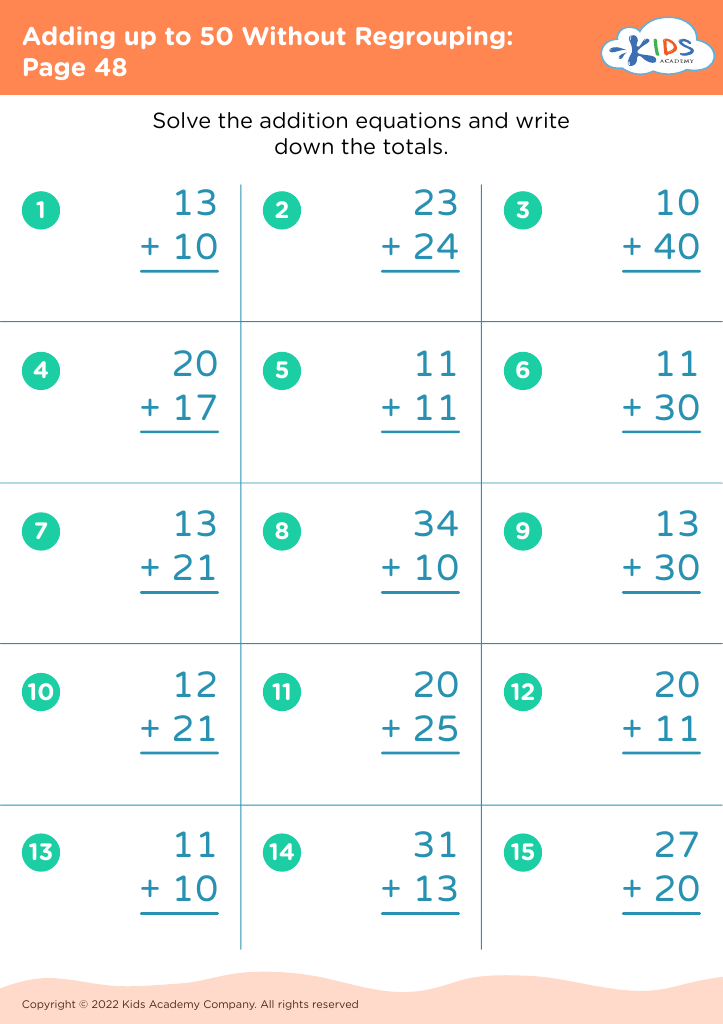
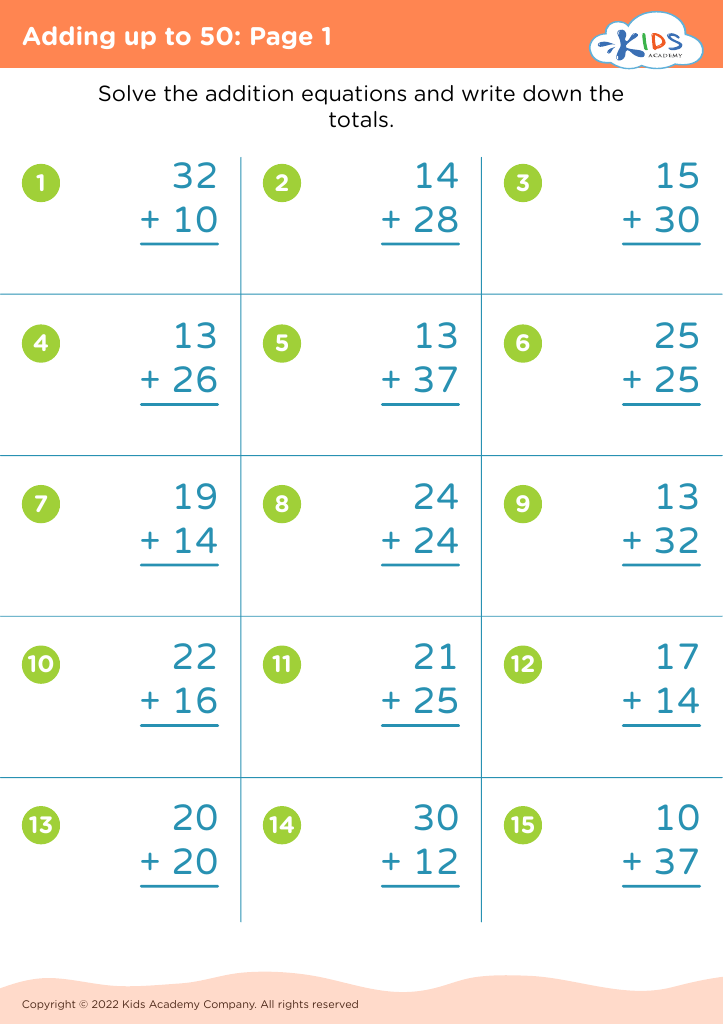
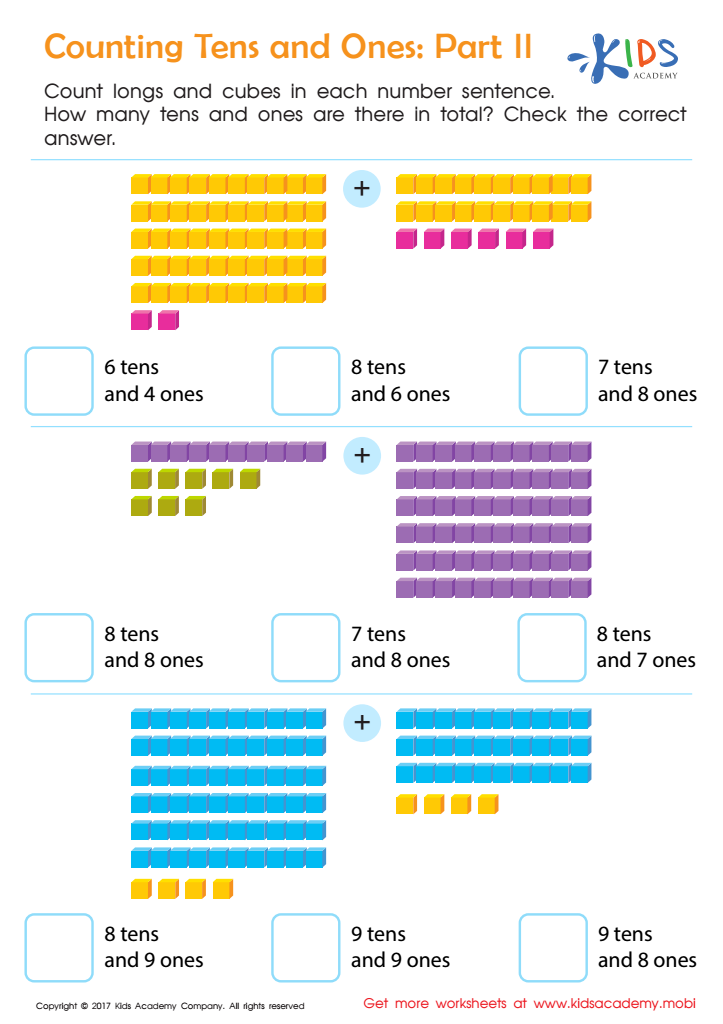
Counting Tens and Ones: Part 2 Worksheet
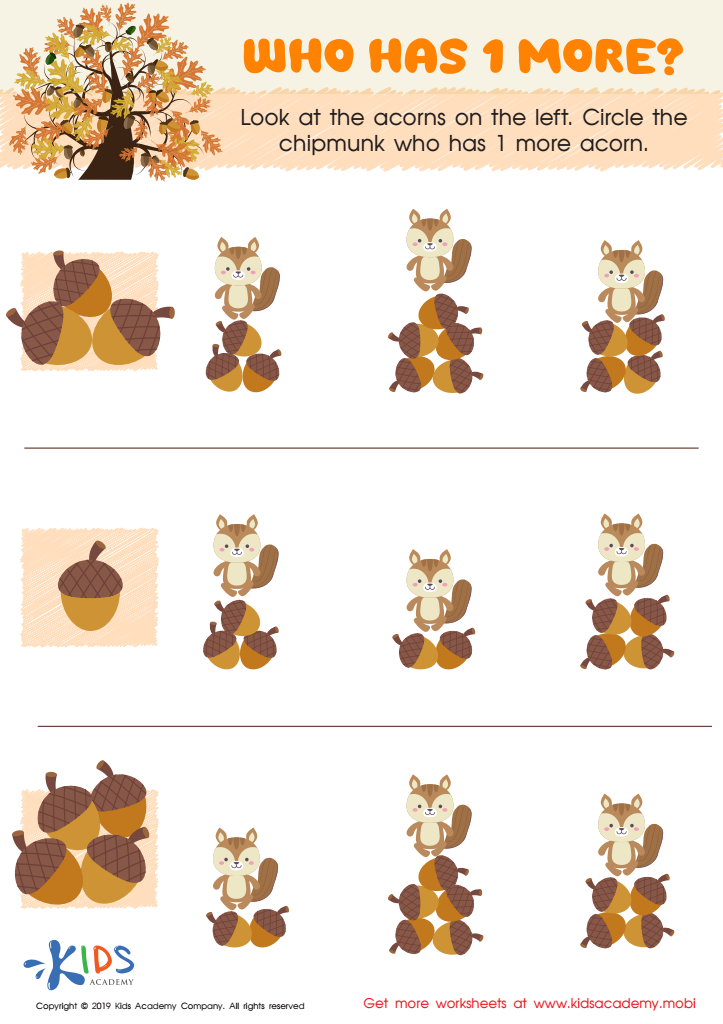
Who Has 1 More? Worksheet
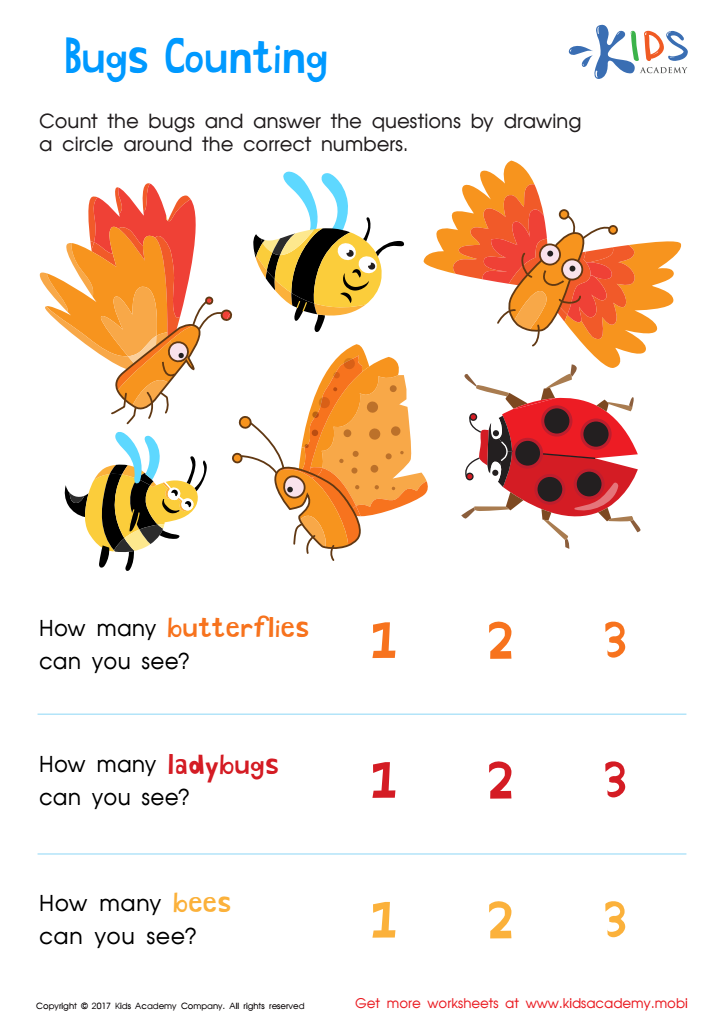
Bugs Counting Worksheet
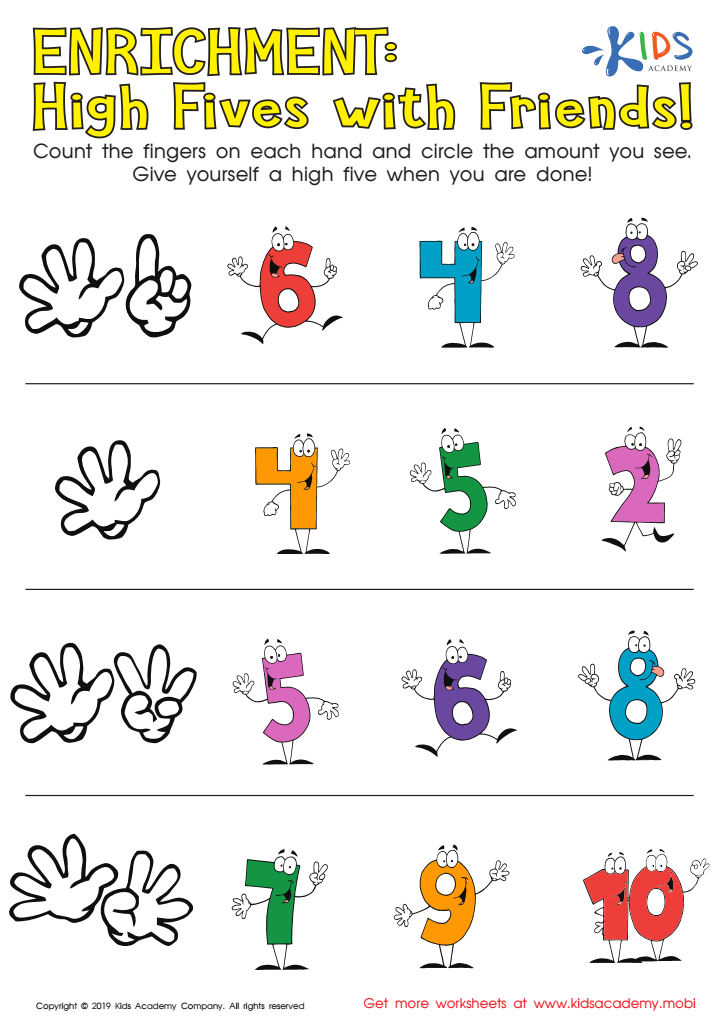
Enrichment: High Fives with Friends! Worksheet
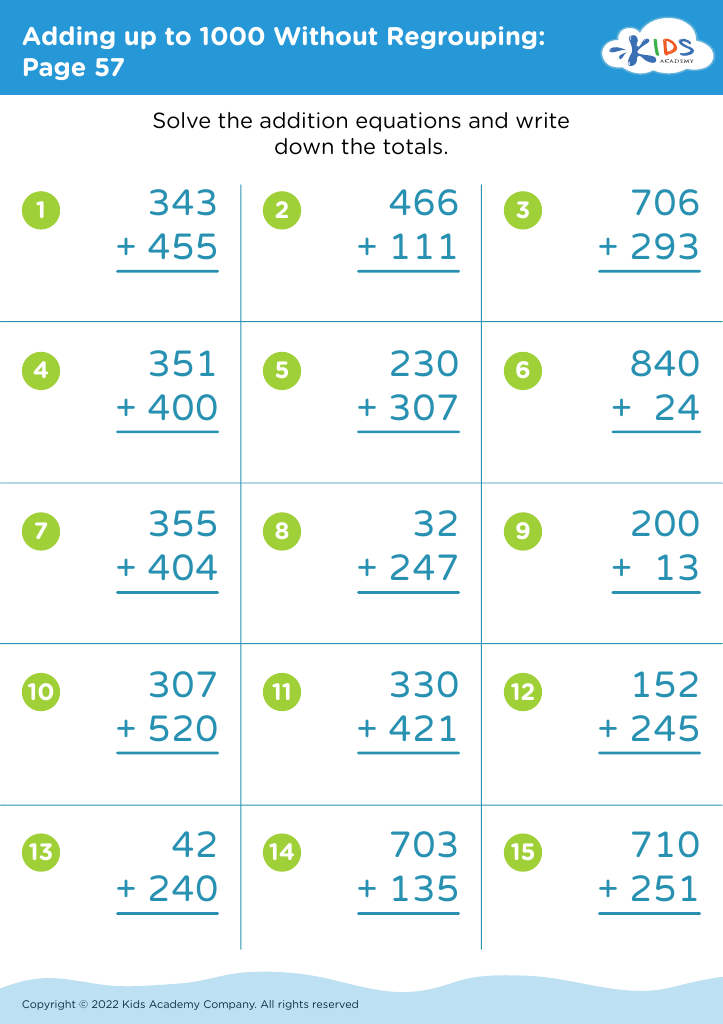
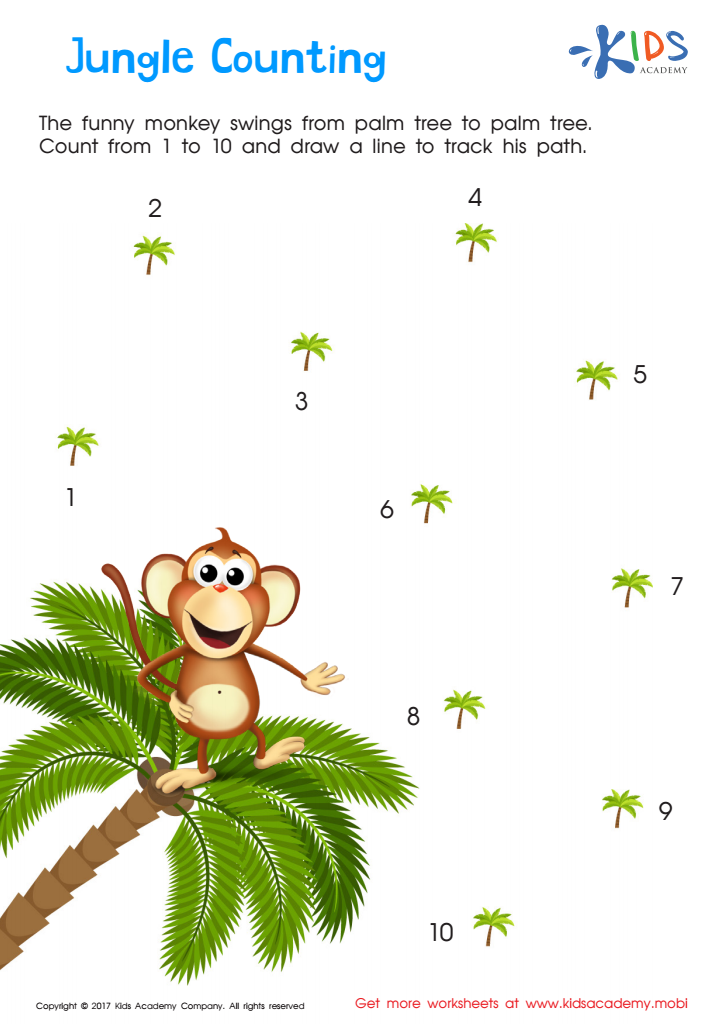
Jungle Counting Connect Dots Worksheet
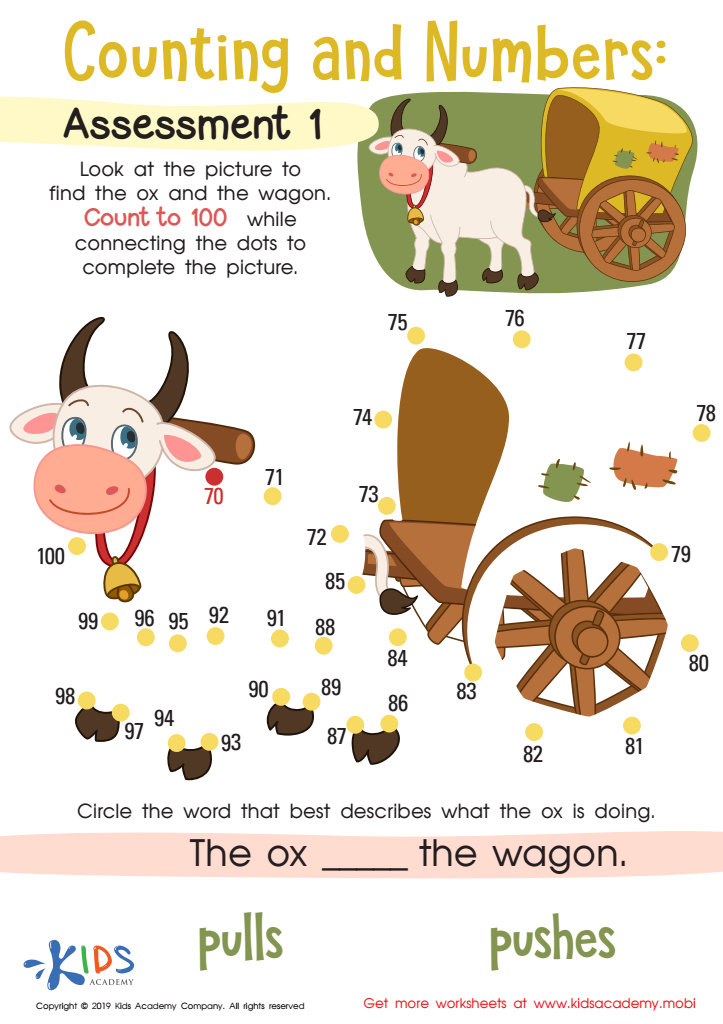
Counting and Numbers: Assessment 1 Worksheet
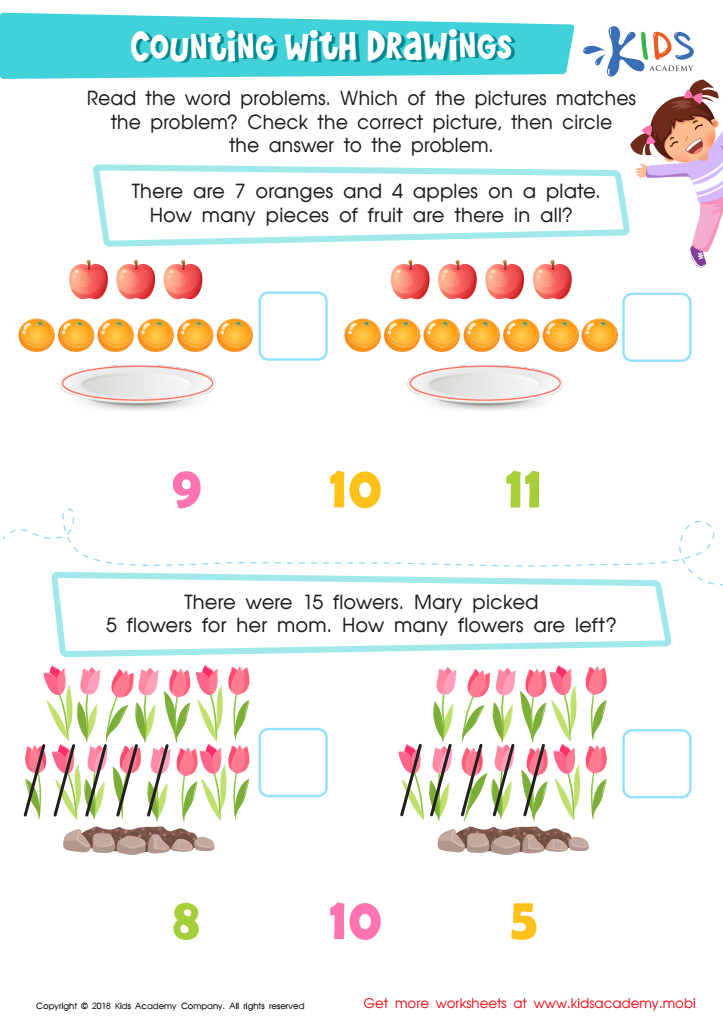
Counting with Drawings:Fruits & Flowers Worksheet
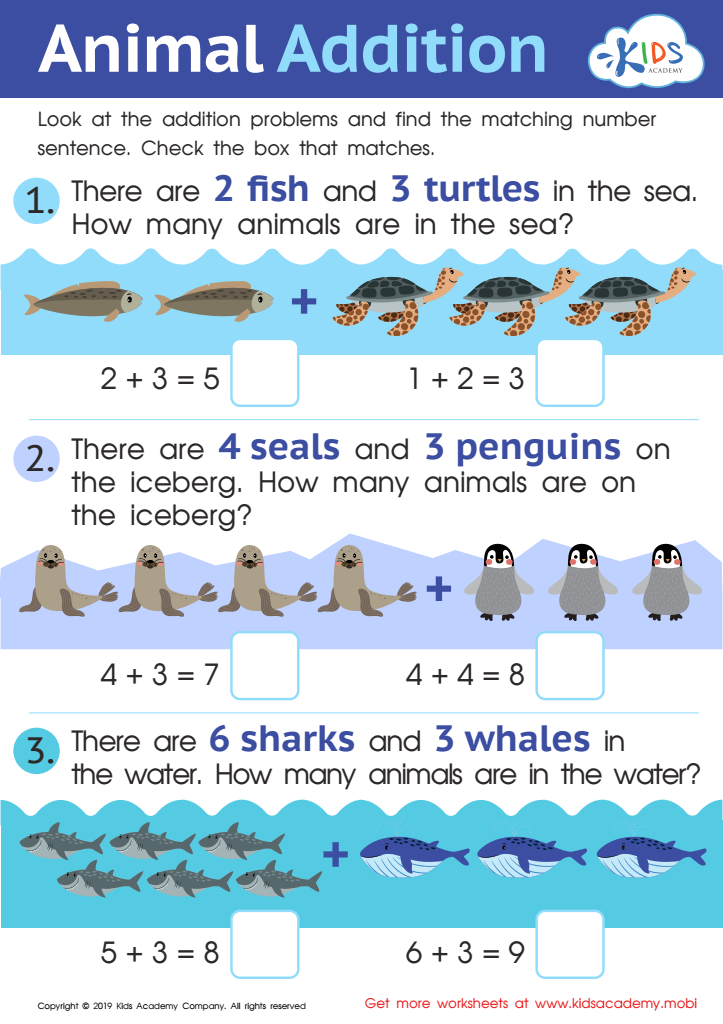
Animal Addition Worksheet
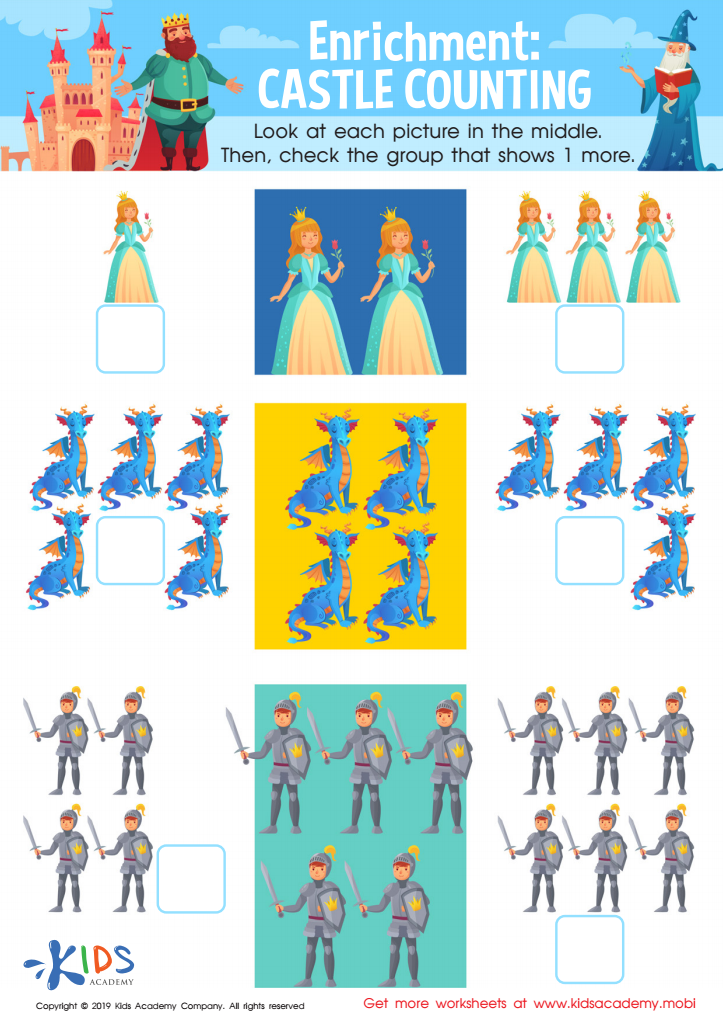
Enrichment: Castle Counting Worksheet
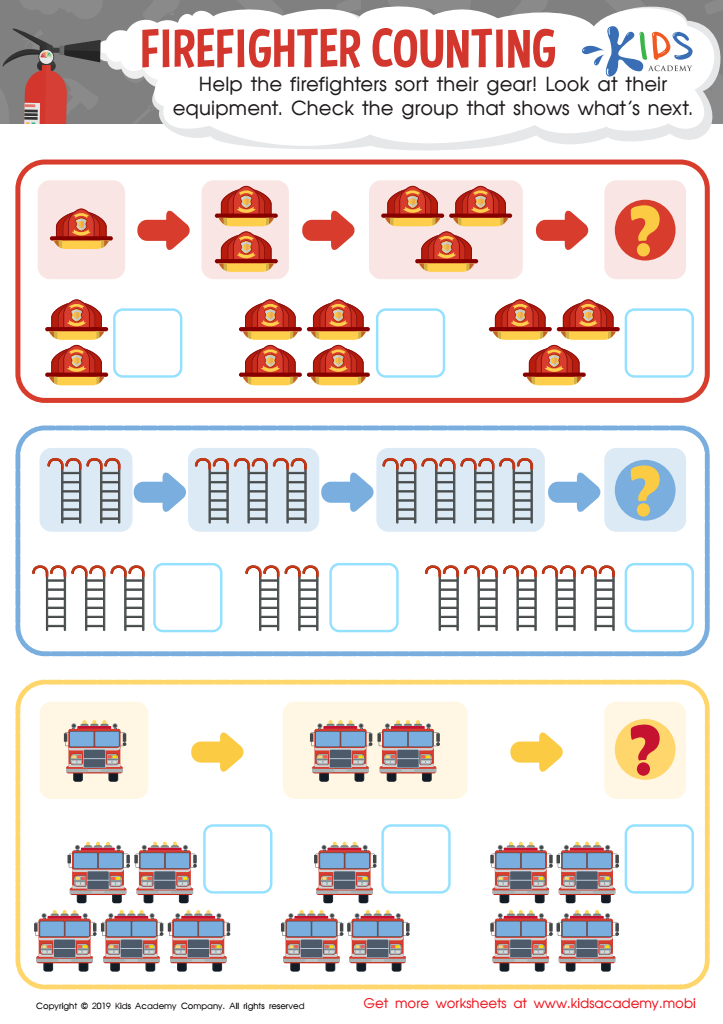
Firefighter Counting Worksheet
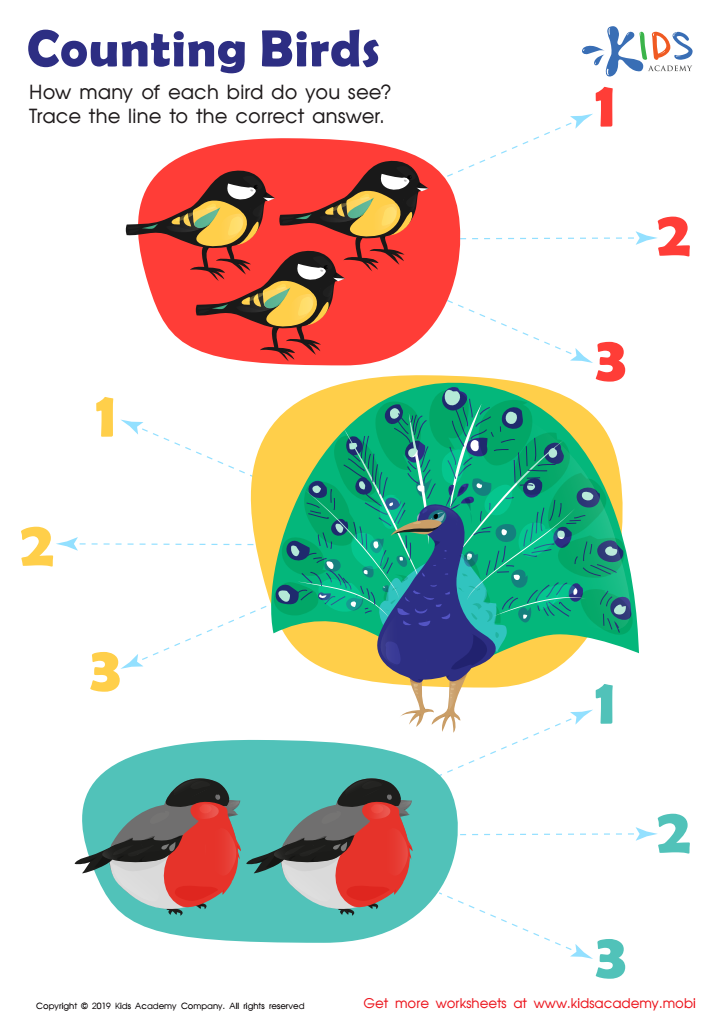
Counting Birds Worksheet







.jpg)
Basic addition is a foundational skill that serves as the cornerstone for a child's mathematical understanding. For children aged 6-7, mastering addition is crucial not just for academic success but also for everyday life skills. At this age, children are typically beginning formal education, and a solid grasp of addition enables them to tackle more complex mathematical concepts in the future, such as subtraction, multiplication, and even basic problem-solving.
Parents and teachers should care deeply about this developmental stage, as it builds confidence and fosters a positive attitude towards learning. Engaging children with fun and interactive addition activities can ignite their interest in mathematics, making it relatable and less intimidating. Moreover, early ridicule or failure in math can lead to math anxiety, hindering a child's long-term success.
Furthermore, addition is frequently applicable in real-life situations—be it counting objects, managing money, or understanding time. By focusing on this skill, parents and teachers equip children with the tools they need to navigate their daily lives effectively while also promoting critical thinking and cognitive development. Encouraging a strong foundation in basic addition cultivates a lifetime of mathematical understanding and confidence, which is vital for academic and personal growth.








