
Numeracy skills Worksheets for Ages 6-7
14 filtered results
Difficulty Level
Grade
Age
-
From - To
Subject
Activity
Standards
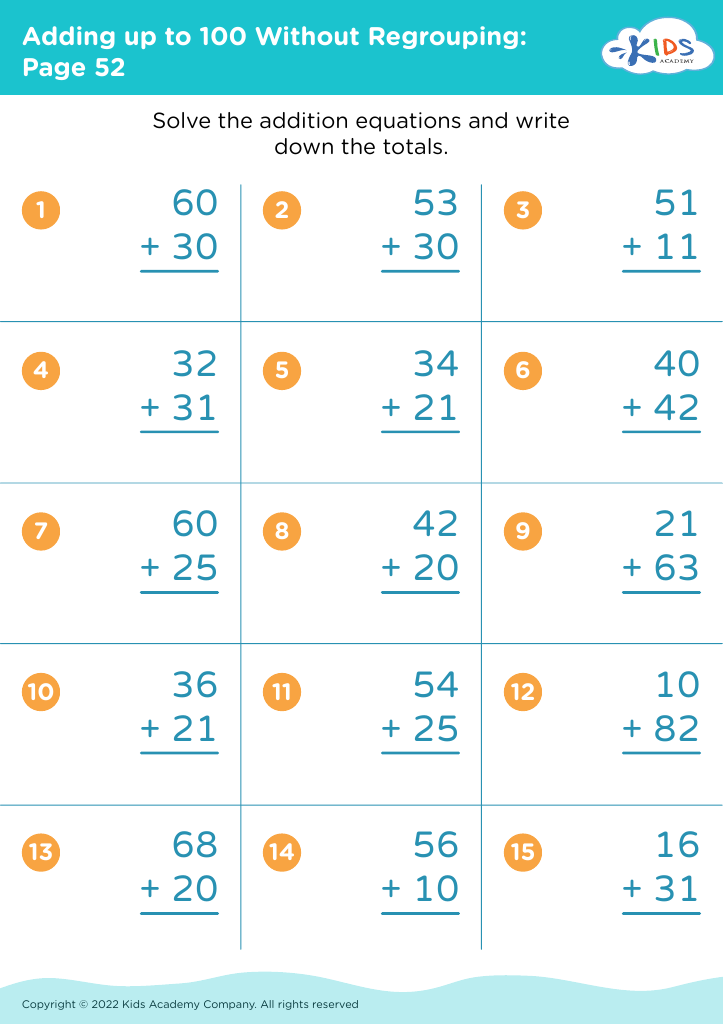
Discover engaging and educational numeracy skills worksheets designed specifically for children ages 6-7. Our resources help young learners build a solid foundation in essential math concepts through fun and interactive activities. With a wide range of topics, including addition, subtraction, counting, and basic problem-solving, these worksheets make learning enjoyable and effective. Each activity aims to enhance critical thinking and boost confidence in math abilities. Whether for classroom use or at-home practice, these worksheets are perfect to support your child’s growth in numeracy skills. Explore our diverse collection to ignite a love for math in your little ones today!
Favorites
With answer key
Interactive
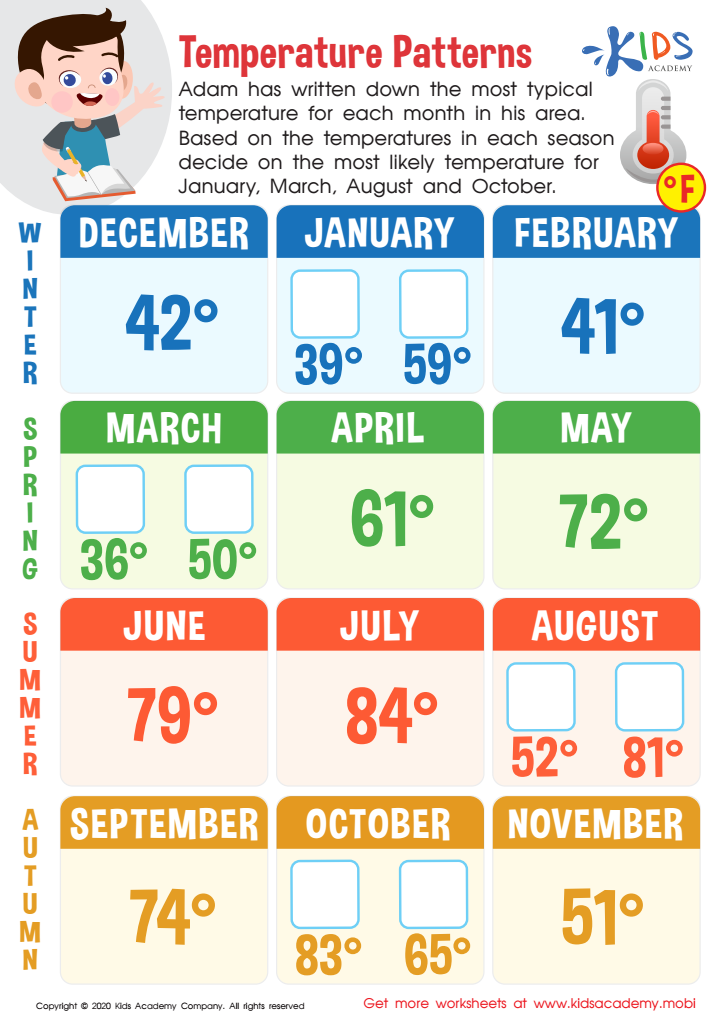
Temperature Patterns Worksheet
Adam has recorded temperatures in his area. Help your child use the data to predict temperatures for one month in each season. Check the box next to the correct temperature for each row in this worksheet. In America, temperatures vary by climate and season - colder in winter, hotter in summer.
 Assign to My Students
Temperature Patterns Worksheet
Worksheet
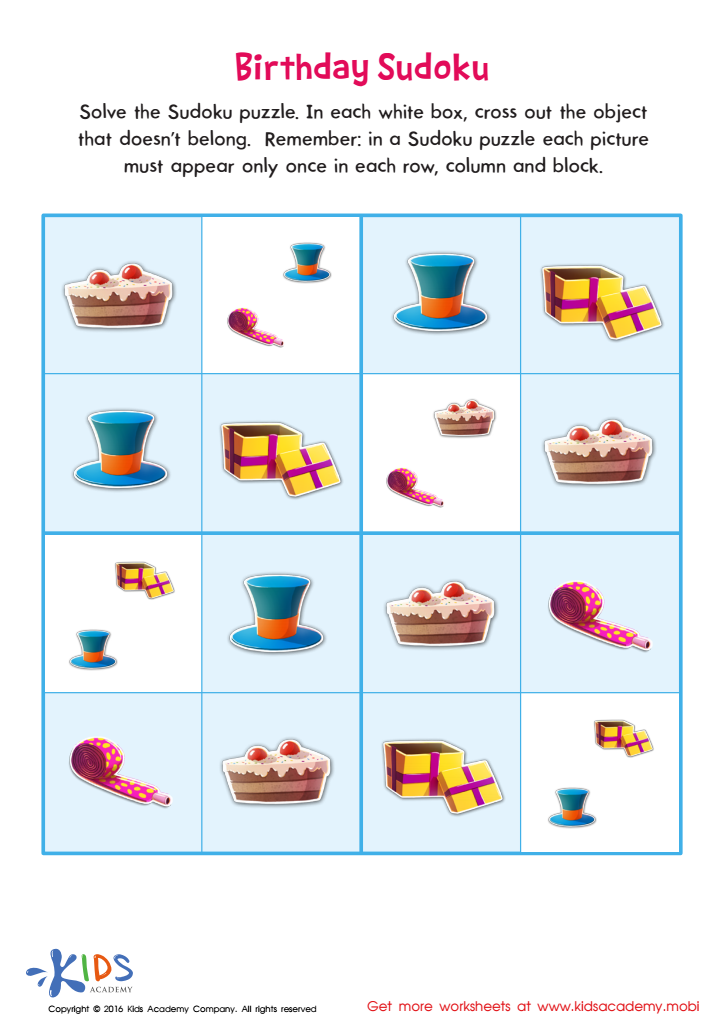
Birthday Sudoku Sorting Worksheet
With this Sudoku printable, your child will have fun and strengthen their problem-solving skills.
Birthday Sudoku Sorting Worksheet
Worksheet
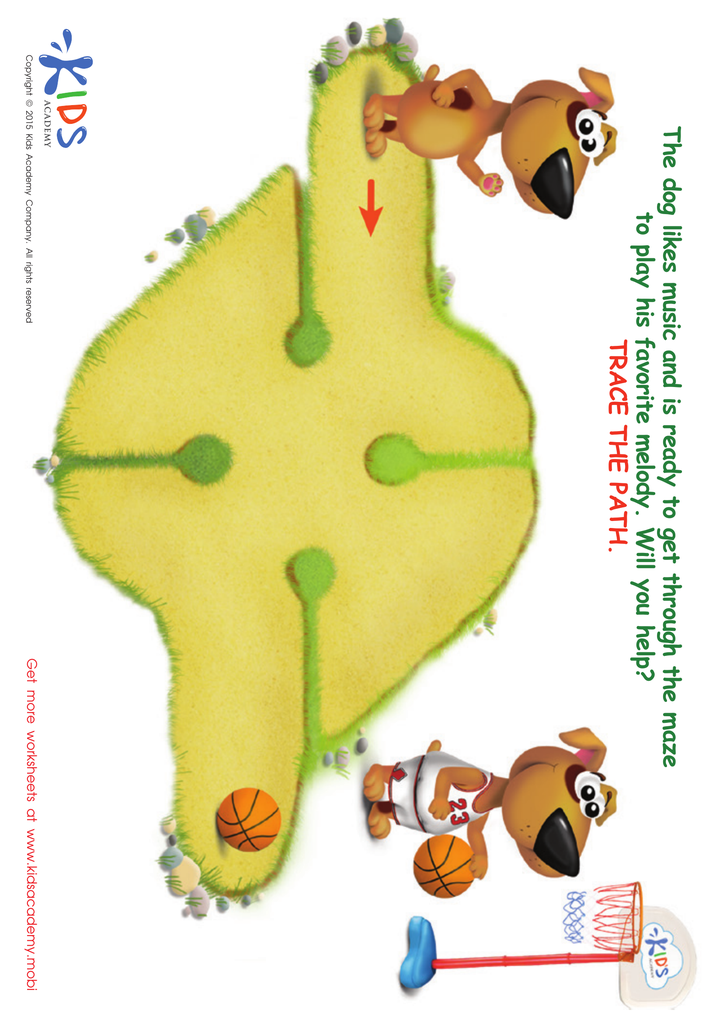
Basketball Player Maze Worksheet
Test your skills with our new printable maze worksheets, and help the little dog get his basketball! Trace the path carefully to get the ball and play together.
Basketball Player Maze Worksheet
Worksheet
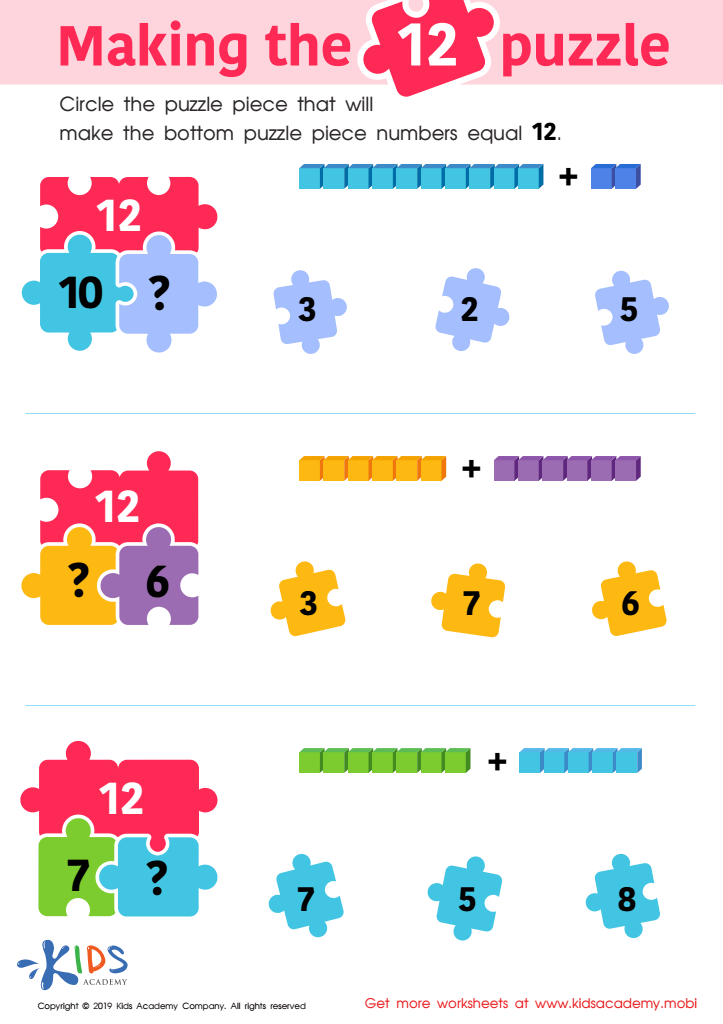
Making the 12 Puzzle Worksheet
Engage preschoolers in learning with this fun and colorful worksheet. Ask them to look at the picture and identify the missing equation on each puzzle piece; then help them solve the problems. When all the puzzle pieces make the bottom numbers equal 12, have them circle it. This is a great way to combine learning and fun!
Making the 12 Puzzle Worksheet
Worksheet
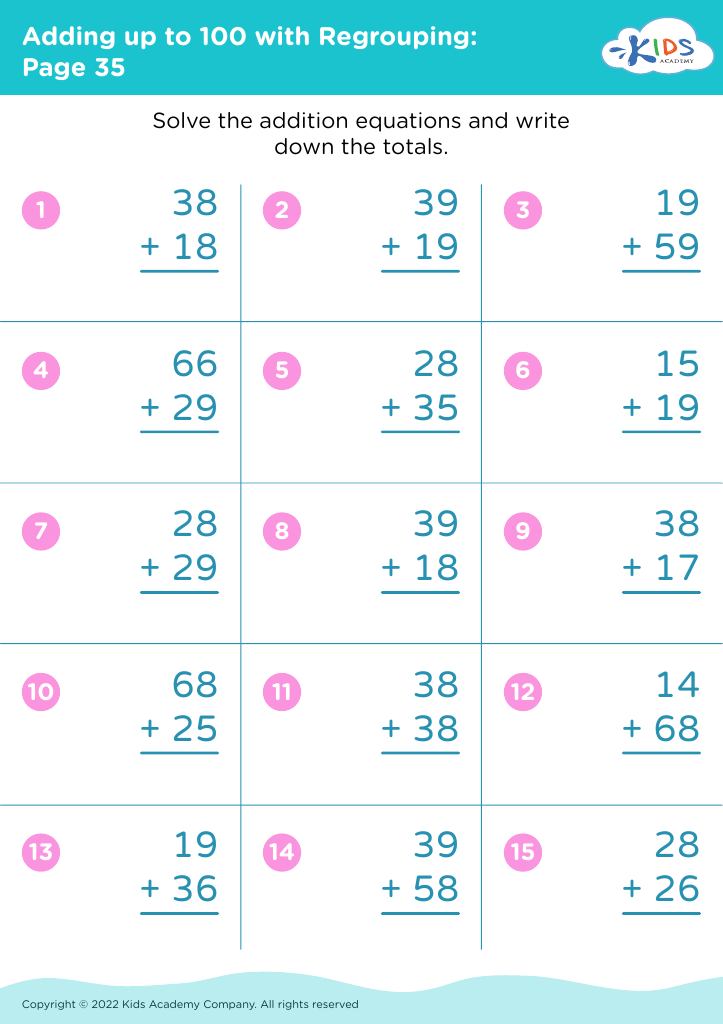
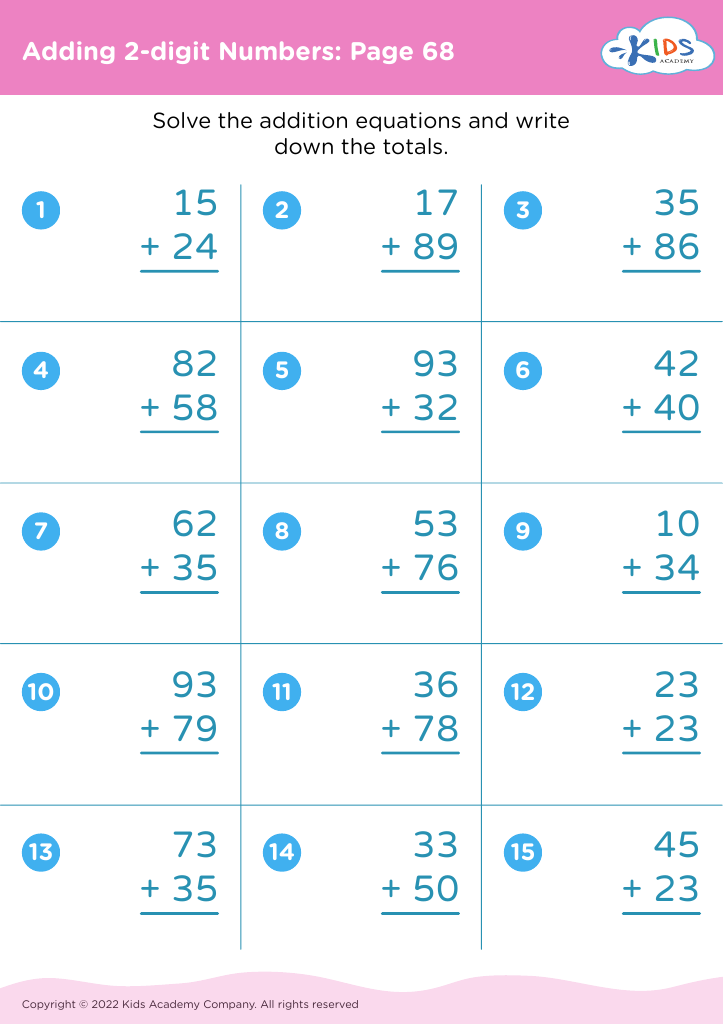
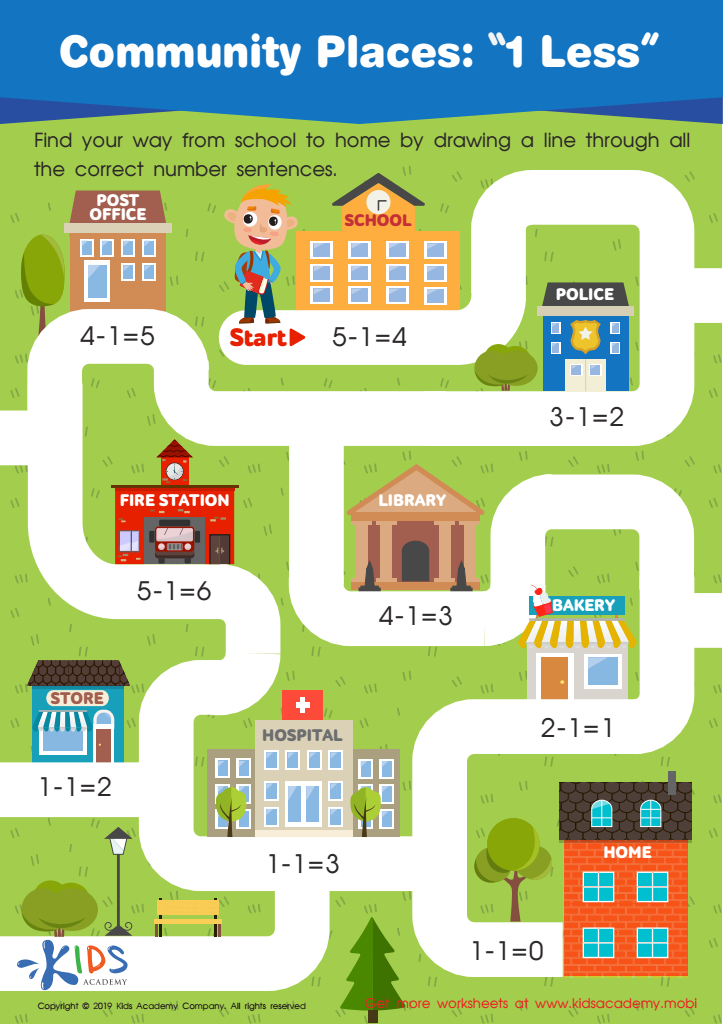
Community Places: 1 Less Worksheet
Have your kindergarteners draw a line through the correct number sentences as they find their way home from school. Ask them to identify the people, places, and buildings in their community and the jobs they do.
Community Places: 1 Less Worksheet
Worksheet
Join Kids Academy for Free
Who is primarily going to use this learning content?







Numeracy skills are fundamental for children aged 6-7 and serve as a critical foundation for their future academic success and everyday problem-solving. At this age, children are not only learning basic arithmetic but also developing essential cognitive abilities that enhance logical reasoning and critical thinking.
First, strong numeracy skills boost confidence and foster a positive attitude toward learning. When children grasp concepts like addition, subtraction, and number patterns, they gain a sense of achievement, leading to greater engagement in classroom activities. Moreover, numeracy provides practical skills necessary for daily life, such as budgeting, measuring, and telling time.
Parents and teachers should also value numeracy because it fosters the development of analytical skills. Children learn to classify, compare, and identify relationships between numbers, which are skills transferable to other subjects, including science and even reading comprehension.
Furthermore, early numeracy skills can help bridge the achievement gap. Children who struggle with math concepts early on may find greater challenges in later educational stages. By emphasizing numeracy at this crucial stage, parents and teachers can ensure that children develop a solid educational foundation, equipping them with the skills they need to navigate not only academic pursuits but also real-world challenges.








