Filters

313 filtered results

Clear all filters
Favorites
With answer key
Interactive

313 filtered results

Difficulty Level

Grade


Check out this FREE "Problem-Solving Skills" Trial Lesson for age 6-7!

Writing Equations Addition

Favorites
With answer key
Interactive
  • 6-7
  • Problem-Solving Skills
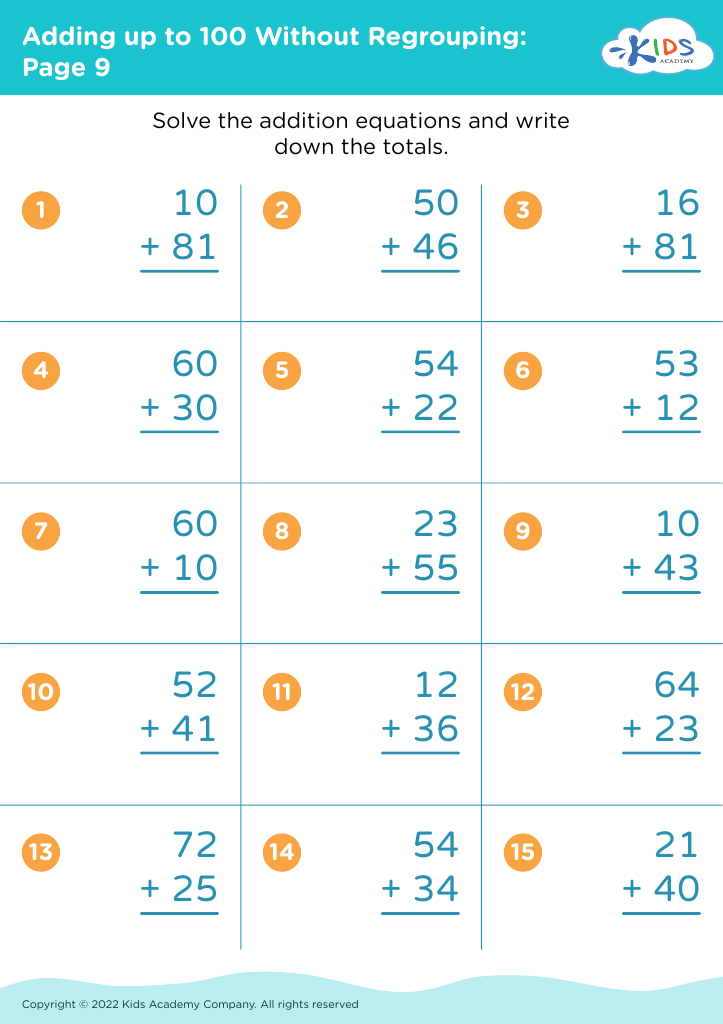
Adding up to 100 Without Regrouping: Page 9
Worksheet
Worksheet: subtraction word problems

Jungle Subtraction Word Problems Substraction Worksheet

Kids will love this jungle-themed worksheet: subtraction word problems! Help the monkey work out how many bananas he has, using the number line. Encourage your child to use colorful parrots to subtract with ease and make calculations fun!
Jungle Subtraction Word Problems Substraction Worksheet
Worksheet
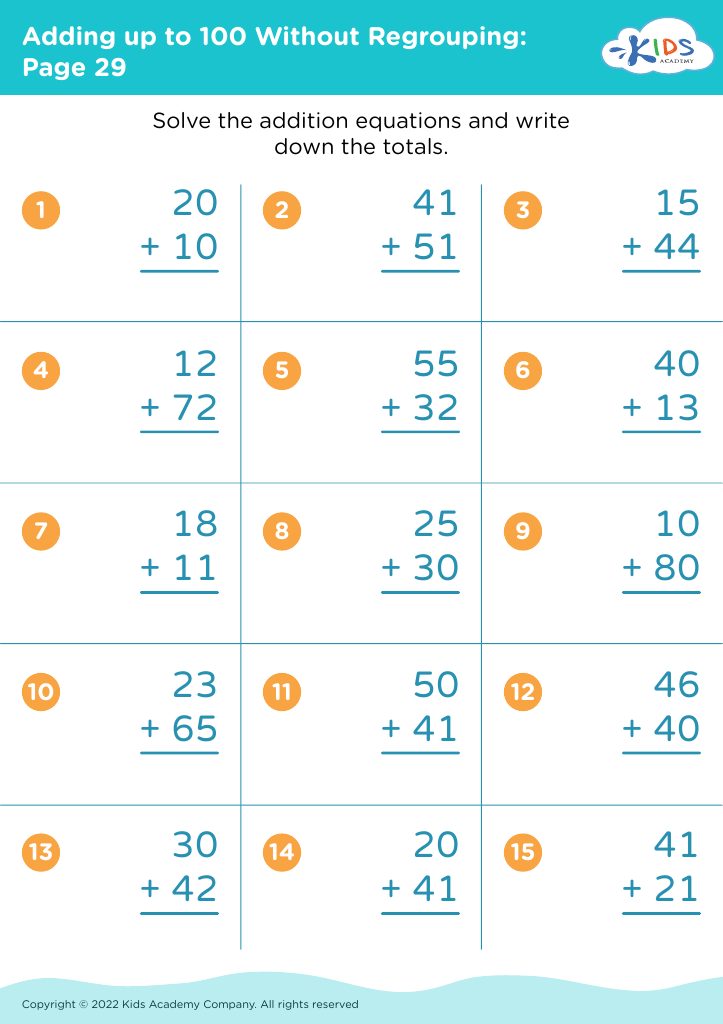
Adding up to 100 Without Regrouping: Page 29
Worksheet
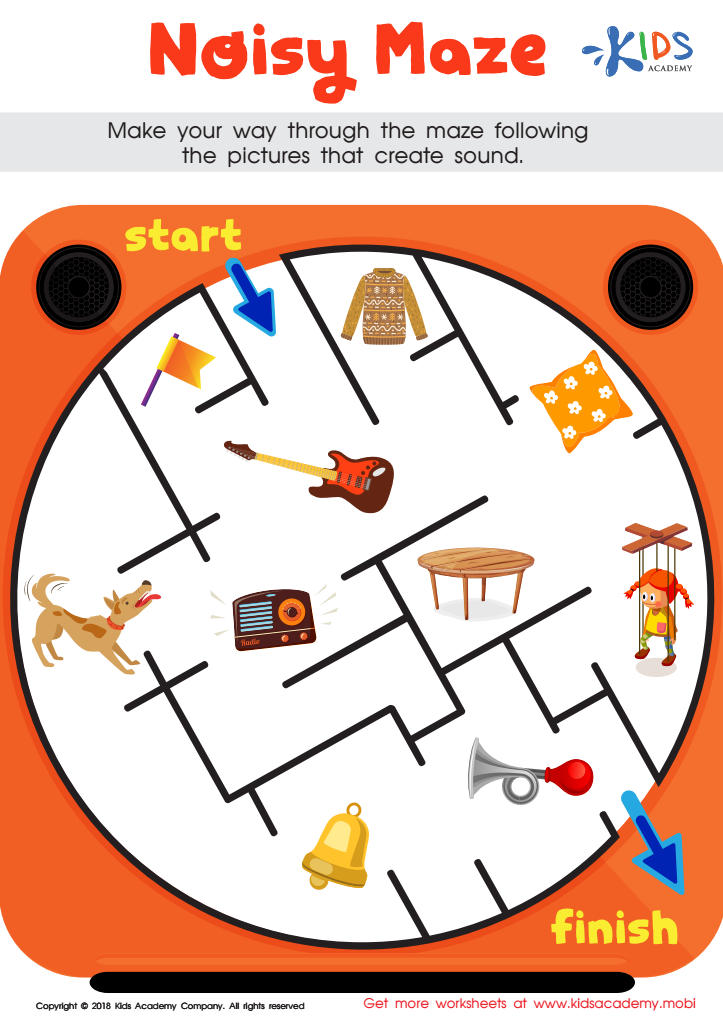
Noisy Maze Worksheet

Noisy Maze Worksheet

Have your kids name some objects that make noise? Then, look at the worksheet with them and help them identify each object. Guide them through the maze, following the sound-producing pictures.
Noisy Maze Worksheet
Worksheet
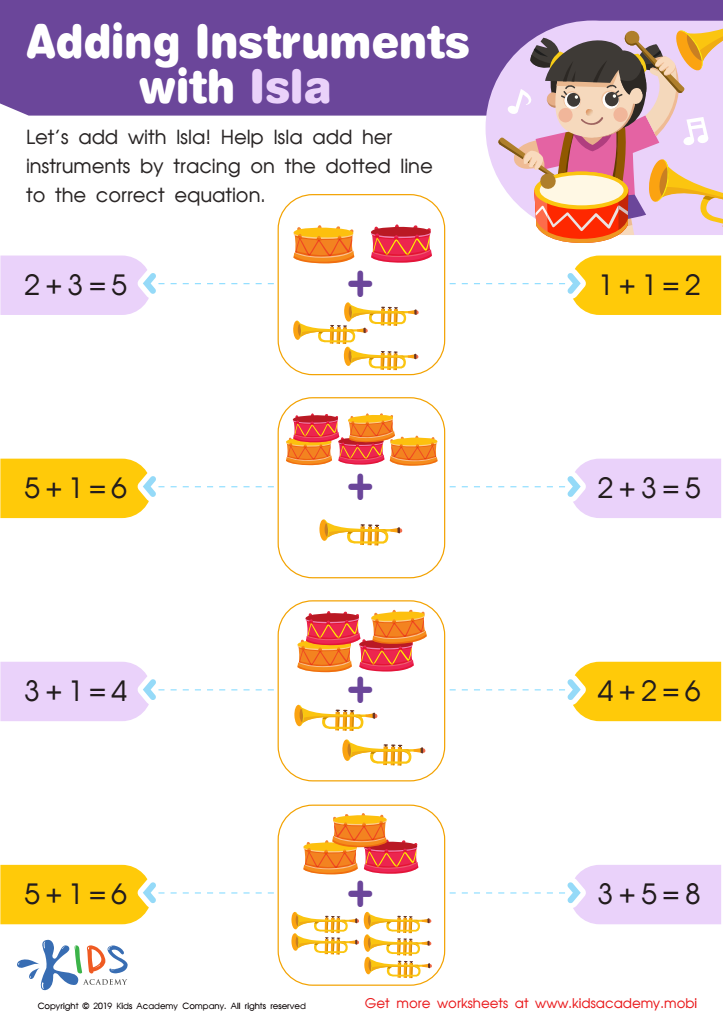
Adding Instruments with Isla Worksheet

Adding Instruments with Isla Worksheet

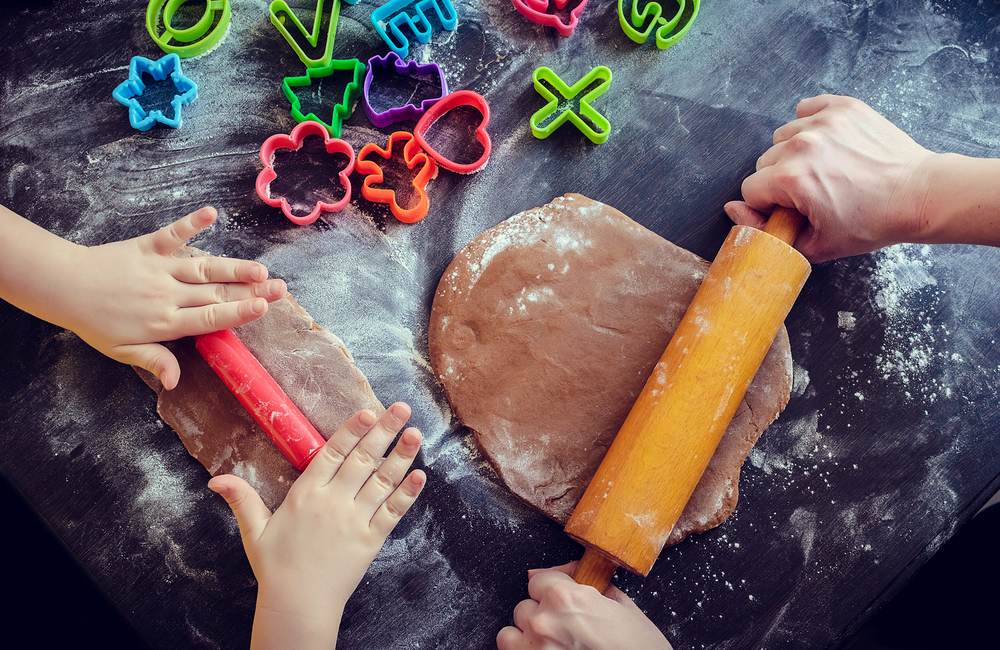
Your kids can have fun helping Isla add her musical instruments. With colorful pics and one-to-one representation, they can pick the correct addition sentence. They can connect each pic with traceable lines and get to the right sum up to 10.
Adding Instruments with Isla Worksheet
Worksheet
Kindness Maze Worksheet

Kindness Maze Worksheet

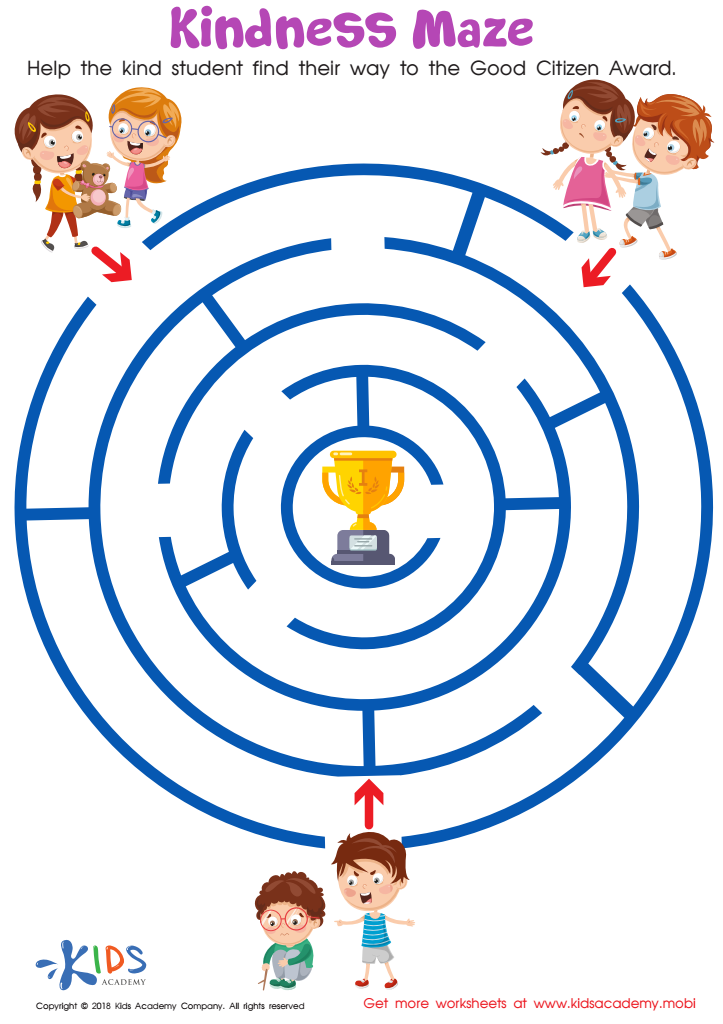
Rewards come in many forms for kind deeds. When your children do good, you can choose to reward them with a gift or compliment. The students in this worksheet have been awarded the Good Citizen Award for kindness. Let your kids help the students find their way to the award - at the center of the maze. Guide them through to get their prize.
Kindness Maze Worksheet
Worksheet
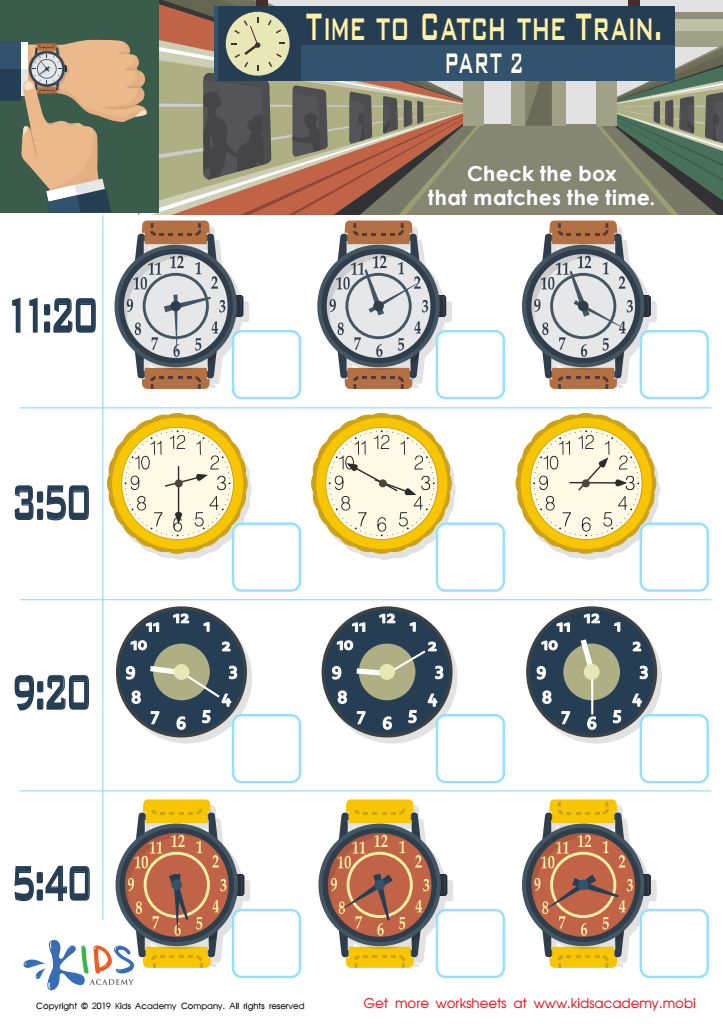
Time to Catch the Train Part 2 Worksheet

Time to Catch the Train Part 2 Worksheet

Teach your kids the importance of telling time and how to do it. Explain that there are multiple ways to show the time, such as written on the left side or watches in the picture. Guide them to check the box that matches the time. Knowing the time is essential to get things done and create order. Ensure your kids understand this and they will reap the benefits.
Time to Catch the Train Part 2 Worksheet
Worksheet
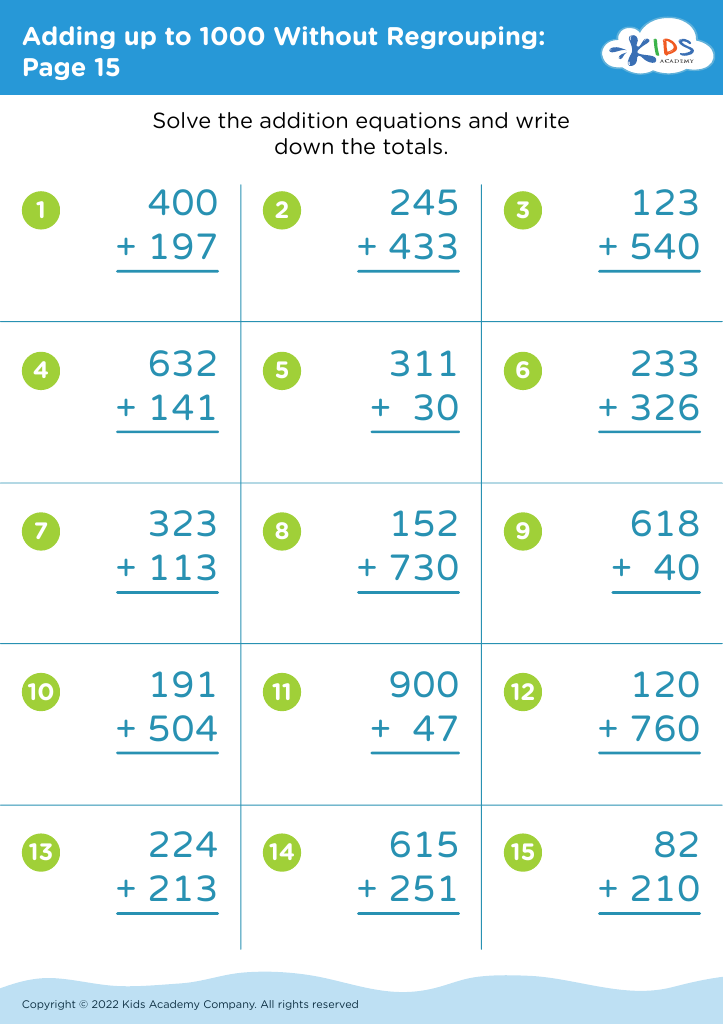
Adding up to 1000 Without Regrouping: Page 15
Worksheet
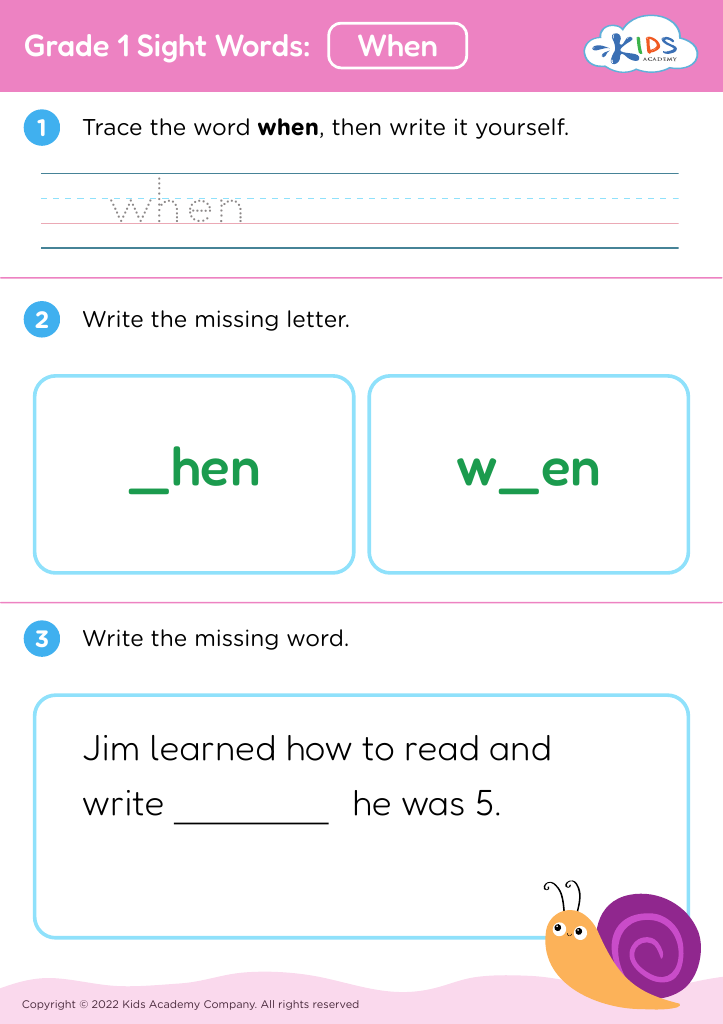
Grade 1 Sight Words: When

Grade 1 Sight Words: When

Grade 1 Sight Words: When
Worksheet
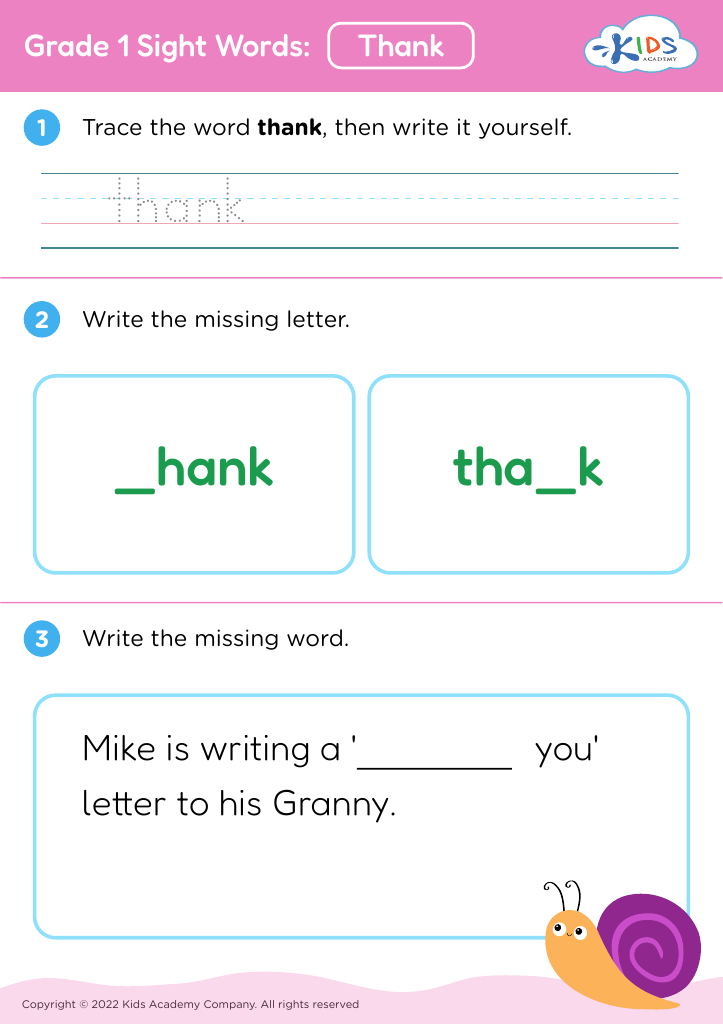
Grade 1 Sight Words: Thank

Grade 1 Sight Words: Thank

Grade 1 Sight Words: Thank
Worksheet
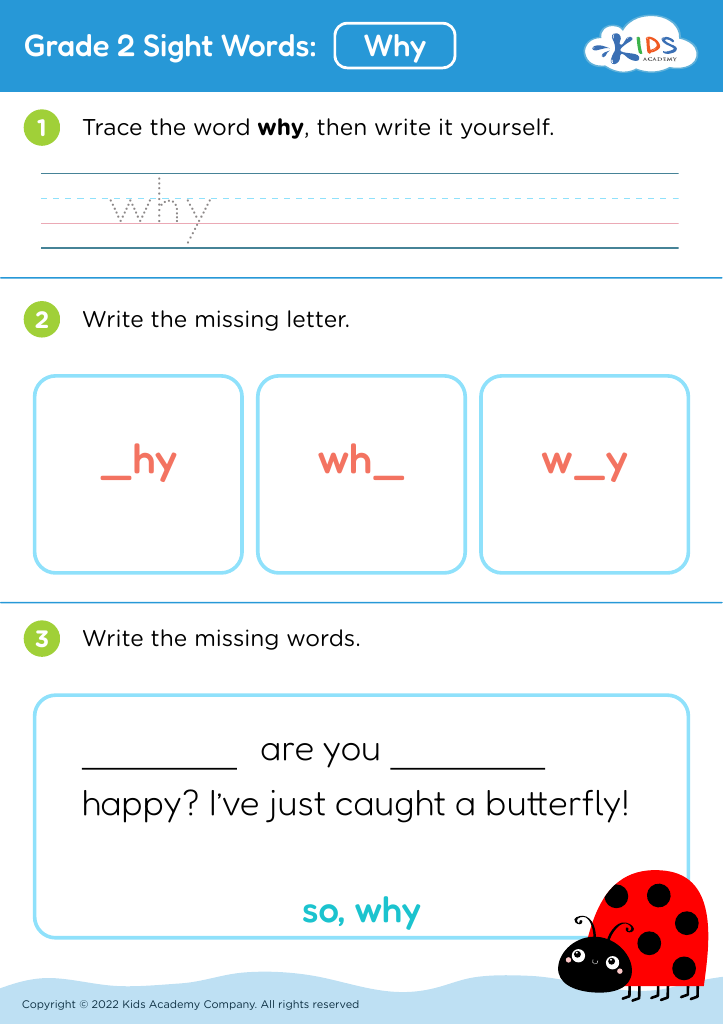
Grade 2 Sight Words: Why

Grade 2 Sight Words: Why

Grade 2 Sight Words: Why
Worksheet
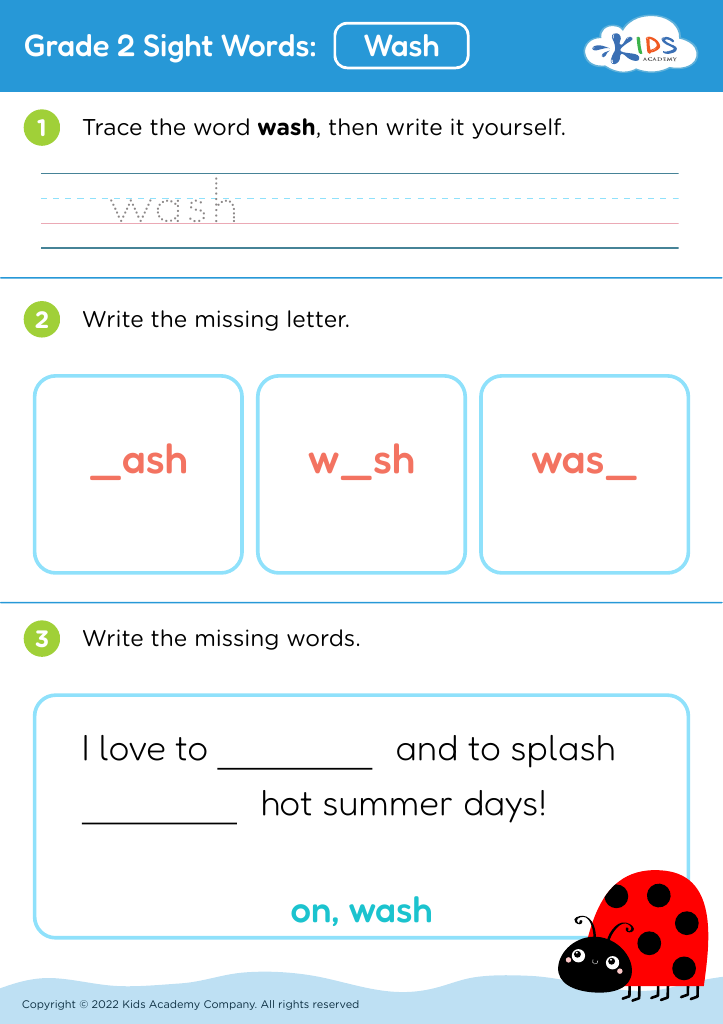
Grade 2 Sight Words: Wash

Grade 2 Sight Words: Wash

Grade 2 Sight Words: Wash
Worksheet
Grade 1 Sight Words: Once

Grade 1 Sight Words: Once

Grade 1 Sight Words: Once
Worksheet
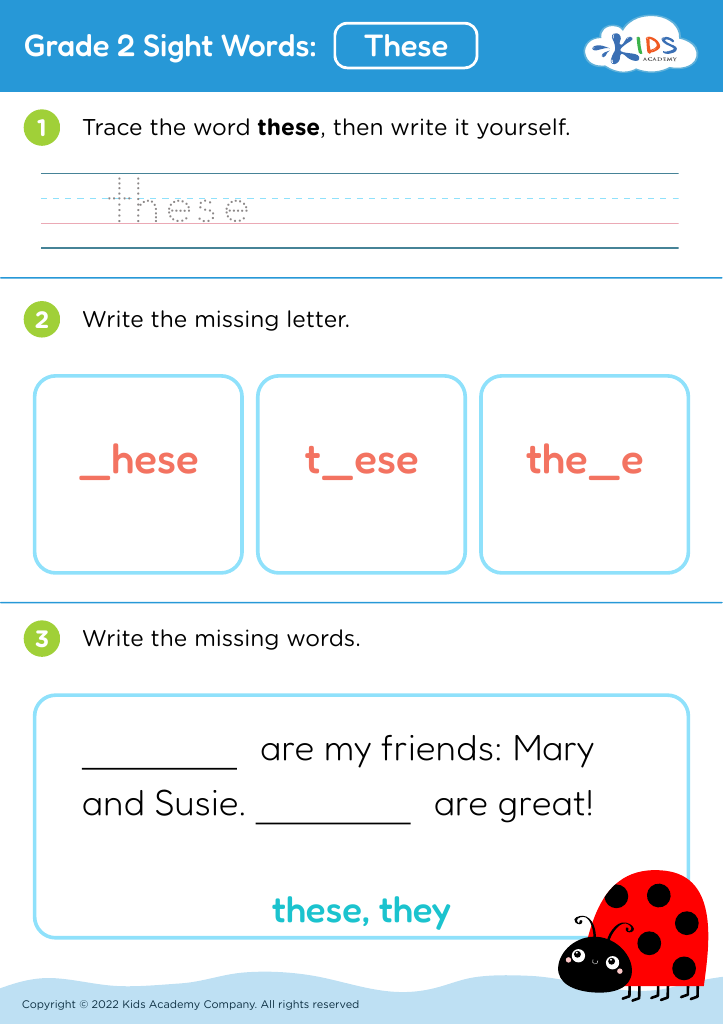
Grade 2 Sight Words: These

Grade 2 Sight Words: These

Grade 2 Sight Words: These
Worksheet
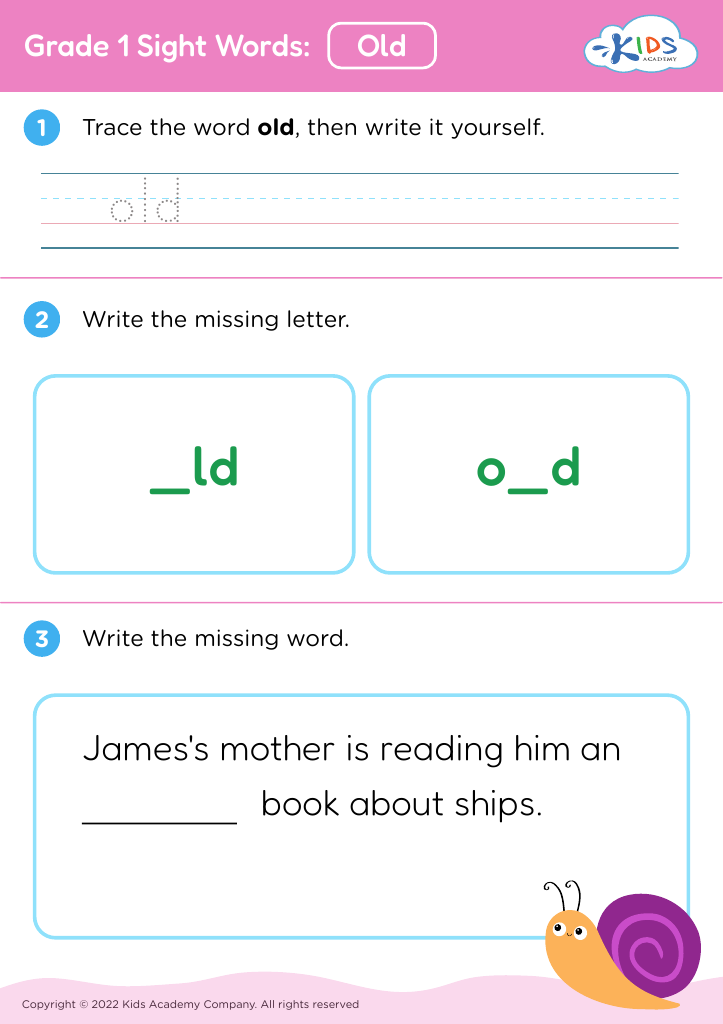
Grade 1 Sight Words: Old

Grade 1 Sight Words: Old

Grade 1 Sight Words: Old
Worksheet
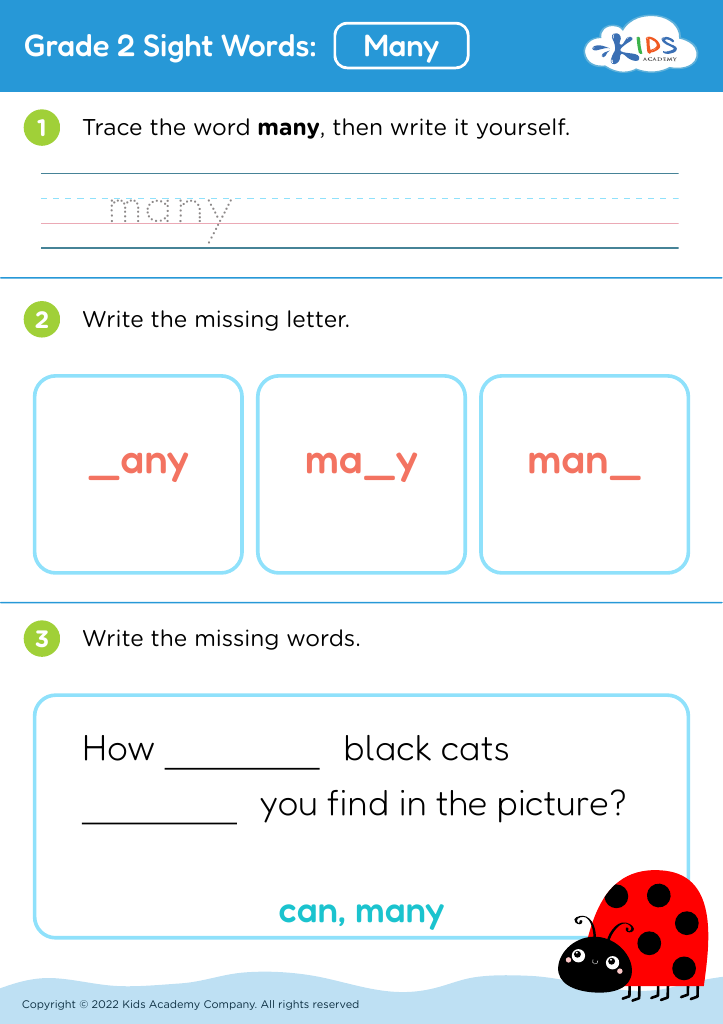
Grade 2 Sight Words: Many

Grade 2 Sight Words: Many

Grade 2 Sight Words: Many
Worksheet
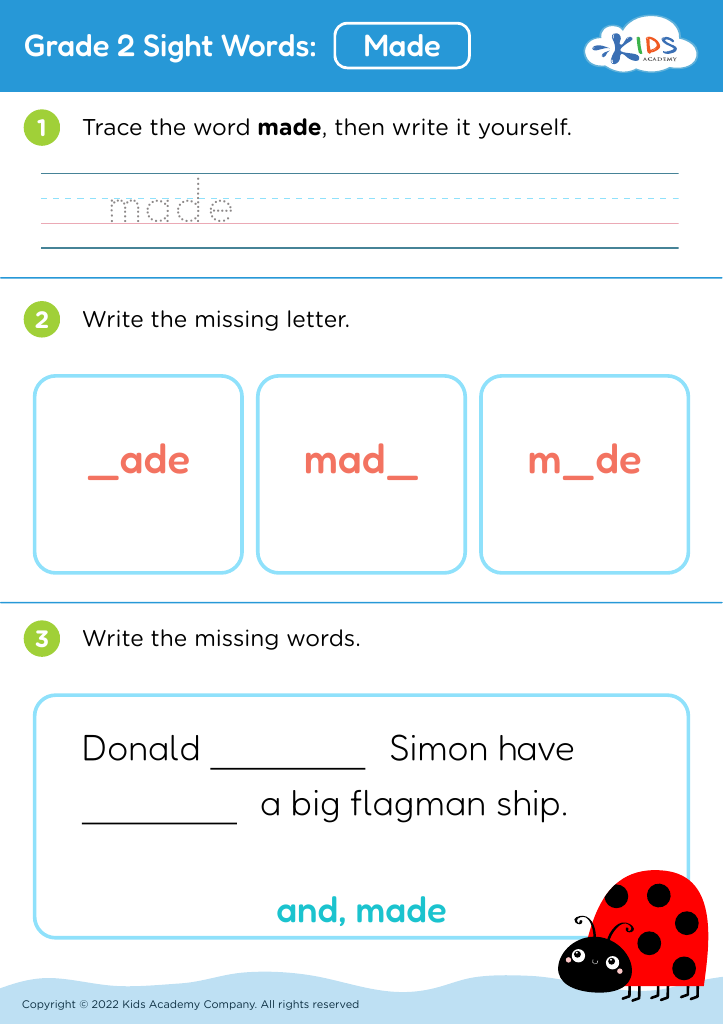
Grade 2 Sight Words: Made

Grade 2 Sight Words: Made

Grade 2 Sight Words: Made
Worksheet
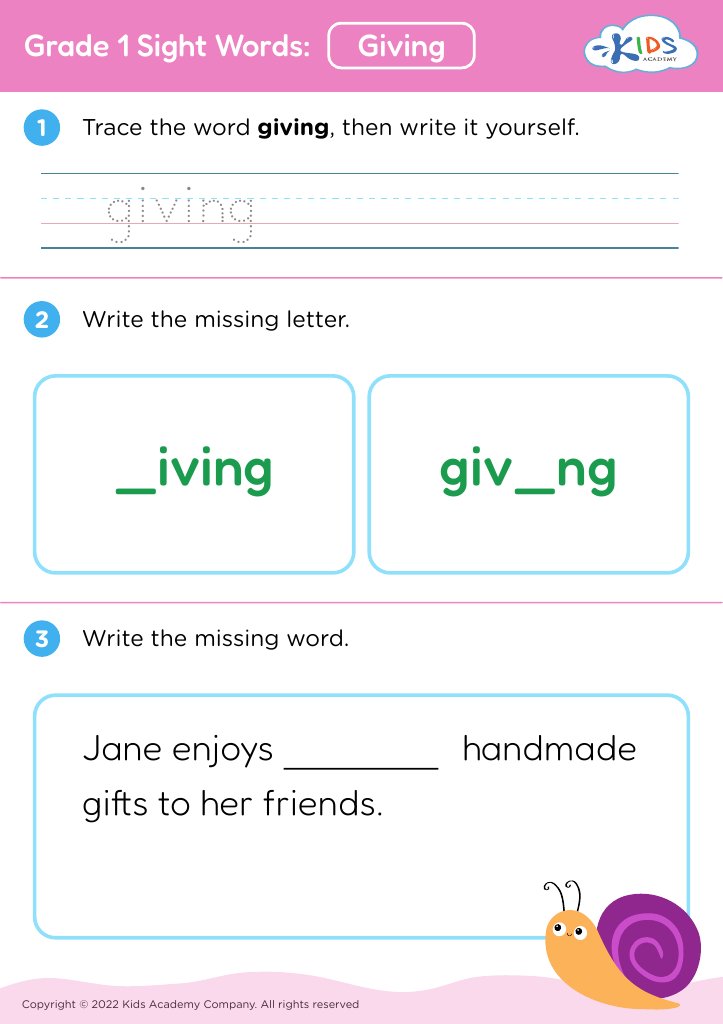
Grade 1 Sight Words: Giving

Grade 1 Sight Words: Giving

Grade 1 Sight Words: Giving
Worksheet
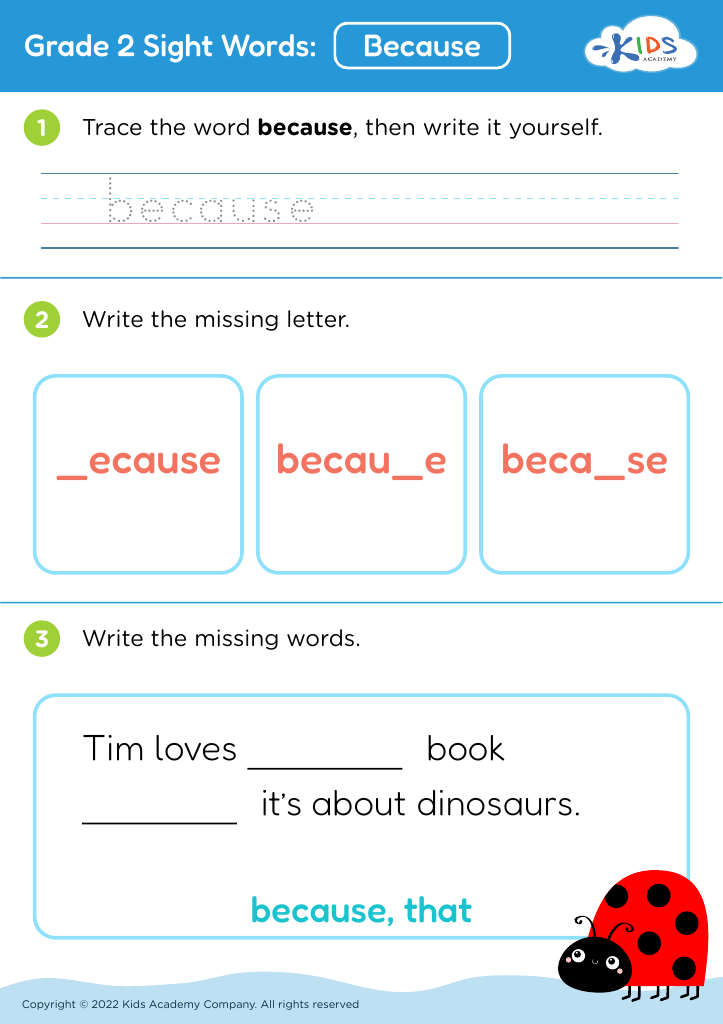
Grade 2 Sight Words: Because

Grade 2 Sight Words: Because

Grade 2 Sight Words: Because
Worksheet
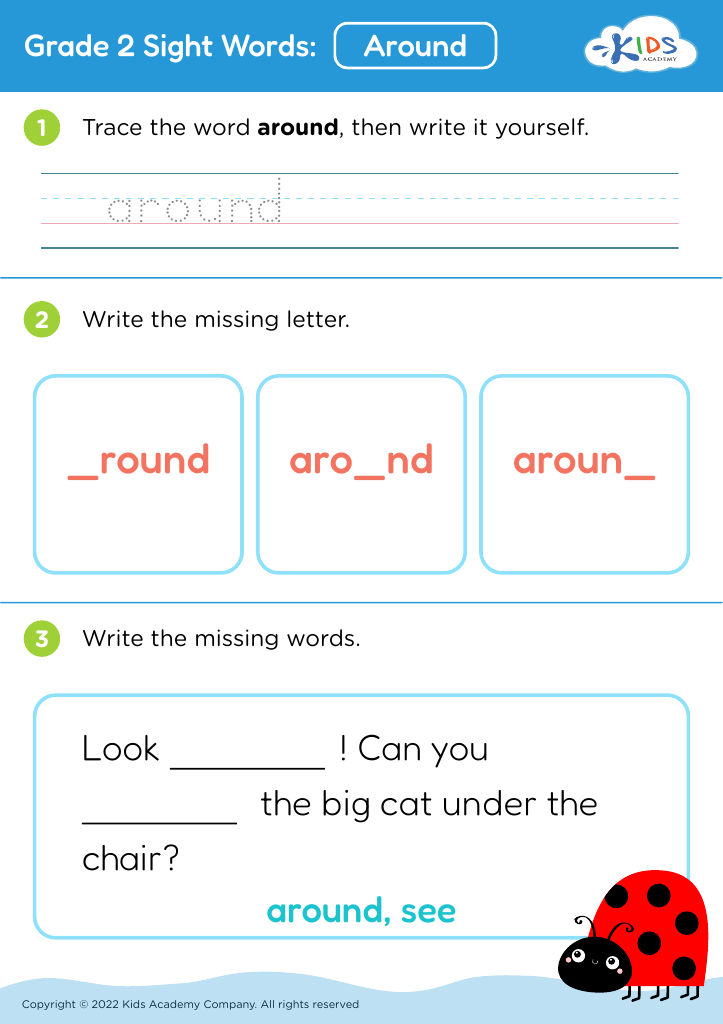
Grade 2 Sight Words: Around

Grade 2 Sight Words: Around

Grade 2 Sight Words: Around
Worksheet
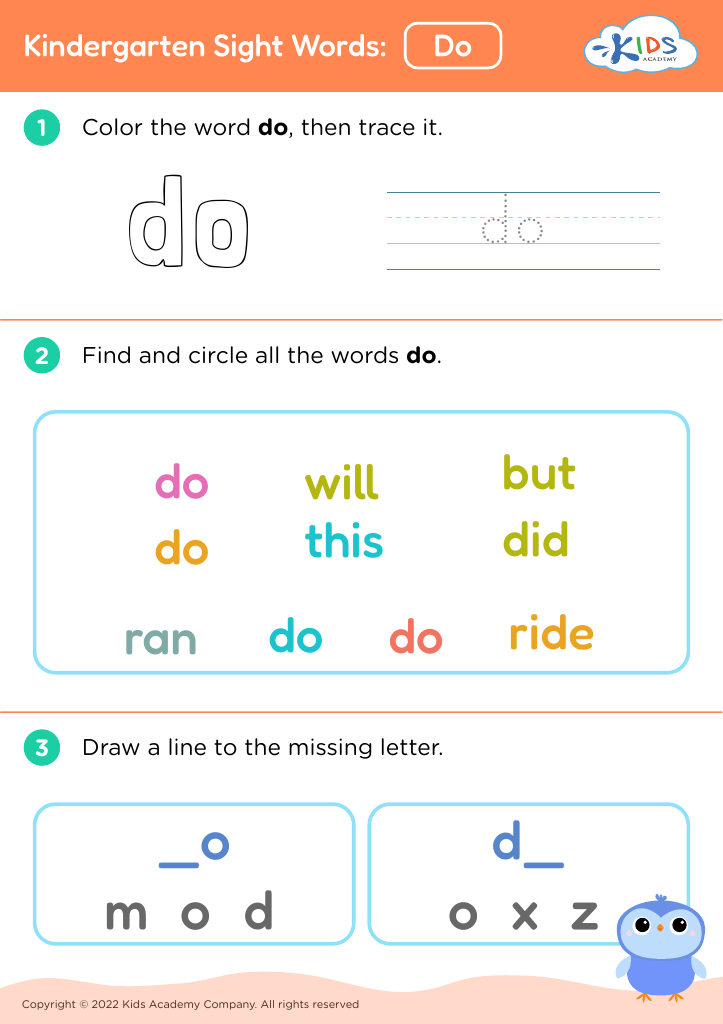
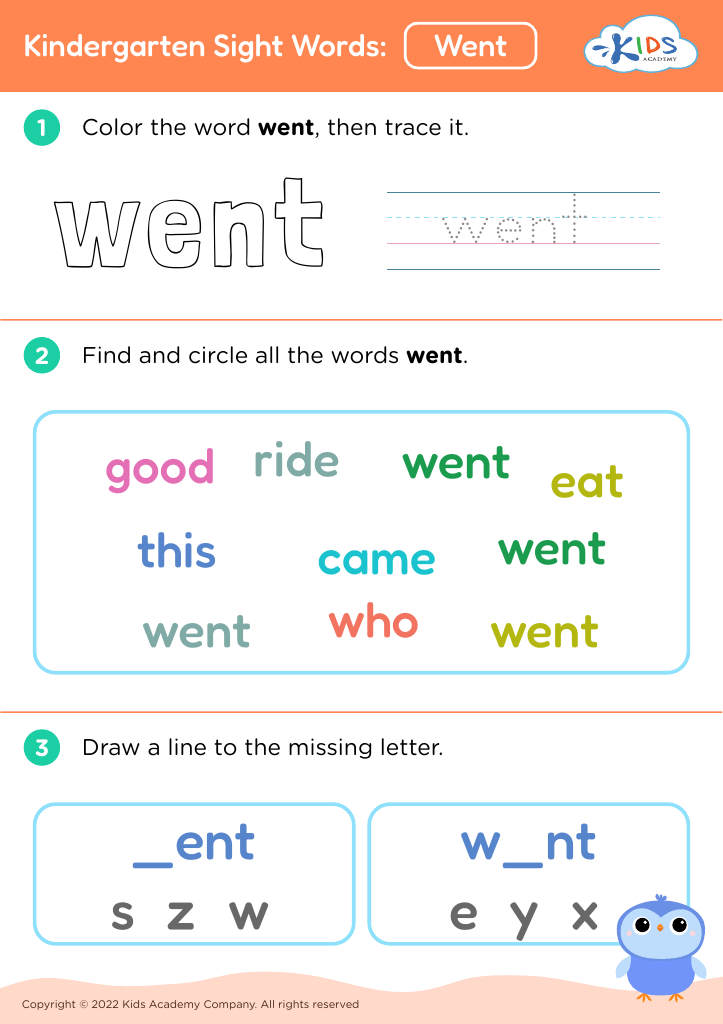
Kindergarten Sight Words: Went

Kindergarten Sight Words: Went

Kindergarten Sight Words: Went
Worksheet
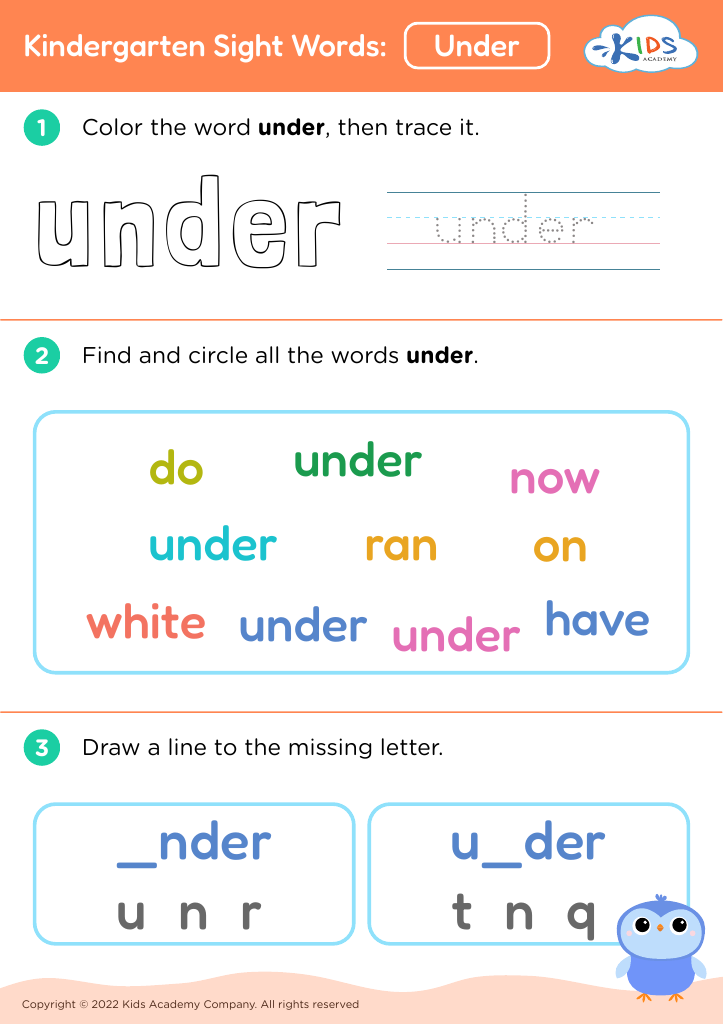
Kindergarten Sight Words: Under

Kindergarten Sight Words: Under

Kindergarten Sight Words: Under
Worksheet
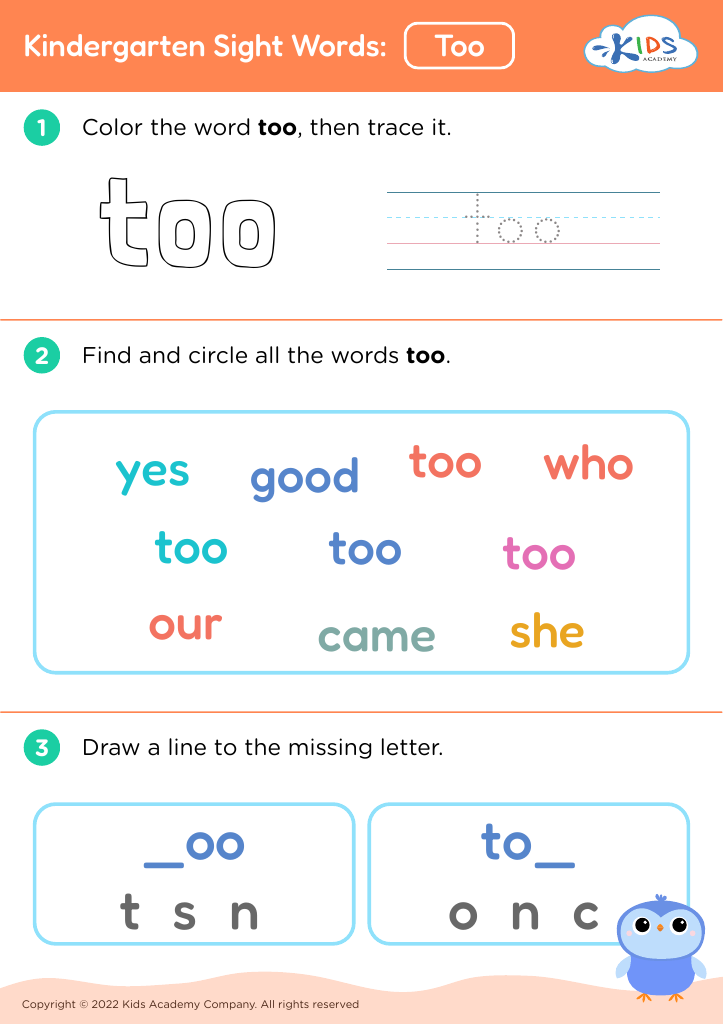
Kindergarten Sight Words: Too

Kindergarten Sight Words: Too

Kindergarten Sight Words: Too
Worksheet
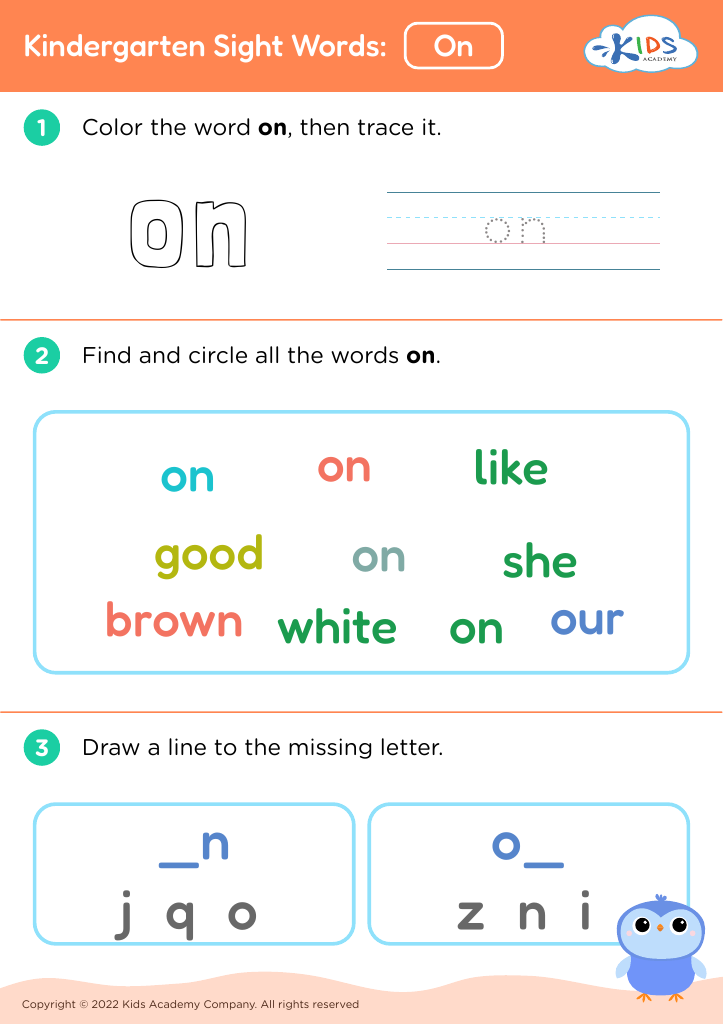
Kindergarten Sight Words: On

Kindergarten Sight Words: On

Kindergarten Sight Words: On
Worksheet


Problem-solving skills are crucial for children ages 6-7 because they lay the foundation for their cognitive and social development. At this age, kids are beginning to explore the world around them more independently and face new challenges daily. By developing problem-solving skills, children learn to approach difficulties methodically, think critically, and come up with effective solutions. This fosters resilience and prepares them for future academic tasks where analytical thinking is essential.

Moreover, problem-solving skills contribute significantly to social interactions. When children know how to solve problems, they are better equipped to handle conflicts with peers, share and cooperate in group settings, and empathize with others. These social competencies translate into more harmonious relationships and less frustration during group activities.

Teachers who integrate problem-solving exercises in their lesson plans make learning more engaging and relevant. It enables students to connect what they learn in the classroom with real-life situations, thereby deepening their understanding and retention of concepts.

Parents also play a vital role by encouraging problem-solving at home through games, chores, or simple day-to-day decisions. This consistency reinforces the skill, making children feel more competent and confident. Prioritizing problem-solving skills now sets children on a path toward lifelong learning and adaptability.