Recognizing shapes Worksheets for Ages 6-7 - Page 2
40 filtered results
-
From - To
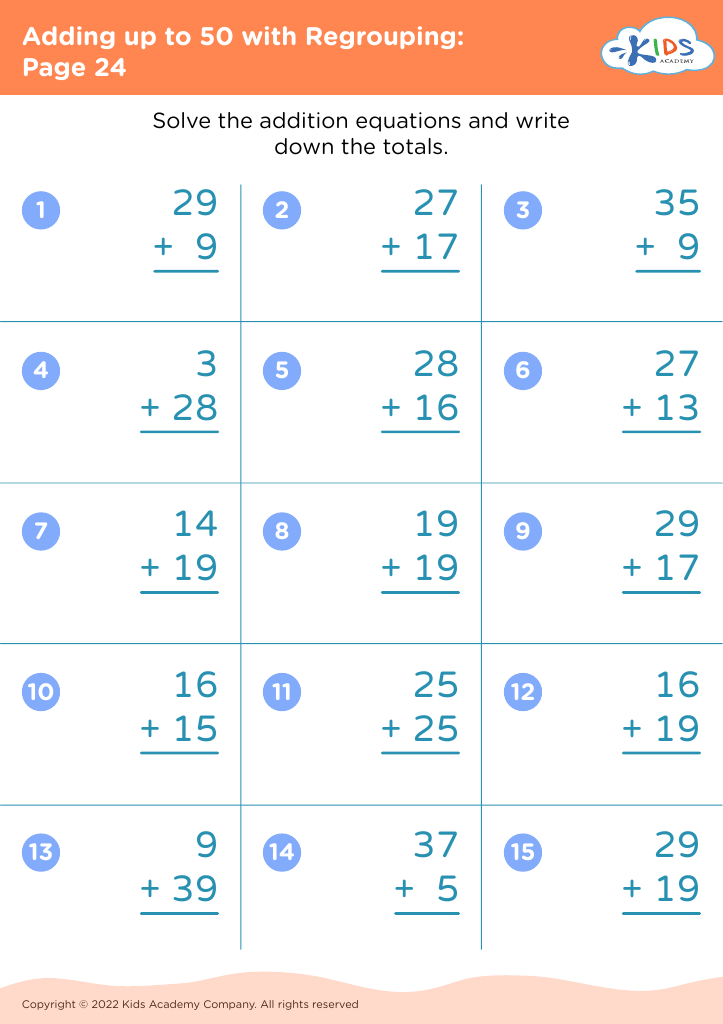
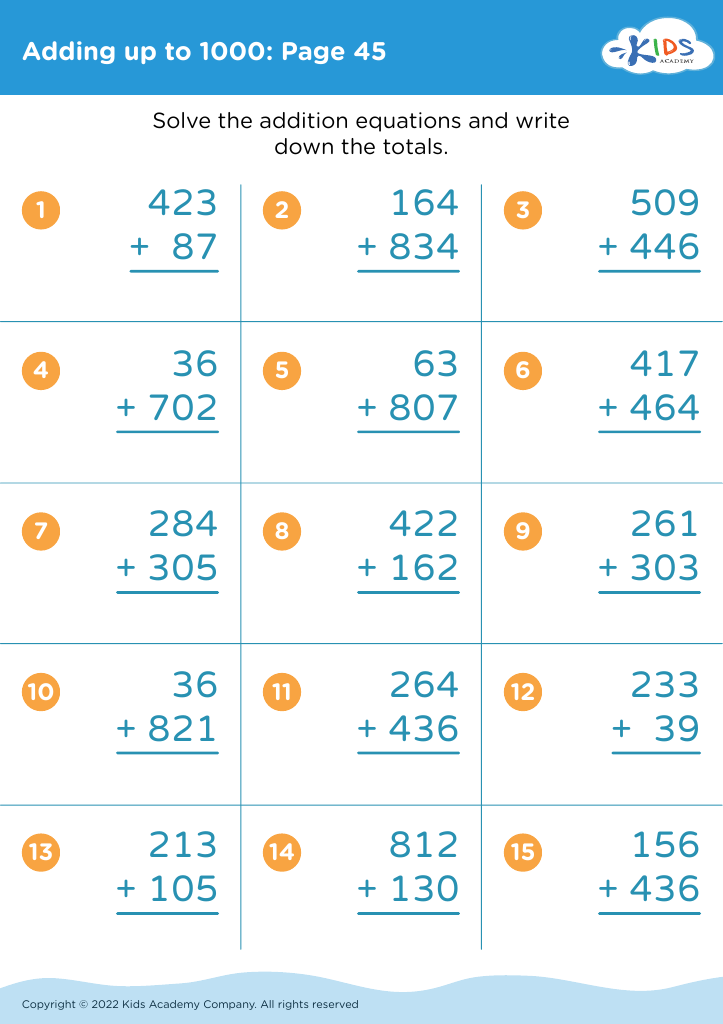
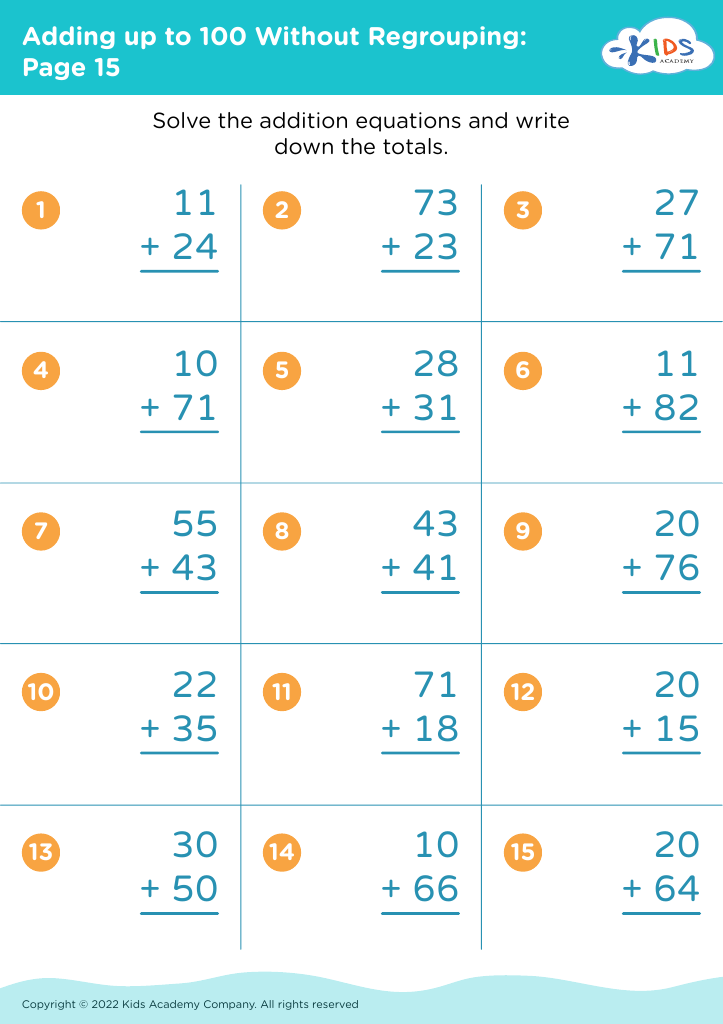
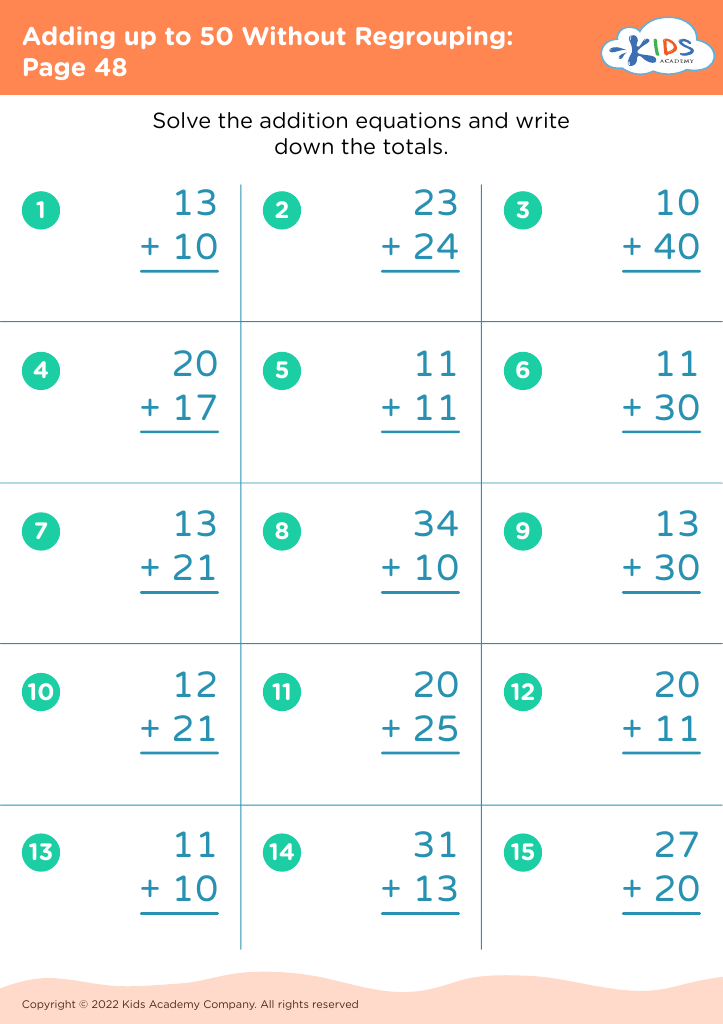
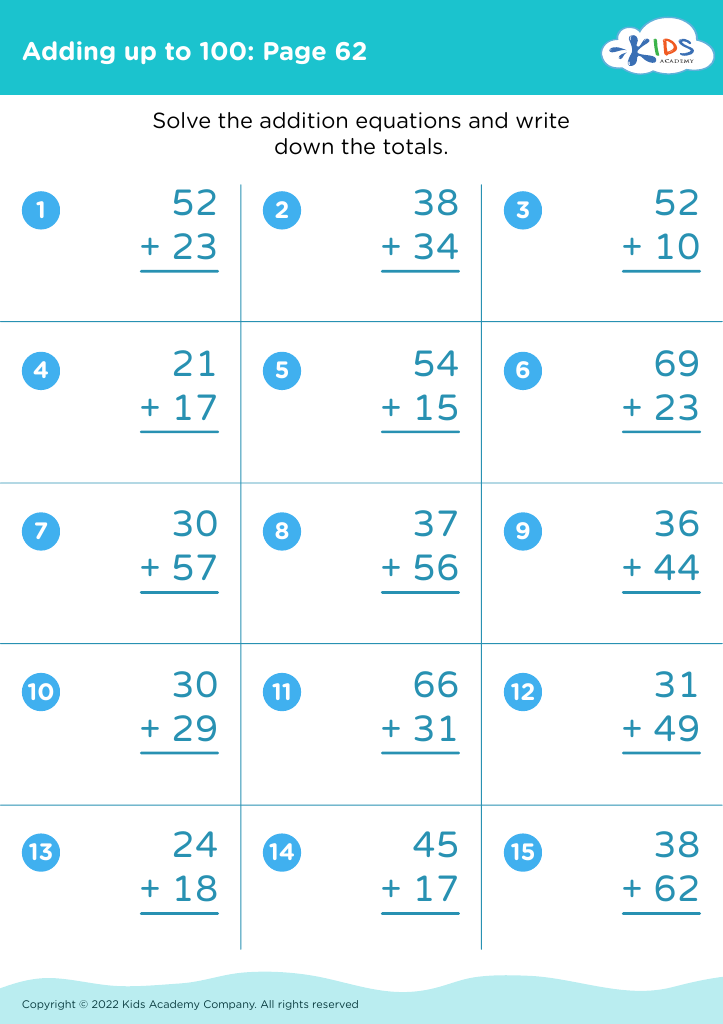
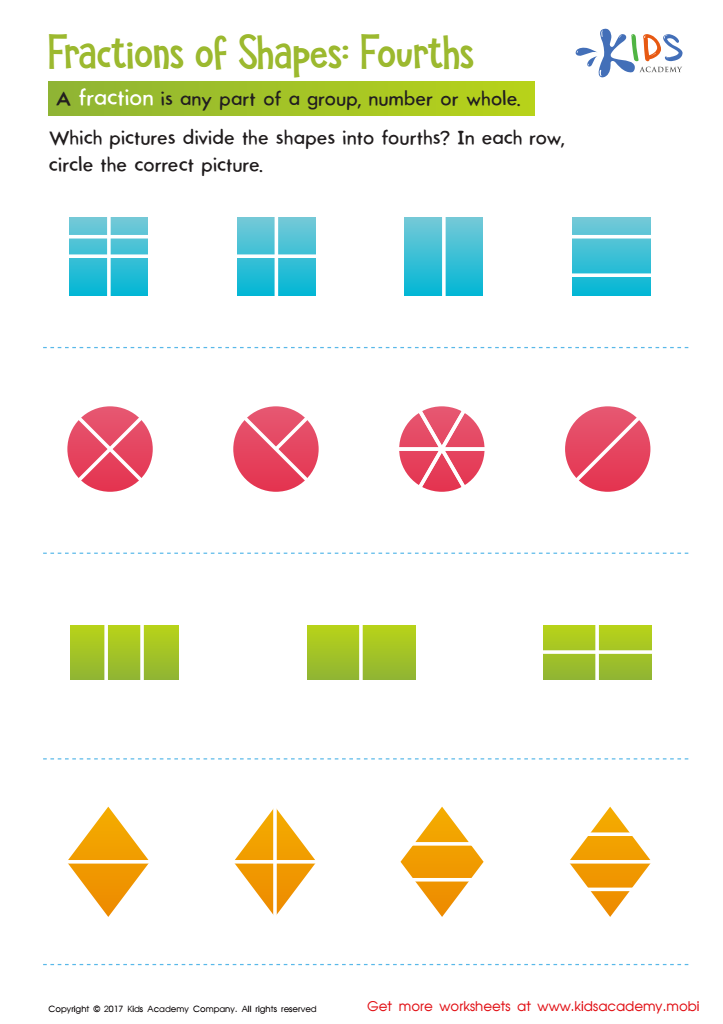
Fractions of Shapes Worksheet
 Assign to My Students




.jpg)


.jpg)
Recognizing shapes is a fundamental skill that forms the bedrock for numerous cognitive and developmental milestones in young children, particularly those aged 6-7. At this age, learning to identify and understand shapes goes far beyond simple geometry; it facilitates holistic growth. Firstly, recognizing shapes helps in developing spatial awareness, which is crucial for everyday tasks such as navigating surroundings and understanding the relationships between different objects.
Moreover, shape recognition plays a vital role in the development of mathematical skills. By learning to distinguish between different shapes, children build a foundation for more complex math concepts like geometry, measurement, and problem-solving. This skill also enhances their ability to recognize patterns, an essential aspect of logical reasoning and critical thinking.
From the literacy perspective, recognizing shapes contributes to better handwriting and reading abilities. Following the contours of different shapes hones fine motor skills essential for writing. Additionally, understanding shapes aids in letter recognition and contributes to early reading skills as letters themselves are comprised of various shapes.
Socially and emotionally, mastering this skill fosters confidence and independence. Such accomplishments encourage a positive attitude toward learning, paving the way for academic success. Ultimately, focusing on recognizing shapes equips children with a robust foundation for multiple areas of learning and development, making it a critical aspect to nurture in the early years.








