Understanding numbers Worksheets for Ages 6-7
3 filtered results
-
From - To
Explore our engaging "Understanding Numbers Worksheets" tailored specifically for children aged 6-7. Designed to reinforce essential math skills, these worksheets help young learners master counting, number recognition, and simple arithmetic. Each activity is crafted to provide interactive and fun experiences, ensuring your child develops a strong numerical foundation. Our printable resources cater to different learning styles, promoting confidence and proficiency in mathematics. Perfect for classroom use or at-home practice, these worksheets aim to make learning about numbers enjoyable and effective. Browse our collection today and encourage your child to discover the world of numbers with creativity and enthusiasm!
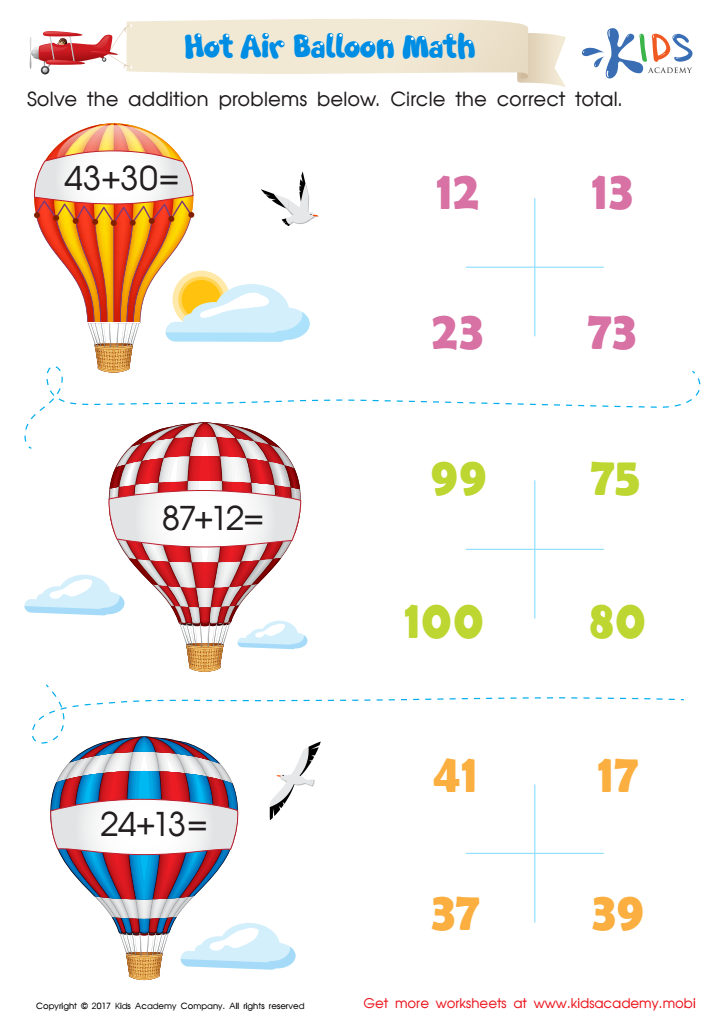
Hot Air Balloon Math Worksheet
 Assign to My Students
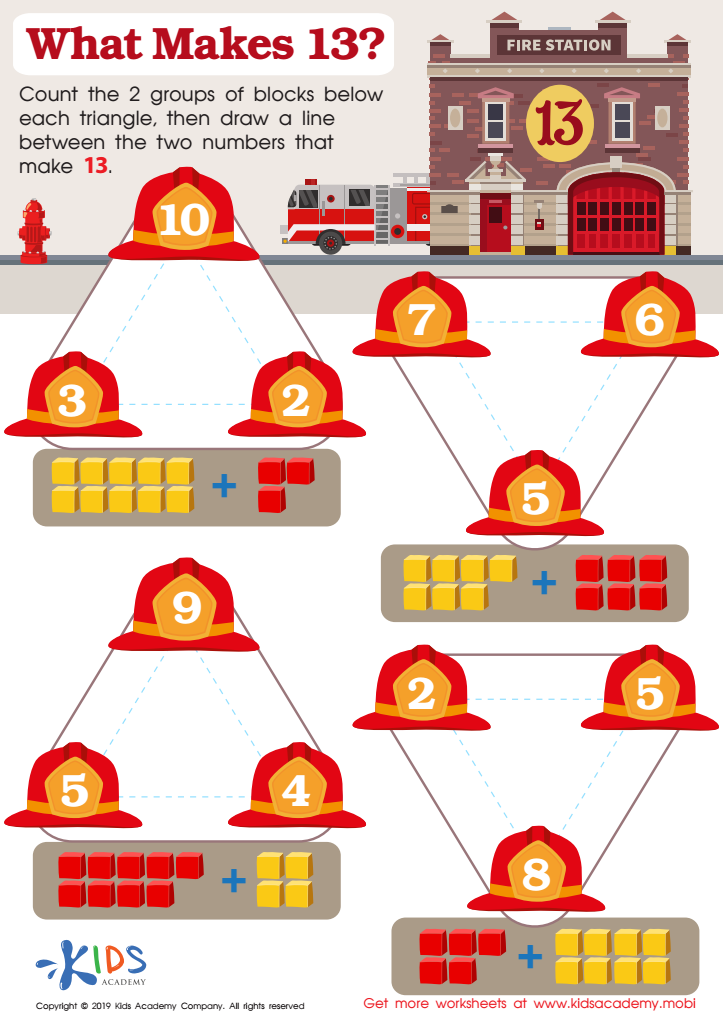
What Makes 13 Worksheet
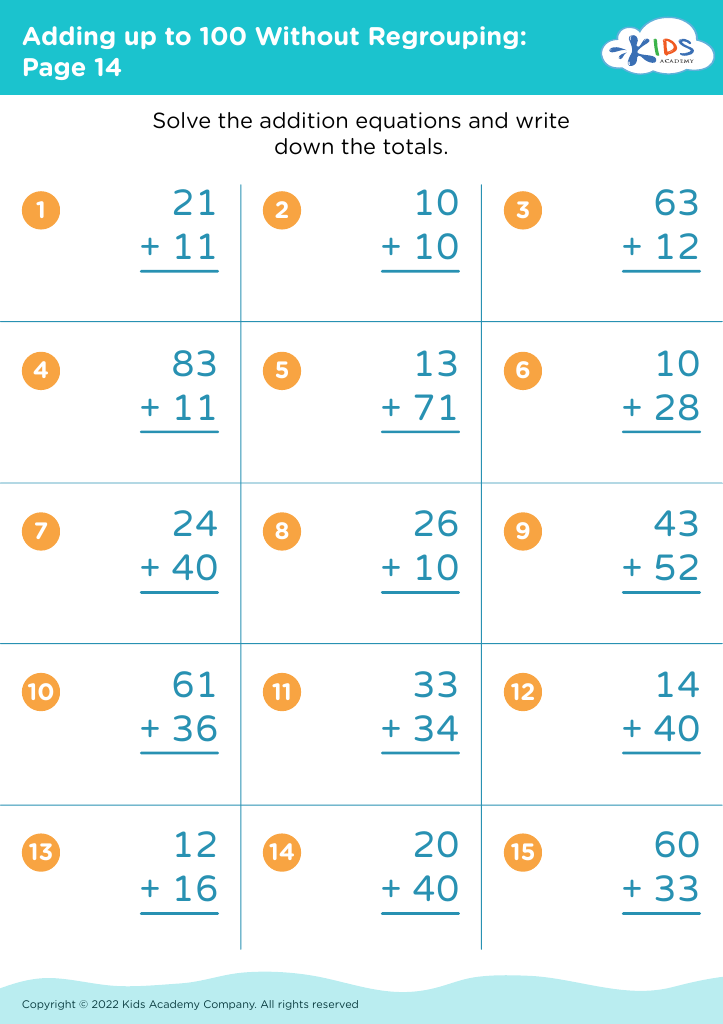







Understanding numbers is a vital foundation for children's future learning, particularly for ages 6-7, when they are developing essential mathematical skills. At this stage, children transition from learning basic number recognition to grasping more complex concepts such as addition, subtraction, and the relationship between numbers. This understanding is critical not only for mathematics but also for real-life problem-solving and decision-making.
Parents and teachers should care about fostering this understanding because it enhances children's confidence in their abilities, reducing the anxieties often associated with math. When children grasp numerical concepts early on, they build a positive attitude towards learning, which can influence their academic success throughout their lives.
Moreover, strong numerical understanding supports skills in other subjects, particularly science and critical thinking. In an increasingly data-driven world, mathematical literacy is crucial for developing analytical skills essential for future employment.
Encouraging creativity through games, puzzles, and hands-on activities during this formative period can make learning numbers enjoyable and effective. By being proactive in promoting numerical comprehension, parents and teachers equip children with the tools they need to navigate both their education and daily life with confidence. Thus, caring about this aspect of learning is an investment in children's overall development and future success.








