Problem-Solving Skills Counting Worksheets for Ages 6-7
3 filtered results
-
From - To
Boost your child's problem-solving skills with our engaging Counting Worksheets designed specifically for ages 6-7! These interactive worksheets help young learners develop critical thinking and mathematical reasoning through fun counting tasks and challenges. Each worksheet encourages students to explore number relationships, patterns, and basic arithmetic in a creative way. By working through these exercises, children enhance their ability to analyze, deduce, and solve problems encountered in daily life. Perfect for homeschoolers or in-class activities, our worksheets provide a solid foundation in math while fostering a love for learning. Unlock your child’s potential and boost their confidence with these essential tools!
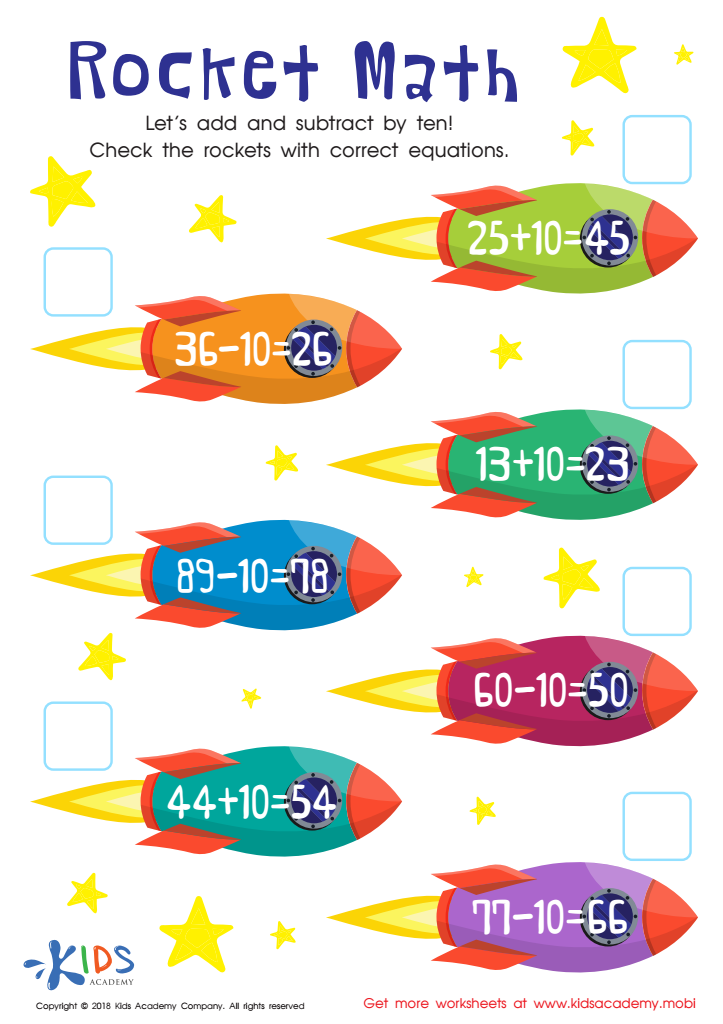
Rocket Math Worksheet
 Assign to My Students


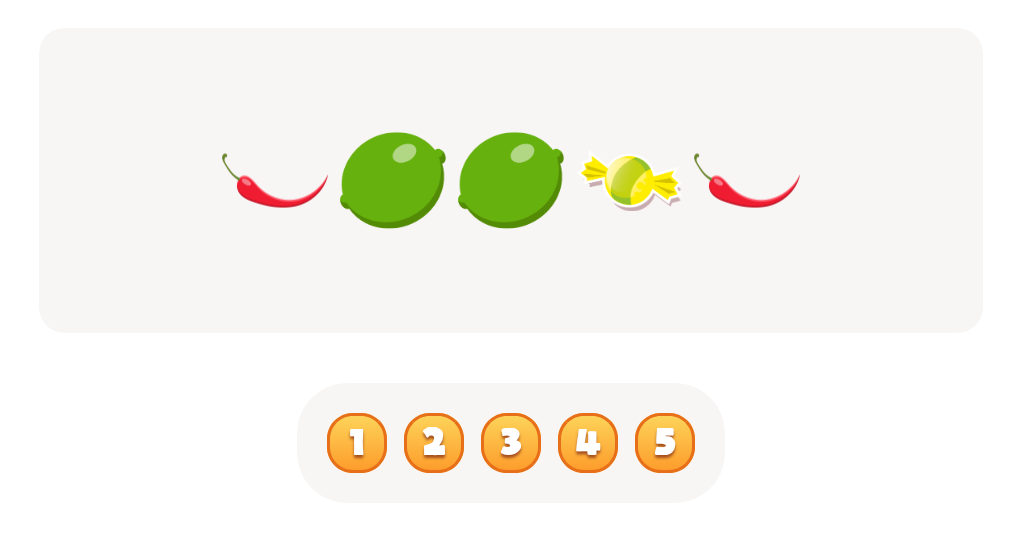

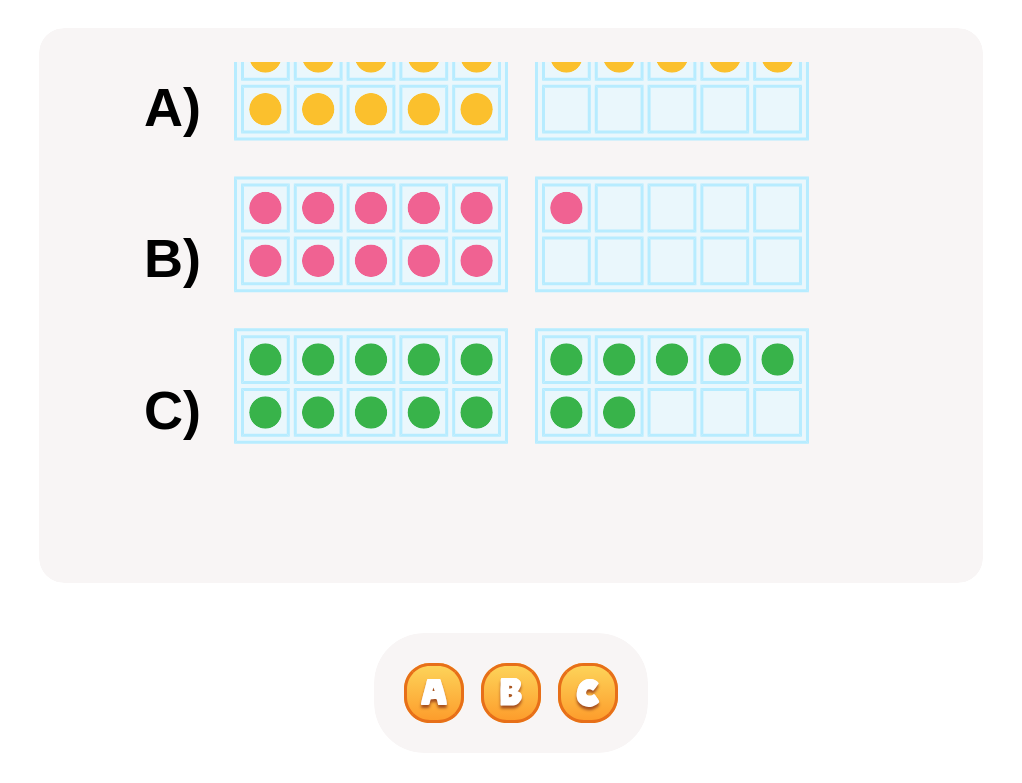
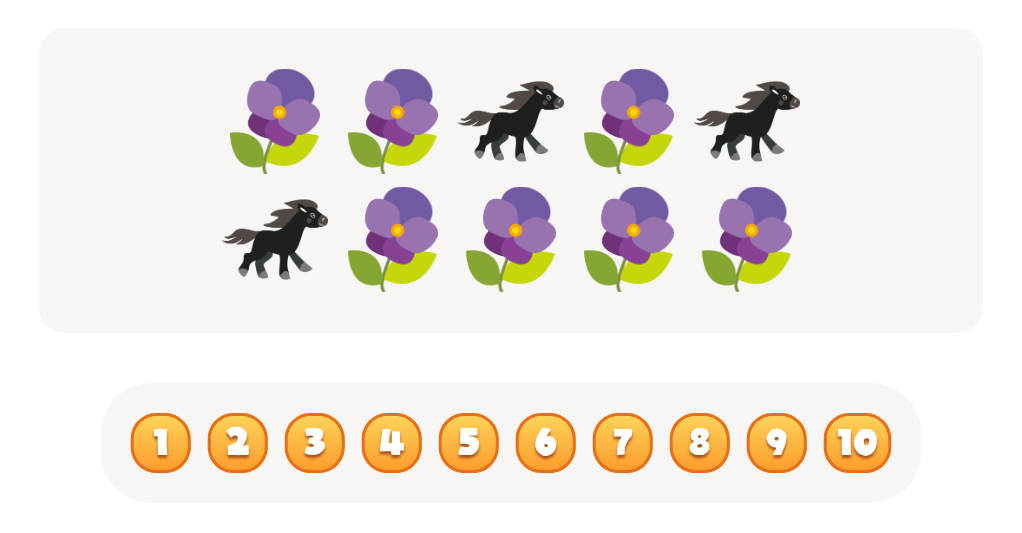

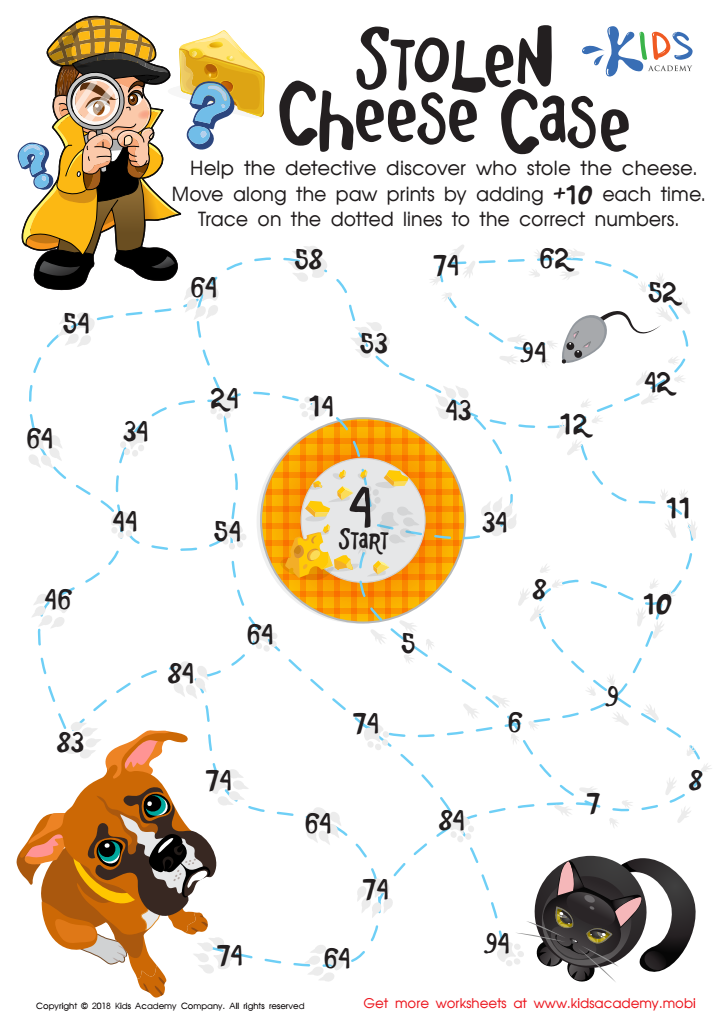
Stolen Cheese Case Maze Worksheet
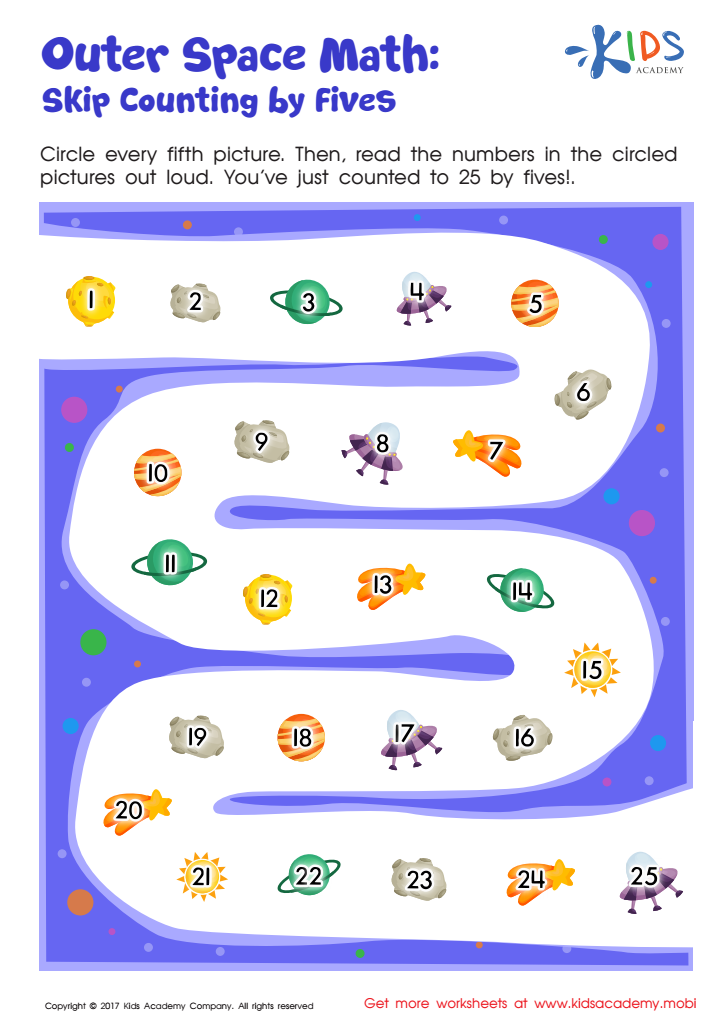
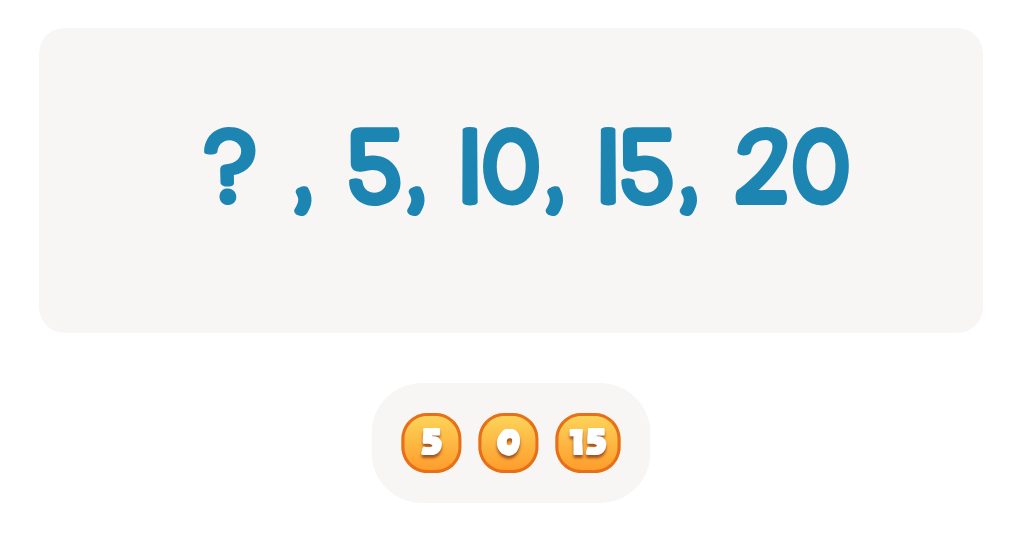
Skip Counting by 5s: Outer Space Math Printable








Problem-solving skills in counting for children ages 6-7 are crucial as they lay the foundation for mathematical understanding and critical thinking. During this developmental stage, children begin to grasp not just the mechanics of counting, but also the concept of quantity and the relationships between numbers.
Parents and teachers should care about fostering these skills because they encourage logical reasoning. When children engage in problem-solving, they learn to analyze information, think critically, and derive solutions independently. This promotes resilience and persistence, important traits as they encounter more complex mathematical ideas.
Moreover, strong counting skills tie into broader educational goals, including literacy and everyday life skills. Children who can effectively solve counting problems begin to understand patterns, sequences, and even concepts like addition and subtraction. These early experiences build confidence in their abilities and set the stage for future success in mathematics and other subjects.
Engagement in hands-on activities and games can enhance these skills, making learning enjoyable and effective. Additionally, by valuing problem-solving in counting, parents and teachers foster a supportive environment that not only prioritizes academic achievement but also emotional growth and development. Encouraging such skills helps children become well-rounded individuals ready to tackle challenges both inside and outside the classroom.








