Basic Math Skills Math Worksheets for Ages 6-7 - Page 3
137 filtered results
-
From - To
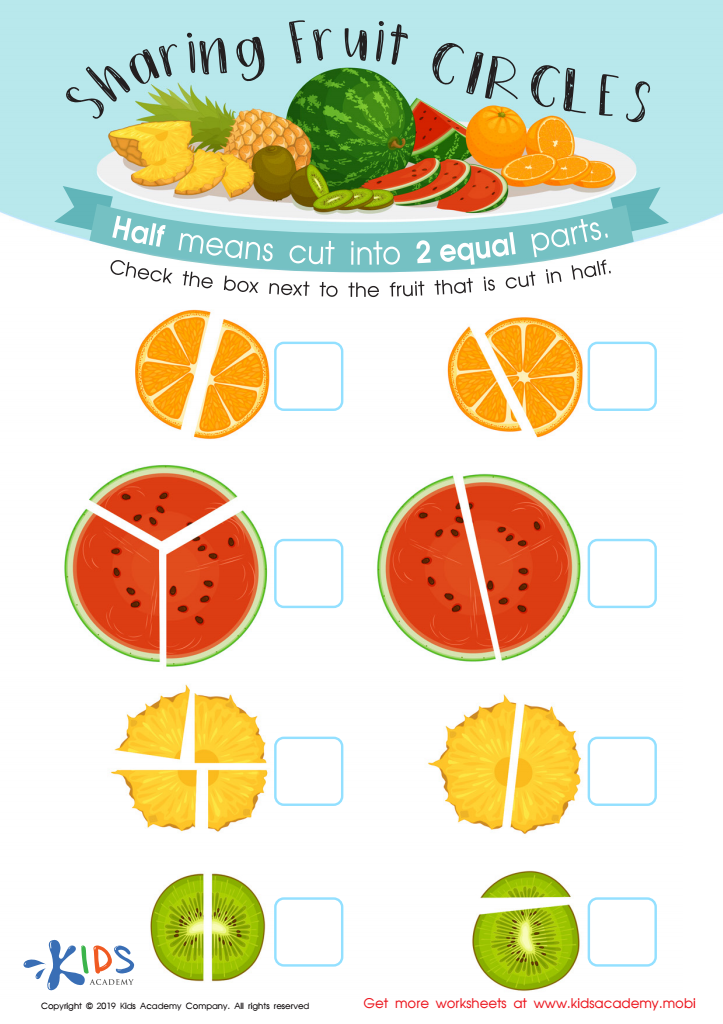
Sharing Fruit Circles Worksheet
 Assign to My Students
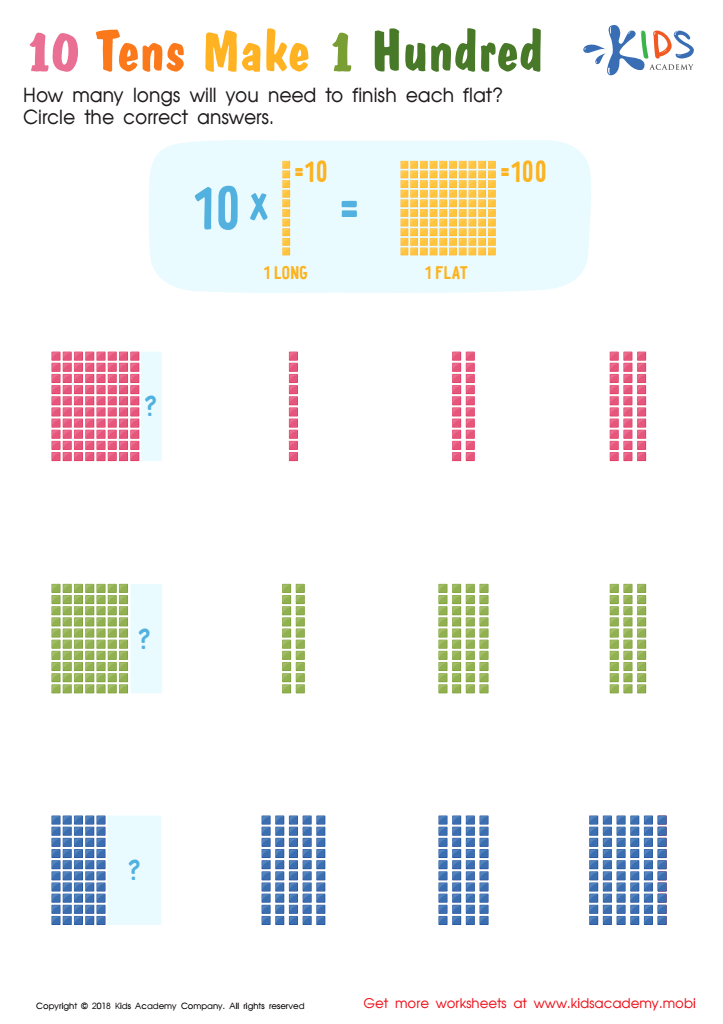
10 Tens Make 1 Hundred Worksheet
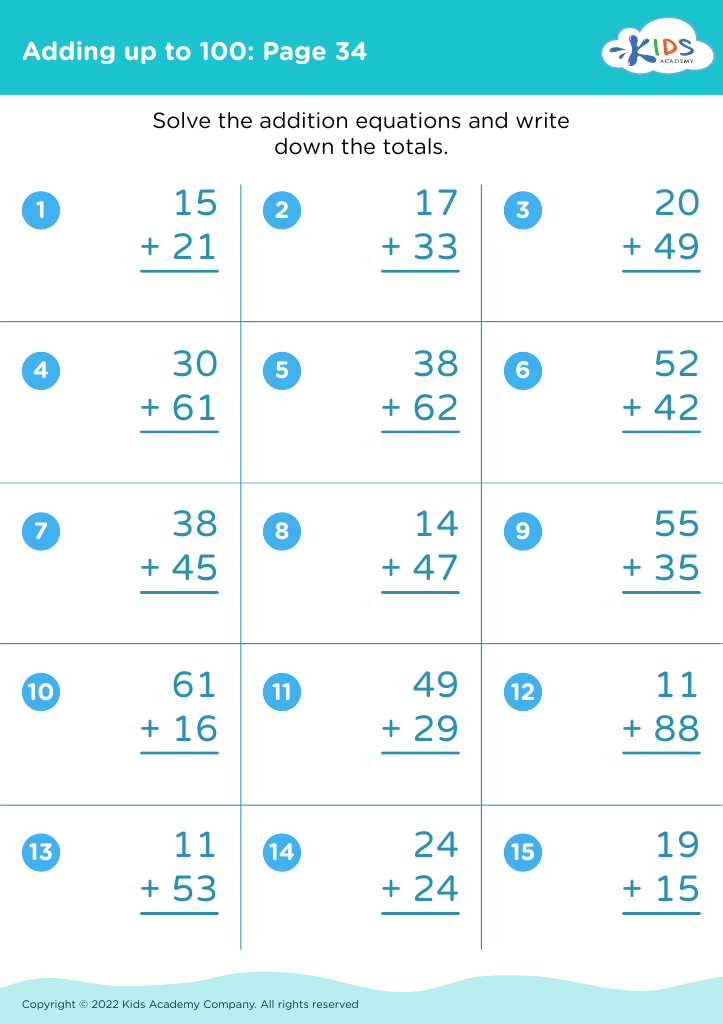
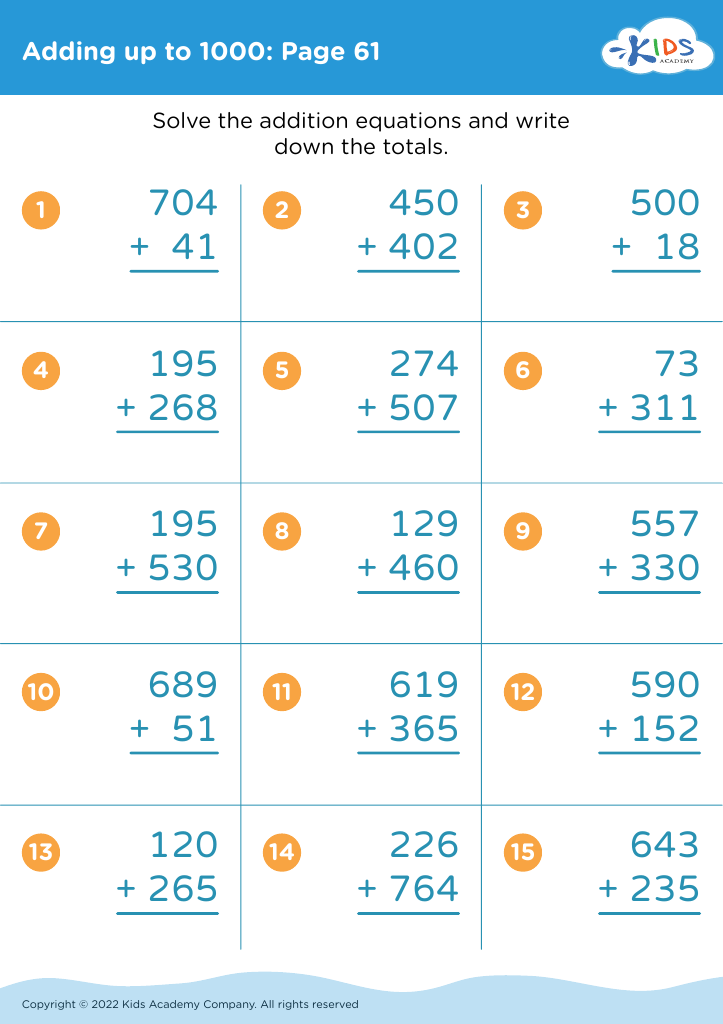
Addition Practice Sheet: Part 2
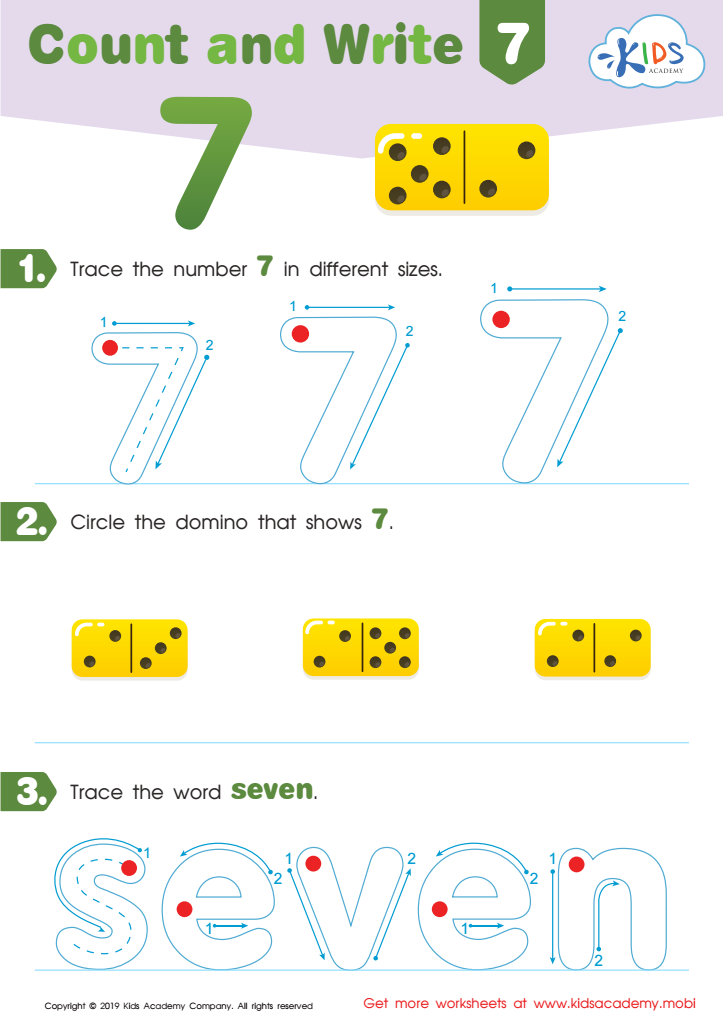
Count and Write 7 Worksheet
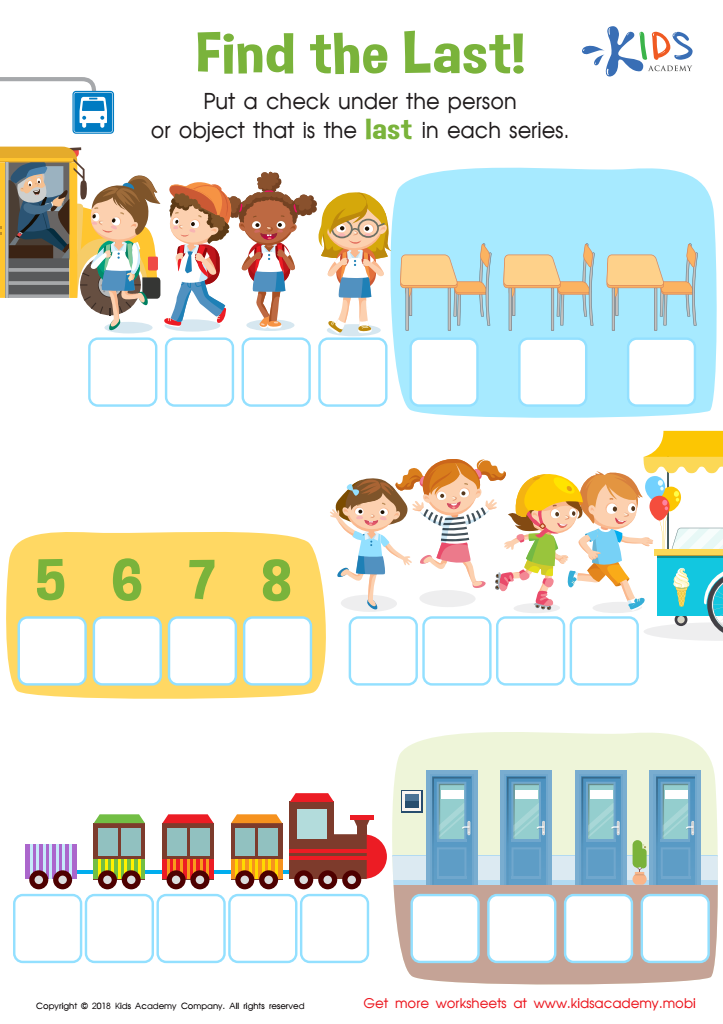
Find the Last! Worksheet
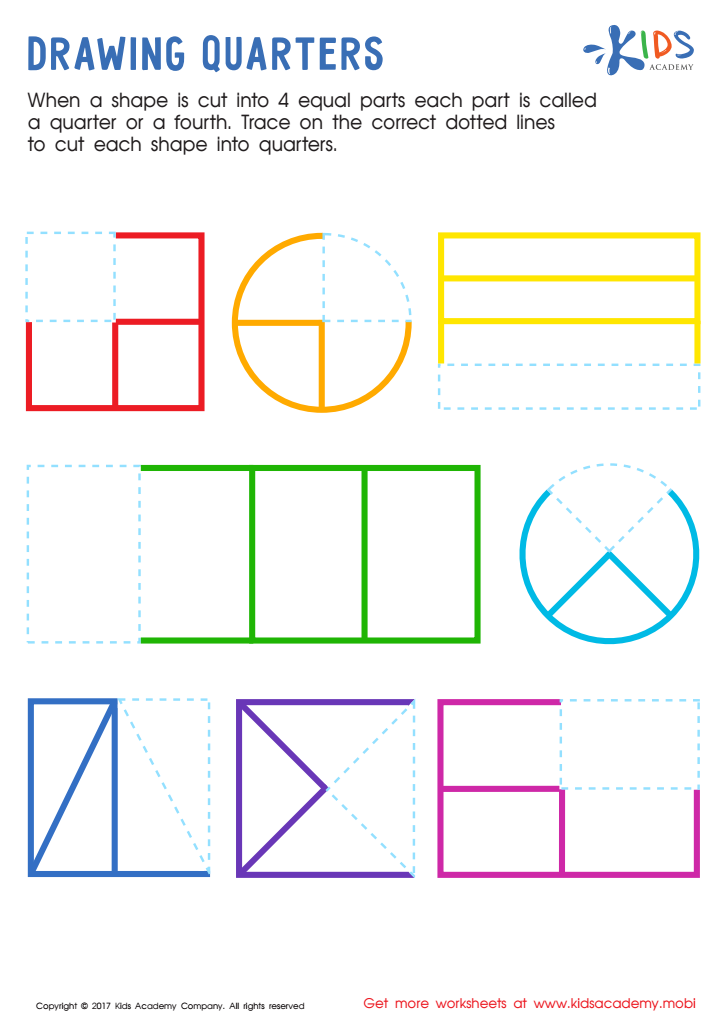
Drawing Quarters Worksheet
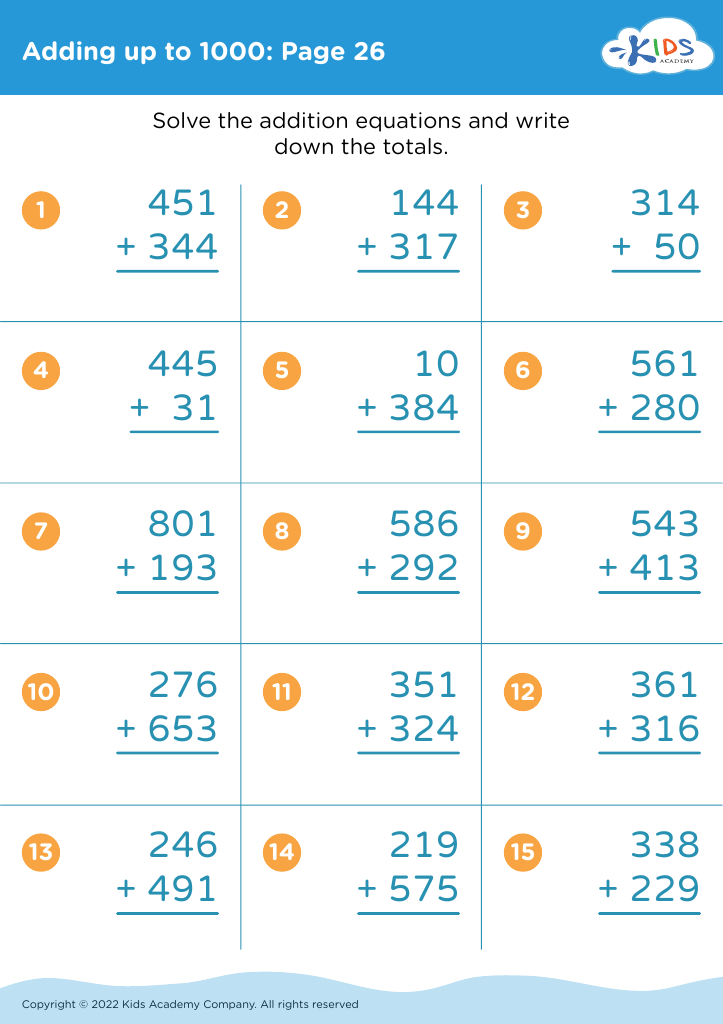
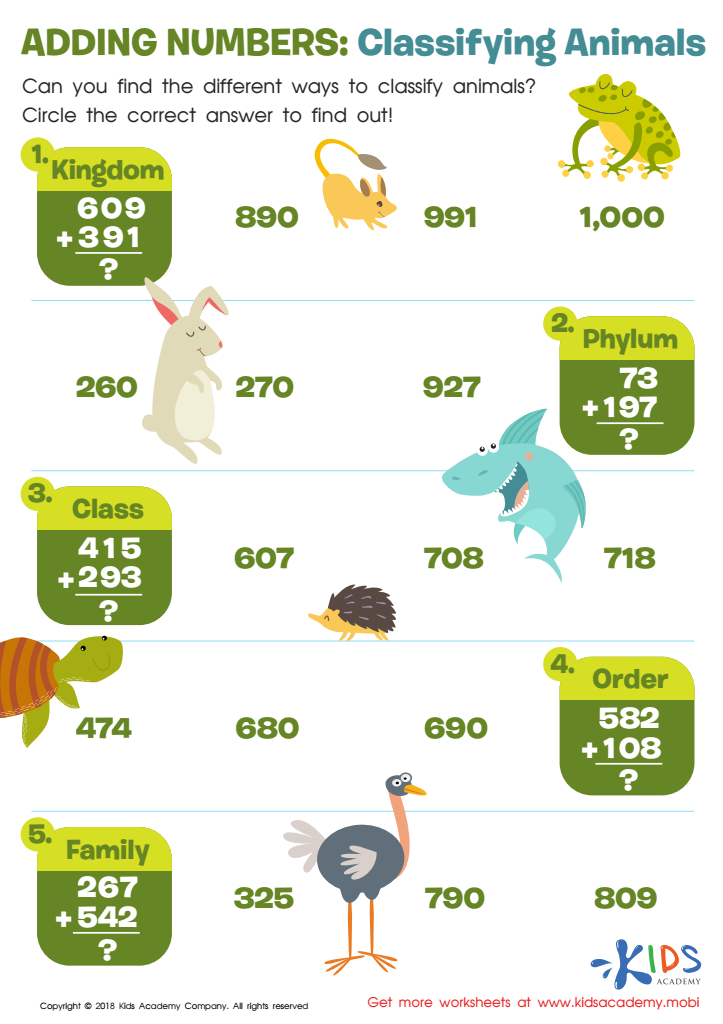
Adding Numbers: Classifying Animals Worksheet
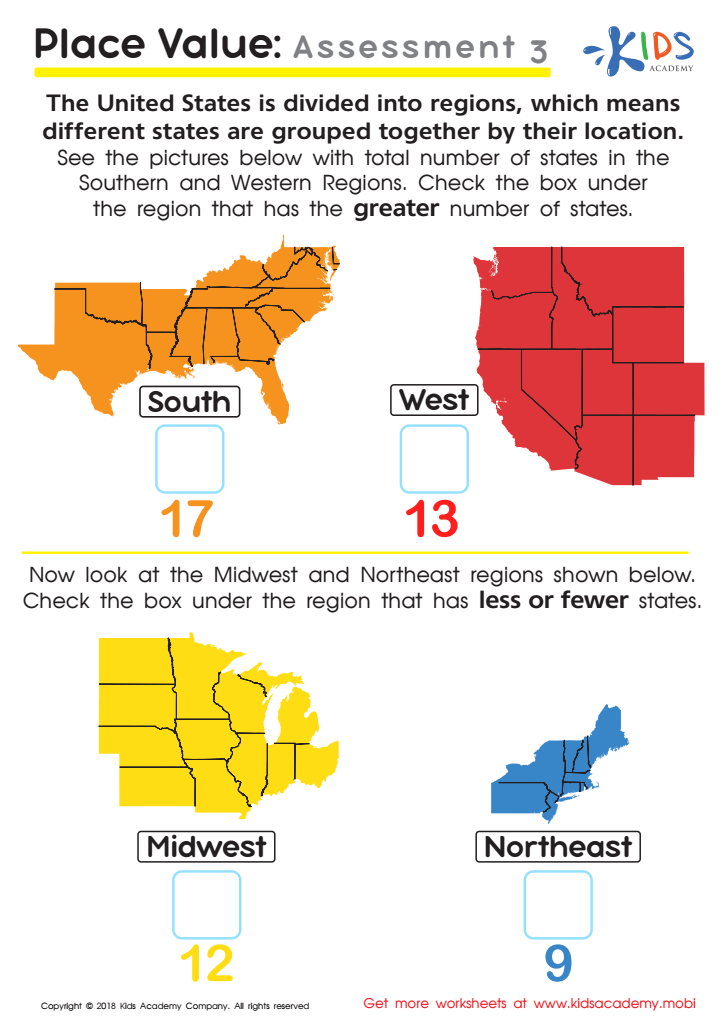
Place Value: Assessment 3 Worksheet
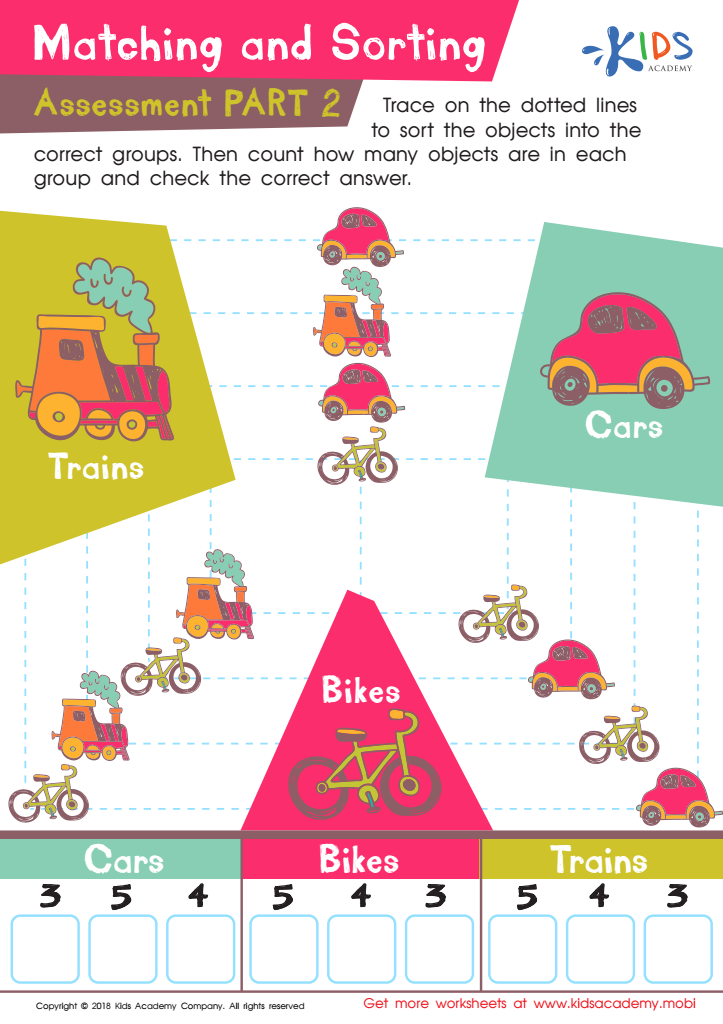
Matching and Sorting for Kindergarten: Assessment 2 Worksheet
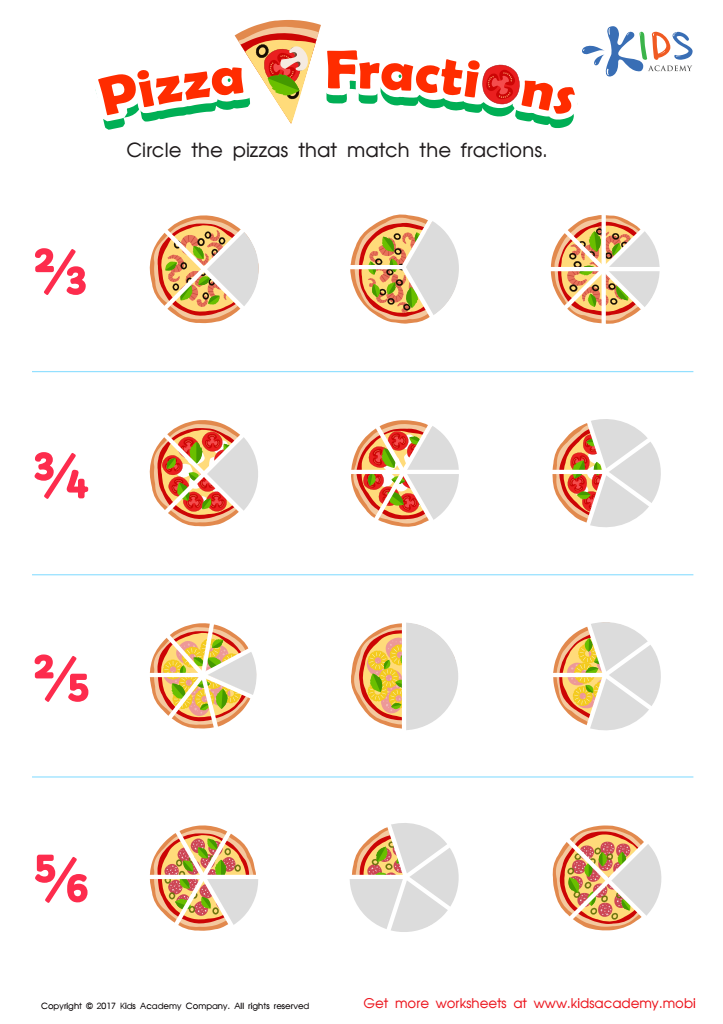
Fractions: Pizza Printable
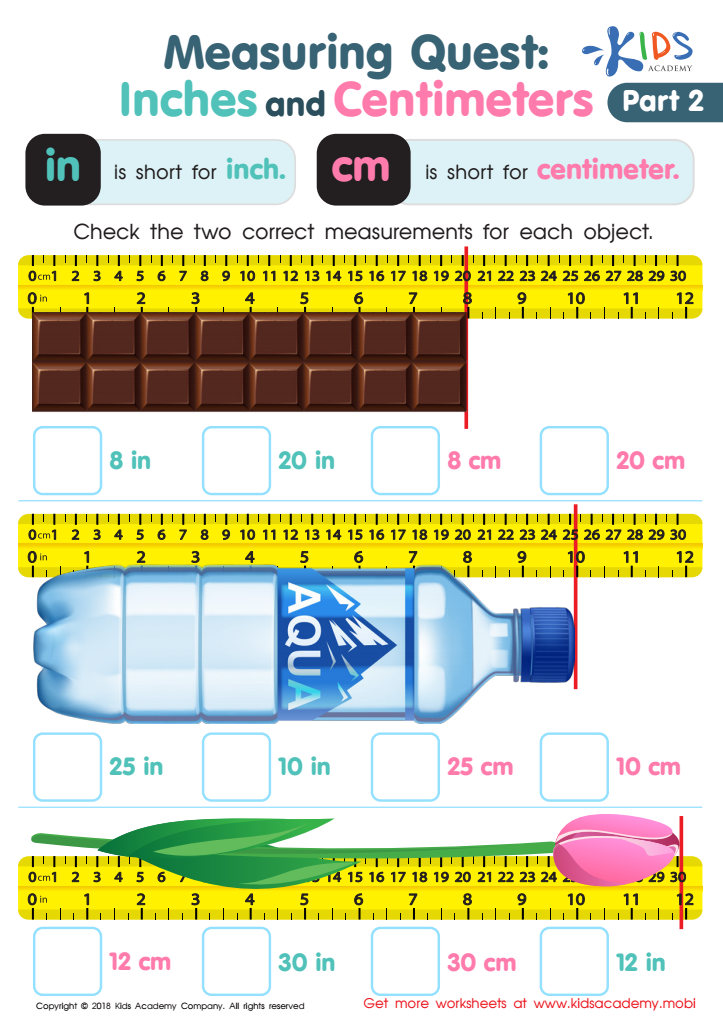
Measuring Quest: Inches and Centimeters - Part 2 Worksheet
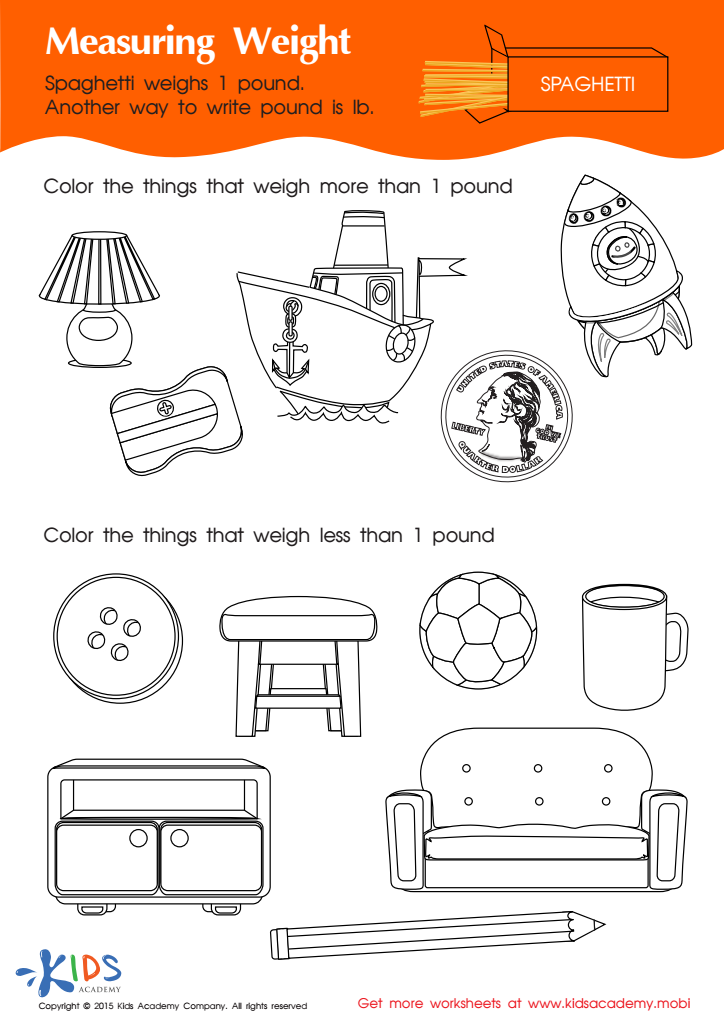
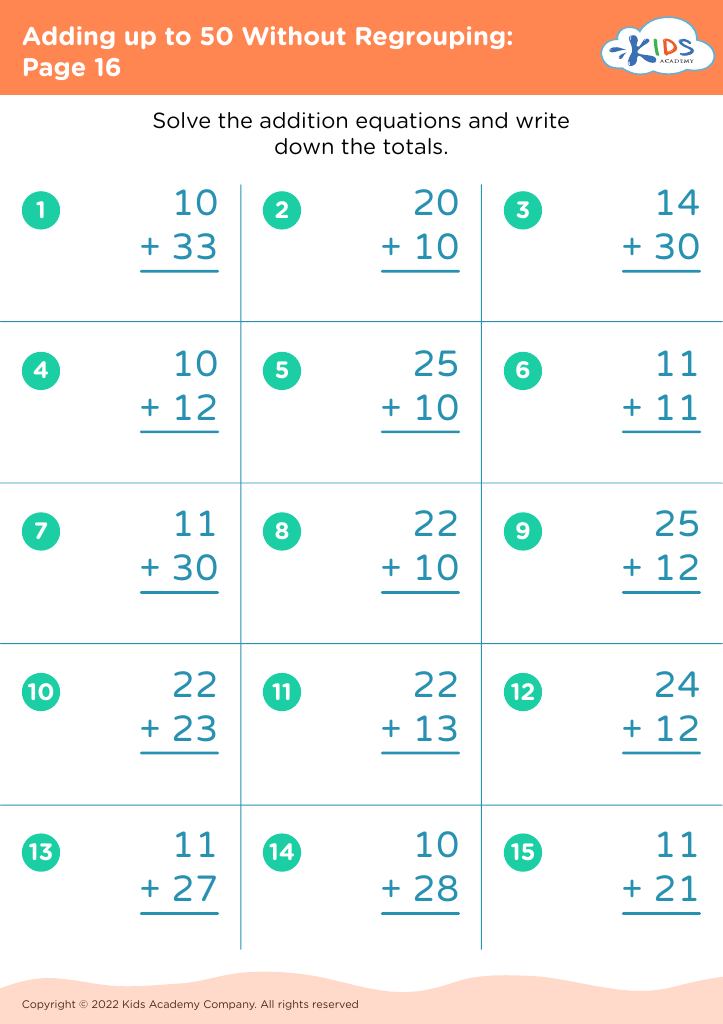
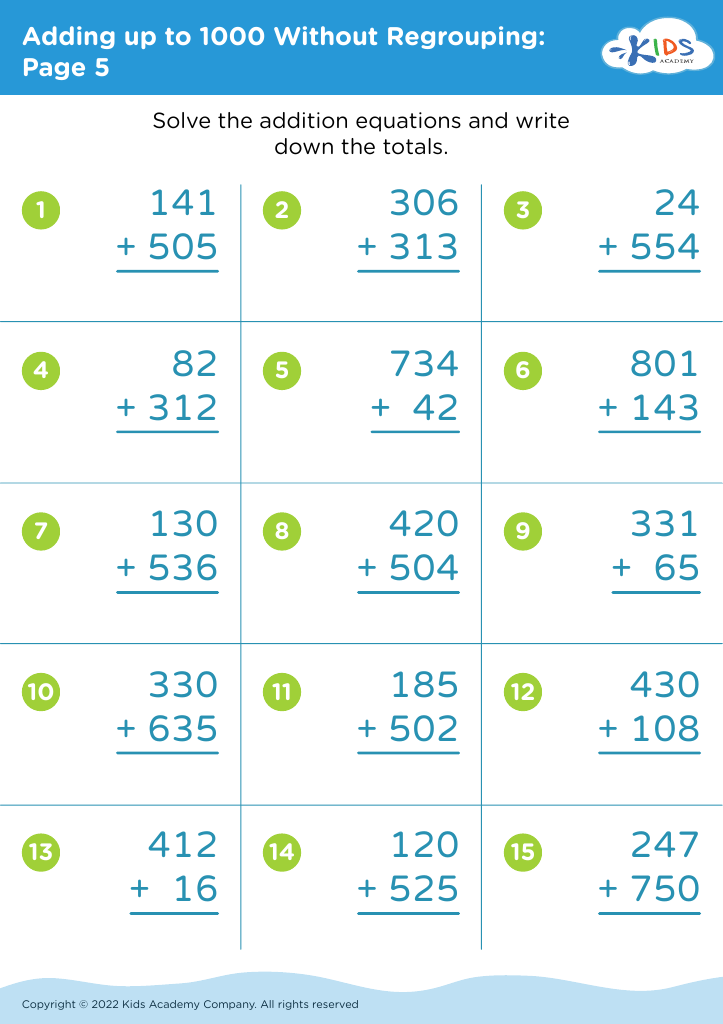


.jpg)





Parents and teachers should care about basic math skills for children ages 6-7 because these skills form the foundation for future learning and problem-solving. At this developmental stage, children start to engage with essential concepts such as addition, subtraction, and the understanding of numbers. Mastery of these fundamentals not only boosts their confidence but also enhances their cognitive abilities, including critical thinking and logical reasoning.
Additionally, early math skills are strongly linked to overall academic performance. Children who develop a solid grasp of basic math concepts tend to excel in later grades, particularly in subjects like science and technology. Furthermore, math comprehension during these formative years plays a significant role in daily life skills, from counting money to measuring ingredients in cooking, helping them navigate the world more effectively.
Engaging in simple math activities promotes a positive attitude toward math, making it less intimidating and more enjoyable. When parents and teachers prioritize these basic skills, they encourage a love for learning and lay the groundwork for lifelong educational success. Ultimately, nurturing children's mathematical understanding equips them with tools that foster future academic achievement and real-world competence.








