Categorization skills Math Worksheets for Ages 6-7
16 filtered results
-
From - To
Enhance your child’s analytical abilities with our Categorization Skills Math Worksheets designed for ages 6-7. Our expertly crafted worksheets help young learners develop critical thinking and organizational skills through fun and engaging activities. By sorting, grouping, and classifying data, kids will strengthen their math foundations and boost cognitive development. These exercises are perfect for first graders and are aligned with educational standards, ensuring your child’s learning is on the right track. Help your child excel in math and build a strong foothold in essential categorization skills with Kids Academy’s delightful and educational worksheets.
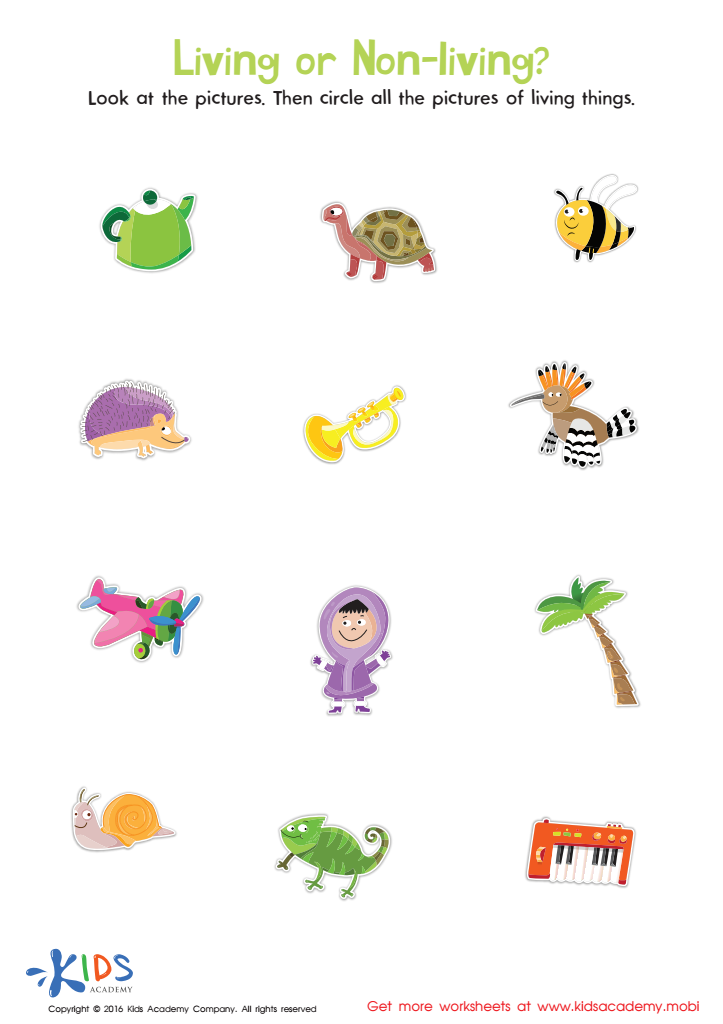
Identifying Living and Non–living Things Sorting Worksheet
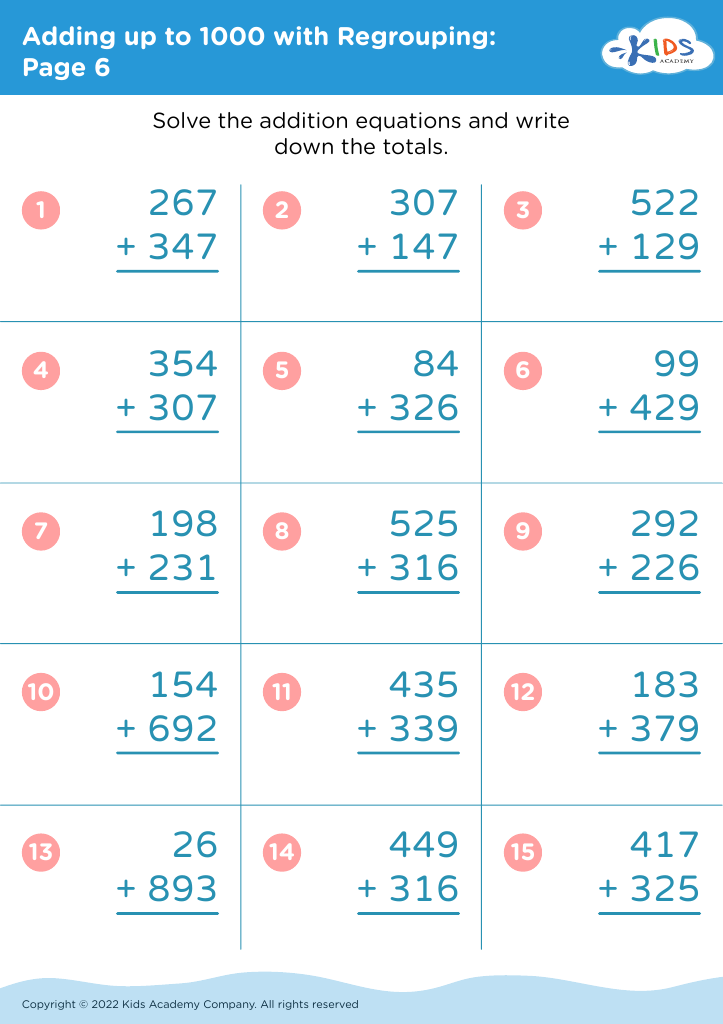
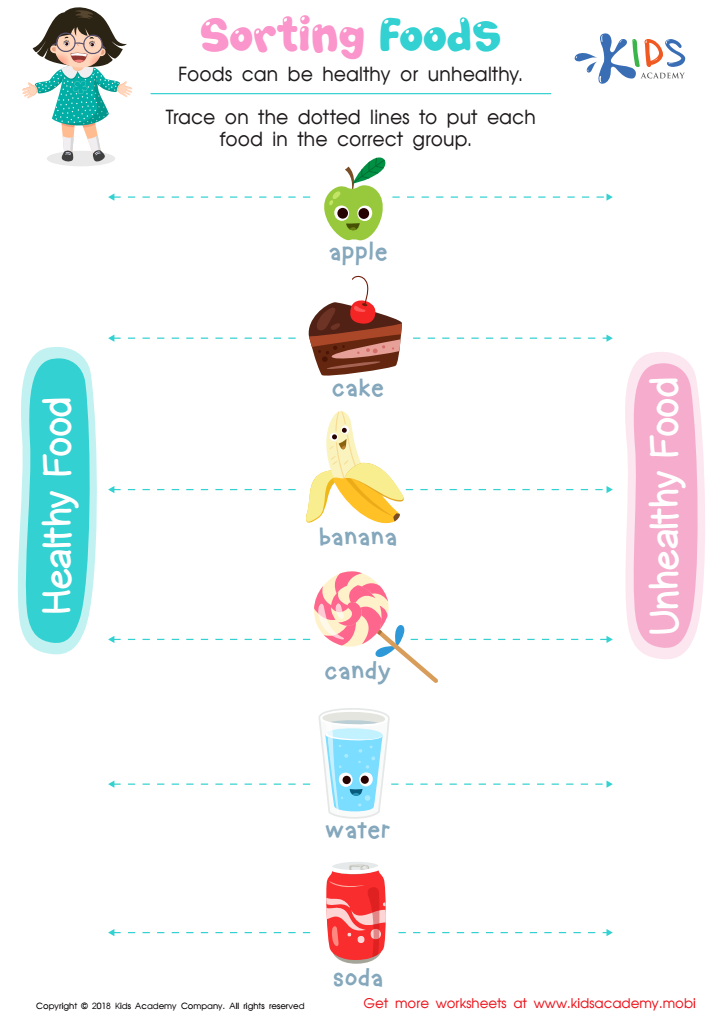
Sorting Food Worksheet
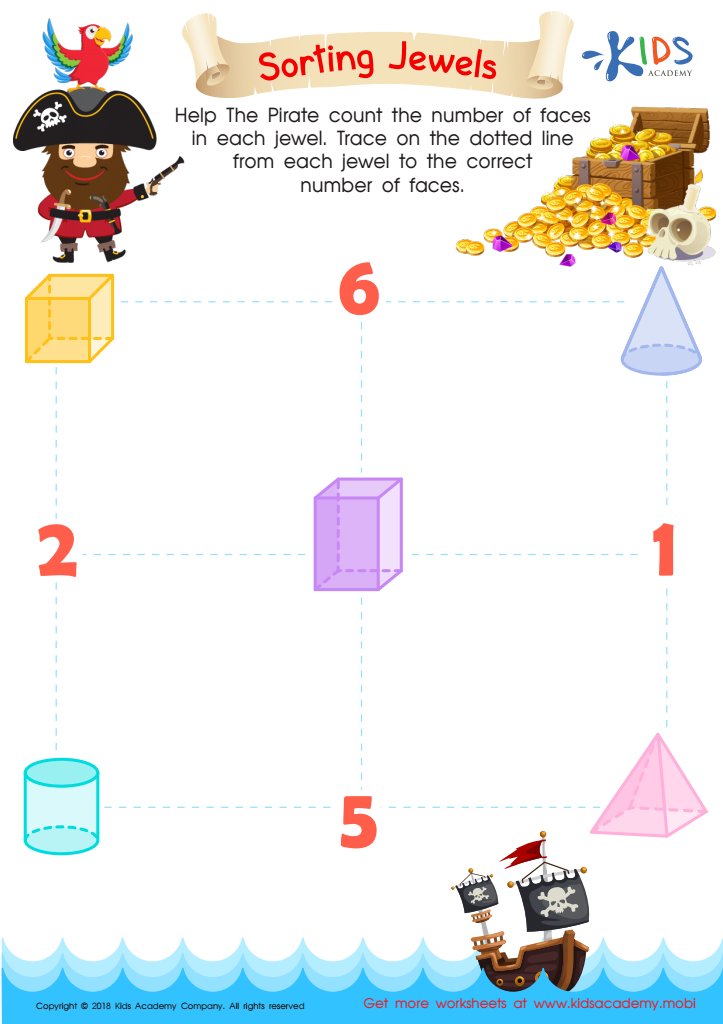
Sorting Jewels Worksheet
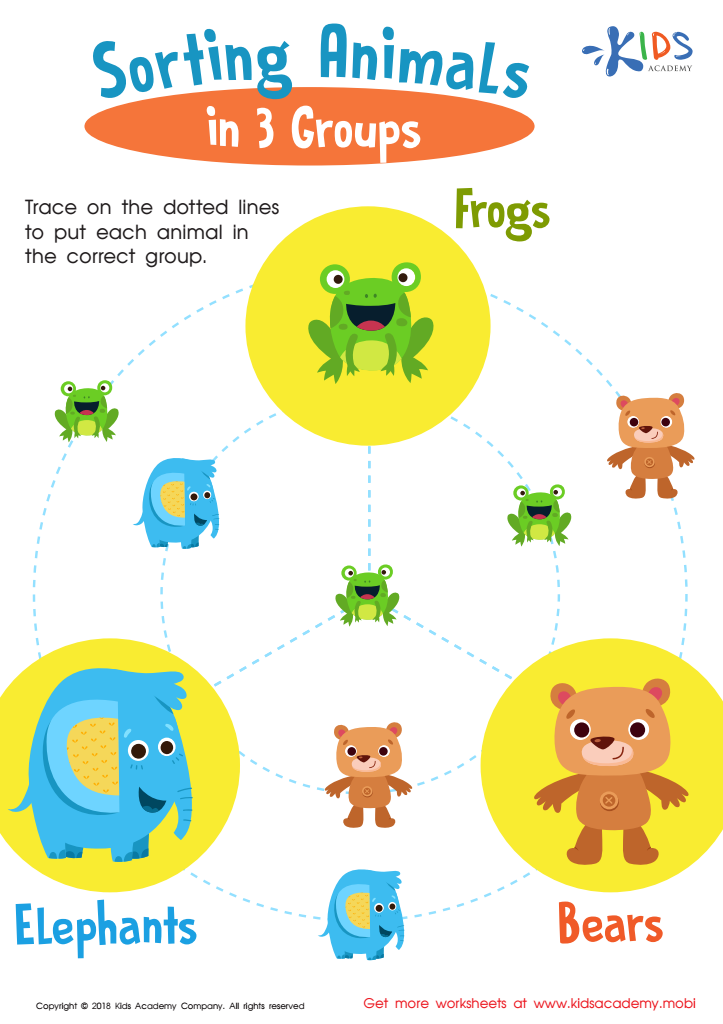
Sorting Animals in 3 Groups Worksheet
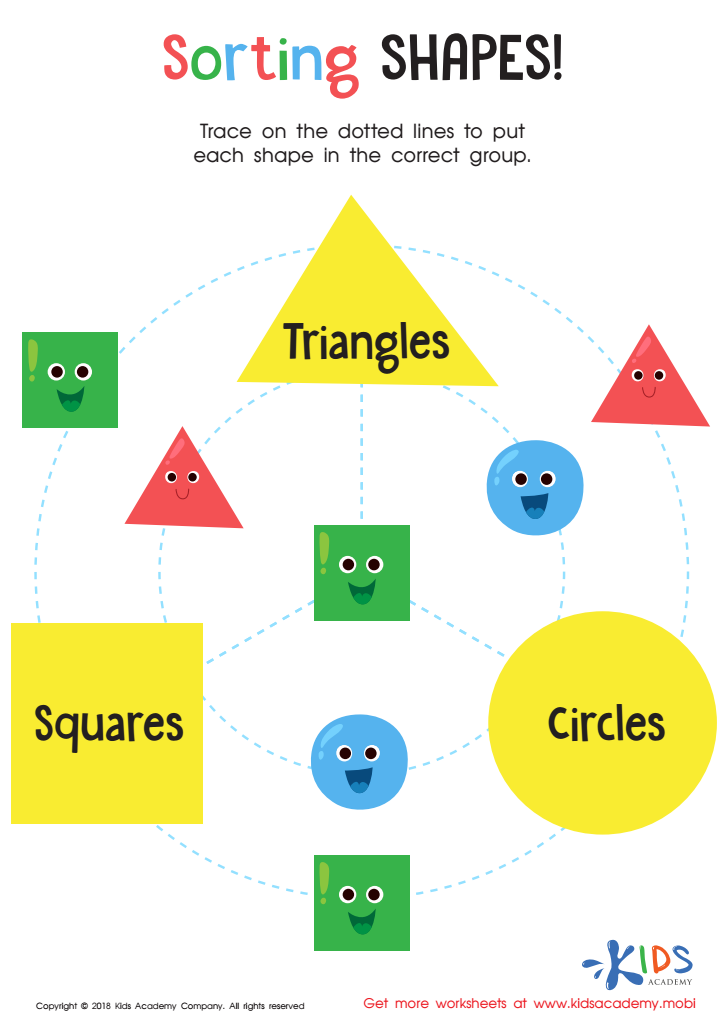
Sorting Shapes - Part 3 Worksheet
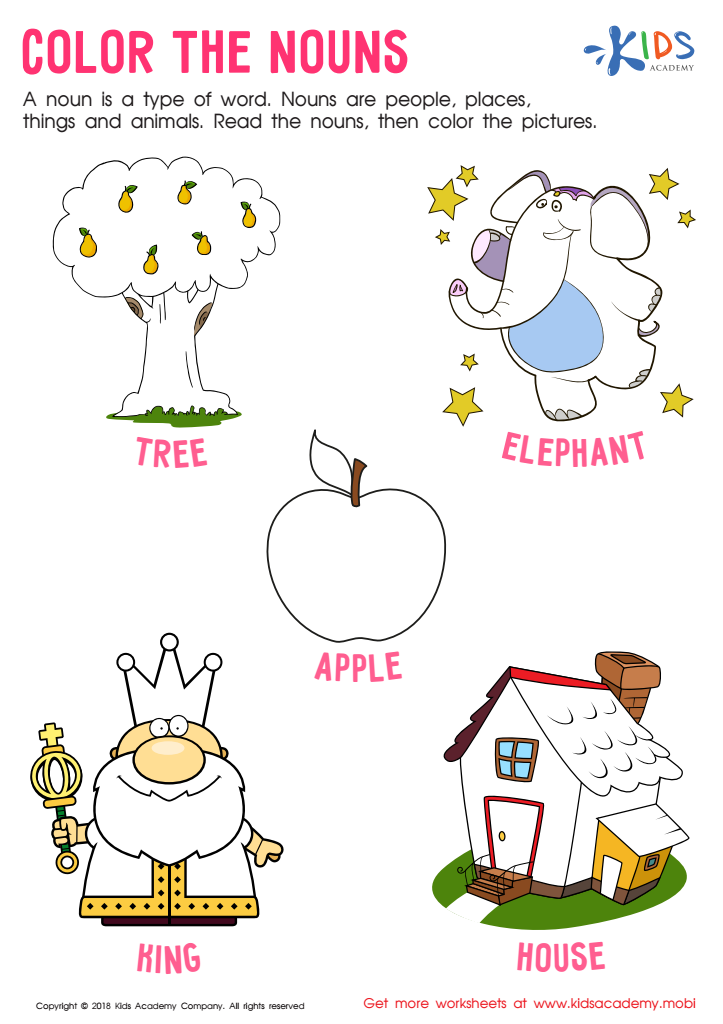
Color the Nouns Worksheet
 Assign to My Students
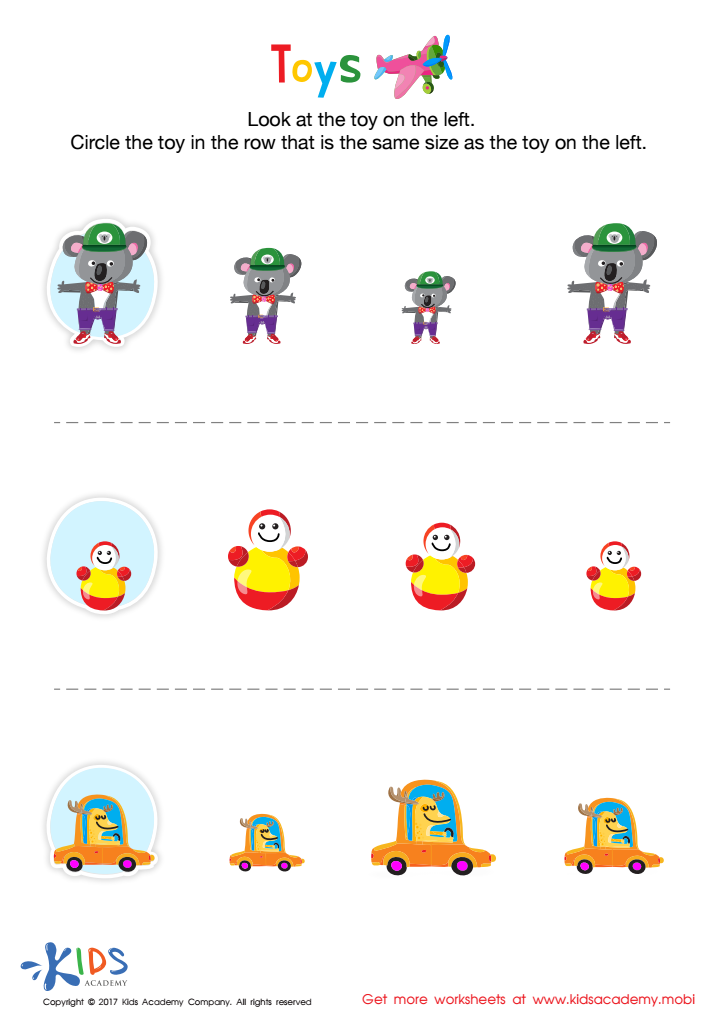
Matching: Classifying Toys by Size Worksheet
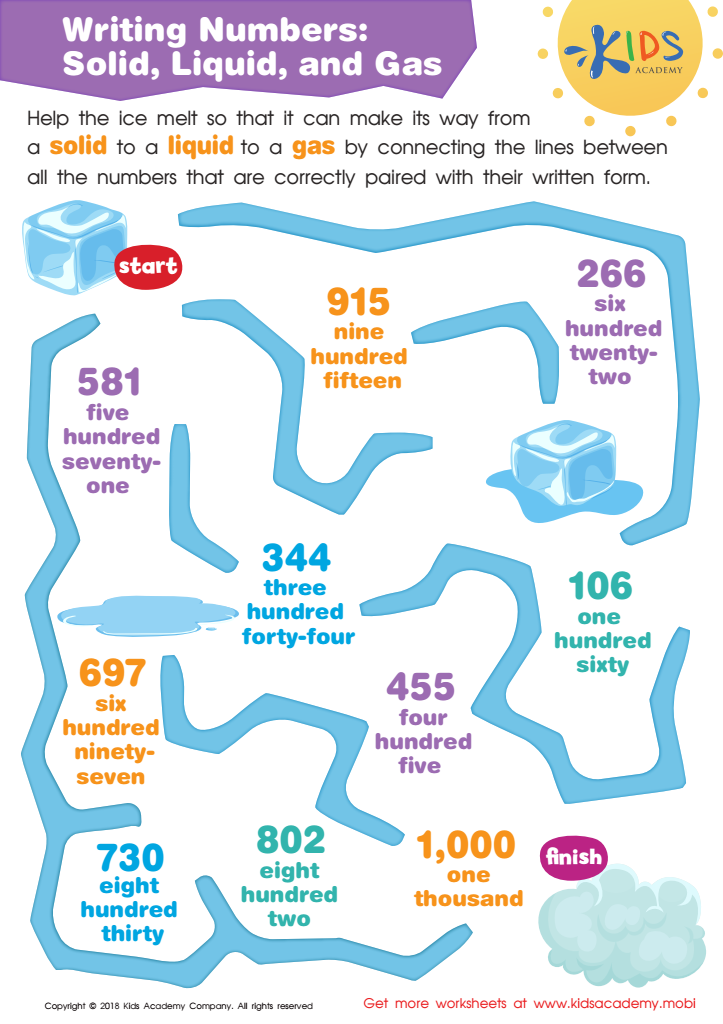
Solid, Liquid, and Gas Writing Numbers Worksheet
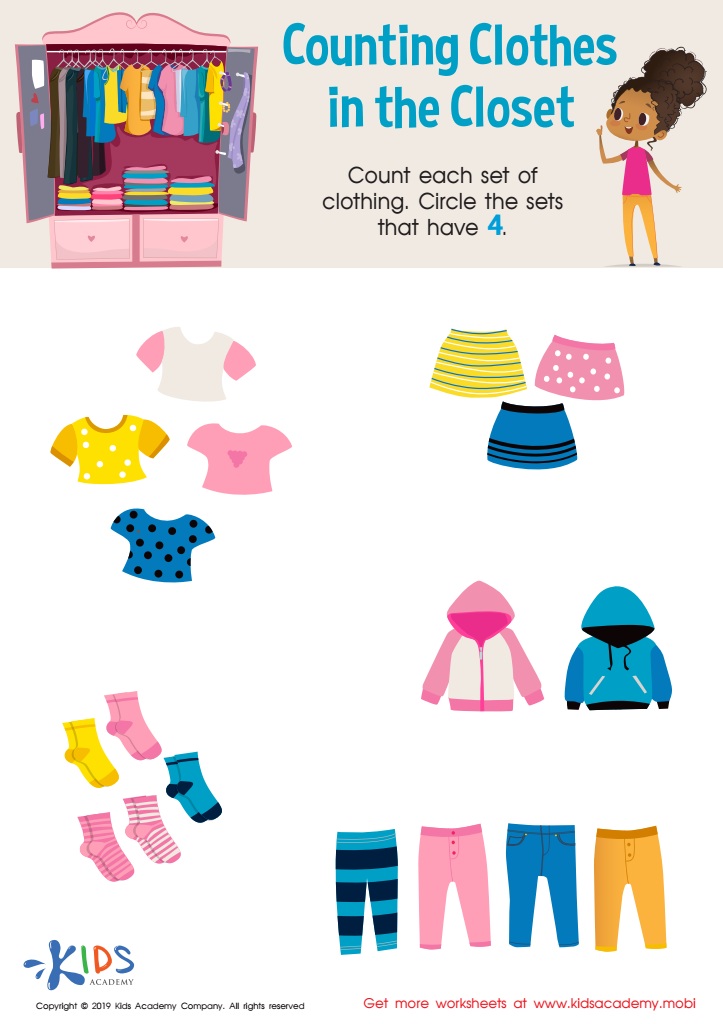
Counting Clothes Worksheet
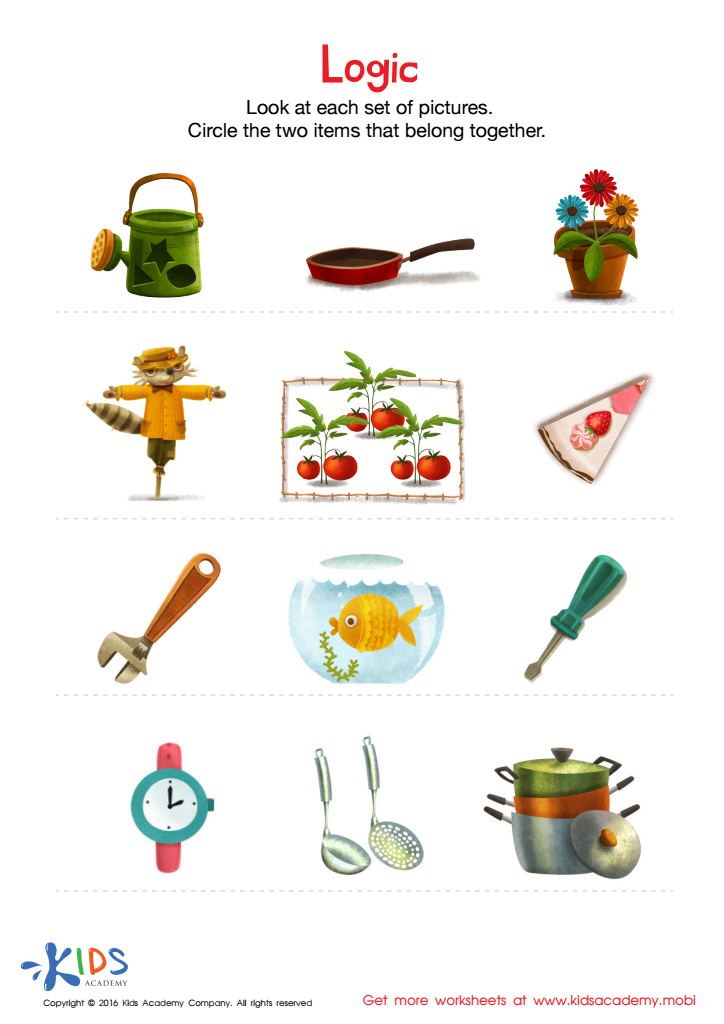
Logic Game Sorting Worksheet
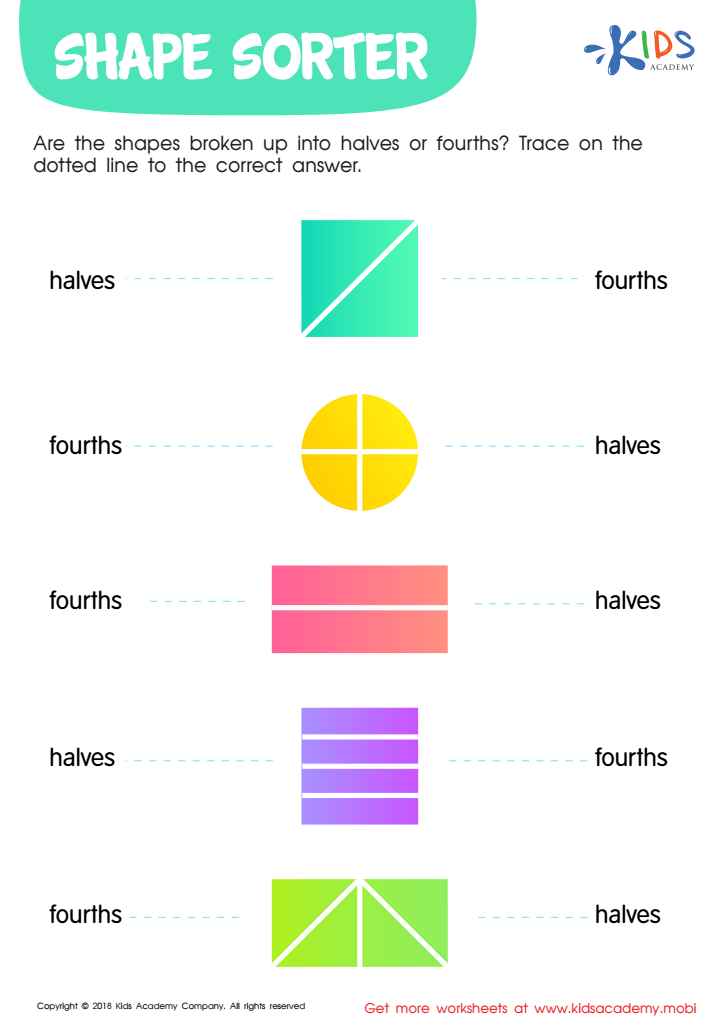
Shape Sorter Worksheet
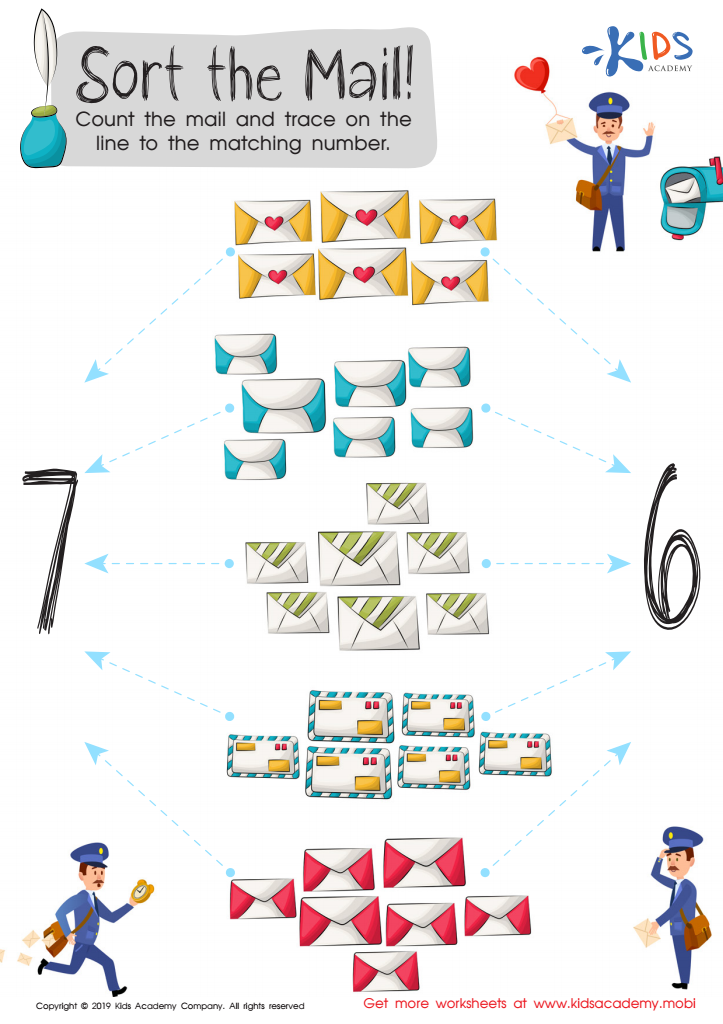
Sort the Mail Worksheet
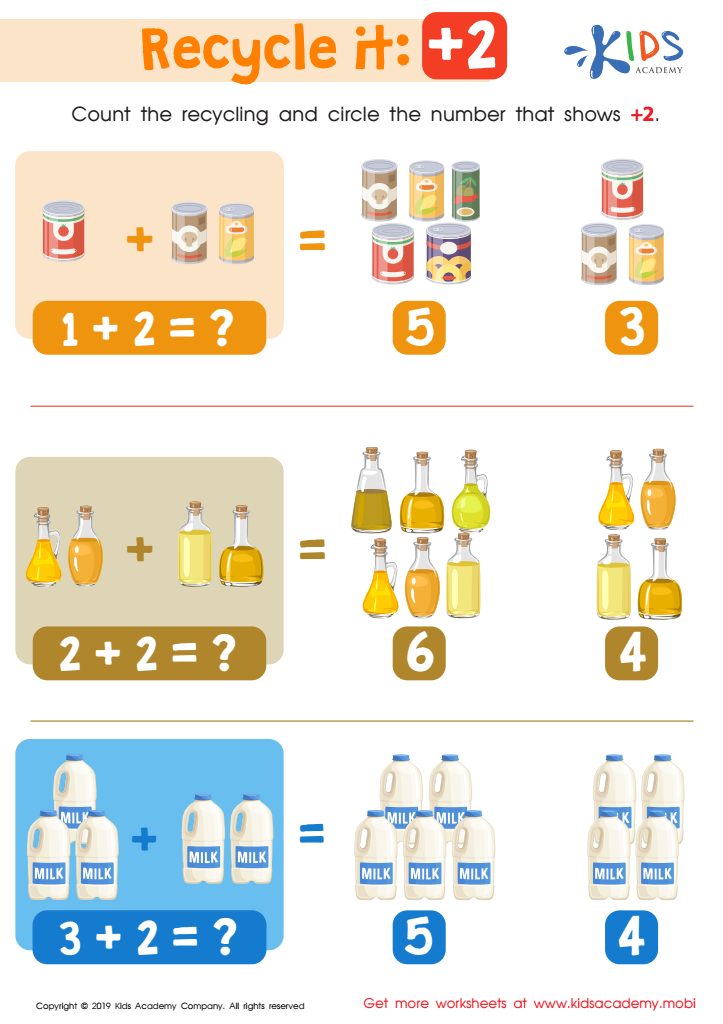
Recycle It: +2 Worksheet
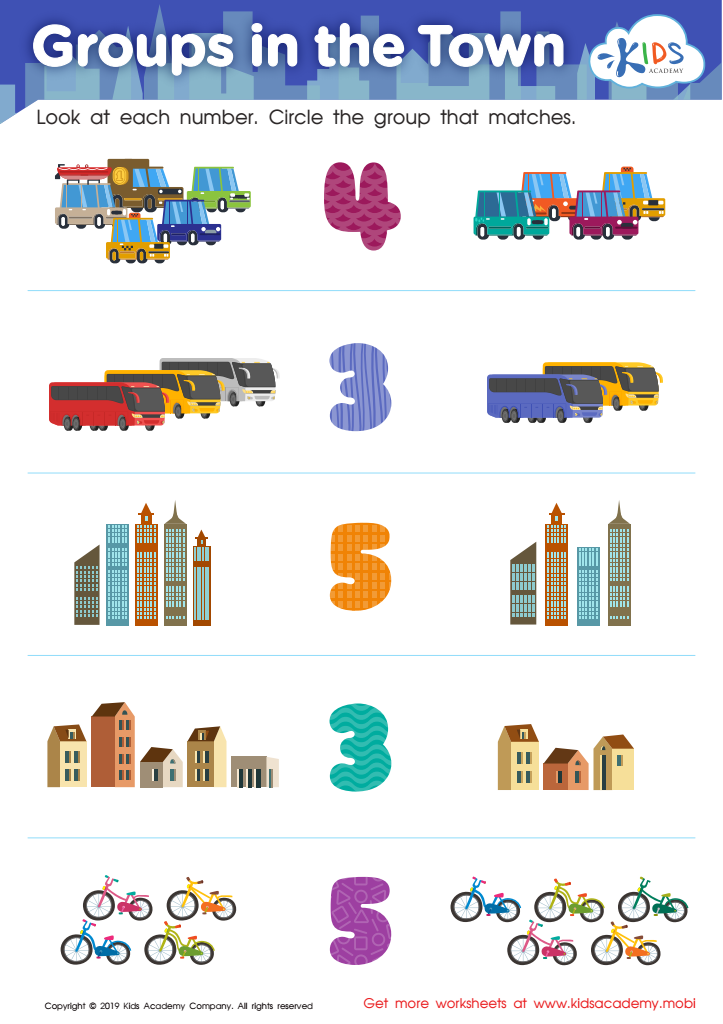
Groups in the Town Worksheet








Categorization skills in math are fundamental for children aged 6-7 as they lay the foundation for higher cognitive processes. At this developmental stage, kids are in a crucial phase of honing their ability to group objects and concepts based on similarities and differences. When parents and teachers foster these skills, they are essentially helping children develop critical thinking and organizational abilities, which are pivotal for future academic success.
For instance, categorizing numbers or shapes can help children understand mathematical concepts such as grouping, order, and hierarchies — concepts that are essential for grasping addition, subtraction, and later, more complex mathematical operations. Moreover, categorization skills aid in problem-solving and analytical thinking. When kids can categorize, they are better at spotting patterns and making connections, abilities that are crucial for subjects beyond mathematics.
Socially, these skills help children make sense of the world by sorting information into manageable chunks, making learning more accessible and less overwhelming. Attention to these skills at ages 6-7 ensures a smoother transition to the abstract thinking needed in upper elementary grades.
In essence, strong categorization skills empower children with a structured way to approach learning, equipping them with a systematic toolkit that applies to both everyday situations and complex academic challenges. Hence, parents and teachers should invest time in nurturing these skills to provide a well-rounded, supportive educational foundation.








