
Understanding numbers Math Worksheets for Ages 6-7
3 filtered results
Difficulty Level
Grade
Age
-
From - To
Subject
Activity
Standards
Unlock the world of numbers with our "Understanding Numbers" Math Worksheets for Ages 6-7! Designed specifically for young learners, these engaging, interactive worksheets help children grasp essential mathematical concepts. Dive into activities that promote number sense, counting, comparison, and value recognition, laying a strong foundation for future math skills. Each worksheet is tailored to encourage critical thinking and improve confidence in mathematics through colorful visuals and fun exercises. Ideal for both classroom settings and at-home learning, our resources make math enjoyable and accessible for every child. Start their numerical journey today and watch them thrive in math!
Favorites
With answer key
Interactive
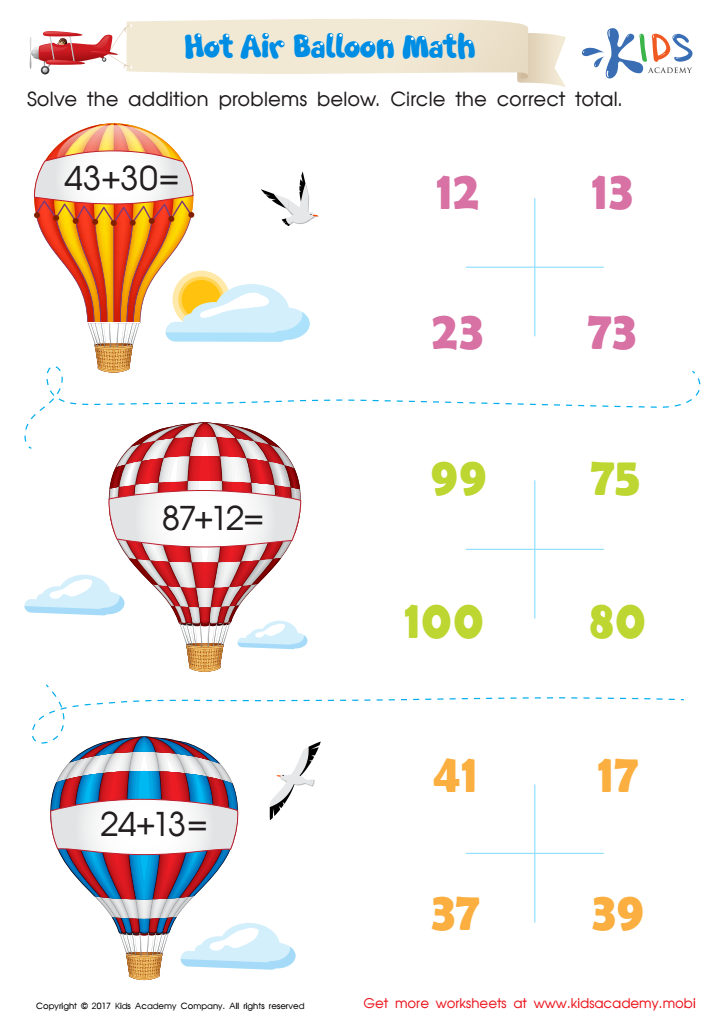
Hot Air Balloon Math Worksheet
It uses engaging pictures and a hot air balloon theme to keep your child interested, and it’s designed to build addition confidence.
 Assign to My Students
Hot Air Balloon Math Worksheet
Worksheet
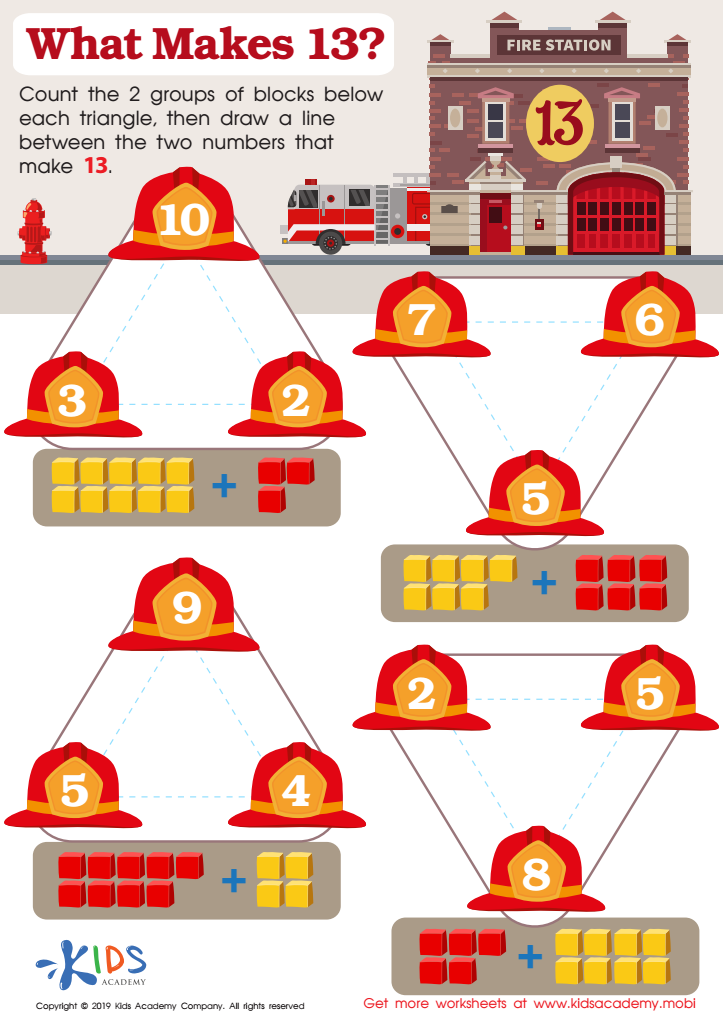
What Makes 13 Worksheet
Help your kids practice maths with this worksheet! With colourful images and simple equations, your kids will be more engaged in learning. Go through the four equations and help them add up the numbers. Then, draw a line between the numbers that make 13. Doing this will aid their learning and understanding.
What Makes 13 Worksheet
Worksheet
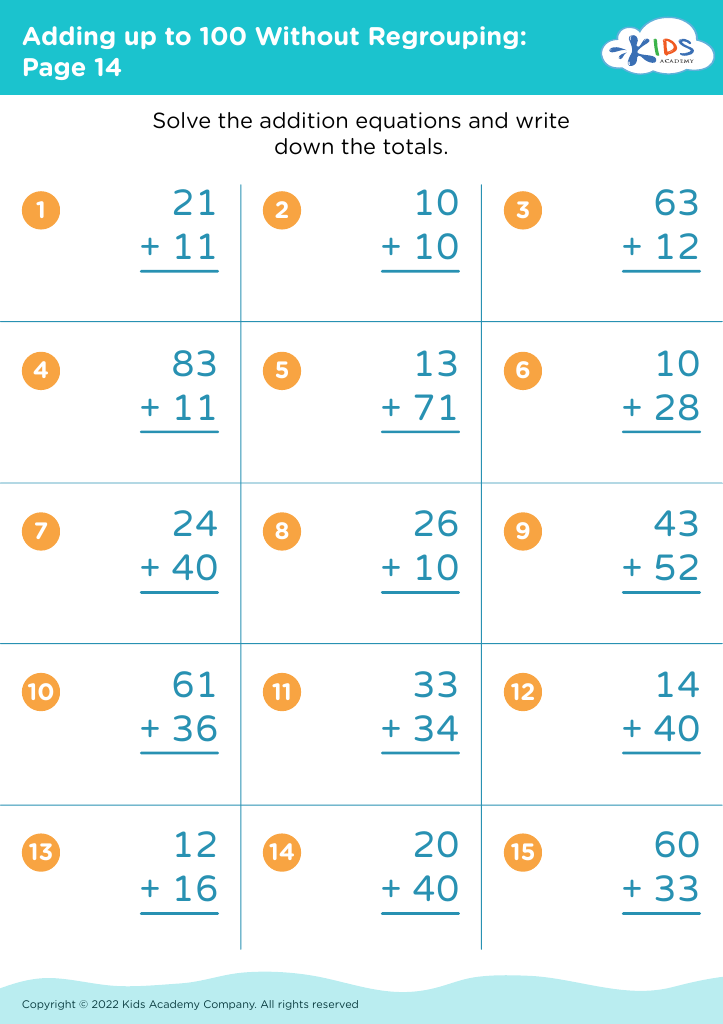
Join Kids Academy for Free
Who is primarily going to use this learning content?







Understanding numbers is a pivotal foundation for young learners, particularly for children aged 6-7. At this age, students are equipped to grasp basic mathematical concepts, shaping their ability to tackle more complex ideas in the future. Parents and teachers should prioritize understanding numbers, as it encourages critical thinking and problem-solving skills.
Developing number sense helps children comprehend patterns, relationships, and numerical ranges. It fosters confidence in their mathematical abilities, providing a strong sense that they can address everyday situations requiring math, from budgeting their allowance to measuring ingredients while cooking. An early grasp of numbers empowers students to analyze and interpret data, fostering analytical skills that extend beyond math classes.
Moreover, number understanding is crucial for standardized assessments and future academic achievement. If caregivers invest time in reinforcing these concepts through engaging activities and discussions, they not only enhance mathematical proficiency but cultivate a positive attitude towards learning.
Encouraging an enthusiasm for math helps cultivate lifelong learners who appreciate the relevance of mathematics in everyday life. By encompassing a supportive approach to understanding numbers, parents and teachers create an enriching environment that nurtures confident, curious, and capable young mathematicians.








