Understanding symmetry Math Worksheets for Ages 6-7
29 filtered results
-
From - To
Discover the fun of symmetry with our engaging math worksheets designed specifically for children ages 6-7! These worksheets will help your young learners grasp the concept of symmetry through a variety of interactive activities. From identifying symmetrical shapes to completing patterns, these exercises promote critical thinking and problem-solving skills. Carefully crafted to cater to early learners, each worksheet encourages creativity, enhances visual awareness, and reinforces foundational math concepts in a playful manner. Perfect for classroom use or at-home learning, our Understanding Symmetry worksheets provide a delightful way to inspire curiosity and foster a love for math in your child. Explore today!
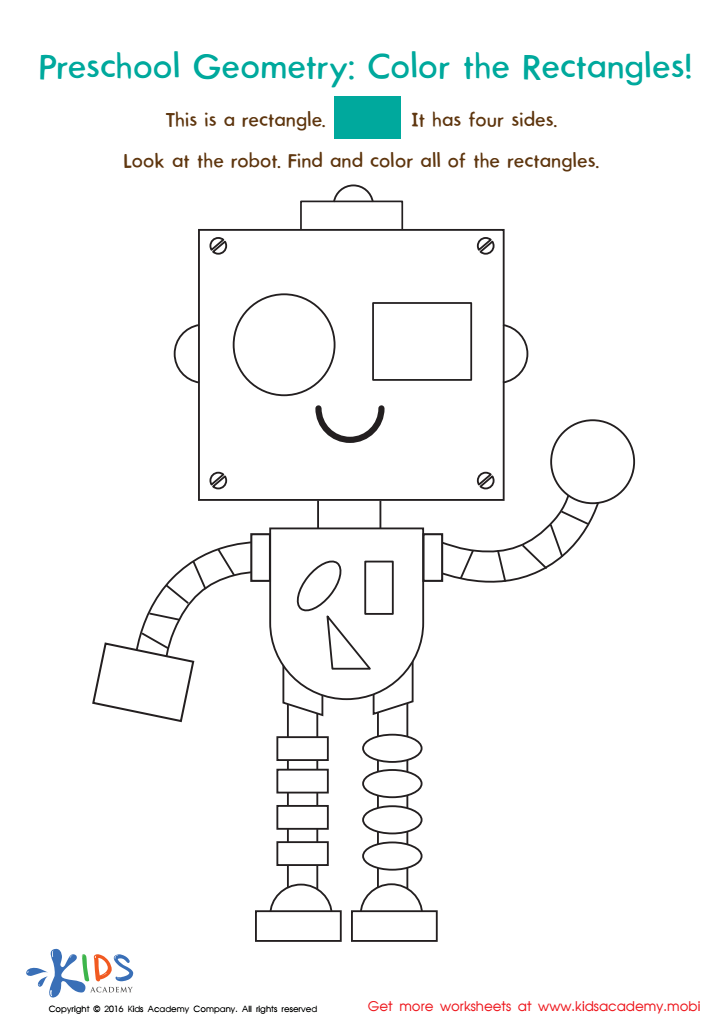
Geometry Worksheet
 Assign to My Students
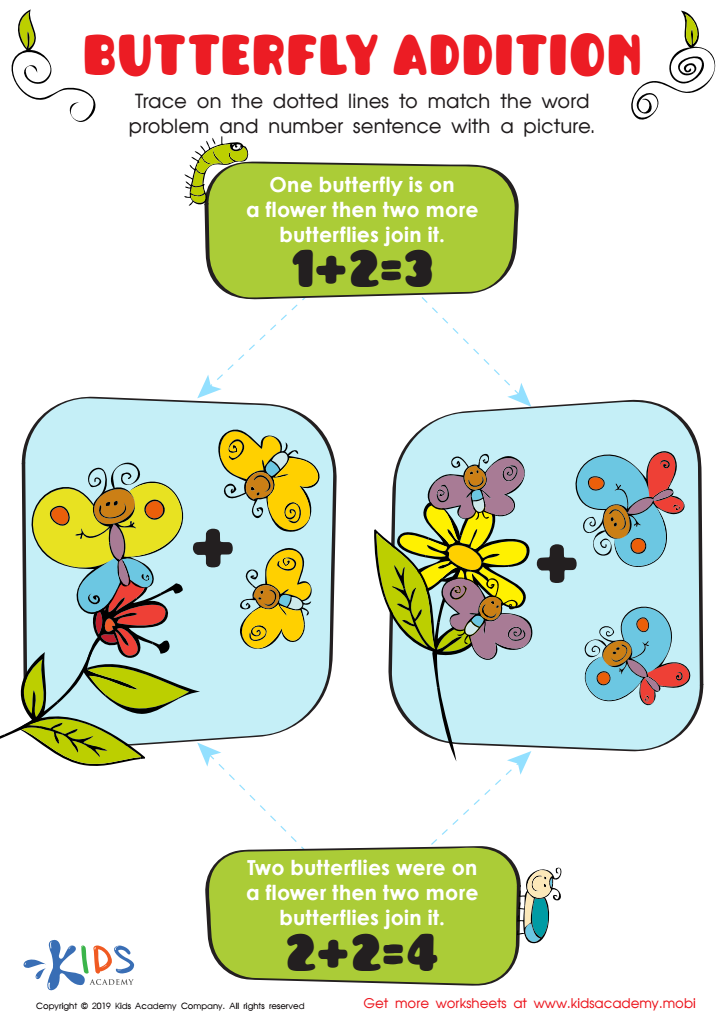
Butterfly Addition Worksheet
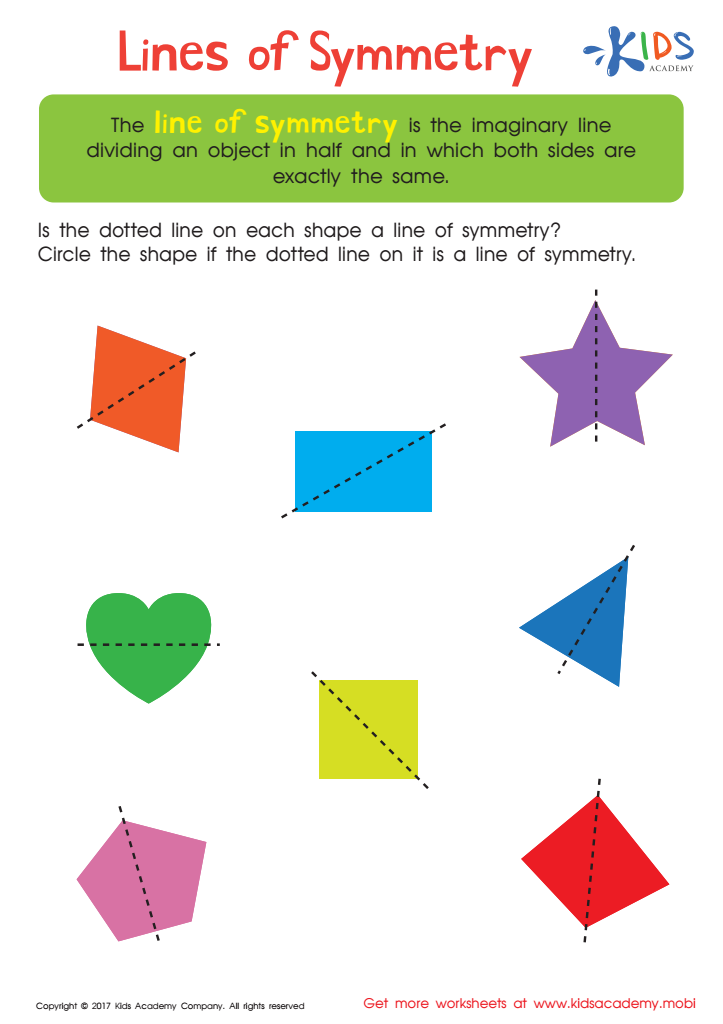
Lines of Symmetry Printable
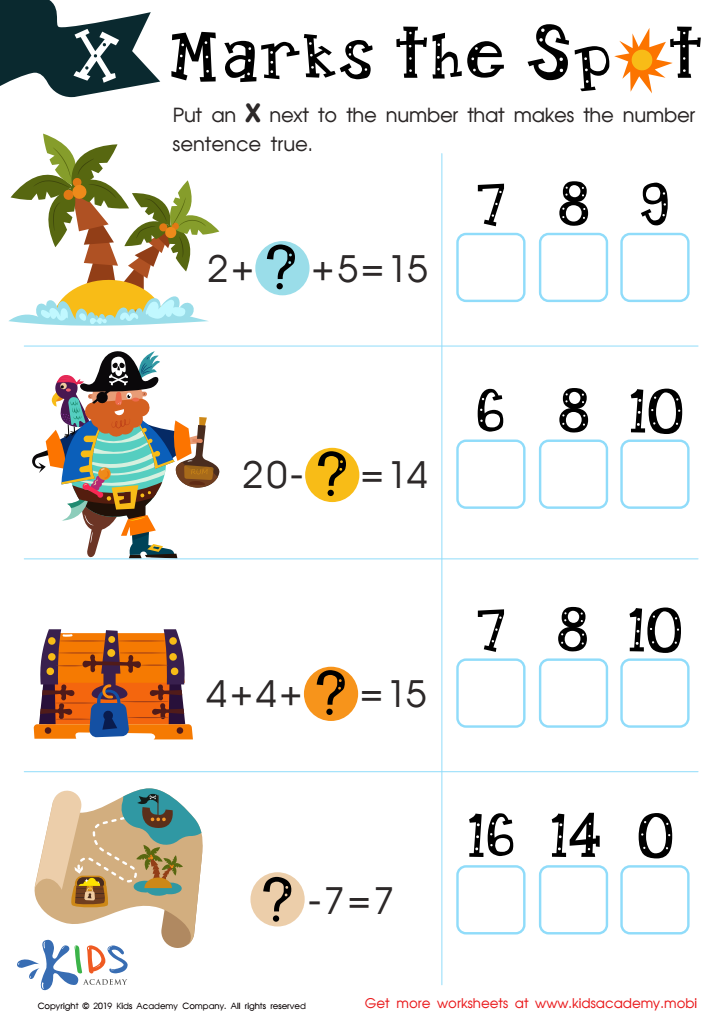
X Marks the Spot Worksheet
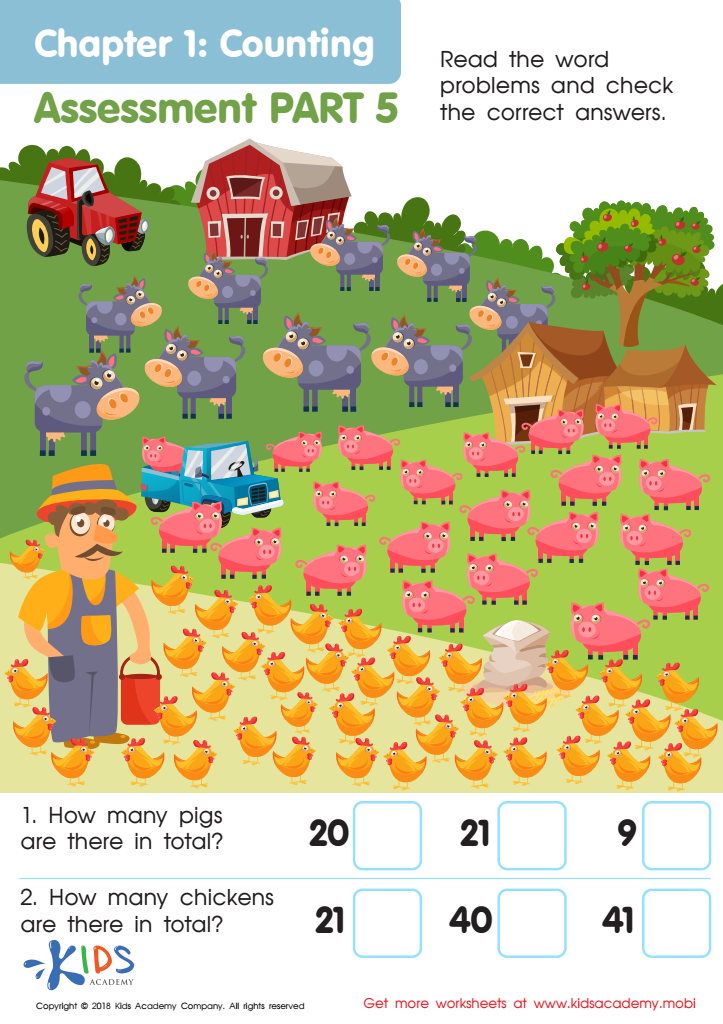
Counting: Assessment 5 Worksheet
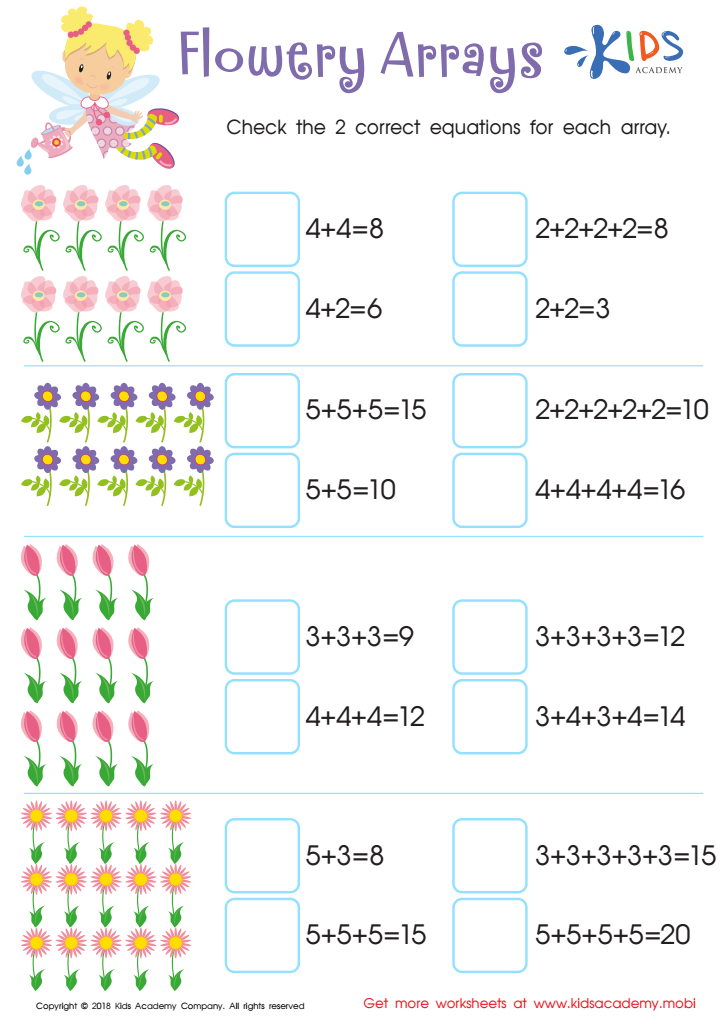
Flowery Arrays Worksheet







Understanding symmetry is crucial for young learners, particularly those aged 6-7, as it lays the foundation for essential mathematical skills and concepts. At this stage, children begin to recognize patterns, shapes, and relationships, which are integral to developing spatial reasoning. Grasping symmetry helps in the understanding of more complex mathematical ideas such as transformations and geometry.
When parents and teachers emphasize symmetry, they also help children connect math to the real world. From nature’s balanced leaves to the arches of bridges, recognizing symmetrical patterns enhances observational skills and promotes critical thinking. Moreover, exploring symmetry can boost creativity; children can engage in art projects that involve symmetrical designs, merging math with creativity.
Furthermore, understanding symmetry promotes problem-solving abilities. When children learn to identify symmetrical objects or create symmetrical patterns, they develop analytical thinking, which is key in overall academic growth.
Finally, providing experiences centered on symmetry fosters collaboration and discussion among peers, building communication skills. Thus, prioritizing symmetry in early math education equips children with both foundational math skills and encourages their holistic development, making it an essential focus for parents and teachers alike.








