
Critical thinking skills Reading Worksheets for Ages 6-7
8 filtered results
Difficulty Level
Grade
Age
-
From - To
Subject
Activity
Standards
Enhance your child's critical thinking skills with our engaging reading worksheets designed for ages 6-7. These thoughtfully crafted activities encourage young learners to interpret texts, analyze information, and draw conclusions. Our worksheets incorporate fun plots and relatable characters, making reading a joyous experience while promoting cognitive development. Each exercise supports comprehension, reasoning, and inference skills that are crucial for academic success. Ideal for home practice or classroom use, these resources empower children to think creatively and critically about what they read. Explore our collection and help your child become a confident and capable thinker today!
Favorites
With answer key
Interactive
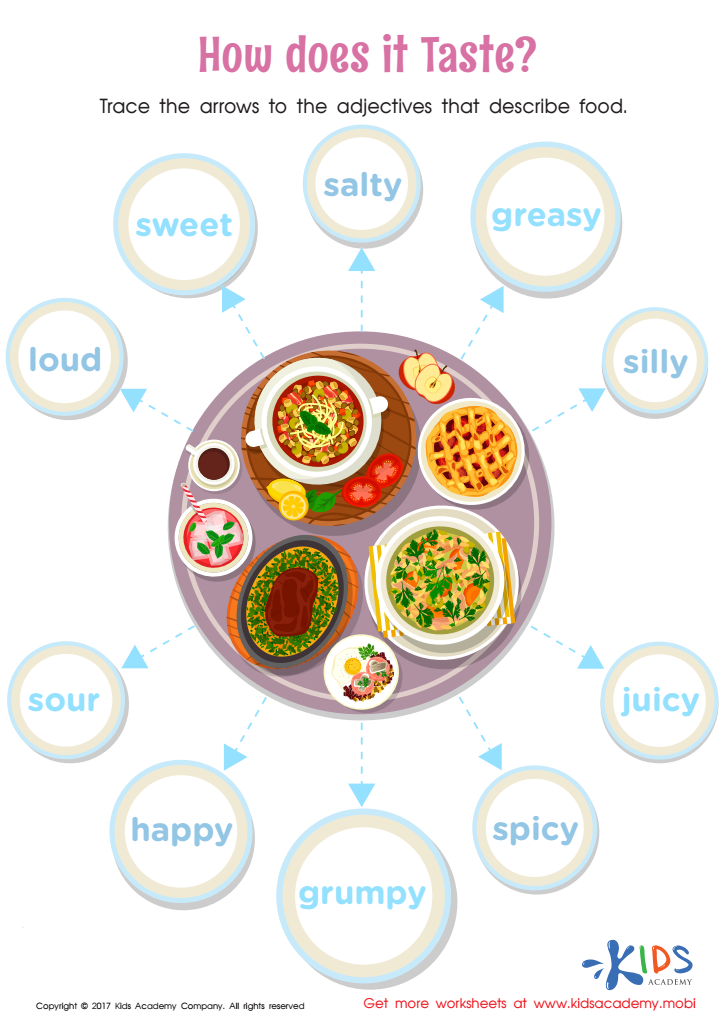
Food Adjectives Worksheet
Here’s a fun PDF worksheet to get your child’s taste buds tingling and help build descriptive language skills!
 Assign to My Students
Food Adjectives Worksheet
Worksheet
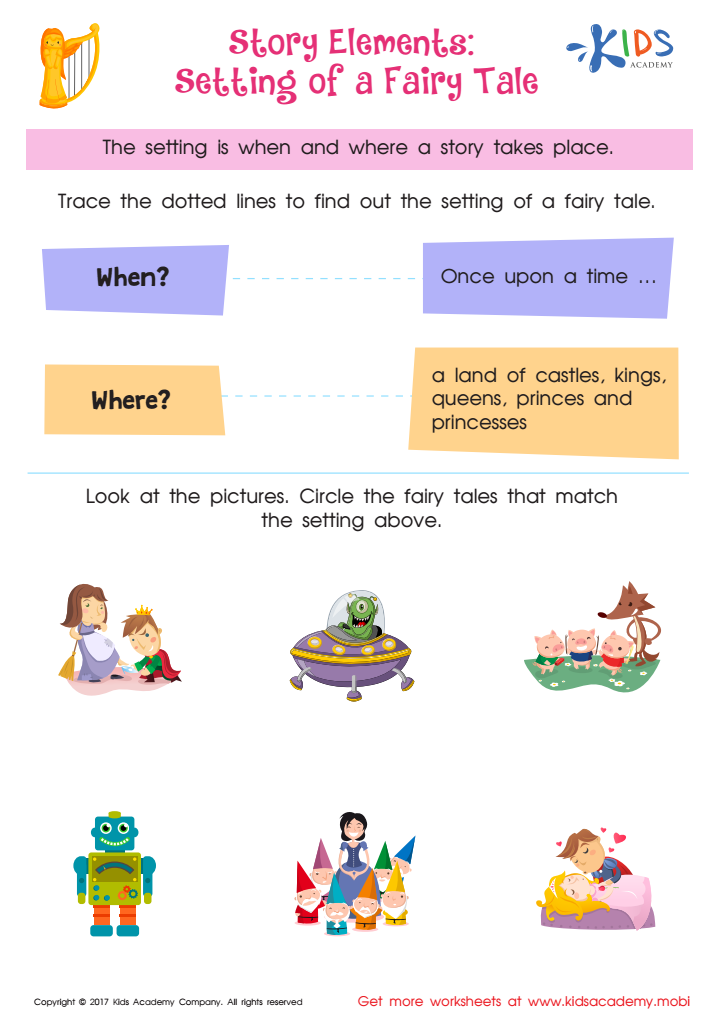
Story Elements: Setting of a Fairy Tale Printable
Help your child learn to analyze stories starting with setting. Use Story Elements worksheet to break down setting into two parts. This will help your child recognize setting quickly and understand its importance in the plot.
Story Elements: Setting of a Fairy Tale Printable
Worksheet
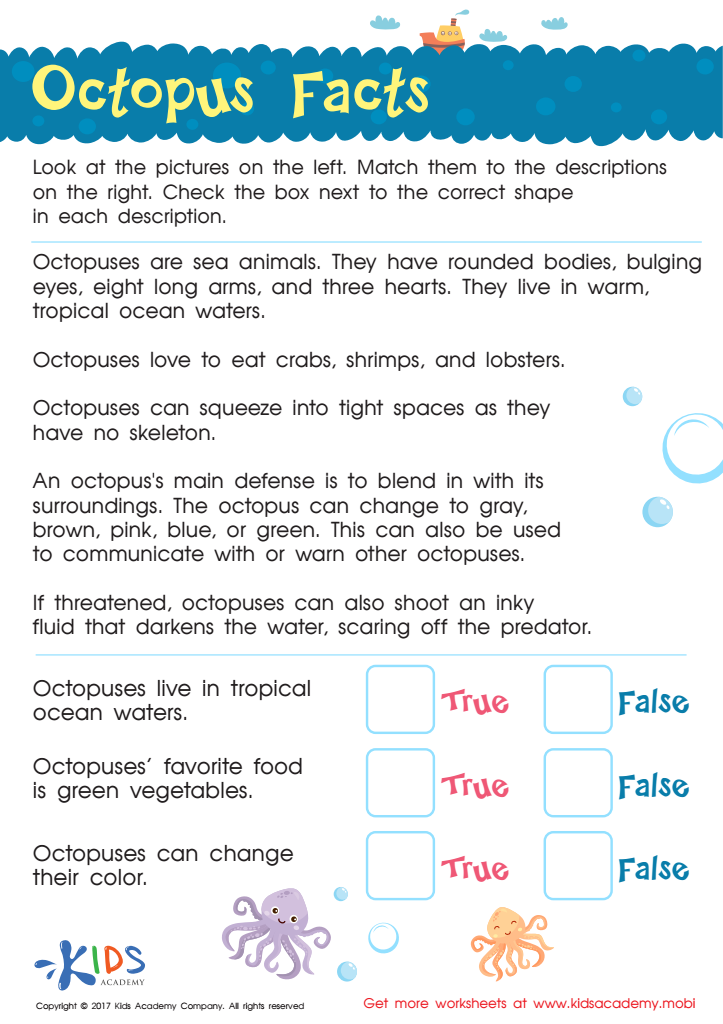
Octopus Facts Worksheet For Kids
Let your child dive into the world of octopuses with this fun worksheet. It offers invaluable practice in reading non-fiction texts, while they learn interesting facts about these strange sea creatures. It's a great way to help them hone their skills in reading comprehension.
Octopus Facts Worksheet For Kids
Worksheet
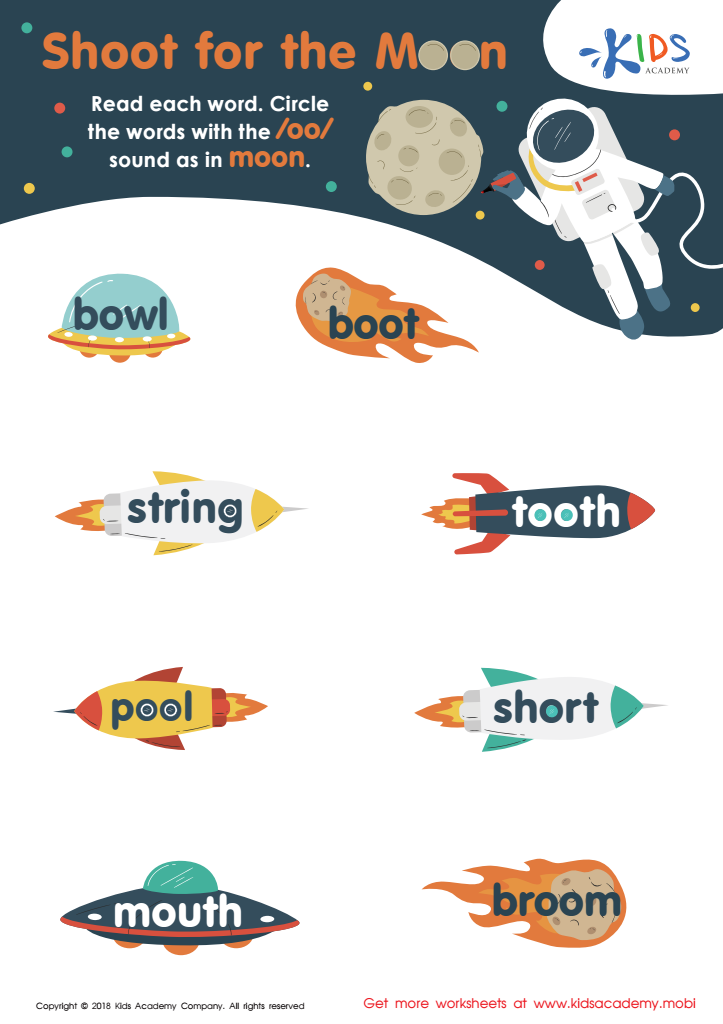
Reading: Shoot for the Moon Worksheet
Ask your kids if they can name any common words with the /oo/ sound. Read each word with them and help them pronounce it. Then, have them circle the words that have the /oo/ sound as in moon.
Reading: Shoot for the Moon Worksheet
Worksheet
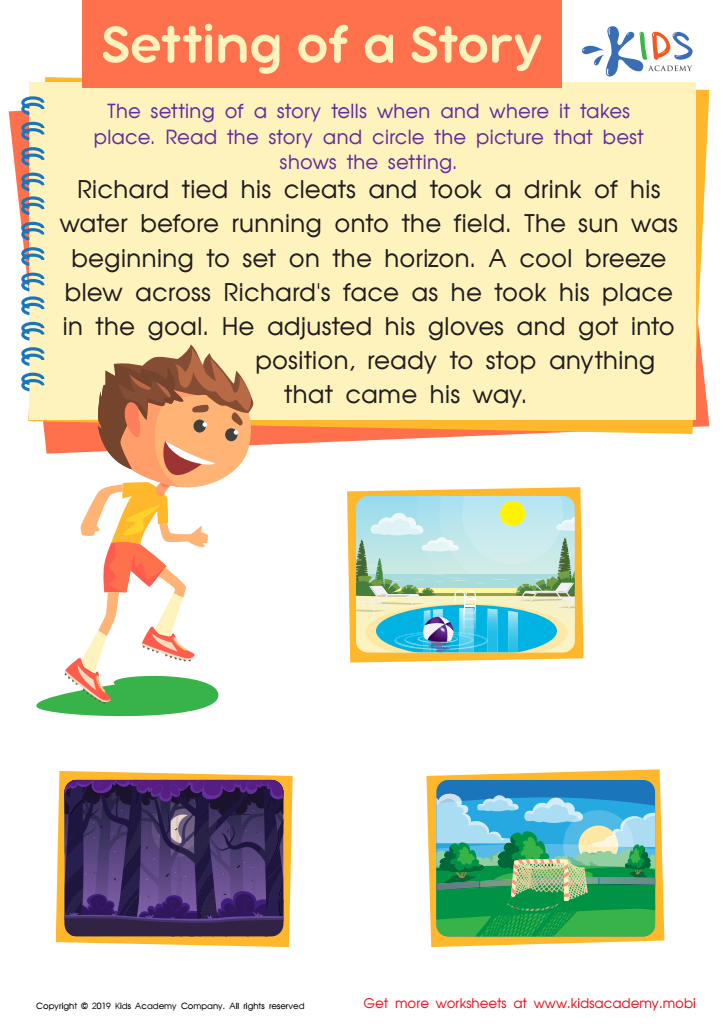
Setting of a Story Worksheet
You need characters, theme, POV, plot and setting to tell a good story. Ask your kids to explain them and use this worksheet with a story to teach them about setting. Read the story with your kids, then have them circle the picture that best shows the setting.
Setting of a Story Worksheet
Worksheet
Join Kids Academy for Free
Who is primarily going to use this learning content?








Critical thinking skills in reading are essential for children aged 6-7 as they lay the foundation for future academic success and personal development. At this age, children are developing the ability to process and understand information more deeply, far beyond mere memorization. By encouraging critical thinking skills, parents and teachers help children learn to analyze, evaluate, and interpret the texts they encounter.
When children engage critically with what they read, they become better problem solvers and decision-makers. They learn to ask questions, connect ideas, and make predictions—skills that are crucial not only in academics but also in everyday life. This age group is particularly receptive to developing these skills, as their cognitive abilities are maturing, and they can start to grasp more complex ideas.
Moreover, cultivating critical reading skills fosters a love for reading. When children see books as more than just stories, but as tools for thinking and discovering, they become more engaged and motivated readers. This engagement is vital in building literacy skills, enhancing vocabulary, and nurturing a lifelong appreciation for reading. Ultimately, teaching critical thinking in reading nurtures confident communicators and independent thinkers, preparing them for future challenges.








