
Logical thinking Reading Worksheets for Ages 6-7
3 filtered results
Difficulty Level
Grade
Age
-
From - To
Subject
Activity
Standards
Discover our engaging Logical Thinking Reading Worksheets designed specifically for children ages 6-7. These worksheets help young learners develop critical reasoning and comprehension skills through fun and interactive activities. By integrating logic puzzles and reading comprehension tasks, these resources promote analytical thinking and enhance reading abilities. As children grasp the connections between words and ideas, they build a solid foundation for their future learning. Our thoughtfully crafted worksheets make learning enjoyable while encouraging self-paced exploration and problem-solving. Perfect for homeschoolers and classroom settings, these logical thinking exercises are a fantastic way to inspire curiosity and foster a love for reading in early learners.
Favorites
With answer key
Interactive
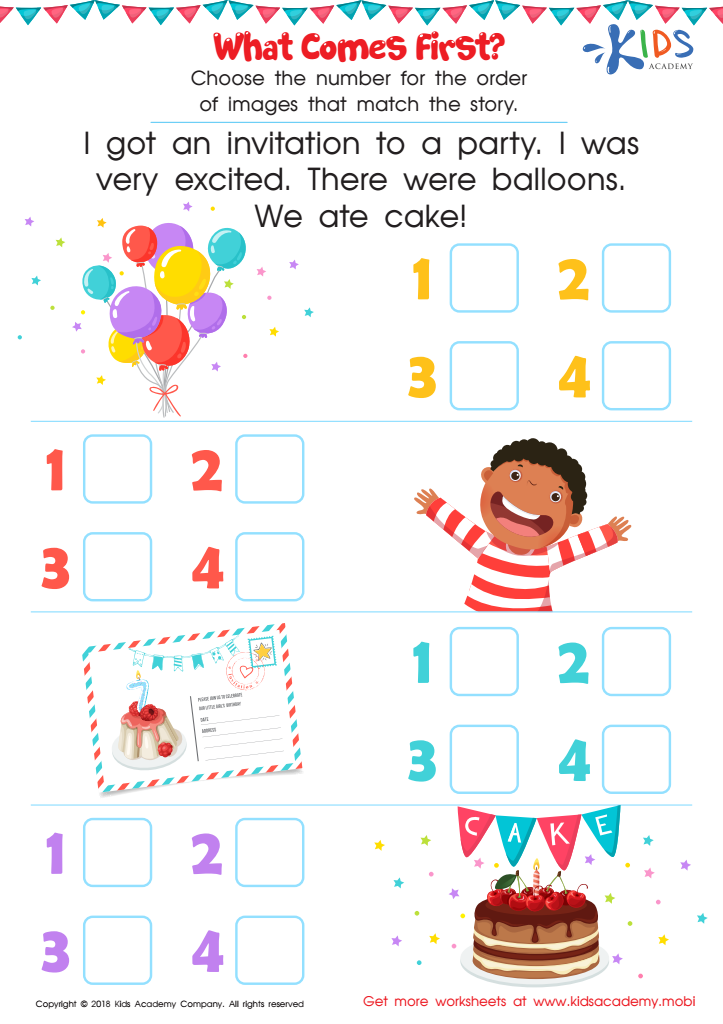
What Comes First Worksheet
Before you start, ask your child what they see in the picture. Read the story aloud together, then show them the images in order, numbered 1-5. Ask them to choose the numbers that match the story. Have fun and enjoy this party worksheet with your little one! (80 words)
 Assign to My Students
What Comes First Worksheet
Worksheet
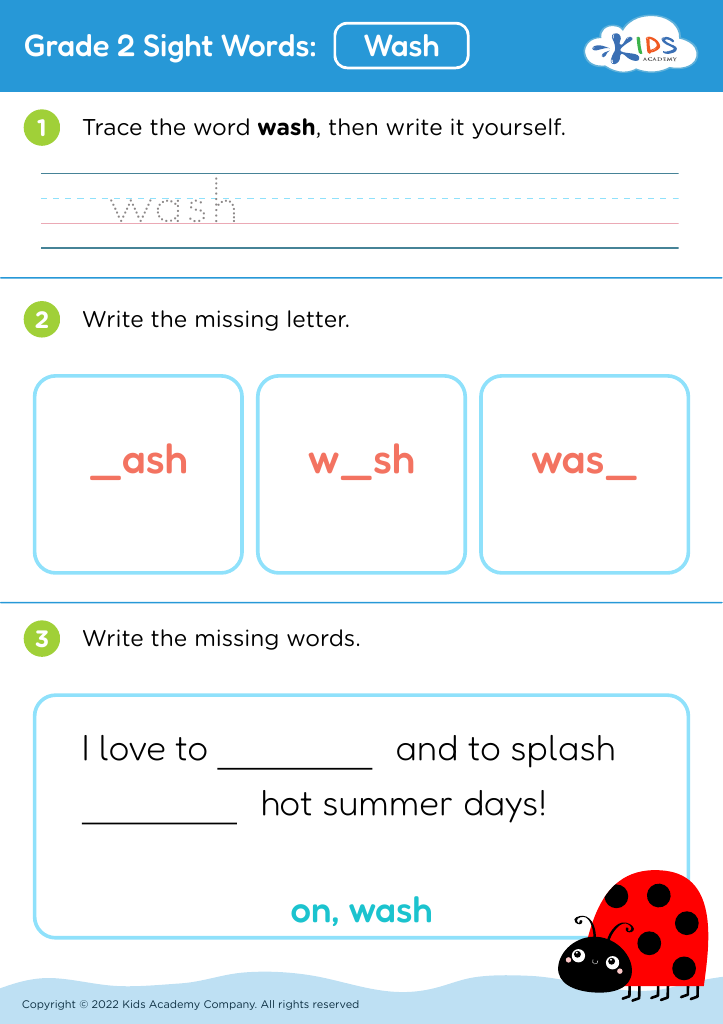
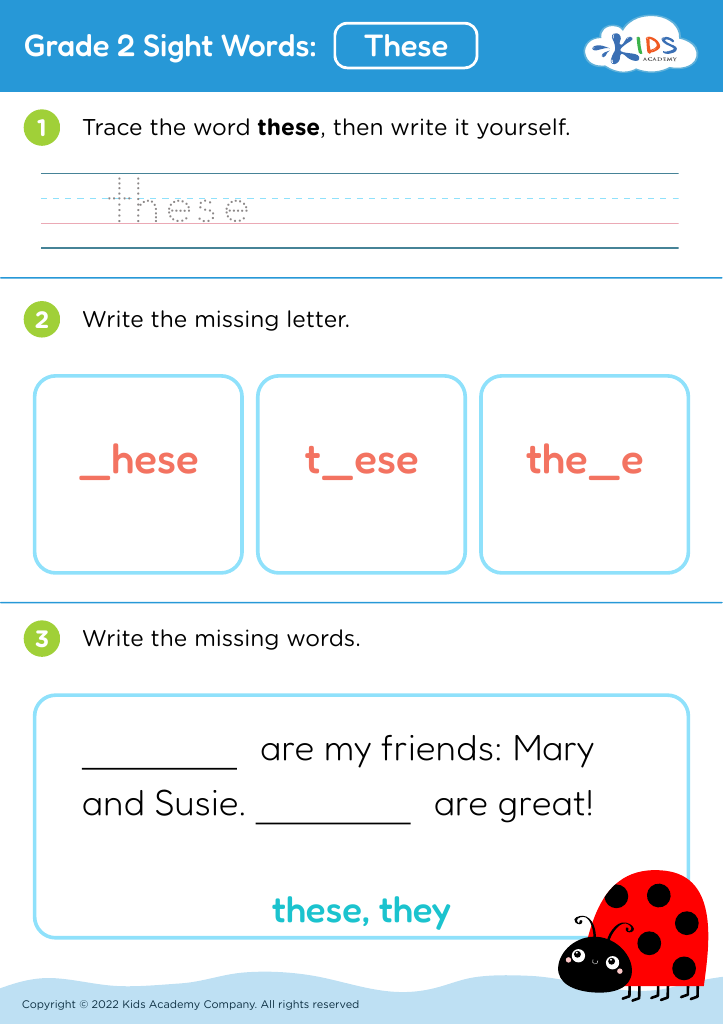
Join Kids Academy for Free
Who is primarily going to use this learning content?


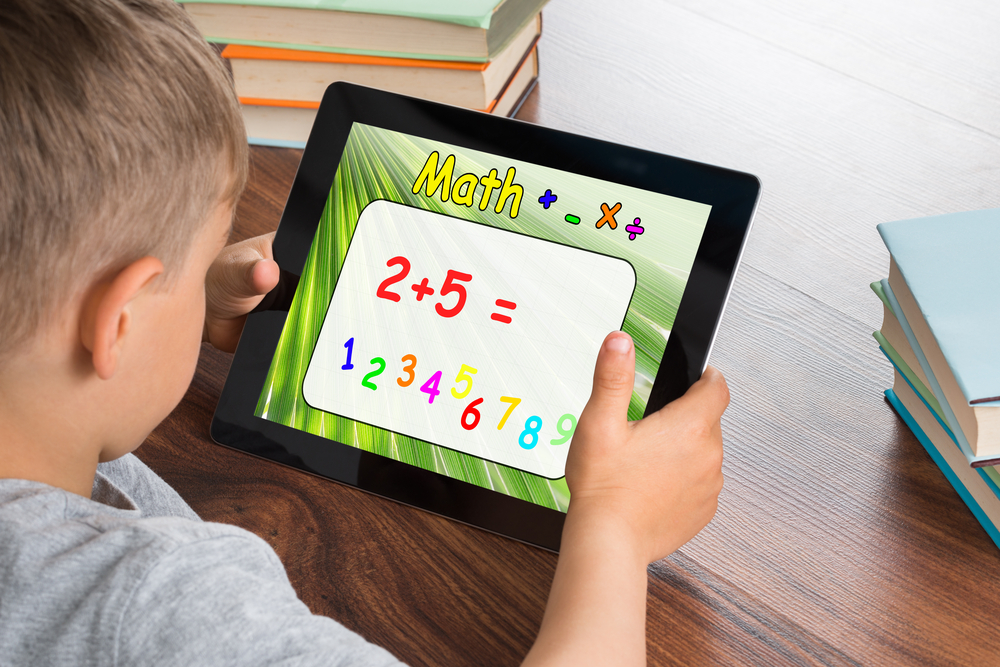





Logical thinking in reading is crucial for children aged 6-7 as it lays the foundation for critical cognitive skills that are essential for academic success. At this age, children begin to transition from learning to read to reading to learn, making it imperative that they develop the ability to process and analyze information. Engaging in logical thinking while reading helps children to make connections between ideas, understand sequences, and draw conclusions—skills that are fundamental not just in language arts but across all subjects.
Parents and teachers should care about fostering logical thinking in reading because it enhances comprehension and retention. When children learn to ask questions, make predictions, and infer meaning, they become more active participants in their reading journeys. This not only helps them to succeed in school but also nurtures a lifelong love for learning.
Furthermore, logical reading skills contribute to emotional intelligence by enabling children to understand the motivations and feelings of characters, promoting empathy and social awareness. By prioritizing logical thinking in reading, parents and educators empower children to become thoughtful readers and critical thinkers, preparing them for the complexities of future learning and life experiences.








