Critical Thinking Reading Comprehension Worksheets for Ages 6-7 - Page 2
36 filtered results
-
From - To
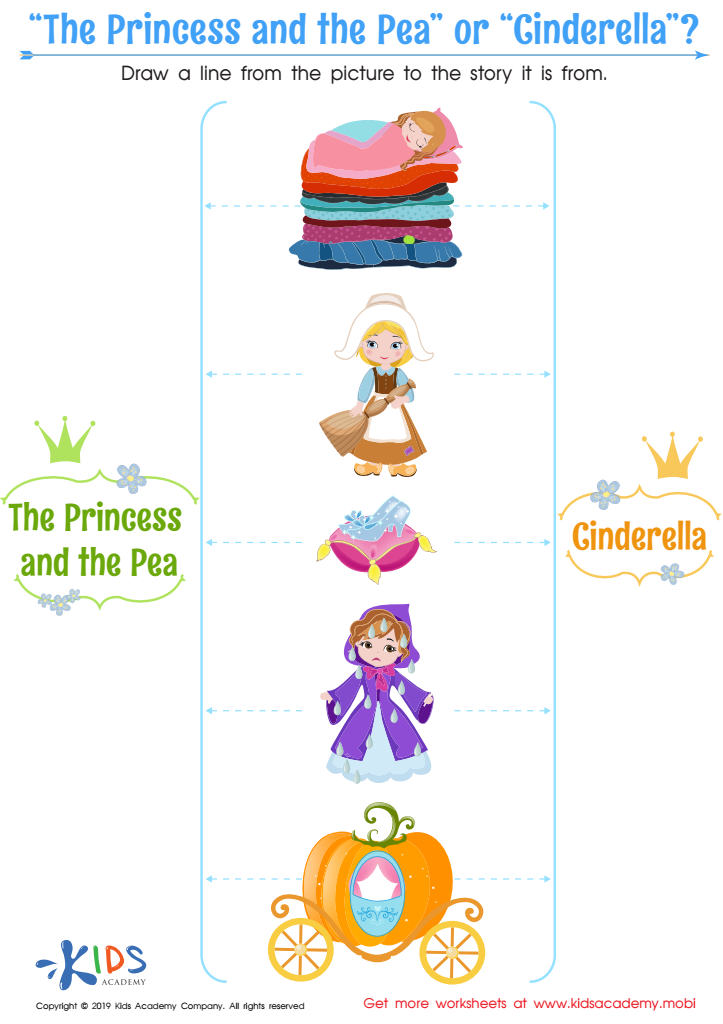
“The Princess and the Pea” or “Cinderella” Worksheet
 Assign to My Students
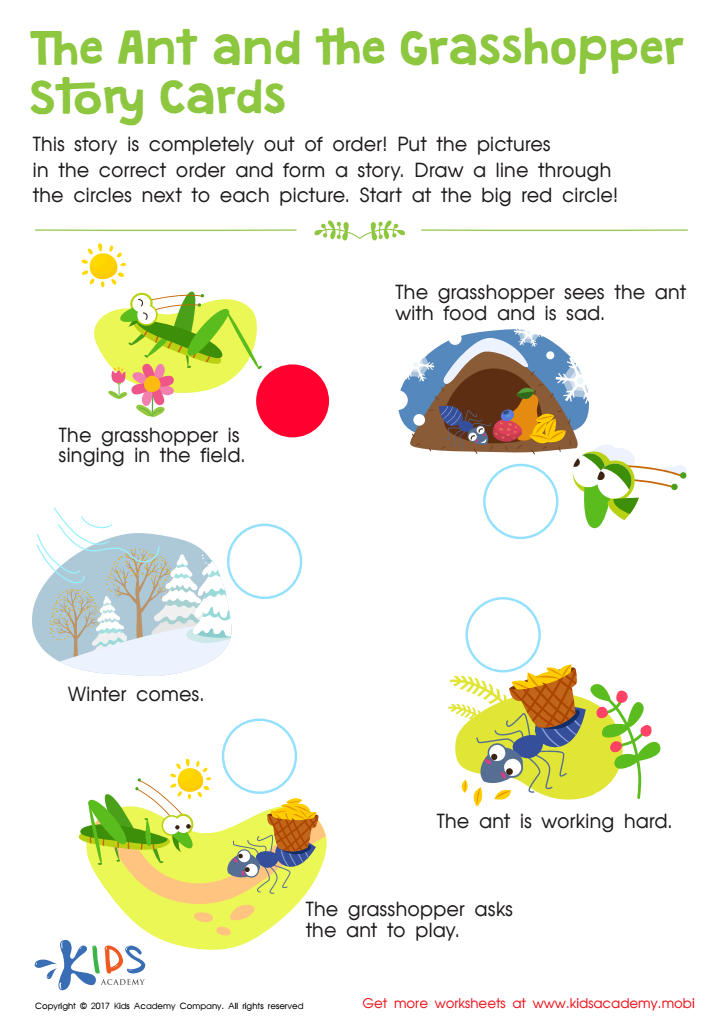
The Ant and The Grasshopper Worksheet
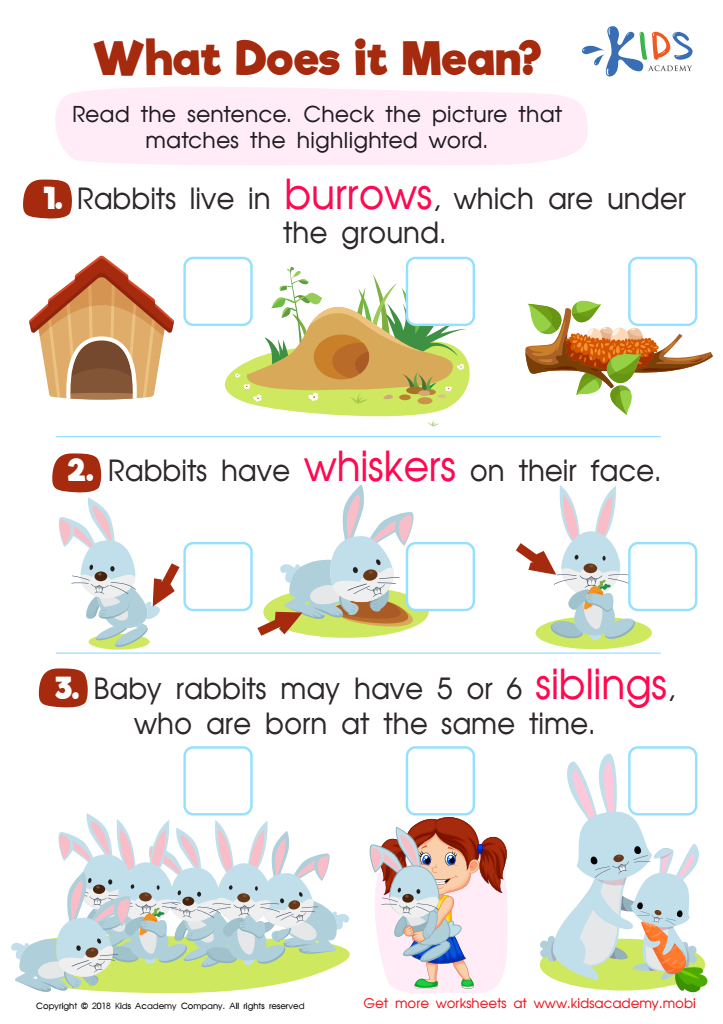
What Does It Mean? Worksheet
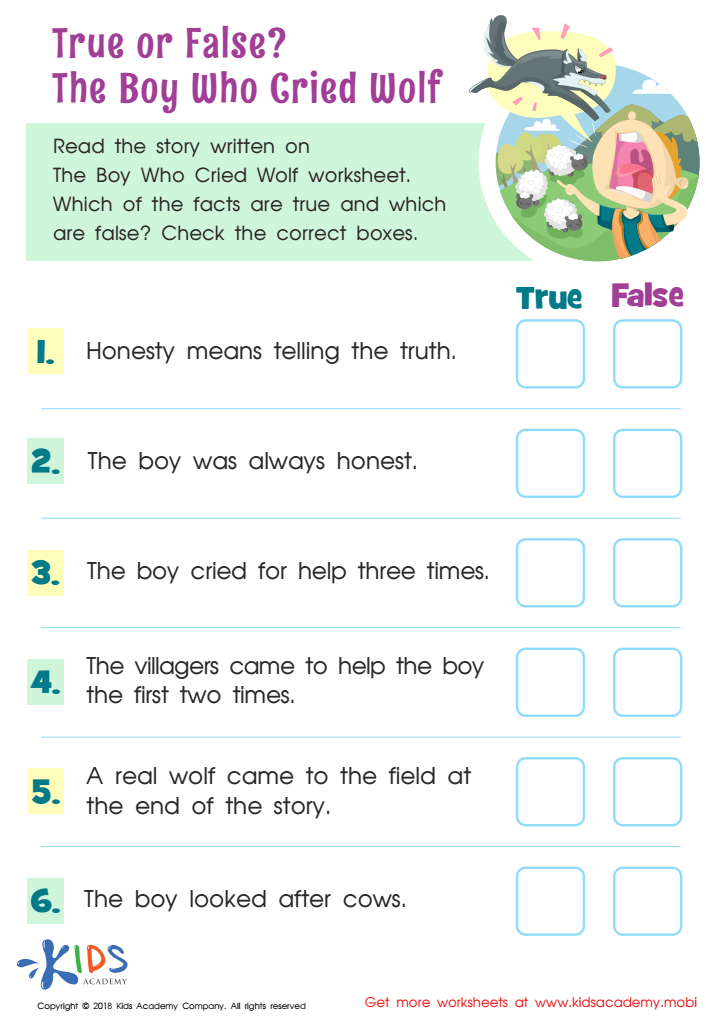
True or False? The Boy Who Cried Wolf Worksheet
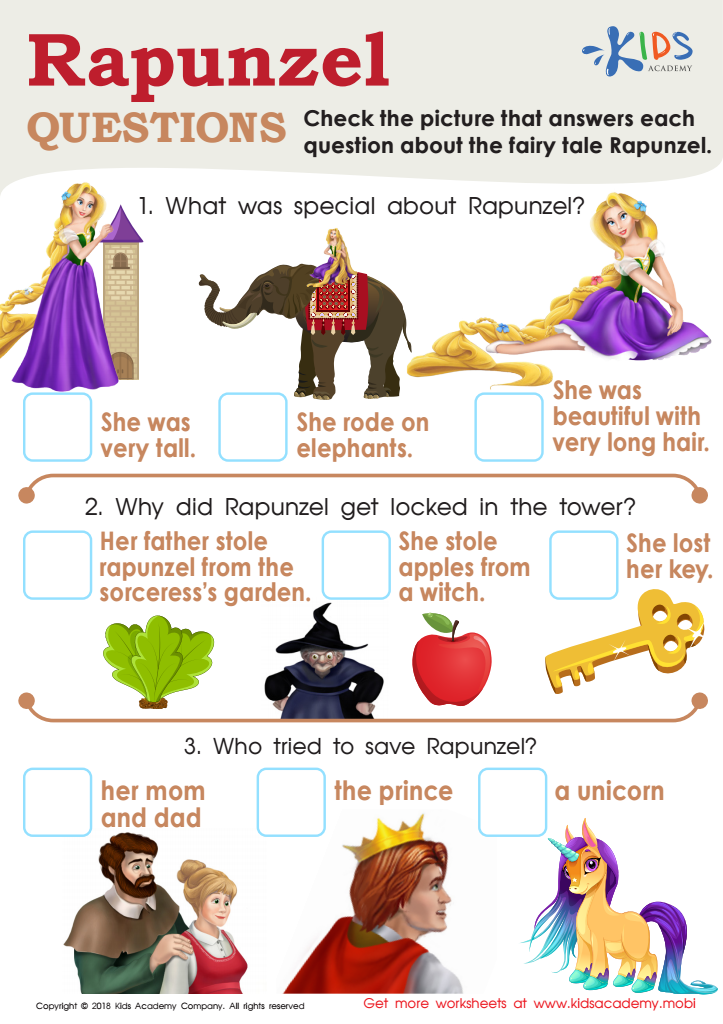
Rapunzel Questions Worksheet
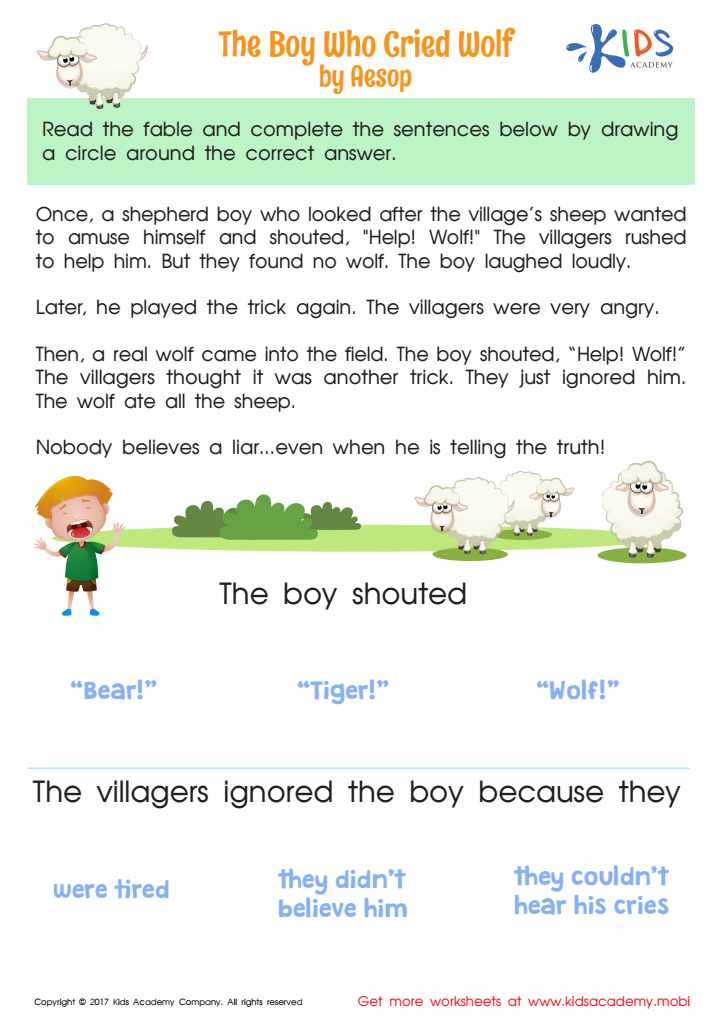
The Boy Who Cried Wolf Worksheet
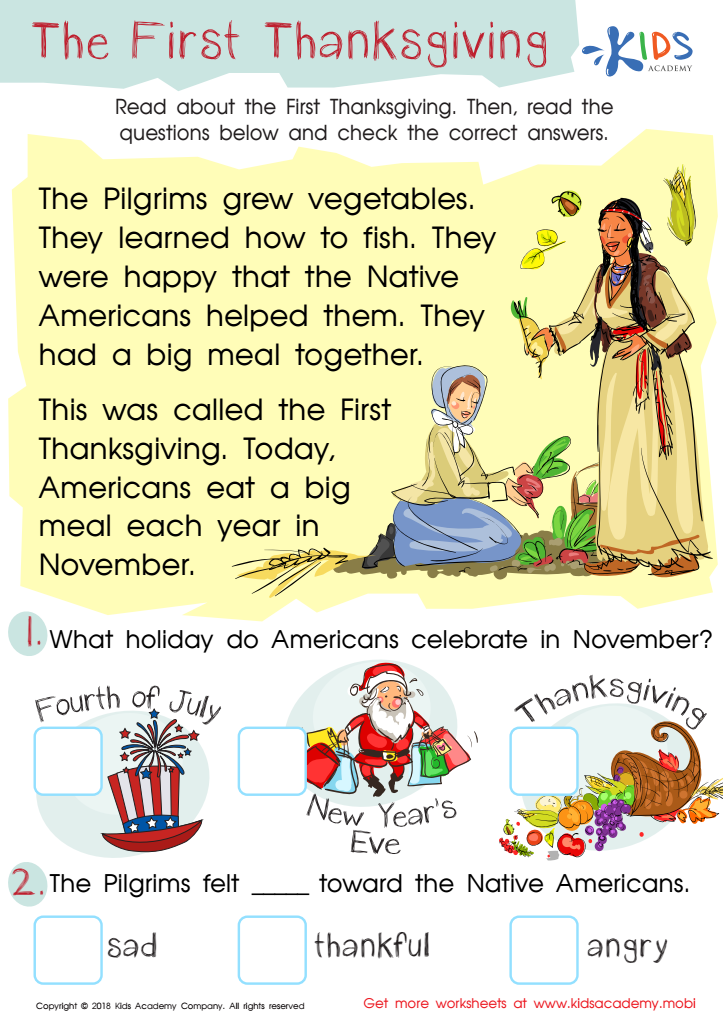
Assessment: First Thanksgiving Worksheet
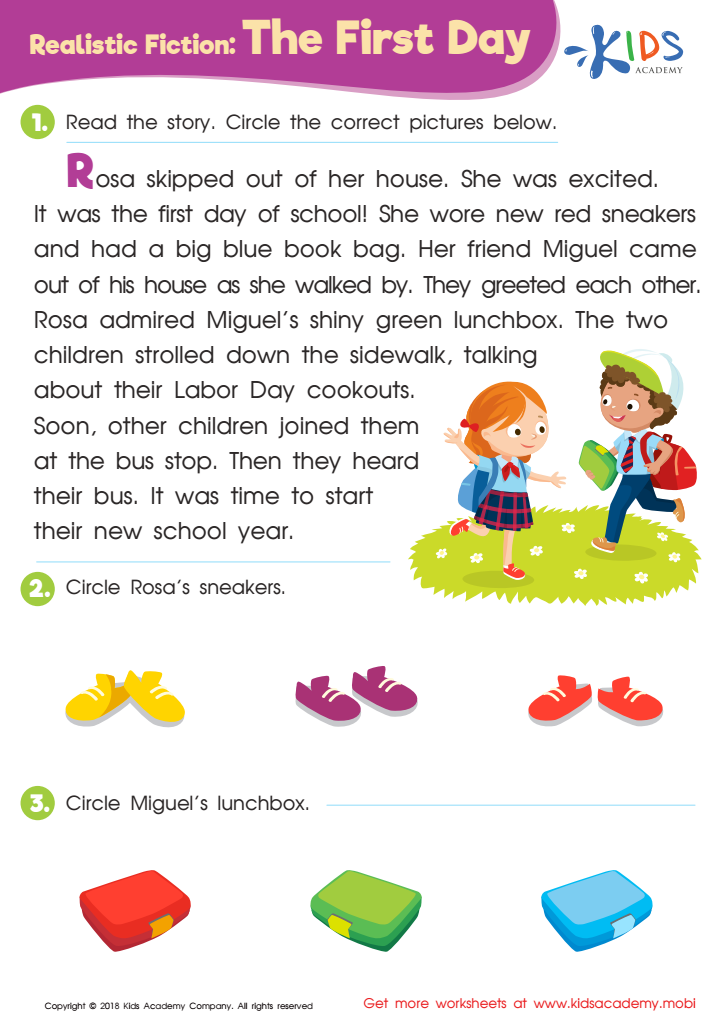
Realistic Fiction: The First Day Worksheet
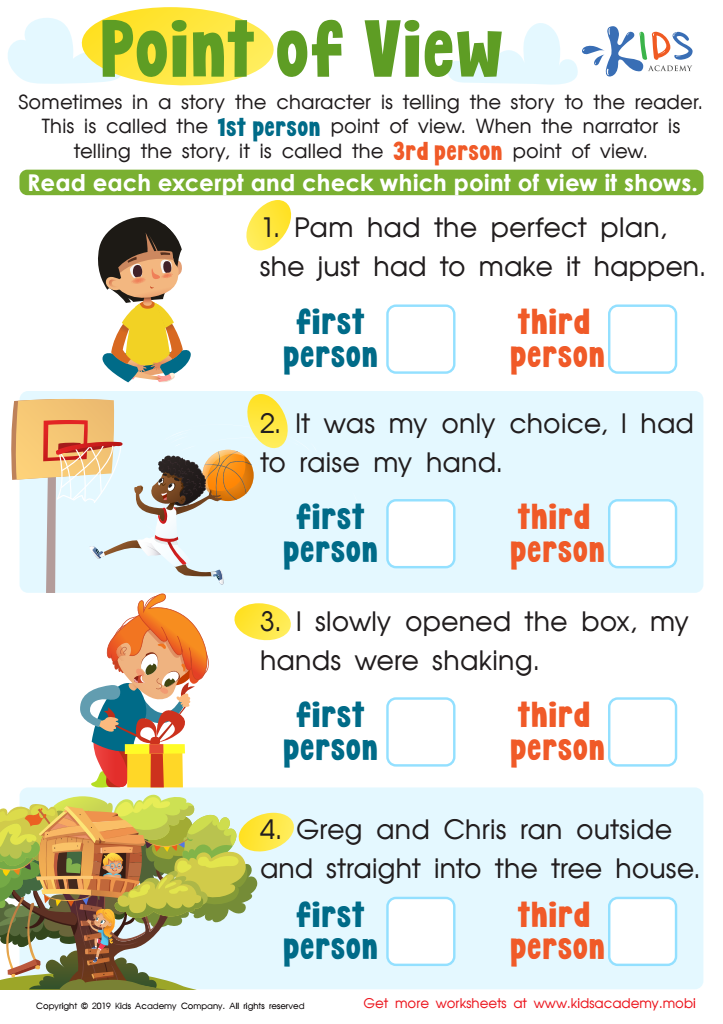
Point of View Printable
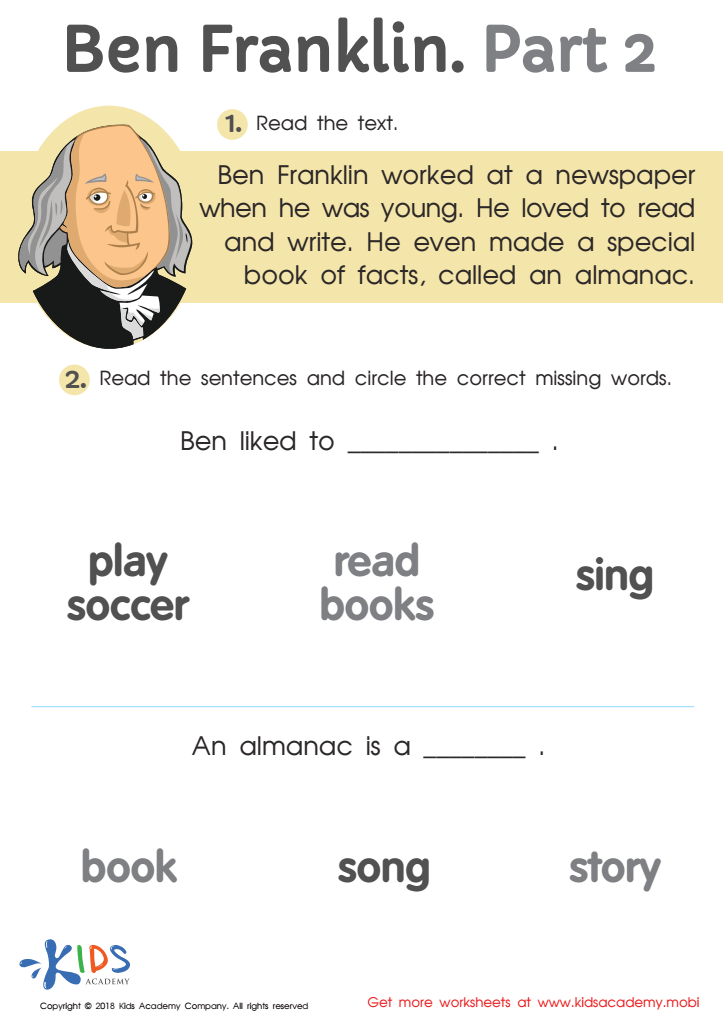
Ben Franklin Part 2 Worksheet
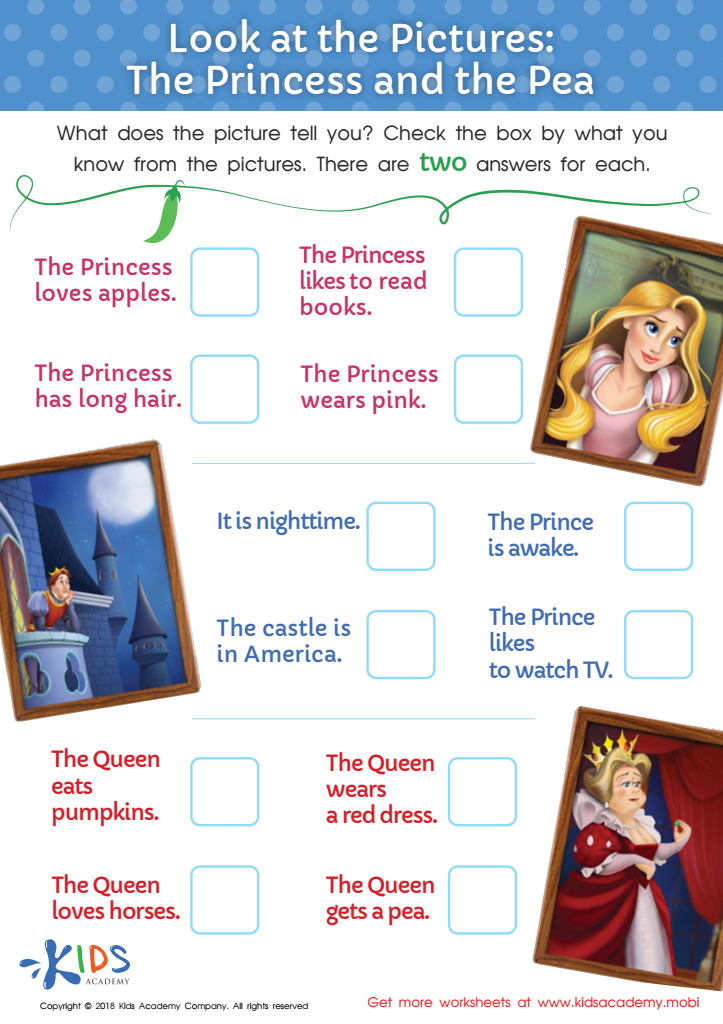
Look at the Pictures: The Princess and the Pea Worksheet
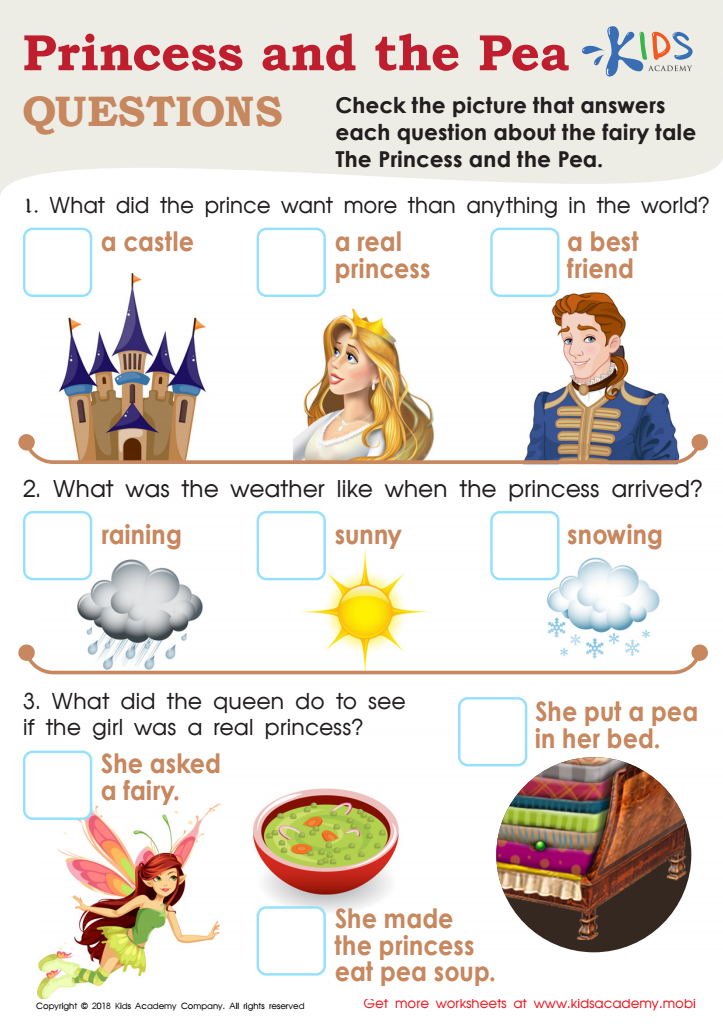
Princess and the Pea Questions Worksheet








Critical thinking reading comprehension is crucial for children aged 6-7 as it forms the foundation for lifelong learning and effective communication. At this age, children begin to engage with more complex texts, and fostering their ability to think critically about what they read can enhance their understanding. This skill helps them to analyze, evaluate, and synthesize information, promoting a deeper comprehension of the material.
Teachers and parents should prioritize critical thinking to nurture independent thought and problem-solving abilities. Encouraging children to ask questions about the narrative, deduce meanings, and make connections with their own experiences not only boosts reading skills but also enhances their overall cognitive development. This practice also leads to greater engagement and motivation, as children become active participants in their learning journey.
Moreover, early development of critical thinking can positively affect social skills, such as empathy and perspective-taking, as children learn to consider viewpoints beyond their own. Ultimately, fostering these skills in reading equips children to navigate the complexities of the world around them, preparing them for future academic challenges and instilling a love for learning that extends beyond the classroom. Prioritizing critical thinking is an essential investment in a child’s educational success and personal growth.








