Problem-Solving Skills Reading Comprehension Worksheets for Ages 6-7
5 filtered results
-
From - To
Enhance your child's reading comprehension and problem-solving abilities with our specially designed worksheets for ages 6-7. These engaging resources help young learners develop critical thinking skills through interactive reading exercises. Each worksheet features relatable stories and age-appropriate questions, guiding children to analyze scenarios, draw conclusions, and solve problems while deepening their understanding of the text. Perfect for home or classroom use, our worksheets make learning enjoyable and effective, promoting a love for reading. Foster essential reading and reasoning skills in your child today with our thoughtfully crafted problem-solving skills worksheets, ensuring they are well-prepared for future academic challenges.
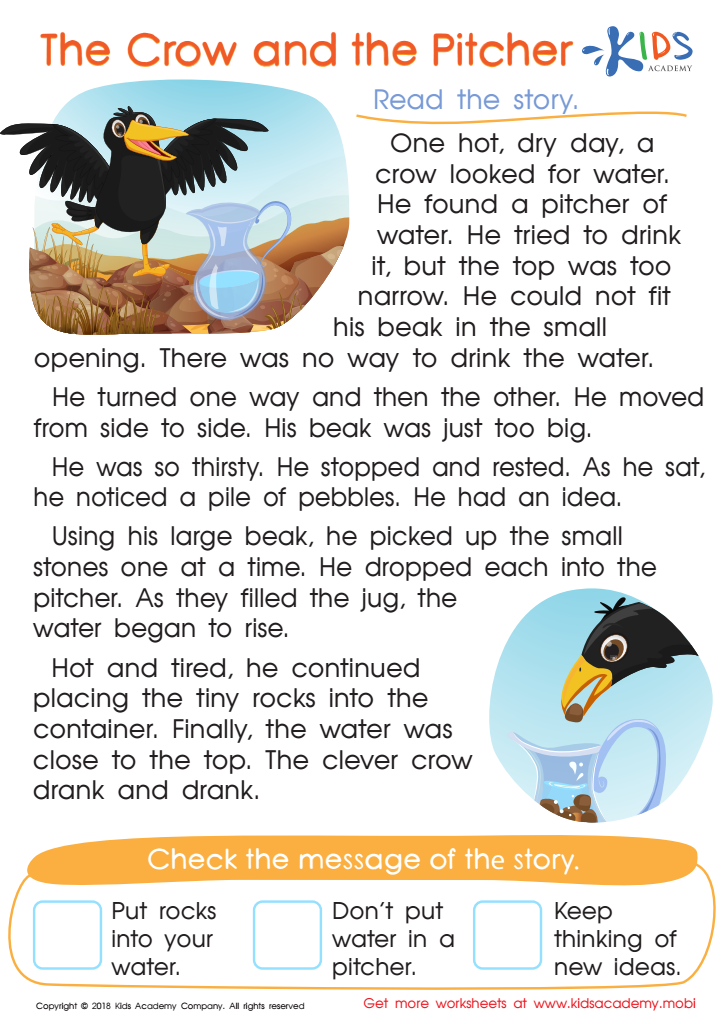
The Crow and the Pitcher Worksheet
 Assign to My Students
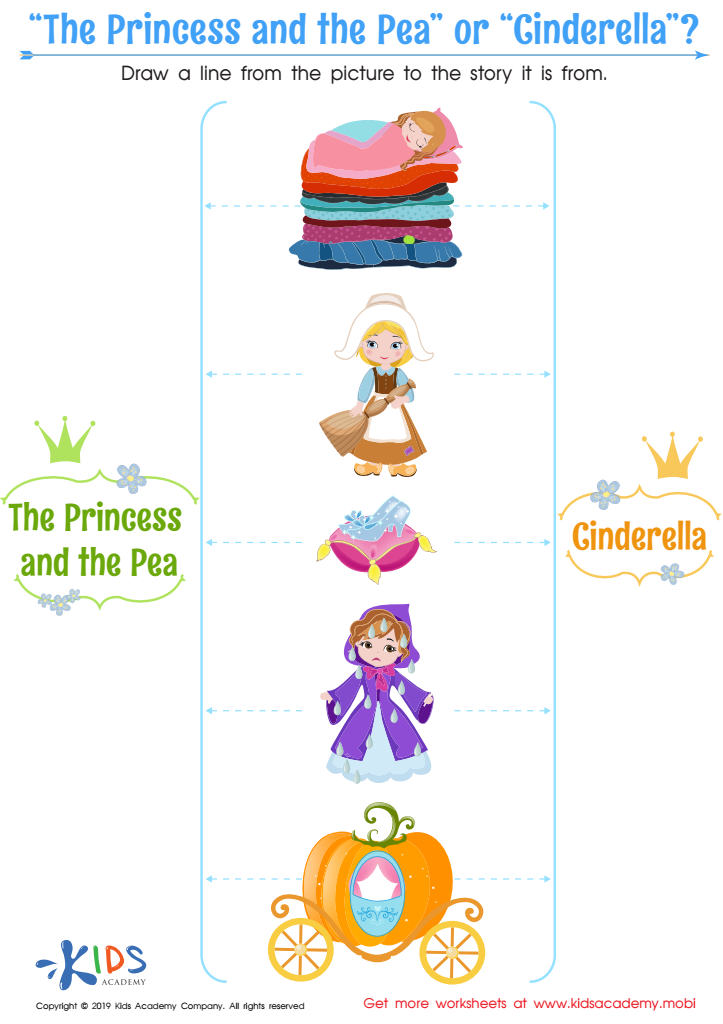
“The Princess and the Pea” or “Cinderella” Worksheet
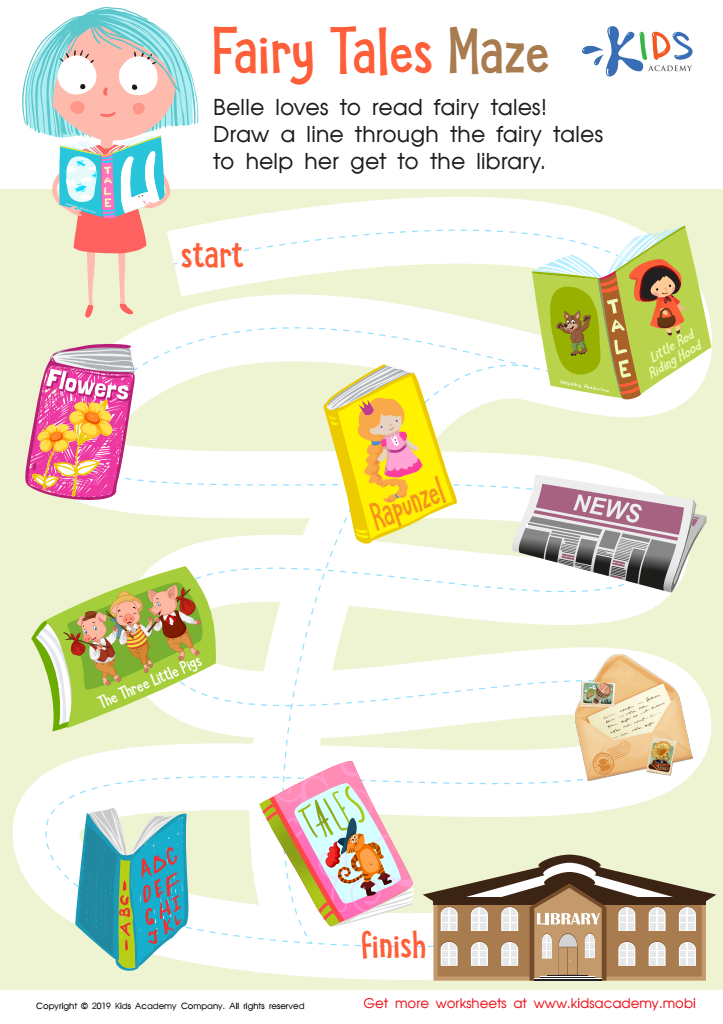
Fairy Tales Maze Worksheet
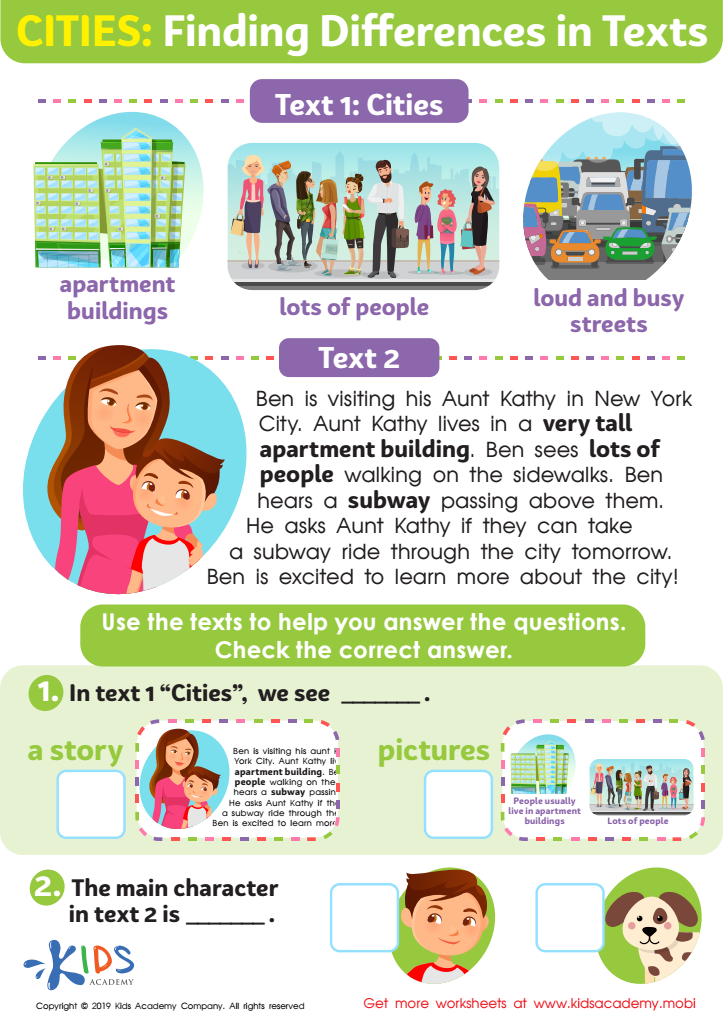
Cities: Finding Differences Worksheet
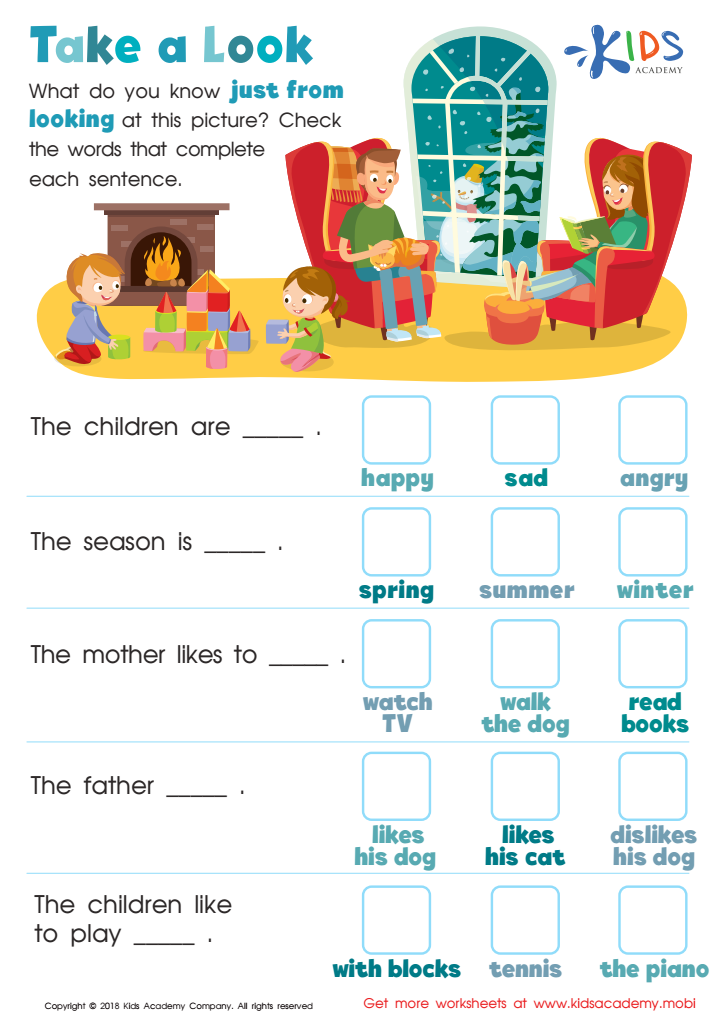
Take a Look - Part 1 Worksheet








Parents and teachers should prioritize problem-solving skills in reading comprehension for children ages 6-7 because these abilities lay the foundation for critical thinking and effective communication. During early childhood, children are developing their cognitive skills, and engaging in problem-solving while reading helps them make sense of the text and encourages deeper understanding.
When children encounter a problem in a story, such as a character facing a challenge, they learn to analyze the situation, predict outcomes, and explore possible solutions. This process fosters not only comprehension but also empathy, as they consider multiple perspectives. Moreover, strong reading comprehension is essential for academic success across subjects. Children who develop these skills early on are more likely to excel in standardized tests and classroom environments.
Additionally, teaching problem-solving through reading encourages a love of learning. Children gain confidence as they navigate stories and identify solutions, which can translate into a positive attitude towards future reading and learning experiences. Involvement from parents and teachers in this process reinforces its importance, creating a collaborative environment where children understand that problem-solving is valuable both in and out of the classroom. Ultimately, nurturing these skills cultivates independent thinkers who are prepared to tackle challenges in all aspects of life.








