Enhancing observational skills Science Worksheets for Ages 6-7
7 filtered results
-
From - To
Unlock your child's potential with our "Enhancing Observational Skills Science Worksheets" designed for ages 6-7. These engaging resources focus on developing keen observation and critical thinking skills through fun, age-appropriate activities. Kids will discover the wonders of their surroundings as they explore topics like patterns in nature, animal behaviors, and changes in their environment. Each worksheet encourages them to observe carefully, making scientific learning exciting and interactive. Build your child's confidence in their abilities and lay the groundwork for future learning. Perfect for home or classroom use, these worksheets make science come alive, inspiring young thinkers to question and understand the world around them!
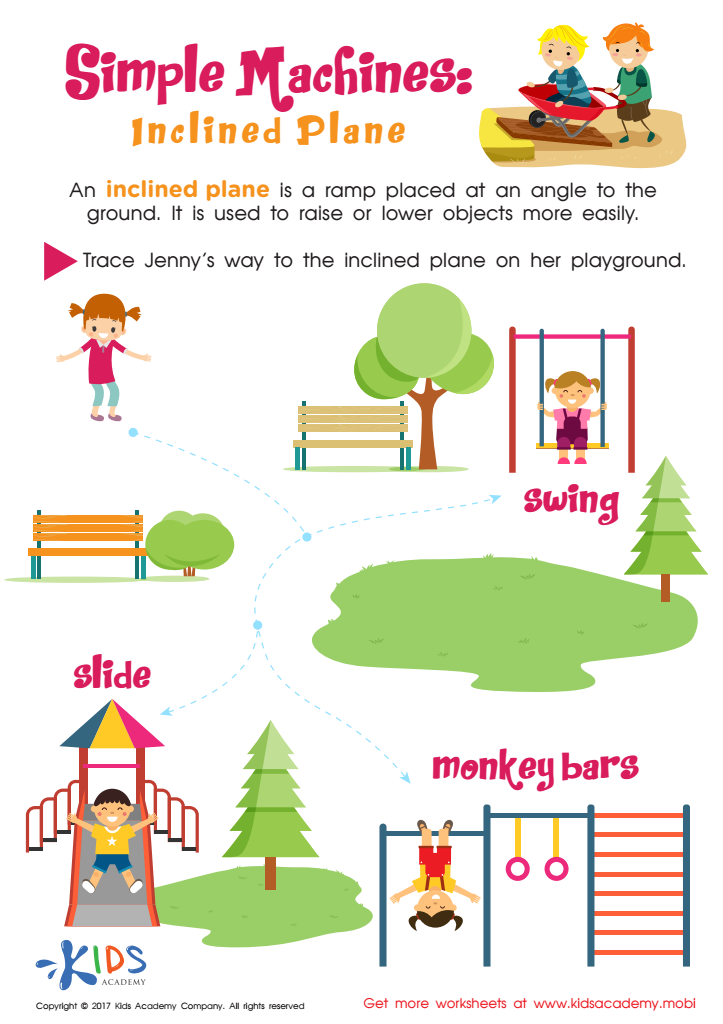
Simple Machines Inclined Plane Worksheet
 Assign to My Students
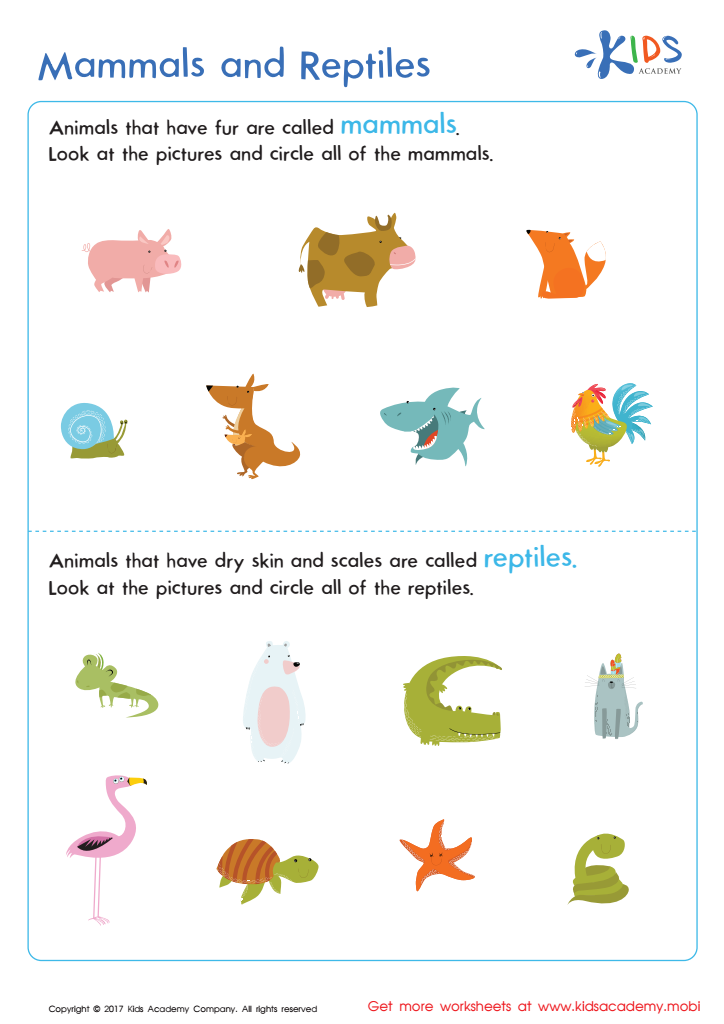
Mammals and Reptiles Worksheet
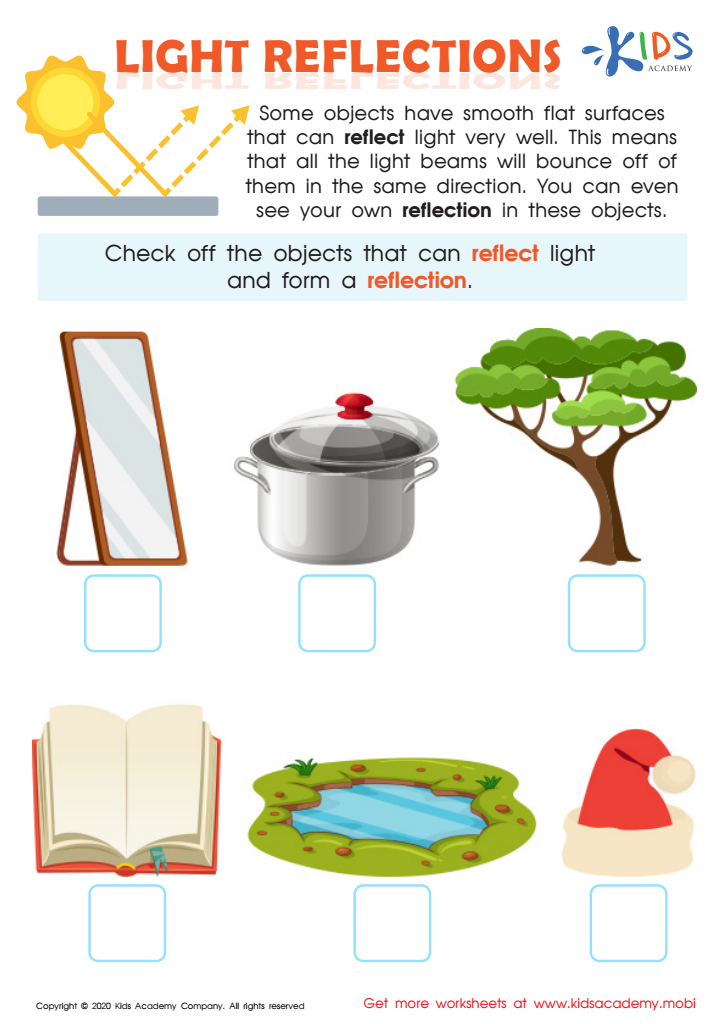
Light Reflections Worksheet
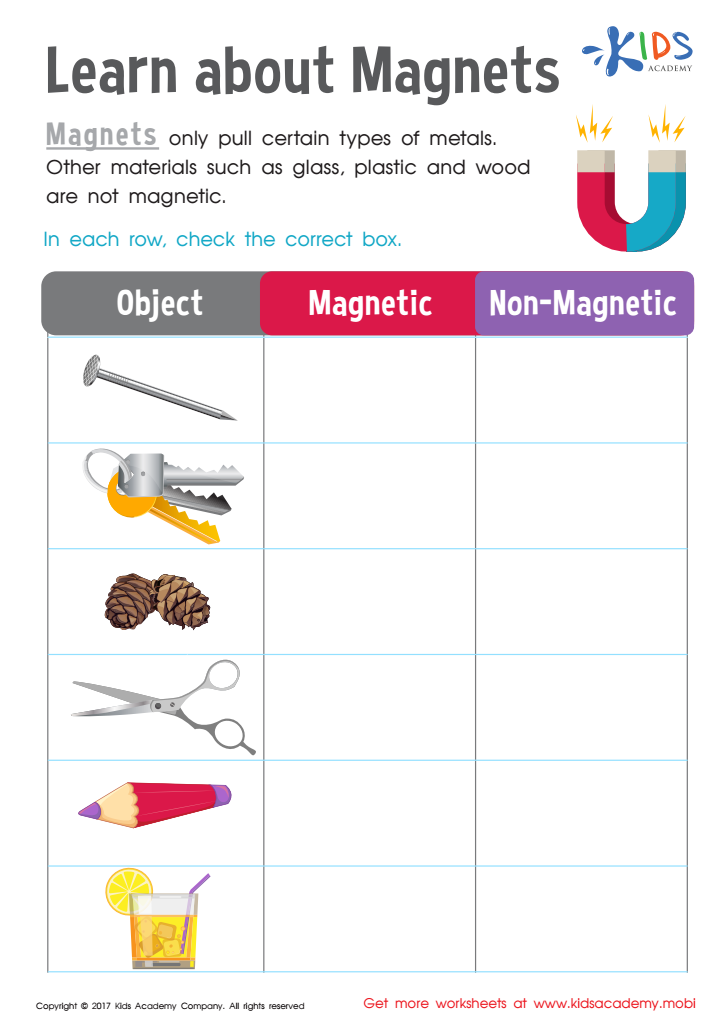
Magnetic Or Not Worksheet
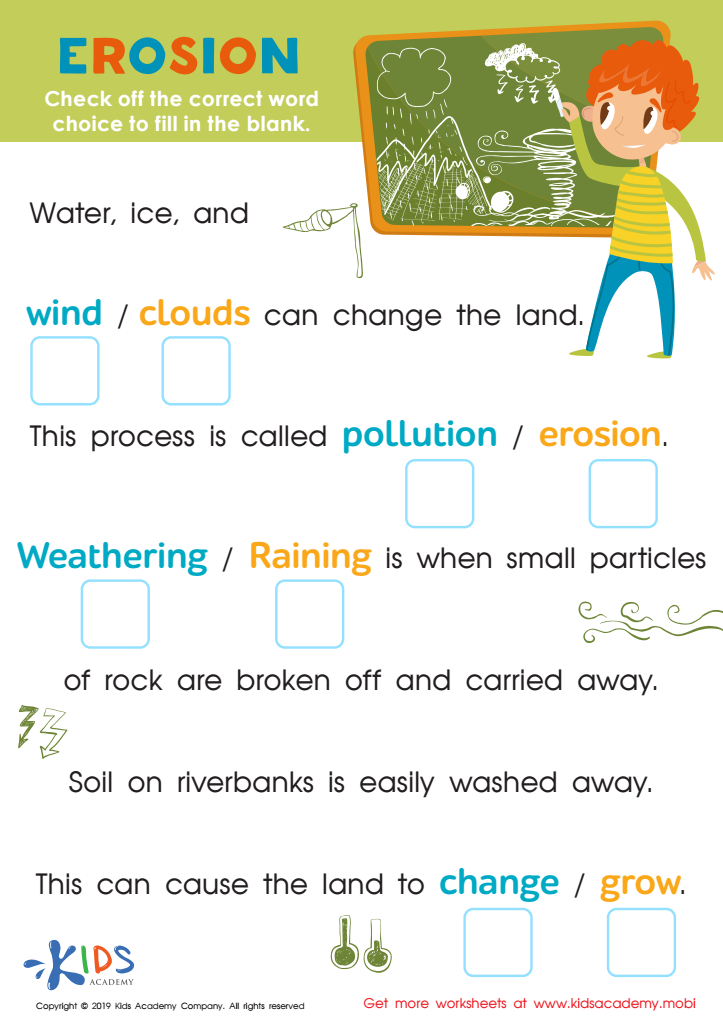
Erosion Worksheet
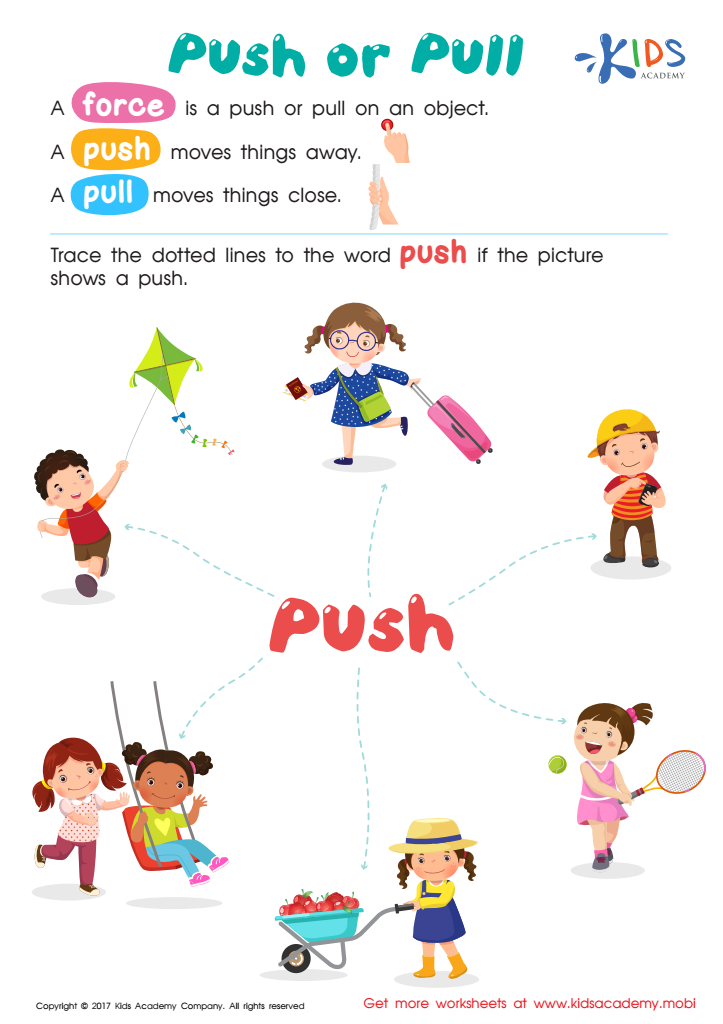
Push or Pull Worksheet
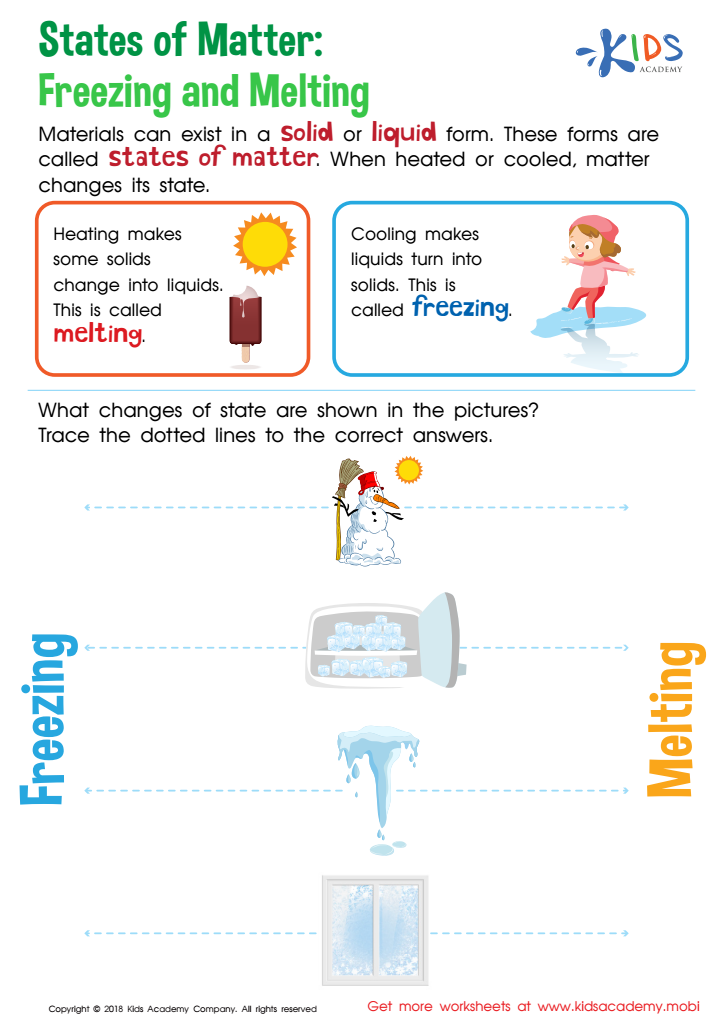
States of Matter: Freezing and Melting Worksheet



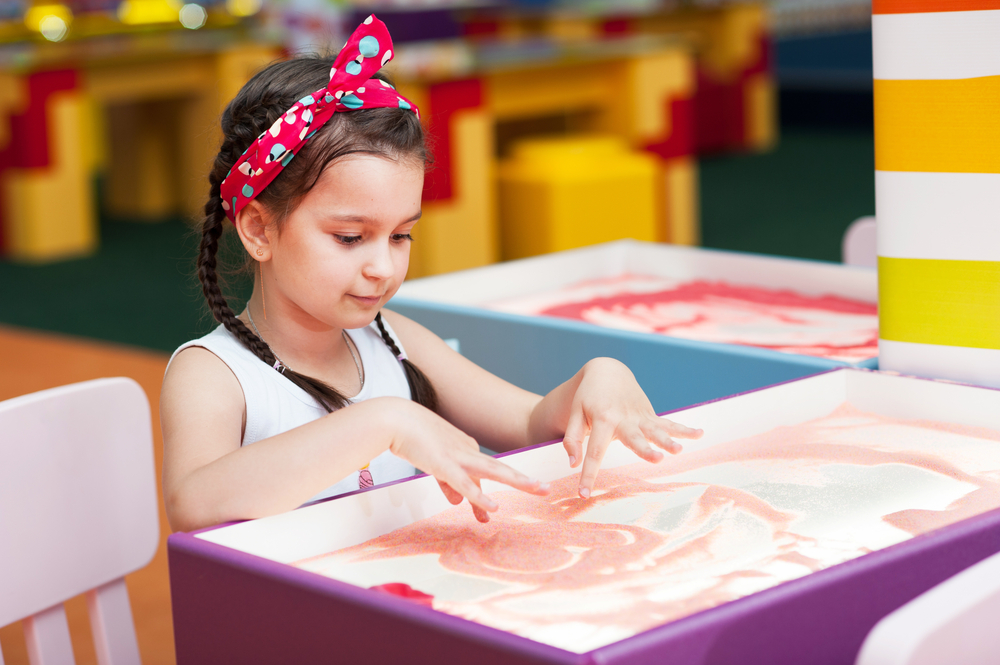




Enhancing observational skills in young learners, particularly in ages 6-7, is crucial for their scientific development and overall cognitive growth. This age is critical as children are naturally curious, and fostering their ability to observe can deepen their understanding of the world around them. By honing observational skills, students learn to notice details, ask relevant questions, and make connections, which are foundational for scientific inquiry.
Parents and teachers should care because these skills boost critical thinking and problem-solving abilities. When children practice observation, they develop the habit of looking closely at their environment, encouraging them to think creatively and analytically. This lays the groundwork for future learning in science and other disciplines, as observational skills are easily transferable to various subjects, particularly in areas involving inquiry-based learning.
Moreover, enhanced observational skills promote engagement and motivation, making learning more enjoyable. This engagement can lead to a lifelong love of learning and exploration. By prioritizing observation, parents and teachers fulfill their roles as facilitators of knowledge, nurturing curious and capable learners who can effectively navigate the complexities of the world as they grow. Overall, investing in observational skills during these formative years enriches children's educational experiences and lifelong learning journey.







