Explore the fascinating world of ecosystems with our "Understanding Ecosystems Science Worksheets" designed for children ages 6-7. These engaging worksheets introduce young learners to the basic concepts of ecosystems, including plants, animals, and their environments. Through fun activities and illustrations, kids will discover how living things interact and depend on each other. Ideal for classrooms and at-home learning, these resources promote critical thinking and environmental awareness. Help your child develop a foundational understanding of nature's interconnected web while enhancing their scientific skills. Download our worksheets today to inspire curiosity and foster a love for the environment in your little ones!

Check out this FREE Trial Lesson on Science for age 6-7!

Animal Adaptations

Favorites
With answer key
Interactive
  • 6-7
  • Understanding ecosystems
  • Science
Ecosystems: Assessment 1 Worksheet

Ecosystems: Assessment 1 Worksheet

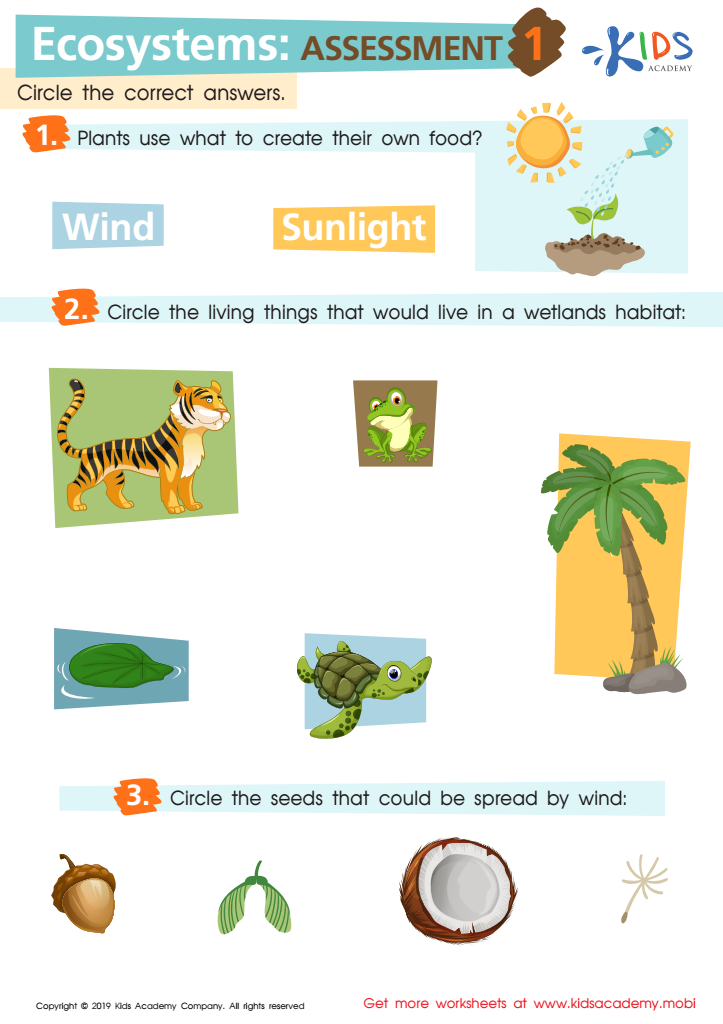
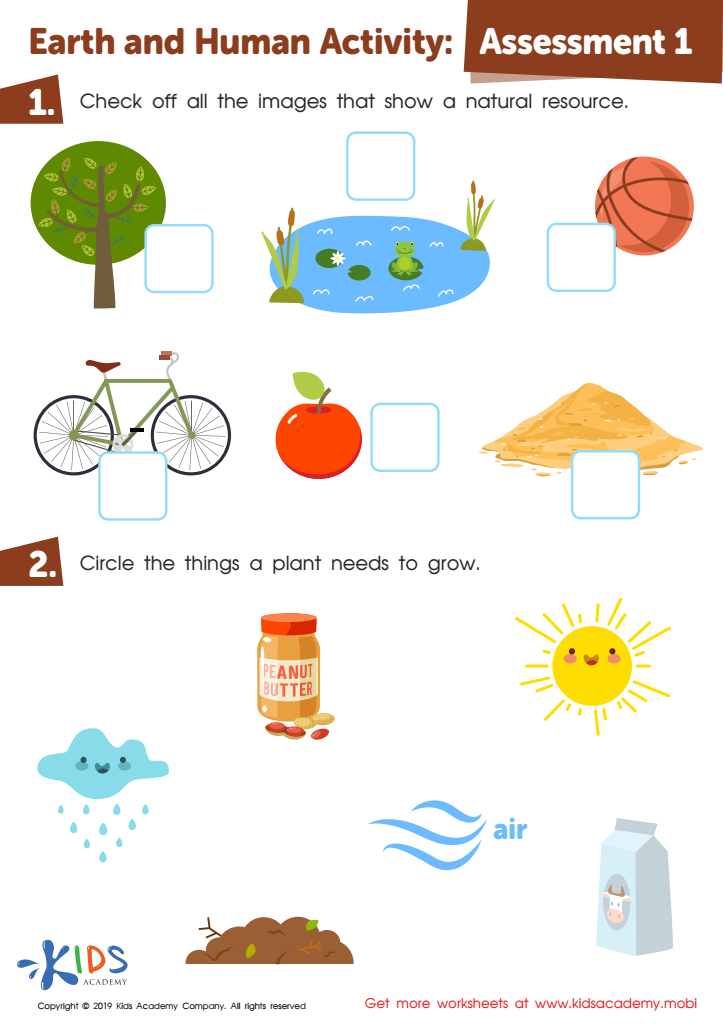
Before starting the worksheet, remind your child of the basics of the ecosystem, e.g. plants need light and winds carry small seeds. Encourage them to identify the images in the colorful printout. Ask them the questions and help them circle the correct answers.
Ecosystems: Assessment 1 Worksheet
Worksheet
Arctic World Worksheet

Arctic World Worksheet

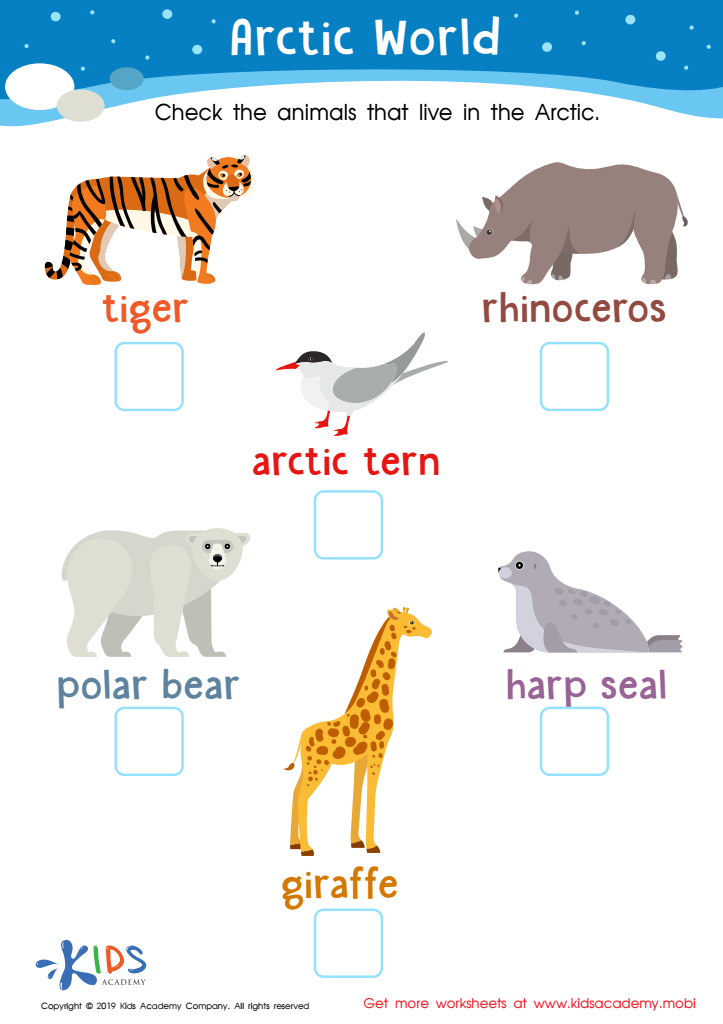
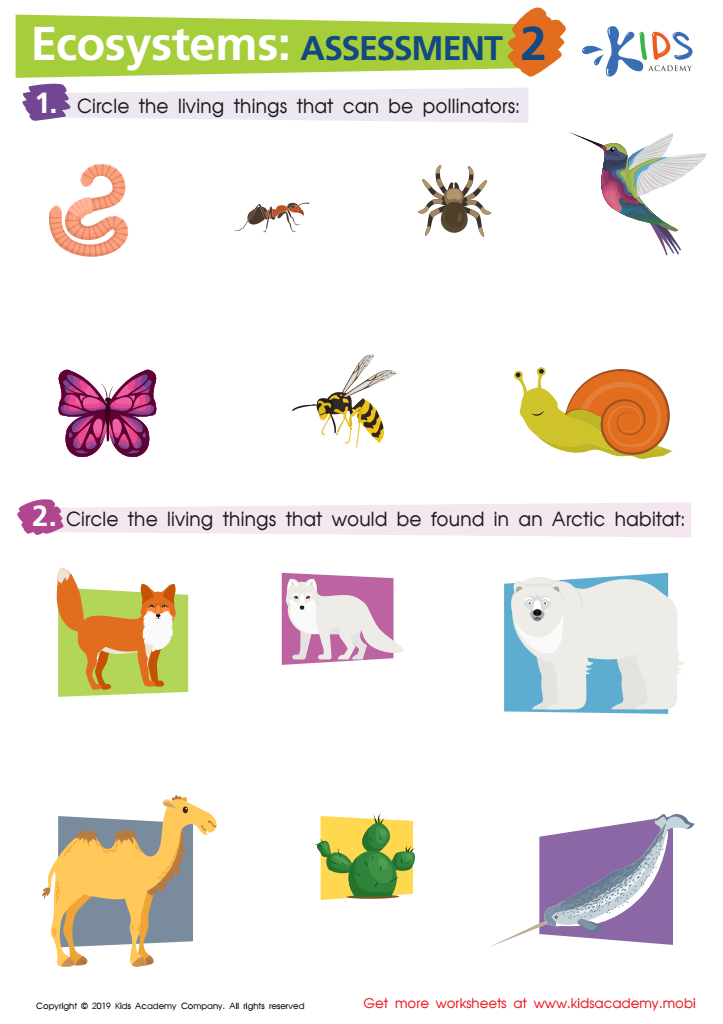
Ask your students if they know where the Arctic is located and what lives there. If not, use a world atlas to show them. The Arctic is very cold and snow-covered; native animals have adapted to survive the harsh conditions. Look at the animals in the worksheet and help your students decide which ones live in the Arctic.
Arctic World Worksheet
Worksheet
Earth and Human Activity: Assessment 2 Worksheet

Earth and Human Activity: Assessment 2 Worksheet

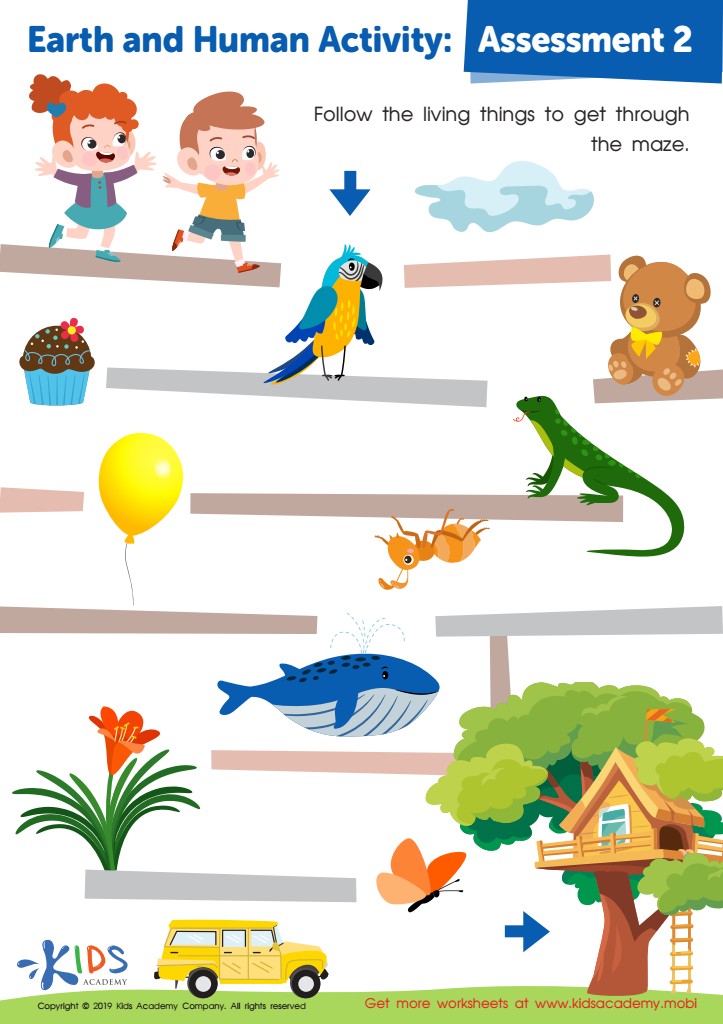
Earth is alive with birds, trees, insects, and animals. Explain to your kids that the environment on Earth supports life. Ask for examples, then use the worksheet pictures to help them identify living things and complete the maze.
Earth and Human Activity: Assessment 2 Worksheet
Worksheet
Earth and Human Activity: Assessment1 Worksheet

Earth and Human Activity: Assessment 1 Worksheet
Natural resources are gifts from Mother Nature that exist without man-made intervention. We use them to make essential items we use daily. Ask your kids for examples and have them check off images of natural resources on this worksheet.
Earth and Human Activity: Assessment 1 Worksheet
Worksheet
Ecosystems: Assessment 2 Worksheet

Ecosystems: Assessment 2 Worksheet

Pollinators are living or non-living things that help pollen spread. Test your child's knowledge of the ecosystem with this worksheet. Point out animals in the picture, then ask the simple questions. Help your child circle the right answers.
Ecosystems: Assessment 2 Worksheet
Worksheet
Water World Worksheet

Water World Worksheet

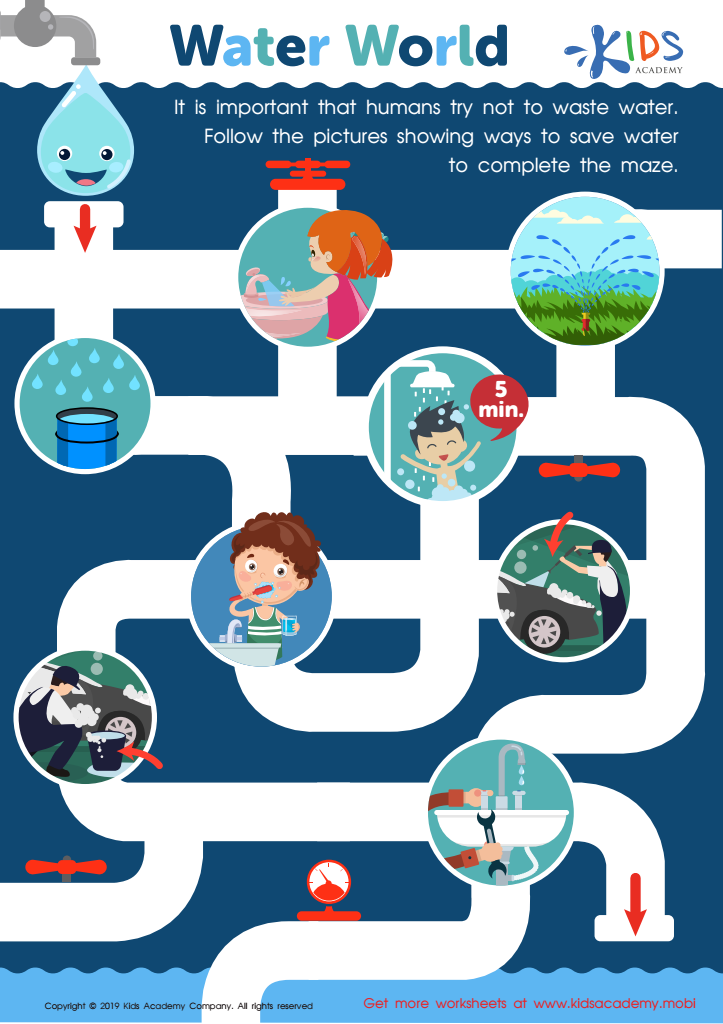
Water is a vital necessity for living. Our bodies depend on it to stay healthy and survive. When we don't drink enough water, we become thirsty and run the risk of getting sick. Luckily, our planet is full of water and natural sources to stay hydrated. To prevent water waste, use this worksheet to teach your students how to conserve it and complete the maze.
Water World Worksheet
Worksheet
Animals and Plants: Assesment 1 Worksheet

Animals and Plants: Assessment 1 Worksheet

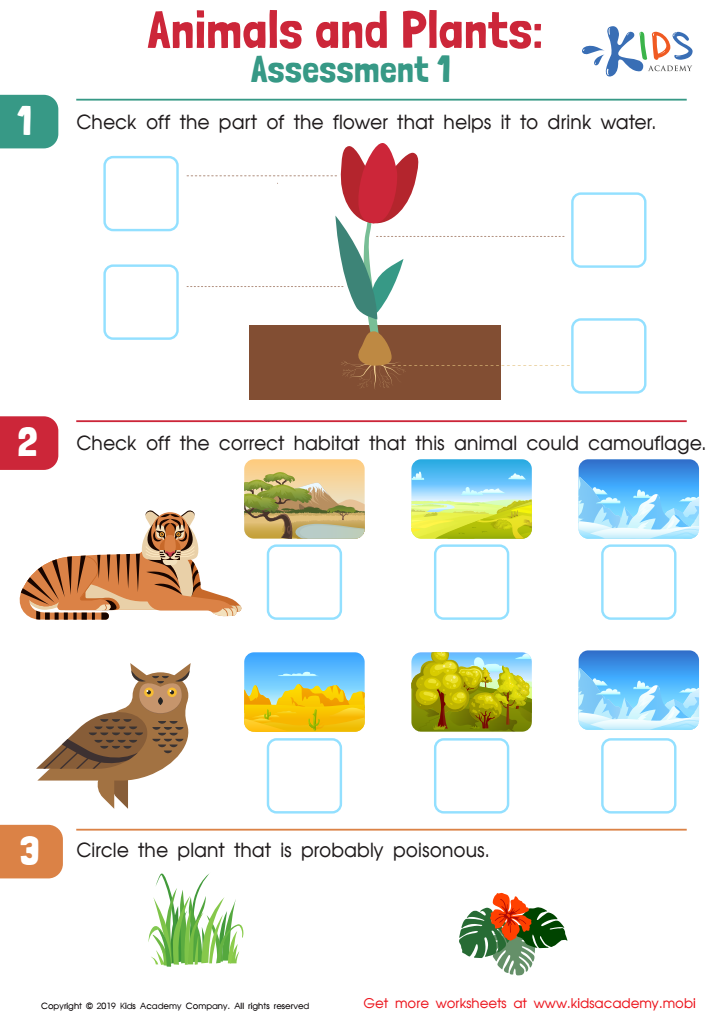
Do you want to easily assess your child's understanding of basic science concepts? This colorful PDF offers a free opportunity for them to test their knowledge about parts of a flower, poisonous plants, animal habitats and more! Bright pictures make it fun and easy for you to see what they know.
Animals and Plants: Assessment 1 Worksheet

Worksheet


Understanding ecosystems is crucial for children aged 6-7 as it lays the foundation for their appreciation of the natural world. At this age, children are naturally curious about their environment, making it an ideal time to introduce them to concepts like habitats, food chains, and the interdependence of living things.

Parents and teachers should care about integrating ecosystems science into young learners' education for several reasons. First, fostering an awareness of ecosystems helps children develop critical thinking skills as they observe and ask questions about how plants, animals, and humans interact. This exploration nurtures their curiosity, encouraging them to engage with science in meaningful ways.

Second, understanding ecosystems instills a sense of responsibility towards the environment. When children learn about topics such as biodiversity and the impact of human activities on ecosystems, they are more likely to adopt environmentally friendly behaviors as they grow. This early educational exposure can lead to lifelong stewardship of the planet.

Lastly, ecosystems science often ties into other subjects, such as reading and math, through engaging stories and data analysis. By embracing this interdisciplinary approach, parents and teachers can enrich children's learning experiences and ignite a passion for science that lasts a lifetime.