Vocabulary expansion Science Worksheets for Ages 6-7 - Page 2
27 filtered results
-
From - To
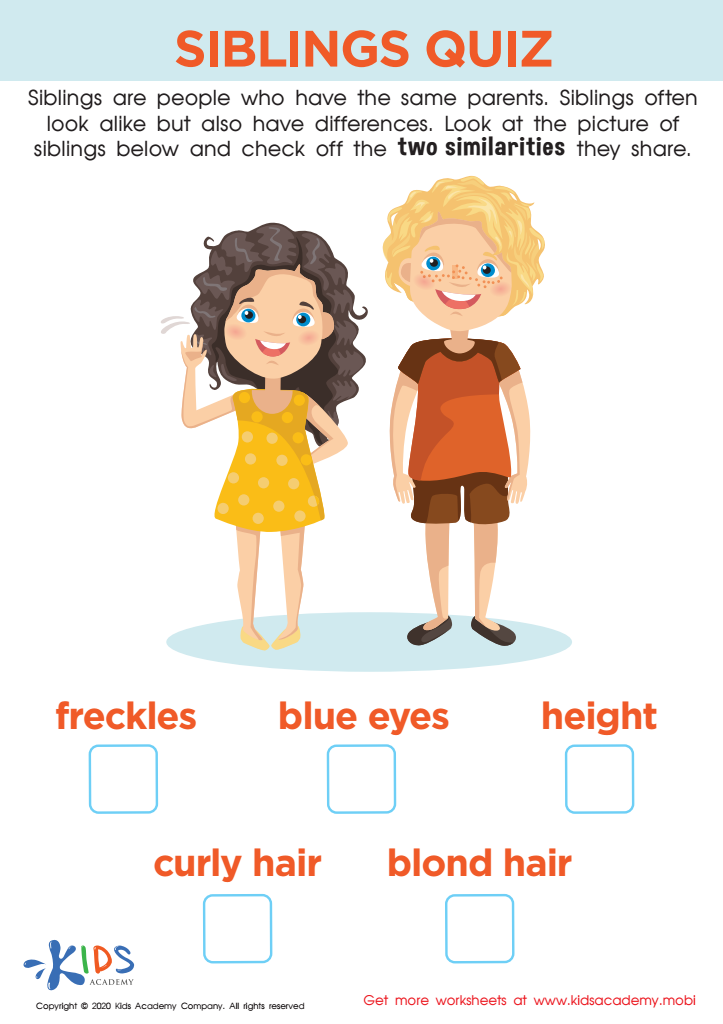
Siblings Quiz Worksheet
 Assign to My Students
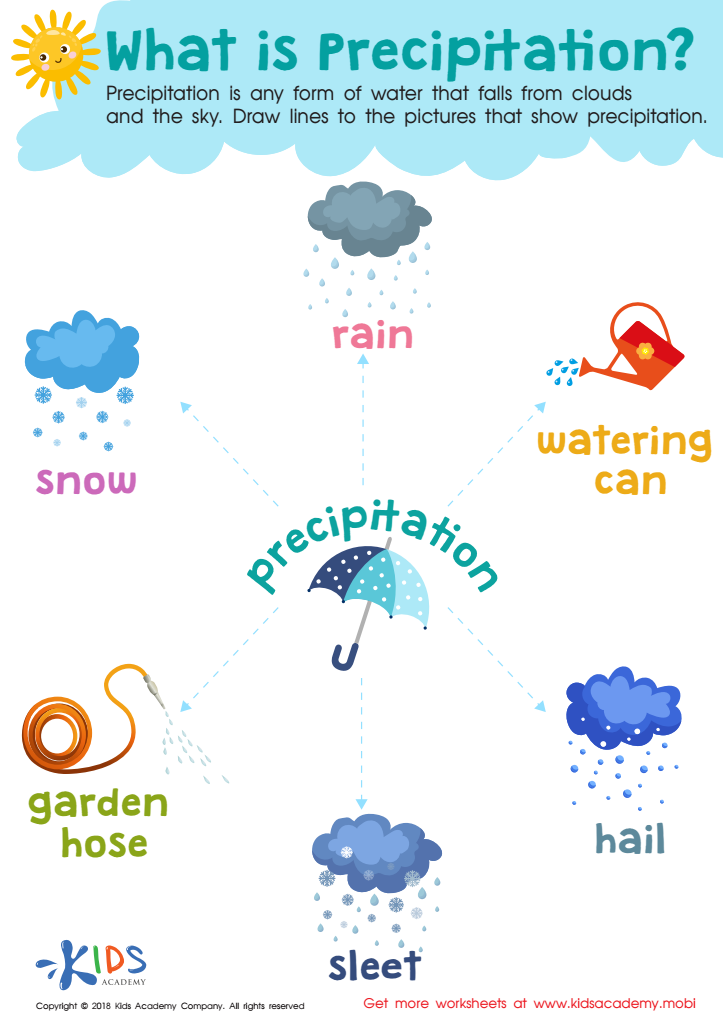
What Is Precipitation? Worksheet
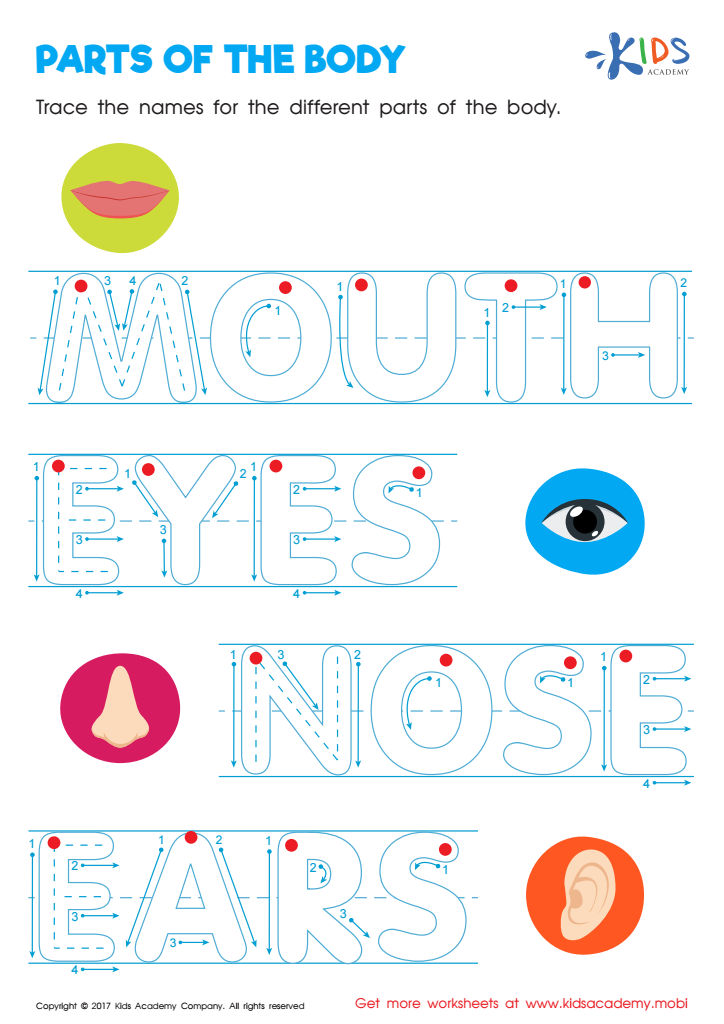







Vocabulary expansion science for children ages 6-7 is essential because it forms the foundation for future learning and communication skills. At this critical stage, children are like sponges, absorbing new words and concepts rapidly. By focusing on expanding their vocabulary, we not only enhance their language skills but also support their overall cognitive development. A rich vocabulary enables children to express their thoughts and emotions more accurately and confidently, reducing frustration and improving social interactions.
Moreover, a robust vocabulary is closely linked to reading comprehension. When children recognize and understand more words, they can better grasp the meaning of texts, fostering a love for reading and learning. This, in turn, boosts their academic performance across various subjects.
Teachers and parents play a crucial role in this process. Through methods such as reading aloud, engaging in conversations, and introducing new words in context, they create a stimulating environment that encourages curiosity and learning. Additionally, interactive activities like word games or storytelling further reinforce vocabulary in a fun and memorable way.
Investing in vocabulary expansion during these formative years sets the stage for effective communication, critical thinking, and lifelong learning, giving children the tools they need to succeed both academically and socially.







