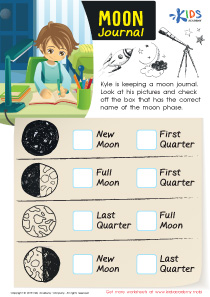
Understanding life cycles Life Science Worksheets for Ages 6-7
3 filtered results
-
From - To
Explore the fascinating world of life cycles with our engaging worksheets designed for children aged 6-7. Our "Understanding Life Cycles" resource provides young learners with interactive activities that illustrate the stages of different living organisms, from plants to animals. Each worksheet encourages critical thinking, enhances scientific vocabulary, and promotes a deeper connection to nature. Ideal for classroom use or at-home learning, these worksheets foster curiosity and help students grasp essential life science concepts in a fun and accessible way. Start your child’s journey into the wonders of life cycles today and inspire a lifelong love for science!
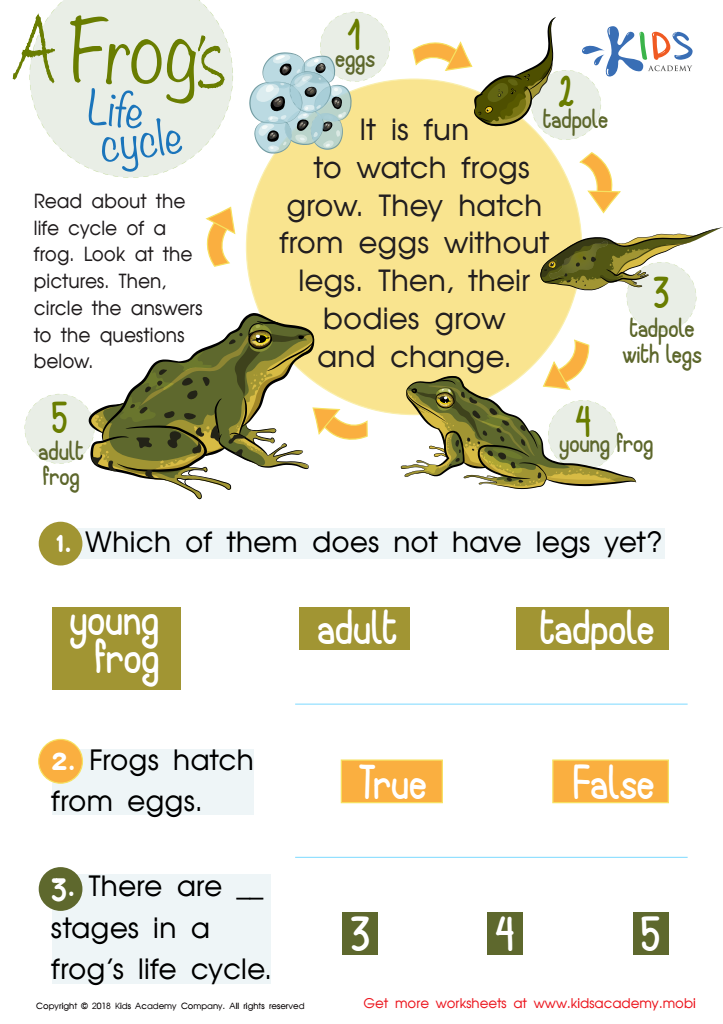
A Frog’s Life Cycle Worksheet
 Assign to My Students
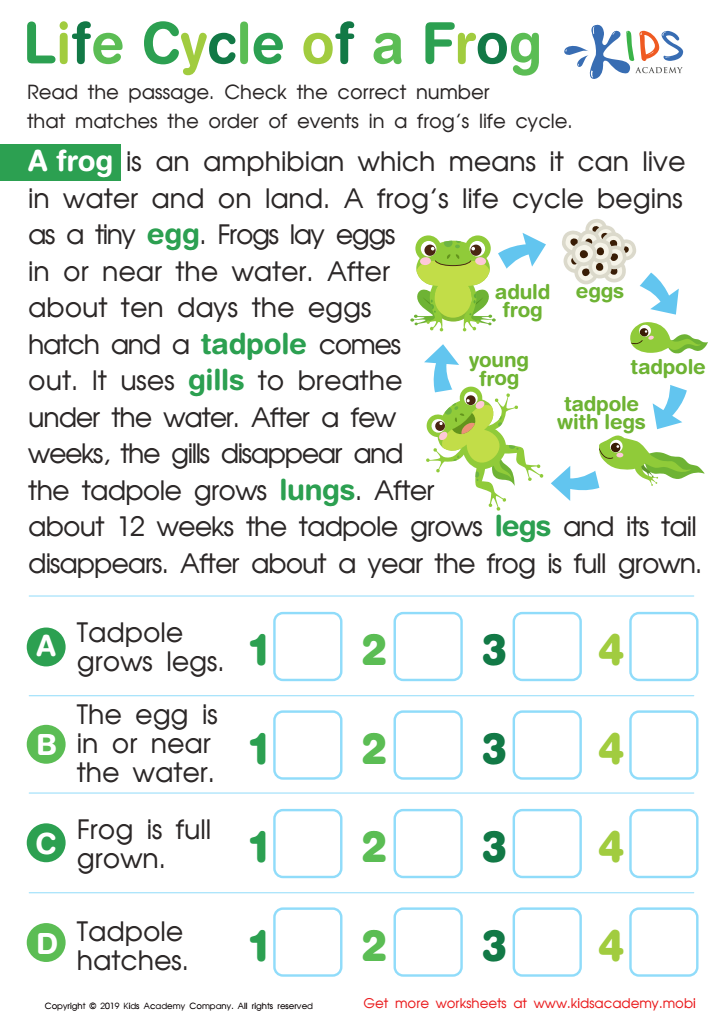
Life Cycle of a Frog Worksheet
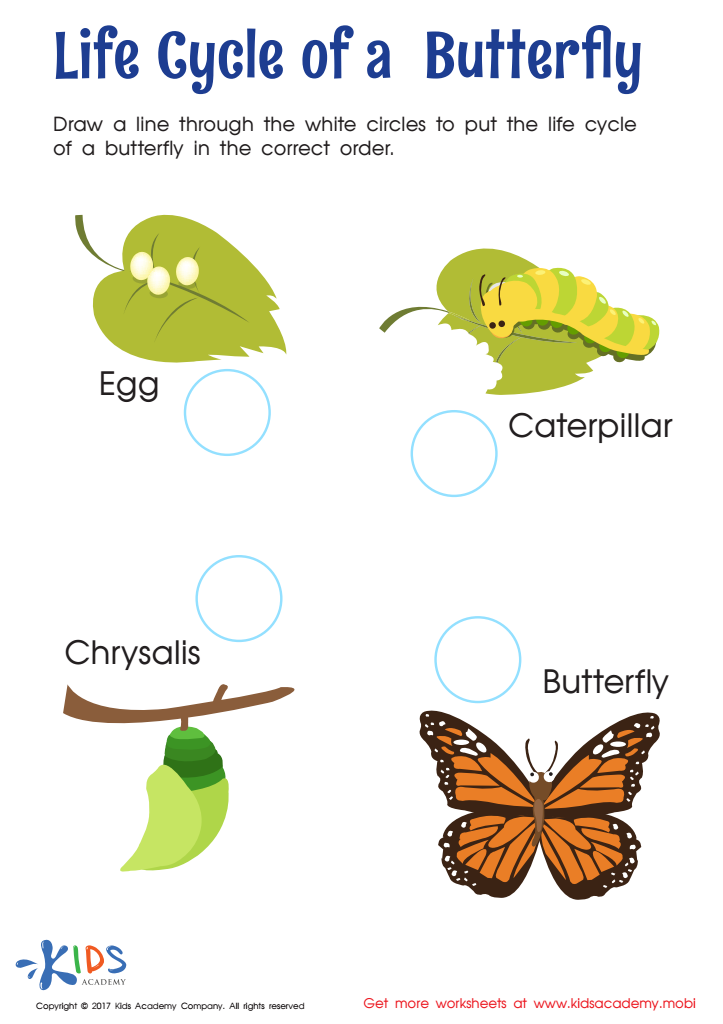
Life Cycle of Butterfly Worksheet







Understanding life cycles is crucial for children aged 6-7 as it lays the foundation for their scientific literacy and comprehension of nature. At this stage, fostering curiosity about how living organisms grow, develop, and reproduce engages children's imaginations and promotes investigative learning. By studying life cycles—be it those of plants, insects, or animals—children learn about interconnectedness within ecosystems, emphasizing the roles various organisms play.
This knowledge helps cultivate a sense of responsibility and respect for living things, encouraging children to appreciate biodiversity. It also serves as a springboard to explore broader scientific concepts, enhancing observational skills and critical thinking. Additionally, life cycles often inspire meaningful discussions about environmental stewardship and conservation, vital topics for current and future generations.
For parents and teachers, nurturing this understanding equips children with essential knowledge that extends beyond the classroom. It supports their intellectual growth while aligning with early educational standards in life science. Overall, emphasizing life cycles in education can spark a lifelong passion for learning and empower children by connecting them to the world around them. Understanding these natural processes is essential not just for academic success, but also for fostering informed and engaged future citizens.