
Critical thinking skills Plants and Animals Worksheets for Ages 6-7
6 filtered results
Difficulty Level
Grade
Age
-
From - To
Subject
Activity
Standards
Boost your child’s critical thinking abilities with our engaging Plants and Animals worksheets designed for ages 6-7! These thoughtfully crafted worksheets encourage young learners to explore the fascinating world of plants and animals while developing essential critical thinking skills. Each activity challenges children to analyze, compare, and evaluate concepts, fostering curiosity and understanding. Whether it's identifying animal habitats or exploring plant life cycles, these exercises promote problem-solving and decision-making in a fun, interactive way. Perfect for at-home learning or classroom use, our worksheets empower children to think independently and nurture a love for science. Enhance your child's learning journey today!
Favorites
With answer key
Interactive
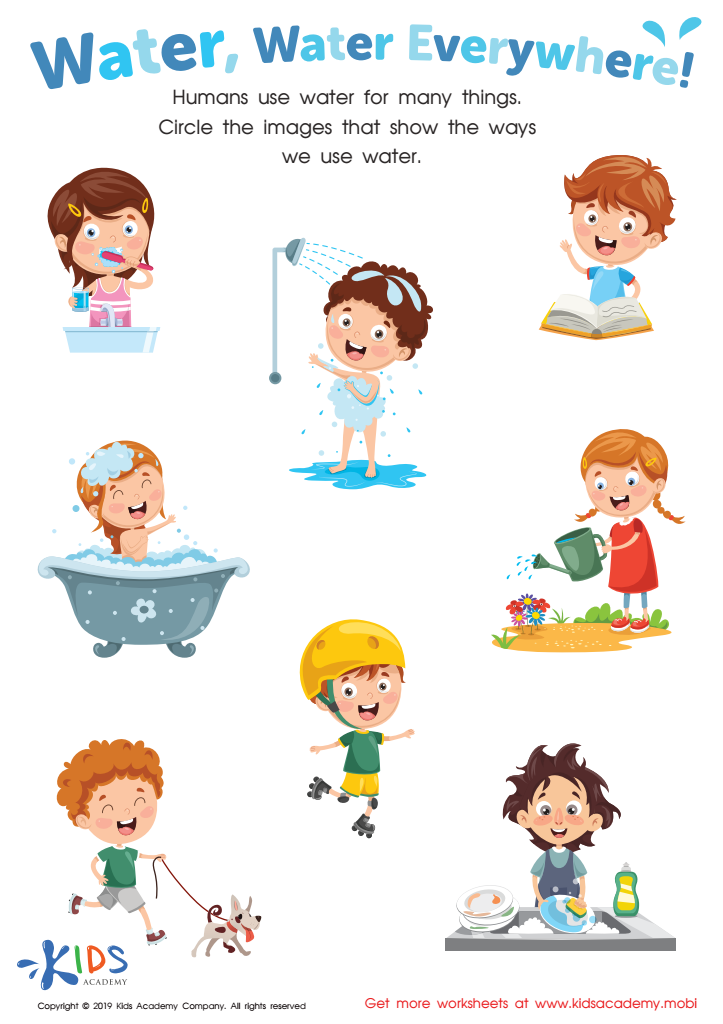
Water, Water Everywhere! Worksheet
Ask your kids how we use water daily. Point out how vital it is to the environment, as many living things couldn't exist without it. Show them this worksheet with kids doing different things that involve water. Ask them to identify what each one is doing, then help them circle the images which show the ways we use the water.
 Assign to My Students
Water, Water Everywhere! Worksheet
Worksheet











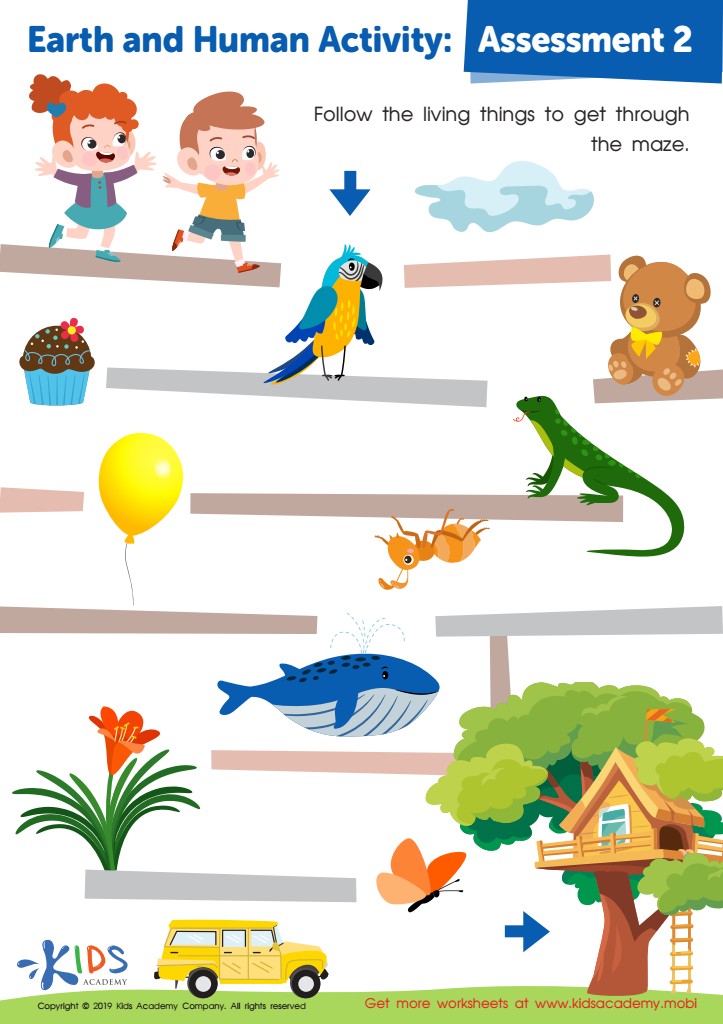
Earth and Human Activity: Assessment 2 Worksheet
Earth is alive with birds, trees, insects, and animals. Explain to your kids that the environment on Earth supports life. Ask for examples, then use the worksheet pictures to help them identify living things and complete the maze.
Earth and Human Activity: Assessment 2 Worksheet
Worksheet
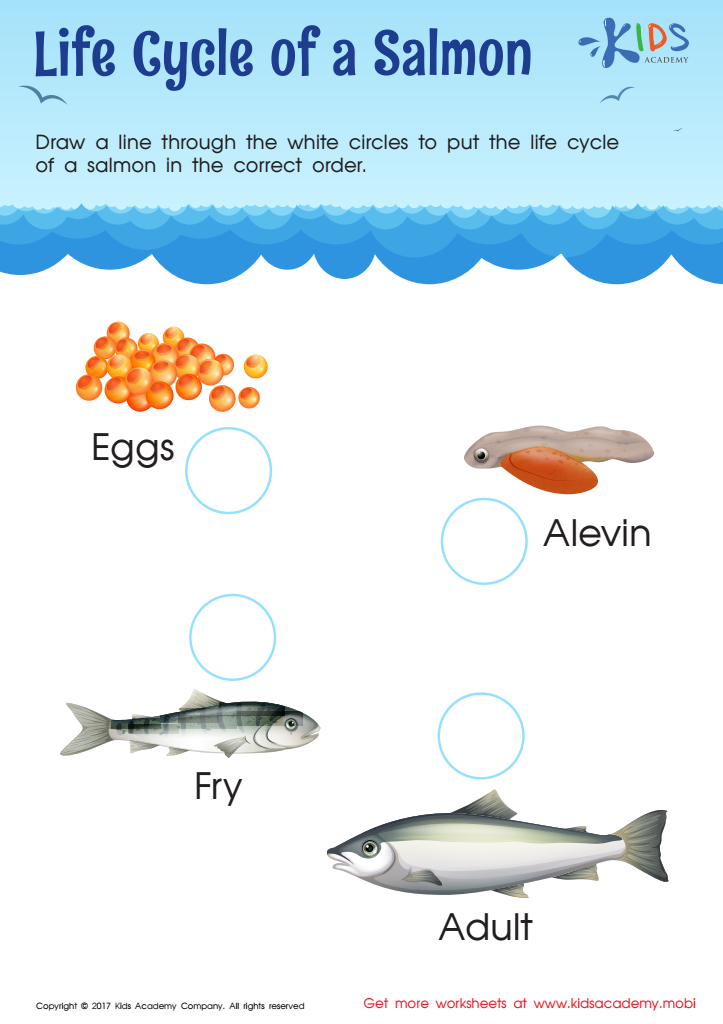
Cycle Of Salmon Worksheet
Explore the life cycle of a salmon with this grade 2 worksheet! Kids will learn by arranging the stages of the salmon's lifecycle in order. Science activities in this set cover a wide range of lifecycles in nature.
Cycle Of Salmon Worksheet
Worksheet
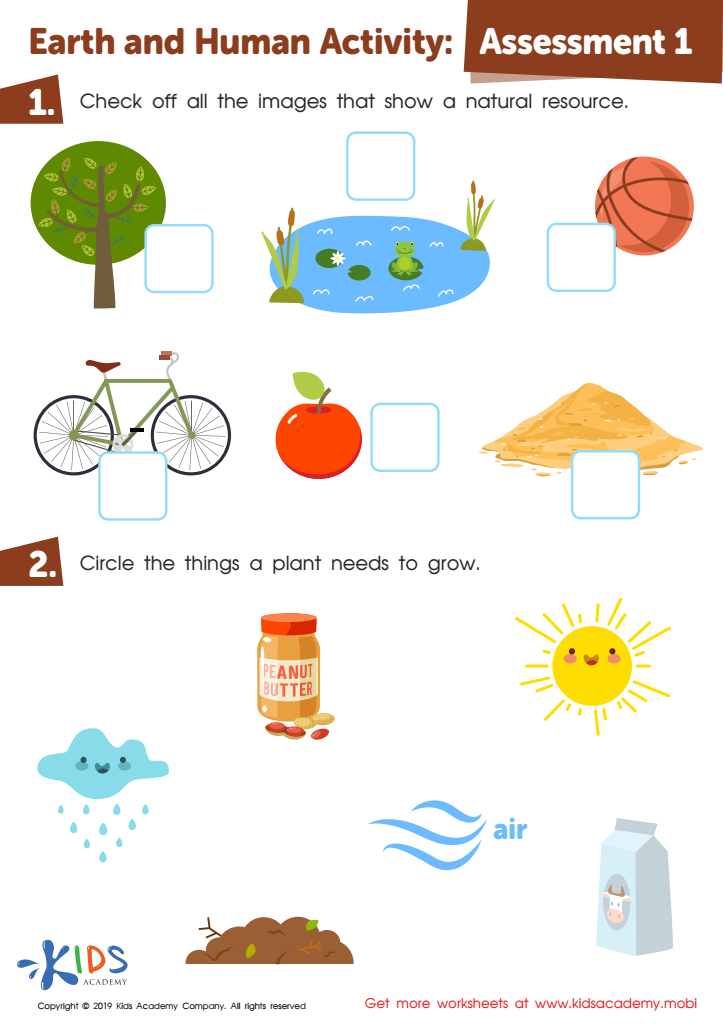
Earth and Human Activity: Assessment 1 Worksheet
Natural resources are gifts from Mother Nature that exist without man-made intervention. We use them to make essential items we use daily. Ask your kids for examples and have them check off images of natural resources on this worksheet.
Earth and Human Activity: Assessment 1 Worksheet
Worksheet
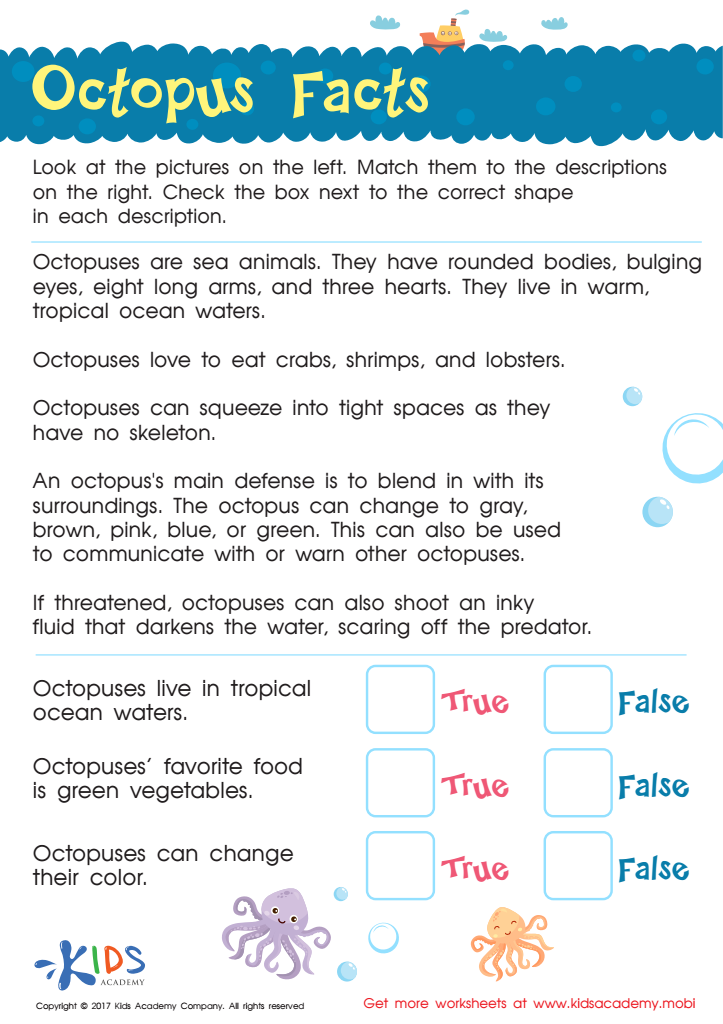
Octopus Facts Worksheet For Kids
Let your child dive into the world of octopuses with this fun worksheet. It offers invaluable practice in reading non-fiction texts, while they learn interesting facts about these strange sea creatures. It's a great way to help them hone their skills in reading comprehension.
Octopus Facts Worksheet For Kids
Worksheet
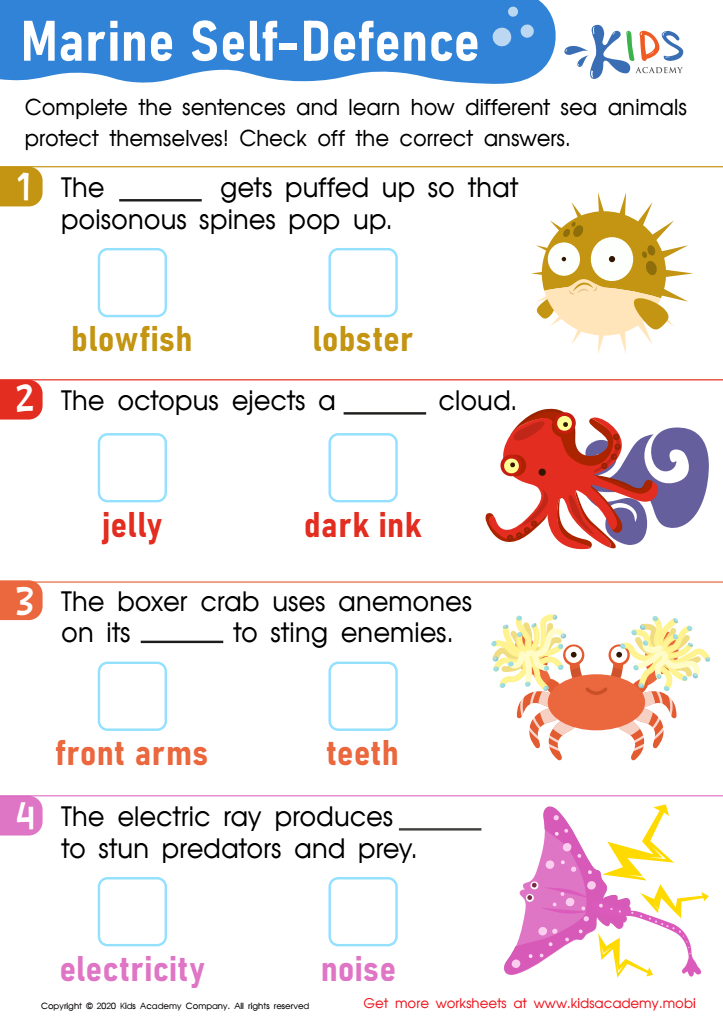
Marine Self-Defence Worksheet
Kids will love discovering the ingenious ways sea creatures protect themselves from predators such as sharks and whales! Let them explore the strategies with this fun science worksheet, which features vibrant illustrations. Have them fill in the blanks with each creature's defense strategy, such as shells, spikes, ink, or even electricity!
Marine Self-Defence Worksheet
Worksheet
Join Kids Academy for Free
Who is primarily going to use this learning content?








Critical thinking skills are essential for children ages 6-7 as they lay the foundation for understanding the world around them, particularly in exploring the interdependent relationships of plants and animals. Engaging kids in activities that involve critical thinking about living organisms encourages them to ask questions, analyze information, and draw conclusions, leading to a deeper appreciation for nature. For instance, understanding how plants and animals rely on each other for survival fosters a sense of responsibility toward the environment, inspiring eco-conscious behaviors from an early age.
Furthermore, promoting critical thinking enhances problem-solving abilities, vital for both academic success and everyday decision-making. Through discussions about ecosystems, habitats, and the role of various species, children learn to differentiate between causing impact and understanding consequences. These skills cultivate curiosity, bolstering their cognitive development.
When parents and teachers prioritize critical thinking in subjects like plants and animals, they help children become inquisitive learners equipped to tackle complex challenges. This early development aligns with long-term educational goals, supporting a generation that understands the intricacies of ecosystems and values sustainable practices. Ultimately, instilling these habits ensures children are better prepared for a rapidly changing world, both scientifically and socially.








