Identification skills Social Studies Worksheets for Ages 6-7
3 filtered results
-
From - To
Enhance your child’s learning experience with our Identification Skills Social Studies Worksheets designed specifically for ages 6-7. These engaging, printable worksheets provide young learners with the opportunity to explore essential social studies concepts, including community helpers, geographical features, and cultural diversity. Through fun activities, children will develop critical identification skills, encouraging them to recognize and understand the world around them. Perfect for home or classroom use, our worksheets promote cognitive growth while fostering curiosity and engagement in social studies. Give your child the tools to succeed as they embark on their educational journey with our interactive resources!
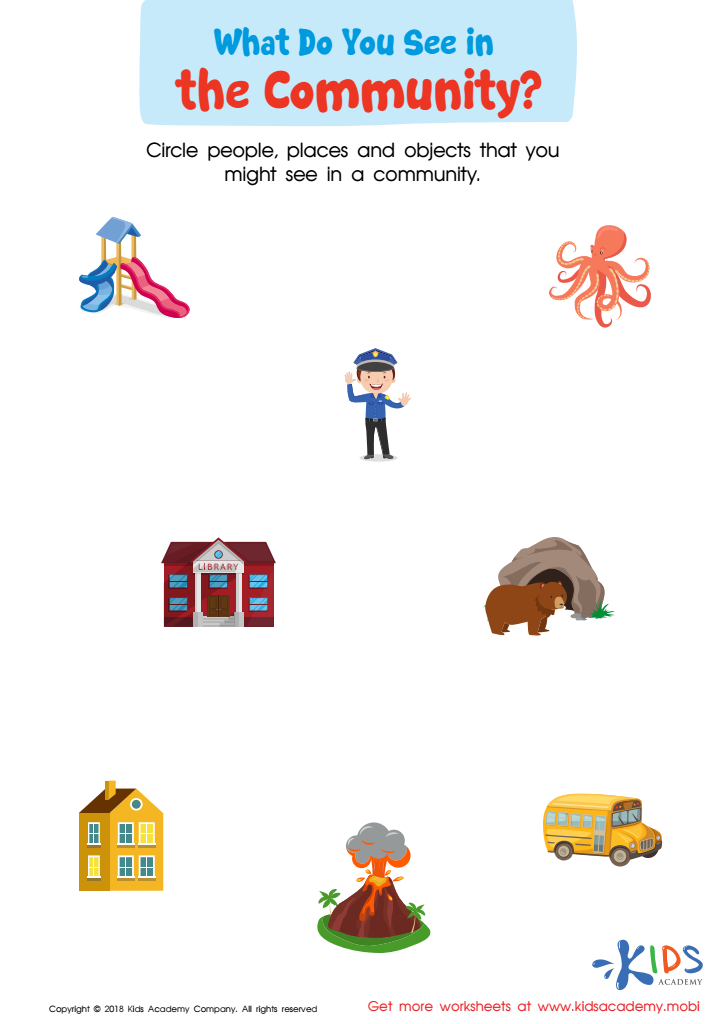
What Do You See in the Community Worksheet
 Assign to My Students
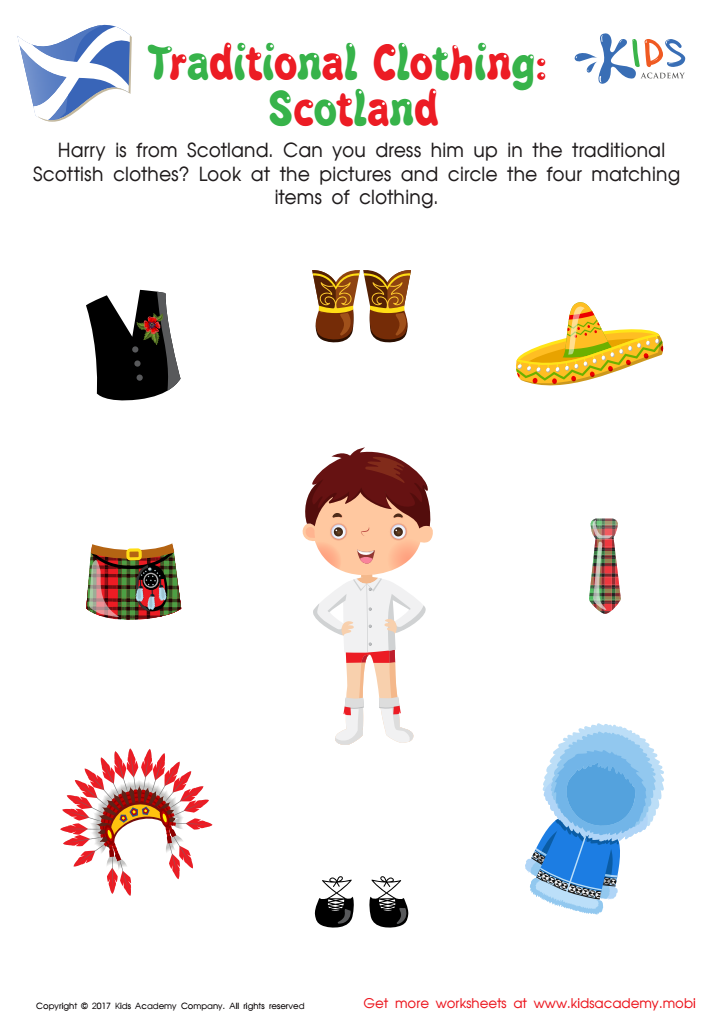
Traditional Clothing in Scotland Worksheet
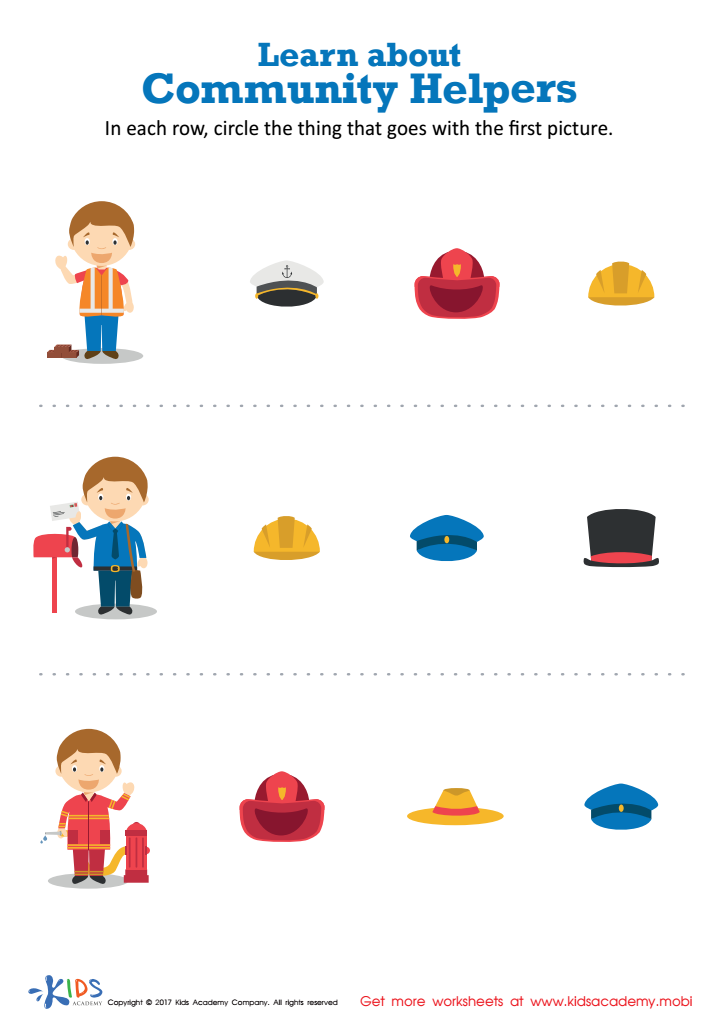
Learn about Community Helpers Printable




.jpg)



Identification skills in Social Studies are crucial for children aged 6-7, as they lay the foundation for understanding the world around them. At this age, children are naturally curious about their environment, cultures, and communities. Developing identification skills empowers them to recognize and name important concepts, symbols, and figures in history and geography, fostering a sense of belonging and identity.
Parents and teachers should care about these skills because they enhance critical thinking. By learning to identify geographical locations, historical events, and cultural practices, children begin to form connections and relate to their own lives and experiences. This not only enriches their knowledge but also cultivates empathy and respect for diversity.
Moreover, early identification skills contribute to effective communication. As children articulate their thoughts and observations about social concepts, they become more engaged learners and confident speakers.
Encouraging these skills also supports academic success across subjects, as Social Studies teaches interdisciplinary connections. Ultimately, instilling strong identification skills helps build informed, responsible citizens who are ready to actively participate in their communities and understand global perspectives. Thus, parents and teachers play a vital role in nurturing these essential skills in young learners.








