Matching skills Social Studies Worksheets for Ages 6-7
3 filtered results
-
From - To
Boost your child’s learning experience with our engaging Matching Skills Social Studies Worksheets designed for ages 6-7! These interactive worksheets promote critical thinking while helping young learners connect concepts in a fun and supportive way. Activities encourage students to match images, vocabulary, and ideas related to social studies themes, fostering their understanding of community, geography, and cultural differences. Perfect for classwork or home activities, these worksheets are an excellent resource for early grade teachers, homeschooling parents, and tutors. Help your child develop essential matching skills while exploring the exciting world of social studies! Download now to start learning!
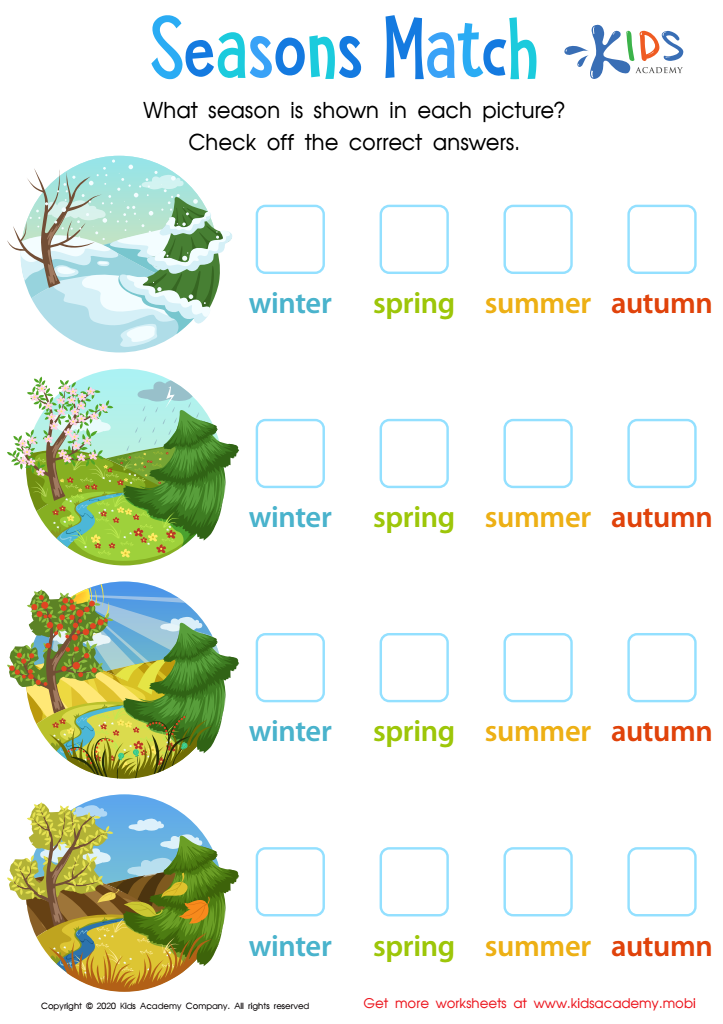
Seasons Match Worksheet
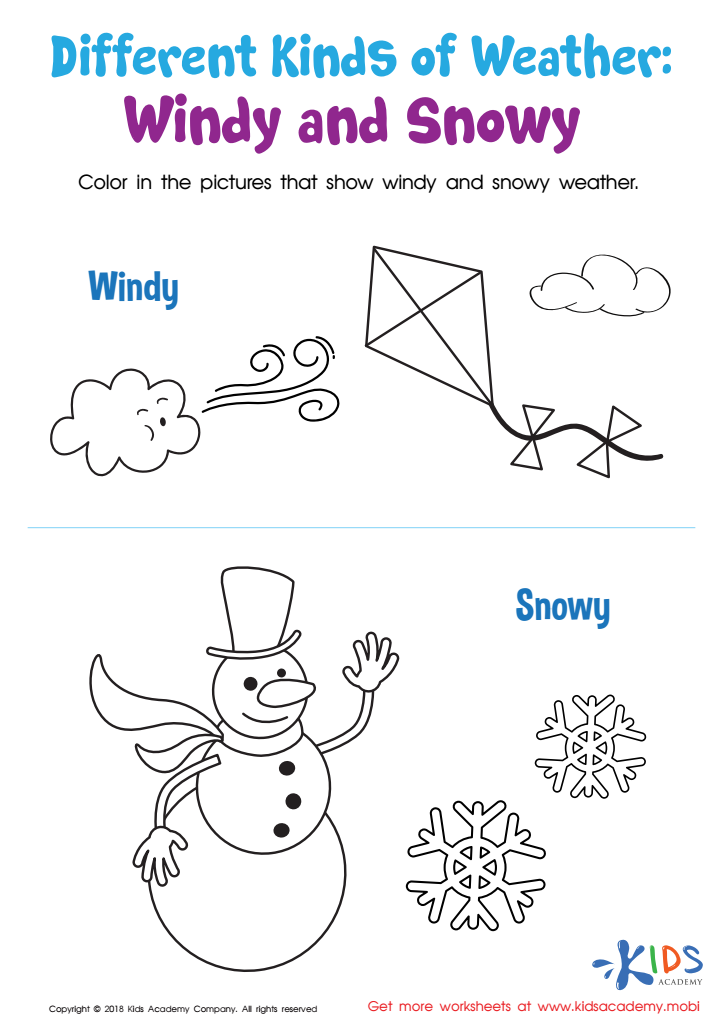
Different Kinds of Weather: Windy and Snowy Worksheet
 Assign to My Students
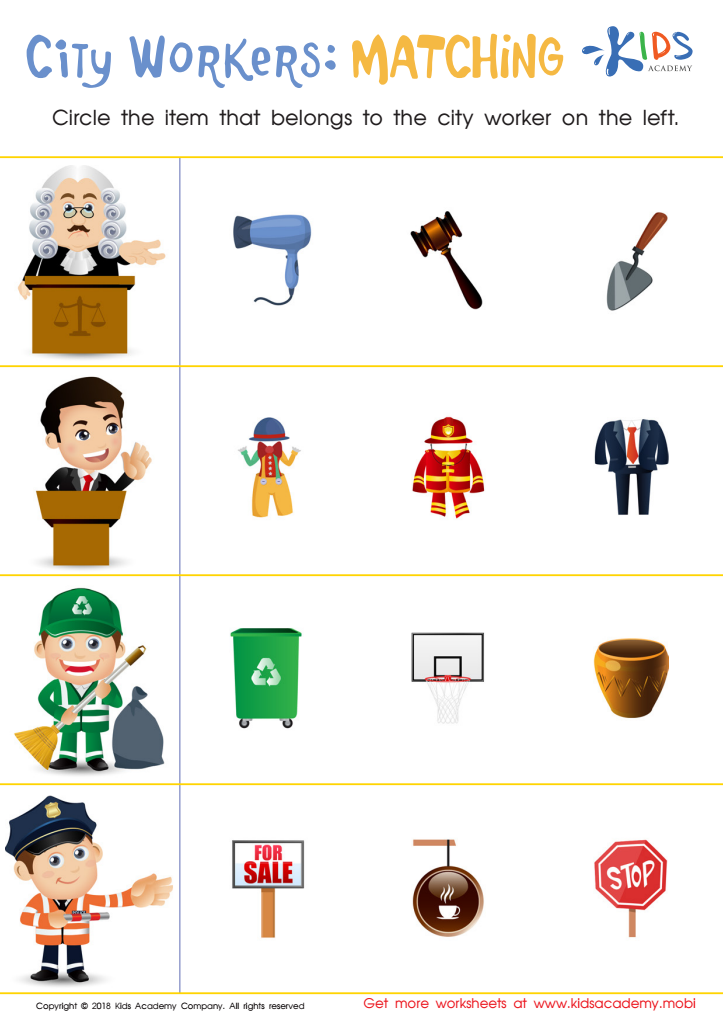
City Workers: Matching Worksheet








Parents and teachers should prioritize teaching matching skills in Social Studies for children ages 6-7 because these skills lay the foundation for critical thinking and cognitive development. At this age, children are beginning to explore their world, and social studies provides opportunities to understand their community, culture, and history. Matching activities, such as pairing images with concepts, help children make connections between new knowledge and familiar ideas, enhancing comprehension.
Incorporating matching skills fosters engagement and reinforces key concepts while developing memory and attention to detail. For example, matching community helpers with their tools can spark discussions about roles and responsibilities within society, encouraging a deeper appreciation for teamwork and civic responsibility.
Moreover, these skills support language development, as students learn to articulate relationships and descriptions in social contexts. As children practice matching, they also develop fine motor skills and increase their confidence in working with interdisciplinary subjects.
By investing time in matching skills, parents and teachers contribute to a well-rounded education, preparing children to understand and participate in their societal environments effectively. Ultimately, these foundational skills promote curiosity, enhance learning engagement, and serve as building blocks for future academic achievement in social studies and beyond.








