Reading Skills Enhancement Alphabet Worksheets for Ages 6-8
3 filtered results
-
From - To
Enhance your child's reading skills with our Alphabet Worksheets designed for ages 6-8. These engaging, printable exercises help young learners recognize, write, and pronounce letters while building a strong foundation for reading fluency. Each worksheet combines fun activities, like coloring and tracing, with educational exercises that reinforce phonics and vocabulary. Perfect for classroom use or homeschooling, these worksheets are tailored to support early readers in developing confidence and proficiency. Unlock the joy of reading with structured, age-appropriate resources that turn learning into an adventure. Explore our collection today and watch your child's reading skills soar!
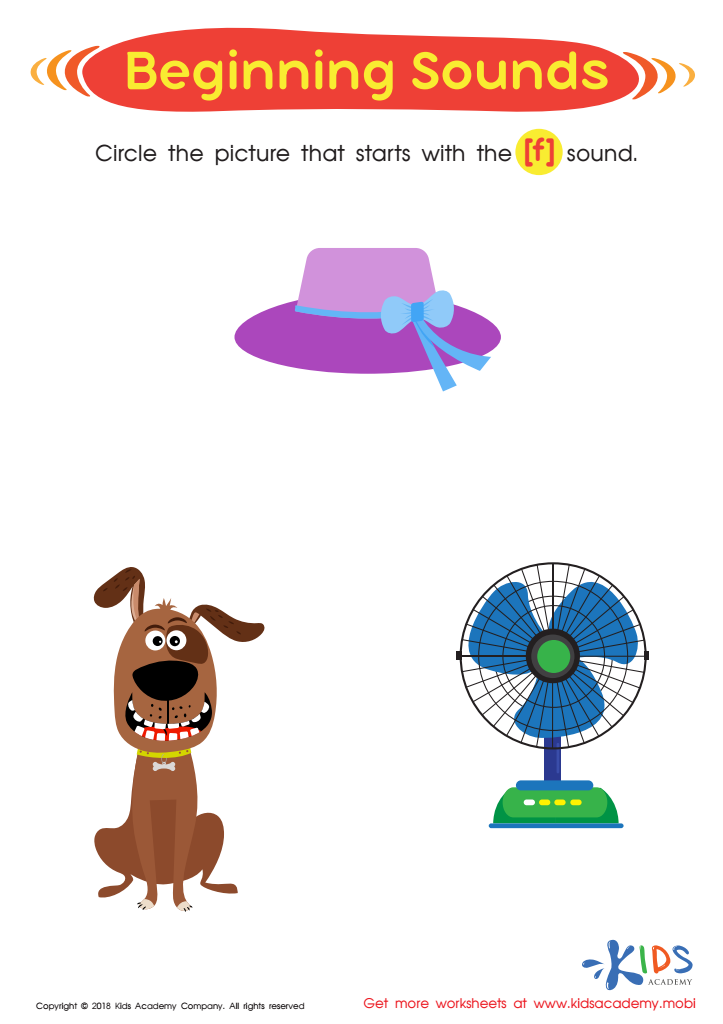
Beginning Sounds Assessment Printable
 Assign to My Students
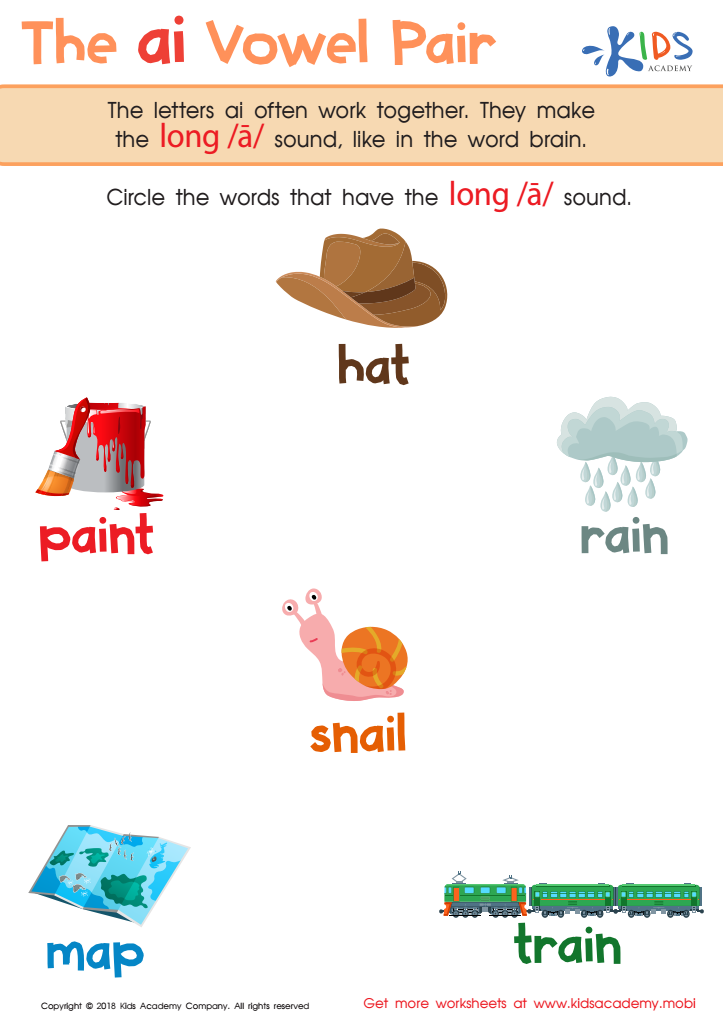
The AI Vowel Pair Worksheet
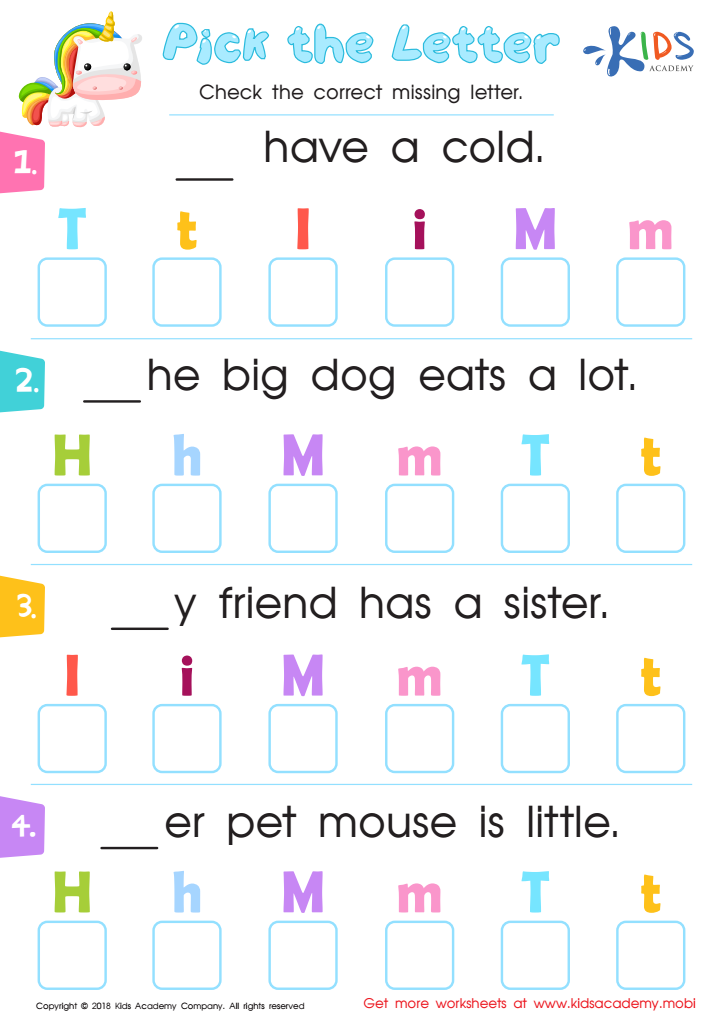
Pick the Letter Worksheet





.jpg)
Parents and teachers should prioritize the Reading Skills Enhancement Alphabet for children ages 6-8 because it lays the fundamental groundwork for future academic achievements and overall cognitive development. During these formative years, children are not just learning to read, but are reading to learn. An enhanced alphabet system instills linguistic awareness by introducing rich phonetic elements and consistent visual symbols, thereby making the connection between sounds and letters more intuitive. This consistency helps to minimize confusion and accelerates the pace at which children grasp reading concepts.
Strong reading skills are directly linked to better comprehension, vocabulary, and critical thinking abilities, which are essential for success across all academic subjects. Early mastery of reading fosters a lifelong love for learning, boosting a child's confidence and motivation. Additionally, struggling readers can experience frustration and anxiety, hindering their educational progress and self-esteem. The specialized alphabet system provides structured support, making reading less intimidating and more accessible.
Moreover, by focusing on reading skills enhancement during the 6-8 age range, parents and teachers can identify and address potential learning challenges early on. This timely intervention is crucial for developing tailored strategies that accommodate individual learning needs, ensuring that no child falls behind. In essence, a strong emphasis on reading skills at this pivotal stage sets the stage for a lifetime of success and intellectual curiosity.







