Counting practice Worksheets for Ages 6-8
147 filtered results
-
From - To
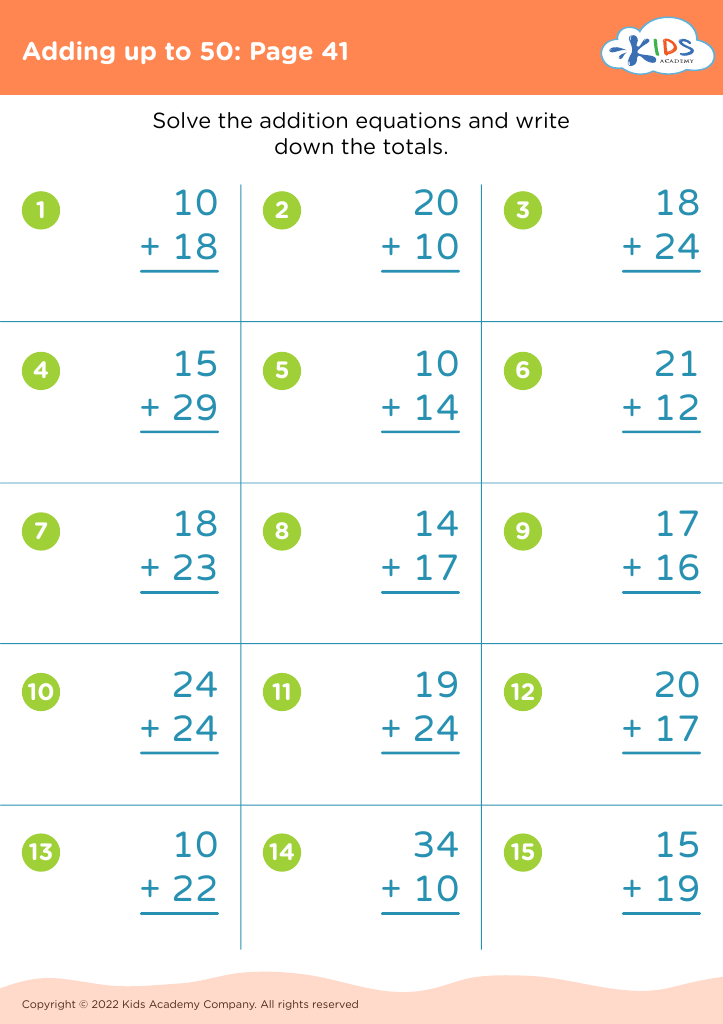
Welcome to our Counting Practice Worksheets for Ages 6-8, designed to help young learners master counting skills in a fun and engaging way! Our printable worksheets feature a variety of activities that reinforce essential counting concepts, such as number recognition, sequencing, and basic addition. With colorful illustrations and interactive exercises, children will enjoy developing their numerical understanding through activities like counting objects, filling in missing numbers, and solving simple math problems. These worksheets are perfect for parents and teachers looking to enhance math proficiency while keeping students motivated and eager to learn. Explore our collection and watch your child's confidence in counting grow!
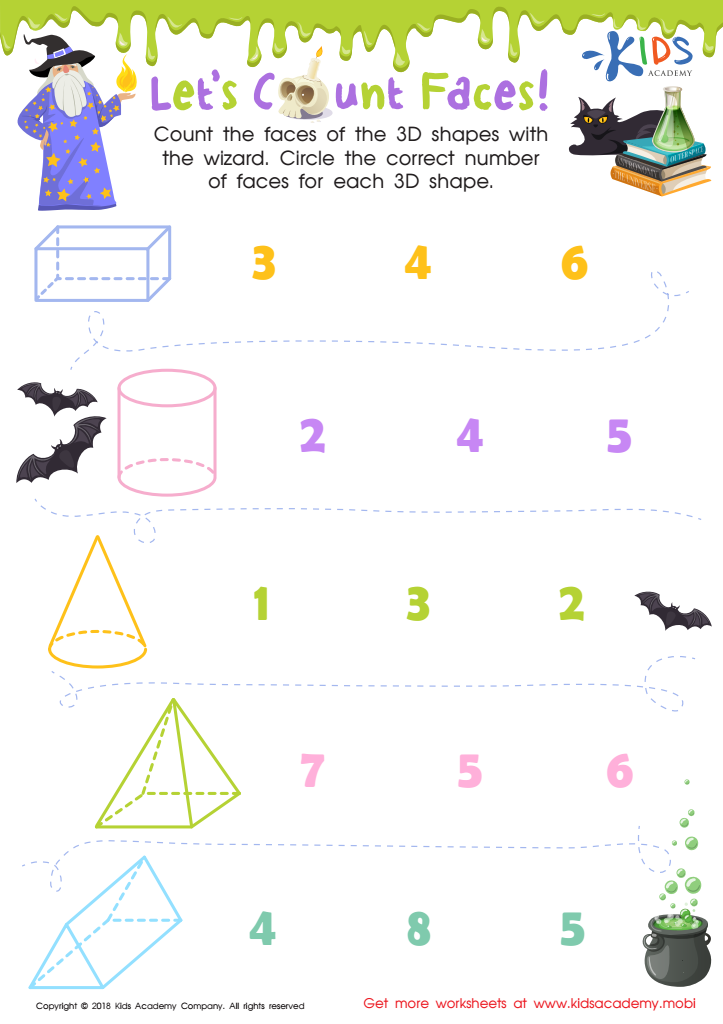
Let's Count Faces! Worksheet
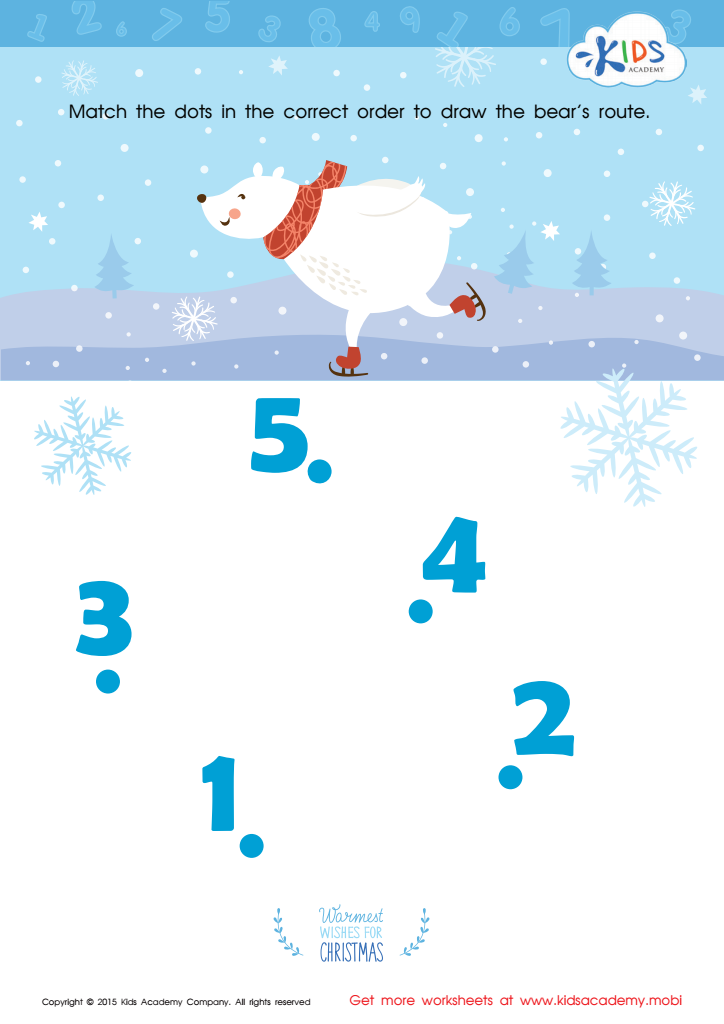
Drawing the Bear's Route by Number Worksheet
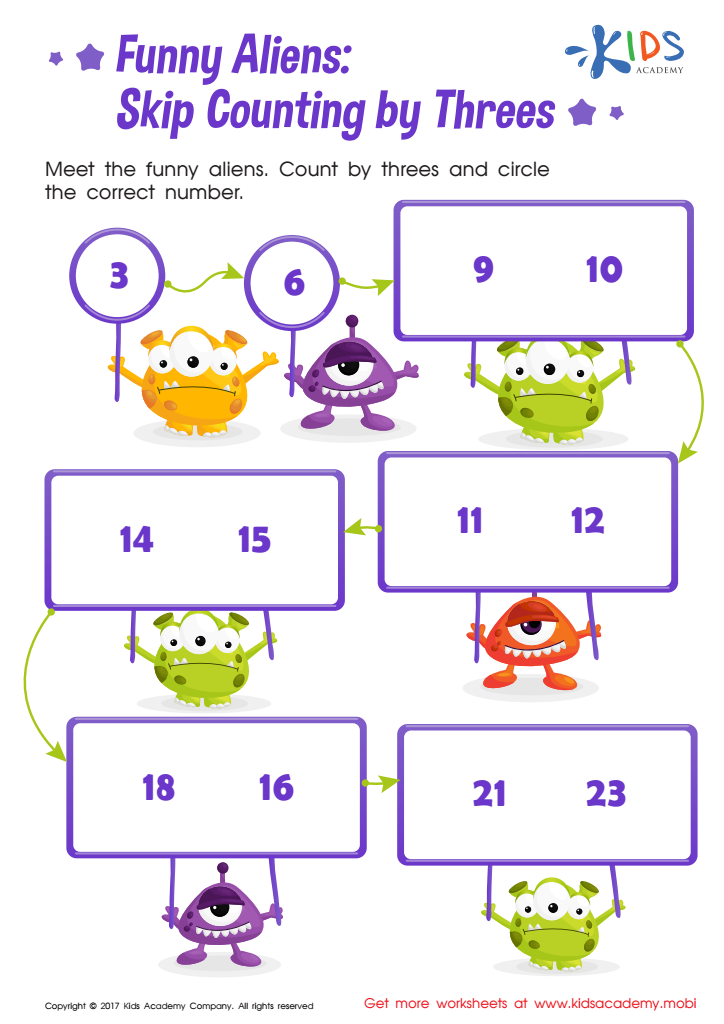
Skip Counting by 3s: Funny Aliens Printable
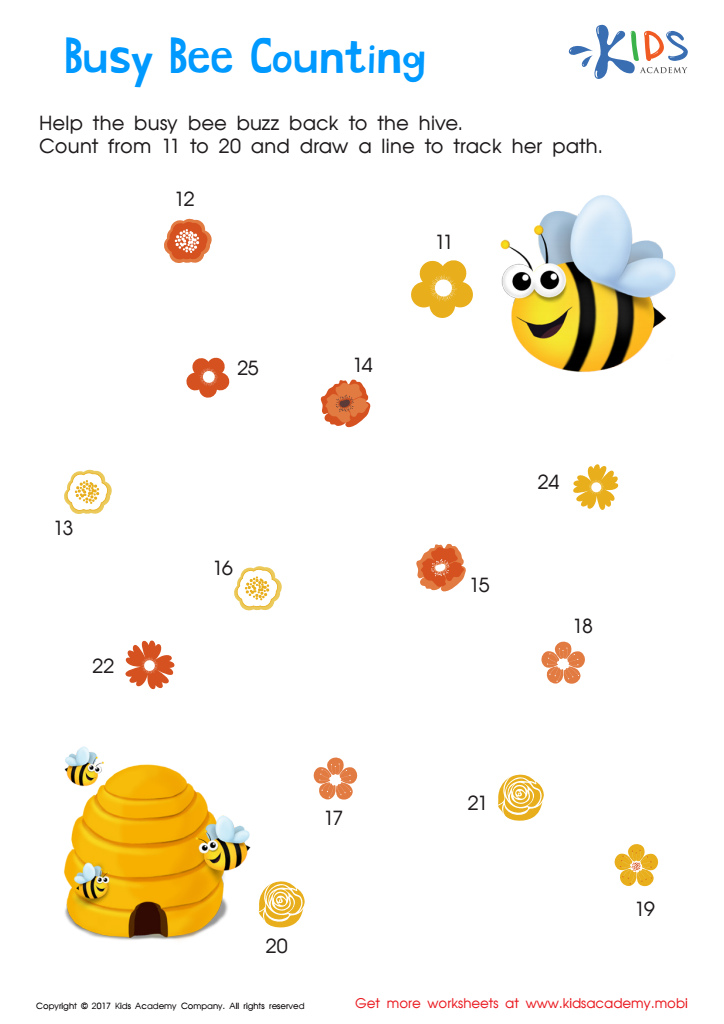
Ordering 11–20: Busy Bee Counting Worksheet
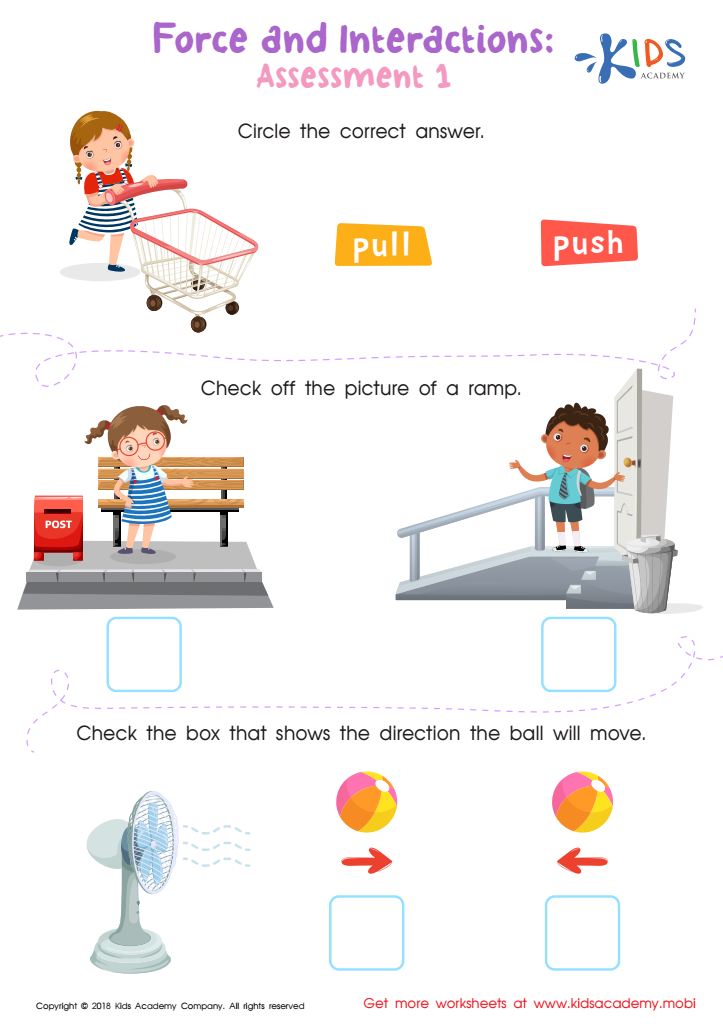
Force and Interactions: Assessment 1 Worksheet
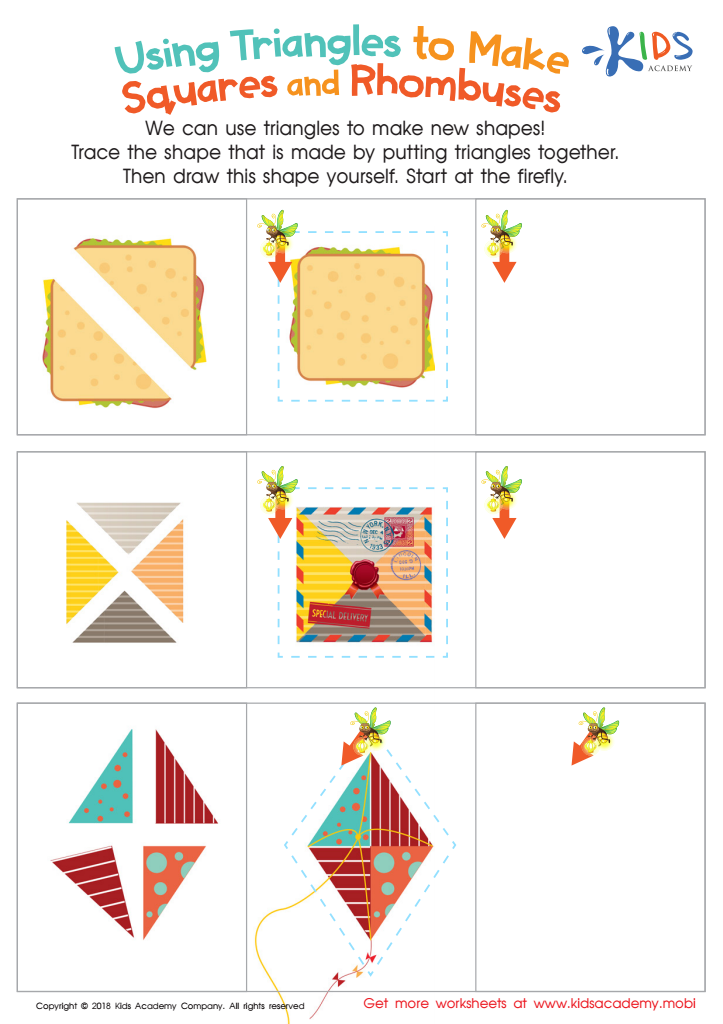
Using Triangles to Make Squares and Rhombuses Worksheet
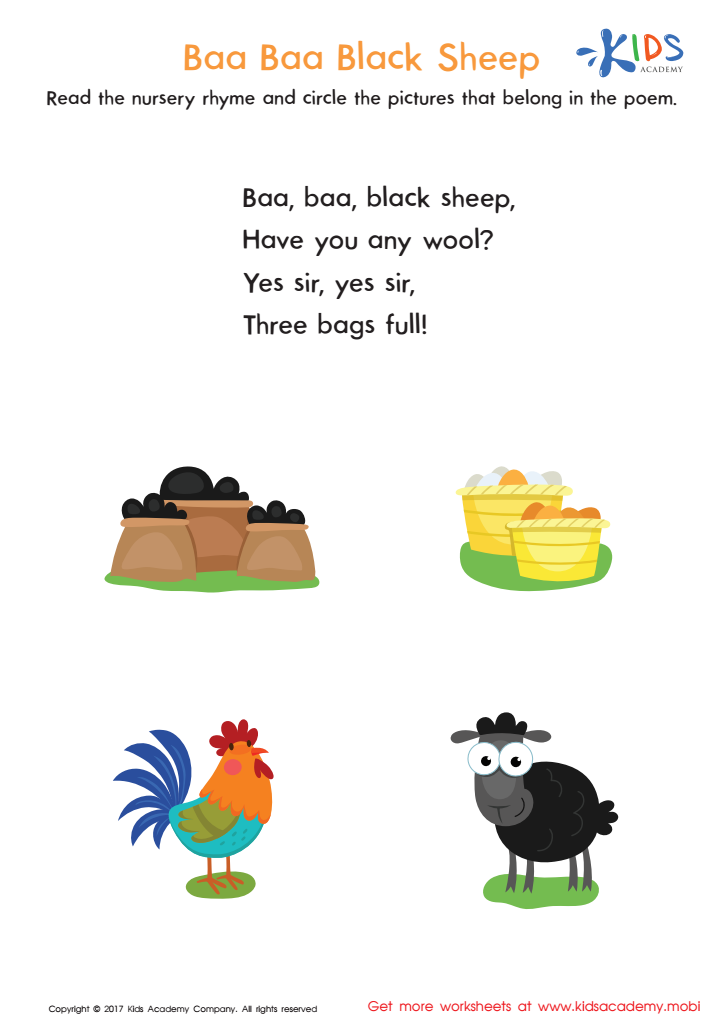
Baa Baa Black Sheep Printable
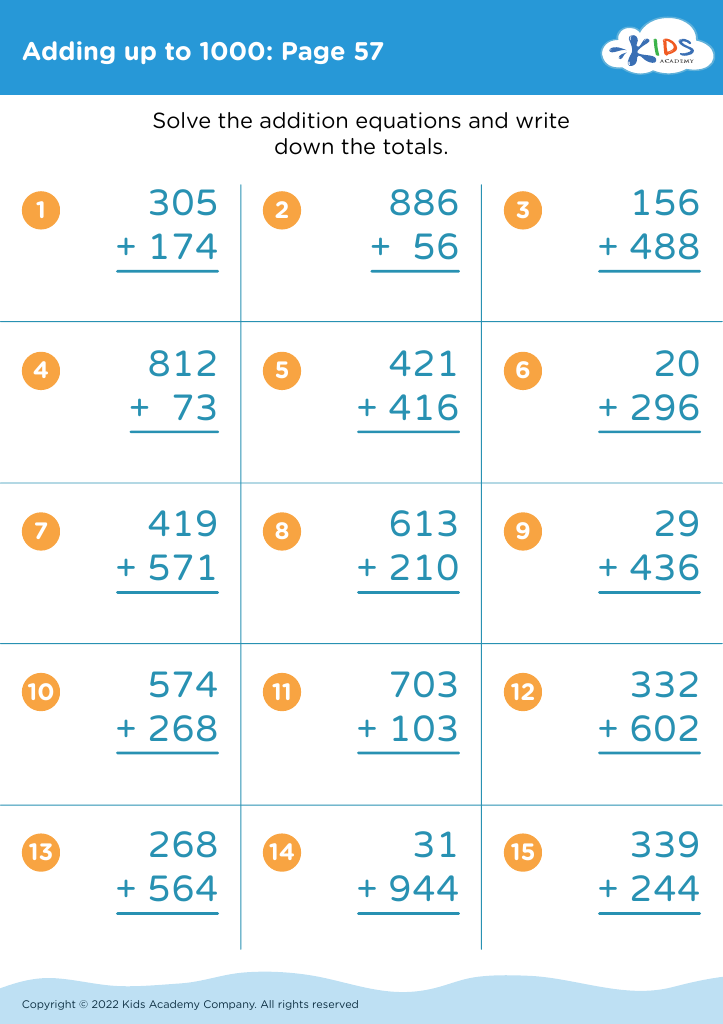
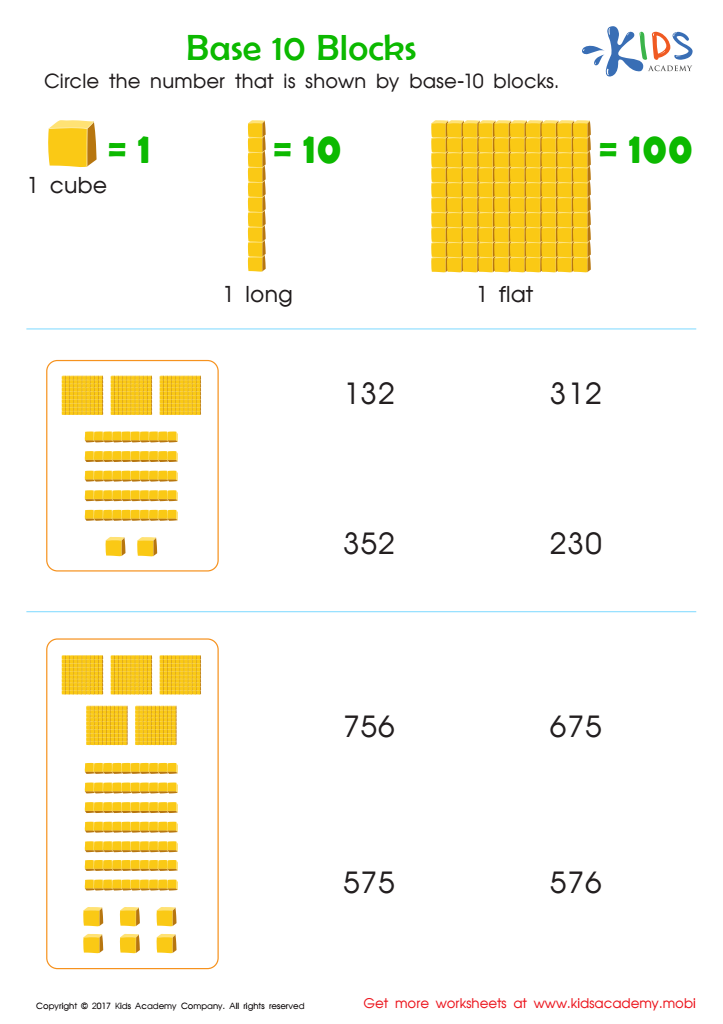
Base Ten Blocks Worksheet
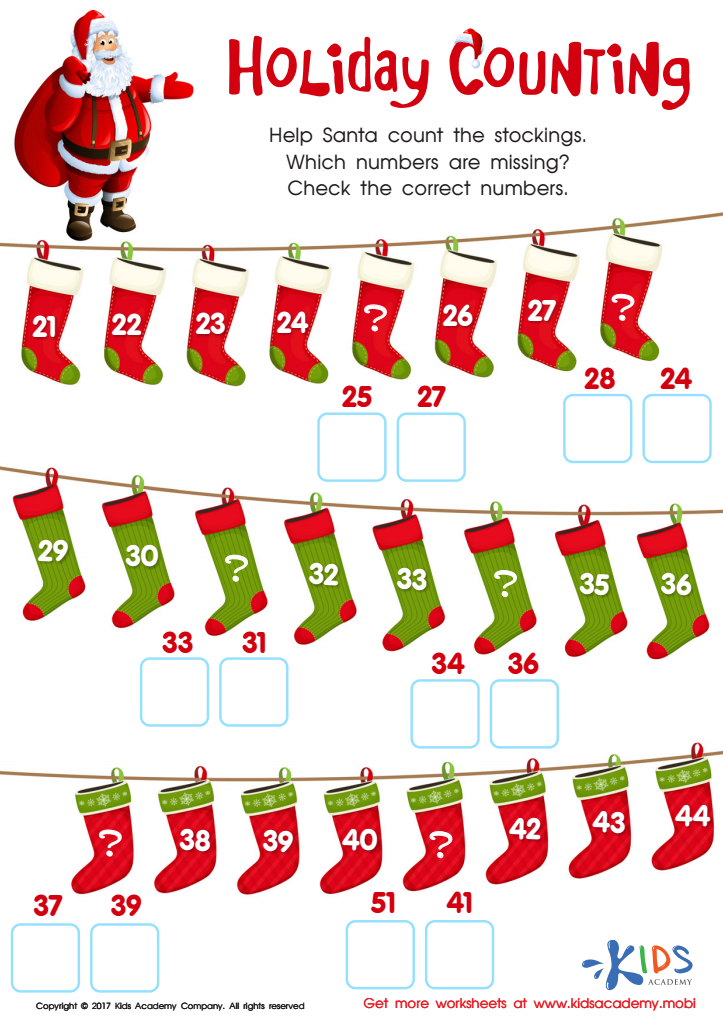
Holiday Counting Worksheet
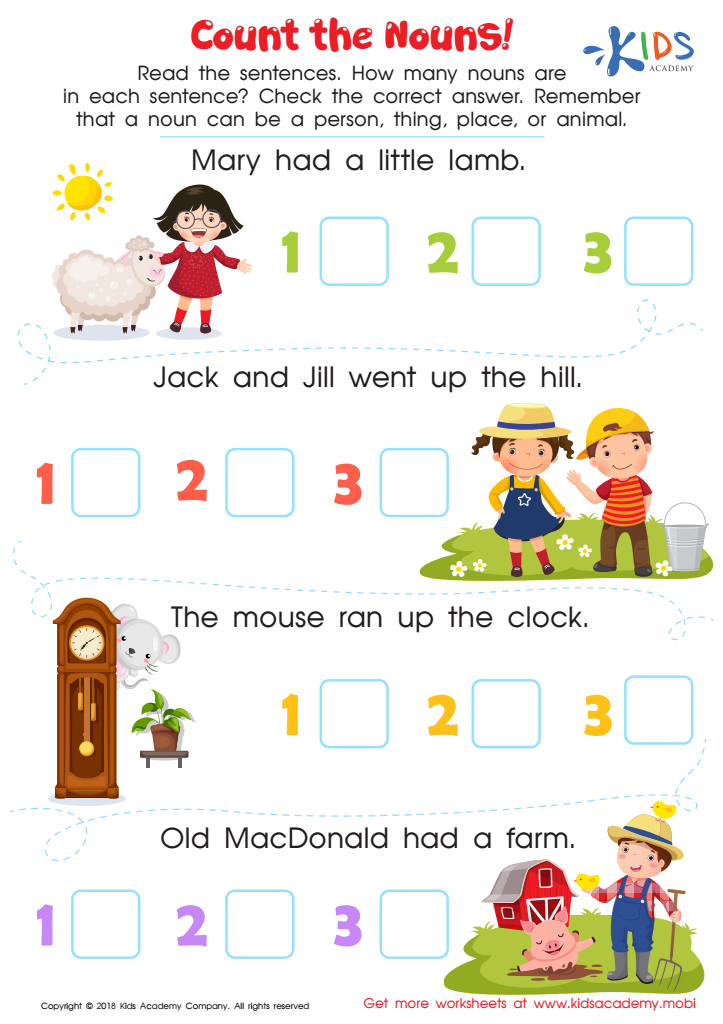
Count the Nouns Worksheet
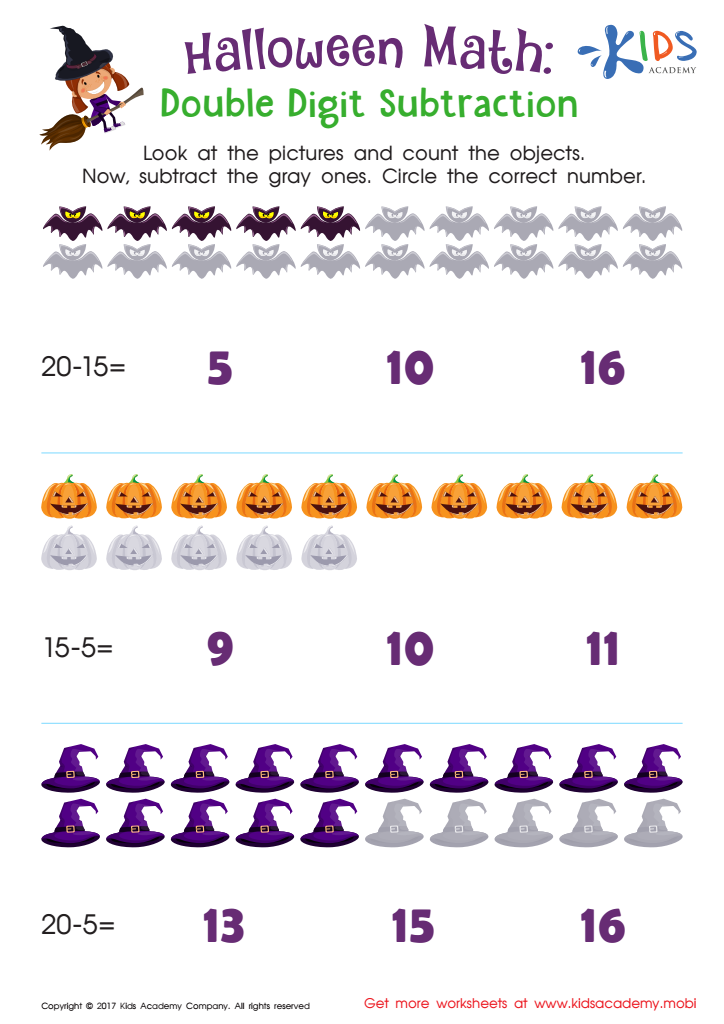
Halloween Math Subtraction Worksheet
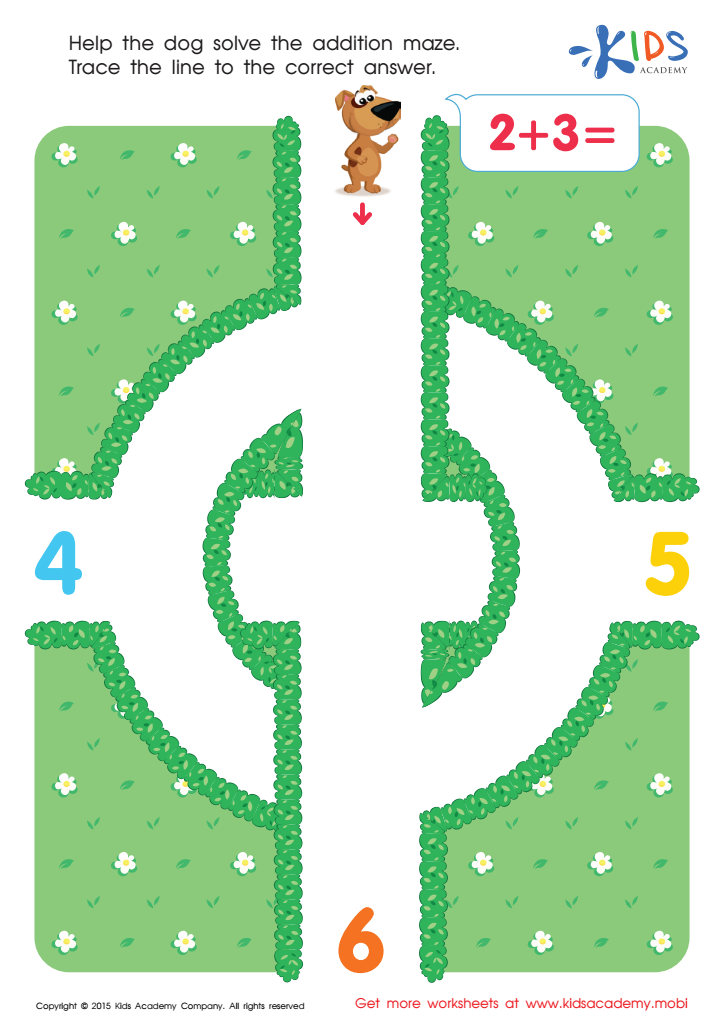
Two And Three Addition Worksheet
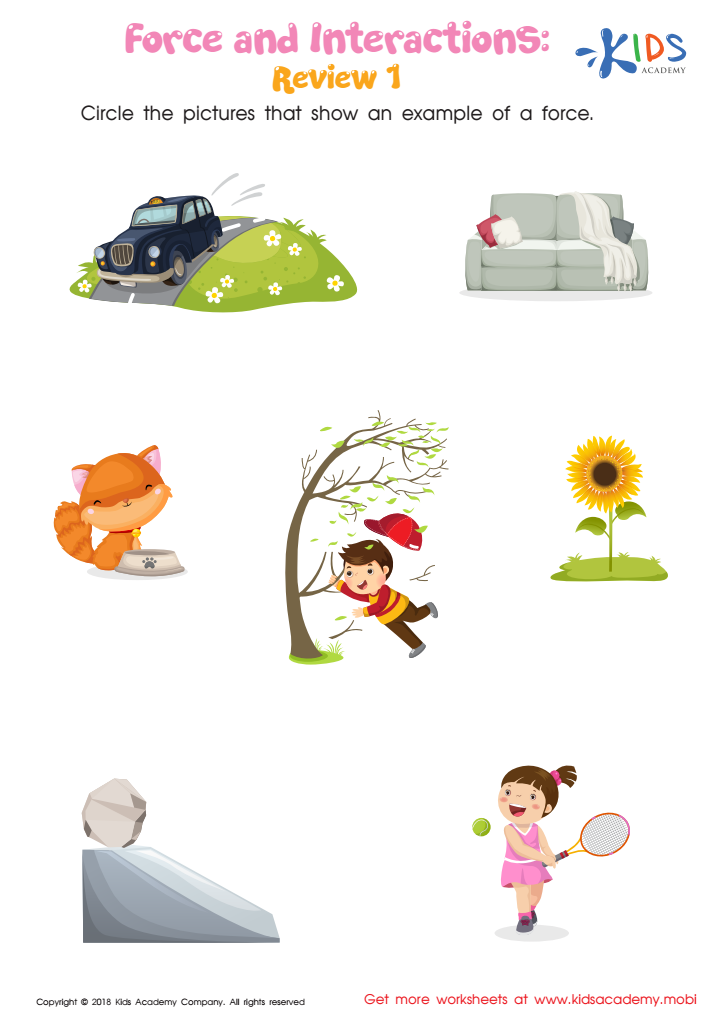
Force and Interactions: Review 1 Worksheet
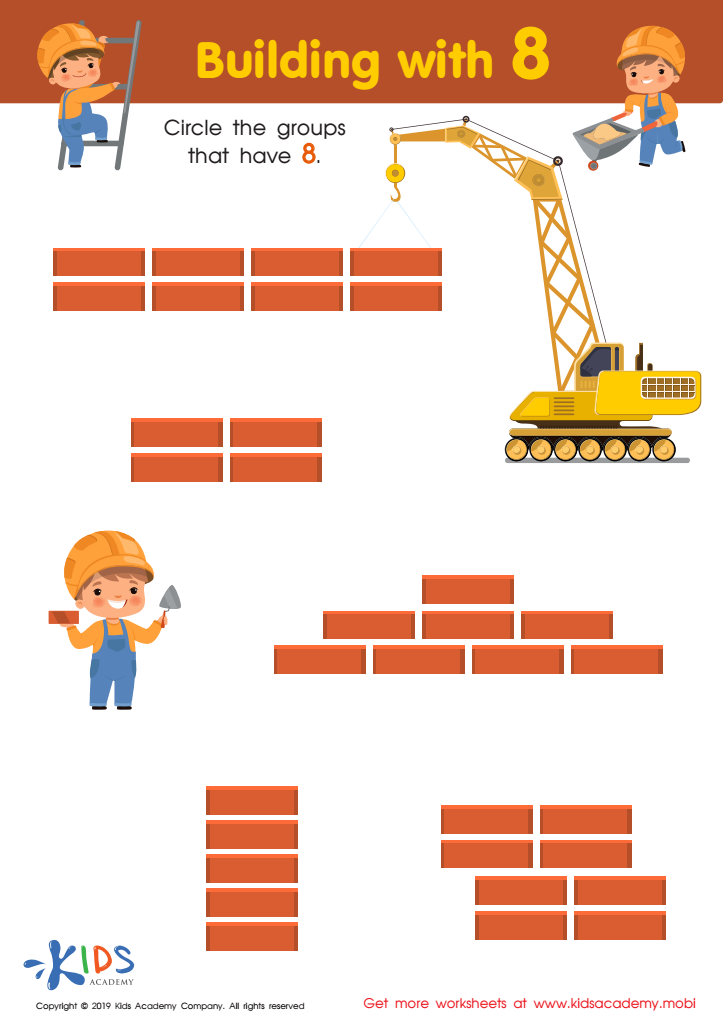
Building with 8 Worksheet
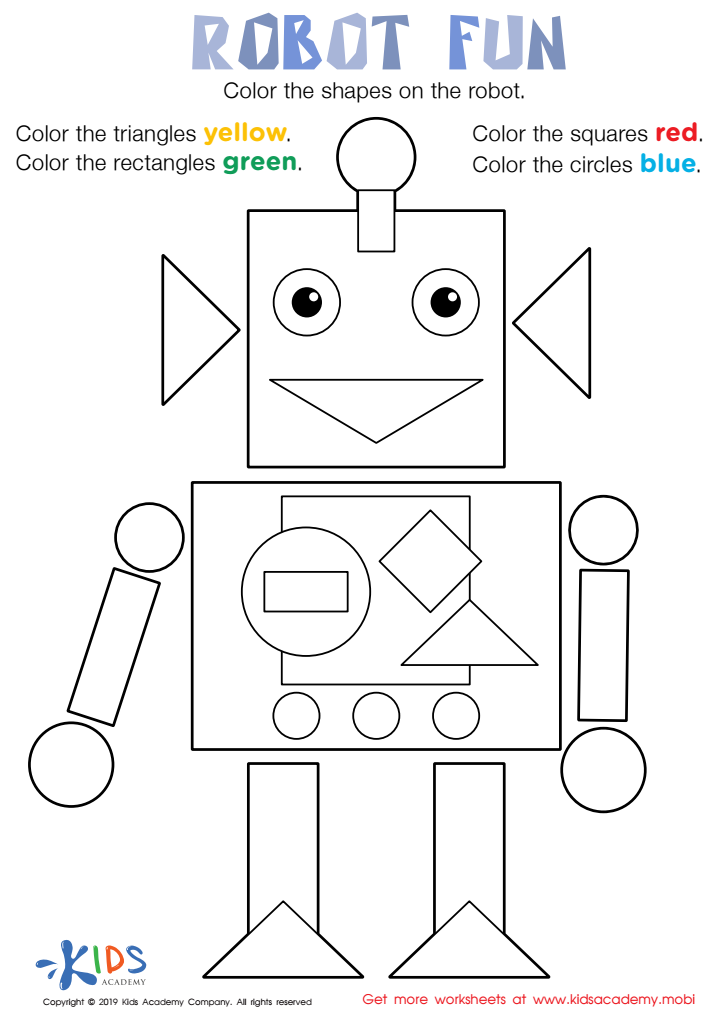
Robot Fun Worksheet
 Assign to My Students
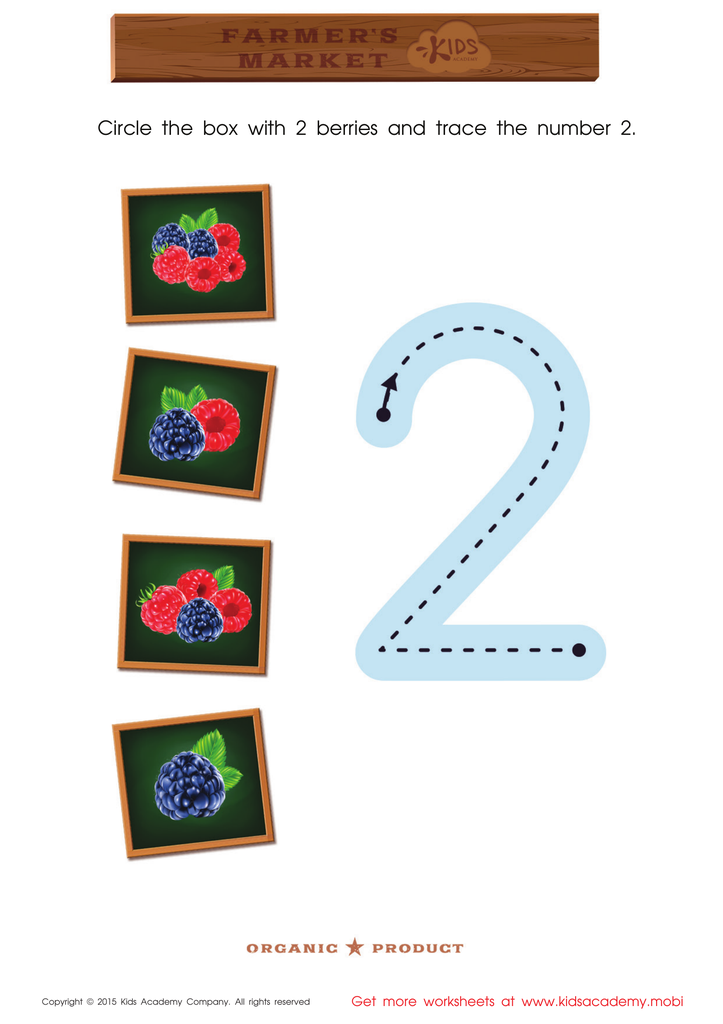
Count the Berries and Trace the Number 2 Printable
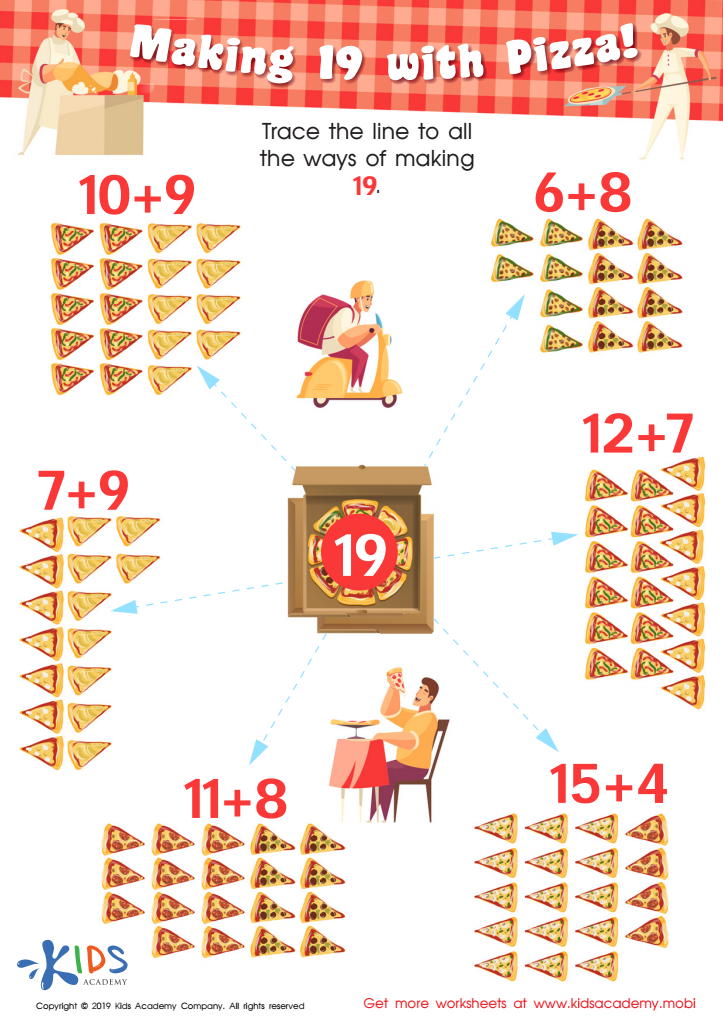
Making 19 with Pizza! Worksheet
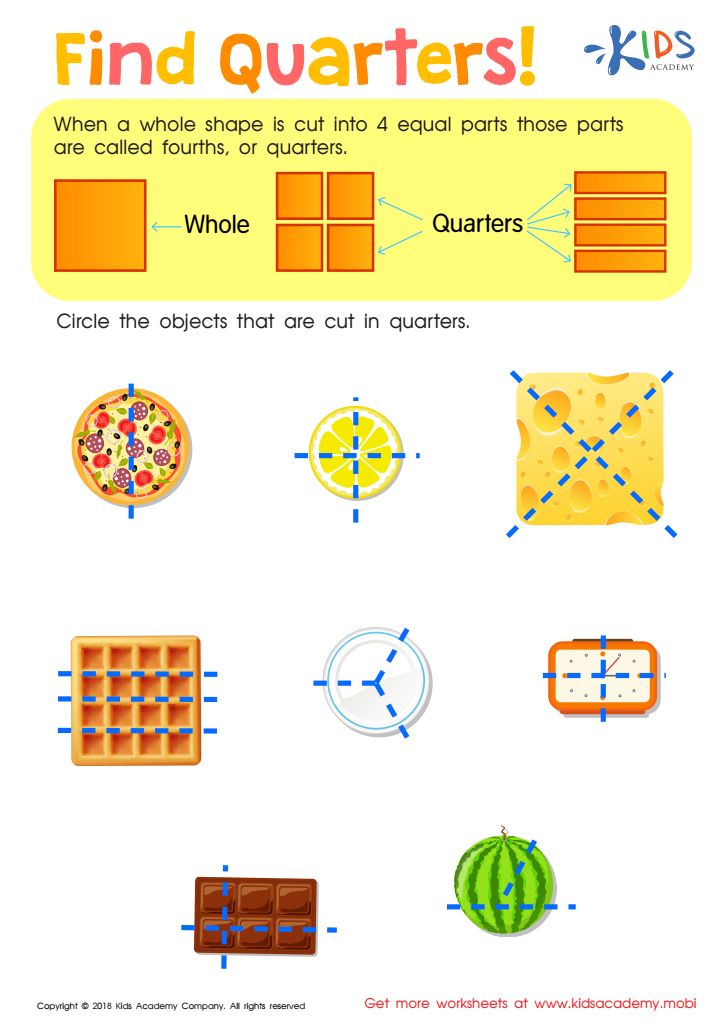
Find Quarters Worksheet
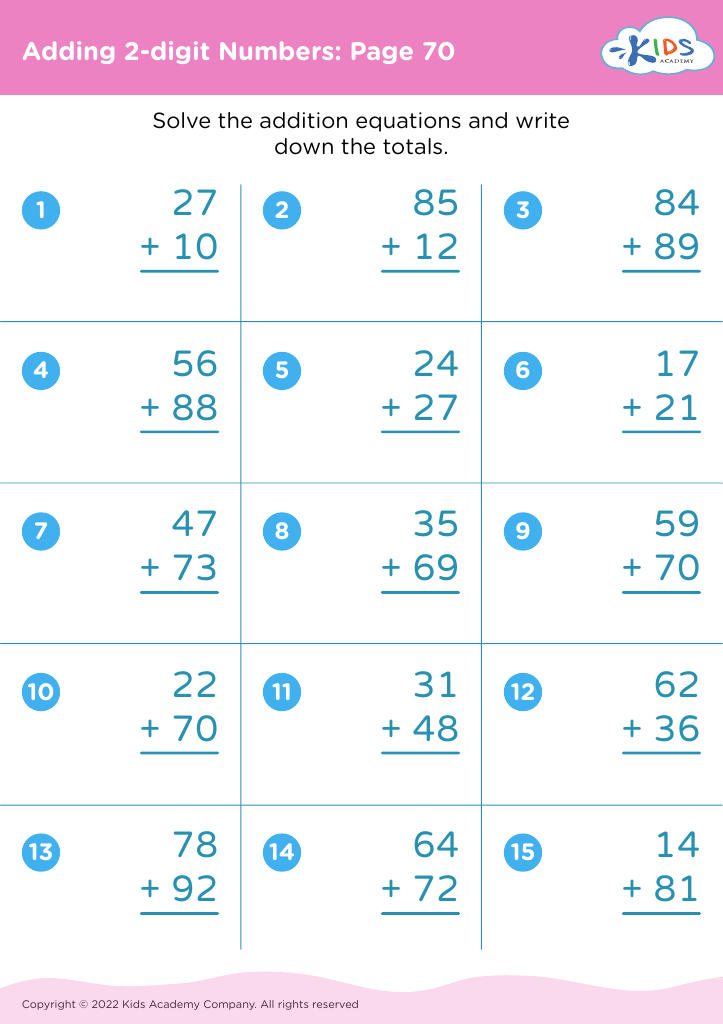
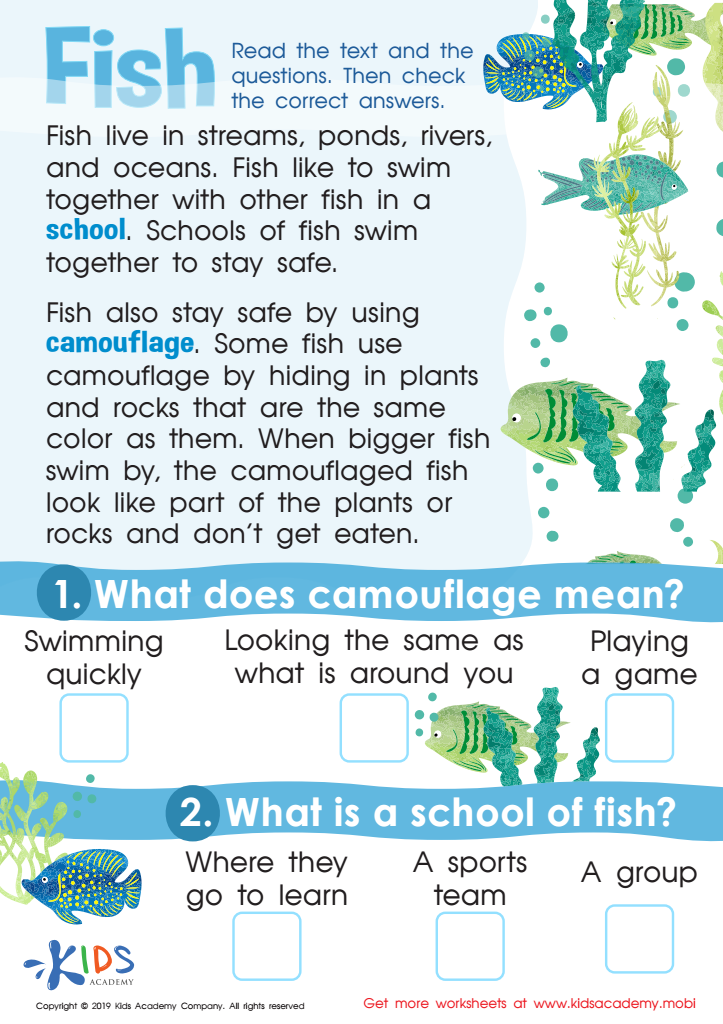
Fish Worksheet




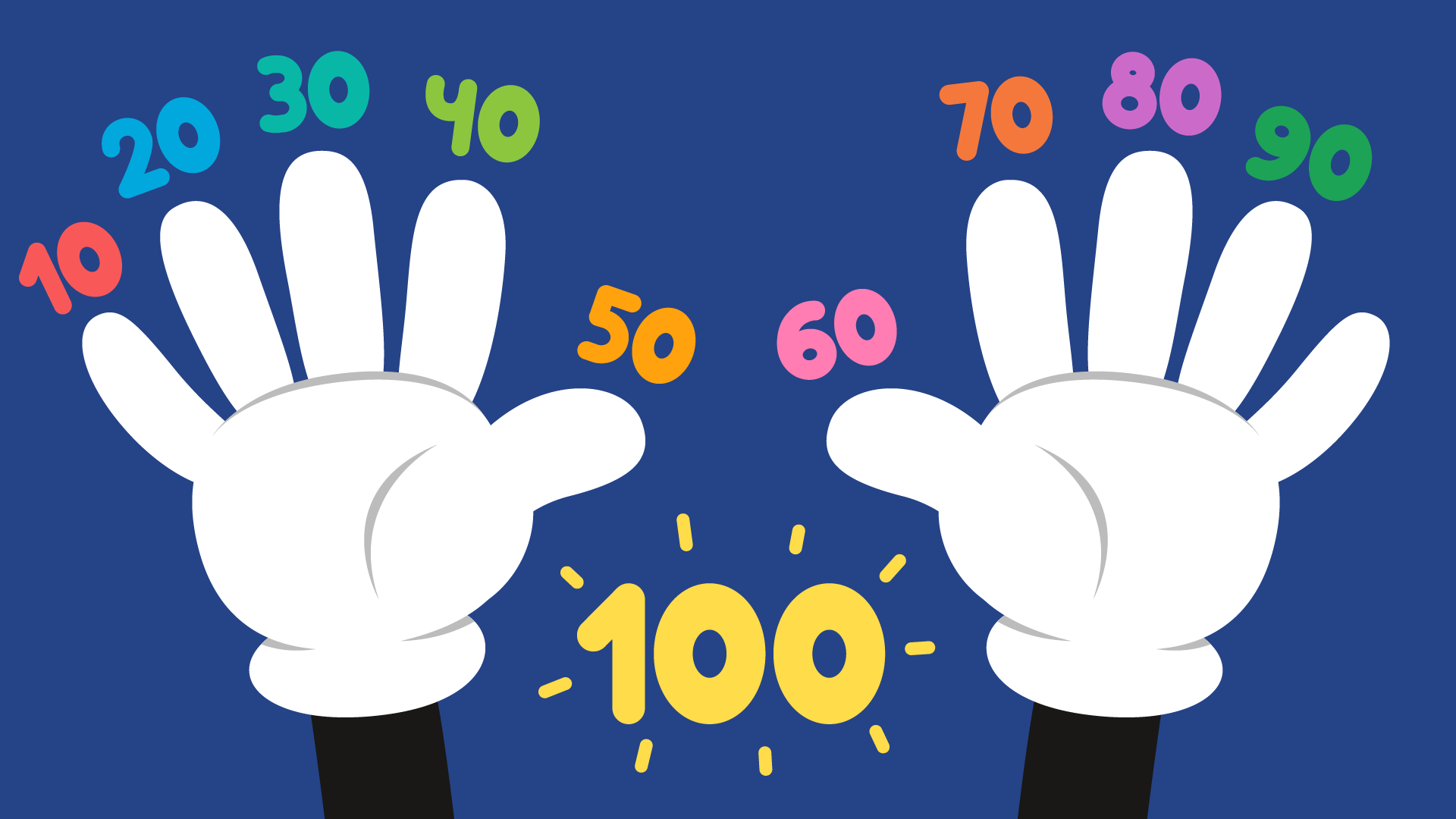

Counting practice for children ages 6-8 is crucial for their overall cognitive development and foundational math skills. At this stage, kids begin to grasp more complex mathematical concepts such as addition, subtraction, and even basic multiplication. Regular counting helps reinforce their understanding of number sequences and improves their ability to visualize numbers in various contexts.
Engaging in counting activities enhances children's confidence in their math abilities, which is vital for a positive learning experience. It also aids in developing essential life skills, such as problem-solving and critical thinking. As kids practice counting, they learn about patterns, which can further enhance their grasp of mathematics.
Parents and teachers should prioritize counting practice because it lays the groundwork for future academic success. Furthermore, encouraging playful and interactive counting activities can transform learning into a fun experience, making children more enthusiastic about math. By integrating counting into daily routines—be it through games, songs, or everyday tasks—adults can foster a love for numbers while reinforcing valuable skills. Ultimately, investing time and effort in counting practice not only supports immediate learning but also prepares children for more advanced math and problem-solving challenges in the future.








