Problem-solving abilities Worksheets for Ages 6-8 - Page 2
51 filtered results
-
From - To
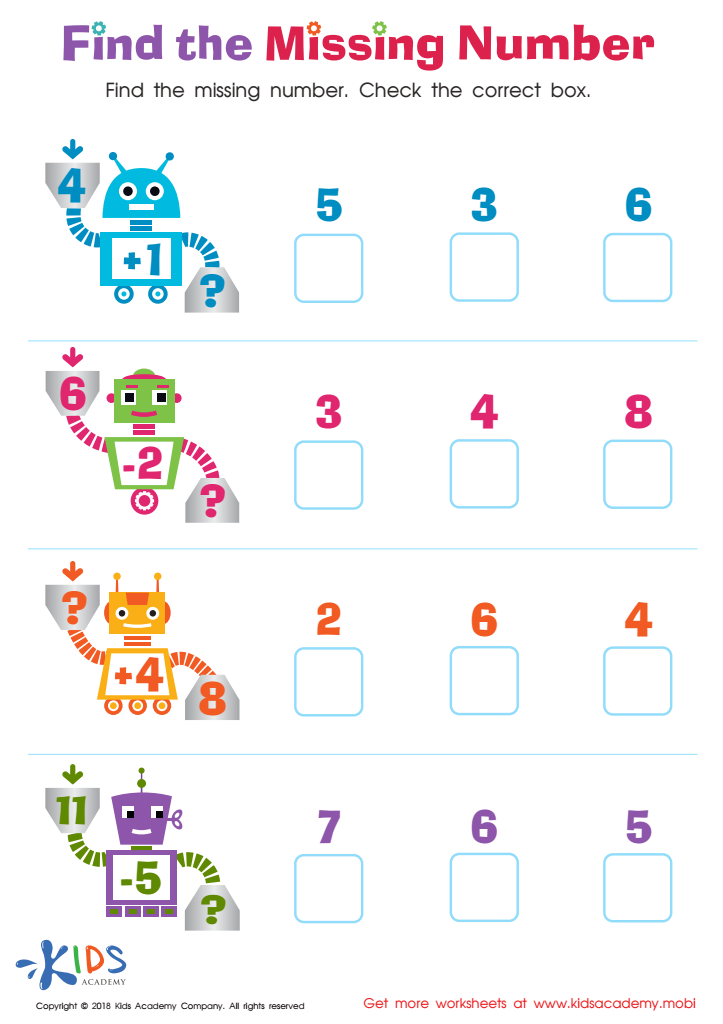
Find the Missing Number Worksheet
 Assign to My Students
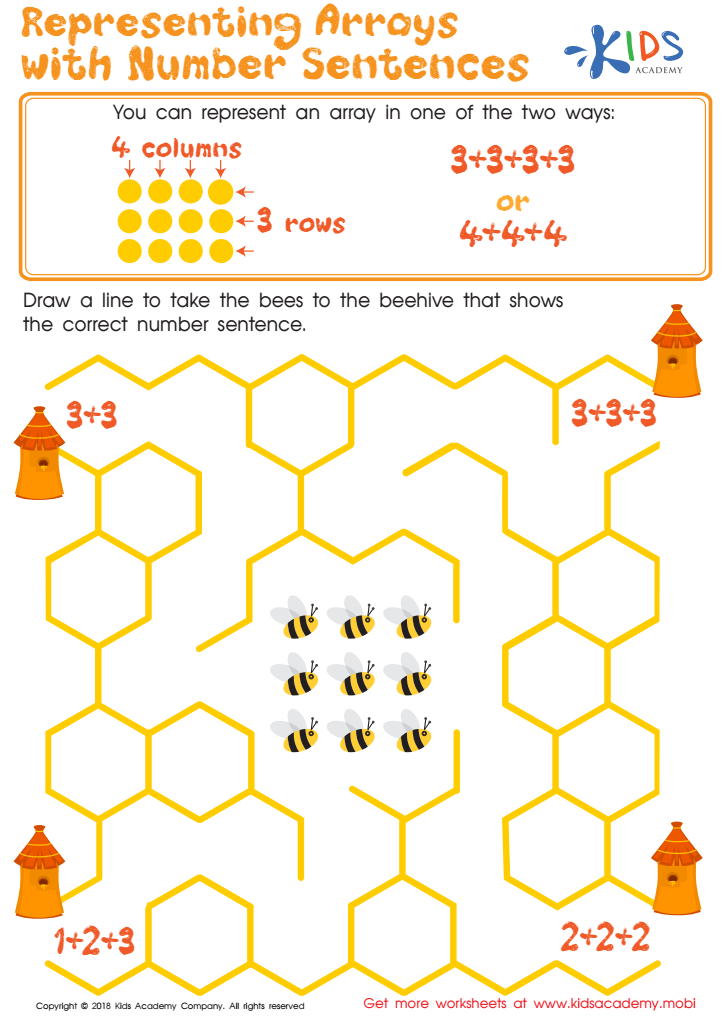
Representing Arrays with Number Sentences Worksheet
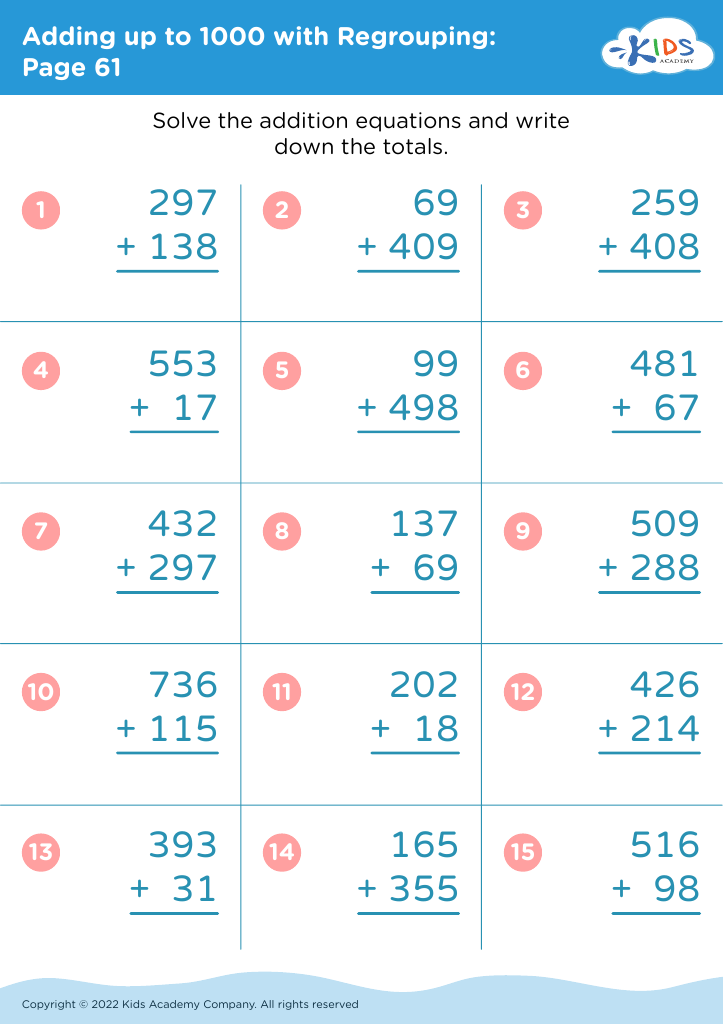
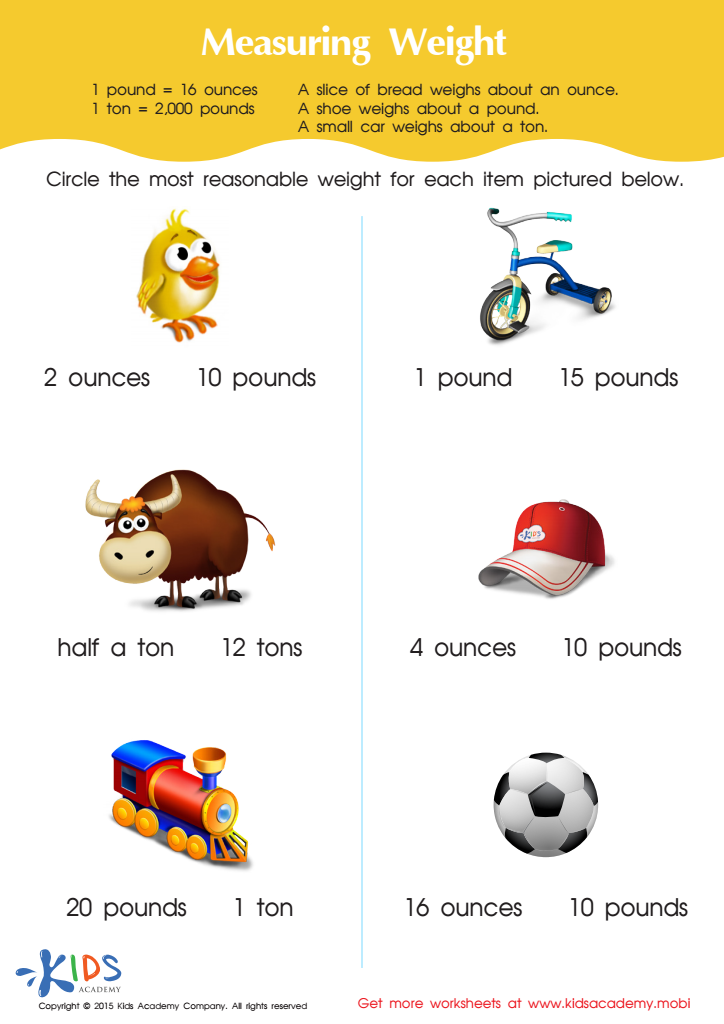
Measuring Weight in Ounces, Pounds and Tons (Part 2) Worksheet
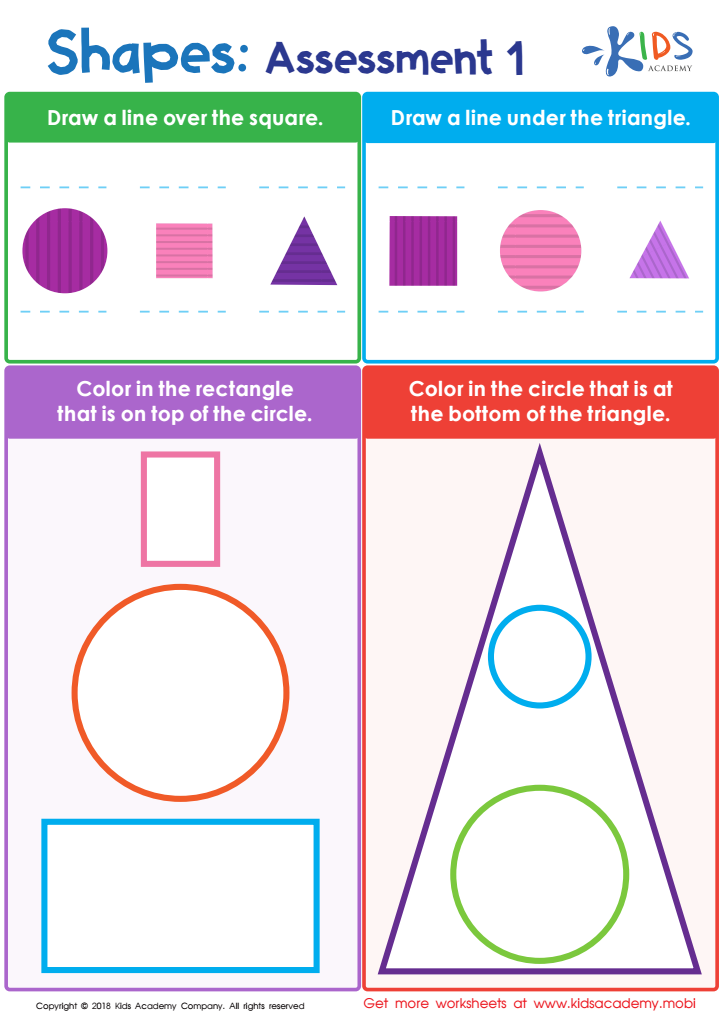
Shapes: Assessment 1 Worksheet
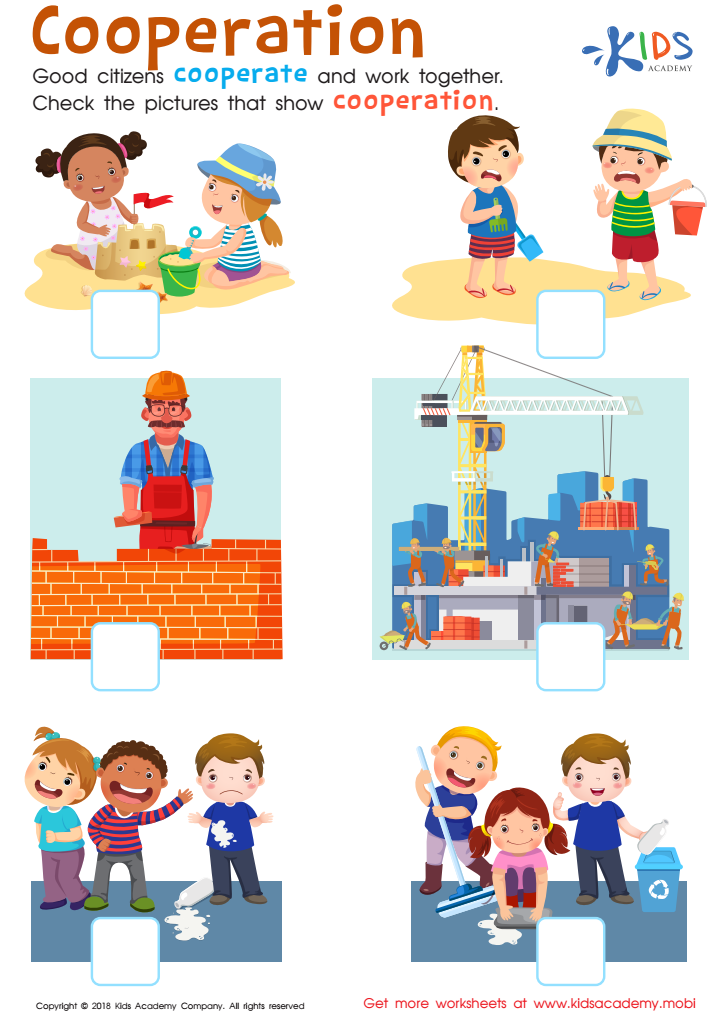
Cooperation Worksheet
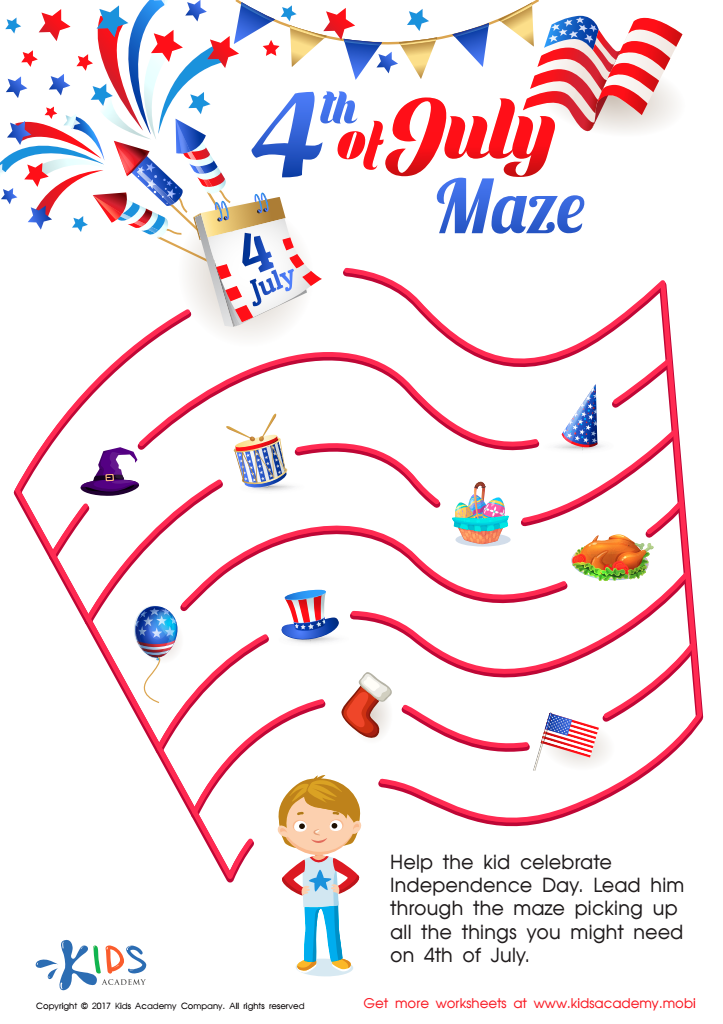
Fourth of July Maze Printable
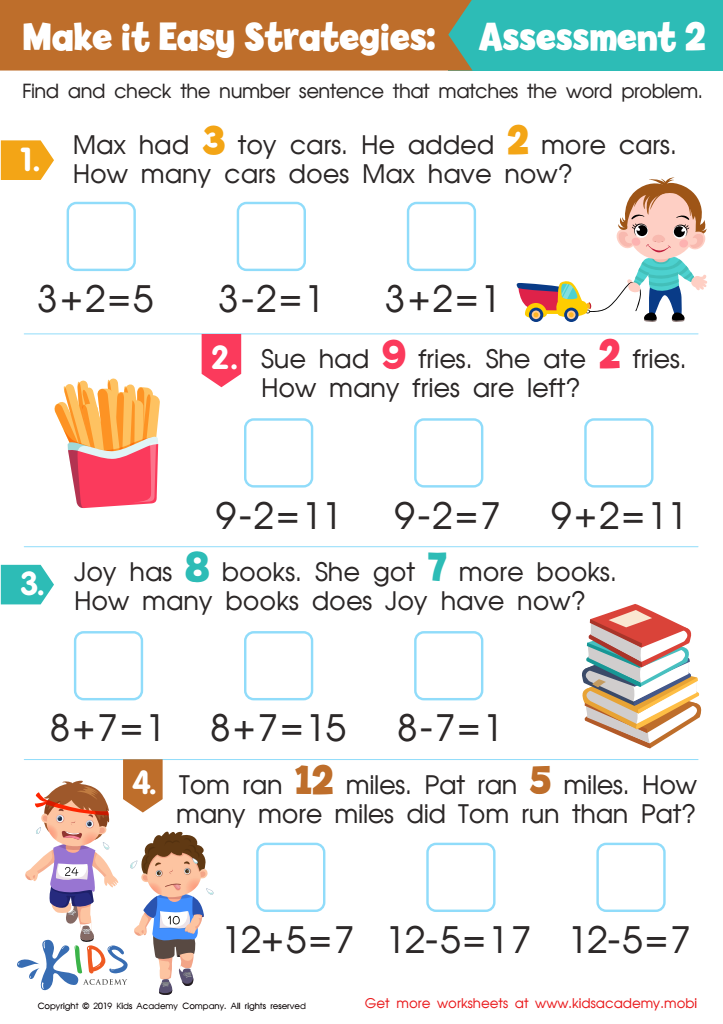
Make it Easy Strategies: Assessment 2 Worksheet
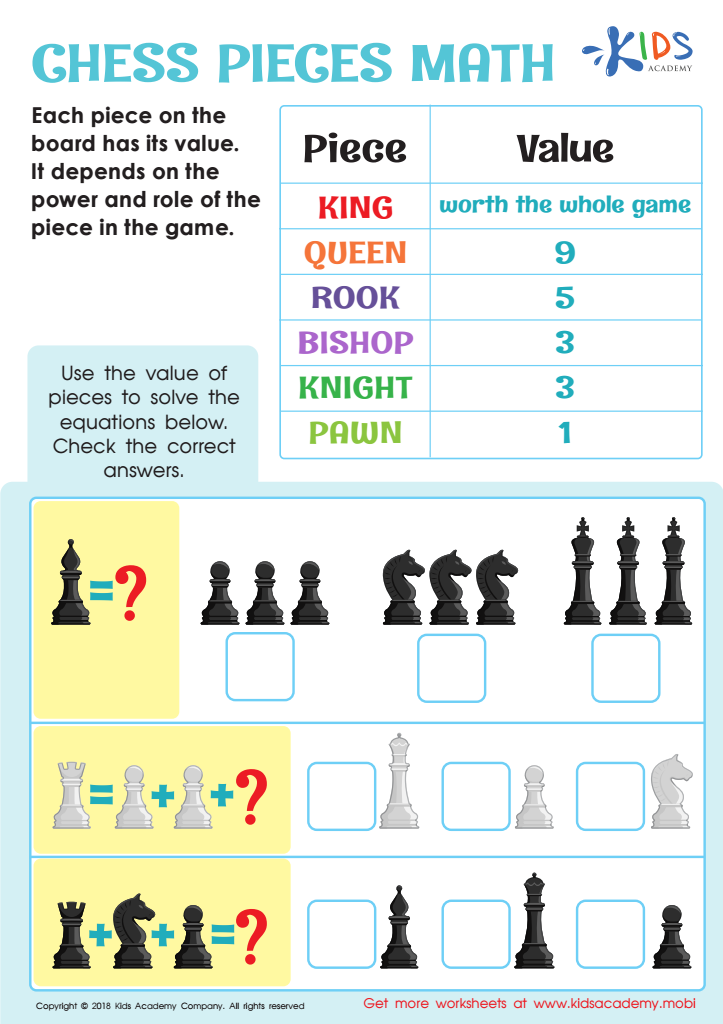
Chess Pieces Math Worksheet
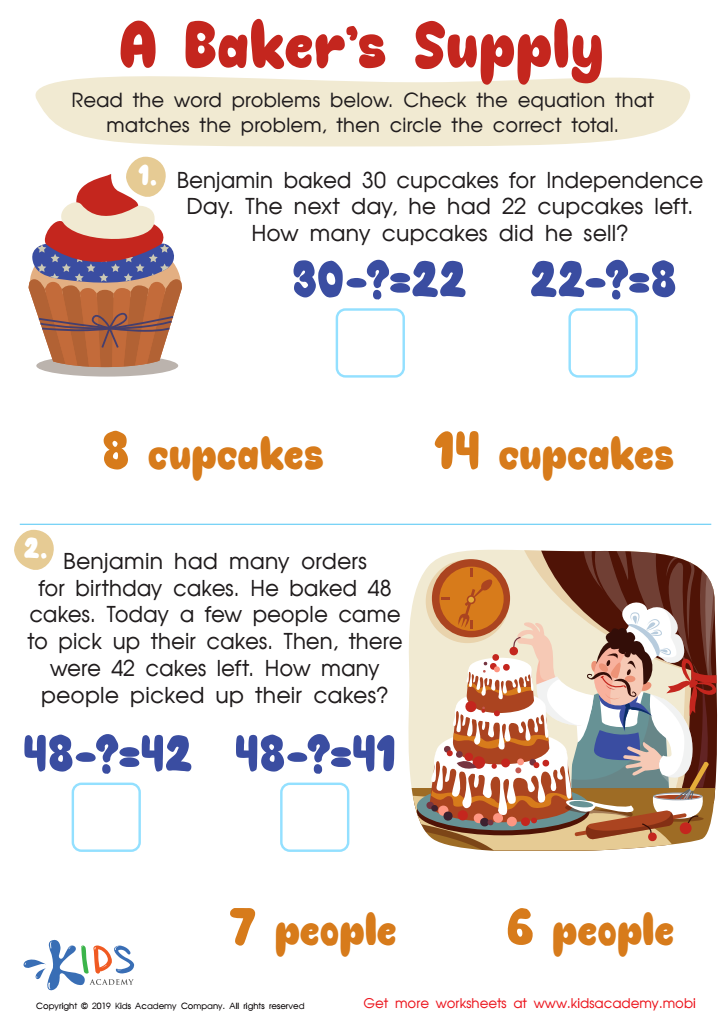
A Baker's Supply Worksheet
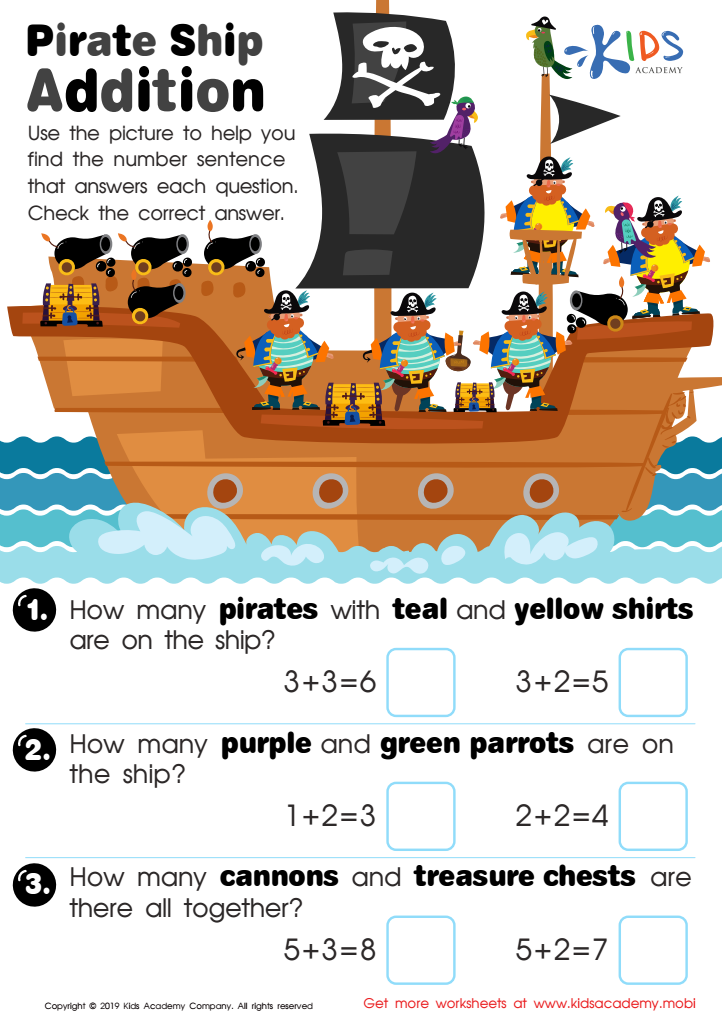
Pirate Ship Addition Worksheet
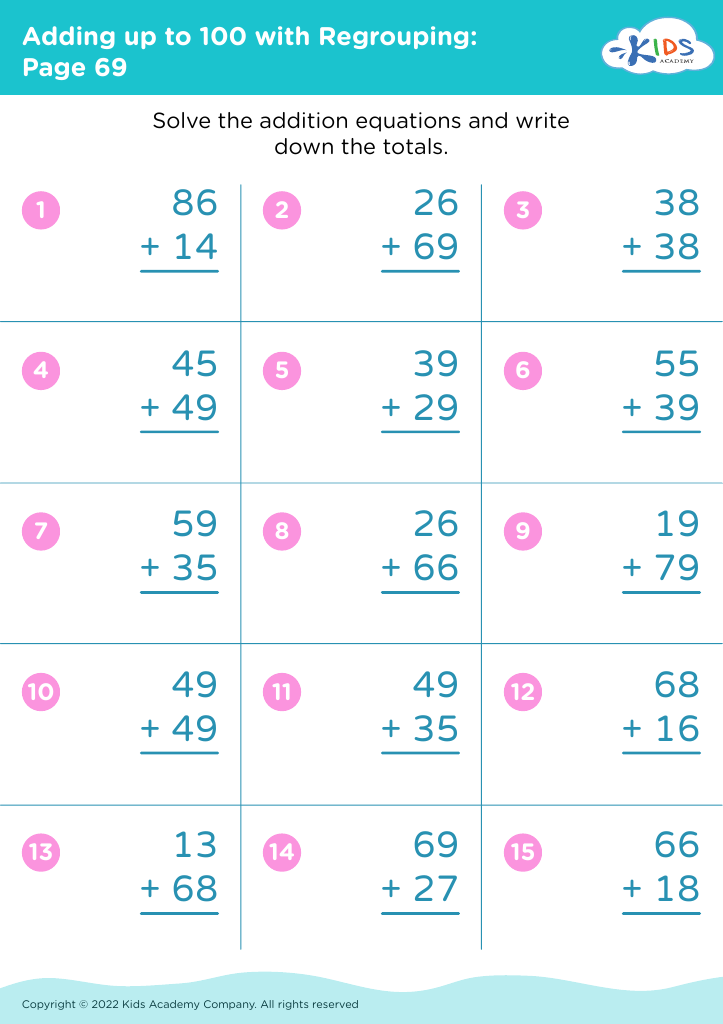
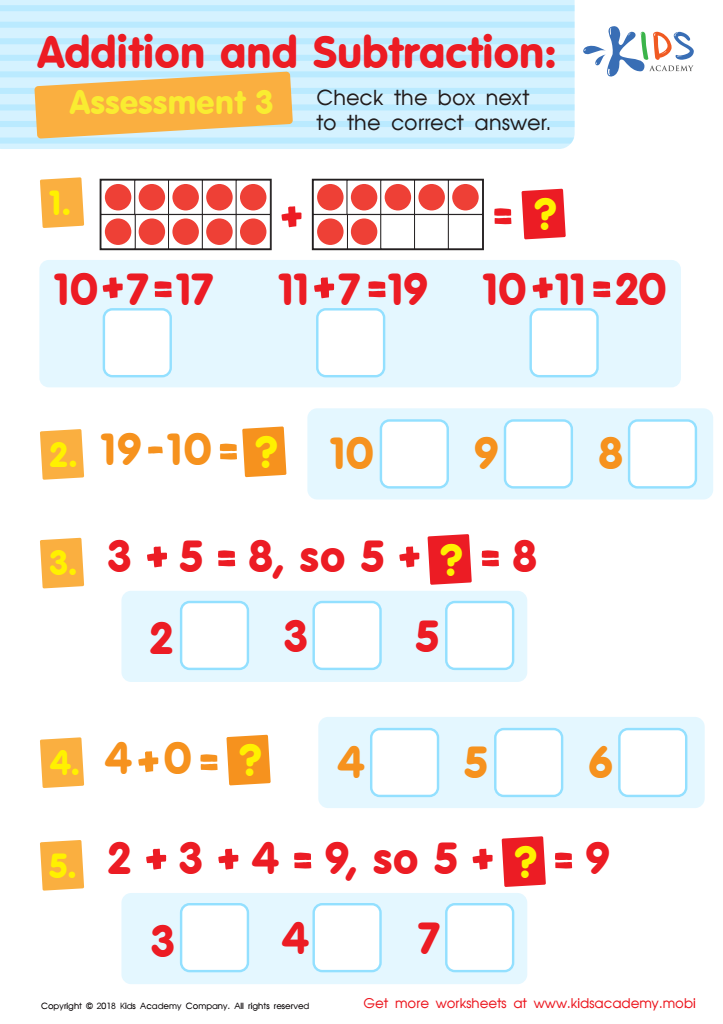
Addition and Subtraction Assessment 3 Worksheet

Sweet Shop – Counting Coins Worksheet
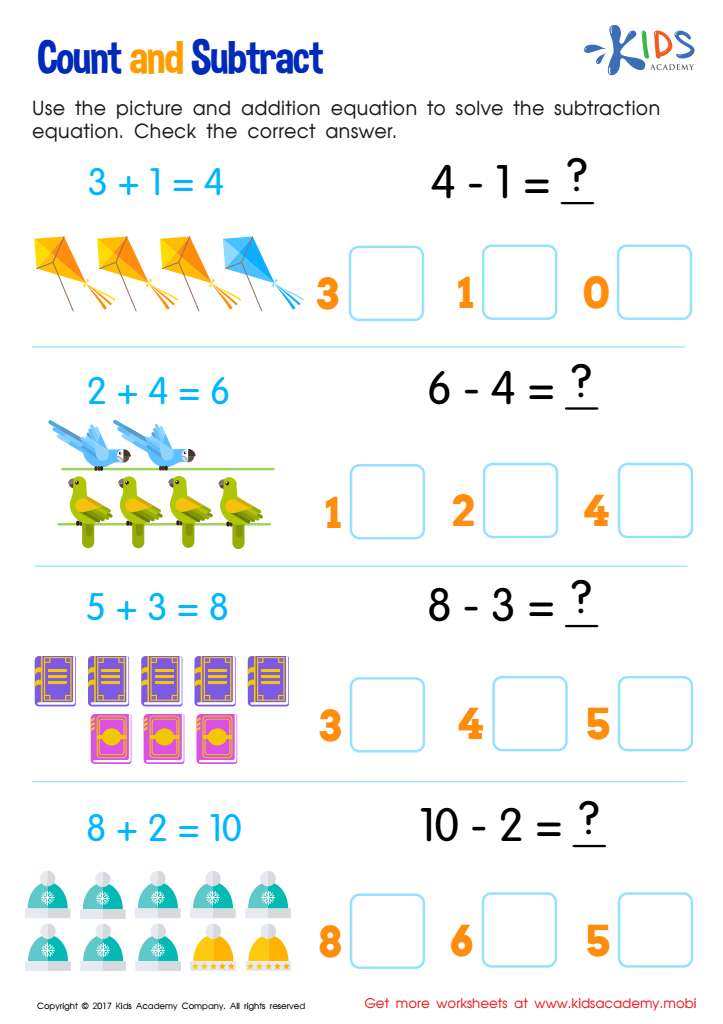
Count and Subtract Worksheet
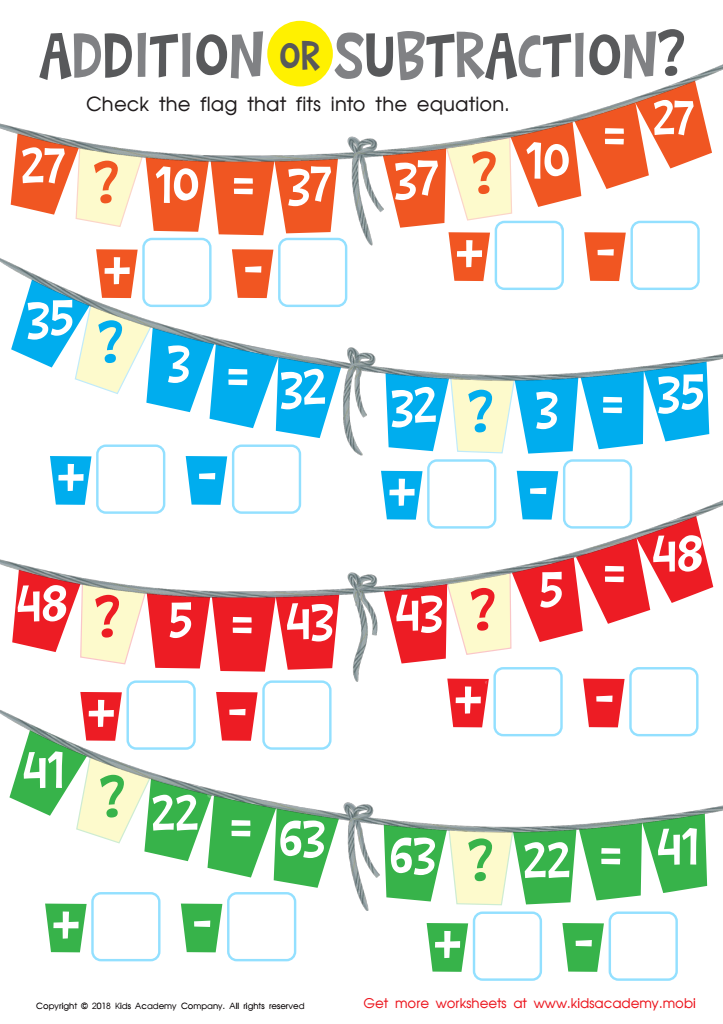
Addition or Subtraction? Worksheet
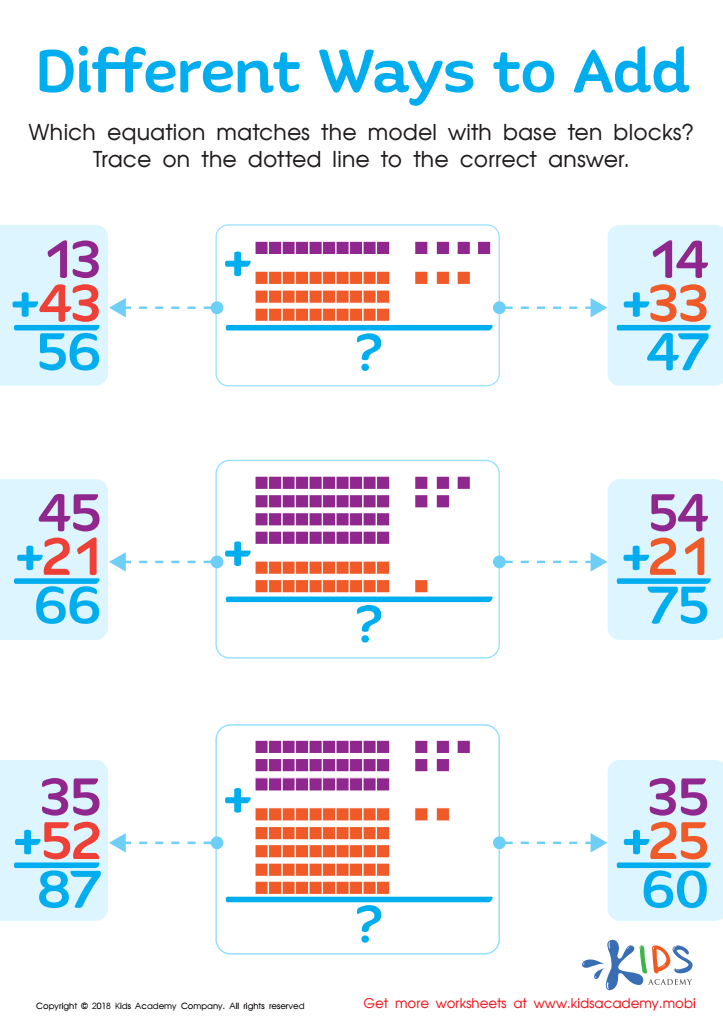
Different Ways to Add Worksheet
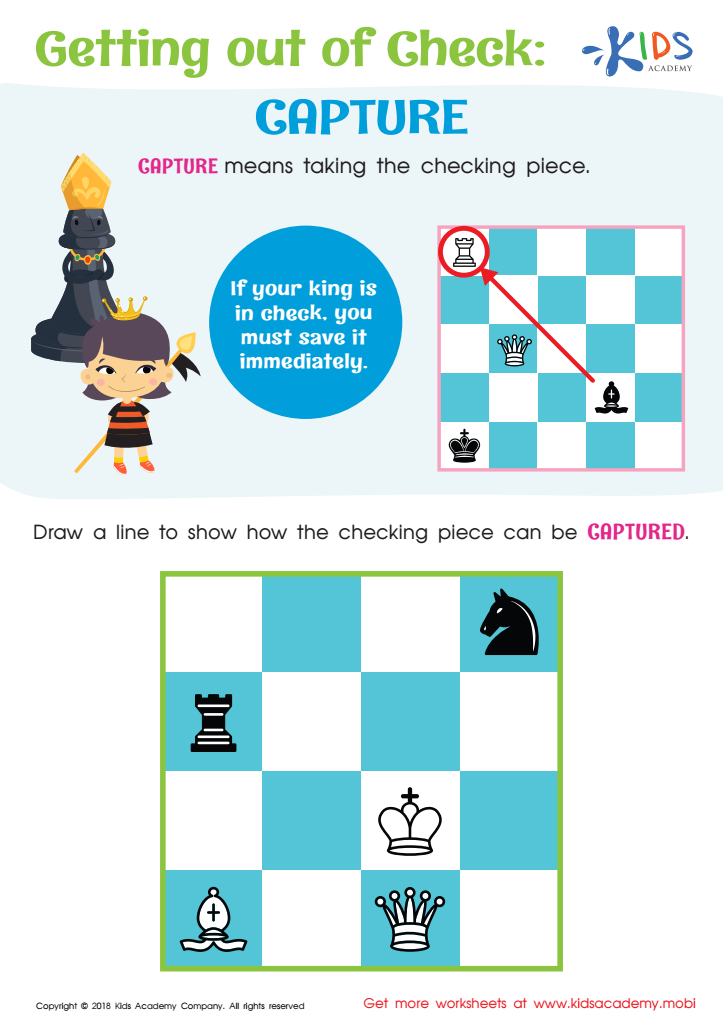
Getting out of Check: Capture

Sudoku Worksheet
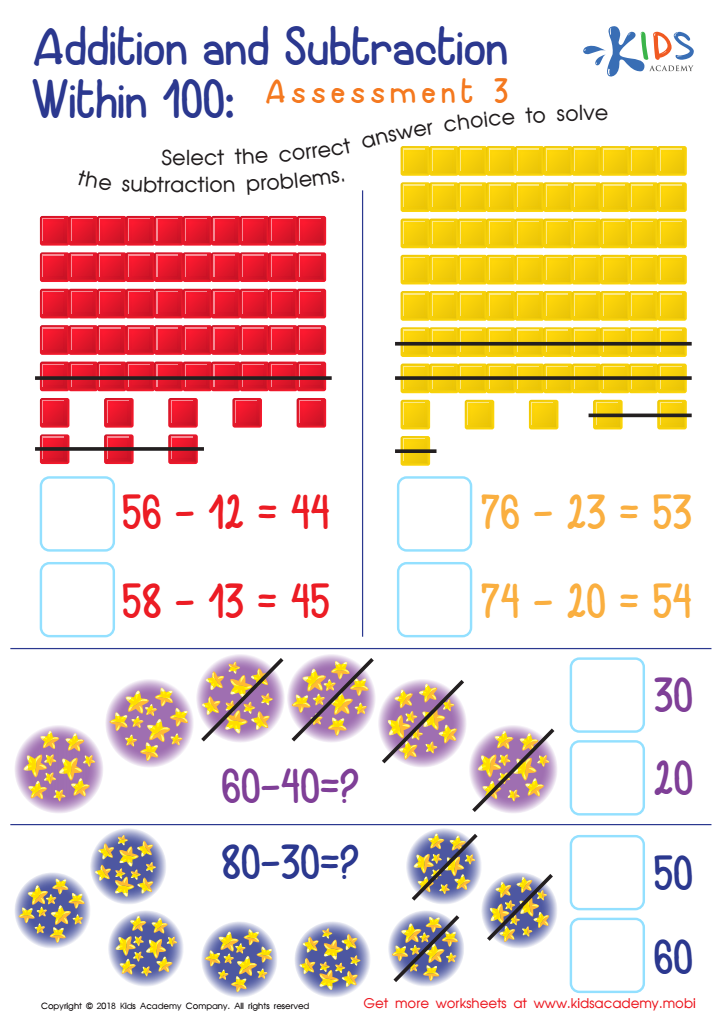
Addition and Subtraction Within 1: Assessment 3 Worksheet






Parents and teachers should prioritize problem-solving abilities for children aged 6-8 due to its fundamental role in cognitive development and future success. At this age, children are naturally curious and eager to explore, making it an ideal time to cultivate critical thinking skills. By engaging with problem-solving activities, such as puzzles, games, and collaborative projects, children learn to think analytically, approach challenges strategically, and develop perseverance in the face of obstacles.
These skills are not only vital academically but also in real-life situations. Children who are adept at problem-solving tend to excel in areas like mathematics and science, where these skills are crucial. Moreover, cultivating these abilities fosters creativity and innovation, enabling kids to view problems from multiple perspectives and generate unique solutions.
Additionally, problem-solving promotes social-emotional growth. Children learn to communicate effectively with peers, share ideas, and respect differing opinions, enhancing their teamwork and interpersonal skills. These competencies are essential for navigating social dynamics, boosting self-confidence, and building resilience.
In summary, fostering problem-solving abilities in young children equips them with the tools to succeed academically, socially, and personally, laying a strong foundation for their future.








