Understanding history Worksheets for Ages 6-8
10 filtered results
-
From - To
Explore our "Understanding History Worksheets for Ages 6-8" designed to ignite young minds and make learning history fun and engaging. With age-appropriate activities and vibrant illustrations, these worksheets help children unravel the mysteries of the past, fostering curiosity and critical thinking. Each worksheet focuses on essential historical concepts, from timelines to important historical figures, providing a solid foundation in history while honing reading and comprehension skills. Perfect for the classroom or at-home learning, these engaging resources are ideal for young learners to develop a strong interest in history, setting them on a path of lifelong learning.
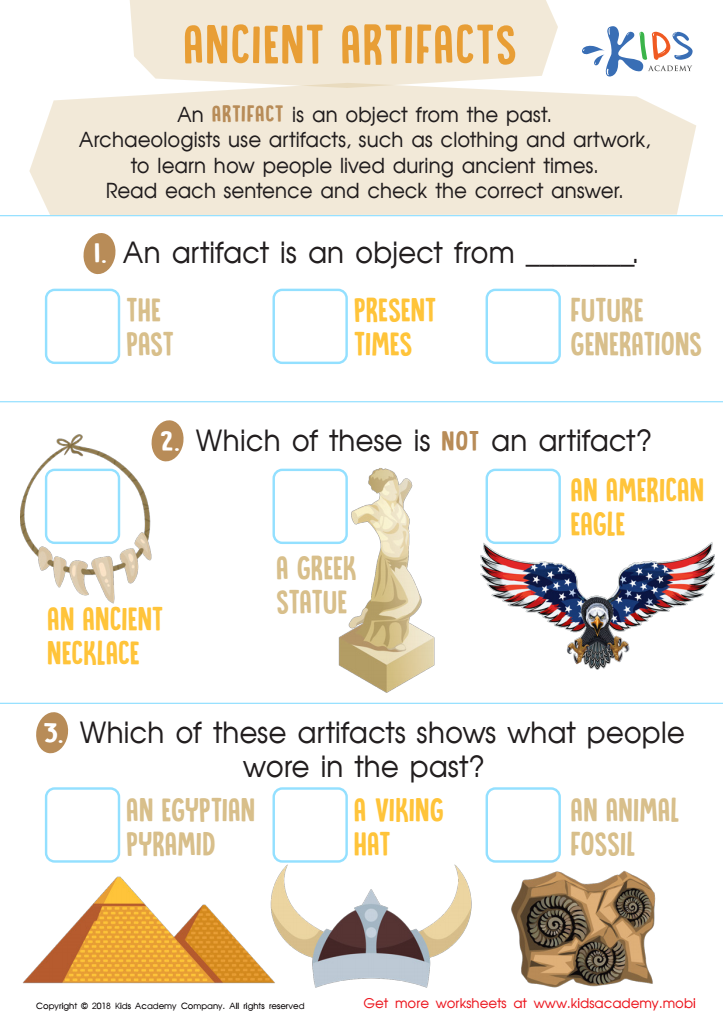
Ancient Artifacts Worksheet
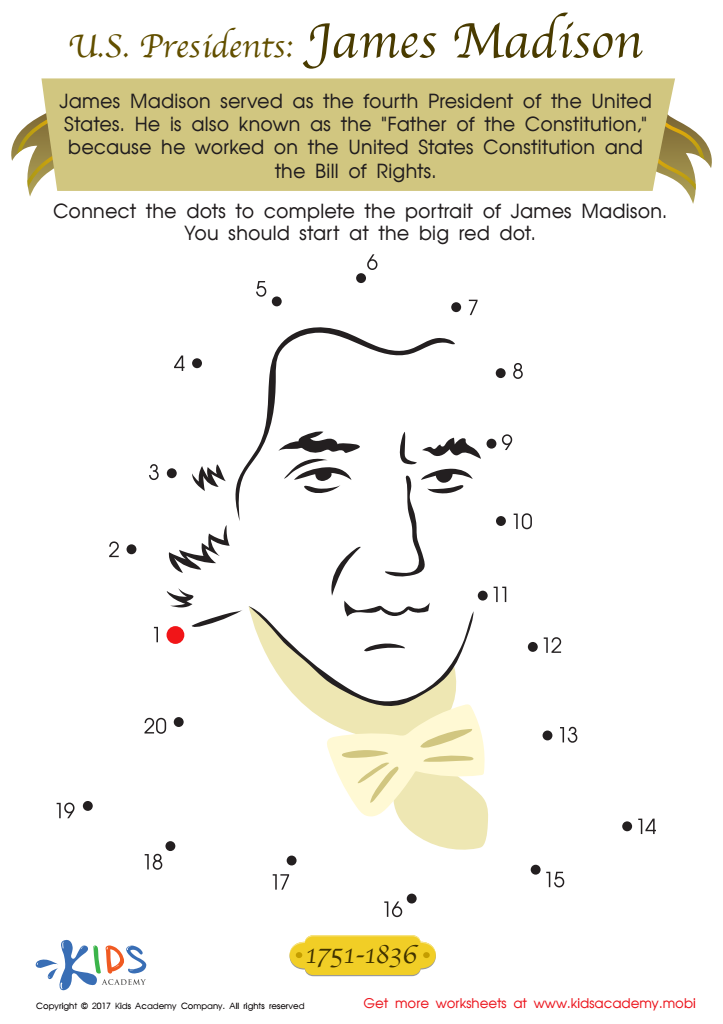
President Madison Printable
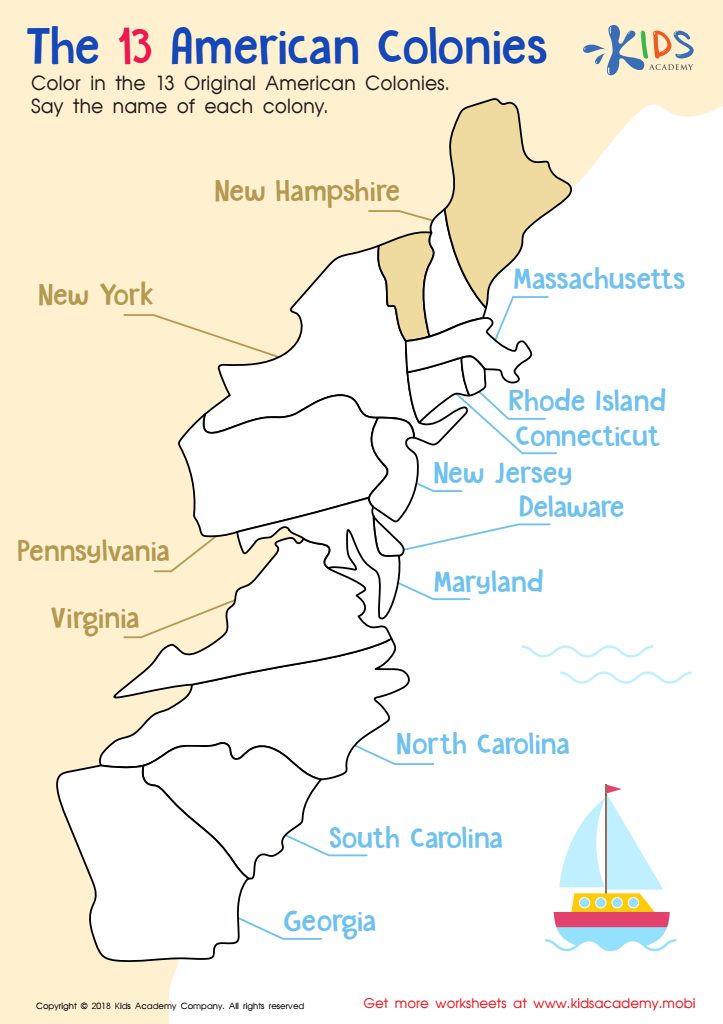
The 13 American Colonies Worksheet
 Assign to My Students
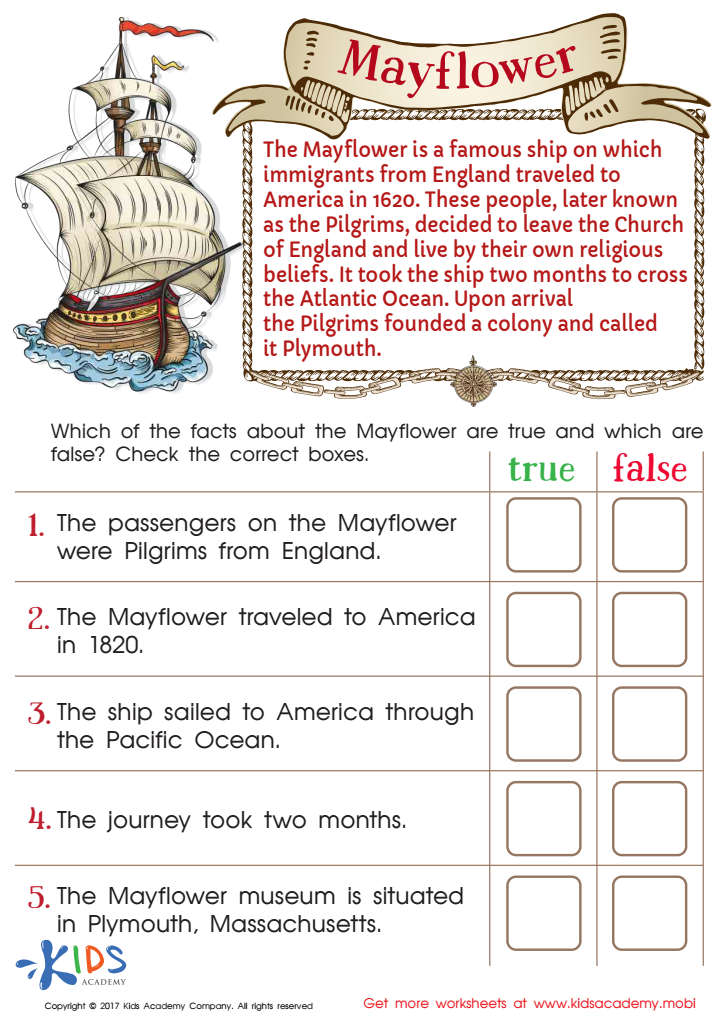
Free Mayflower Worksheet
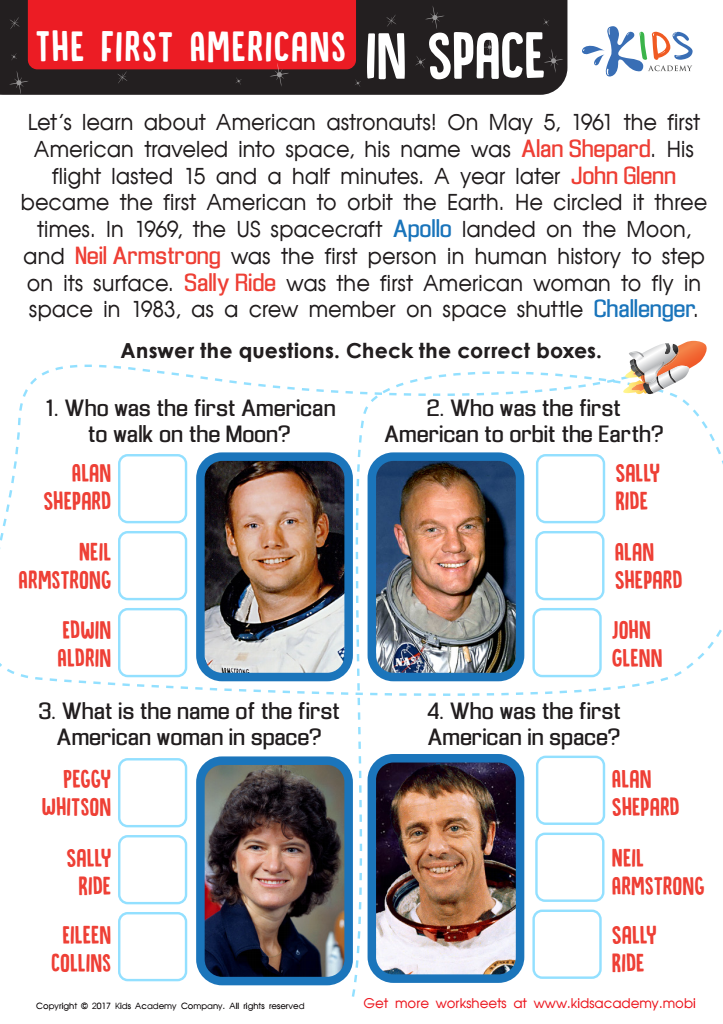
First Americans in Space Worksheet
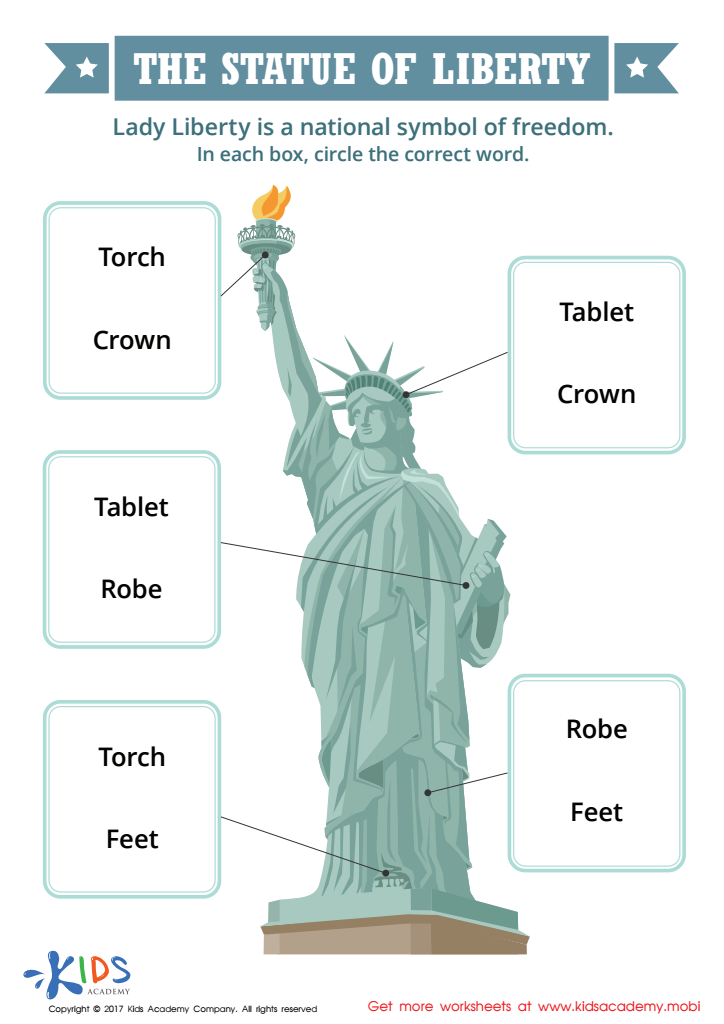
The Statue of Liberty Printable
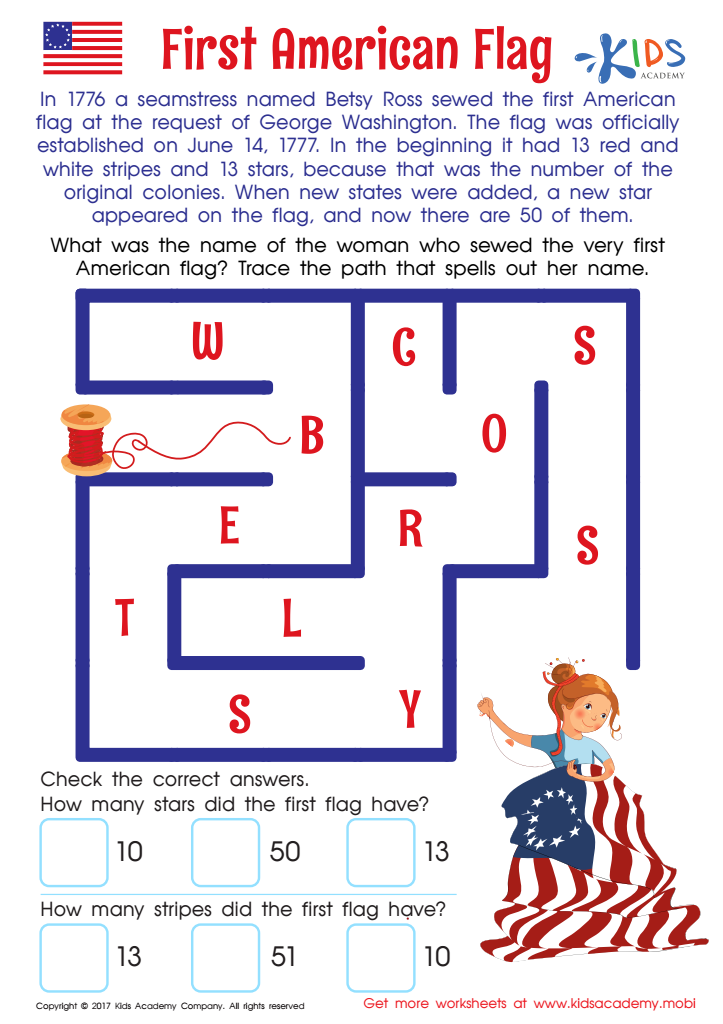
First American Flag Worksheet
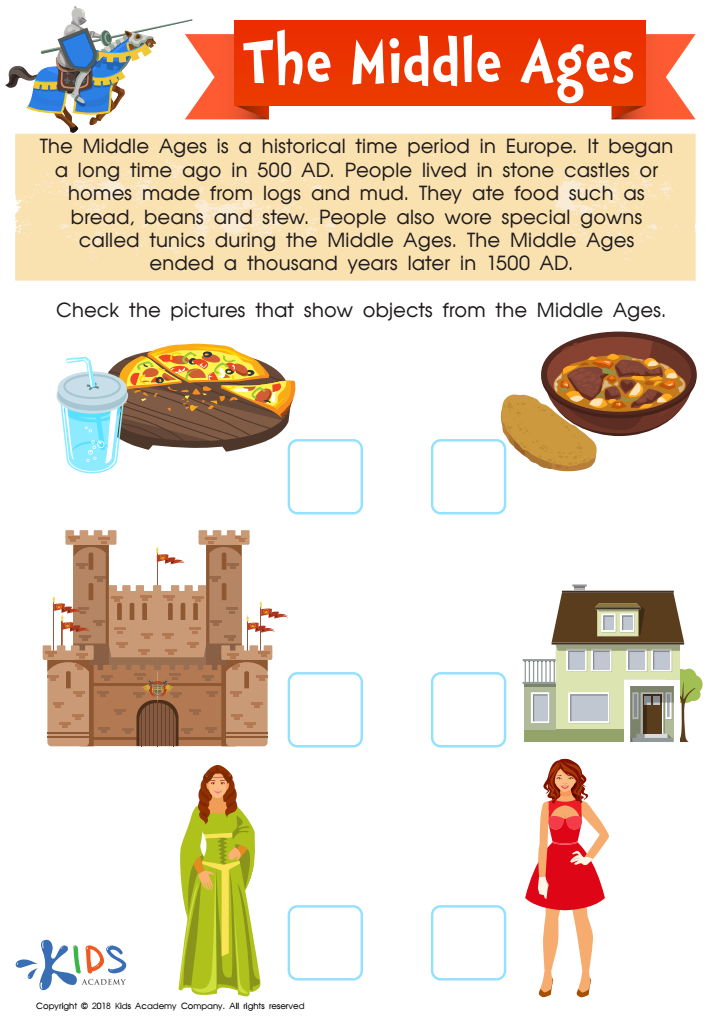
The Middle Ages Worksheet
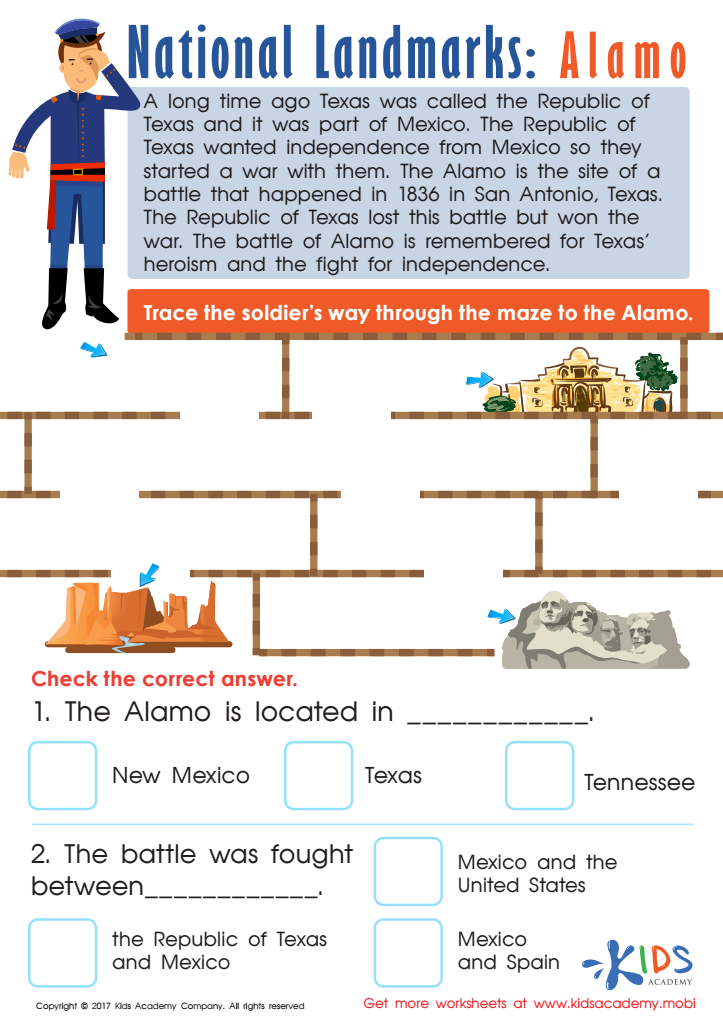
Alamo Printable Worksheet
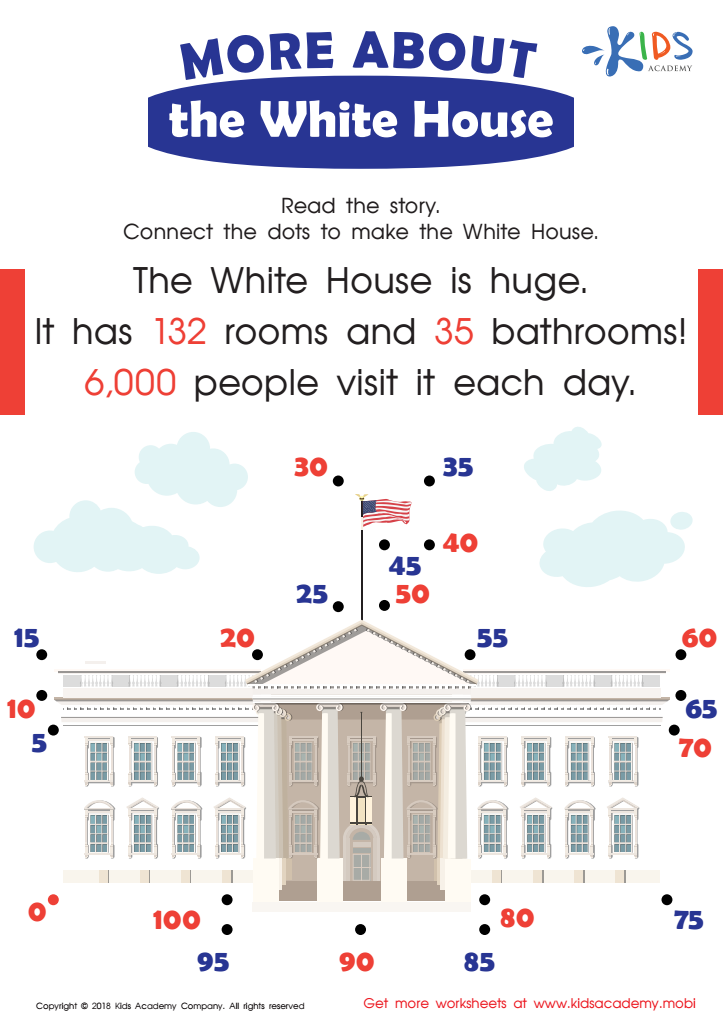
More About the White House Worksheet








Understanding history is crucial for children aged 6-8 because it lays the foundation for critical thinking and helps them make sense of the world around them. At this developmental stage, children are naturally curious and eager to learn about their surroundings. Introducing them to history can expand their horizons, nurture their curiosity, and foster a love for learning. History provides context, helping children understand how past events shape the present and influence the future.
Moreover, learning about different cultures, significant figures, and transformative events instills empathy and broadens their cultural awareness. By studying the challenges and achievements of diverse groups throughout history, children learn important values such as respect, tolerance, and justice. This well-rounded perspective is crucial for developing socially responsible and informed citizens.
Understanding history also enhances essential academic skills like reading comprehension, critical thinking, and analysis. Children learn to distinguish between fact and opinion, identify cause-and-effect relationships, and piece together narratives—all skills that are vital for overall academic success.
Parents and teachers play a pivotal role by making history engaging and accessible, using stories, interactive activities, and age-appropriate materials. By prioritizing historical understanding, we empower young learners to become knowledgeable, empathetic, and thoughtful individuals.








