Fractions of Shapes Worksheets for Ages 6-8 - Page 2
38 filtered results
-
From - To
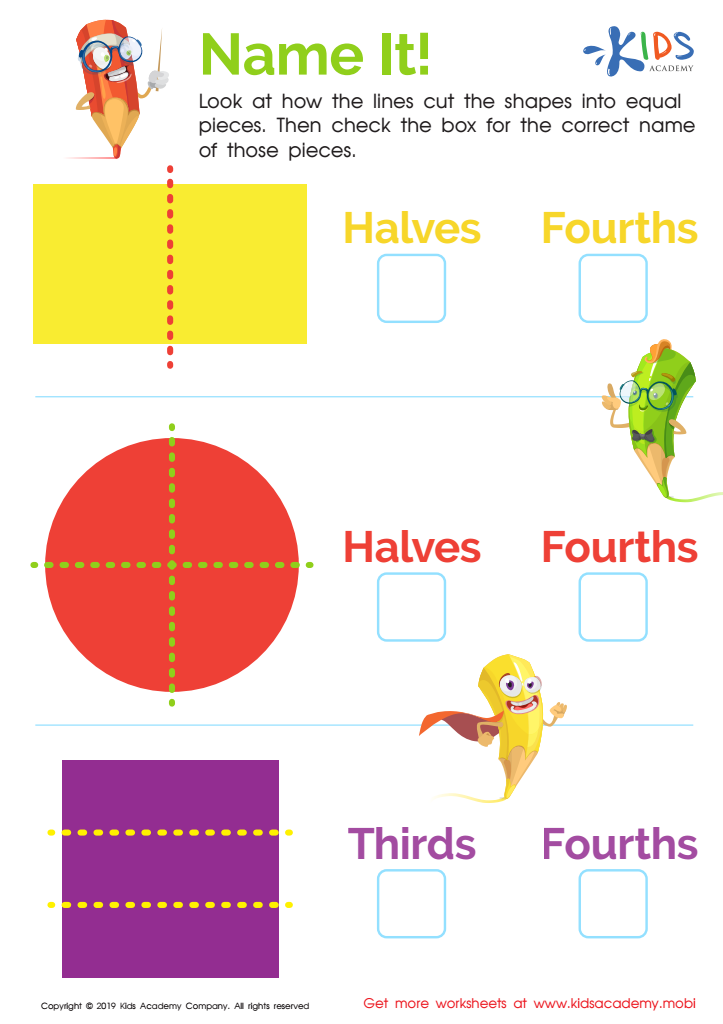
Name It! Worksheet
 Assign to My Students
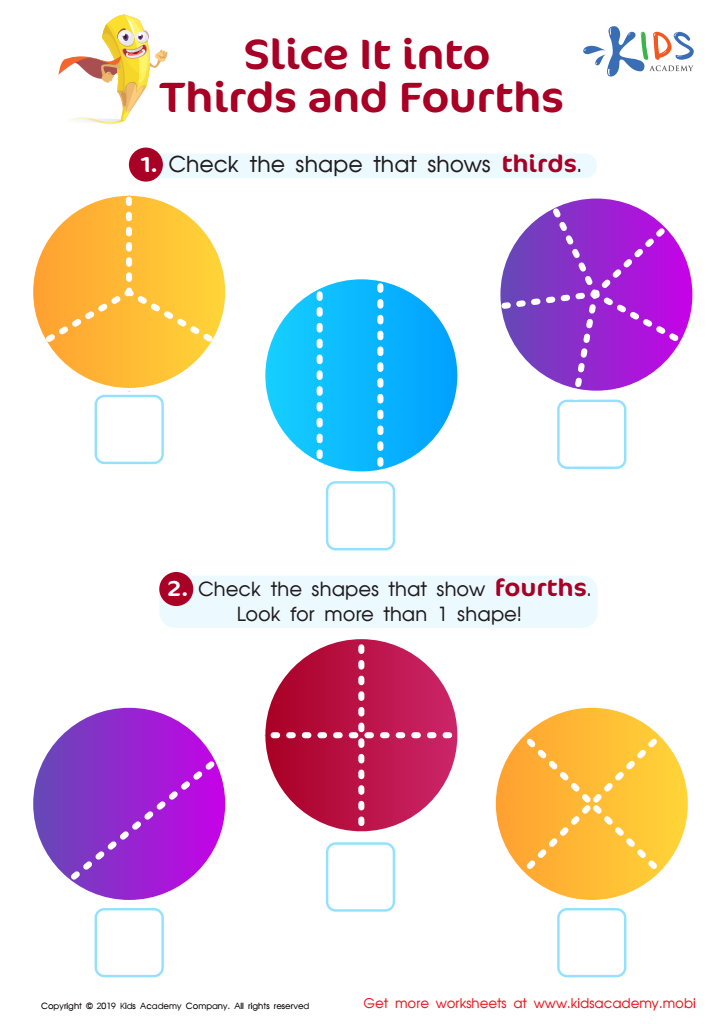
Slice in Thirds Fourths Worksheet
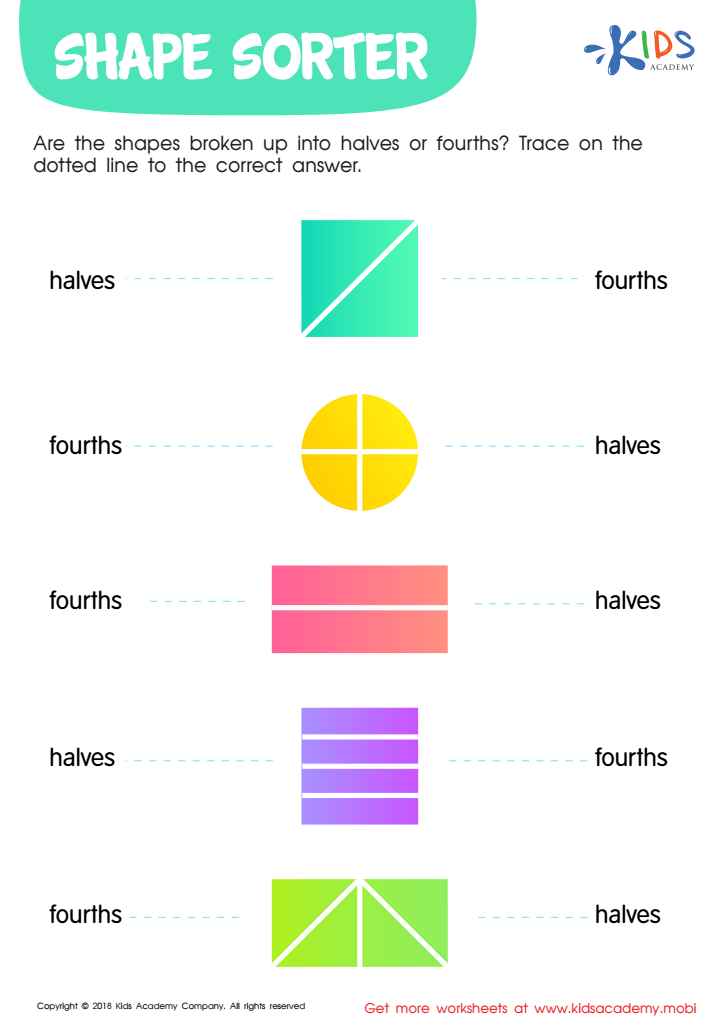
Shape Sorter Worksheet
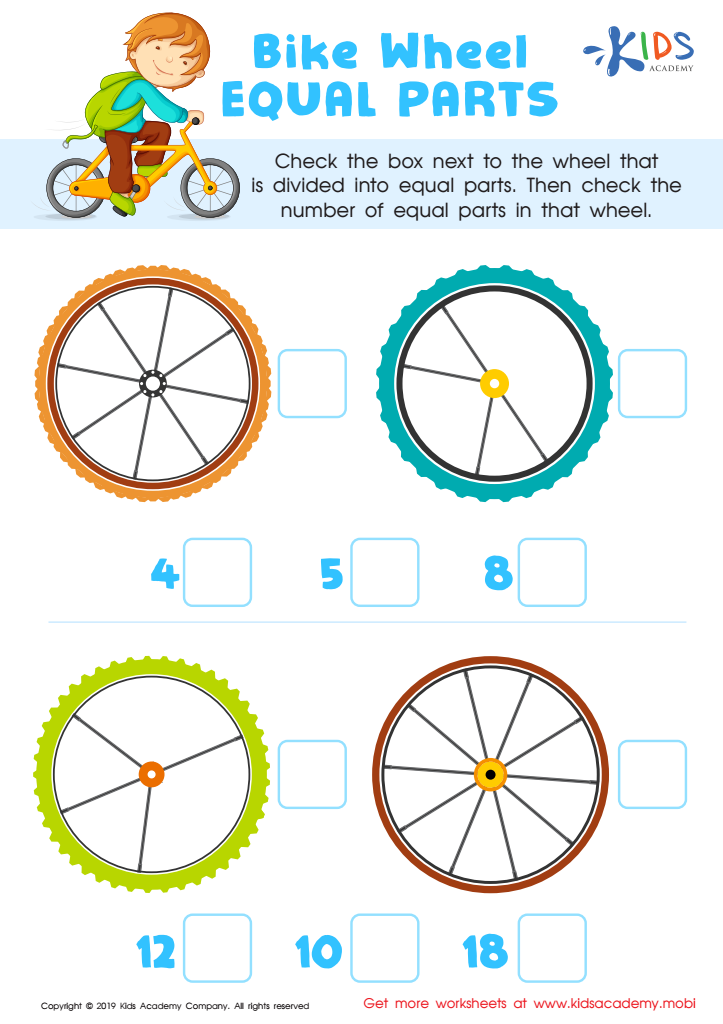
Bike Wheel Equal Parts Worksheet
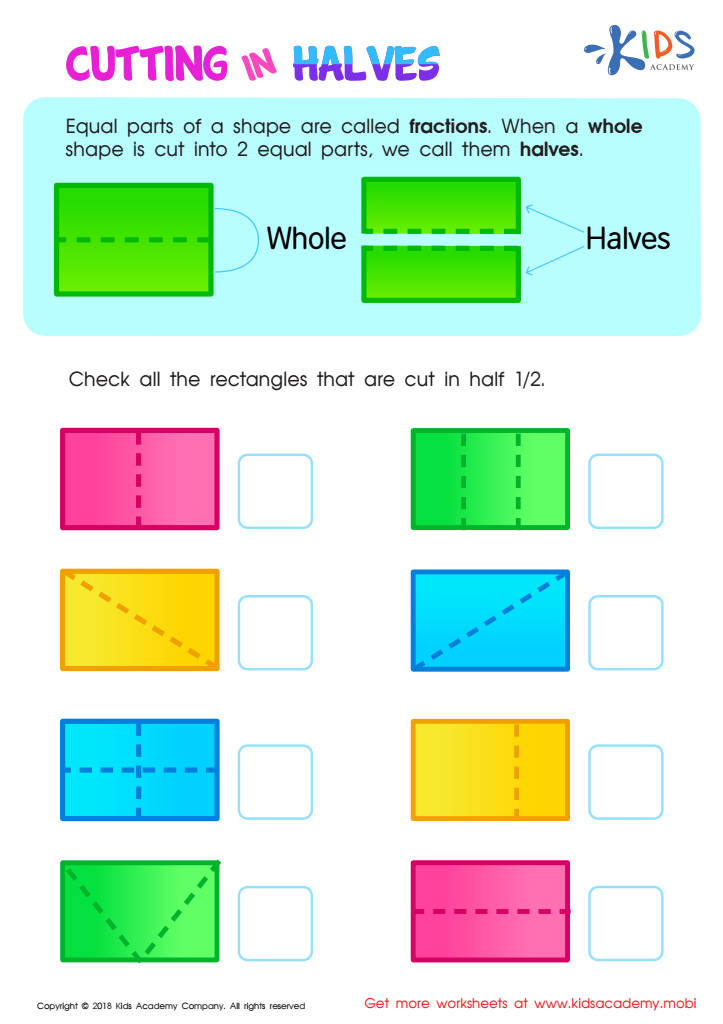
Cutting in Halves Worksheet
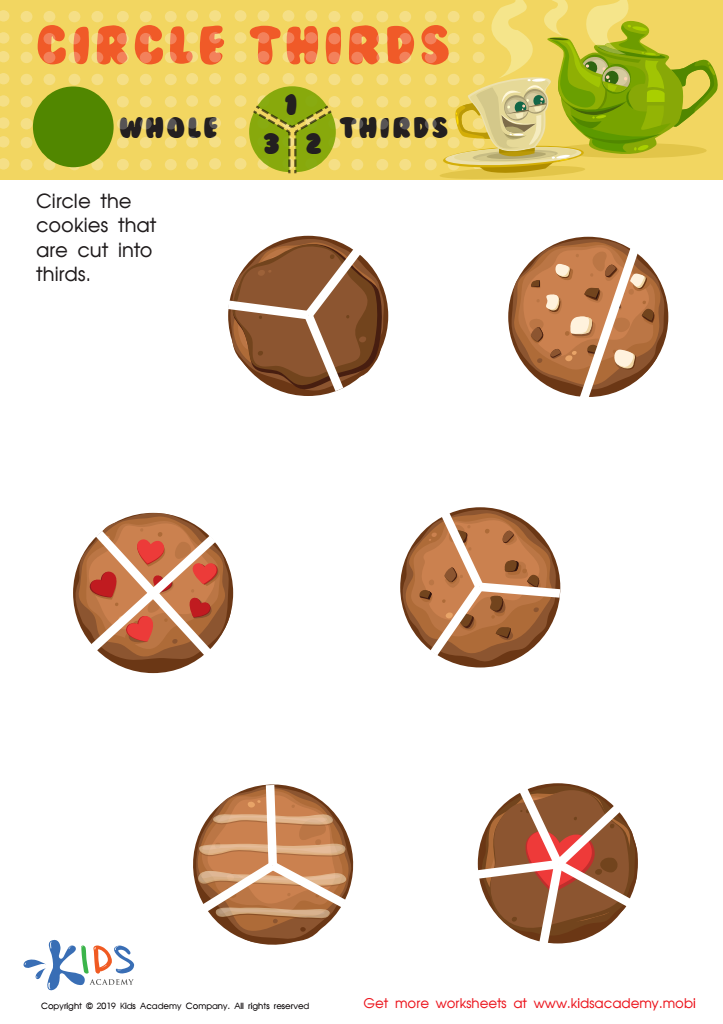
Circle Thirds Worksheet
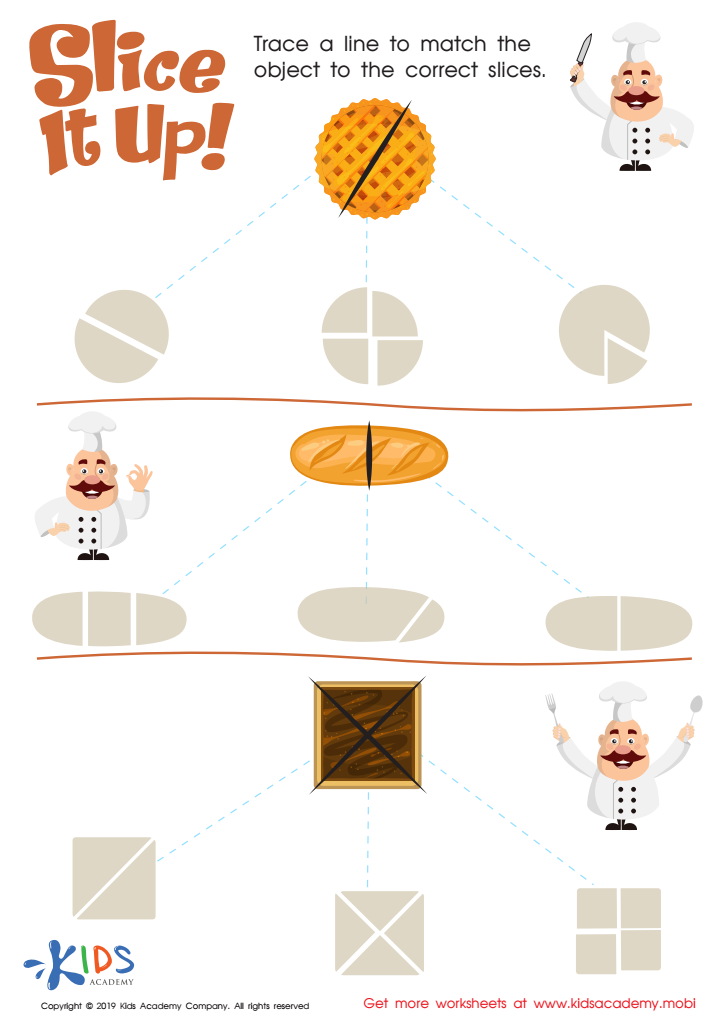
Slice It Up Worksheet
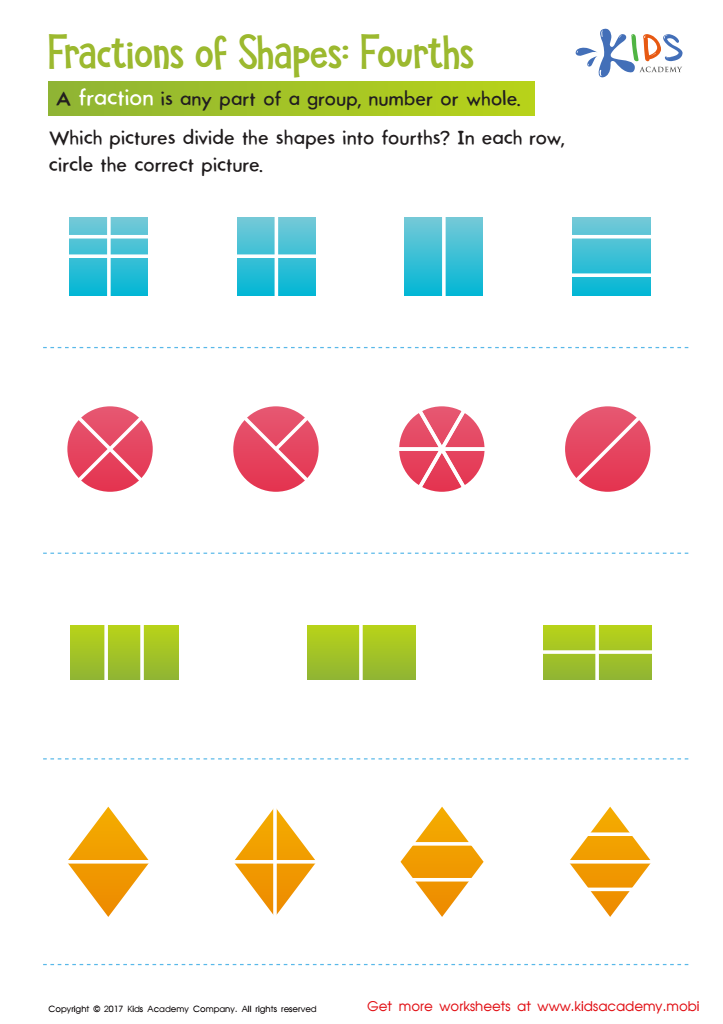
Fractions of Shapes Worksheet
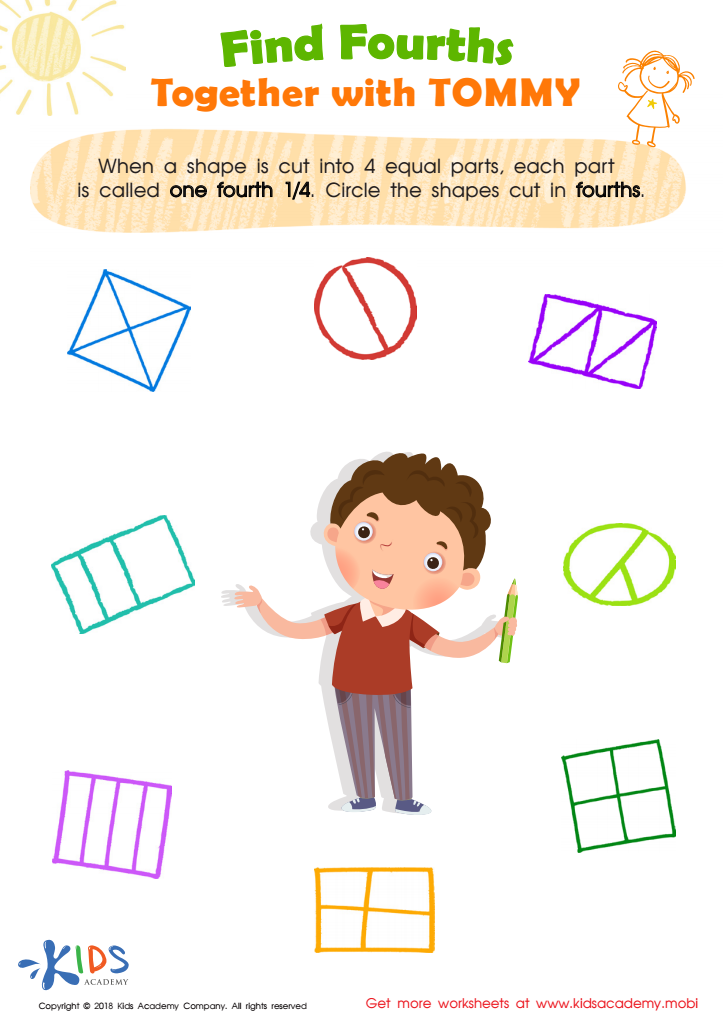
Find Fourths Together with Tommy Worksheet
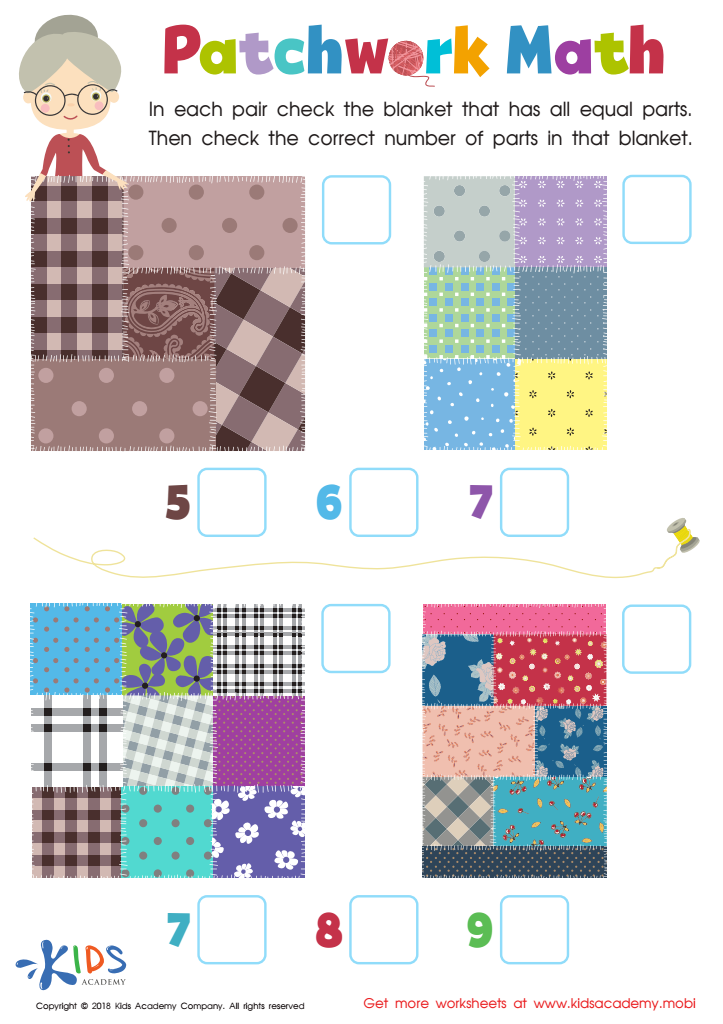
Patchwork Math Worksheet
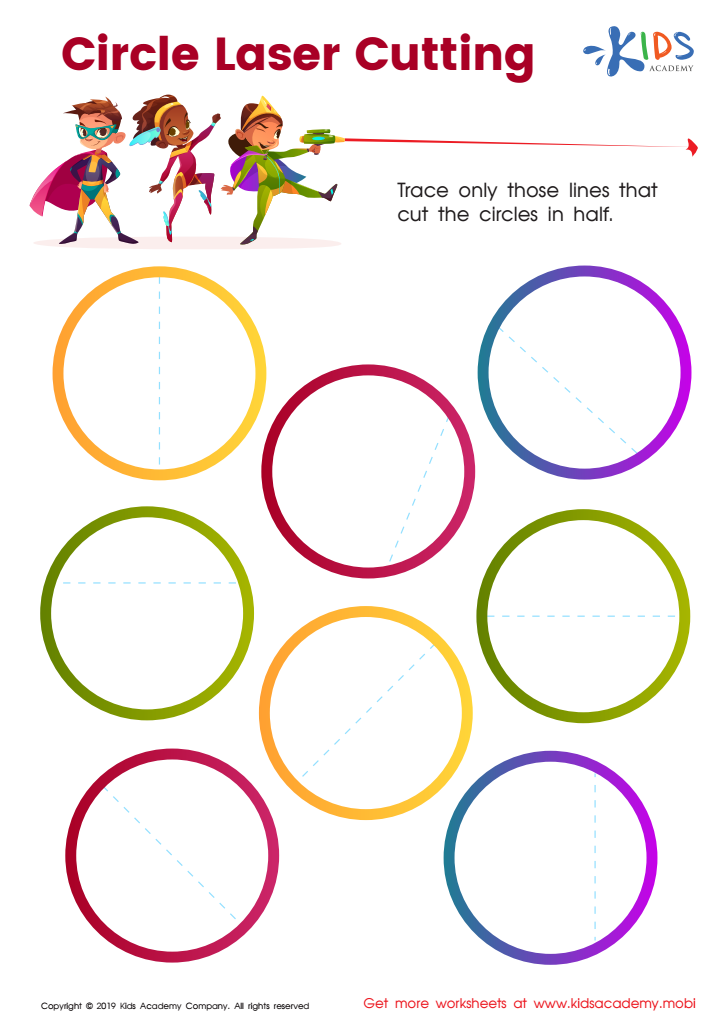
Circle Laser Cutting Worksheet
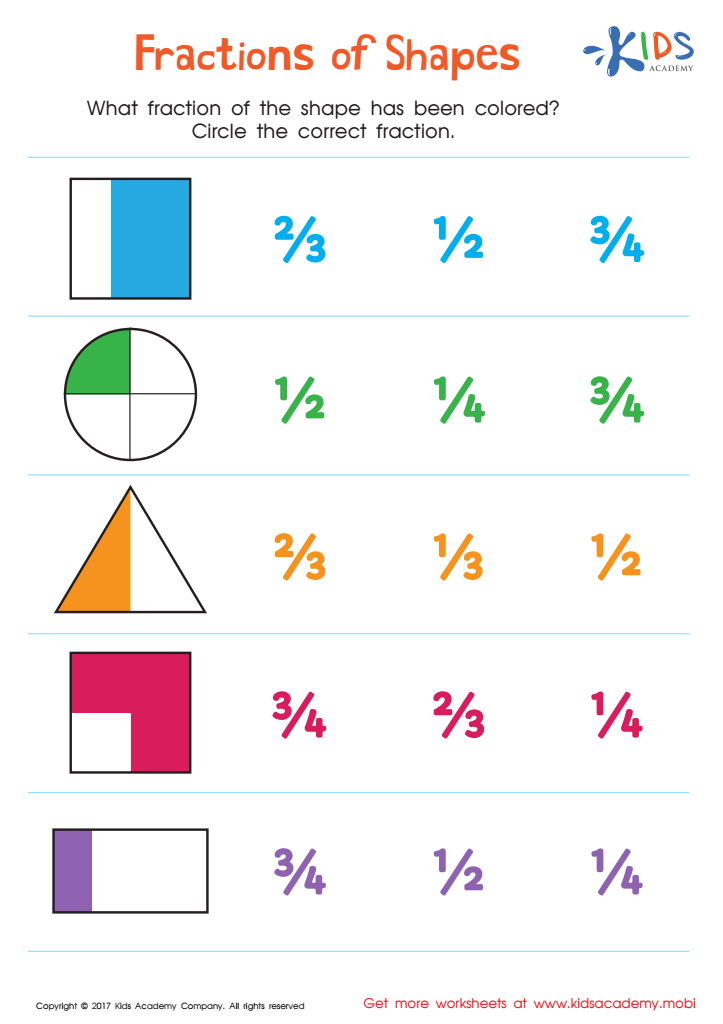
Fractions of Shapes: Math Concept Worksheet
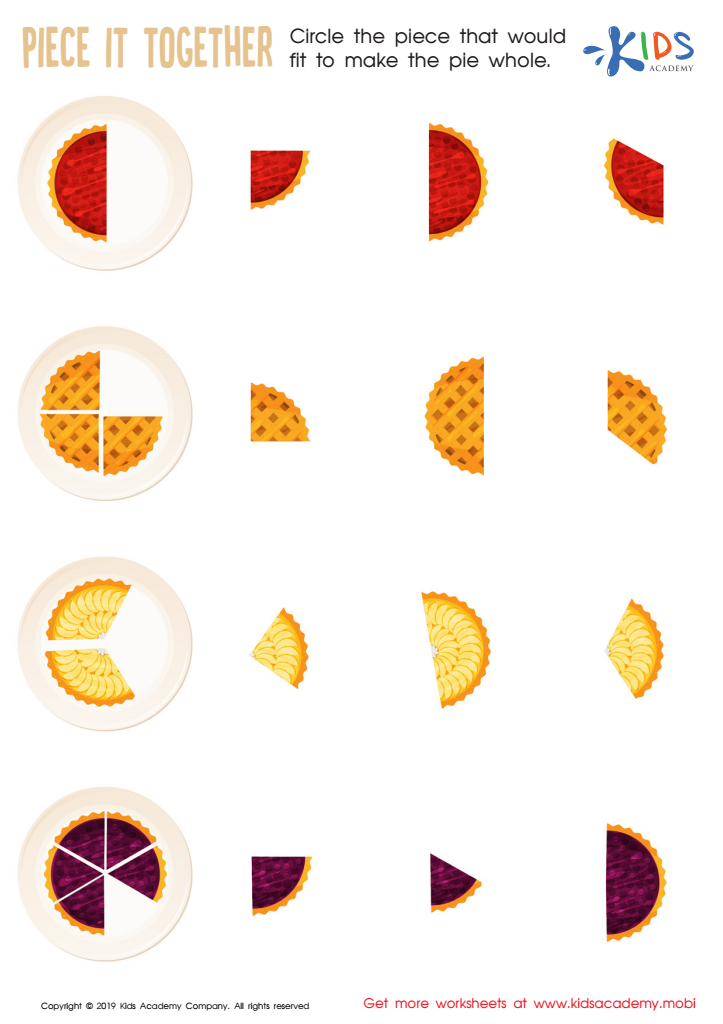
Piece it together Worksheet
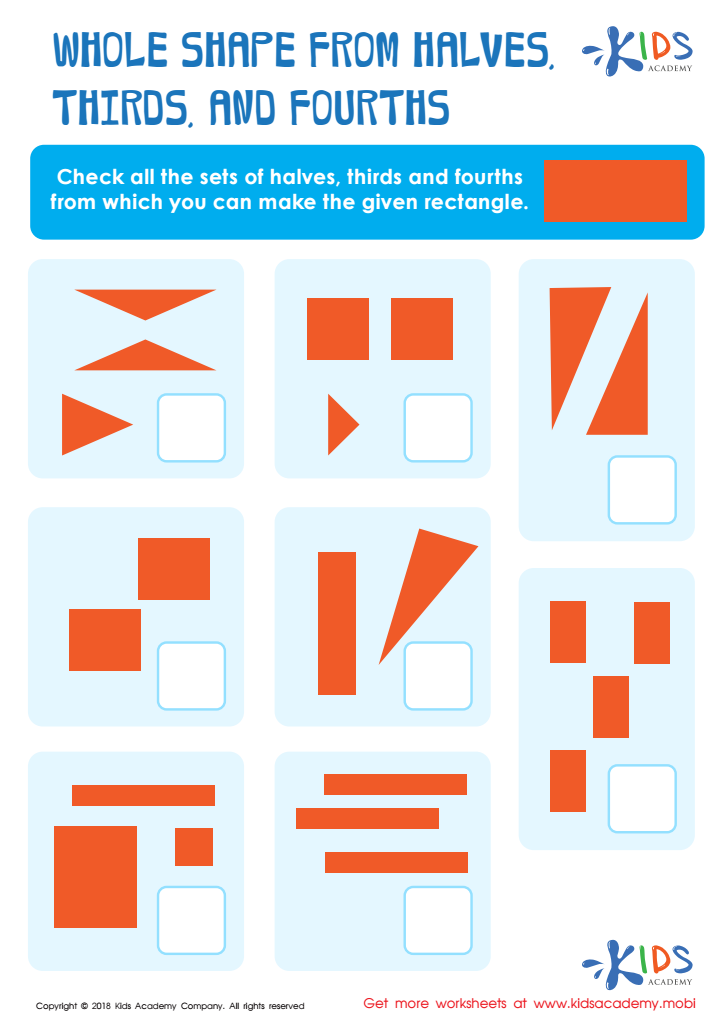
Whole Shape from Halves, Thirds and Fourths Worksheet








Understanding fractions of shapes is a vital aspect of mathematical education for children ages 6-8. At this developmental stage, children are beginning to grasp basic mathematical concepts, and introducing them to fractions lays the groundwork for more advanced topics. Fractions help children recognize parts of a whole, enhancing their spatial awareness and visualization skills.
Learning about fractions fosters critical thinking and problem-solving abilities. For example, when children learn to divide a shape into equal parts, they engage in reasoning and make connections between numbers and physical shapes, reinforcing their understanding of both math and logic. This foundational knowledge supports later learning in transformative concepts like ratios and proportions, which they encounter in higher grades.
Additionally, understanding fractions relates to everyday experiences, like sharing food or measuring ingredients in cooking, making math relevant and practical. Parents and teachers should create collaborative opportunities for children to explore fractions through hands-on activities. Engaging with shapes—cutting, coloring, and comparing—makes this learning not only educational but also enjoyable, keeping children motivated and attentive. Overall, fostering a solid understanding of fractions in young learners prepares them not only for future math challenges but equips them with essential life skills.