Problem-Solving Skills Geometry Worksheets for Ages 6-8 - Page 2
27 filtered results
-
From - To
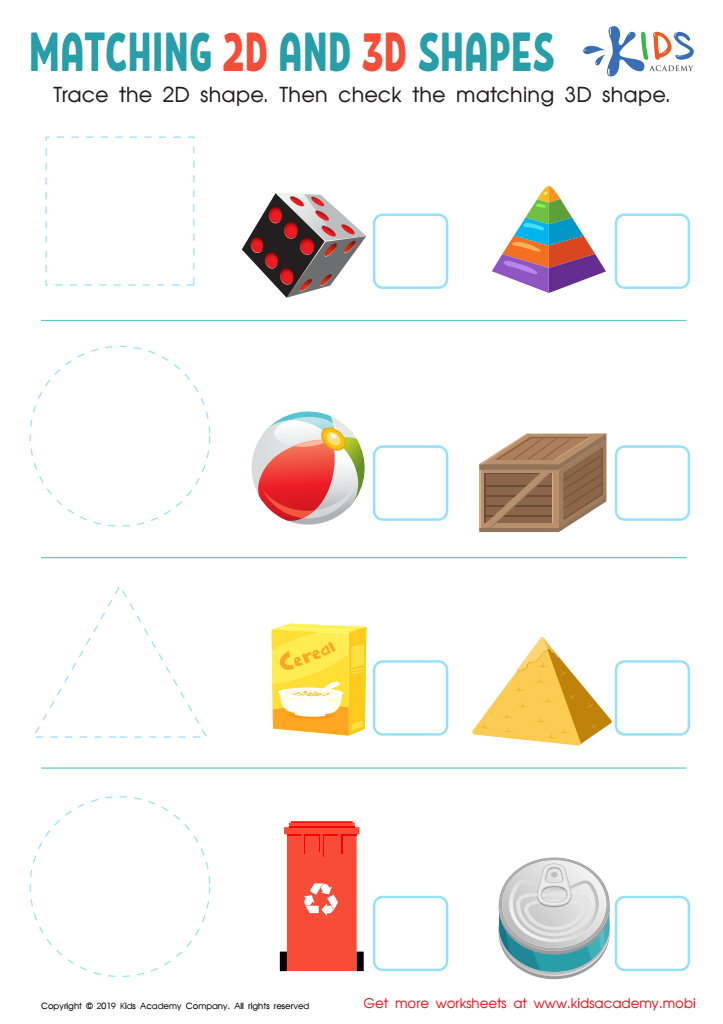
Matching 2D and 3D Shapes Worksheet
 Assign to My Students











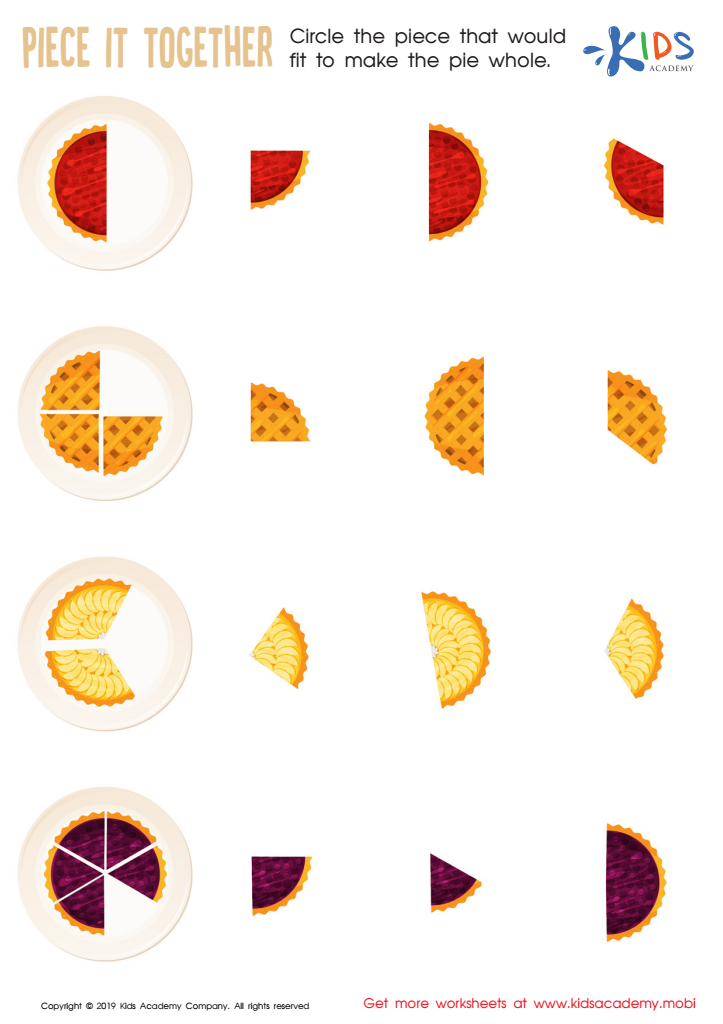
Piece it together Worksheet
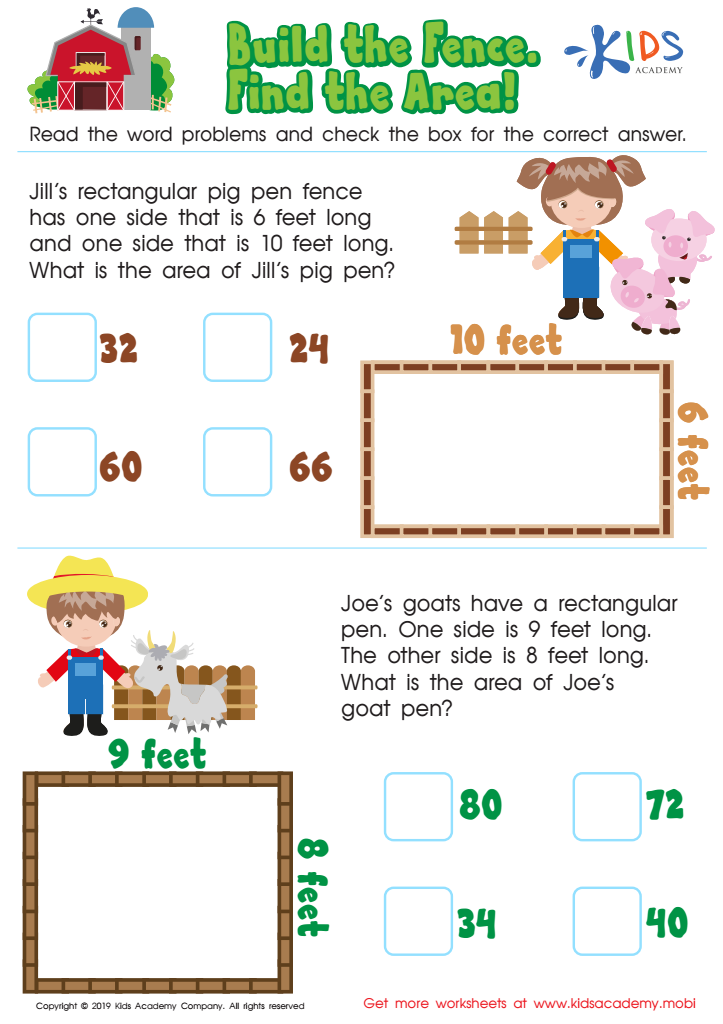
Build the Fence, Find the Area Worksheet








Problem-solving skills in geometry for children aged 6-8 are crucial for their cognitive development and lay the foundation for future learning. At this age, children are exploring shapes, spatial relationships, and patterns, which are fundamental concepts in mathematics. By fostering problem-solving abilities in geometry, we help children learn how to think critically and creatively. These skills enable them to tackle challenges both in math and in real-life situations.
Moreover, engaging with geometric concepts helps enhance children's reasoning skills and boosts their ability to visualize and manipulate objects mentally. This is particularly important, as it can improve their performance in advanced math topics later in their education. In early grades, integrating problem-solving in geometry also encourages a positive attitude toward math, making it more enjoyable and less intimidating.
Additionally, strengthening these skills can promote collaboration and communication among peers, as students often work together to solve problems. For parents and teachers, highlighting the importance of geometry fosters an enriching environment where children feel supported in their intellectual development. Ultimately, promoting these skills prepares children not only for academic success but also equips them with essential life skills, paving the way for informed decision-making and effective problem-solving throughout their lives.








