Develop problem-solving abilities Numbers Worksheets for Ages 6-8
3 filtered results
-
From - To
Discover our "Develop Problem-Solving Abilities Numbers Worksheets for Ages 6-8" designed to enhance your child's analytical thinking while mastering numbers. Our engaging worksheets focus on fundamental math skills, encouraging the application of addition, subtraction, and pattern recognition in problem-solving scenarios. Ideal for young learners, these activities bolster critical thinking and foster a love for learning through fun, interactive challenges. Perfect for both classroom and home use, they provide the essential foundation needed for future math success. Boost your child's confidence and skills today with our expertly crafted worksheets tailored for ages 6-8!
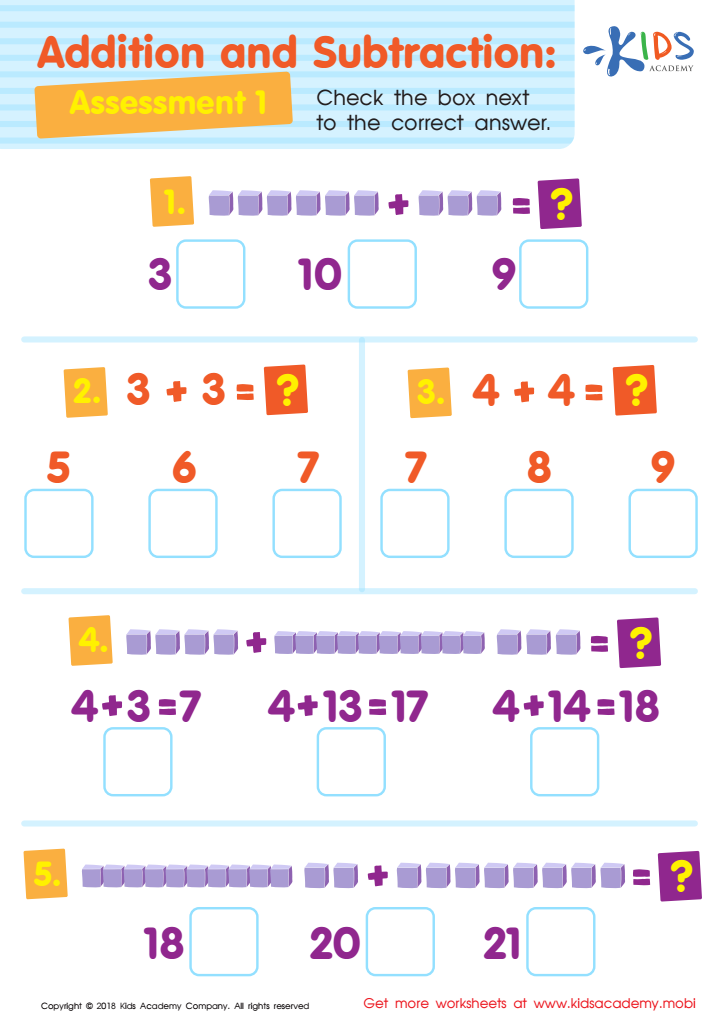
Addition and Subtraction Assessment 1 Worksheet
 Assign to My Students
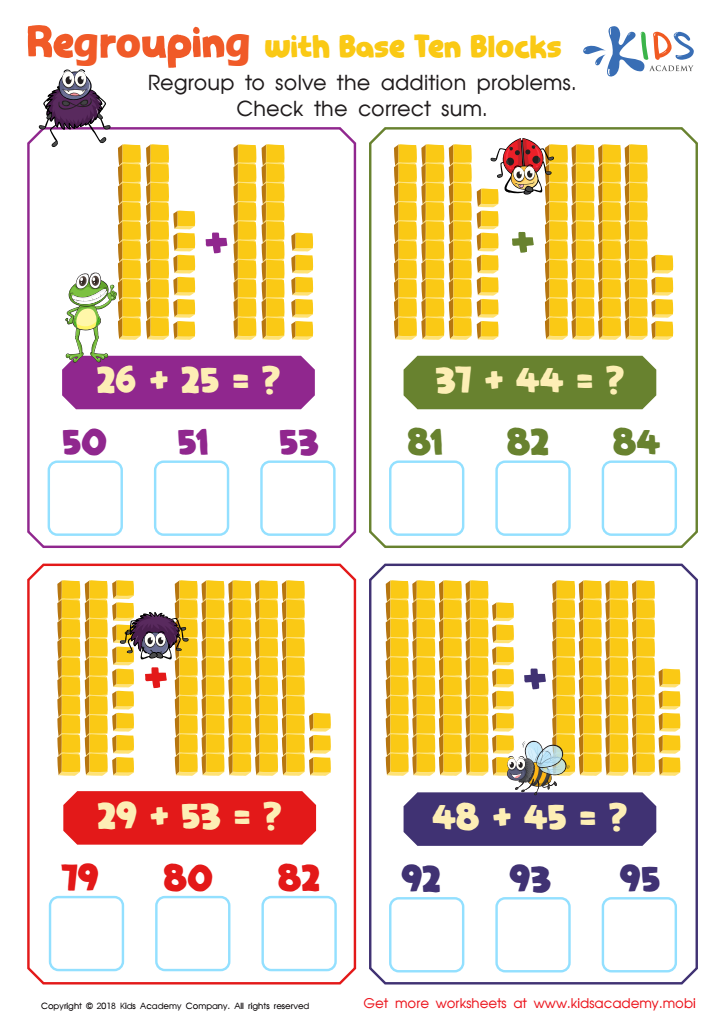
Regrouping With Base Ten Blocks Worksheet
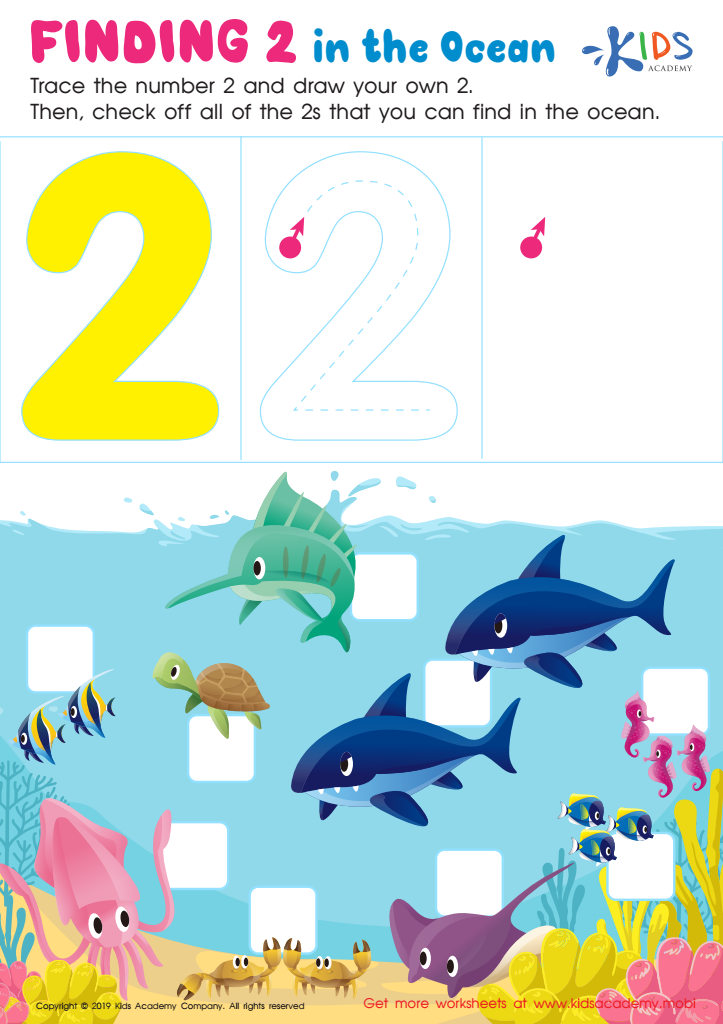
Finding 2: In the Ocean Worksheet








Developing problem-solving abilities related to numbers for children aged 6-8 is crucial for several reasons. Firstly, early numeracy skills lay the foundation for future mathematical understanding. By engaging in number-related problem-solving, children strengthen their arithmetic skills, including addition, subtraction, multiplication, and division, which are essential for more complex math concepts encountered later in education.
Secondly, problem-solving with numbers enhances critical thinking and reasoning abilities. Children learn to analyze situations, identify patterns, and devise strategies to find solutions. These skills are transferable across all areas of learning and throughout life, fostering creativity and logical thought processes.
Moreover, engaging with numbers through problem-solving activities can boost a child's confidence. As they successfully navigate numerical challenges, they build a positive relationship with math, reducing anxiety and fostering a growth mindset. This confidence encourages a persistent and resilient approach to learning new concepts.
Teachers and parents play a pivotal role in nurturing these skills by providing age-appropriate challenges and supportive environments where mistakes are viewed as learning opportunities. Interactive games, puzzles, and practical activities can make learning enjoyable and relatable, promoting a lifelong appreciation for mathematics.
In essence, prioritizing the development of problem-solving skills with numbers equips children with essential tools for academic success and everyday life.








