Problem-Solving Skills Numbers Worksheets for Ages 6-8
52 filtered results
-
From - To
Enhance your child's critical thinking with our engaging Problem-Solving Skills Numbers Worksheets designed specifically for ages 6-8. These worksheets provide a fun and interactive way for young learners to tackle real-world math challenges, fostering essential problem-solving abilities. Packed with colorful visuals and age-appropriate exercises, these activities encourage children to apply their knowledge of numbers in creative ways. As they work through puzzles and scenarios, students develop resilience and confidence in their math skills. Perfect for at-home practice or classroom use, our worksheets make learning enjoyable and help lay a strong foundation for future mathematical success. Explore the world of numbers confidently!
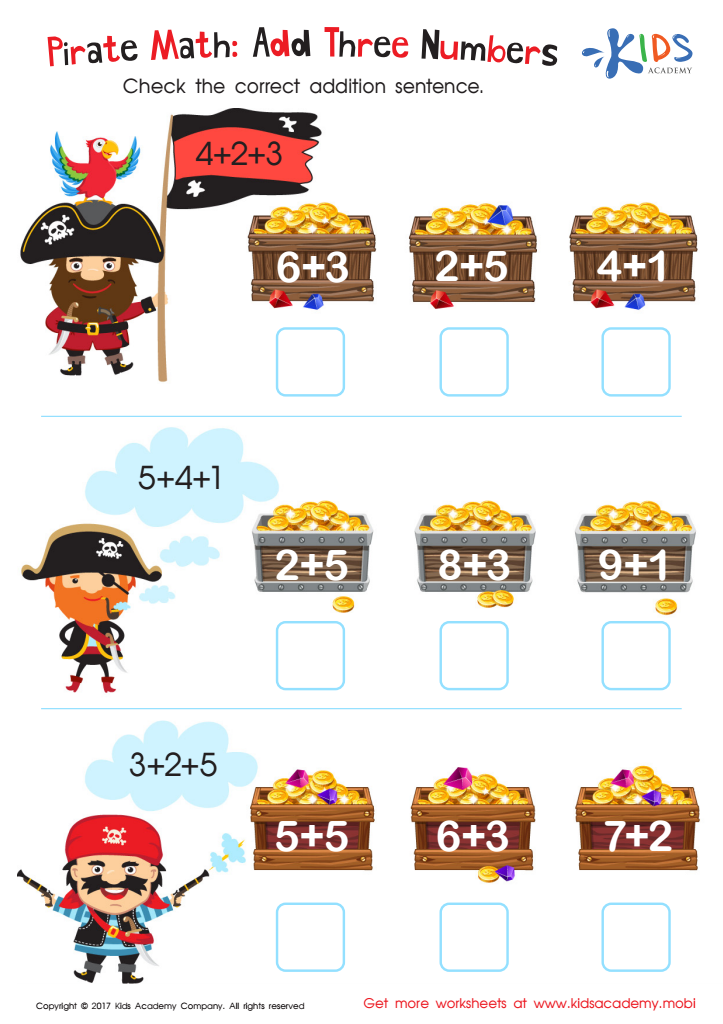
Pirate Math Printable
 Assign to My Students
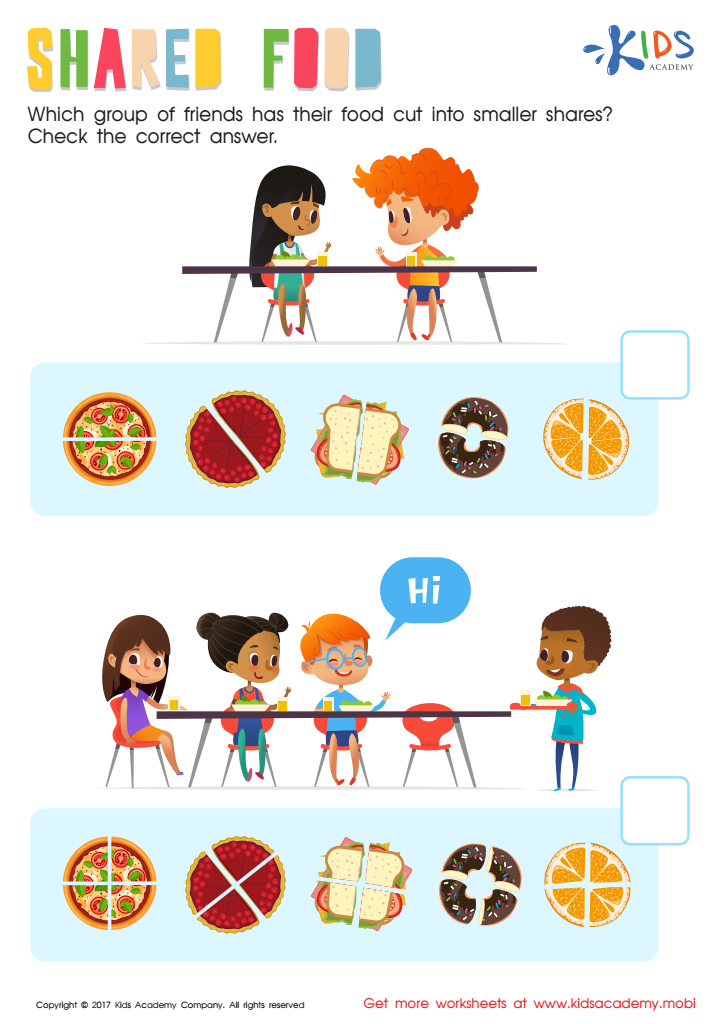
Shared Food Worksheet
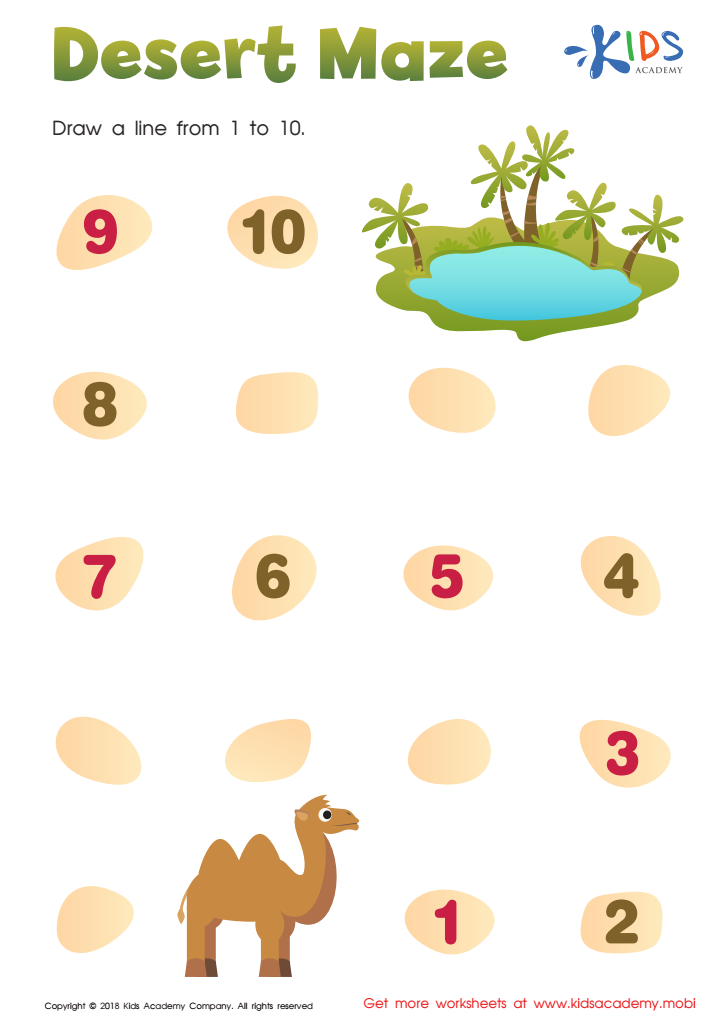
Desert Maze Worksheet
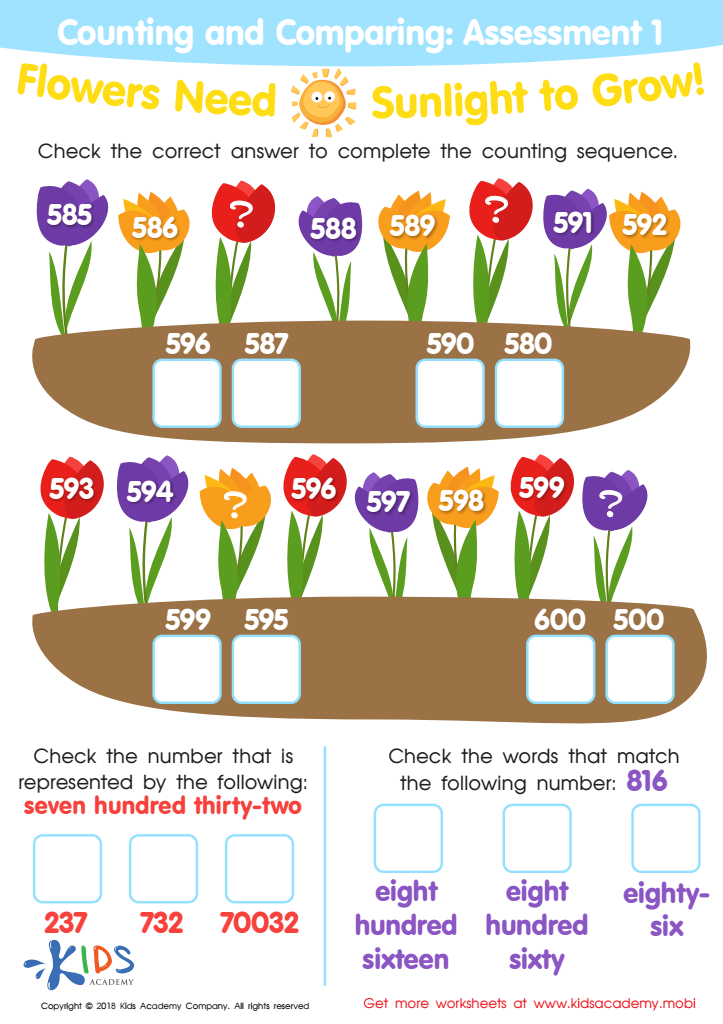
Counting and Comparing: Assessment 1 Worksheet
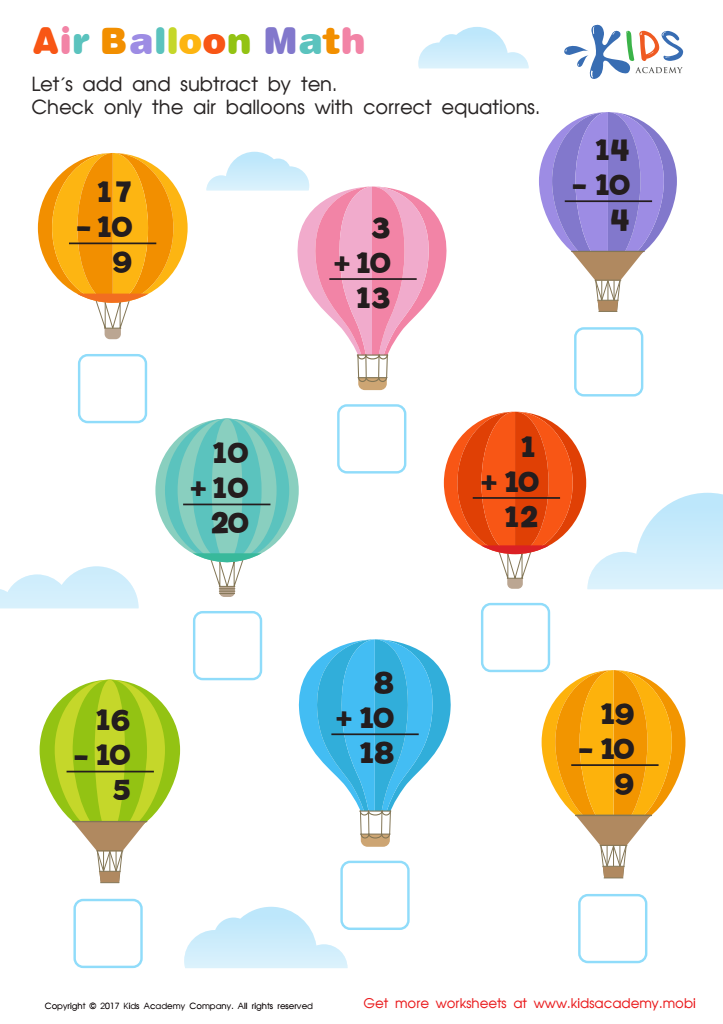
Air Balloon Math Worksheet
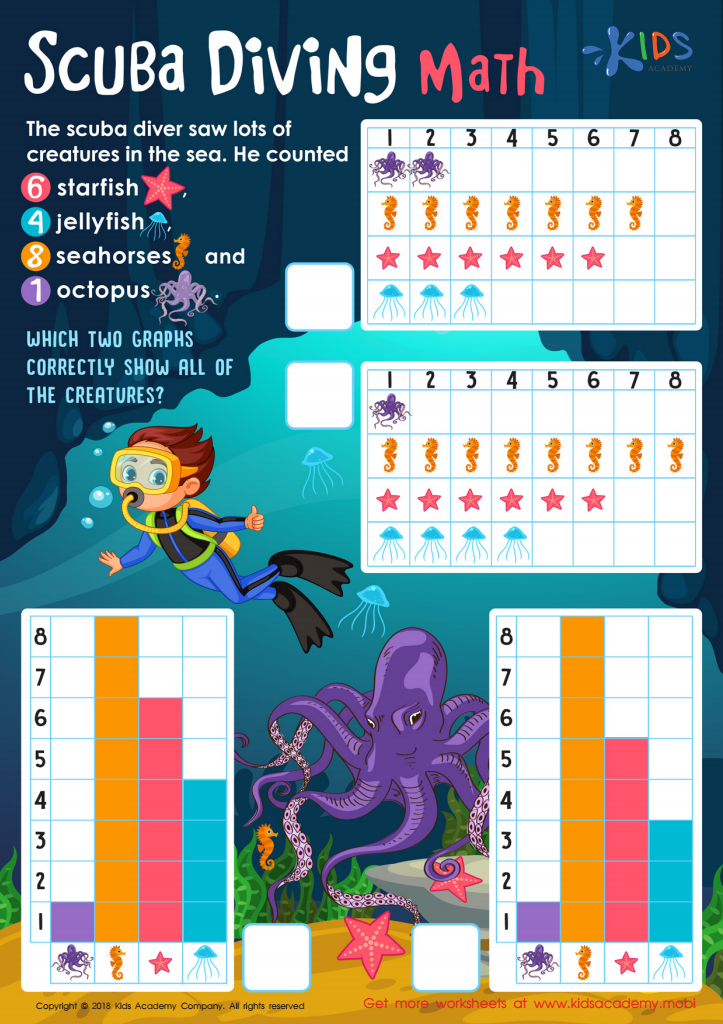
Scuba Diving Math Worksheet
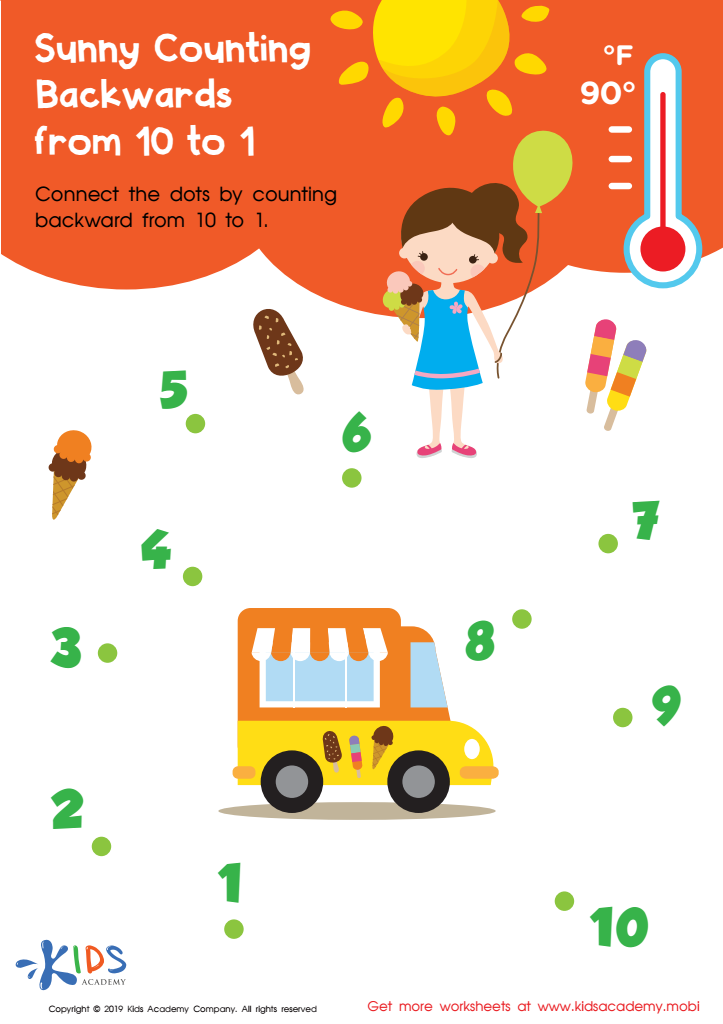
Sunny Counting Backwards from 10 to 1 Worksheet
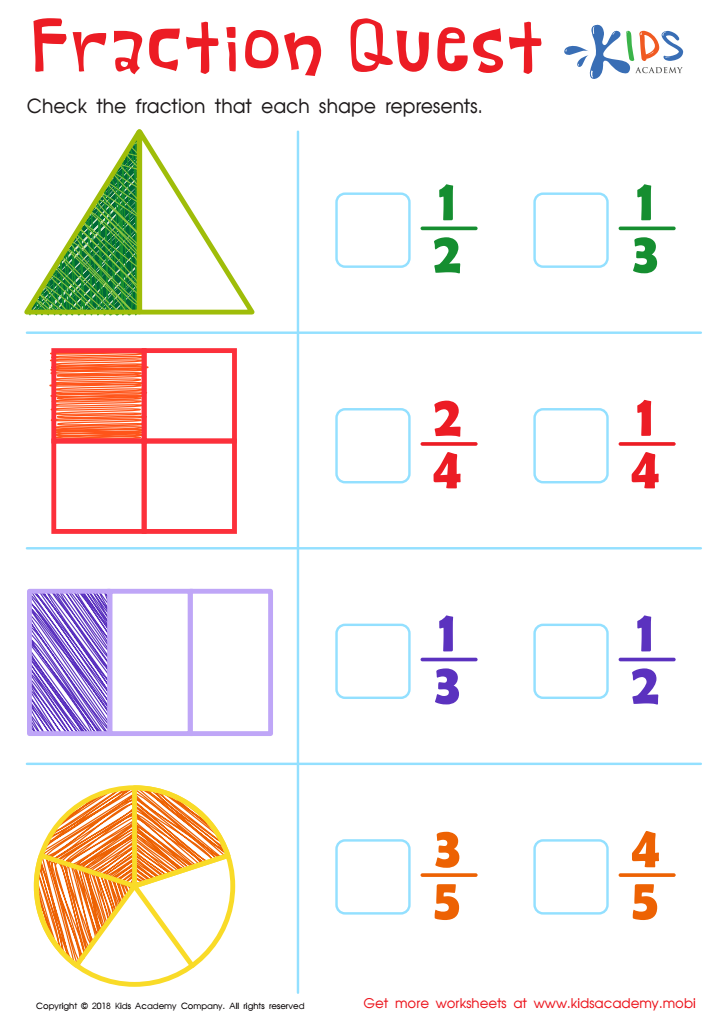
Fraction Quest Worksheet
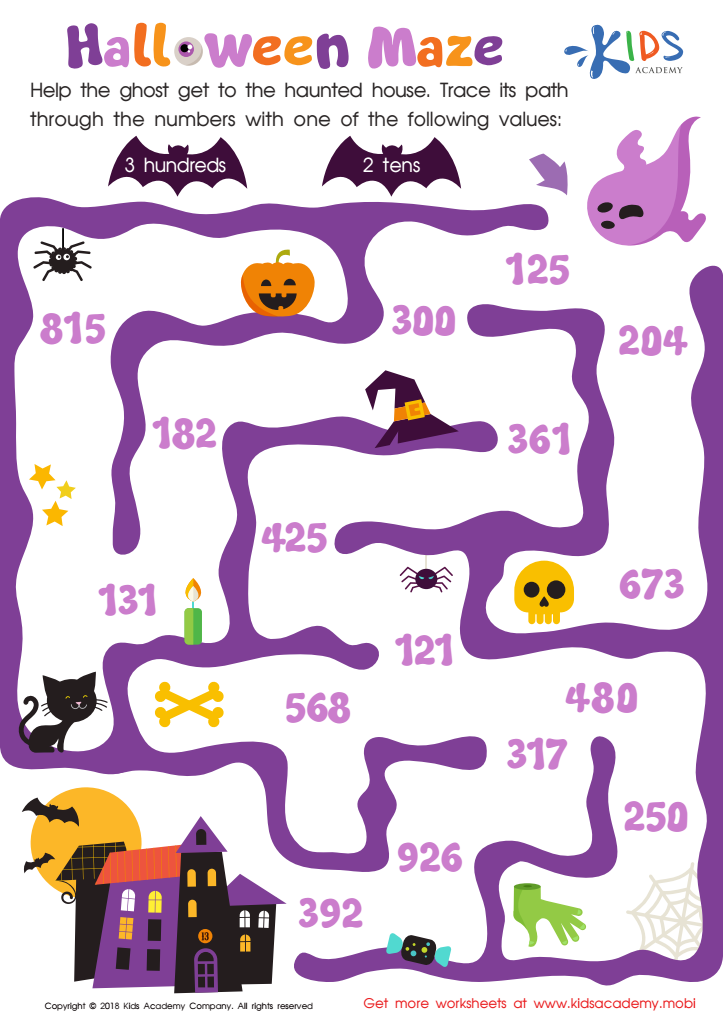
Place Value: Halloween Maze Worksheet
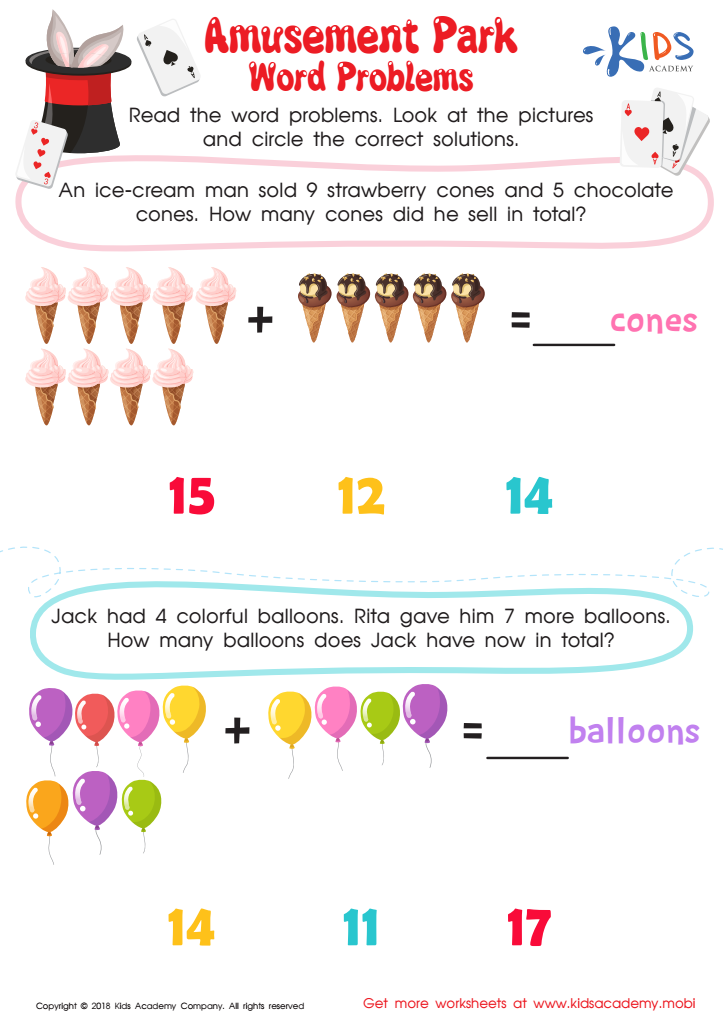
Amusement Park Word Problems Worksheet
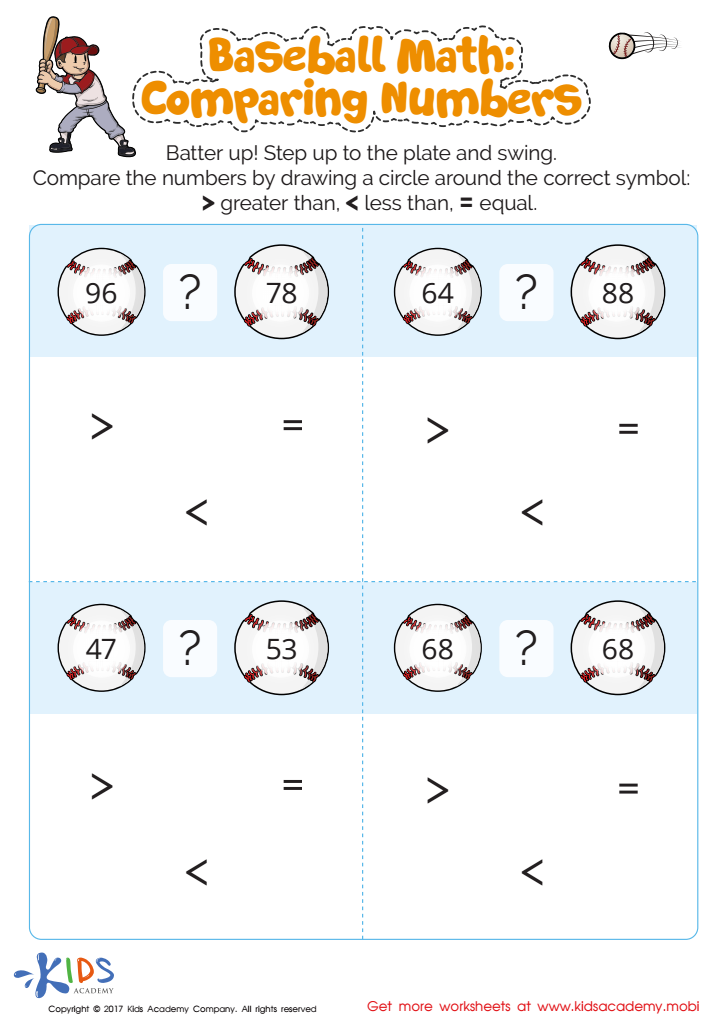
Compare Numbers Printable
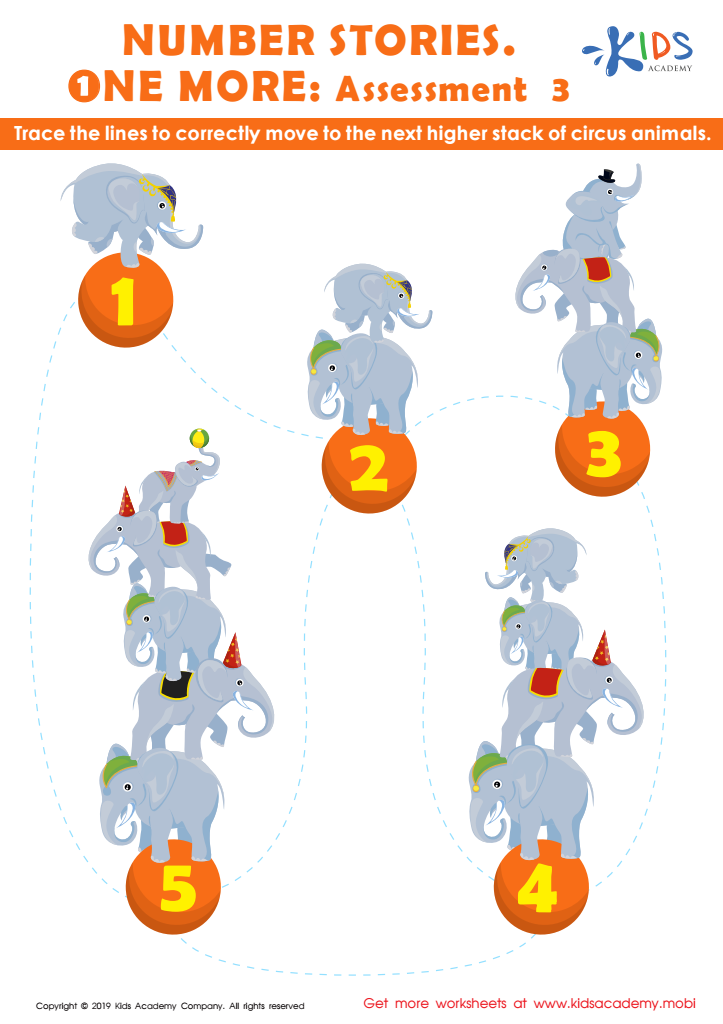
Number Stories One More: Assessment 3 Worksheet
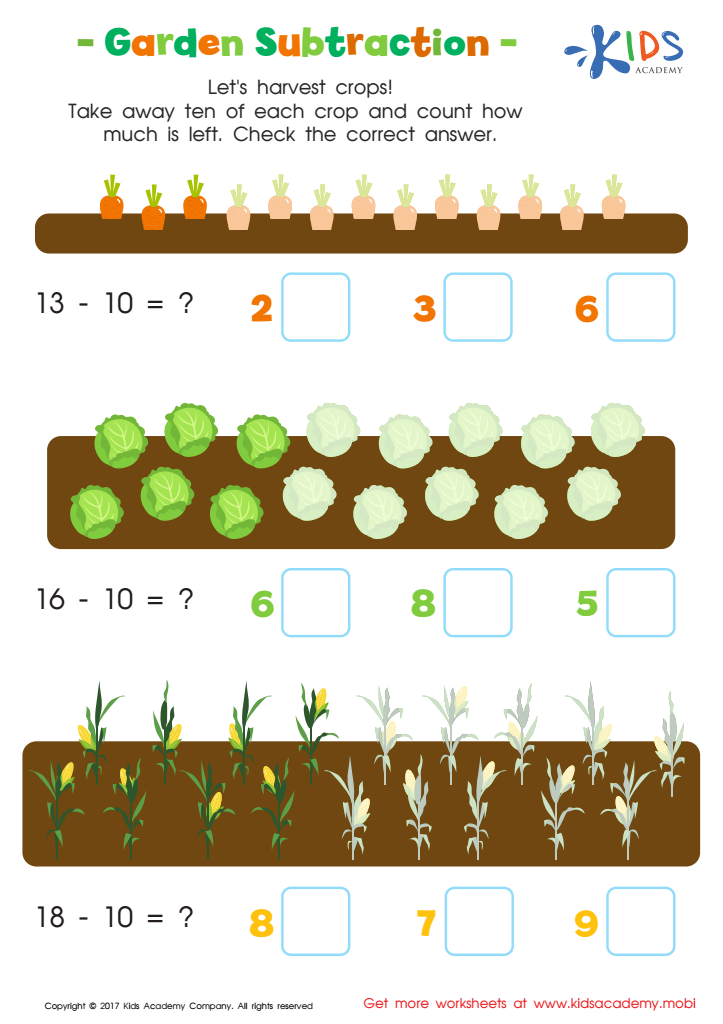
Garden Subtraction Worksheet
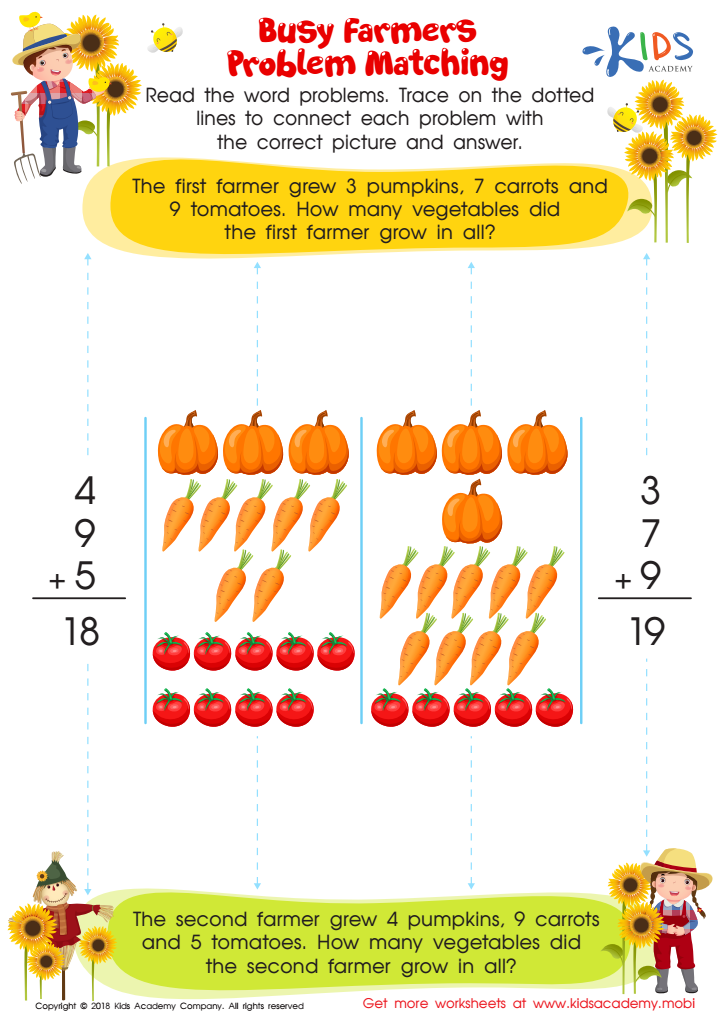
Busy Farmers: Problem Matching Worksheet
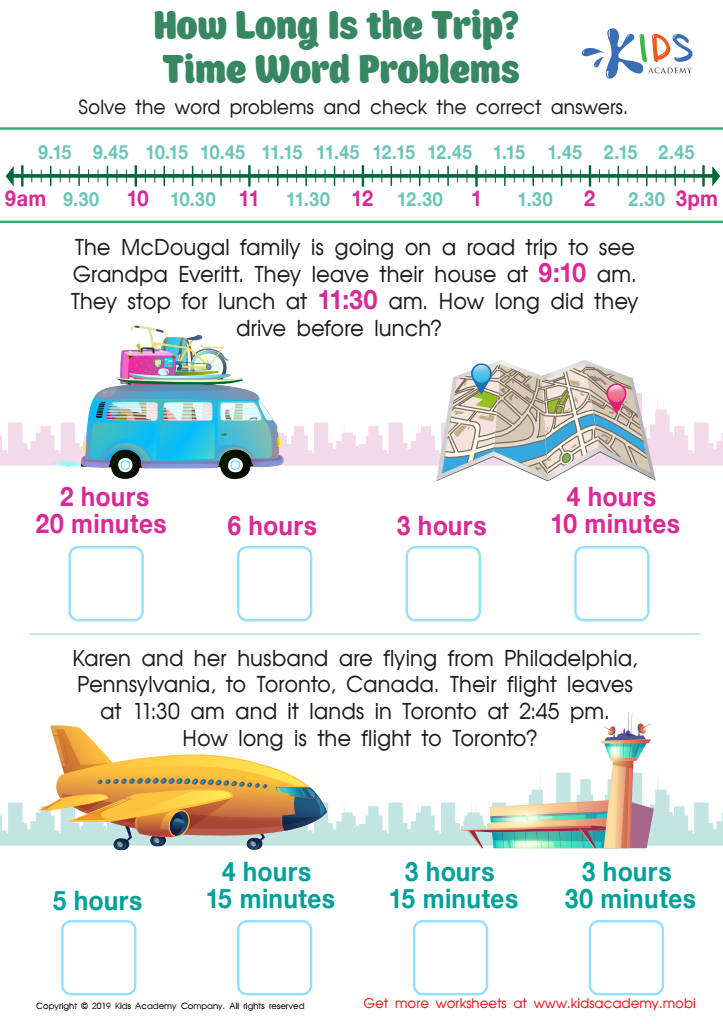
How long is the Trip? Time Word Problems Worksheet
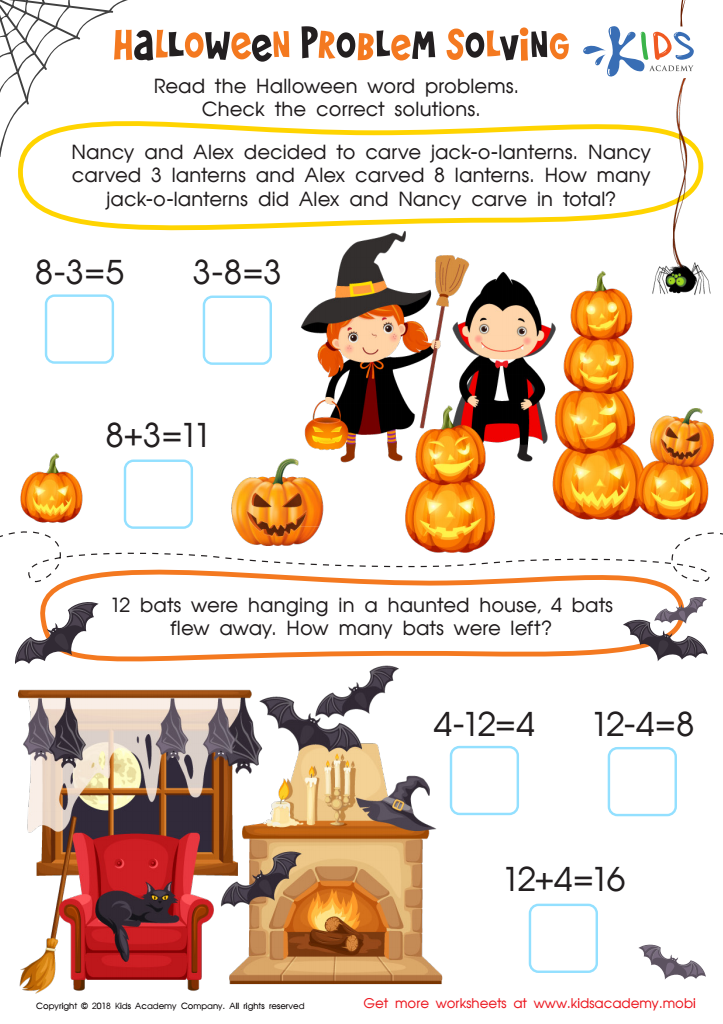
Halloween Problem Solving Worksheet
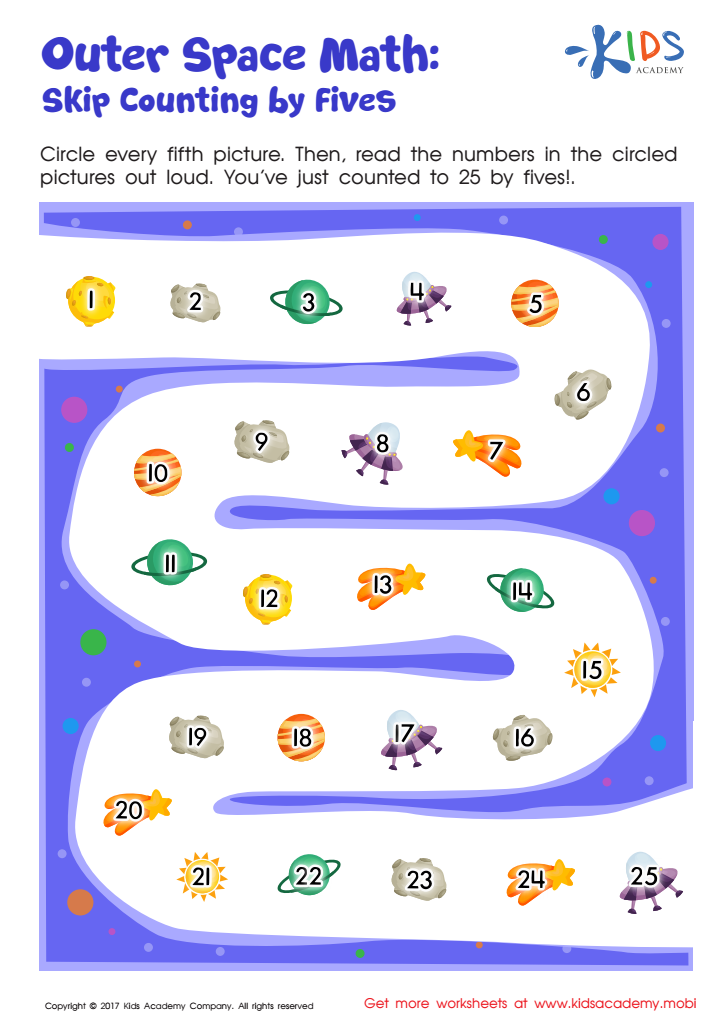
Skip Counting by 5s: Outer Space Math Printable
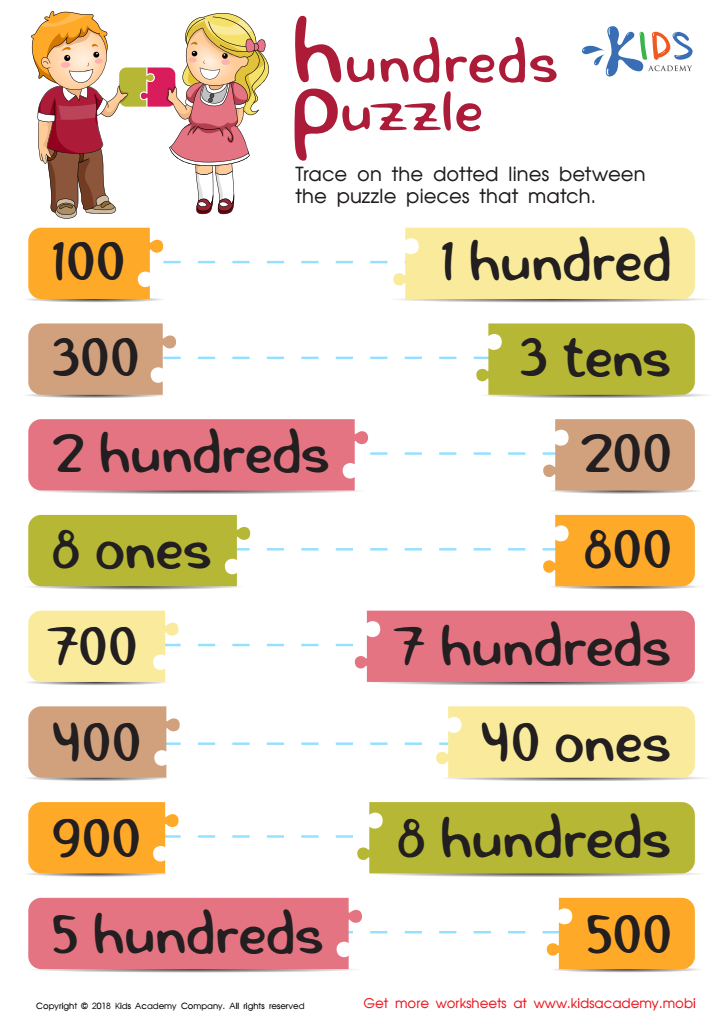
Hundreds Puzzle Worksheet
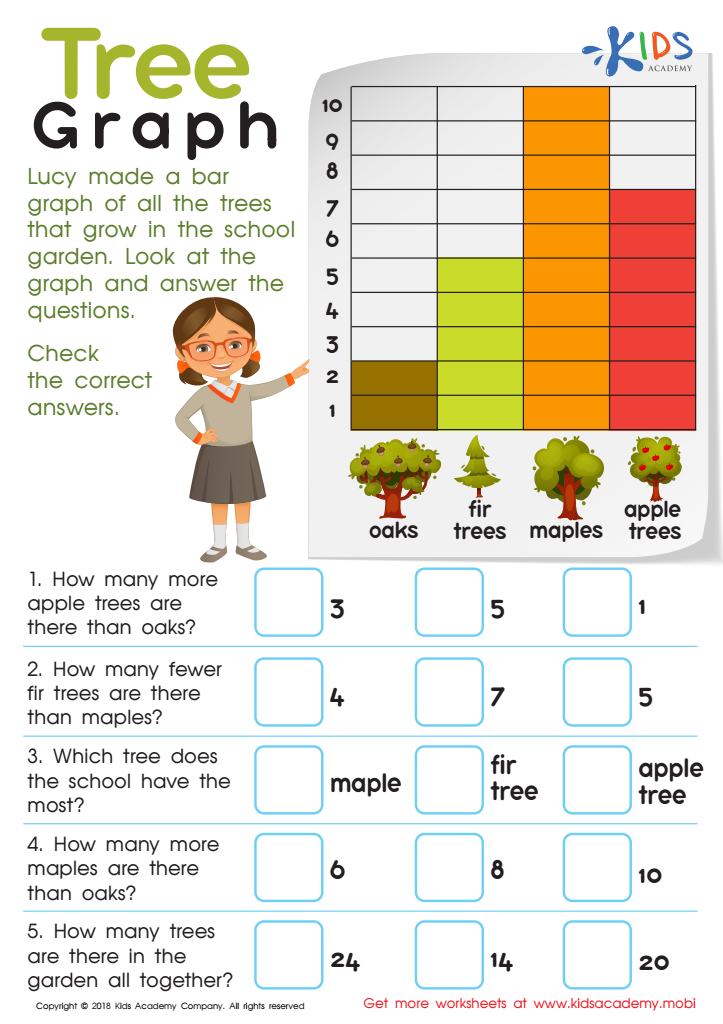
Tree Graph Worksheet
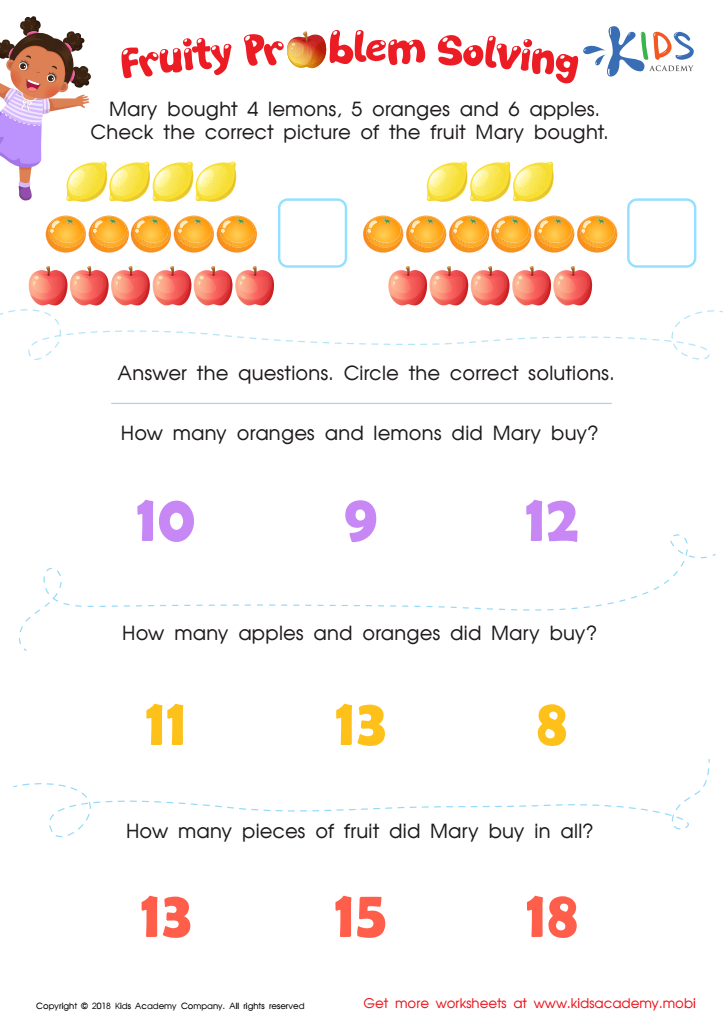
Fruity Problem Solving Worksheet
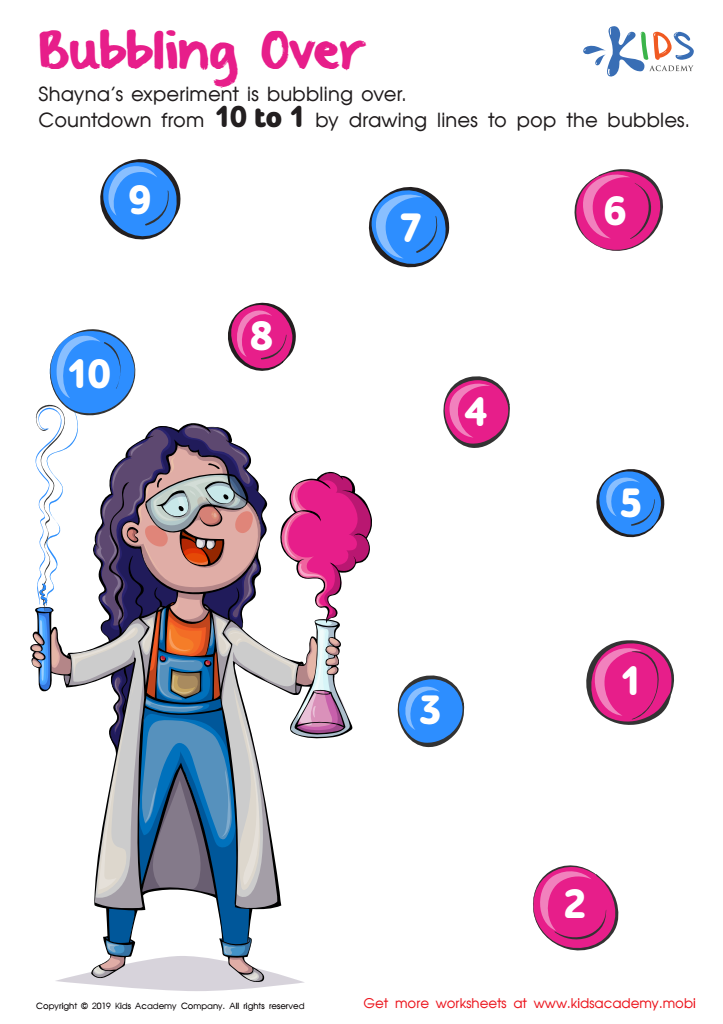
Bubbling Over Worksheet
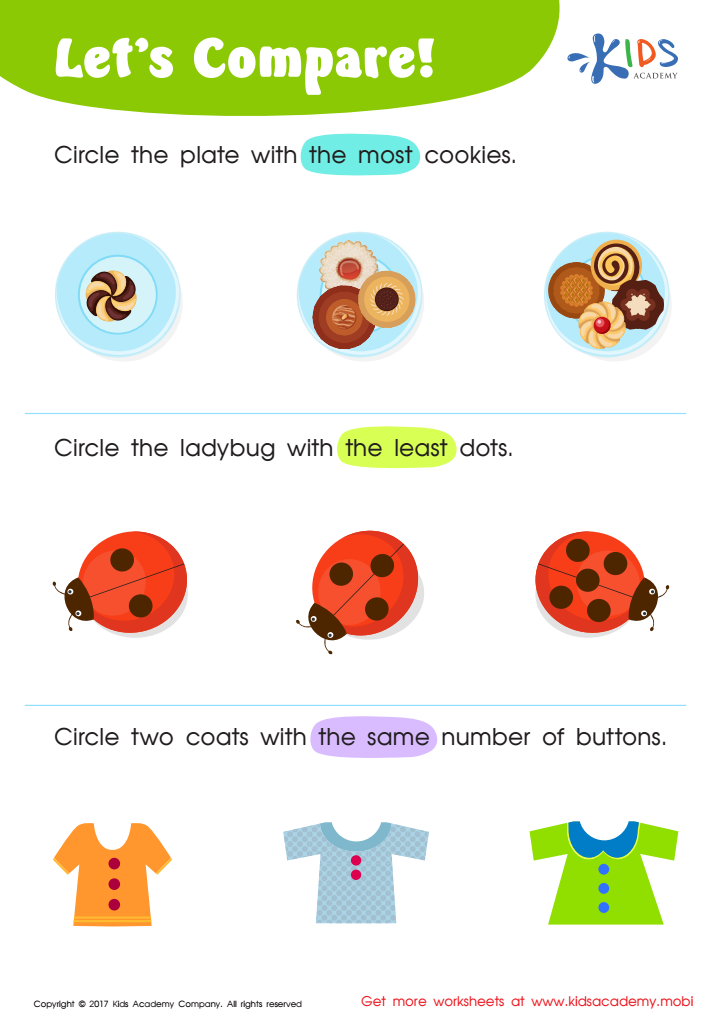
Matching: Classifying Toys by Size Worksheet
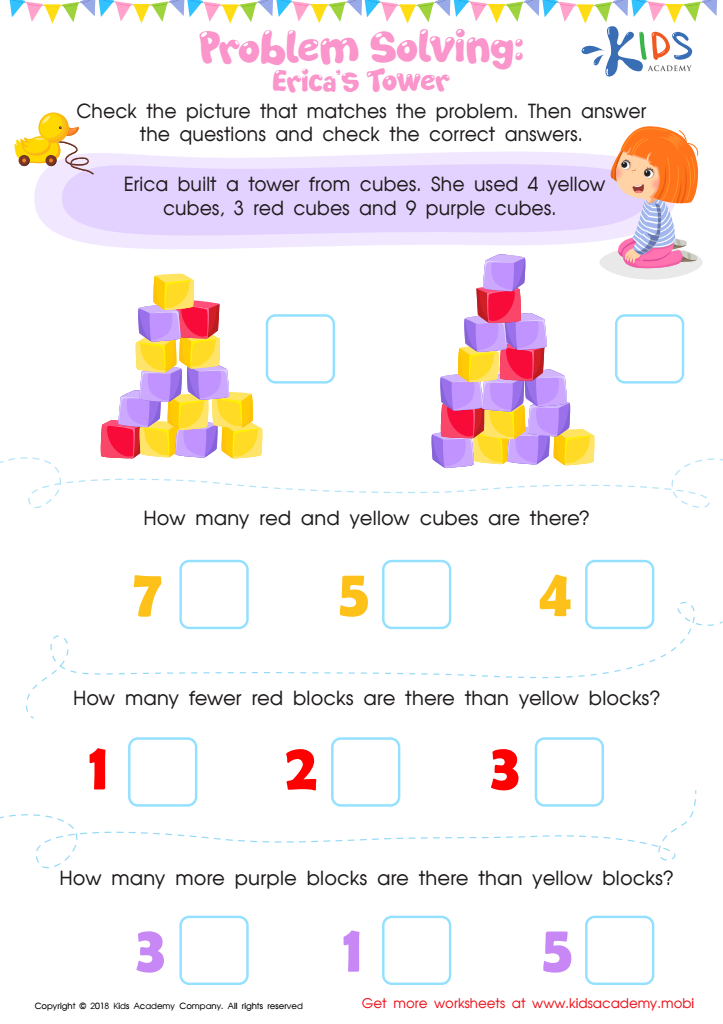
Problem Solving: Erica's Tower Worksheet
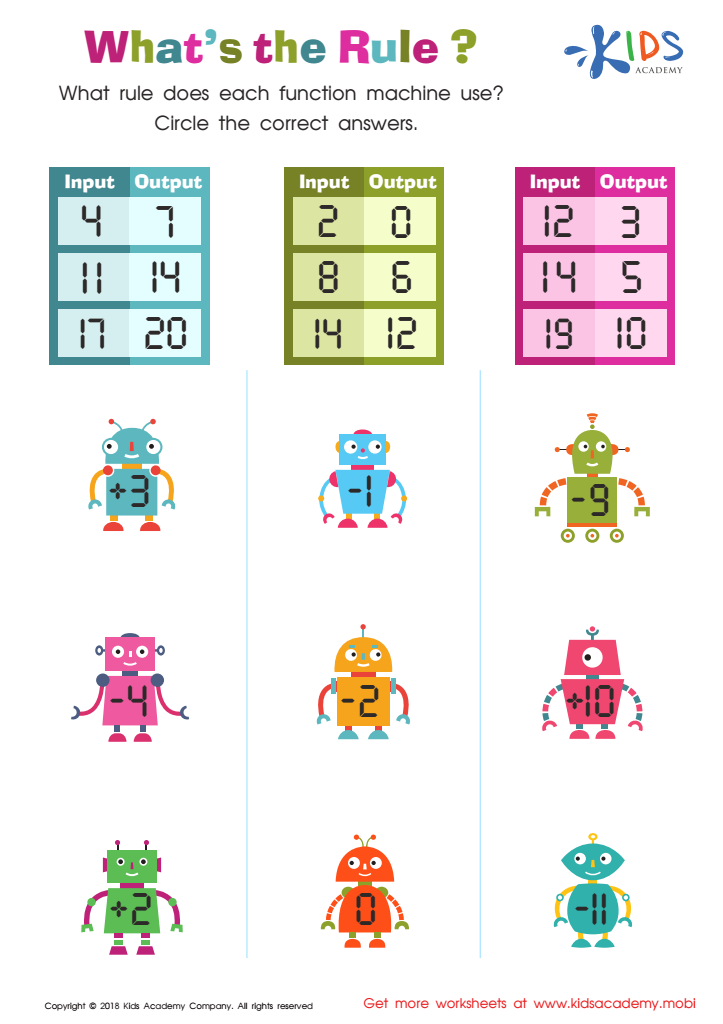
What's the Rule Worksheet





%20(1).jpg)


Problem-solving skills are vital for children's development, especially for ages 6-8, when they are starting to grasp more complex concepts and face real-life challenges. These skills lay the foundation for critical thinking and reasoning, helping children learn to analyse situations, identify solutions, and make informed decisions.
For parents and teachers, nurturing problem-solving abilities in young learners fosters a sense of independence and confidence. When children are encouraged to tackle problems creatively and collaboratively, they develop resilience, learn to embrace challenges, and improve their ability to overcome obstacles. This skill set not only prepares them for academic success but also equips them with tools to navigate social situations and personal dilemmas.
Additionally, problem-solving encourages curiosity and a love for learning. By engaging children in fun and stimulating activities, educators can capture their interest while promoting cognitive development. This age group is particularly receptive to learning through play, making problem-solving exercises both enjoyable and effective.
Ultimately, supporting children in developing problem-solving skills ensures they become adaptable, lifelong learners, capable of thriving in an ever-changing world. By prioritizing these skills, parents and teachers can set children on a path towards success in school, relationships, and future careers.








