Color Identification Math Worksheets for Ages 6-8 - Page 2
43 filtered results
-
From - To
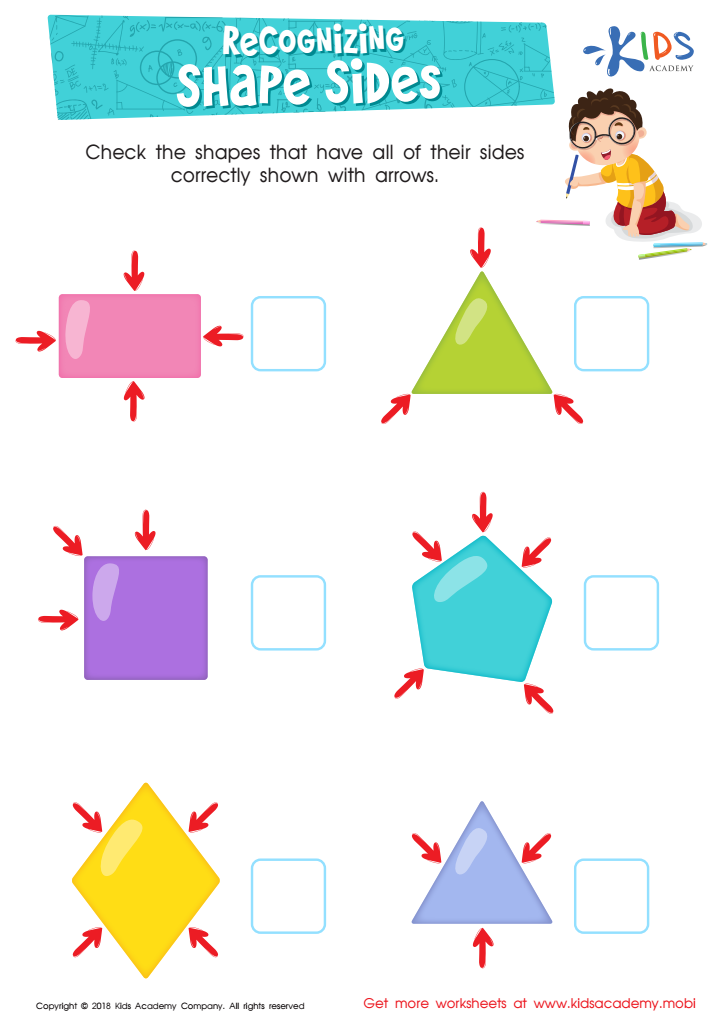
Recognizing Shape Sides Worksheet
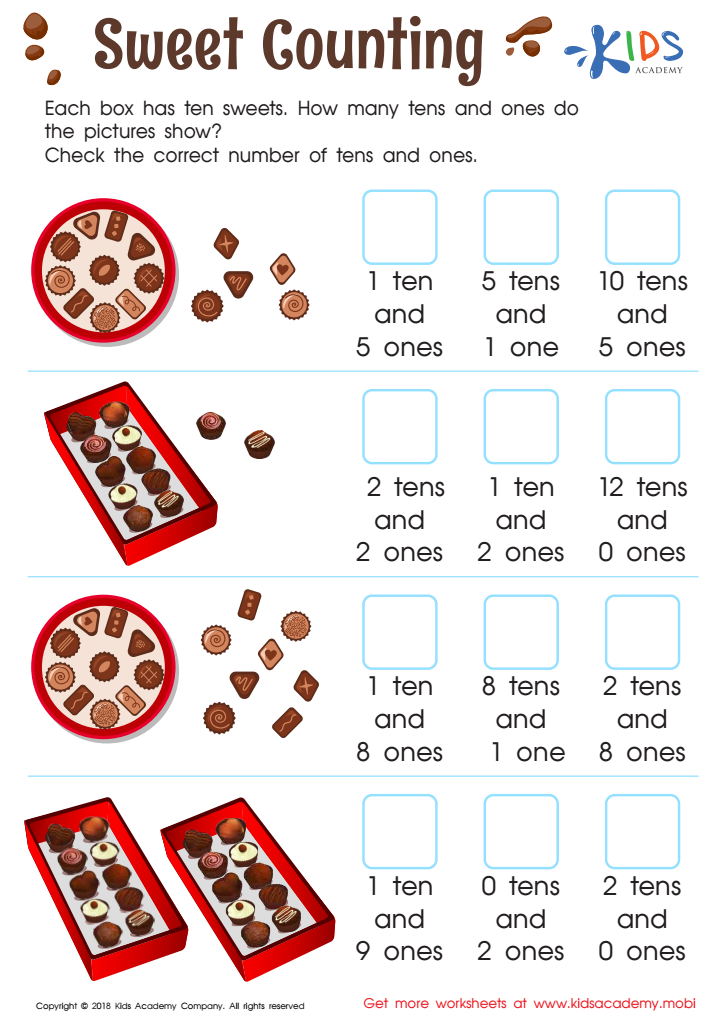
Sweet Counting - Part 2 Worksheet
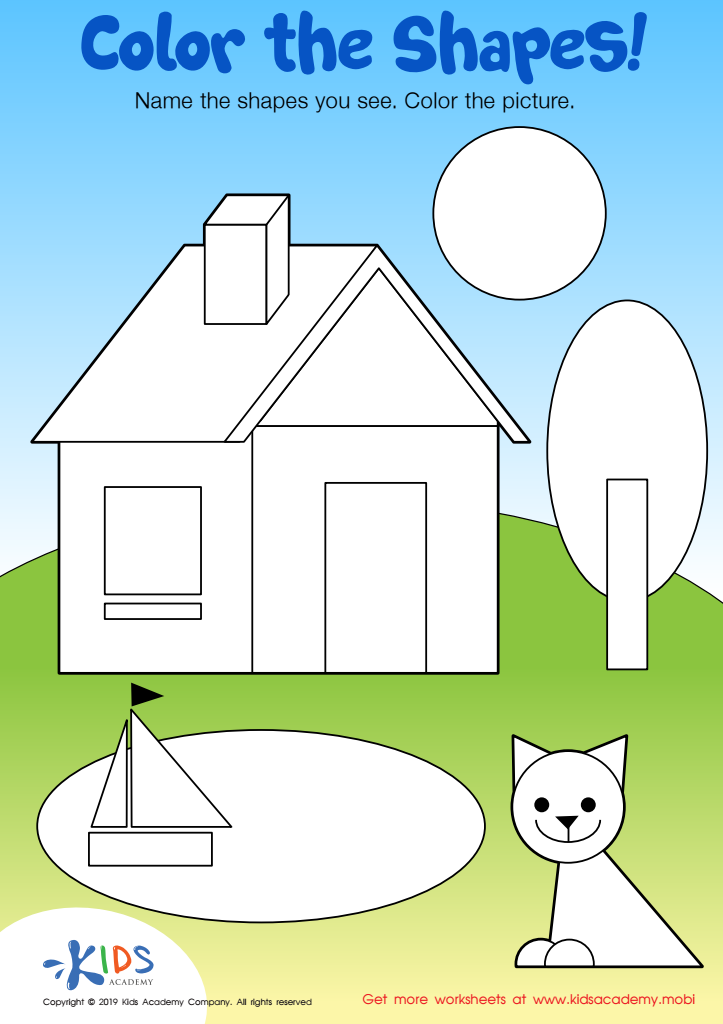
Color the Shapes Worksheet
 Assign to My Students
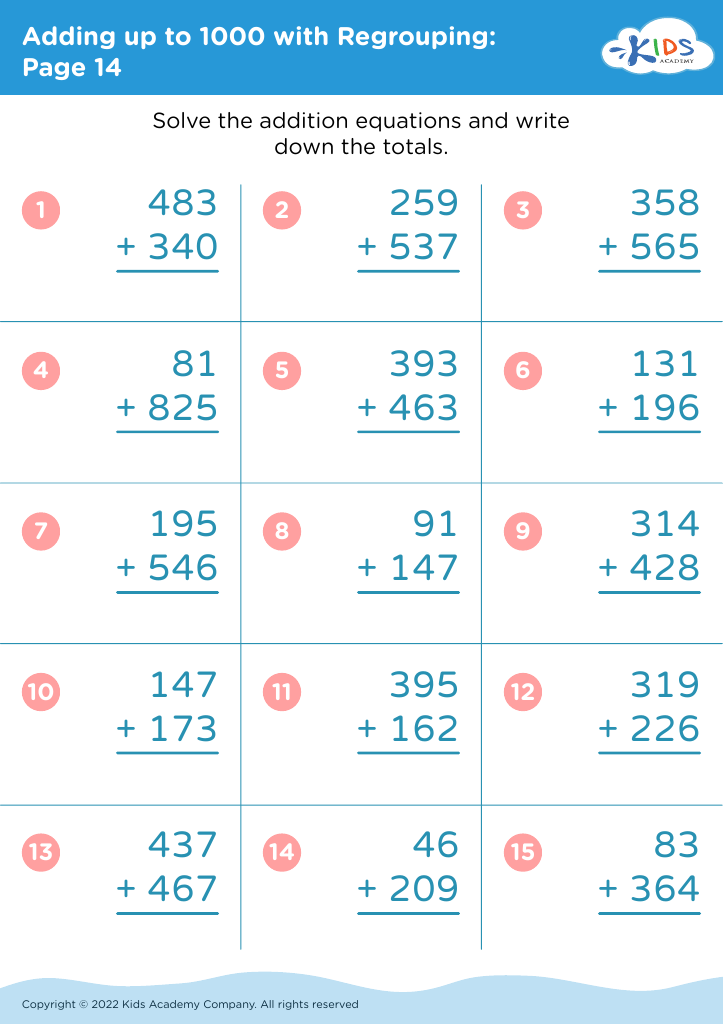
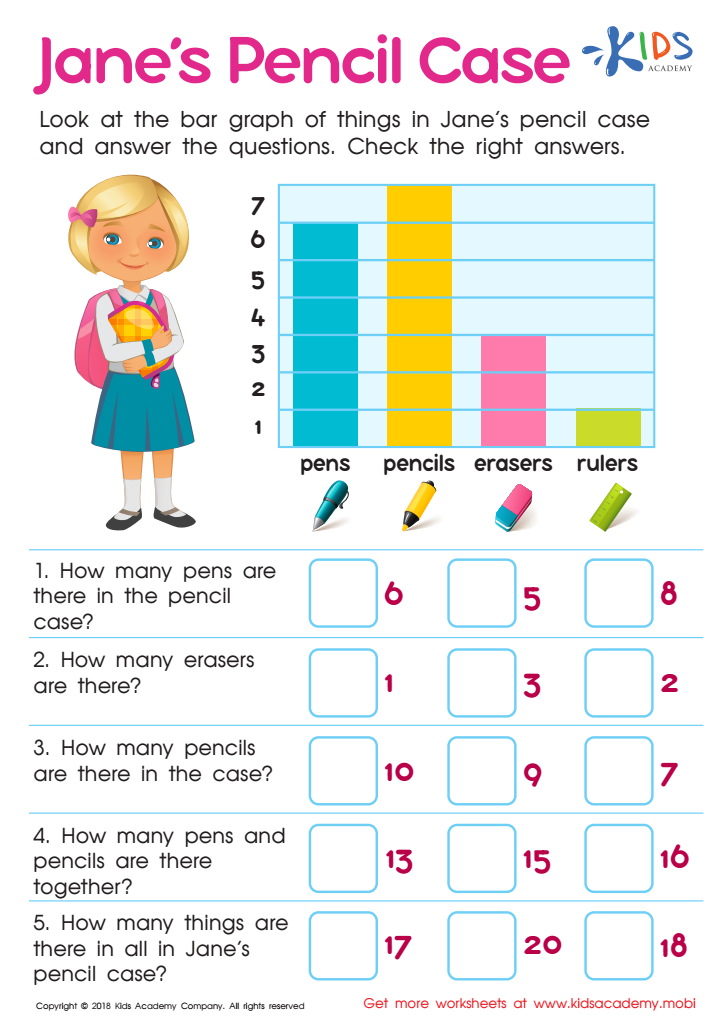
Jane's Pencil Case Worksheet
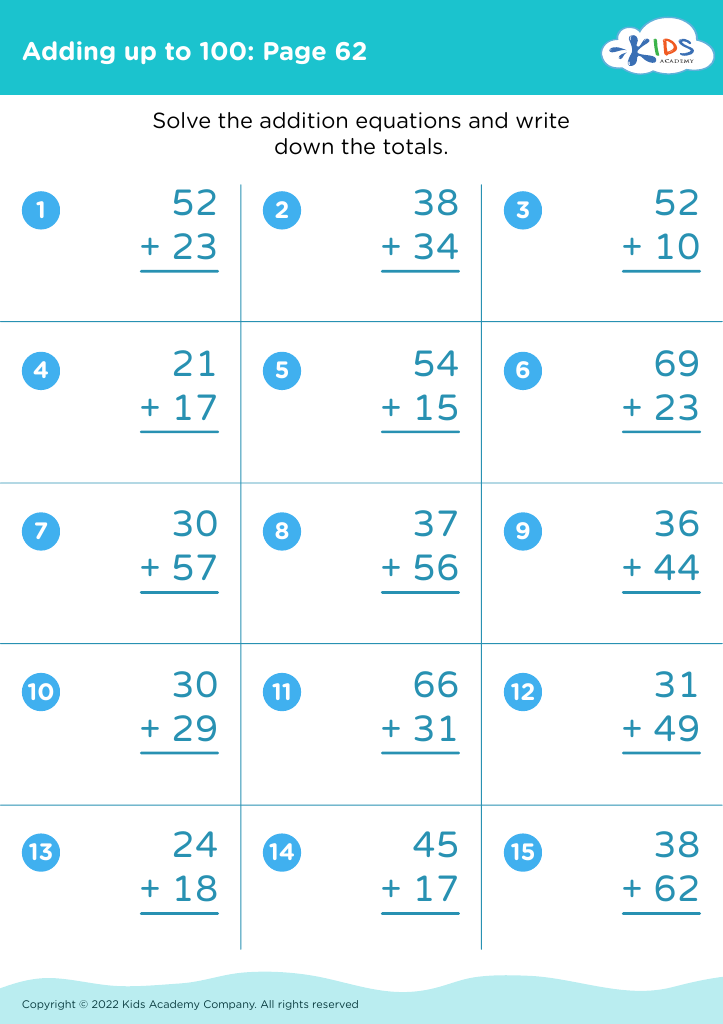
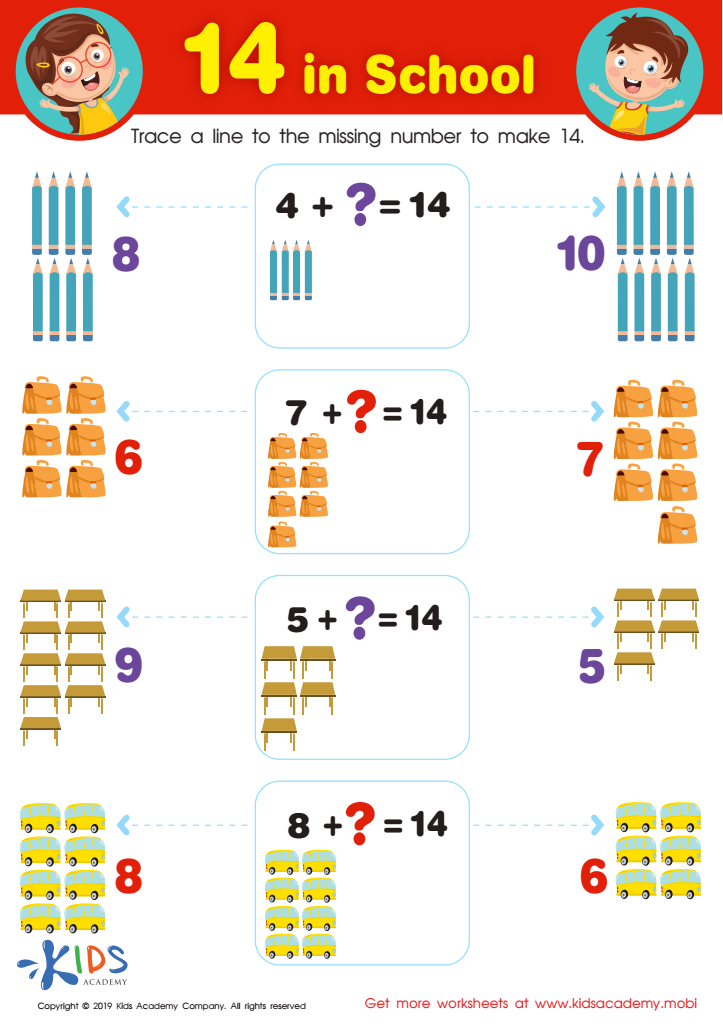
14 in School Worksheet
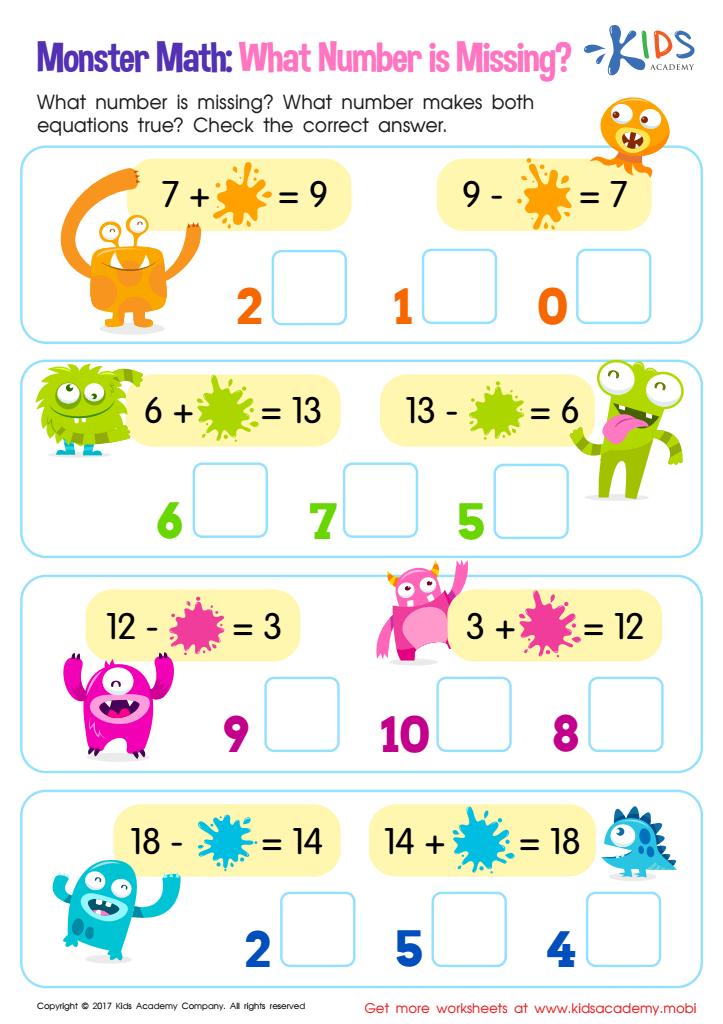
Missing Number: Monster Math Worksheet
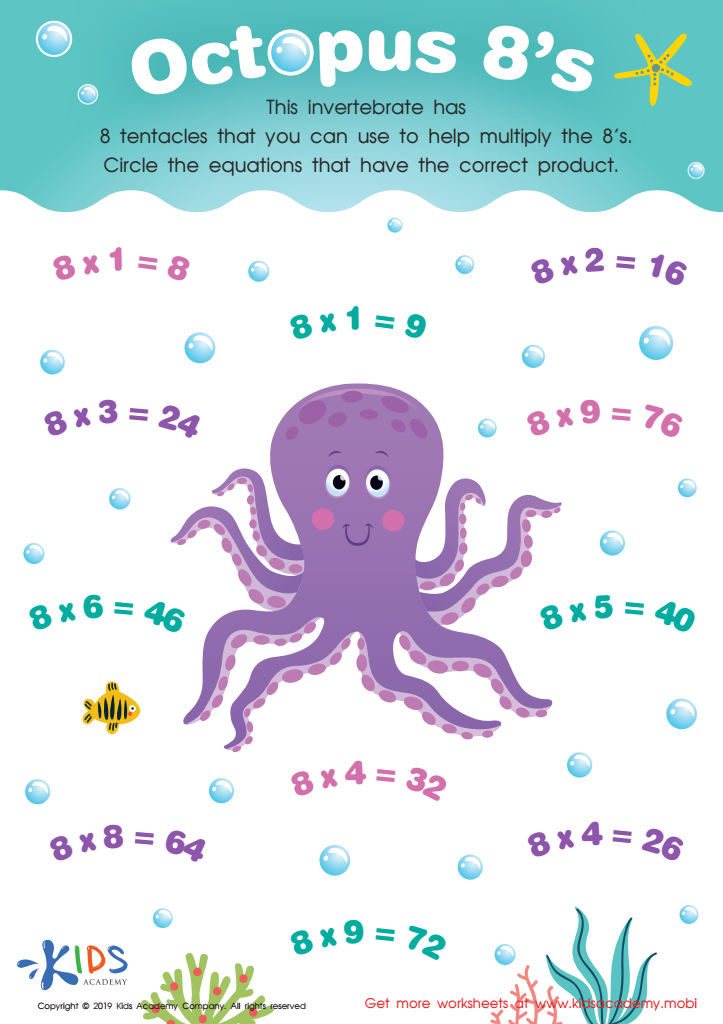
Octopus 8’s Worksheet
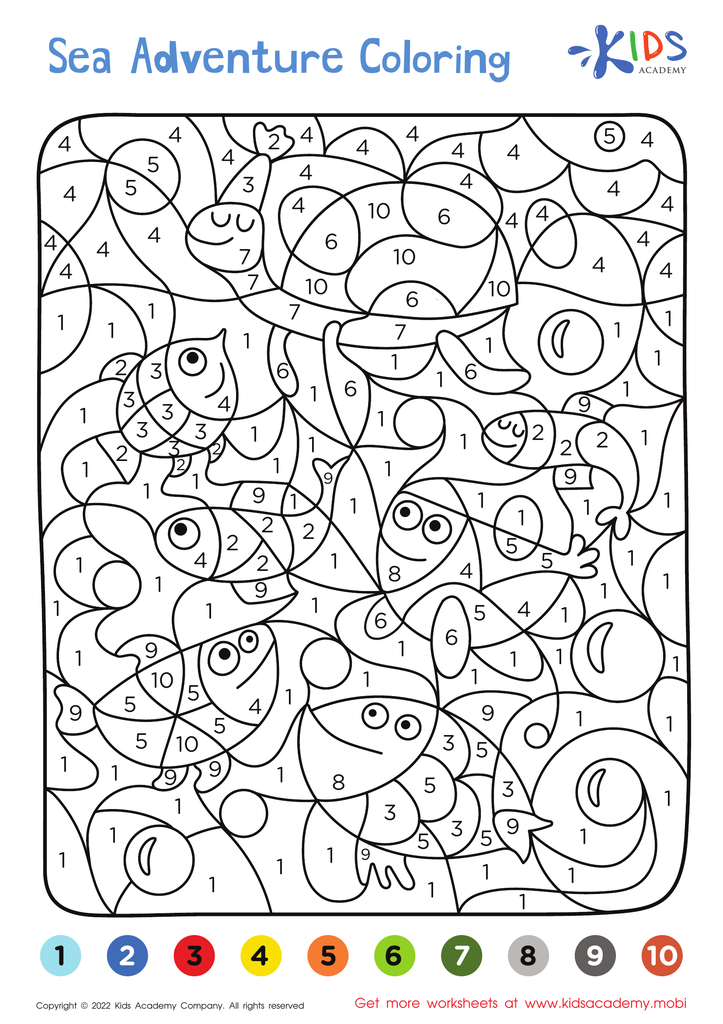
Sea Adventure – Coloring by Numbers
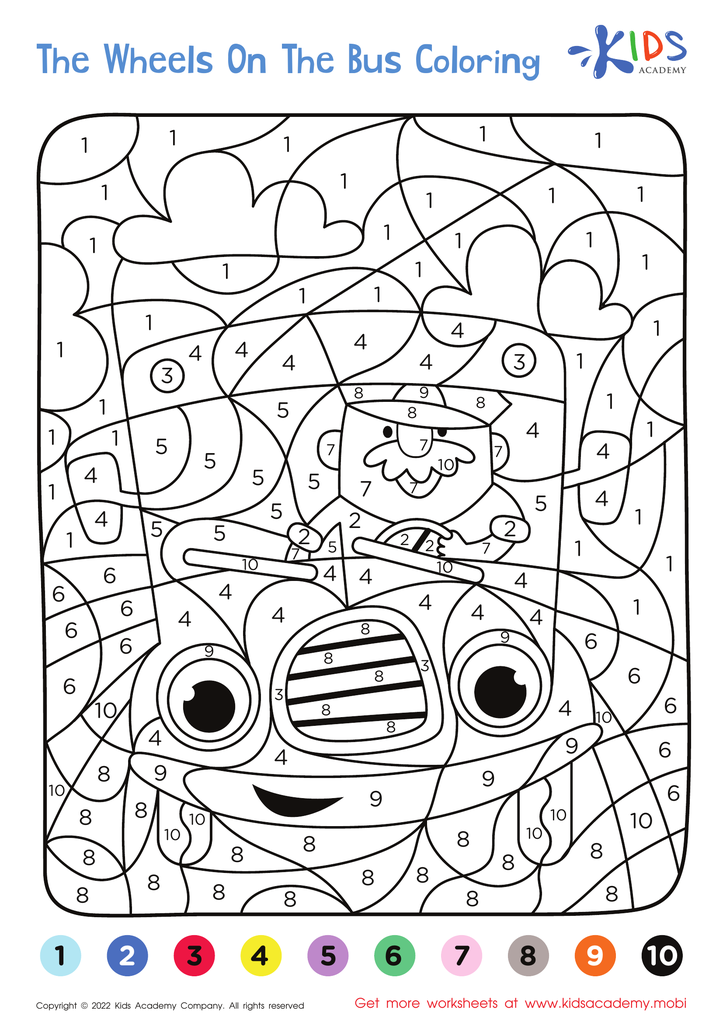
Wheels on the Bus – Coloring by Numbers
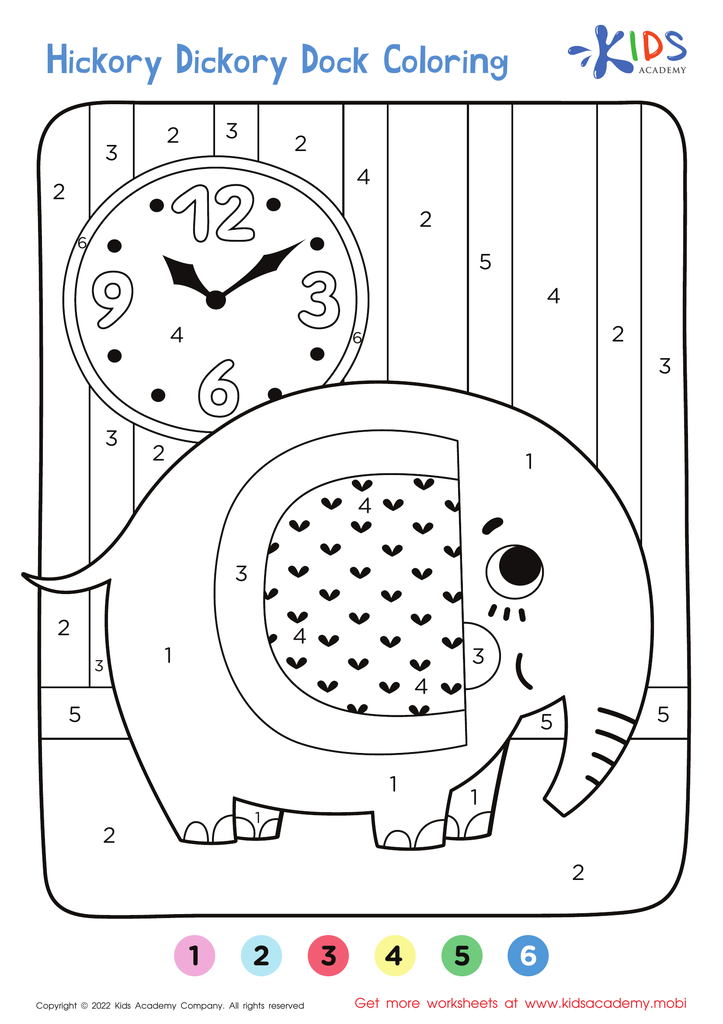
Hickory Dickory Dock – Coloring by Numbers
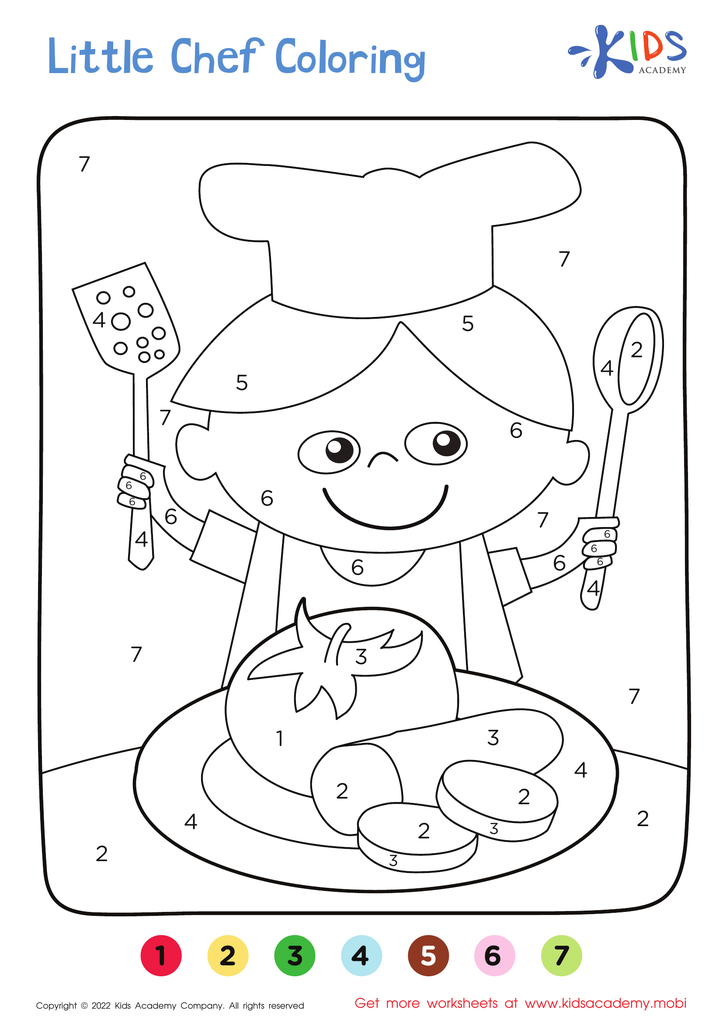
Little Chef – Coloring by Numbers
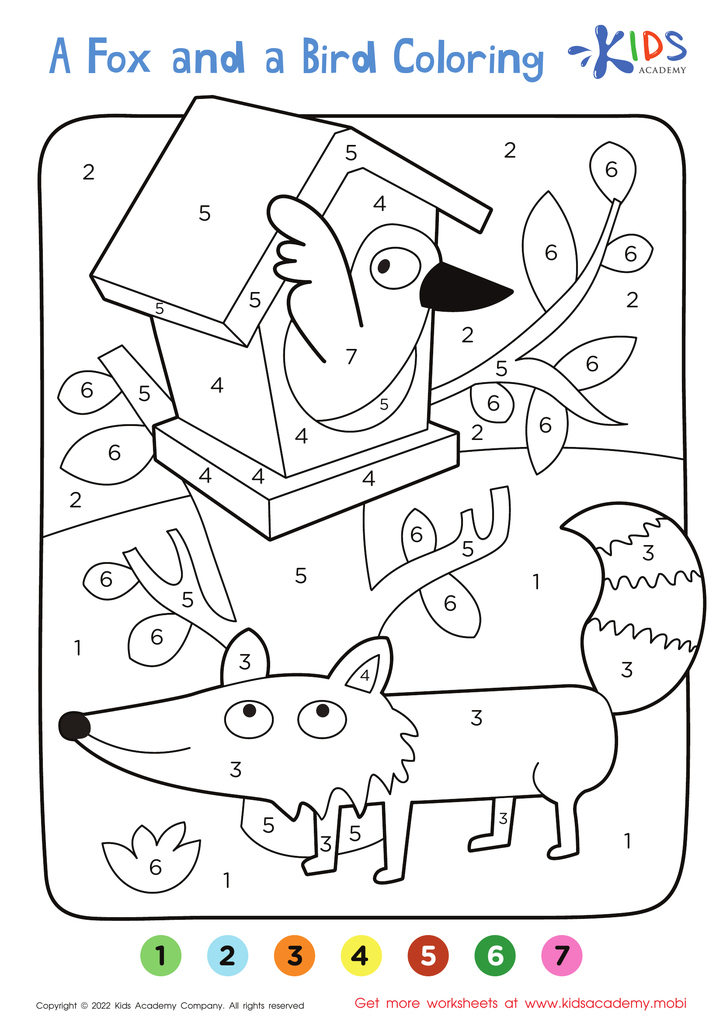
A Fox and a Bird – Coloring by Numbers
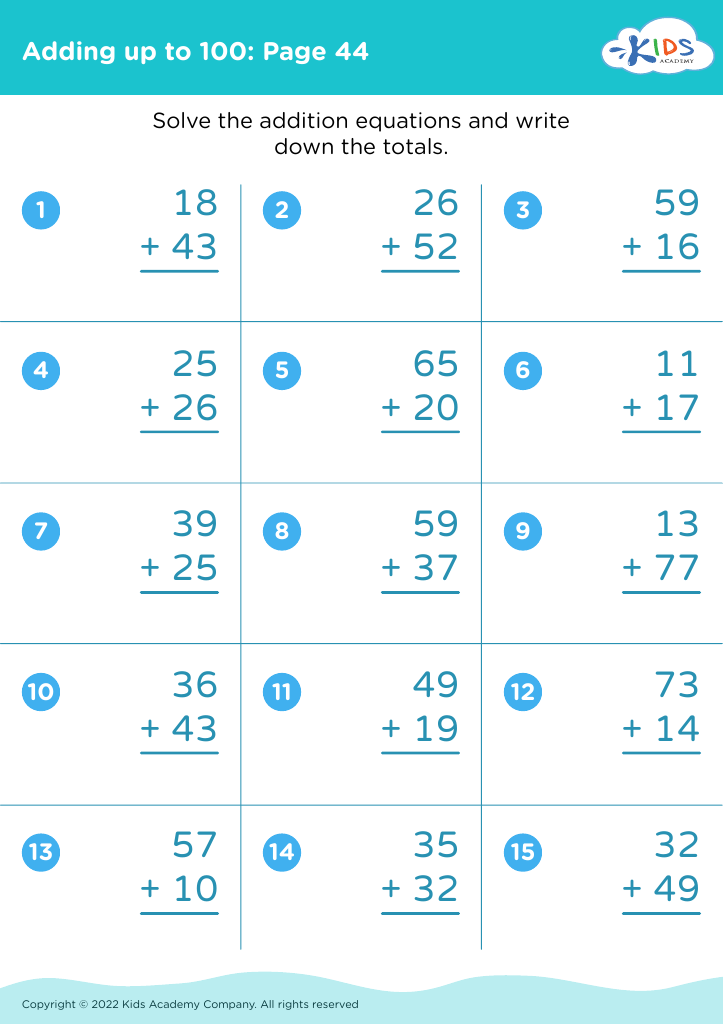


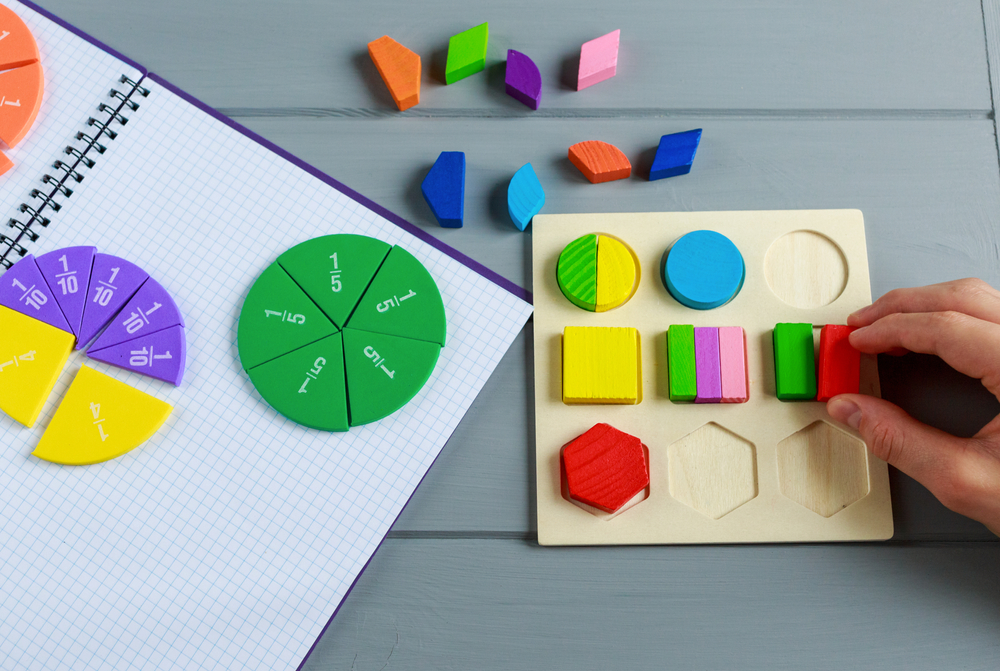
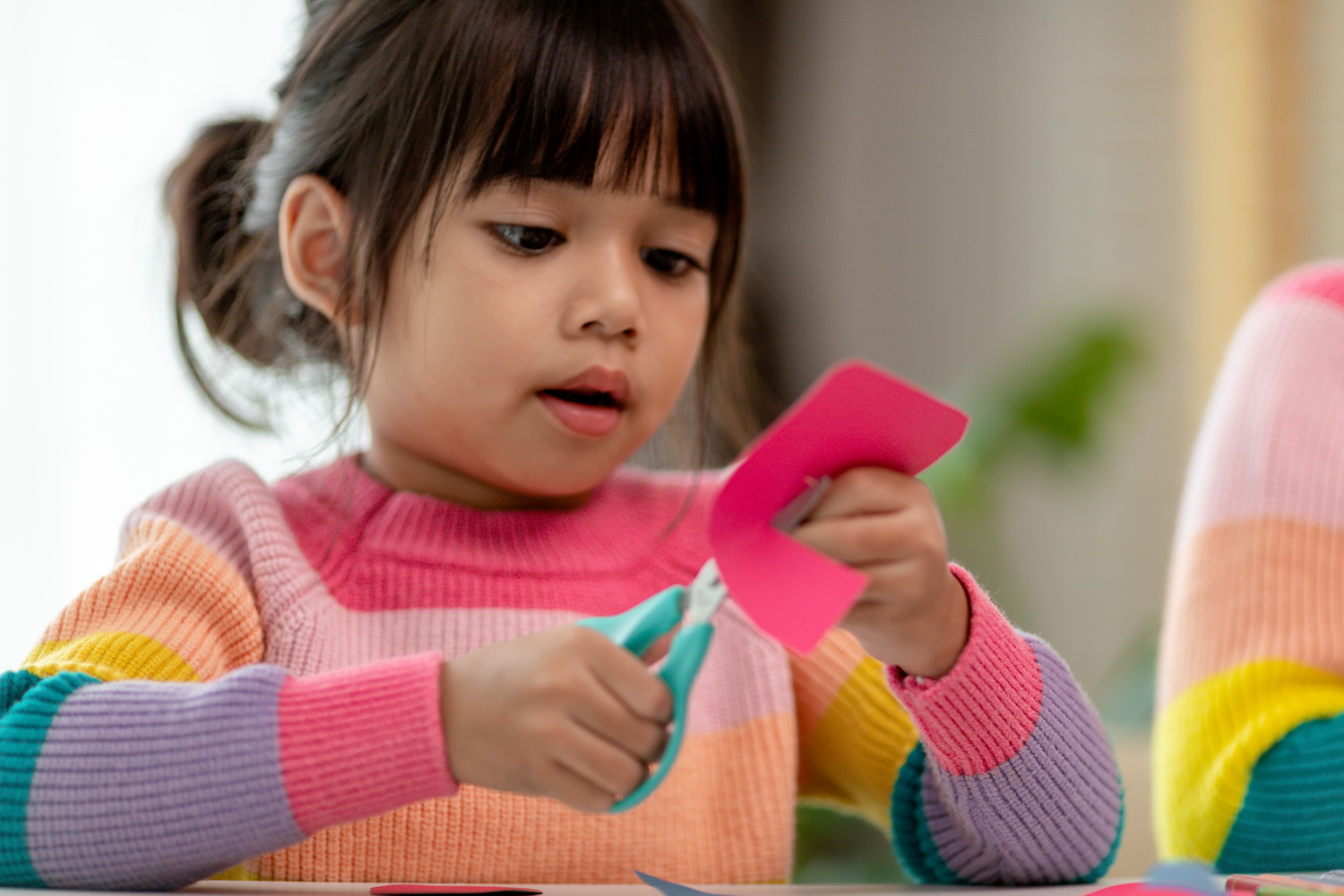




Color Identification Math for ages 6-8 is a fundamental skill that intertwines visual learning with numerical understanding, amplifying cognitive development in young children. At this stage, children are developing their ability to differentiate and categorize colors, a critical aspect of visual perception that supports broader educational journeys in both reading and mathematics.
When parents and teachers focus on color identification, they provide a concrete, engaging way to introduce children to abstract mathematical concepts. For instance, sorting objects by color helps in understanding grouping—a primary step in learning arithmetic operations like addition and subtraction. Identifying patterns and sequences in colors can establish a foundation for understanding more complex math topics, such as multiplication and division.
Furthermore, integrating color identification in math lessons caters to diverse learning styles, especially for visual learners who often find conventional text and number-based methods less accessible. It can also make learning more interactive and enjoyable, which boosts engagement and motivation.
Overall, focusing on color identification within math education aids in honing fine motor skills, enhances memory through associative learning, and builds a bridge to higher-level cognitive processes. This holistic approach to learning nurtures a well-rounded intellectual growth essential for academic success in later years. By prioritizing this, parents and teachers set children on a pathway to thrive both academically and creatively.








