Mathematical reasoning Math Worksheets for Ages 6-8 - Page 3
59 filtered results
-
From - To
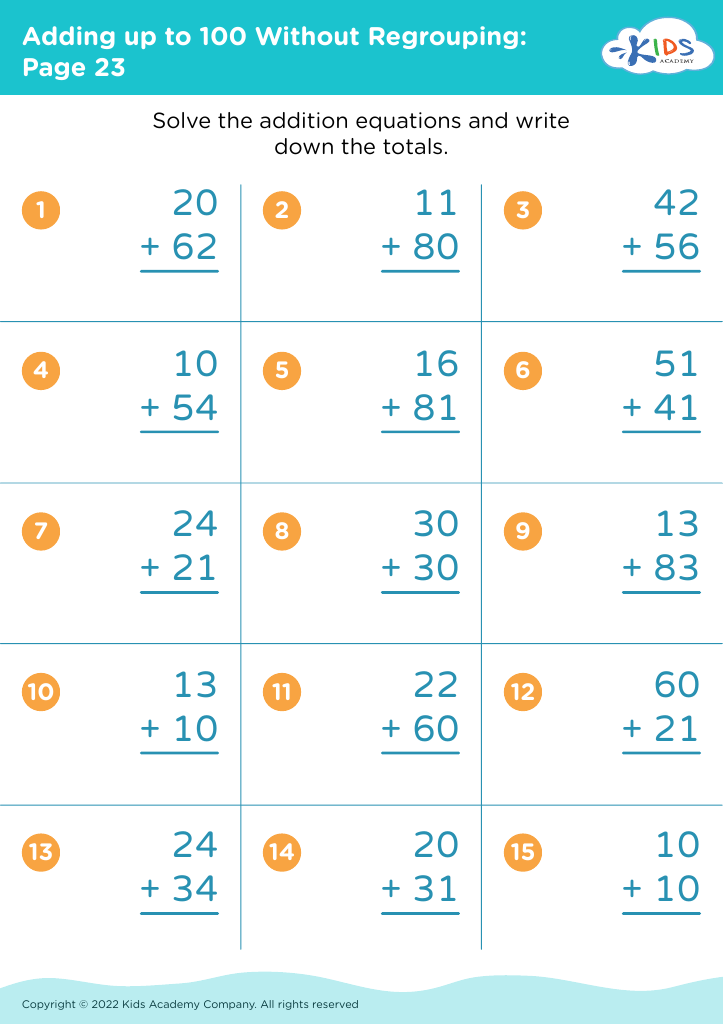
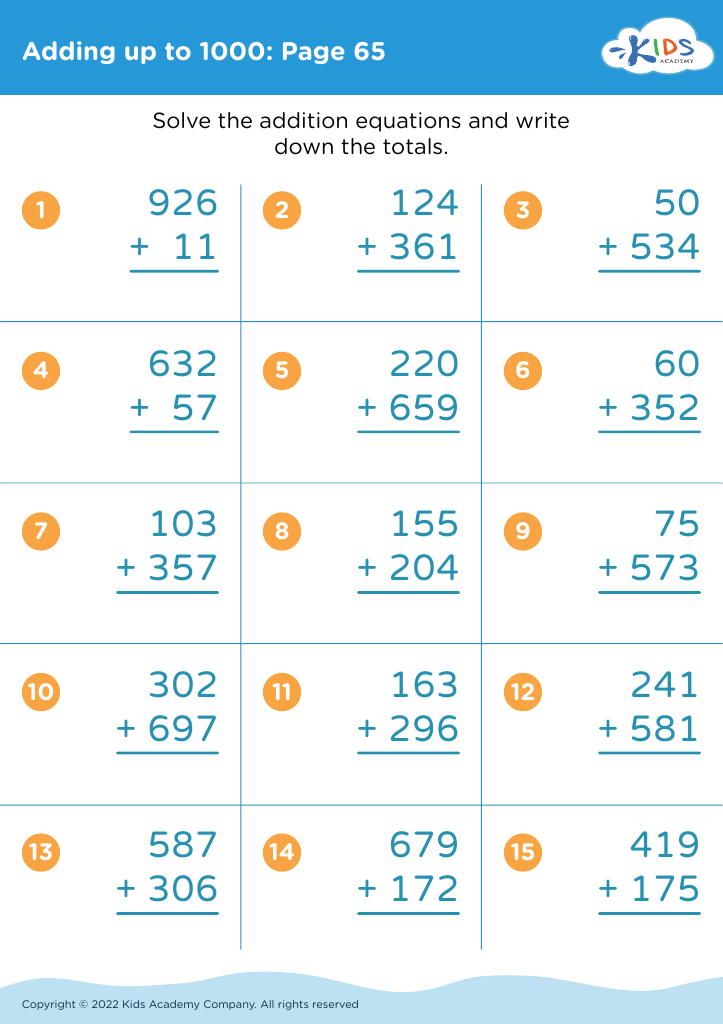
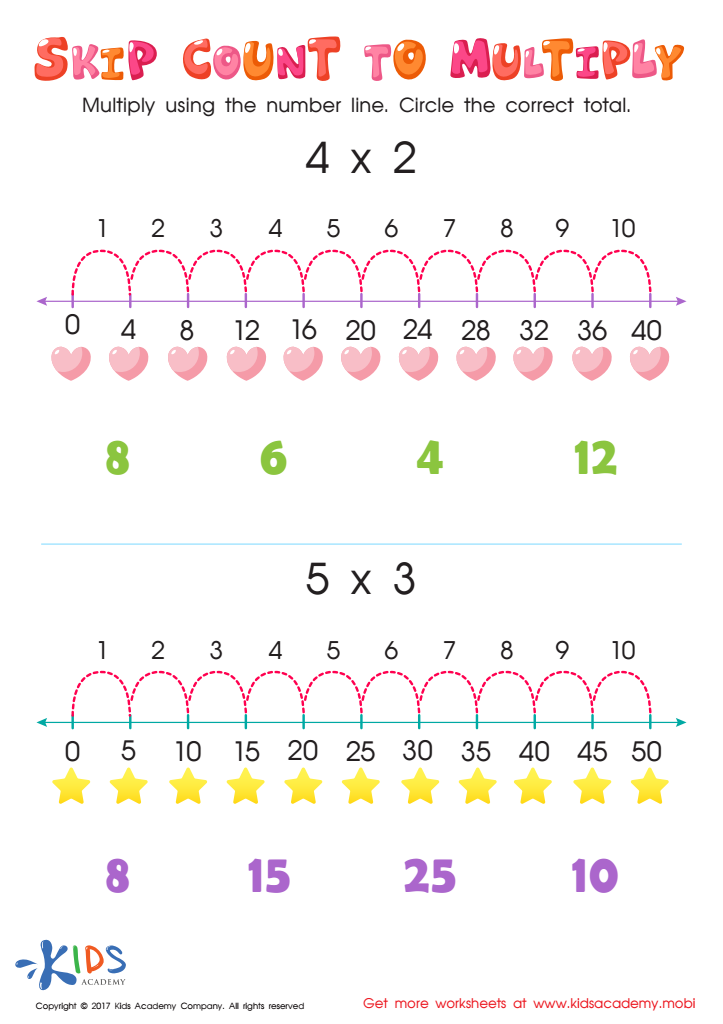
Skip Count Multiplication Worksheet
 Assign to My Students
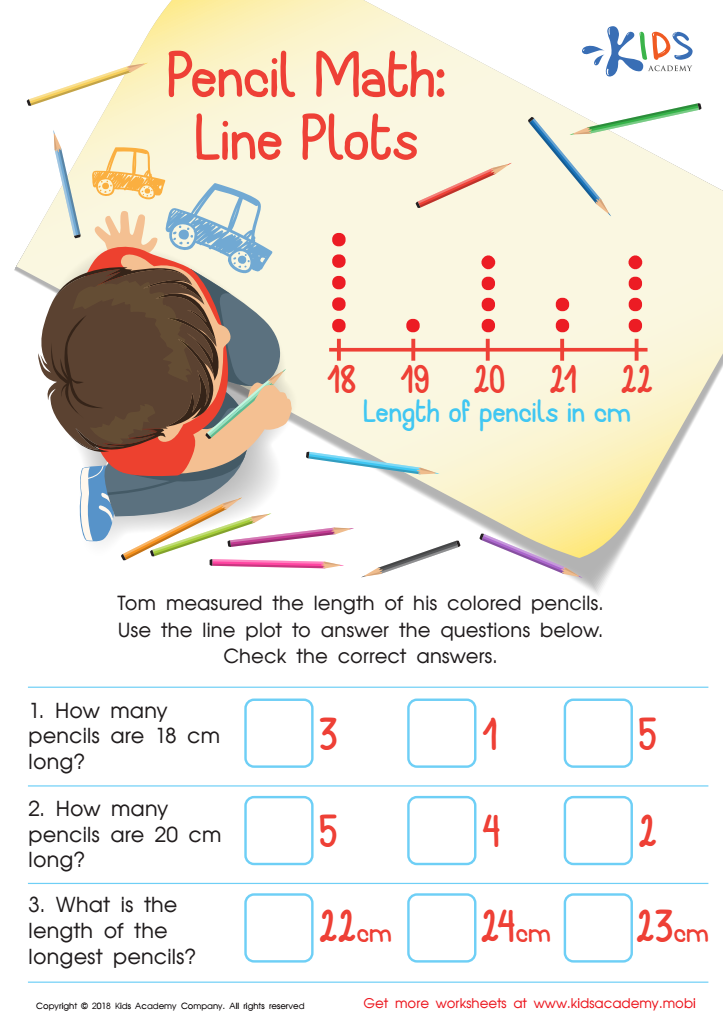
Pencil Math: Line Plots Worksheet
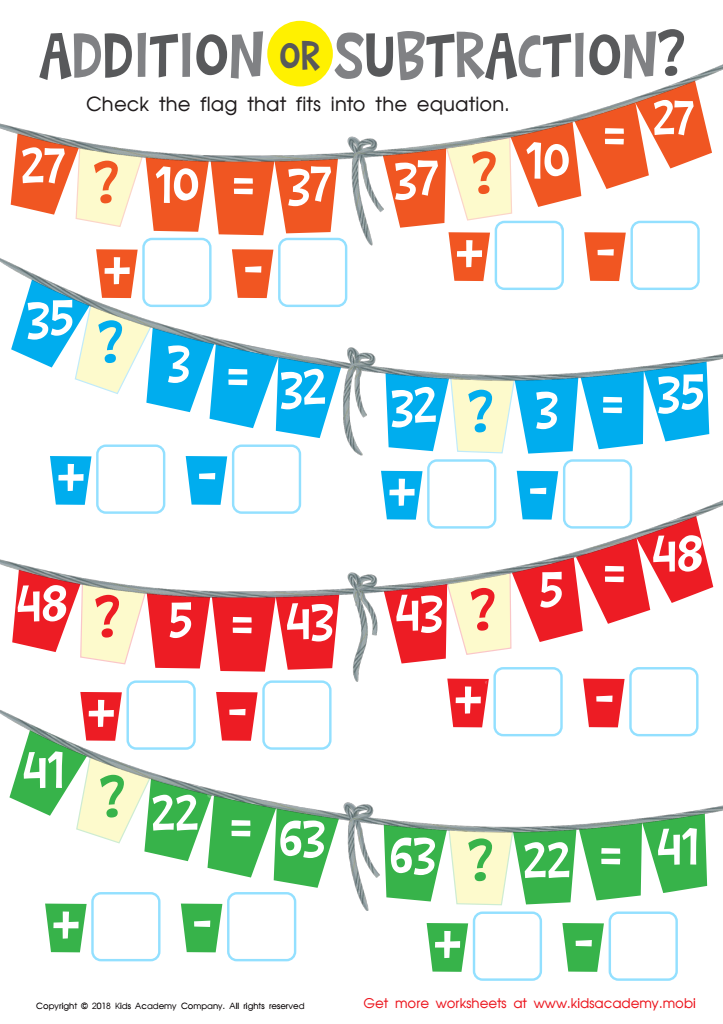
Addition or Subtraction? Worksheet
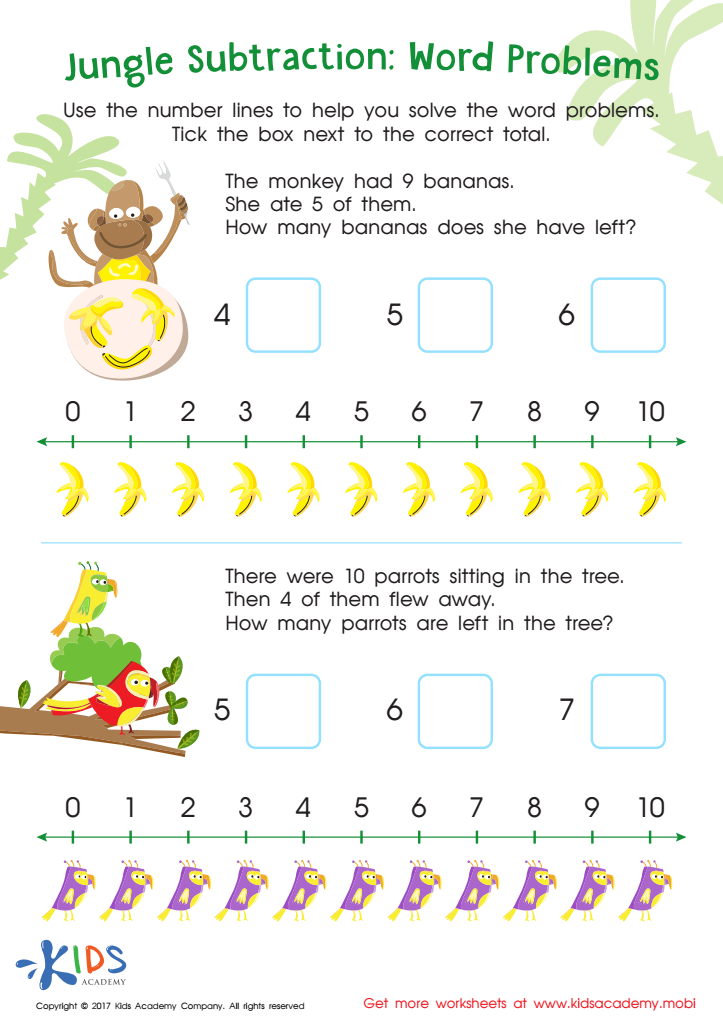
Jungle Subtraction Word Problems Substraction Worksheet
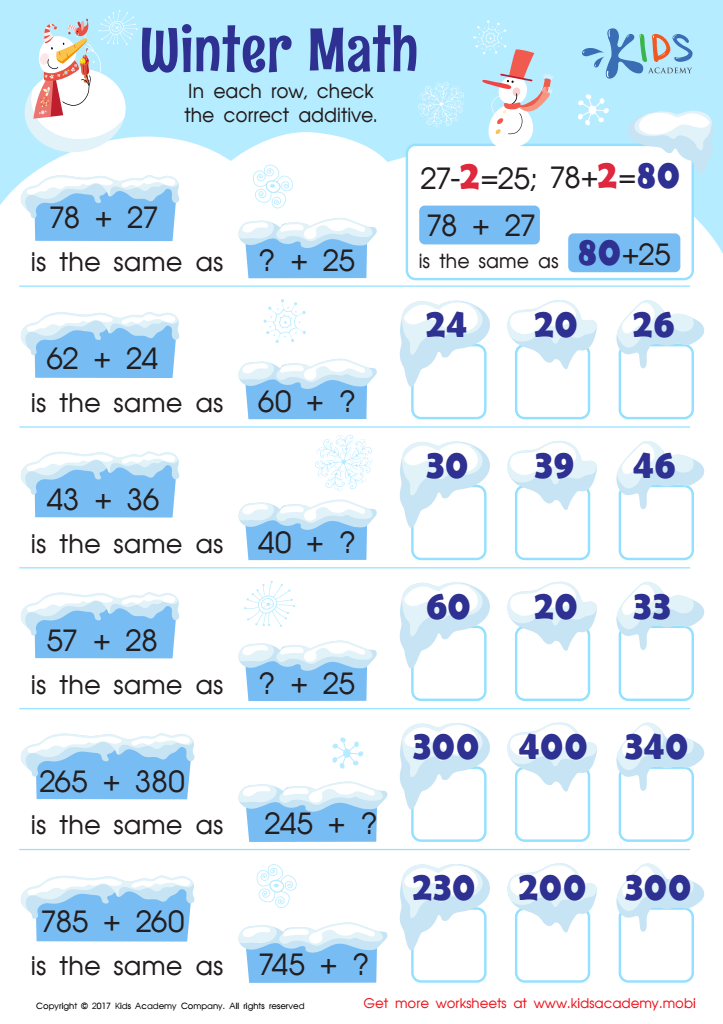
Free Addition Worksheet








Mathematical reasoning is a fundamental skill crucial for children aged 6-8, as it forms the bedrock for future academic success and everyday problem-solving abilities. At this developmental stage, children are rapidly growing their cognitive abilities and developing ways to understand the world around them. Mathematical reasoning helps them grasp basic concepts such as number sense, patterns, and relationships, which are essential for tackling more advanced mathematical ideas later on.
By fostering mathematical reasoning, teachers and parents can nurture critical thinking and logical problem-solving skills. These skills are not only useful in mathematics but also in other academic areas, such as science and literacy, and in various life situations. For instance, children learn to make connections, analyze information, and arrive at logical conclusions—abilities that will benefit them both inside and outside the classroom.
Moreover, early exposure to mathematical reasoning can build confidence and a positive attitude towards learning. It encourages children to approach problems with curiosity and persistence, fostering a growth mindset that is critical for lifelong learning. Therefore, investing time and resources into developing these foundational skills in children aged 6-8 can have long-term benefits, preparing them for academic challenges and real-world situations alike.








