Visual perception improvement Math Worksheets for Ages 6-8
9 filtered results
-
From - To
Enhance your child's visual perception skills with our engaging Math Worksheets designed specifically for ages 6-8. These worksheets focus on developing essential visual processing abilities, crucial for understanding math concepts. Each activity encourages children to identify patterns, compare sizes, and recognize shapes, fostering critical thinking and attention to detail. Tailored to align with early educational standards, our resources stimulate learning through fun and interactive exercises. Crafted by educators, these worksheets not only boost math proficiency but also support visual literacy, making math learning a visually dynamic experience. Unlock your child's potential with our meticulously designed, easy-to-use worksheets today!
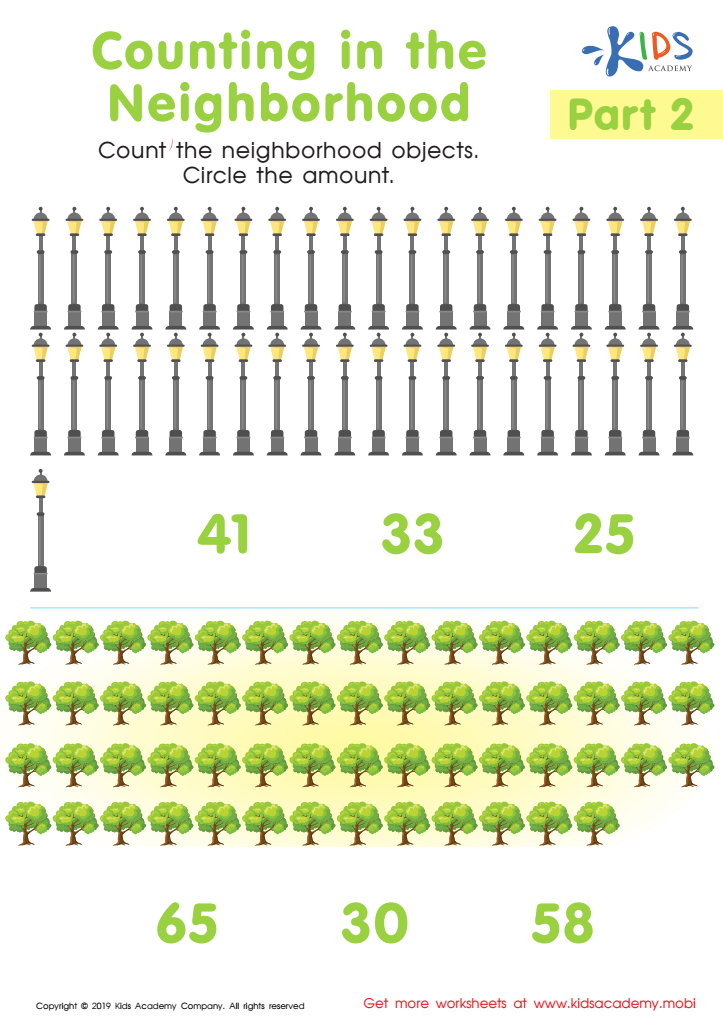
Counting In The Neighborhood Part 2 Worksheet
 Assign to My Students
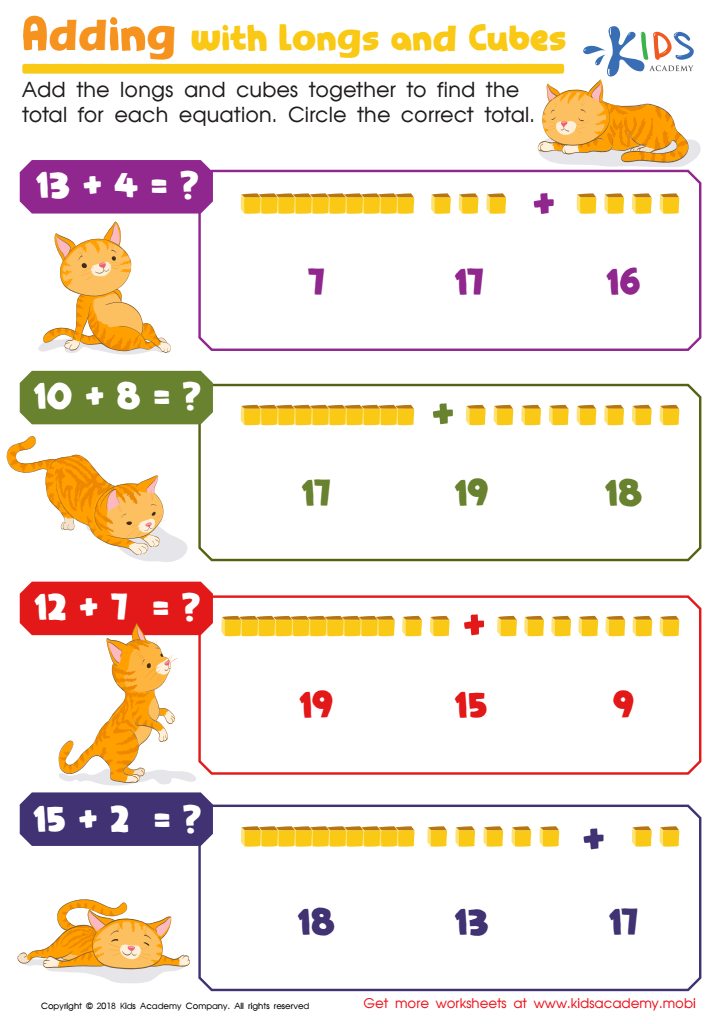
Adding With Longs and Cubes Worksheet
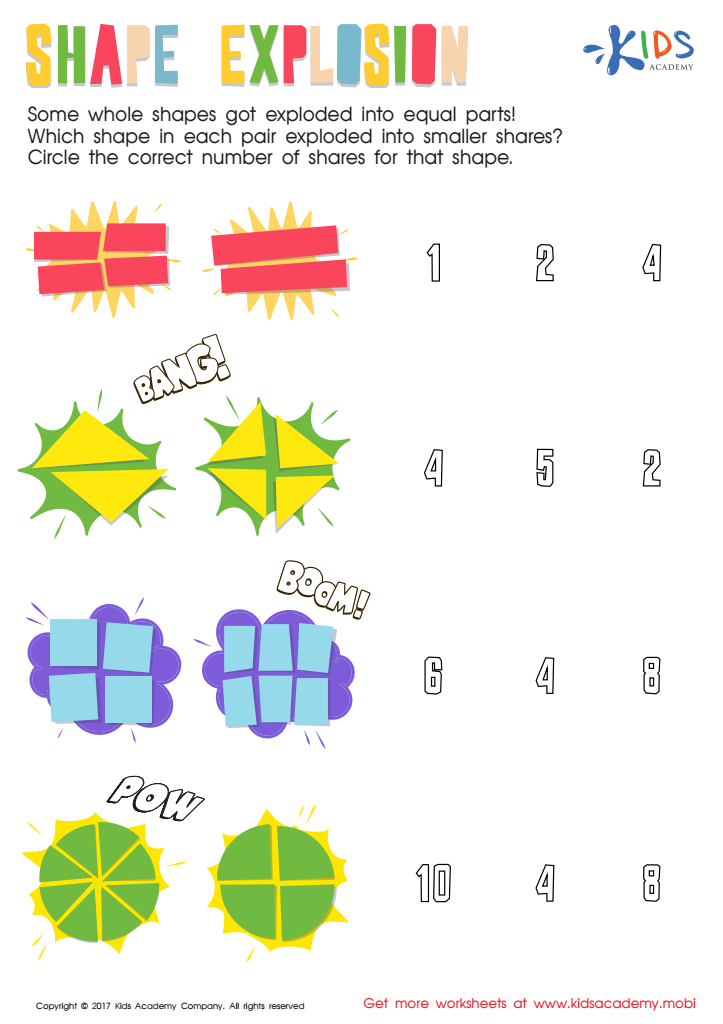
Shape Explosion Worksheet
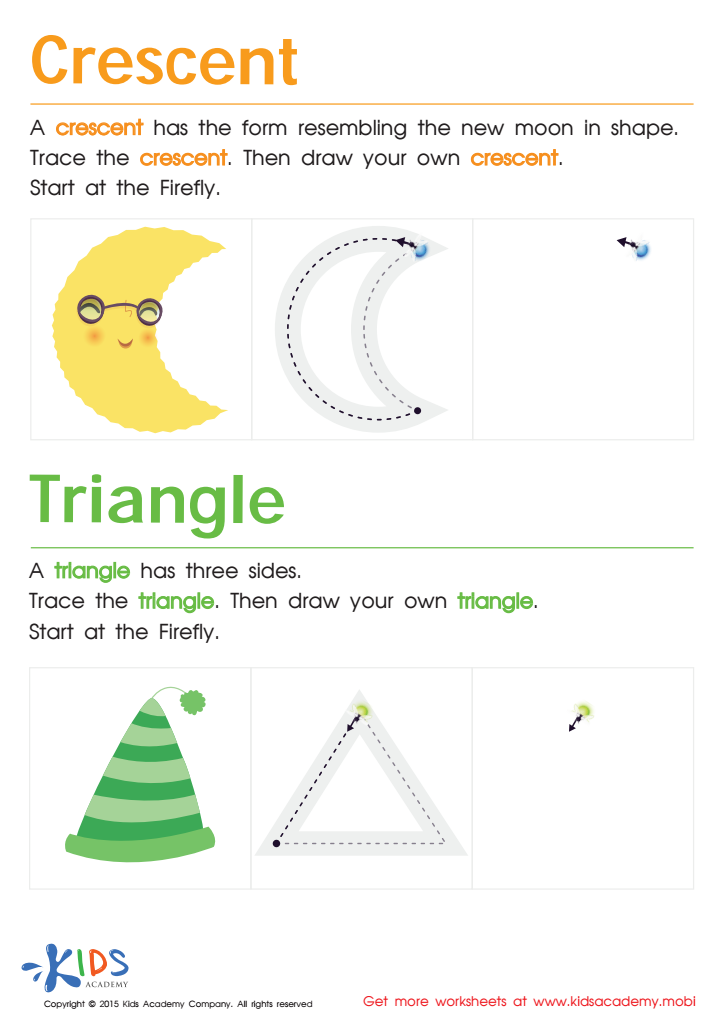
Learning to Draw Crescents And Triangles Worksheet
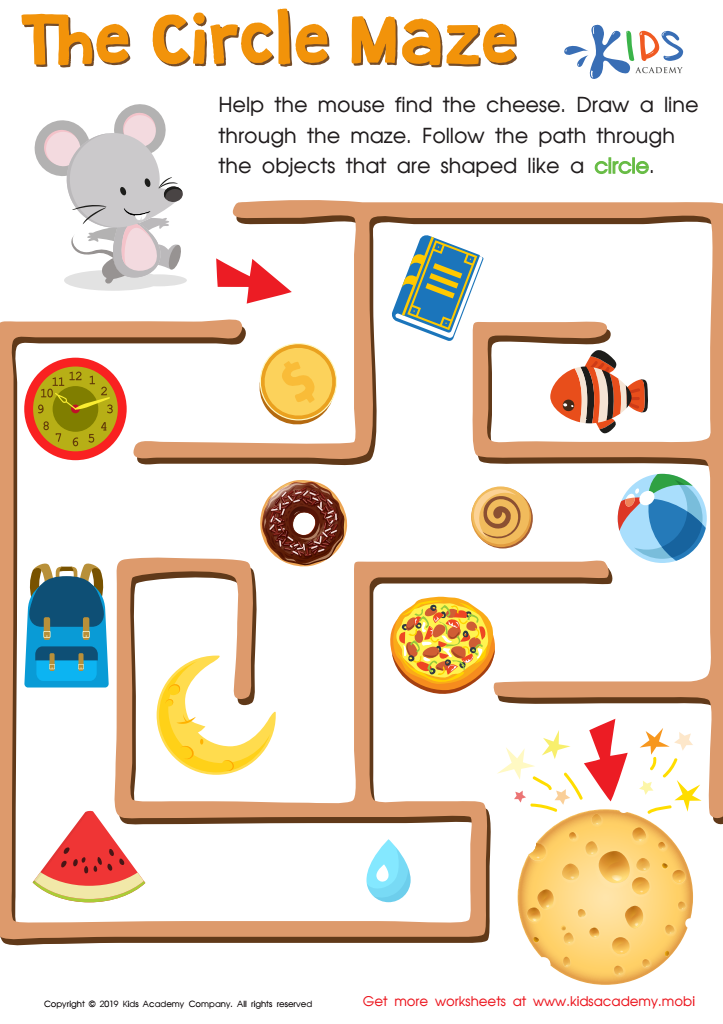
The Circle Maze Worksheet
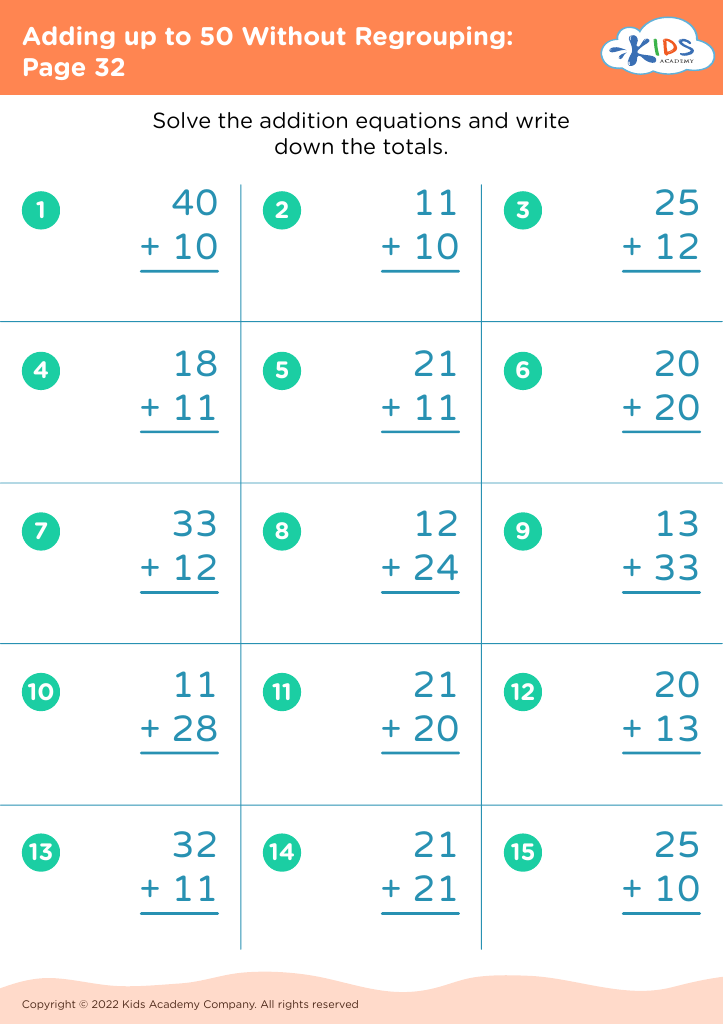
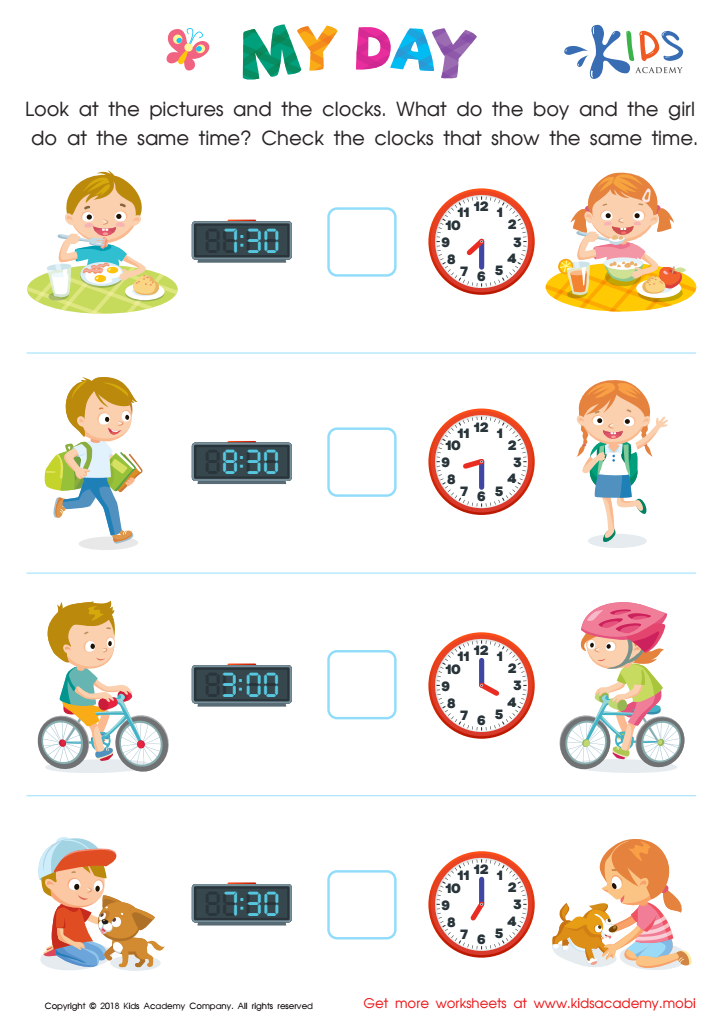
My Day Worksheet
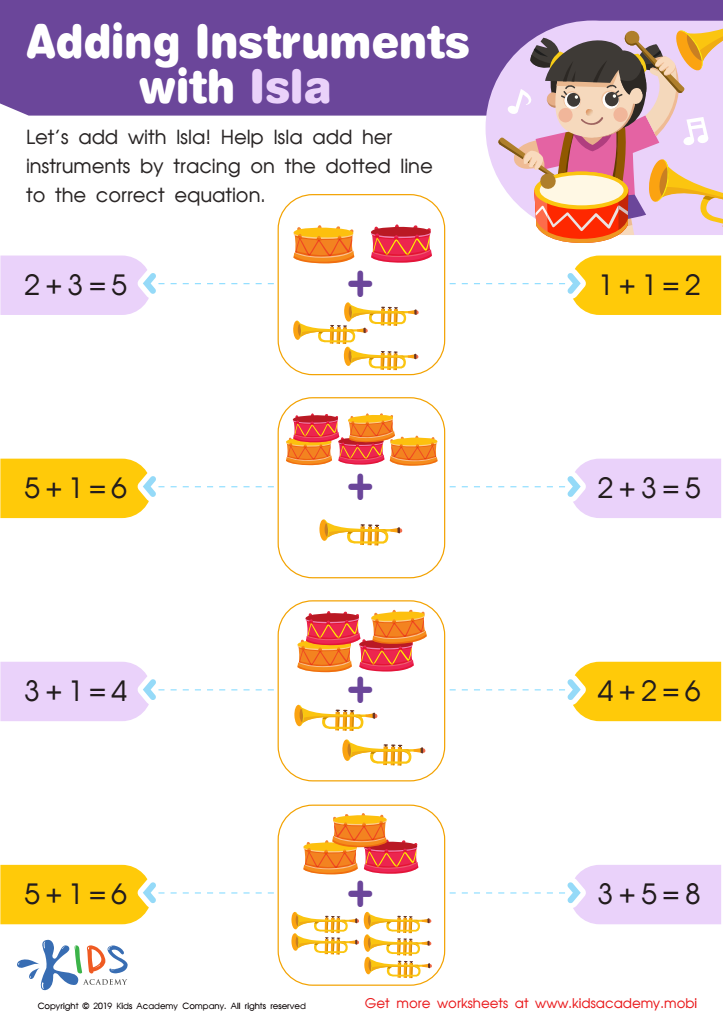
Adding Instruments with Isla Worksheet








Parents and teachers should prioritize visual perception improvement in mathematics for ages 6-8 because strong visual skills are foundational for mathematical understanding and problem-solving. Young learners often rely on their ability to visualize and manipulate shapes, patterns, and numbers, making visual perception a critical component of math learning.
Enhancing visual perception helps children accurately recognize numbers and symbols, improves their ability to distinguish between similar shapes, and fosters spatial awareness. These skills support essential math concepts such as geometry, counting, and measurement, which become increasingly complex in later grades.
Additionally, improved visual perception can lead to increased confidence and motivation in math. When children are able to grasp concepts visually, they are more likely to engage with and enjoy mathematical activities, reducing math anxiety.
Teachers and parents can provide targeted activities like puzzles, number races, and spatial games to aid in developing these skills. By investing in visual perception improvement now, parents and educators lay the groundwork for academic success, foster a positive attitude towards math, and prepare children for higher-level mathematical reasoning in the future. Ultimately, improved visual perception aids not just in math, but in overall cognitive development, benefiting children across subjects.








