Numbers 0–10 Worksheets for Ages 6-8 - Page 6
157 filtered results
-
From - To
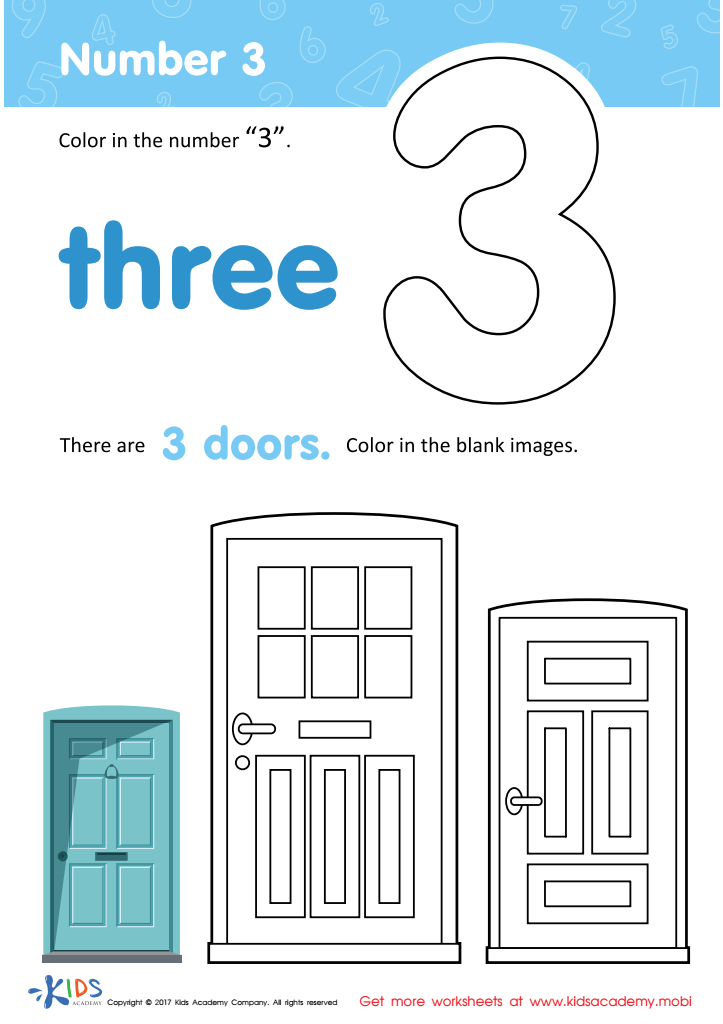
Number 3 Worksheet
 Assign to My Students
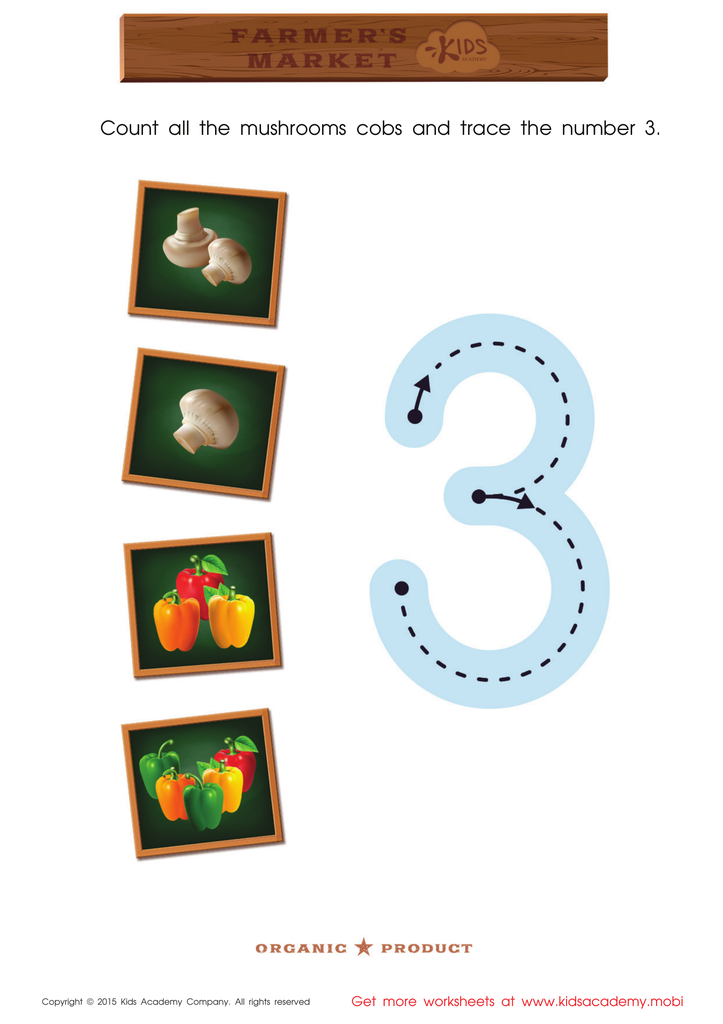
Count the Mushrooms and Trace the Number 3 Printable
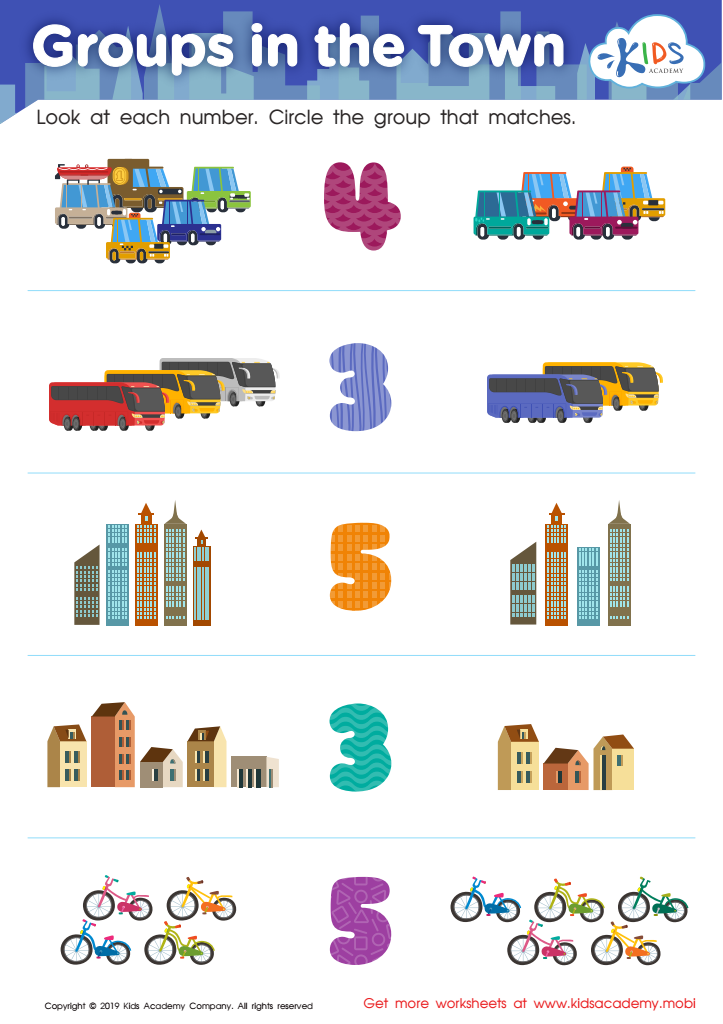
Groups in the Town Worksheet
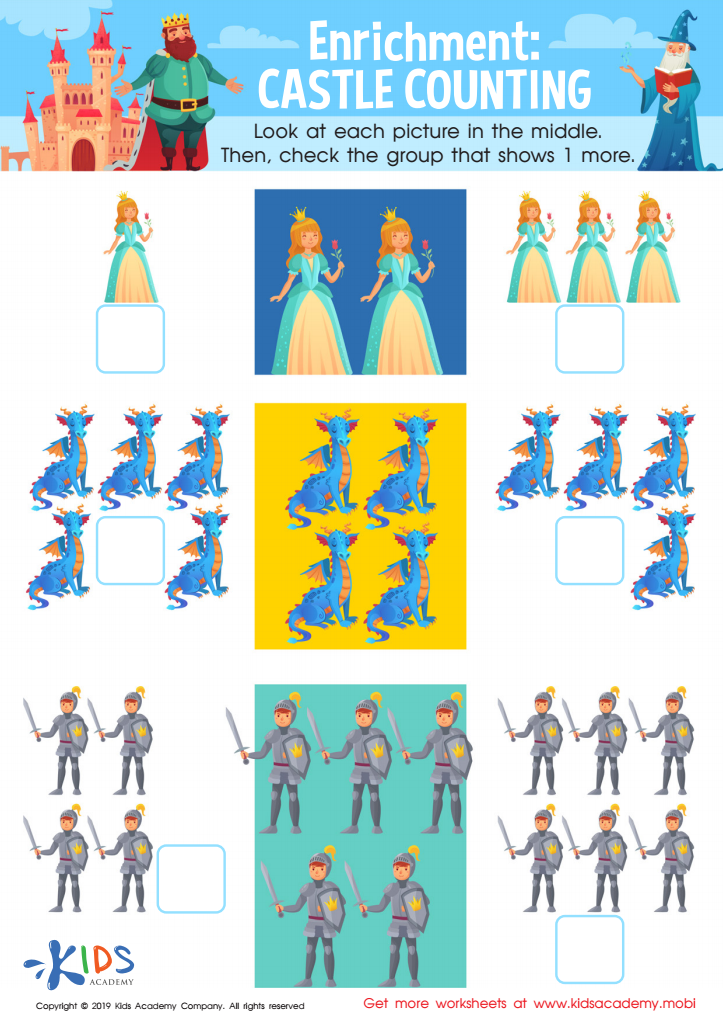
Enrichment: Castle Counting Worksheet
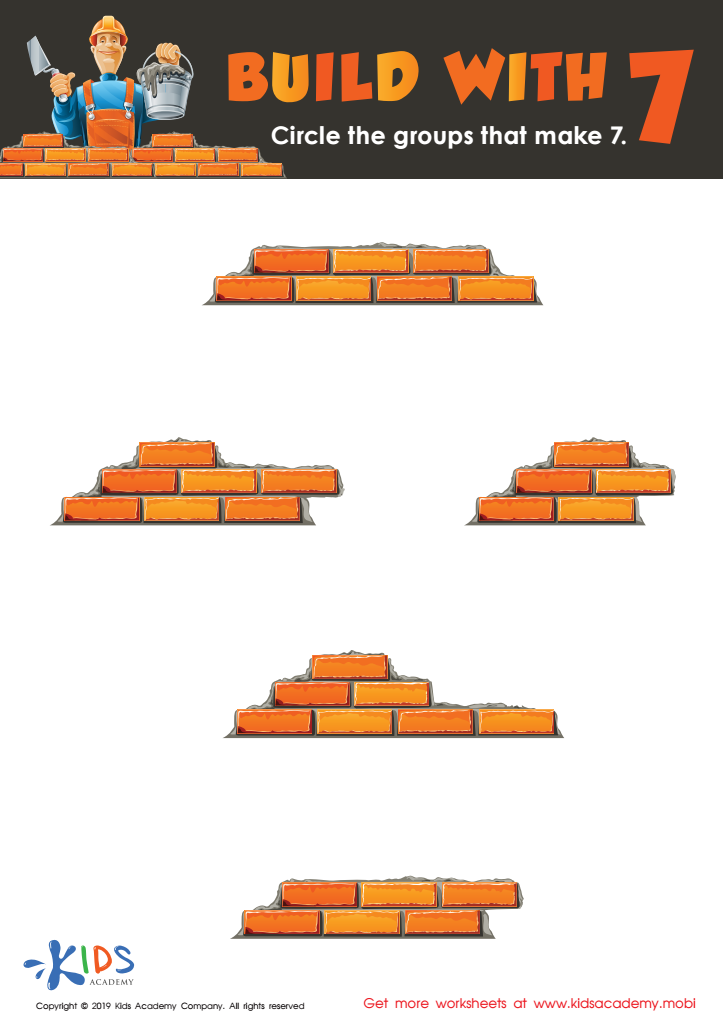
Build with 7 Worksheet
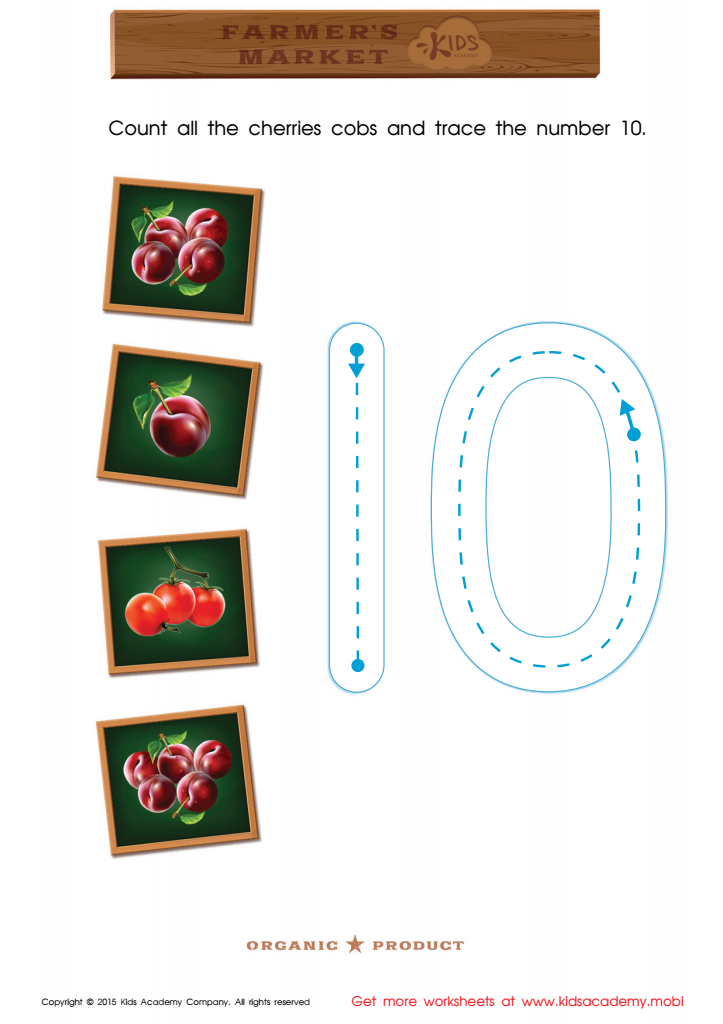
Count the Cherries and Trace the Number 10 Printable
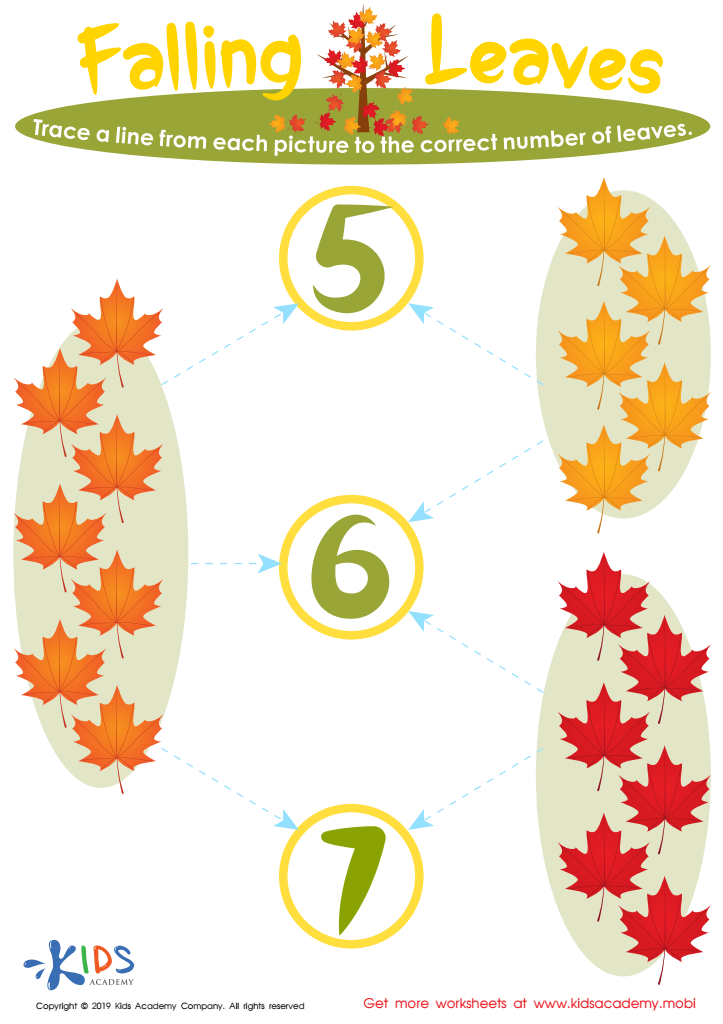
Falling Leaves Worksheet
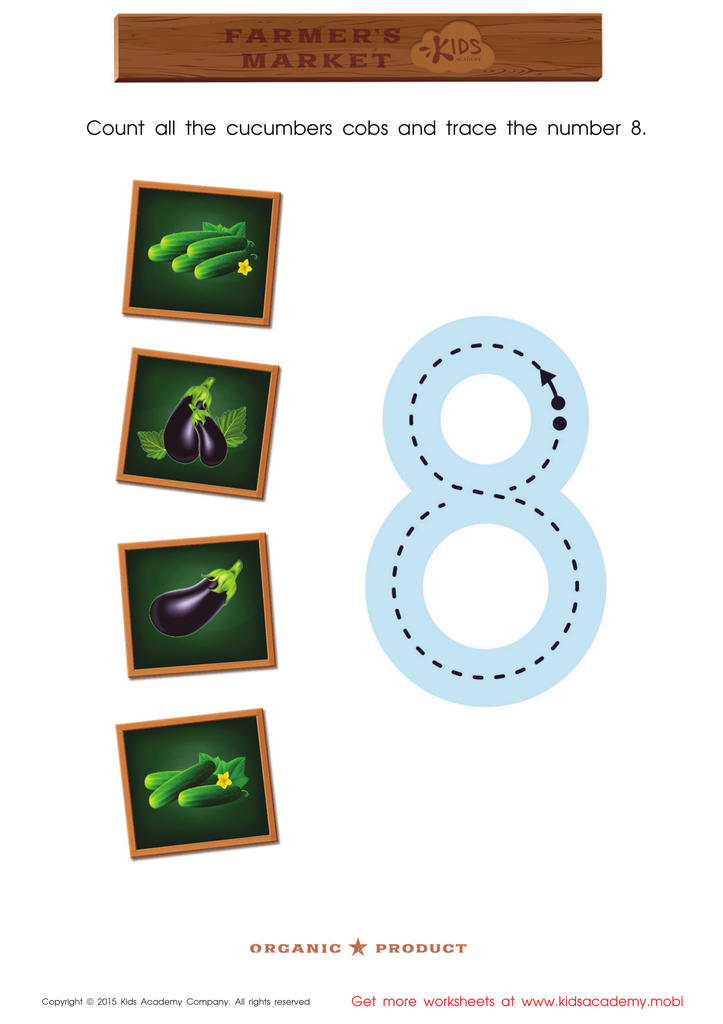
Count the Cucumbers and Trace the Number 8 Printable
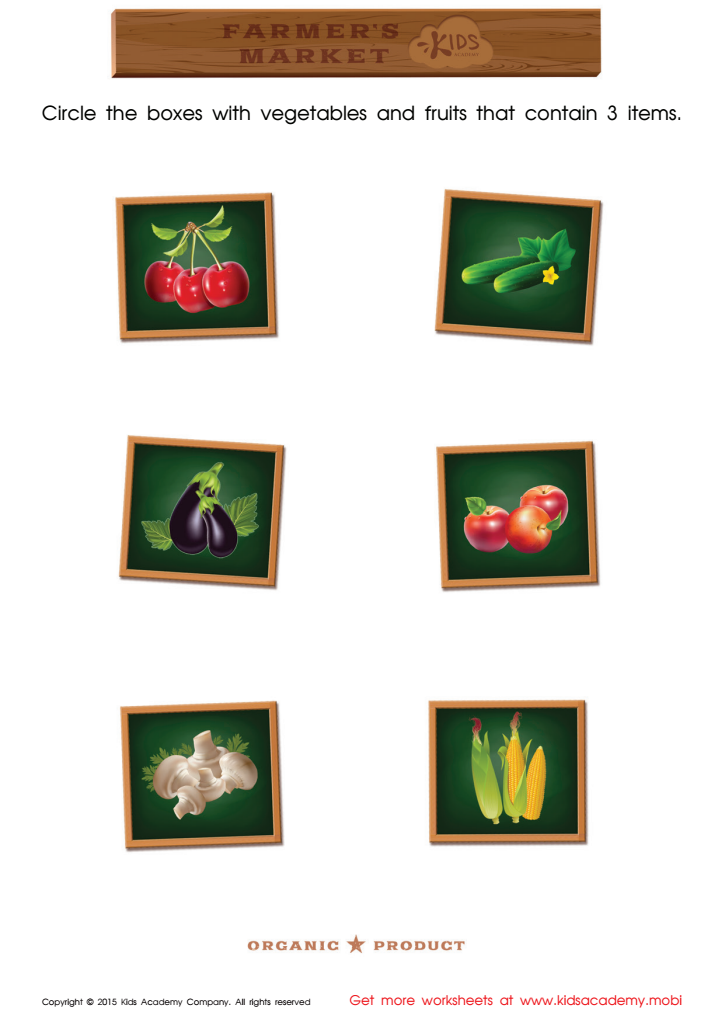
Count and Match Vegetables 1 – 5 Math Worksheet
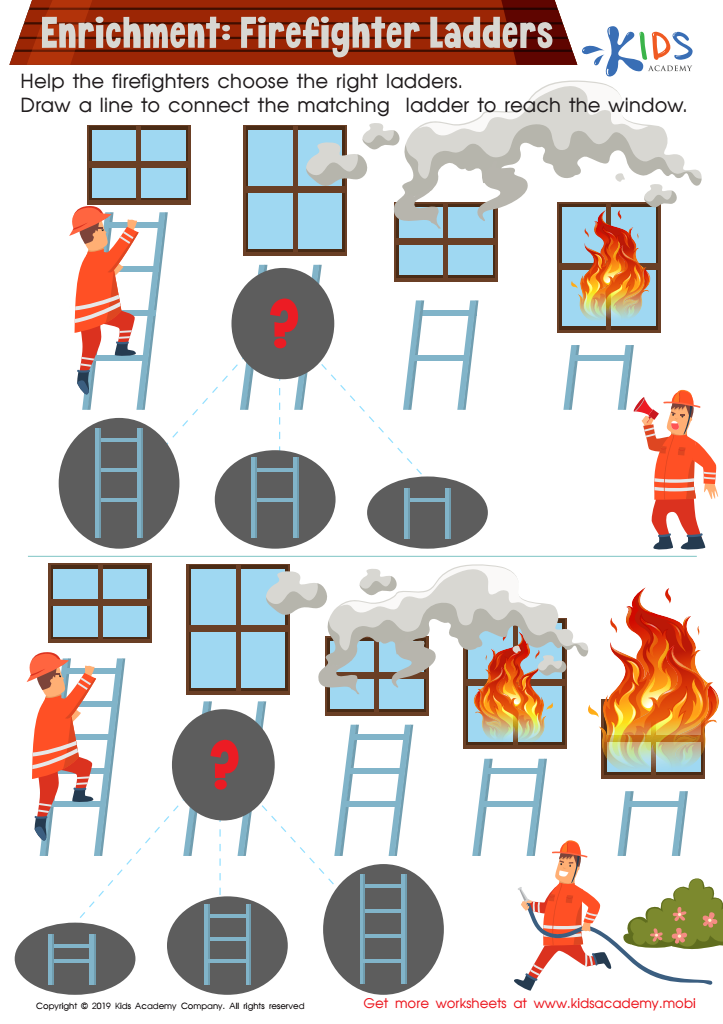
Enrichment: Firefighter Ladders Worksheet
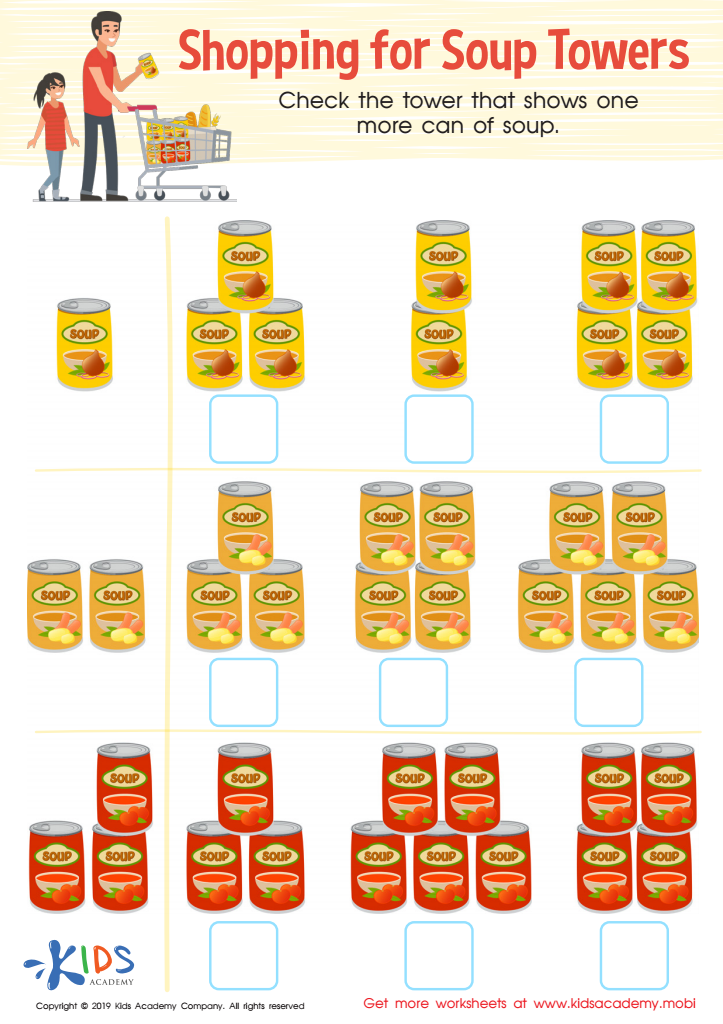
Soup Towers Worksheet
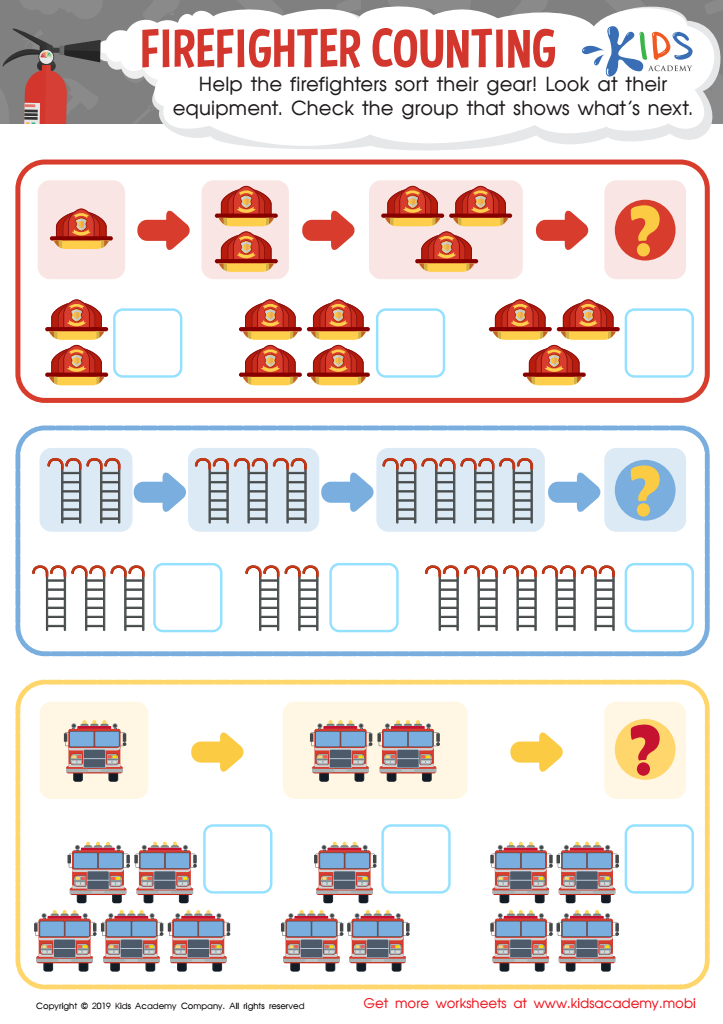
Firefighter Counting Worksheet
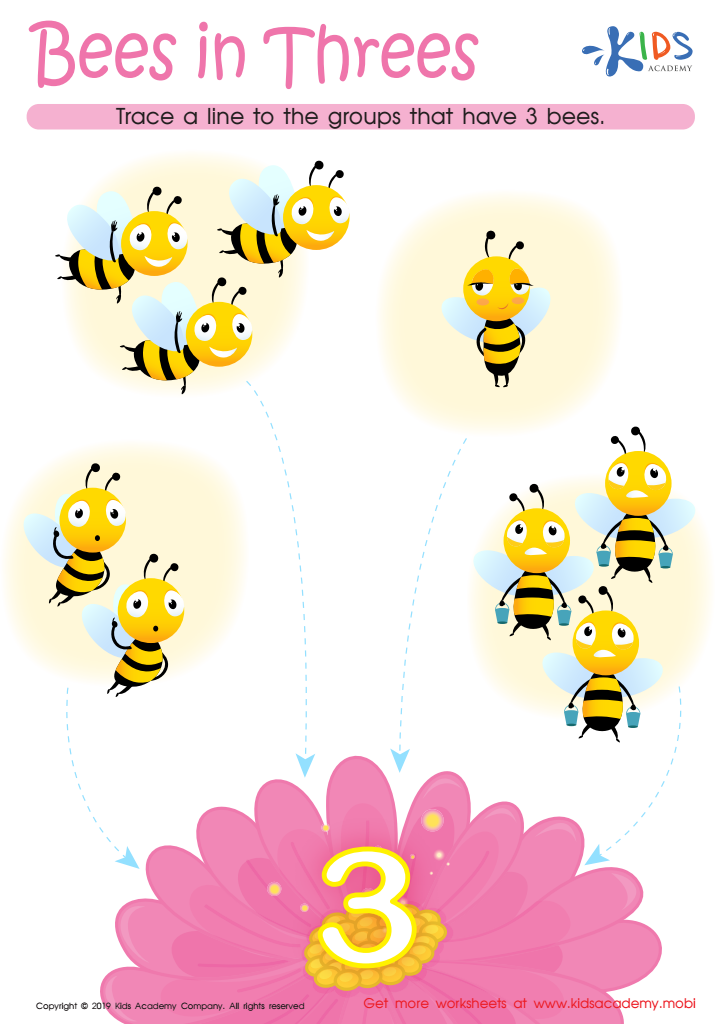
Bees in Threes Worksheet
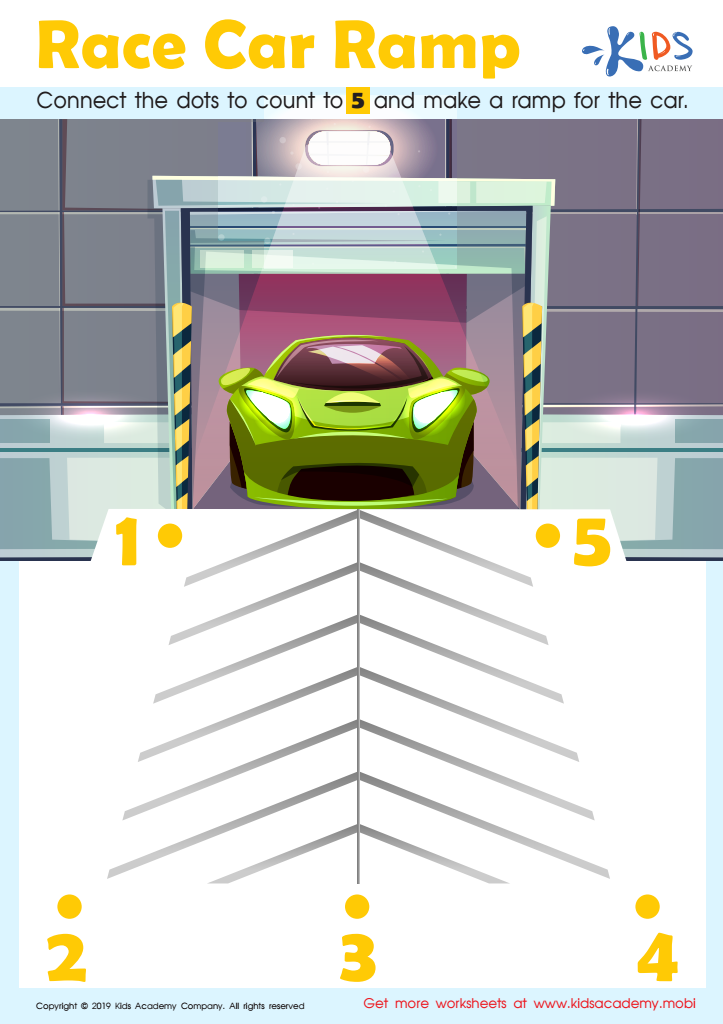
Race Car Ramp Worksheet
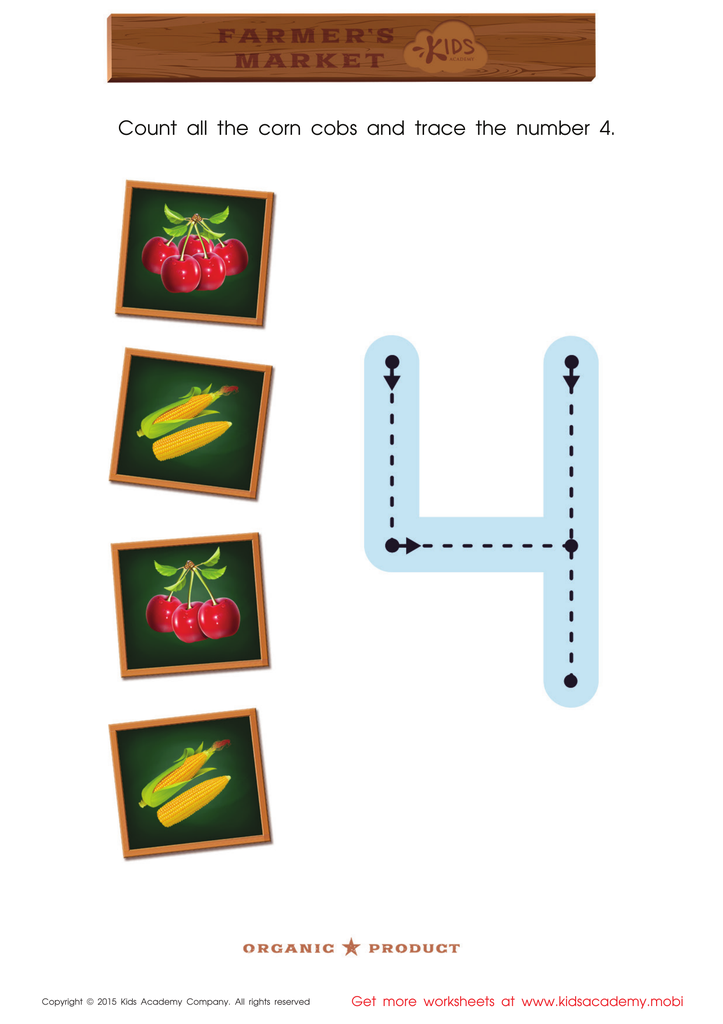
Count the Corncobs and Trace the Number 4 Worksheet
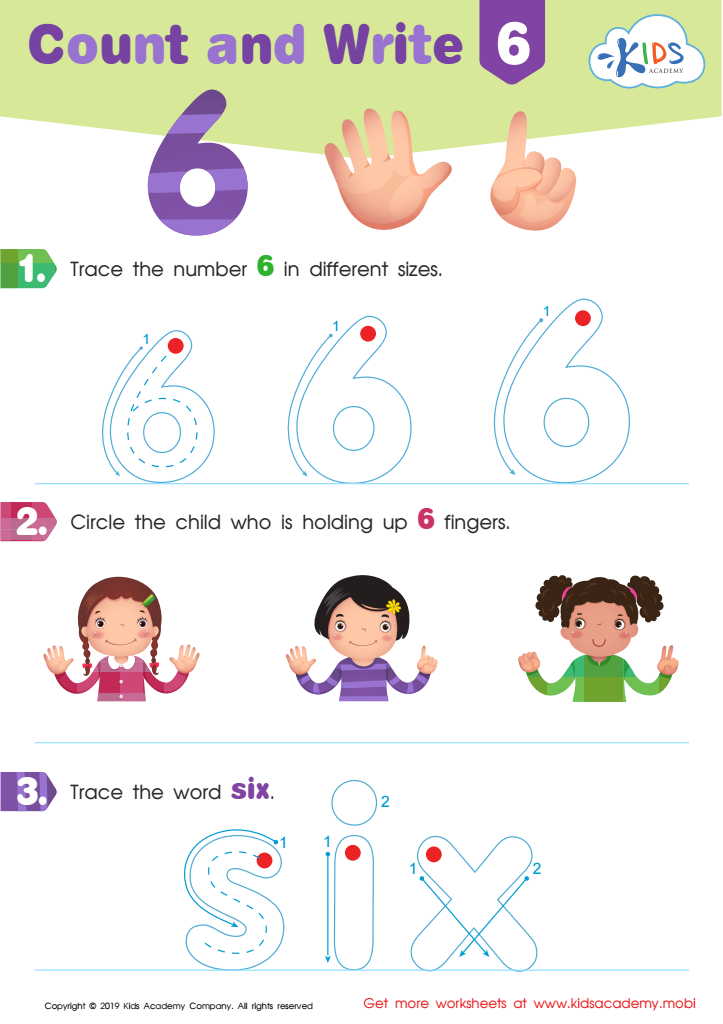
Count and Write 6 Worksheet
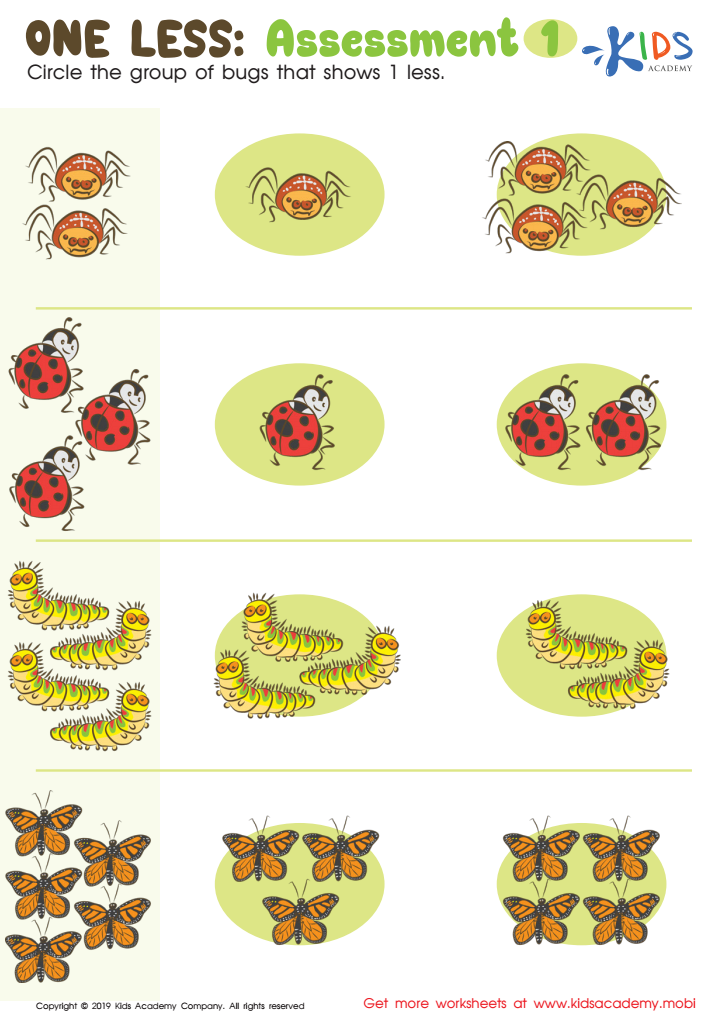
One Less: Assessment 1 Worksheet
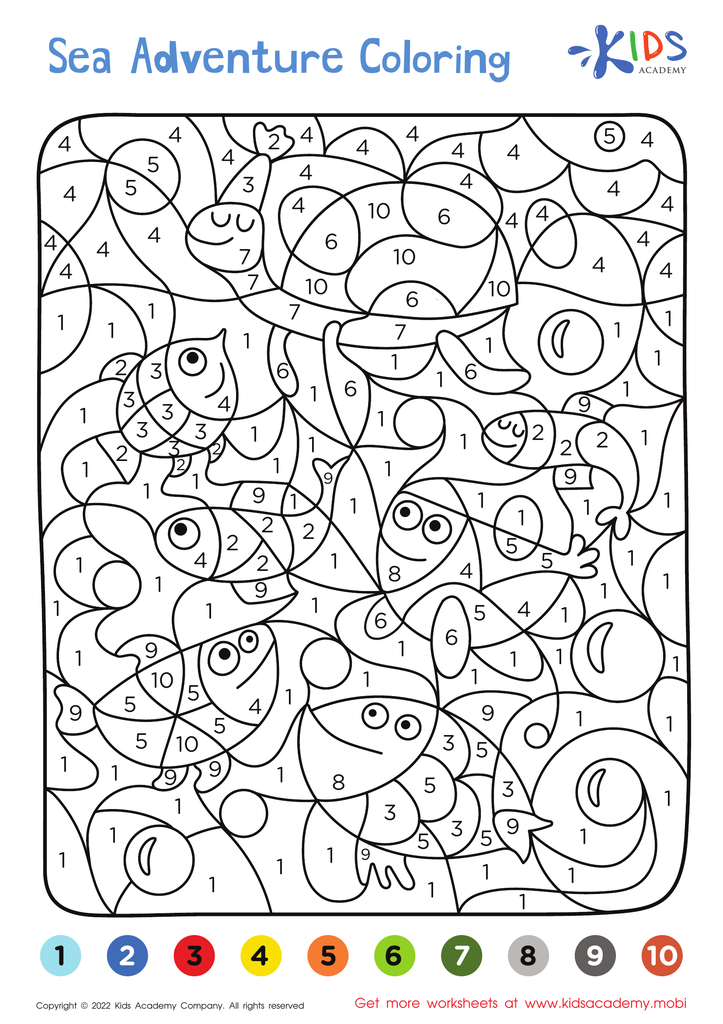
Sea Adventure – Coloring by Numbers
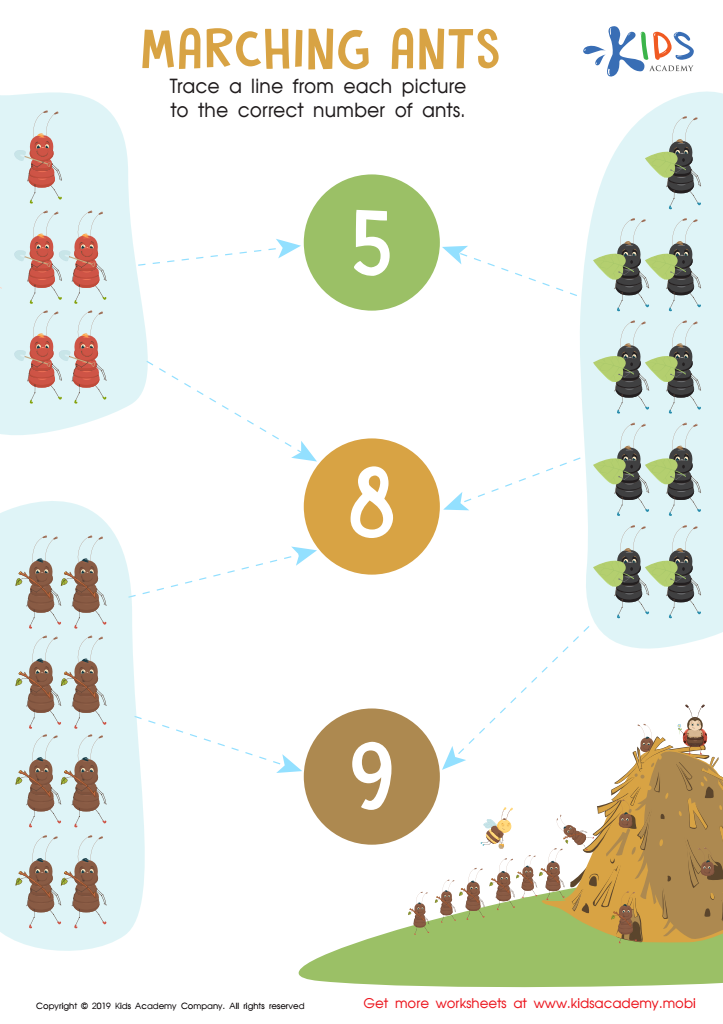
Marching Ants Worksheet
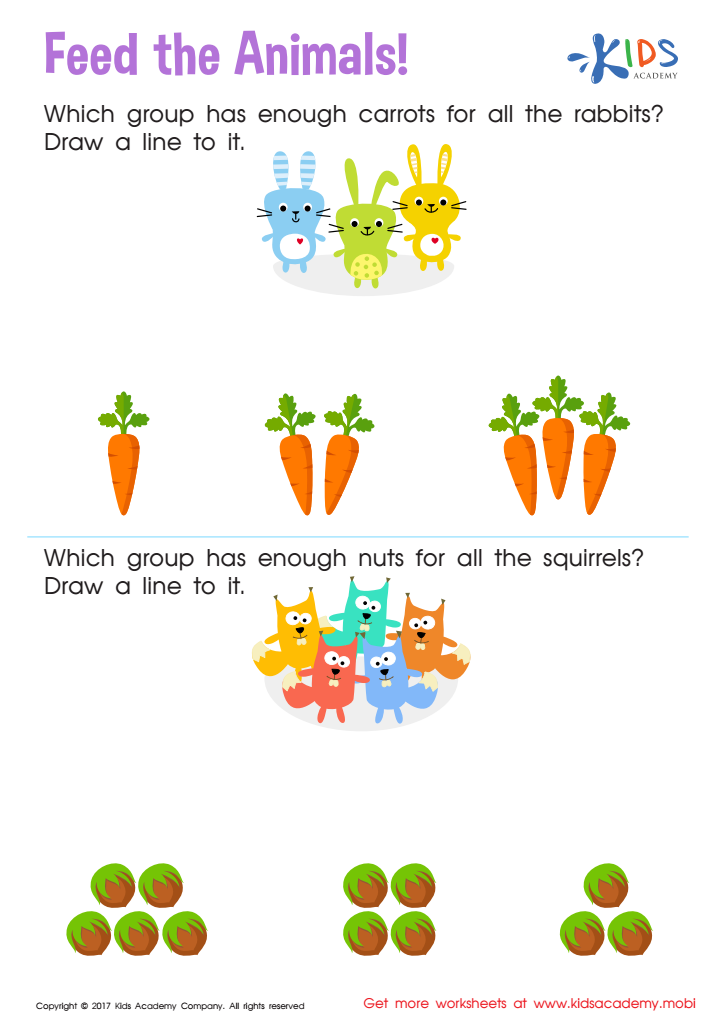
Count and Match: Feed the Animals Worksheet
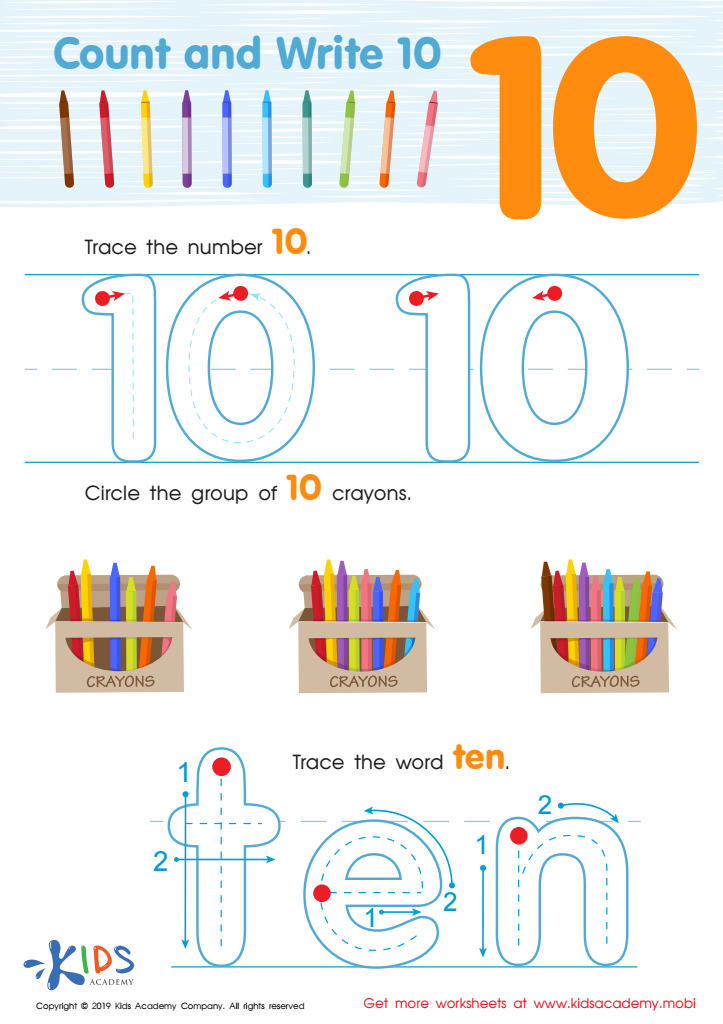
Count and Write 10 Worksheet
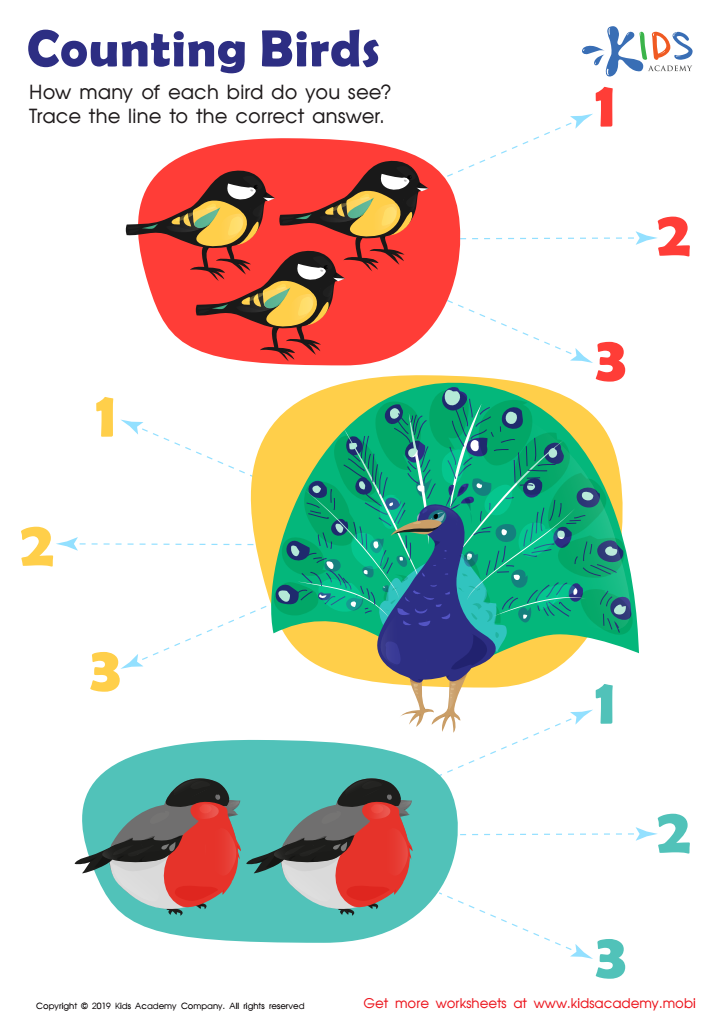
Counting Birds Worksheet
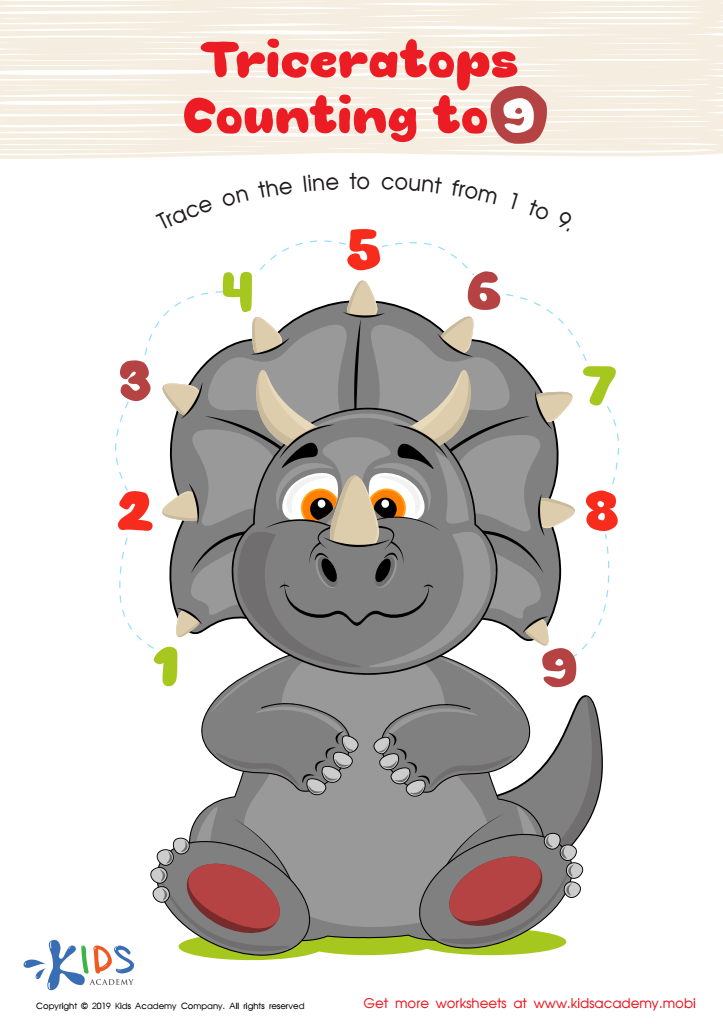
Triceratops Counting to 9 Worksheet
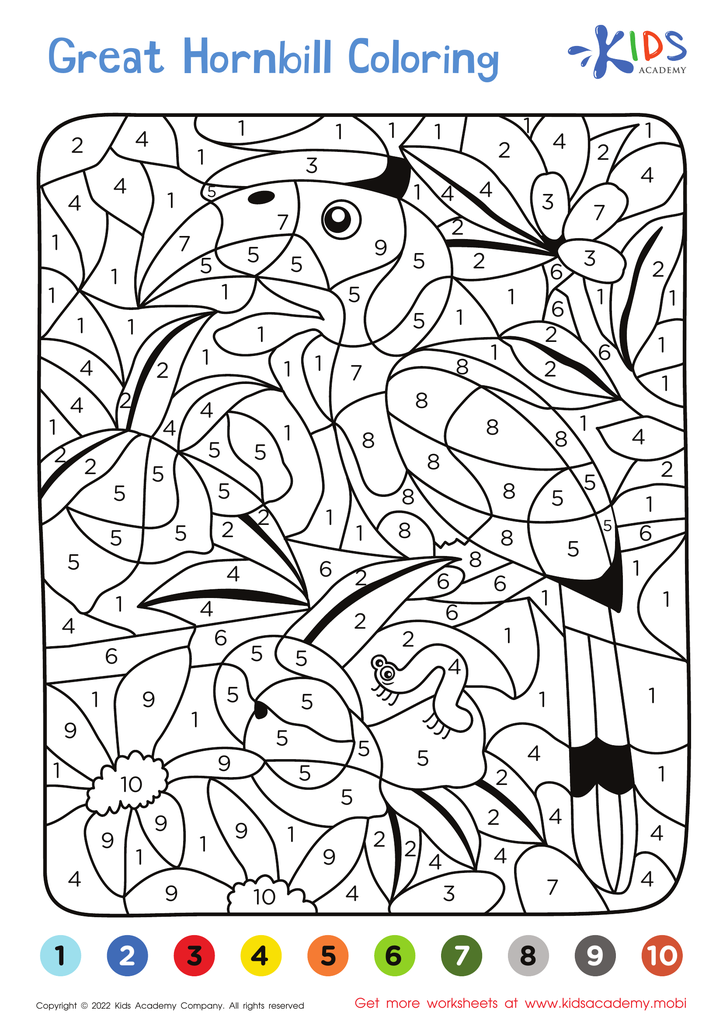
Great Hornbill – Coloring by Numbers








Understanding the numbers 0–10 in early childhood sets a crucial foundation for later mathematical learning. At ages 6-8, children are developing essential cognitive skills that will support more complex math concepts in the future. Mastery of these basic numbers enables children to perform simple arithmetic, an essential life skill that aids in problem-solving and logical thinking. For example, recognizing and counting numbers 0-10 helps children understand quantity, order, and value, forming the basis for addition and subtraction.
More than just academics, a strong grasp of numbers contributes to a child's confidence and enthusiasm for learning. When children find success in fundamental areas like counting and number recognition, they are more likely to approach learning new concepts with a positive attitude. This period is also social; children often engage in games, sports, or collaborative projects that require basic counting and measuring skills.
For teachers, it is essential to identify and nurture these skills early to ensure no child lags behind. For parents, reinforcing these numbers at home supports what is taught at school, creating a holistic learning environment. By focusing on numbers 0-10, adults set the stage for children’s future math achievements, critical thinking abilities, and overall academic confidence.