Filters

229 filtered results

Clear all filters
Favorites
With answer key
Interactive

229 filtered results

Difficulty Level

Grade


Check out this FREE Trial Lesson on Reading for age 6-8!

Answer Questions About Key Details in a Story

Favorites
With answer key
Interactive
  • 6-8
  • Reading comprehension
  • Reading
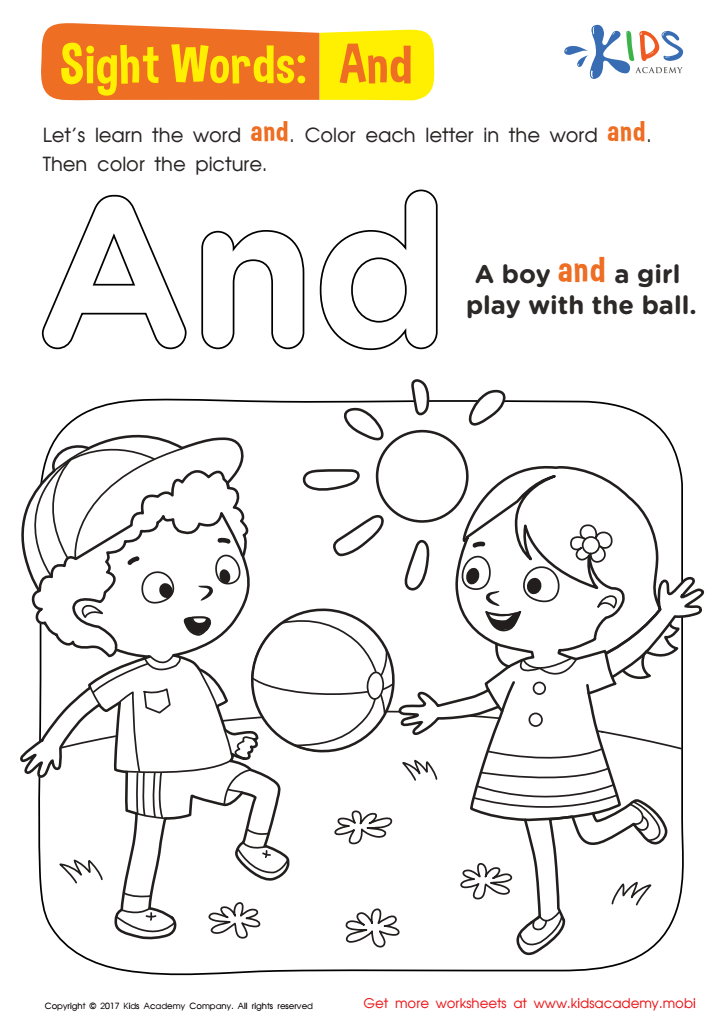
And Worksheet Sight Words Worksheet

And Worksheet Sight Words Worksheet

Help your child get a jumpstart on reading with sight words! Print out this fun worksheet and get your child to read the sentence. Point out the word "and", then color the word and enjoy the rest of the scene! It's a great way to introduce sight words and get their early reading skills going!
Download (PDF)
Assign to My Students
And Worksheet Sight Words Worksheet
Worksheet
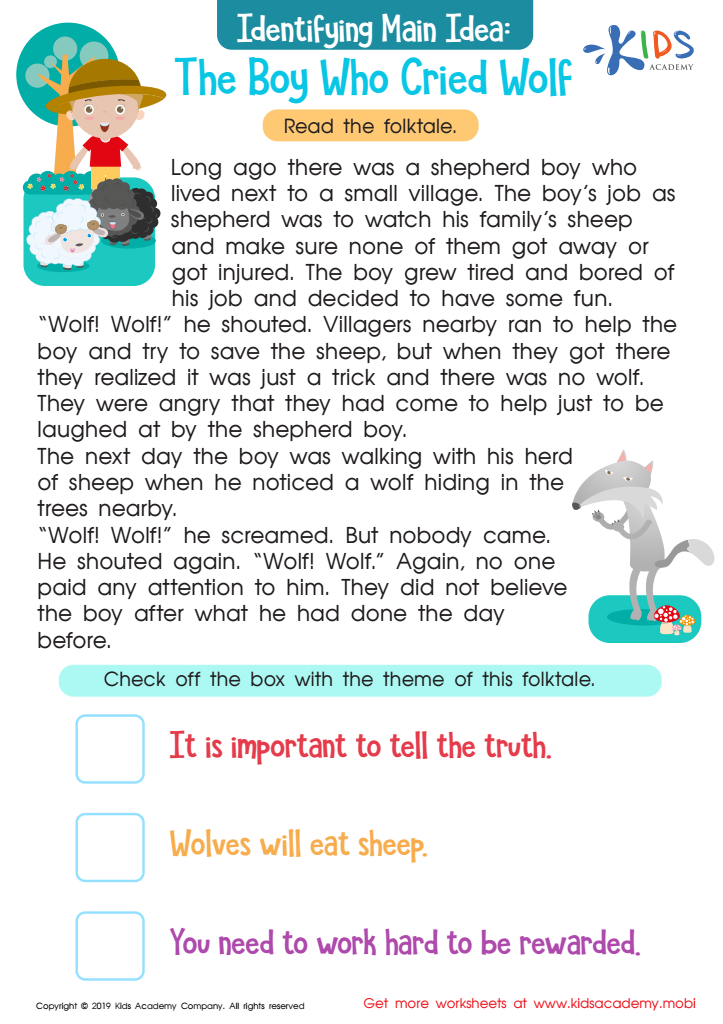
The Boy Who Cried Wolf Part 2 Worksheet

The Boy Who Cried Wolf Part 2 Worksheet

Kids love story time - no doubt they know their favorites! This worksheet tells a story with a theme or main idea. Read it carefully with your kids and ensure they understand every word. Then, help them answer the simple questions at the bottom of the page.
The Boy Who Cried Wolf Part 2 Worksheet
Worksheet
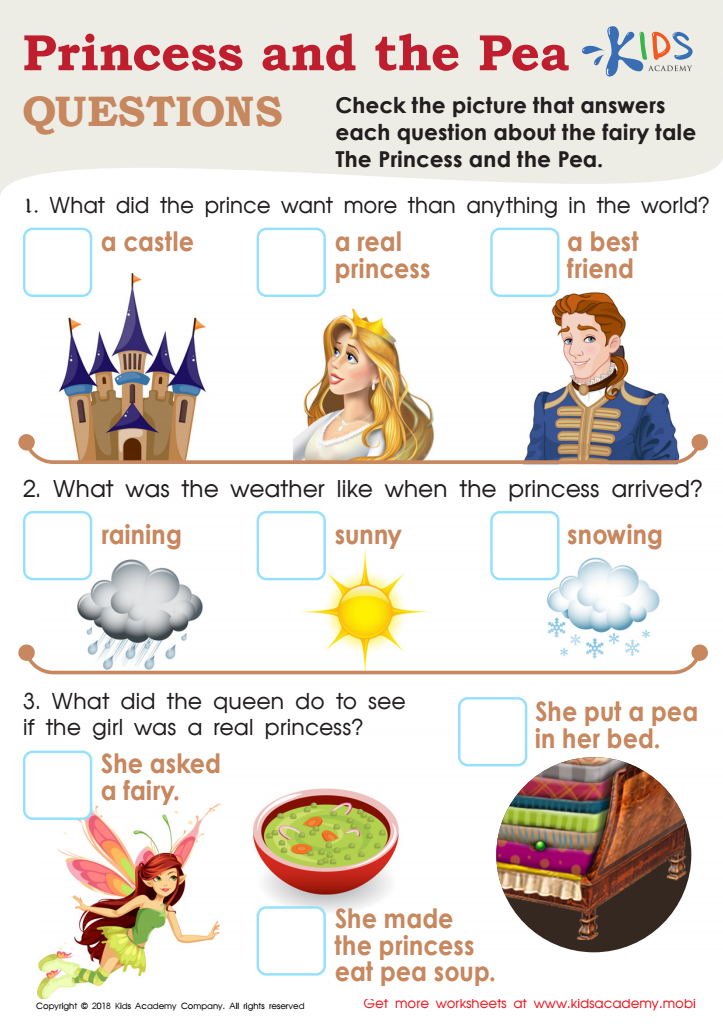
Princess and the Pea Questions Worksheet

Princess and the Pea Questions Worksheet

Your kid knows The Princess and the Pea inside-out? Test their knowledge with this worksheet. Ask your little one to read the questions and match each one to the picture. It's a fun way to see just how much attention they've paid to their bedtime story.
Princess and the Pea Questions Worksheet
Worksheet
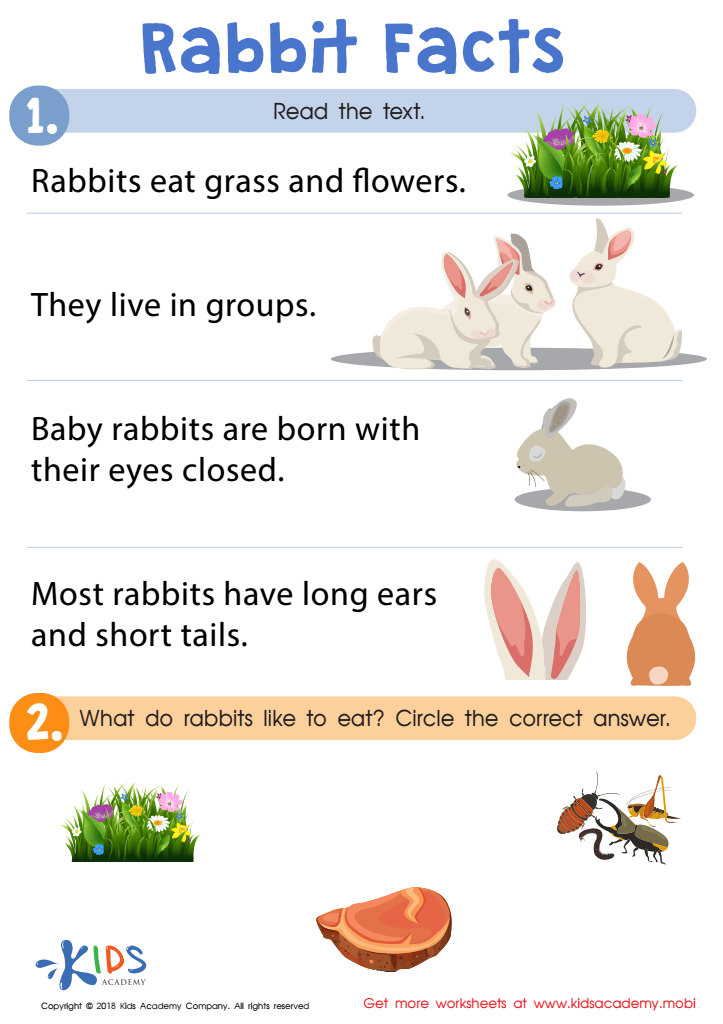
Rabbit Facts Worksheet

Rabbit Facts Worksheet

Informational texts offer great learning opportunities. Kids Academy's reading worksheet helps children read and recall important details from a text about bunnies. Kids will love it! Simply read the rabbit facts and circle the correct pictures to answer the questions.
Rabbit Facts Worksheet
Worksheet
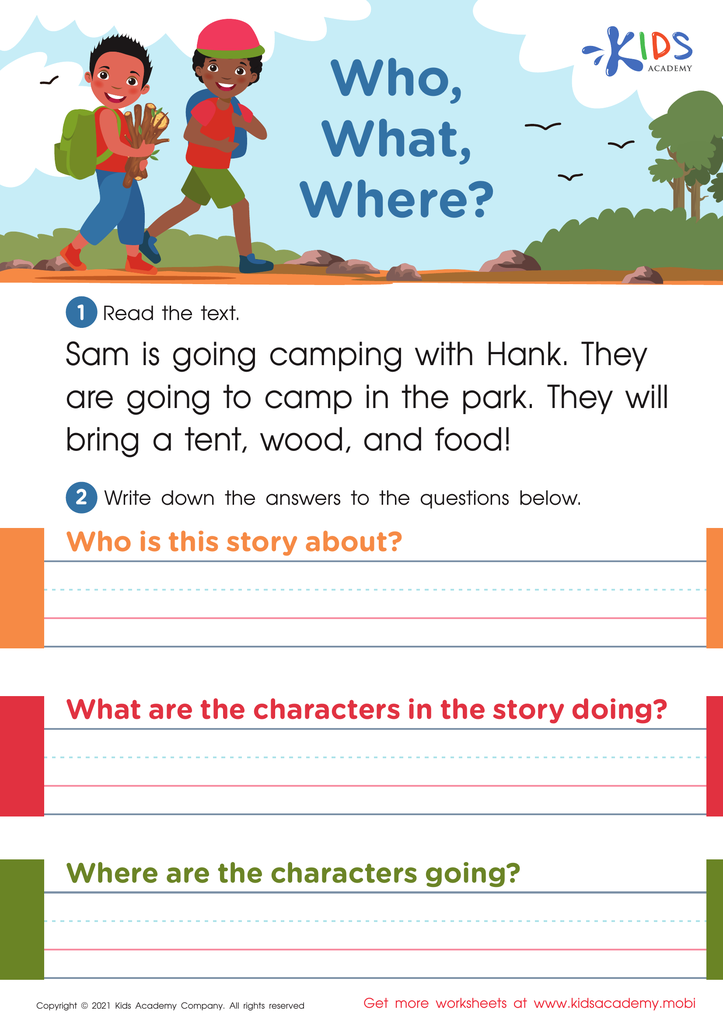
Who, What, Where? Worksheet
Who, What, Where? Worksheet
The availability of technology has changed the way students learn and interact with their environment in a very meaningful way. Technology has revolutionized learning and interaction for students. It offers an array of opportunities to engage with their surroundings, leading to a more meaningful educational experience.
Who, What, Where? Worksheet

Worksheet
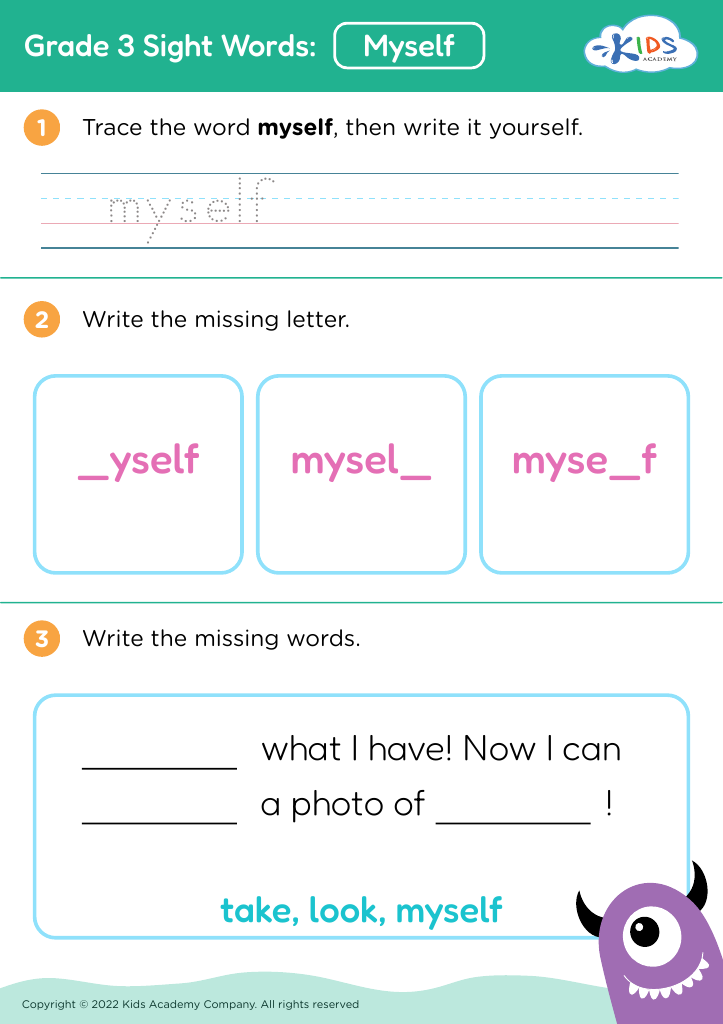
Grade 3 Sight Words: Myself

Grade 3 Sight Words: Myself

Grade 3 Sight Words: Myself
Worksheet
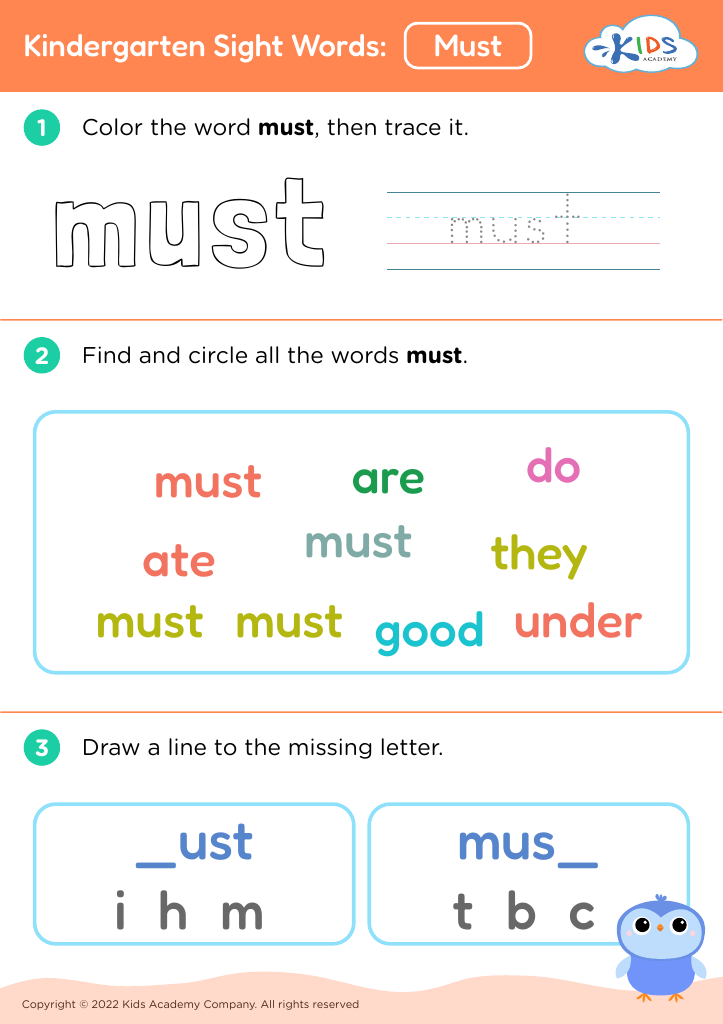
Kindergarten Sight Words: Must

Kindergarten Sight Words: Must

Kindergarten Sight Words: Must
Worksheet
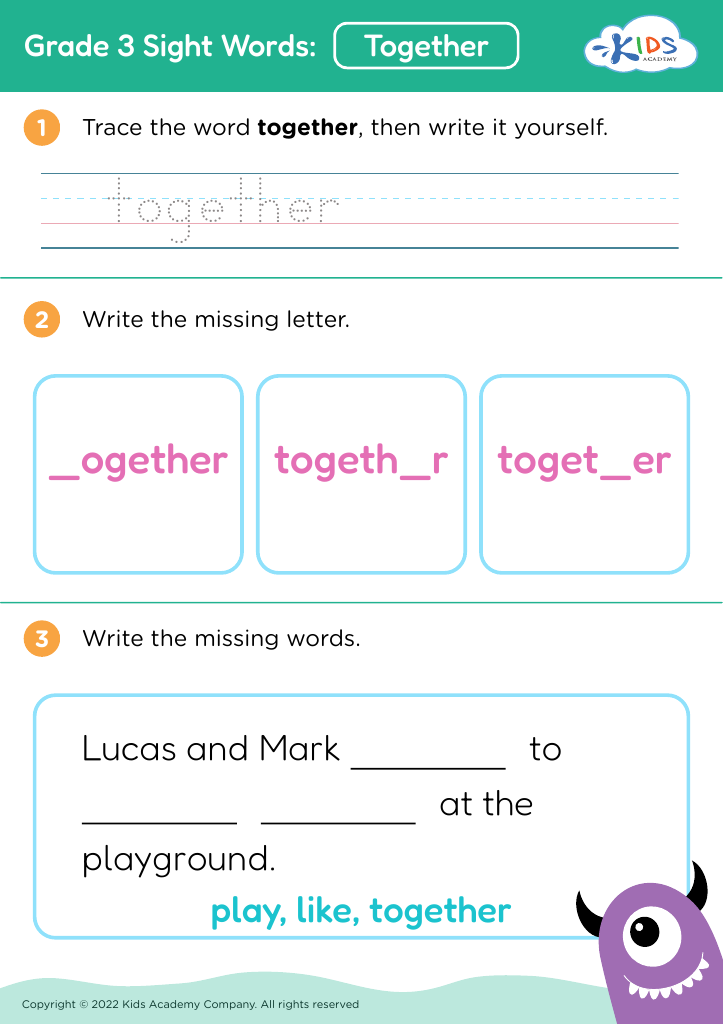
Grade 3 Sight Words: Together

Grade 3 Sight Words: Together

Grade 3 Sight Words: Together
Worksheet
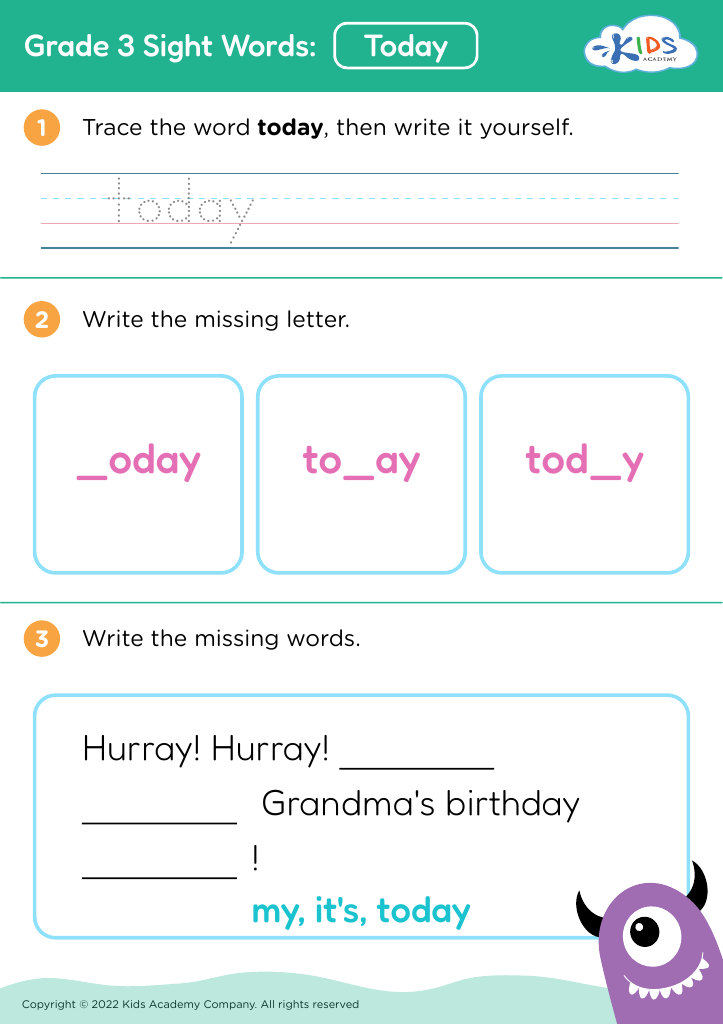
Grade 3 Sight Words: Today

Grade 3 Sight Words: Today

Grade 3 Sight Words: Today
Worksheet
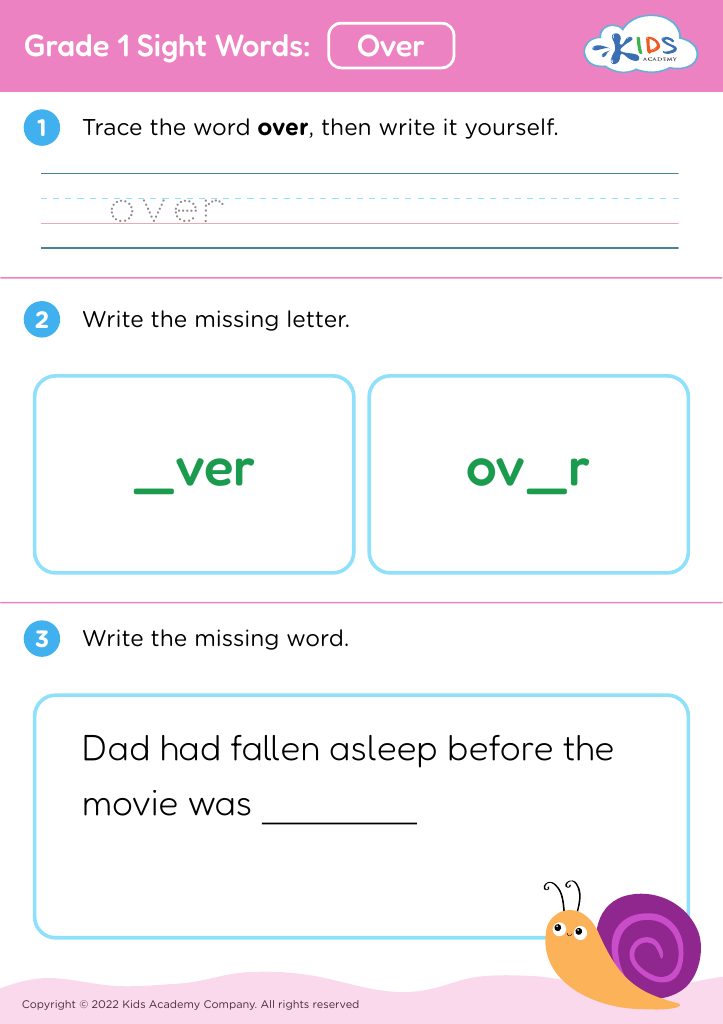
Grade 1 Sight Words: Over

Grade 1 Sight Words: Over

Grade 1 Sight Words: Over
Worksheet
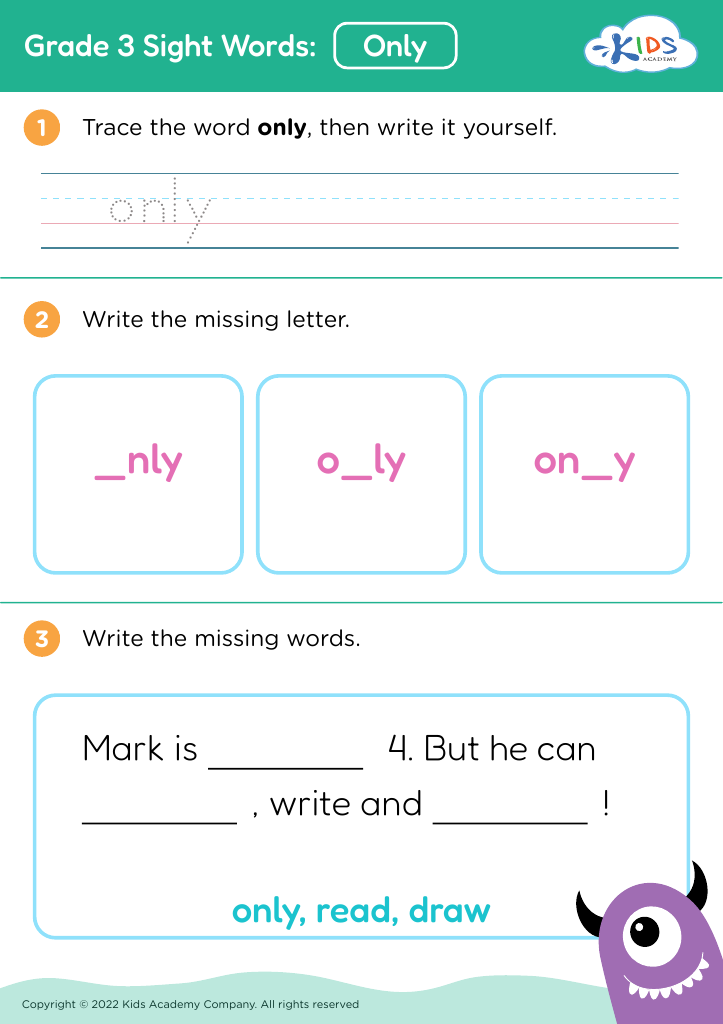
Grade 3 Sight Words: Only

Grade 3 Sight Words: Only

Grade 3 Sight Words: Only
Worksheet
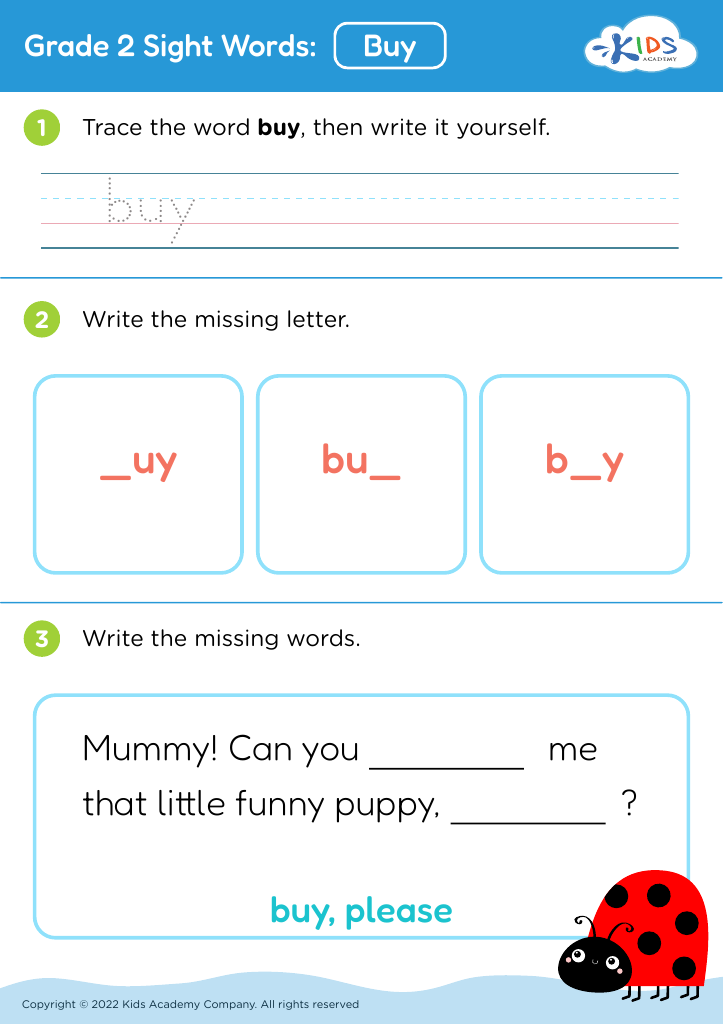
Grade 2 Sight Words: Buy

Grade 2 Sight Words: Buy

Grade 2 Sight Words: Buy
Worksheet
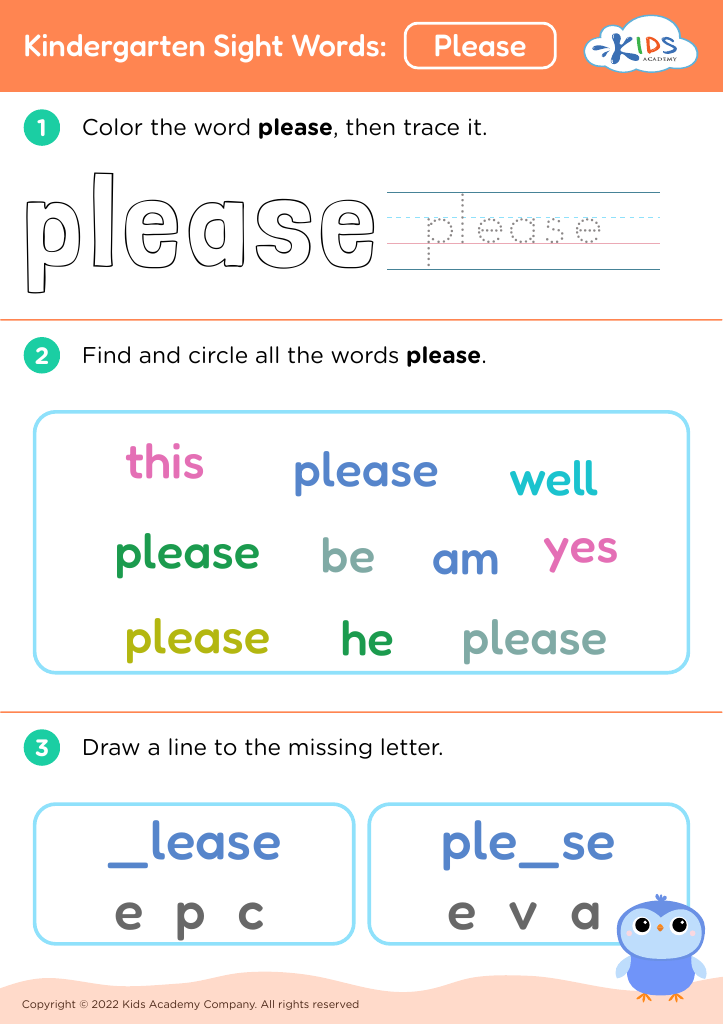
Kindergarten Sight Words: Please

Kindergarten Sight Words: Please

Kindergarten Sight Words: Please
Worksheet


... 9 10

Reading comprehension is a crucial skill for children aged 6-8 as it forms the foundation for future academic success and lifelong learning. At this age, children transition from "learning to read" to "reading to learn," meaning they start to use reading as a tool to gather information rather than just decode words.

Firstly, strong reading comprehension skills enhance vocabulary development. By understanding stories and texts, children can learn new words and concepts effectively. This expands their linguistic repertoire, which is vital for communication and writing.

Secondly, reading comprehension improves critical thinking and problem-solving skills. Engaging with a variety of texts encourages children to think deeply, make inferences, and draw conclusions. These cognitive processes are essential not only in academics but also in making informed decisions in everyday life.

Furthermore, reading with comprehension fosters emotional intelligence and empathy. Stories allow children to explore diverse perspectives and experiences, helping them to understand and relate to others better.

Lastly, proficiency in reading comprehension directly impacts performance in other subjects such as math, science, and social studies, where understanding word problems and written instructions is crucial.

Therefore, parents and teachers must focus on nurturing strong reading comprehension skills in children aged 6-8, providing them with a solid foundation for their educational journey.