
Recognizing Patterns Reading Worksheets for Ages 6-8
4 filtered results
Difficulty Level
Grade
Age
-
From - To
Subject
Activity
Standards
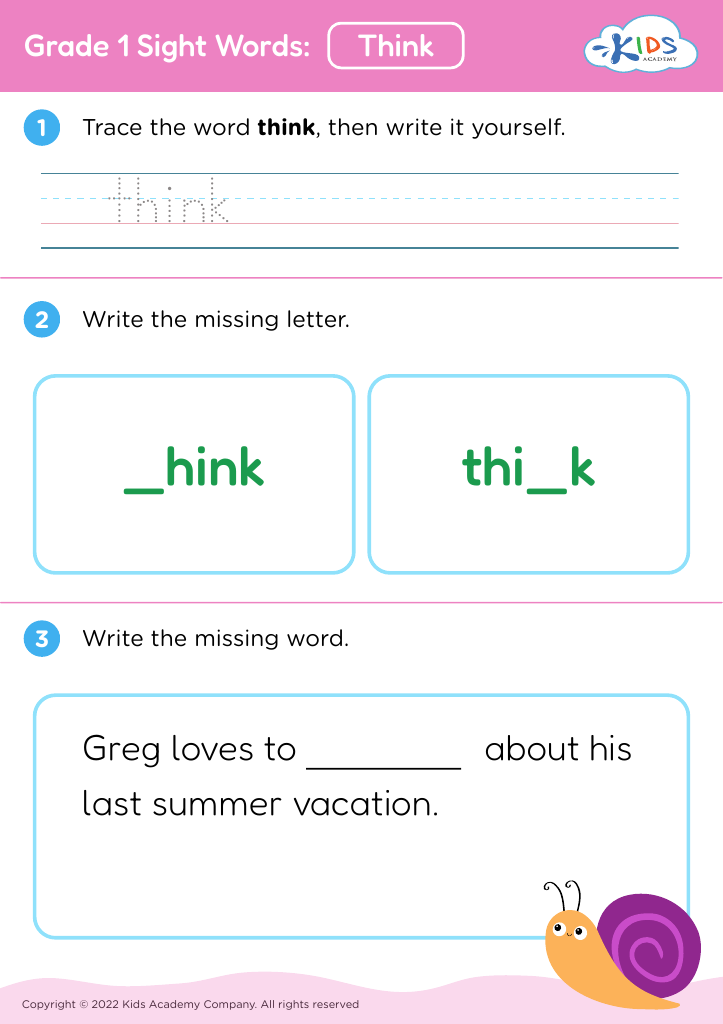
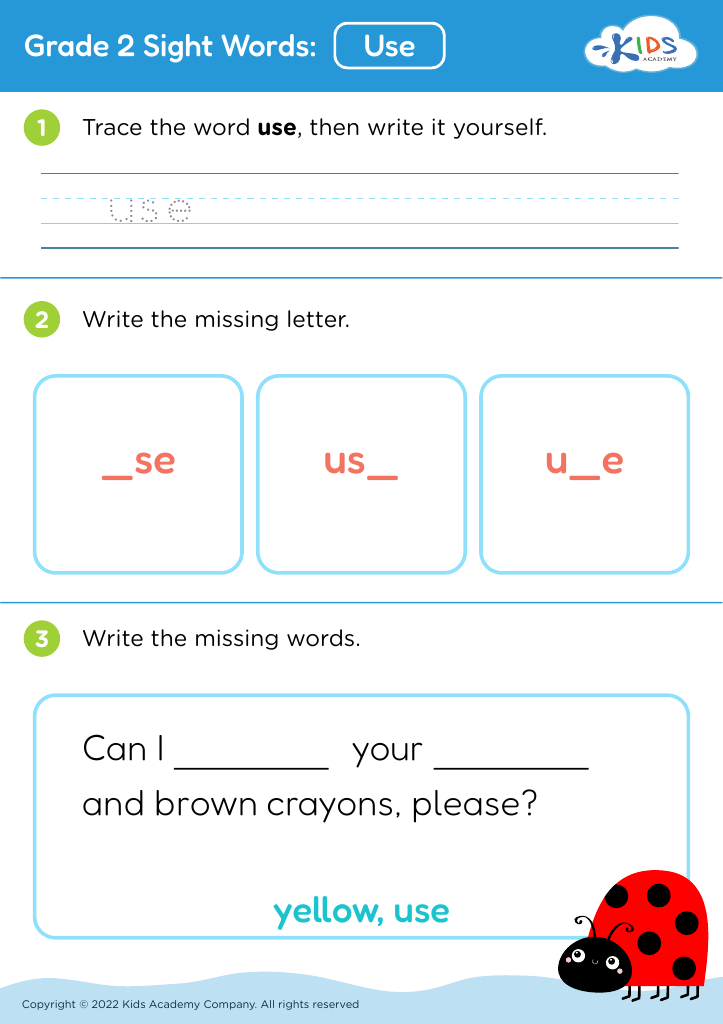
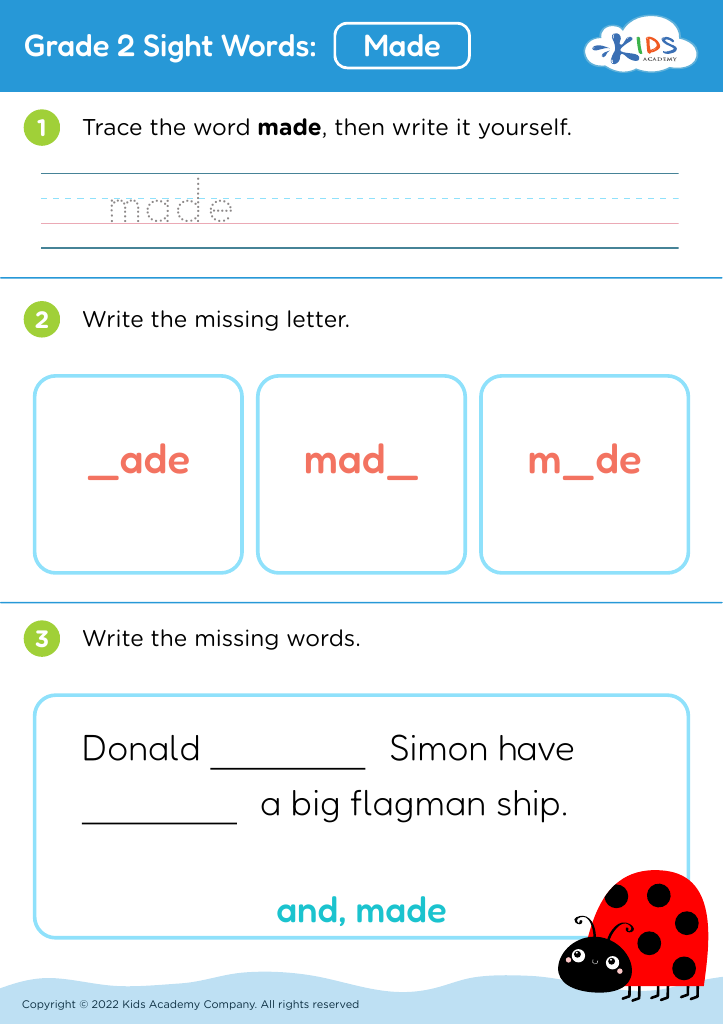
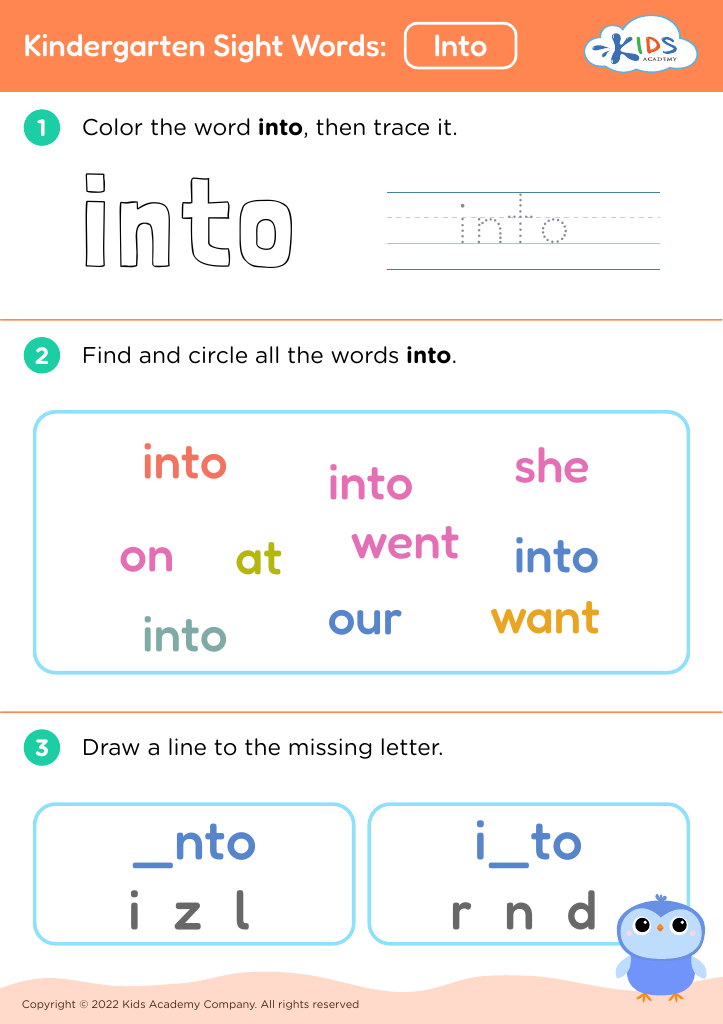
Enhance your child's reading skills with our "Recognizing Patterns Reading Worksheets for Ages 6-8." Specially designed for young readers, these engaging worksheets help children identify and understand patterns in texts. Through fun activities and interactive exercises, kids will develop critical thinking and prediction skills, which are essential for reading comprehension. Suitable for home or classroom use, our worksheets offer a variety of themes and difficulty levels to keep learners motivated and challenged. Boost your child's confidence and reading ability by incorporating these expert-crafted resources into their learning routine today!
Favorites
With answer key
Interactive
Join Kids Academy for Free
Who is primarily going to use this learning content?




.jpg)



Recognizing patterns is a fundamental reading skill for children ages 6-8, integral to their cognitive and literacy development. At this stage, kids transition from learning to read to reading to learn, so the ability to discern patterns in text, such as phonetic patterns, common word endings, and sentence structures, significantly aids in this shift. Recognizing these patterns helps children predict and decode unfamiliar words more easily, fostering fluency and confidence in reading.
Additionally, pattern recognition supports comprehension. When children observe recurring literary patterns, like a narrative's structure or character traits, they better grasp the plot and meaning, enhancing their analytical thinking and retention. This skill is foundational not only in reading but across all subjects, as it underpins problem-solving and logical reasoning abilities.
Parents and teachers also benefit. Proficient pattern recognition means children can read and understand complex materials with greater independence, allowing for more advanced and enriched learning experiences. Teachers can build on these patterns for instructional strategies, while parents can reinforce them during at-home reading sessions.
In summary, recognizing patterns fosters critical literacy skills, enhances comprehension, and sets a robust foundation for academic success. Thus, it's an essential focus for educators and parents working with early grade children.








