Understanding context Reading Worksheets for Ages 6-8
9 filtered results
-
From - To
Enhance your child's reading skills with our "Understanding Context Reading Worksheets" designed for ages 6-8. These engaging worksheets help young learners develop the ability to derive meaning from the surrounding text, fostering comprehension and critical thinking abilities. By practicing context clues, children gain confidence in their reading proficiency, making connections that deepen their understanding. Our user-friendly format encourages learning through interactive exercises tailored to this age group's developmental needs. Perfect for at-home learning or classroom use, these resources are invaluable for nurturing early literacy skills and promoting a lifelong love of reading. Explore our worksheets today and watch your child thrive!
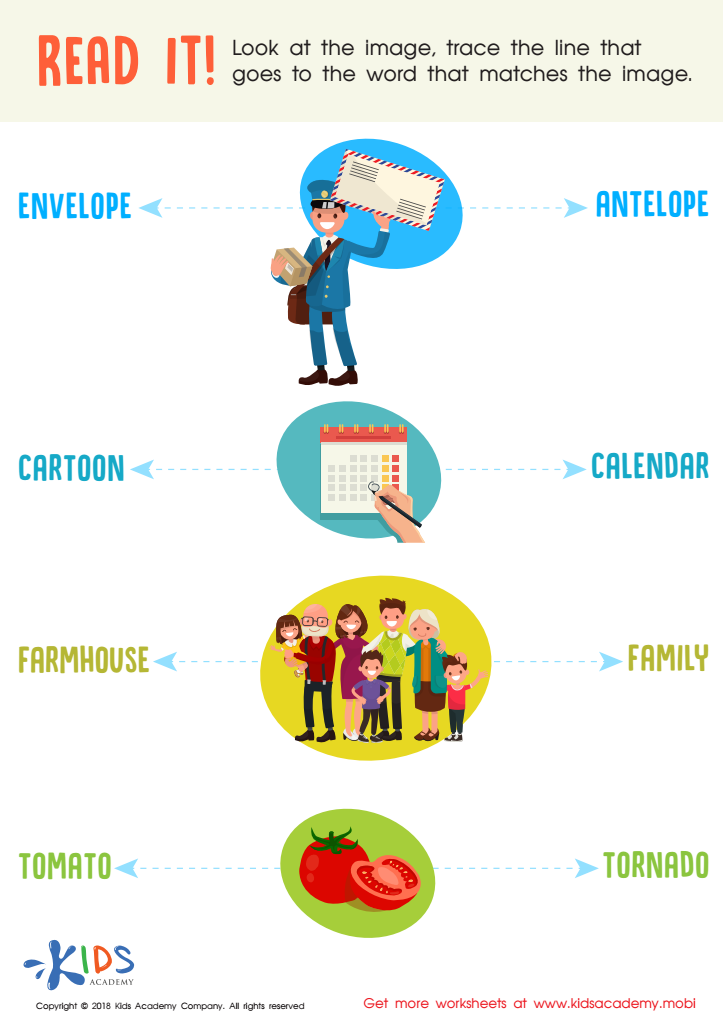
Read It! Worksheet
 Assign to My Students
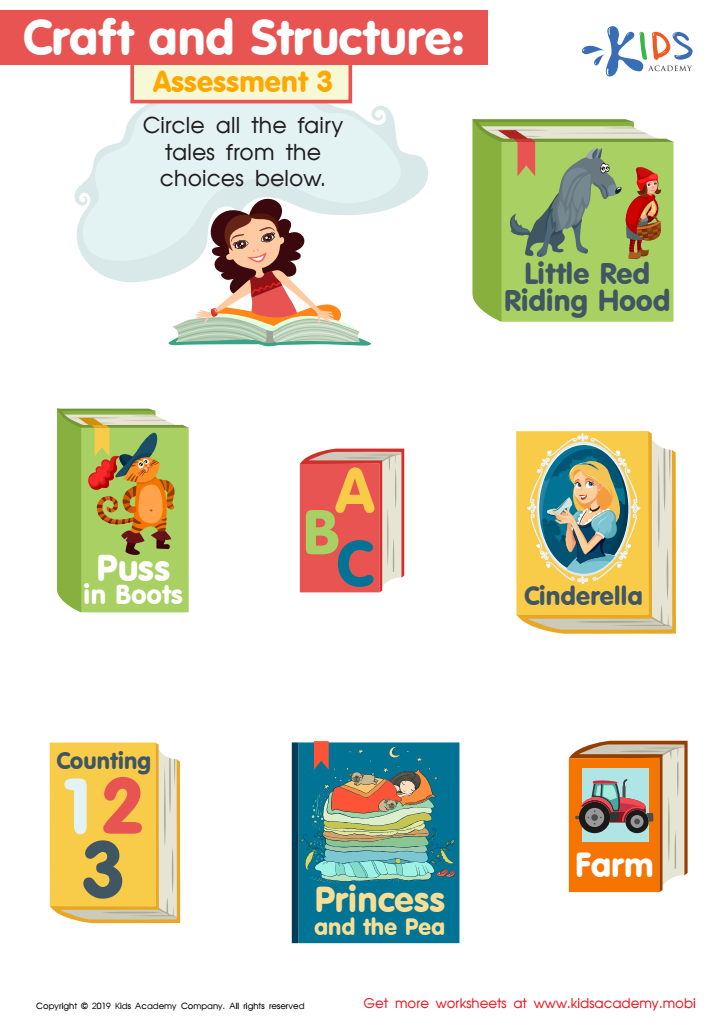
Craft and Structure: Assessment 3 Worksheet
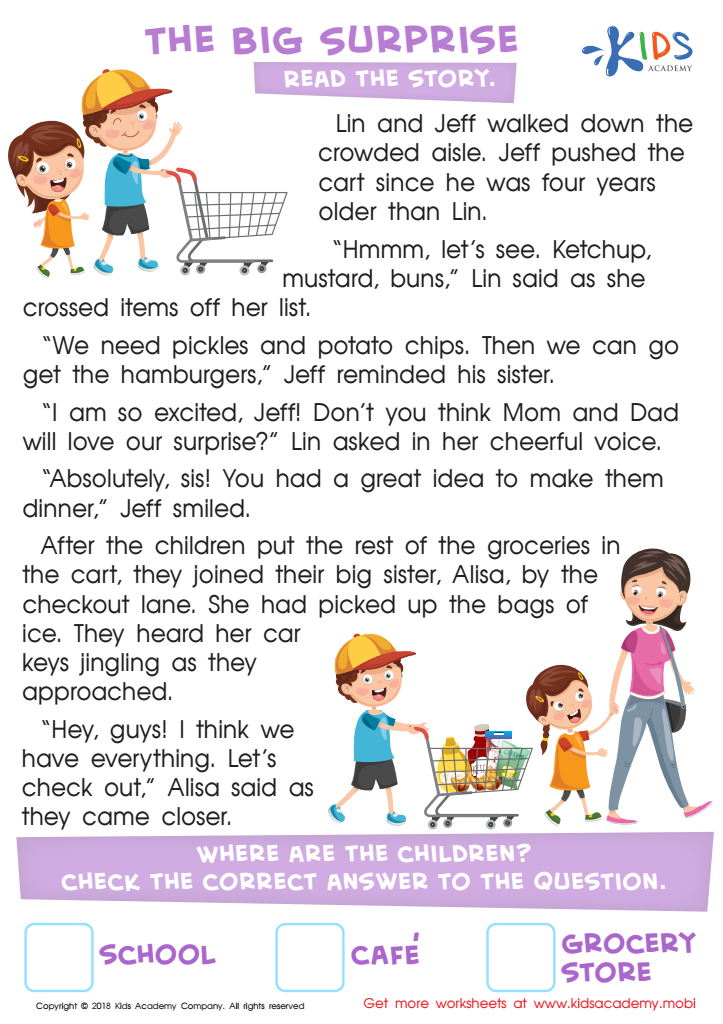
The Big Surprise Worksheet
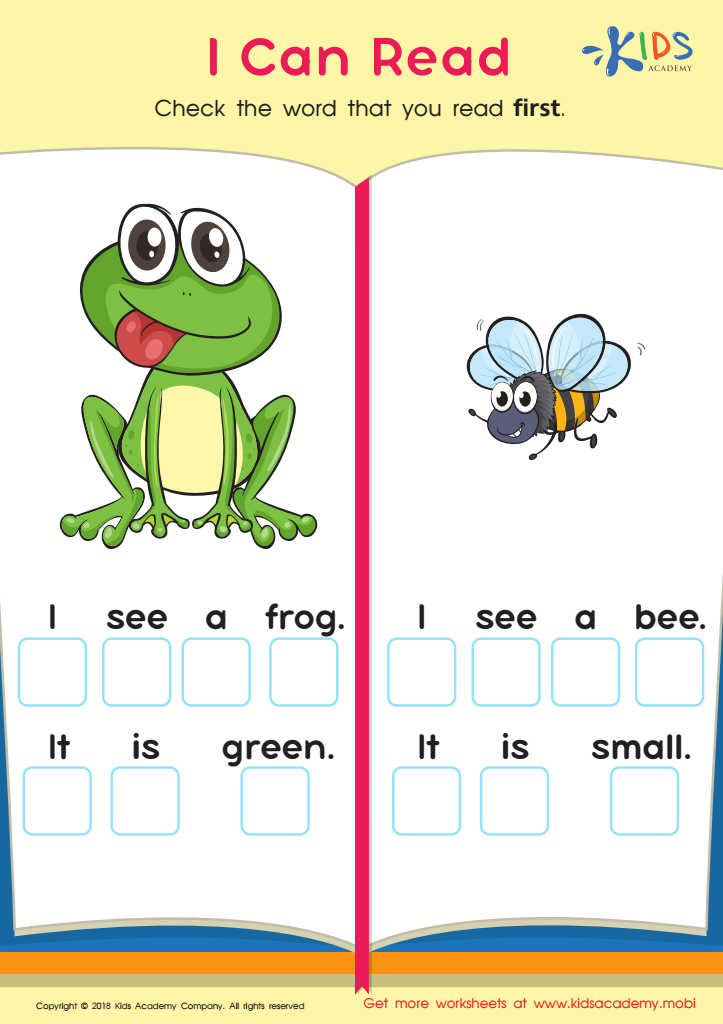
I Can Read Worksheet
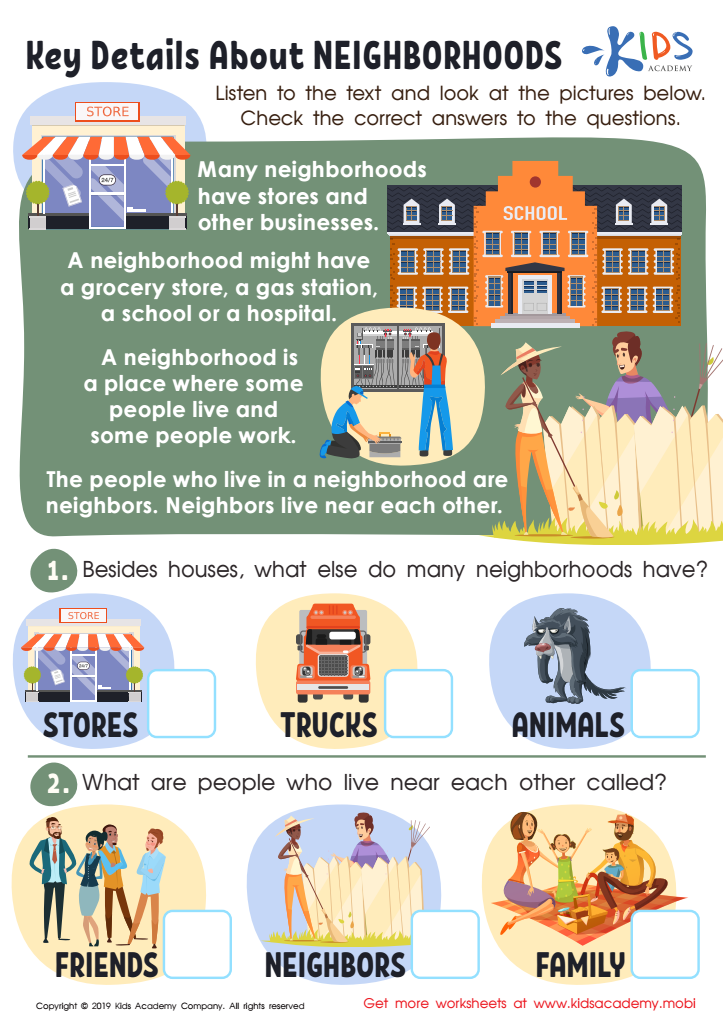
Key Details Neighborhoods Worksheet
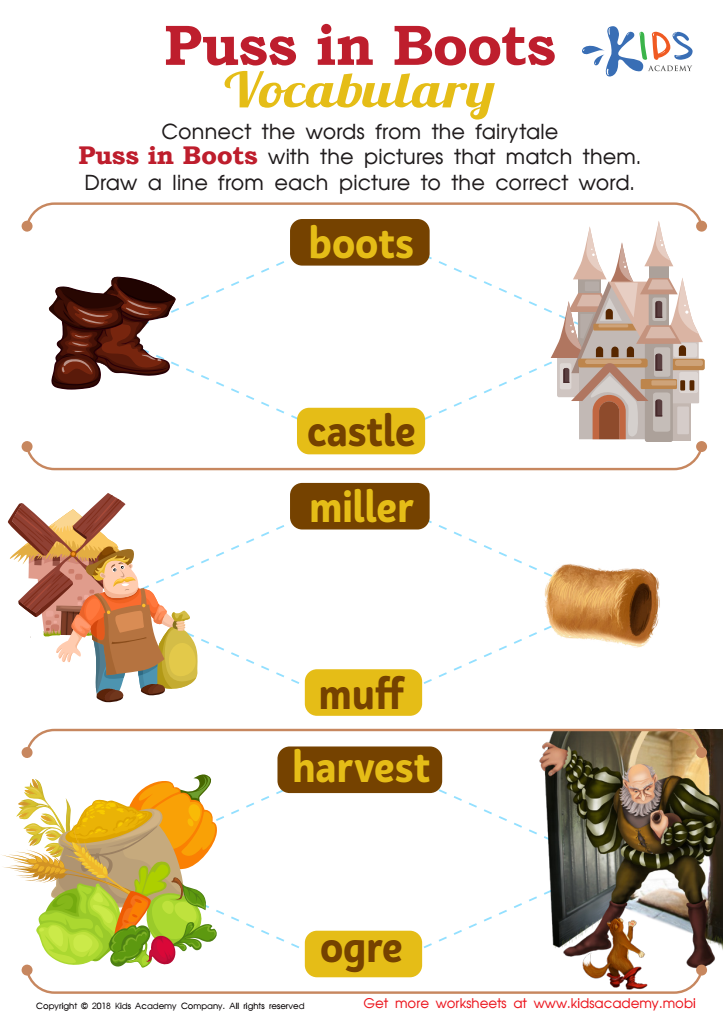
Puss in Boots Vocabulary Worksheet
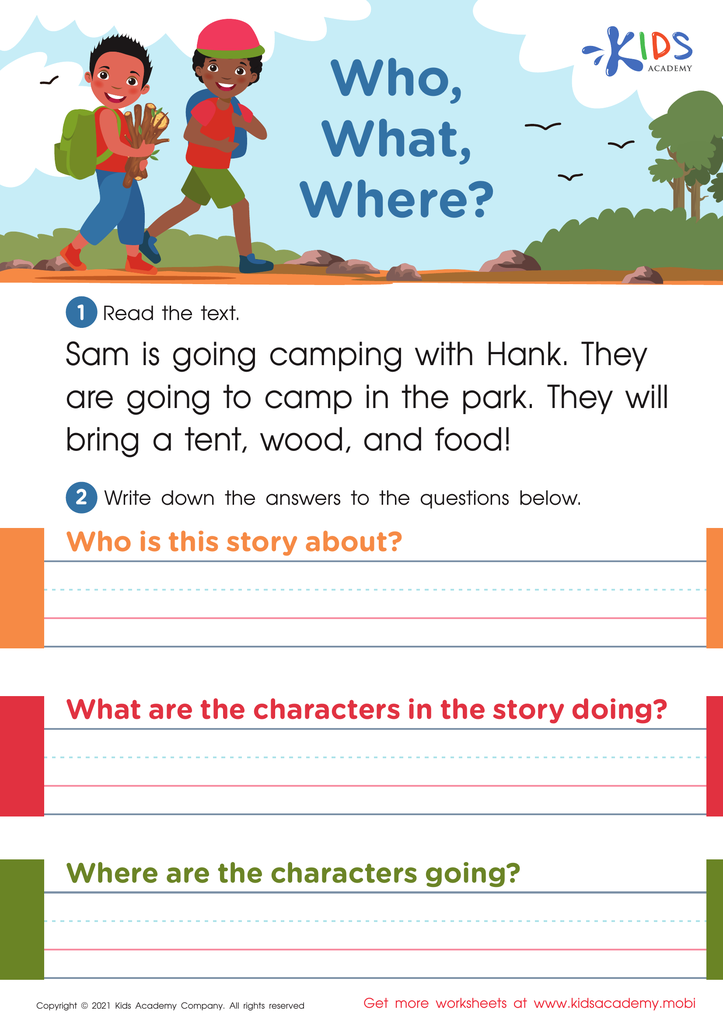
Who, What, Where? Worksheet







Understanding context in reading is essential for children ages 6-8 as it helps them to decode language and make sense of the world around them. At this stage of development, children are beginning to grasp not just the words on the page but also the meaning they convey. When parents or teachers emphasize context, they enable children to make connections between what they're reading and their own experiences or prior knowledge. This builds comprehension skills, fosters critical thinking, and supports vocabulary development.
Moreover, contextual understanding encourages emotional and social growth. It allows children to relate to diverse characters and situations, promoting empathy and cultural awareness. Teachers and parents can create rich discussions around texts, asking open-ended questions to guide children in exploring themes, motivations, and societal implications.
In addition, a strong grasp of context enhances children's writing skills, as they learn to use their surroundings and experiences to inform their storytelling. Encouraging an appreciation of context arms children with the tools they need to become thoughtful readers and effective communicators. Ultimately, understanding context is a foundational skill that lays the groundwork for lifelong learning and appreciation of literature. Thus, supporting this development is crucial for both academic and personal growth.








