Reading comprehension Reading Fiction Worksheets for Ages 6-8 - Page 3
89 filtered results
-
From - To
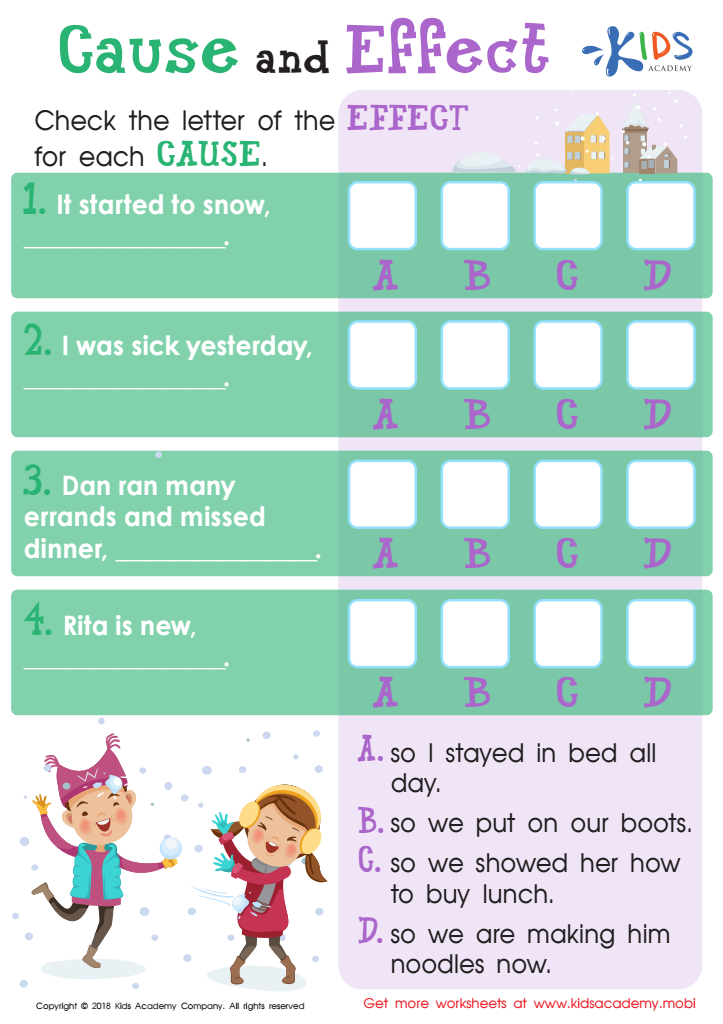
Cause and Effect Worksheet
 Assign to My Students
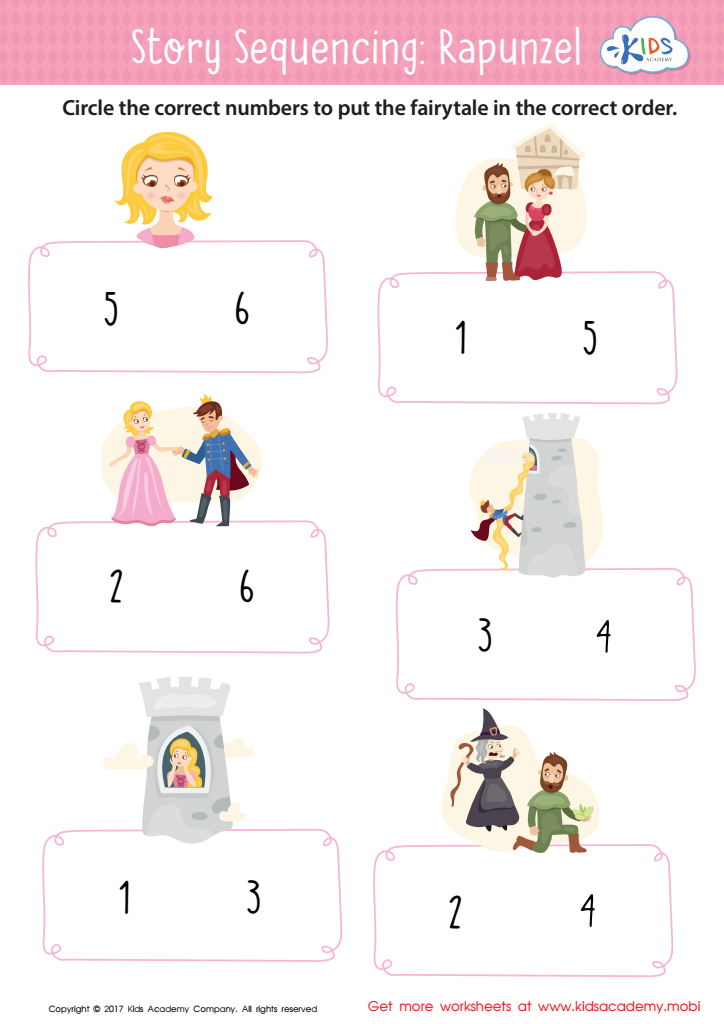
Rapunzel Story Sequencing Worksheet
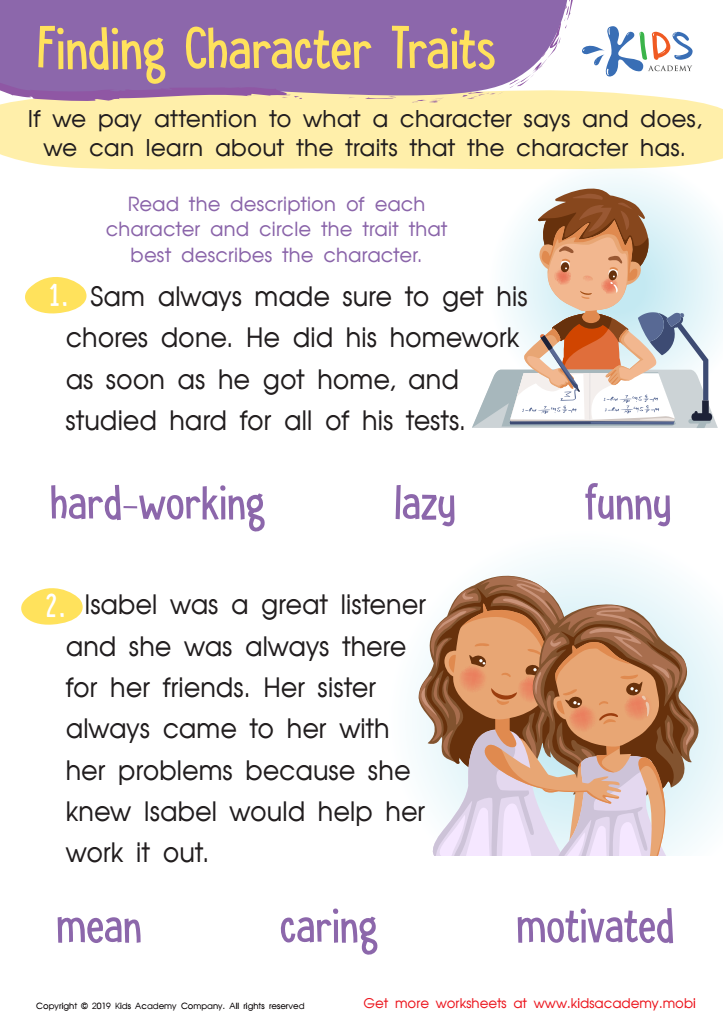
Finding Character Traits Worksheet
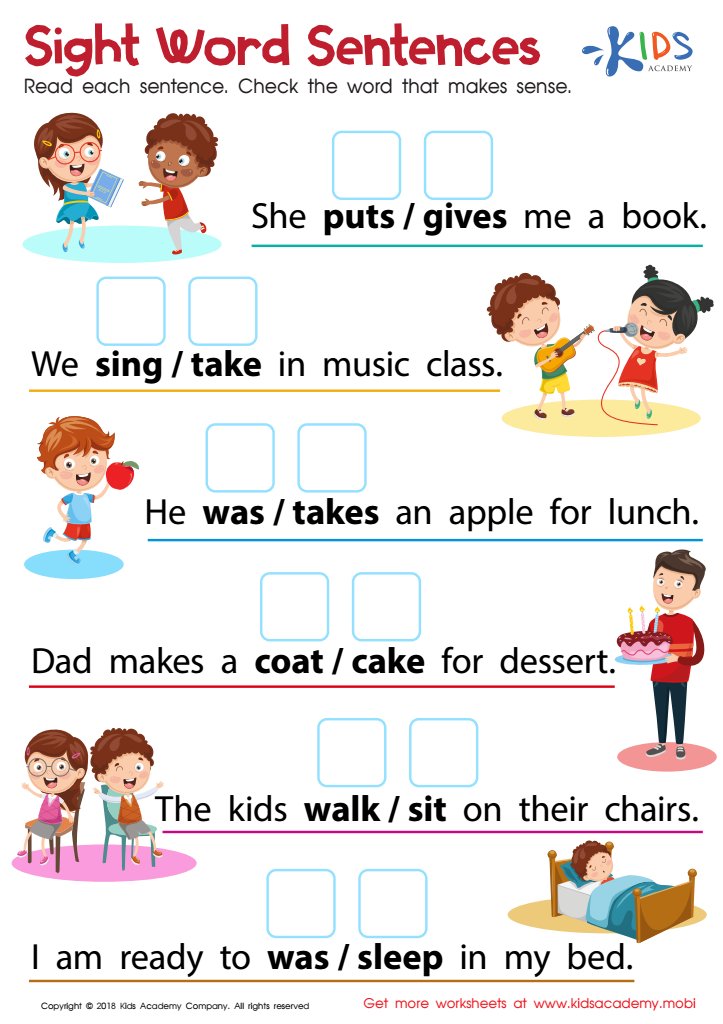
Sight Words Sentences Worksheet
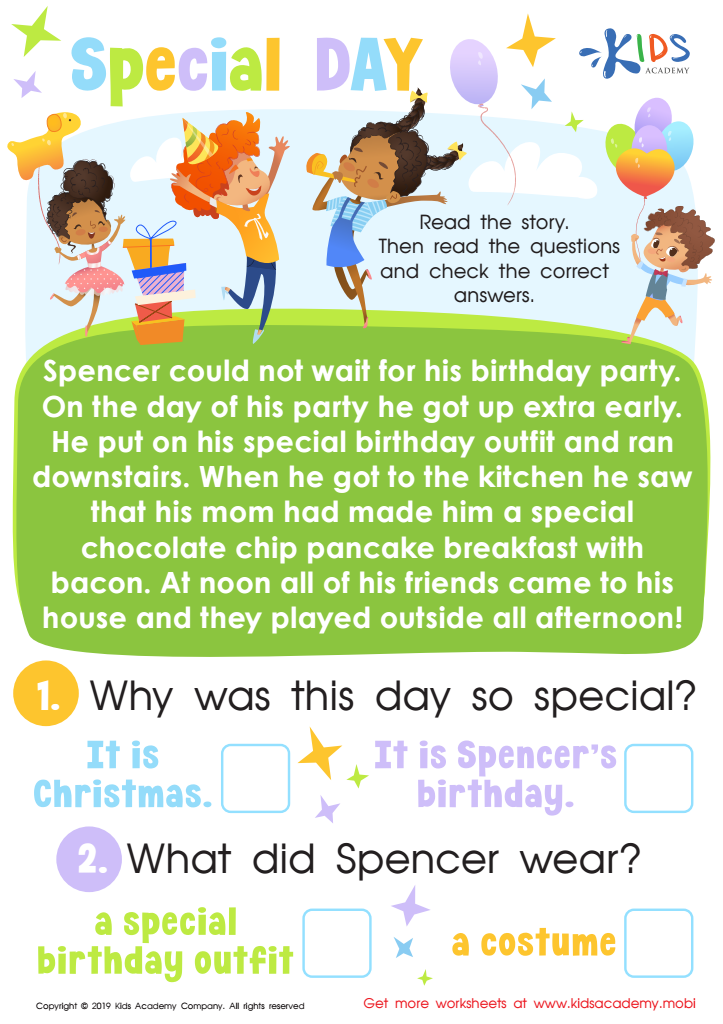
Special Day Worksheet
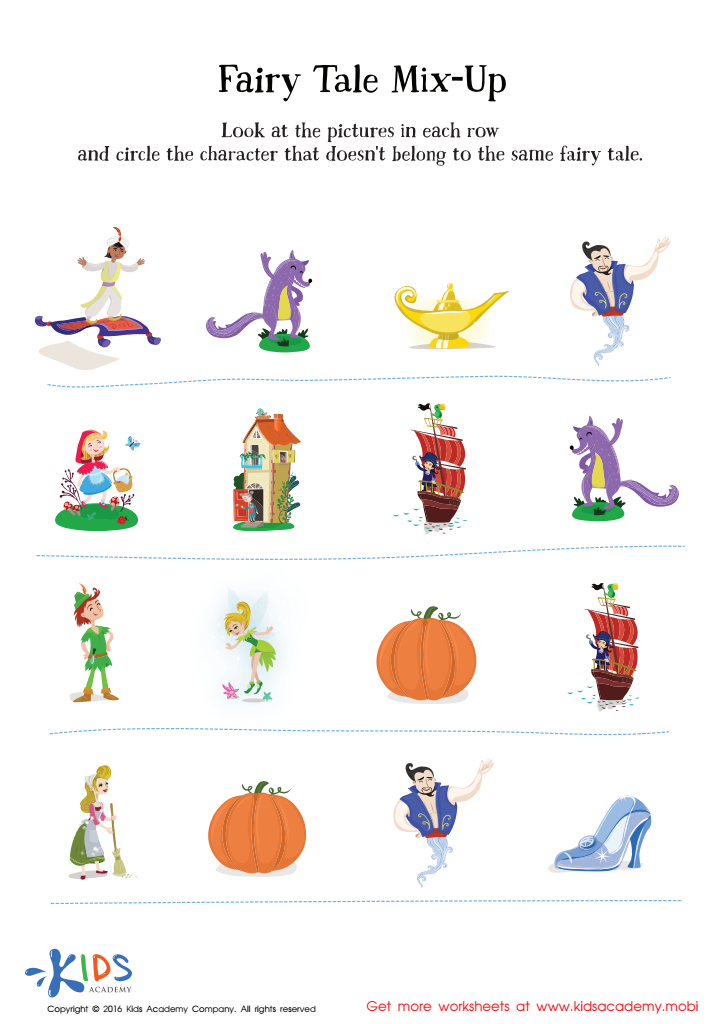
Fairy Tale Worksheet: Story Mix Up
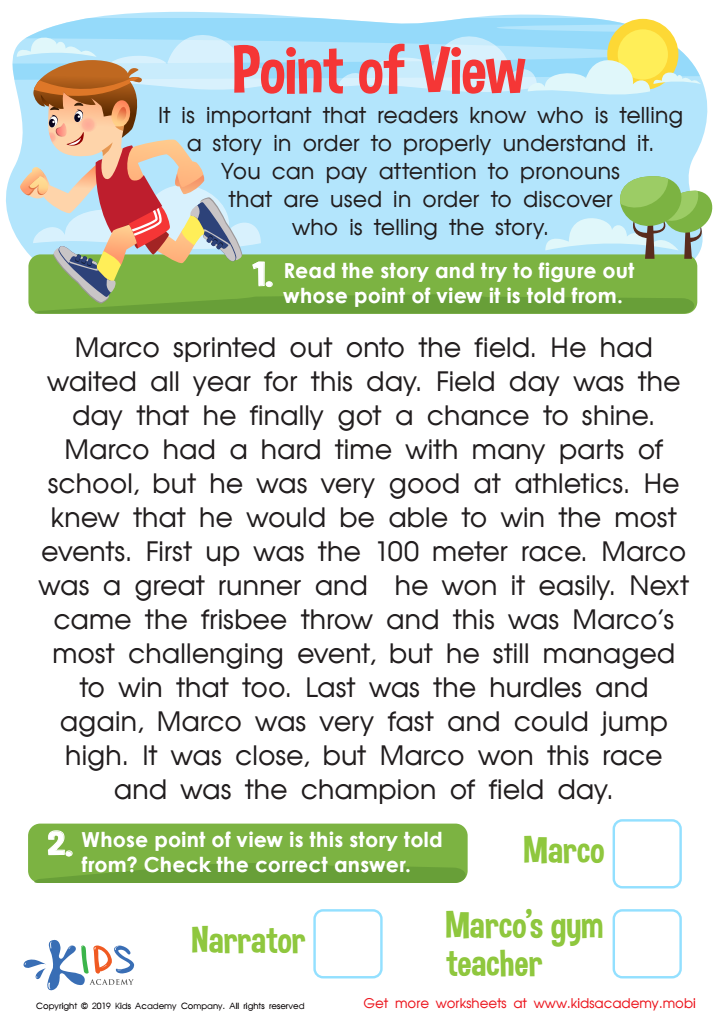
Point of View Worksheet
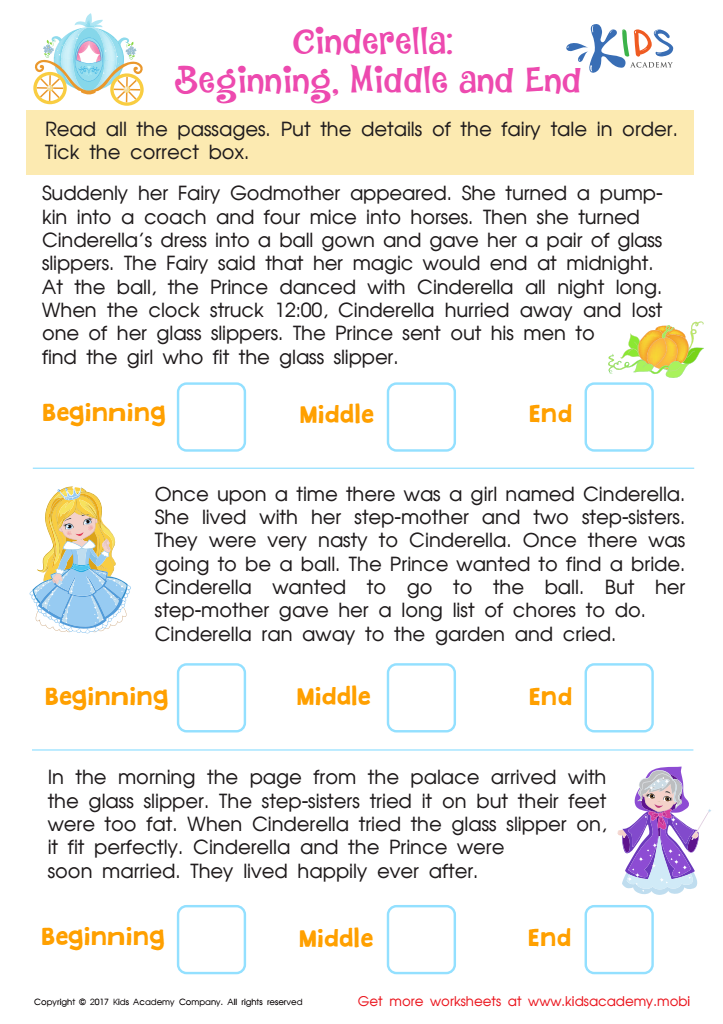
Cinderella: Beginning, Middle and End Worksheet
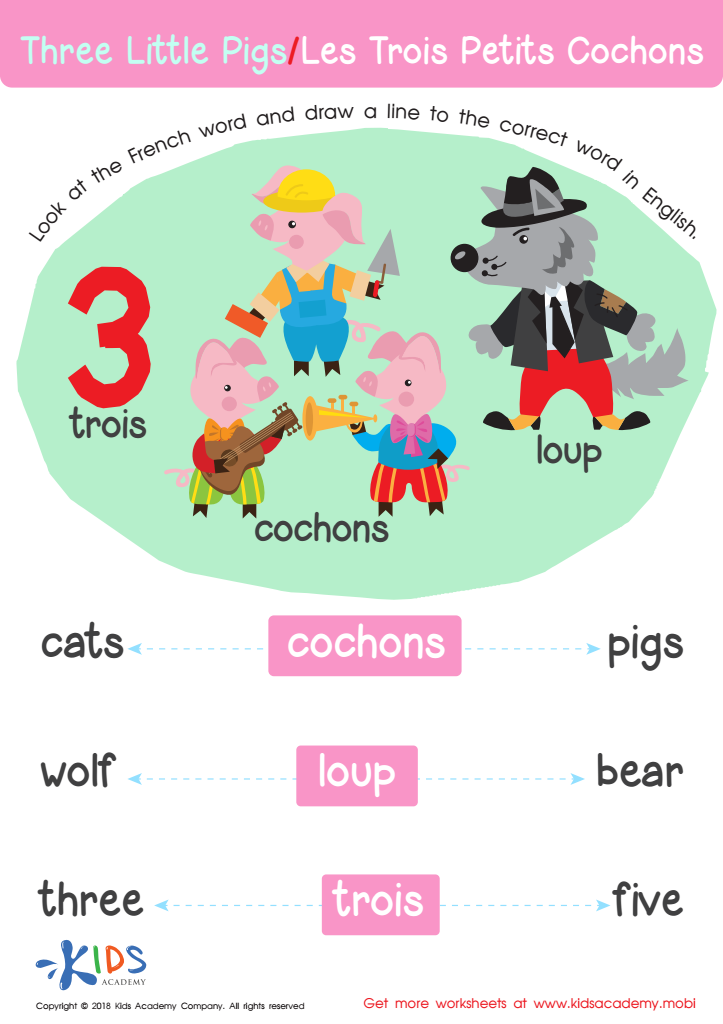
Three Little Pigs / Les Trois Petits Cochons Worksheet
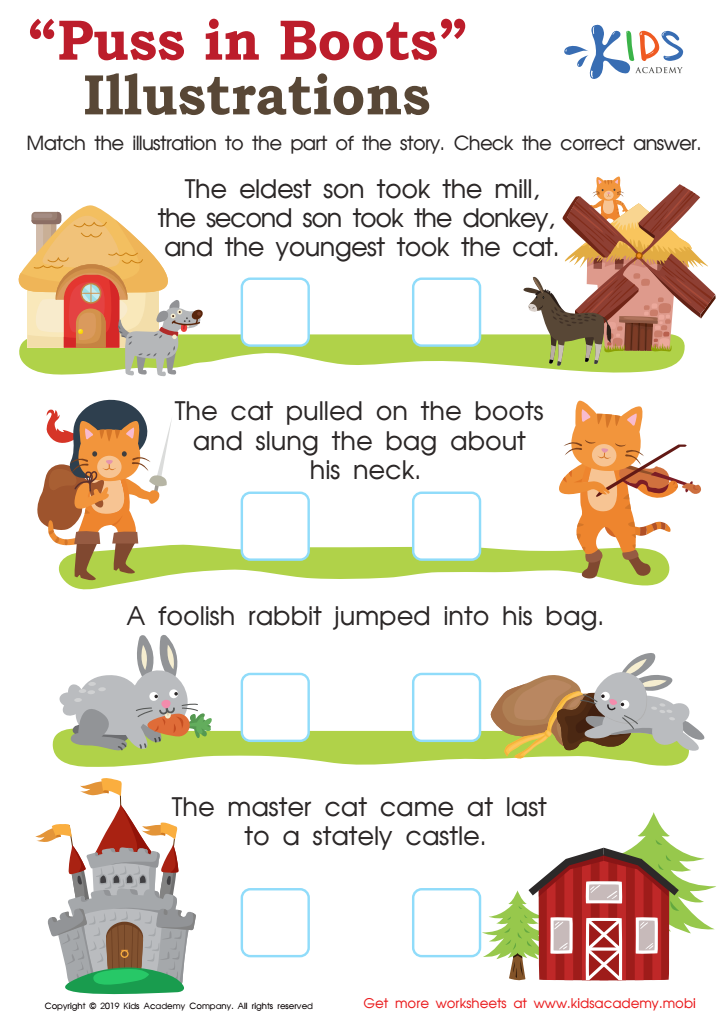
Puss in Boots Illustrations Worksheet
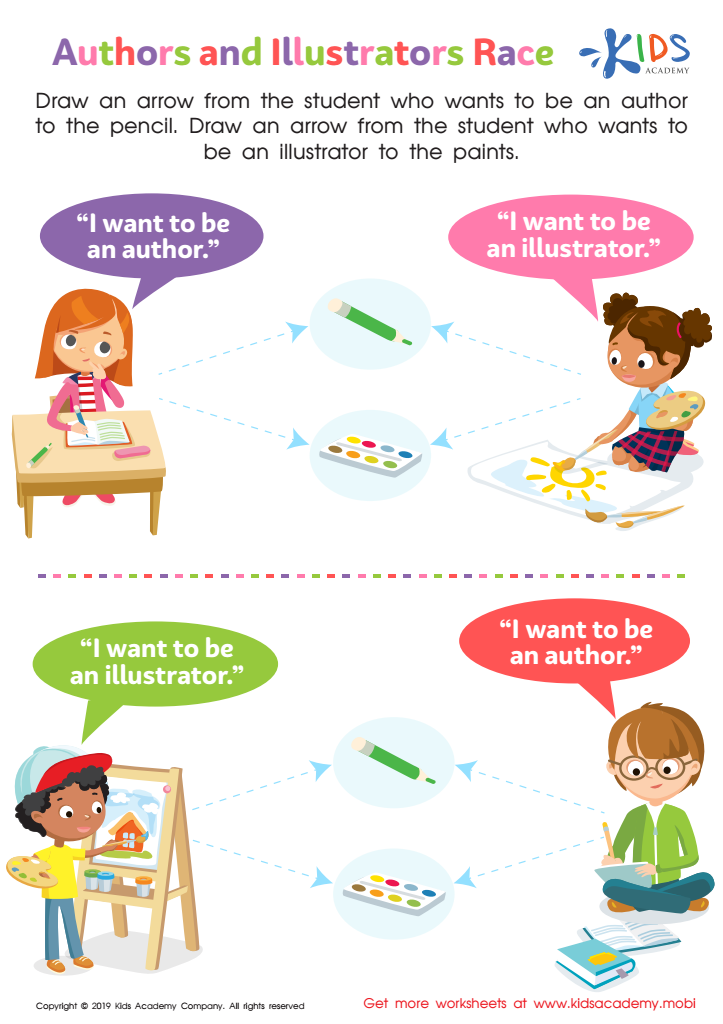
Authors and Illustrators Race Worksheet
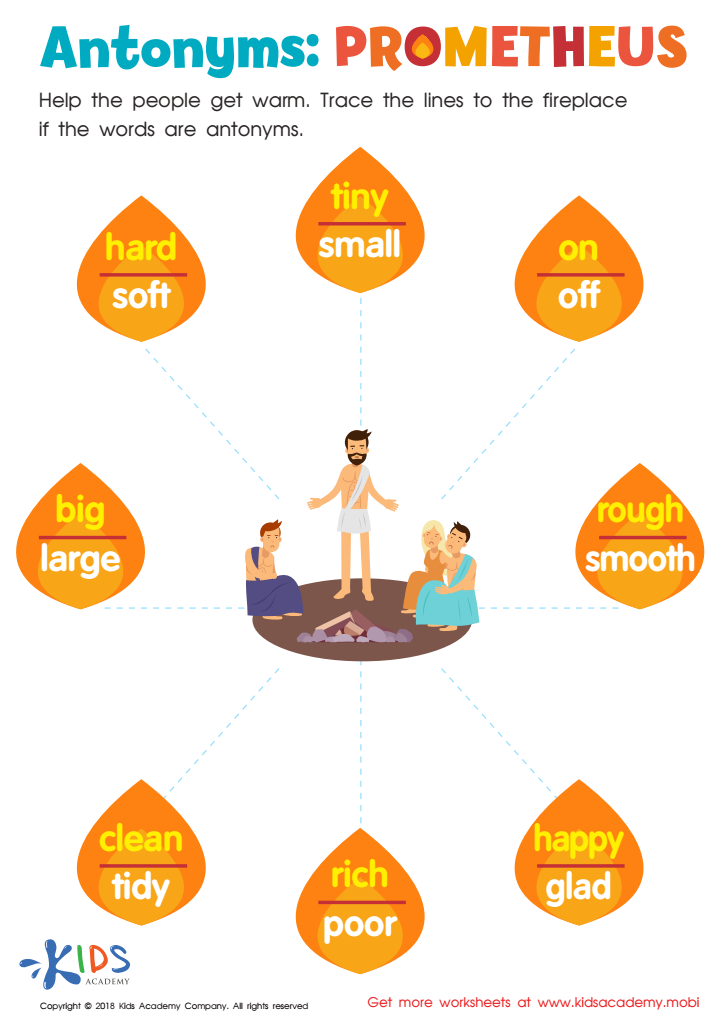
Antonyms: Prometheus Worksheet
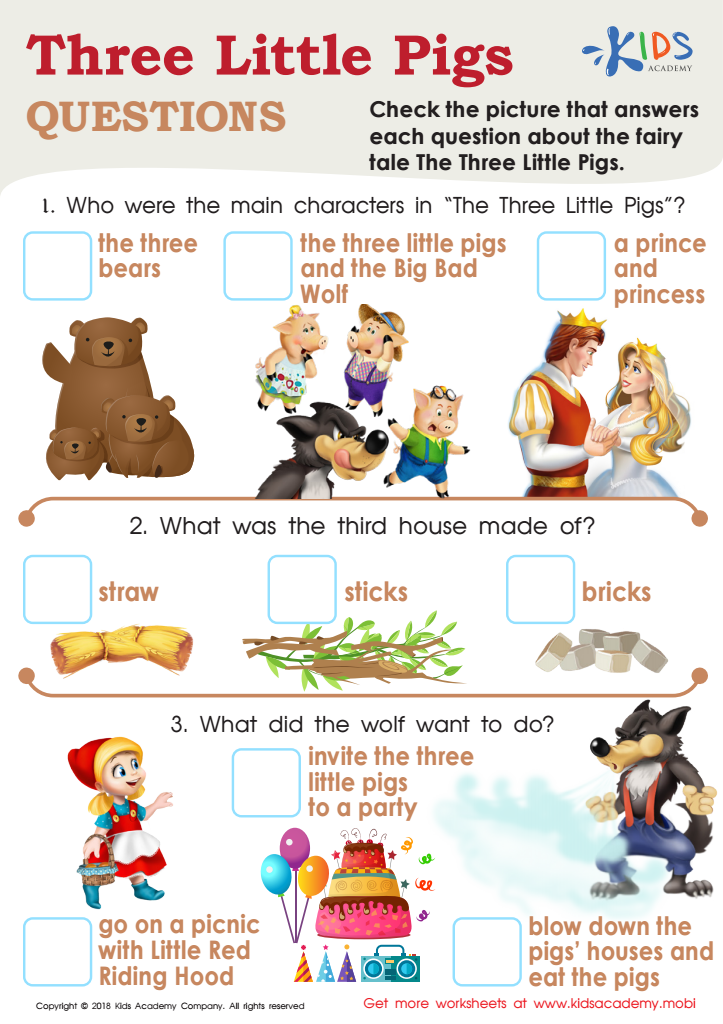
Three Little Pigs Questions Worksheet
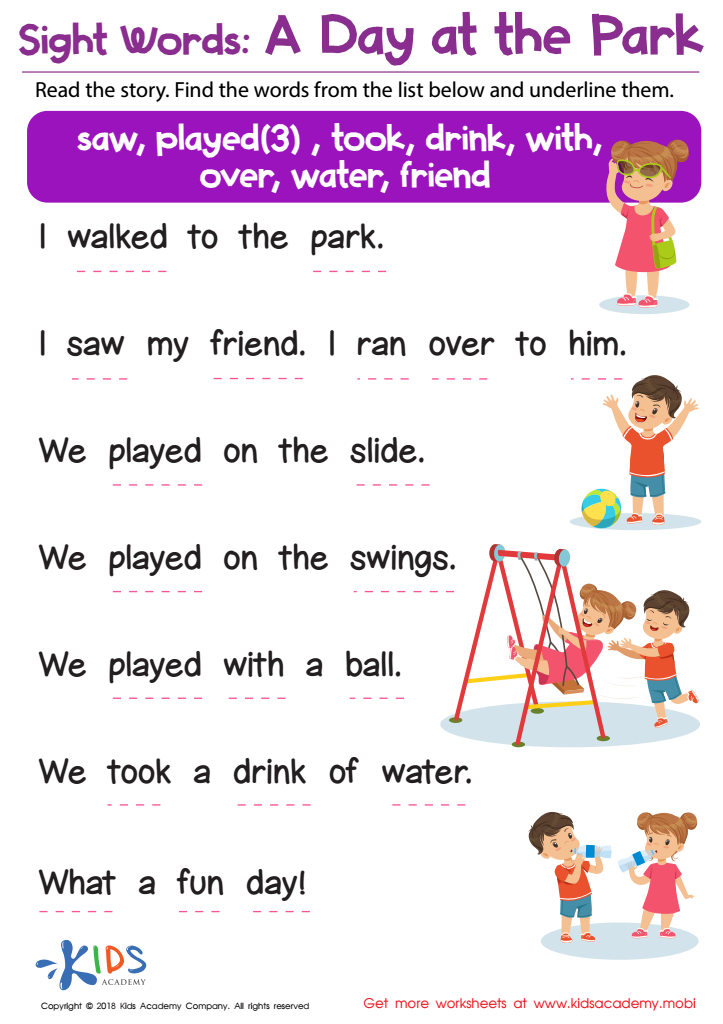
Sight Words: A Day at the Park Worksheet
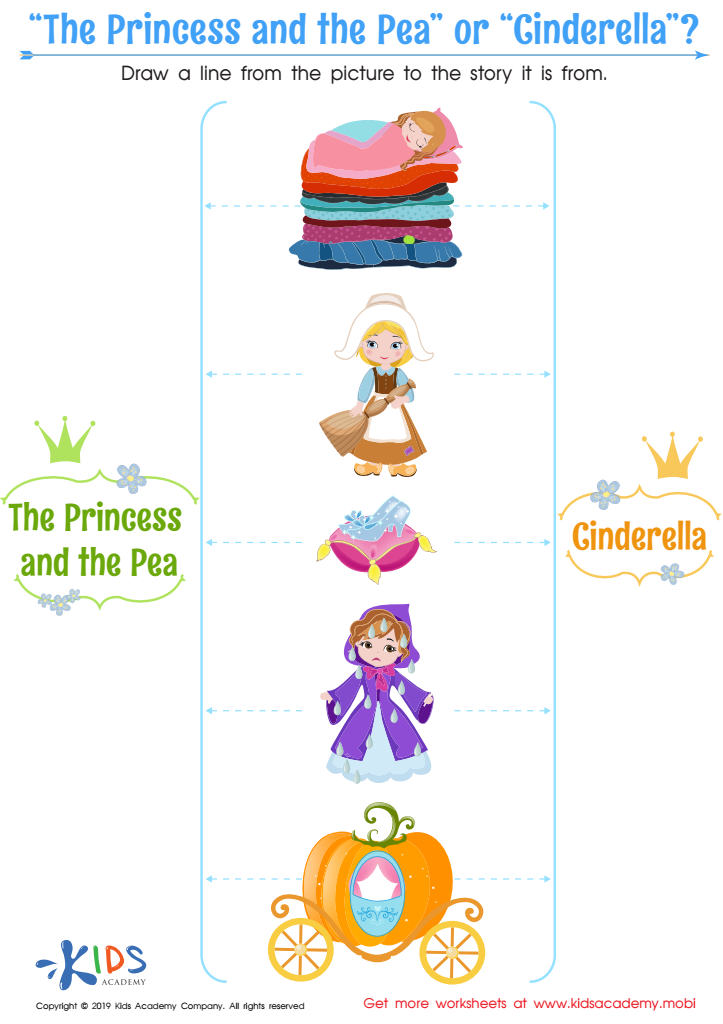
“The Princess and the Pea” or “Cinderella” Worksheet
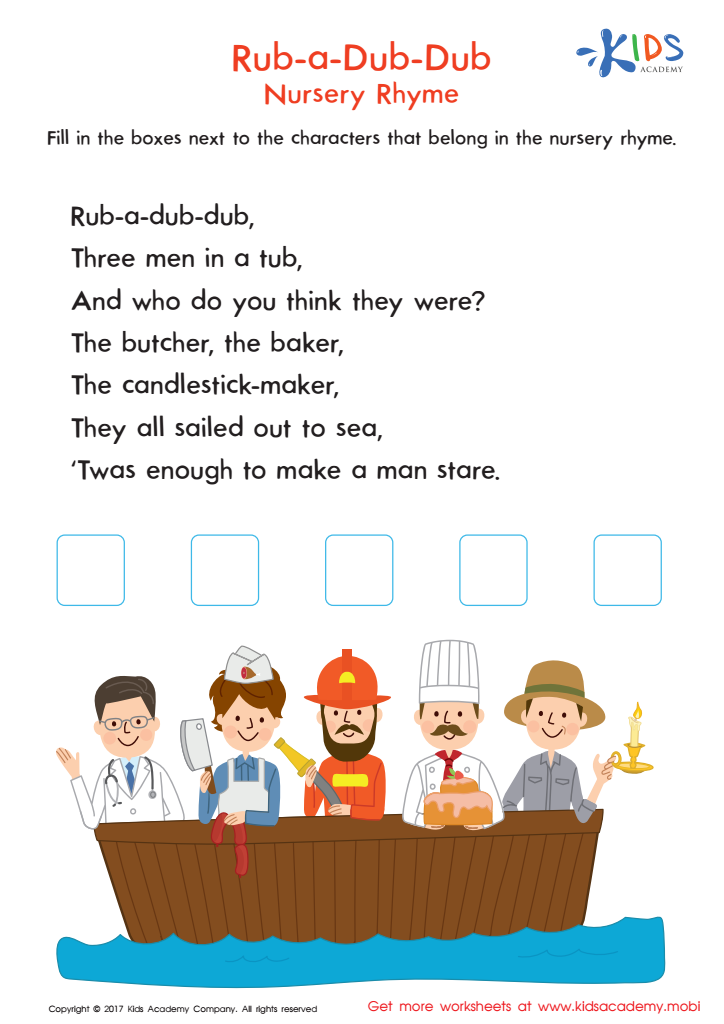
Rub a Dub Dub Printable
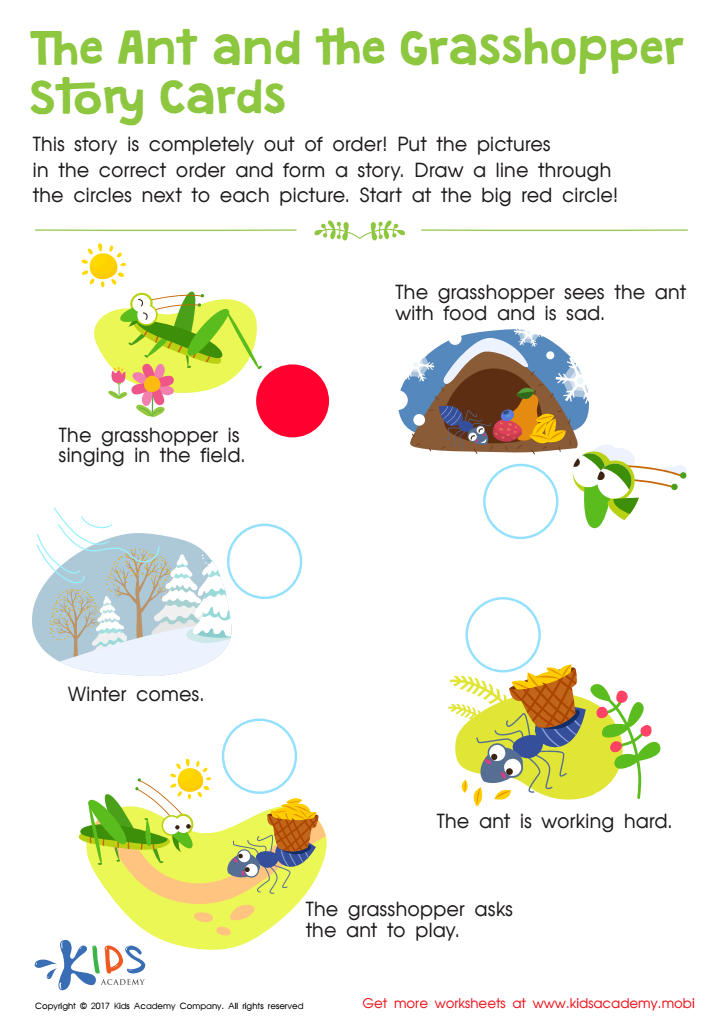
The Ant and The Grasshopper Worksheet
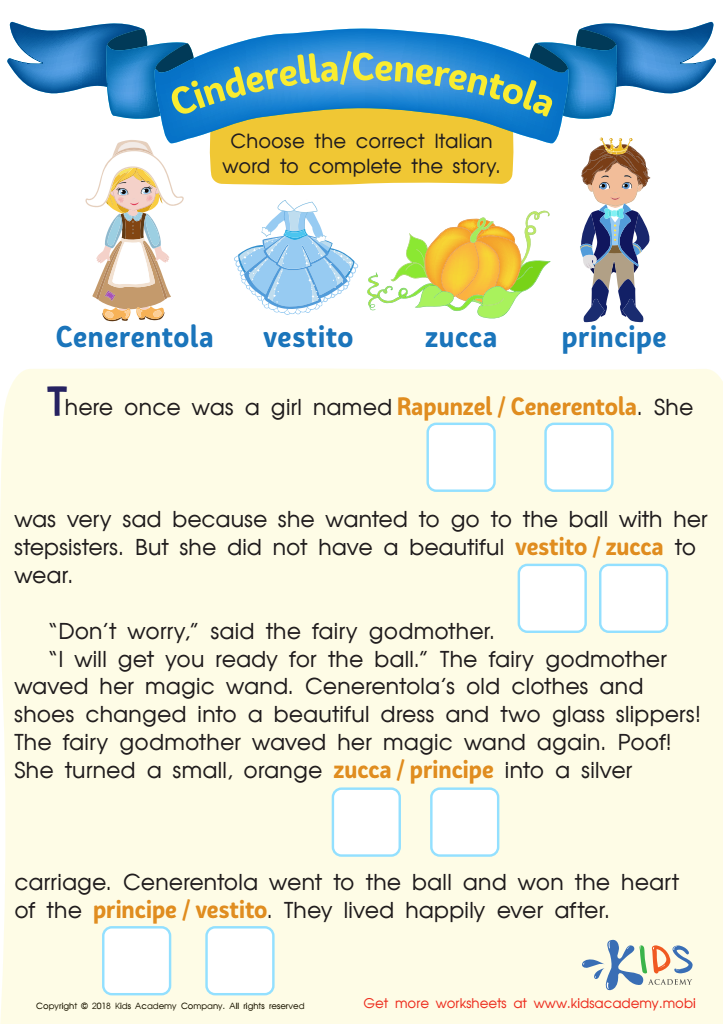
Cinderella / Cenerentola Worksheet
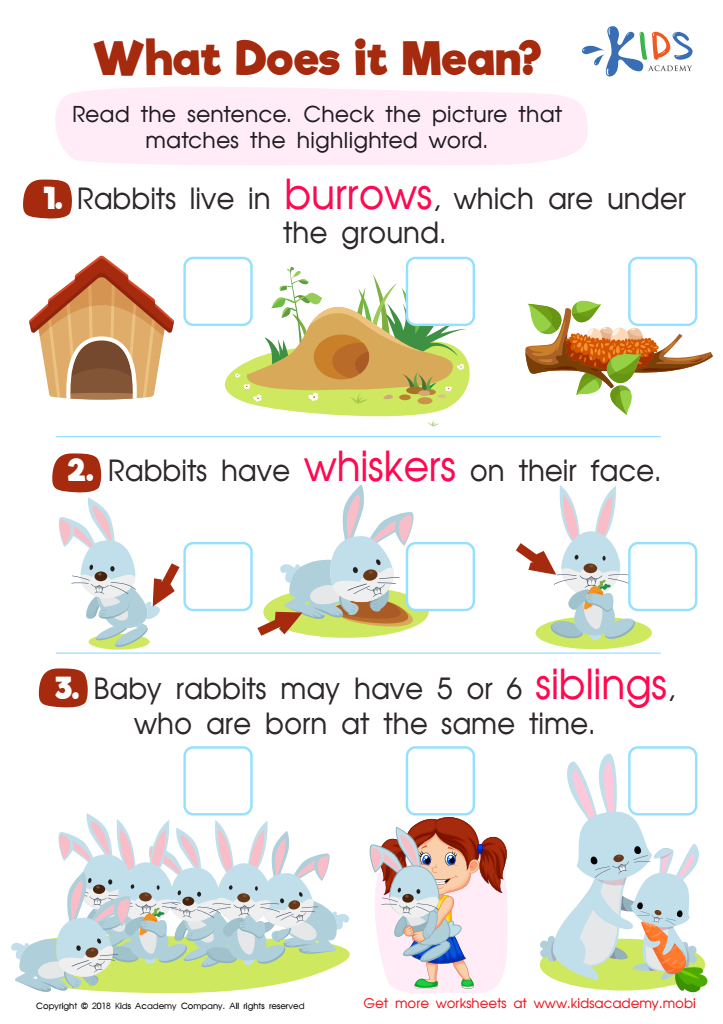
What Does It Mean? Worksheet
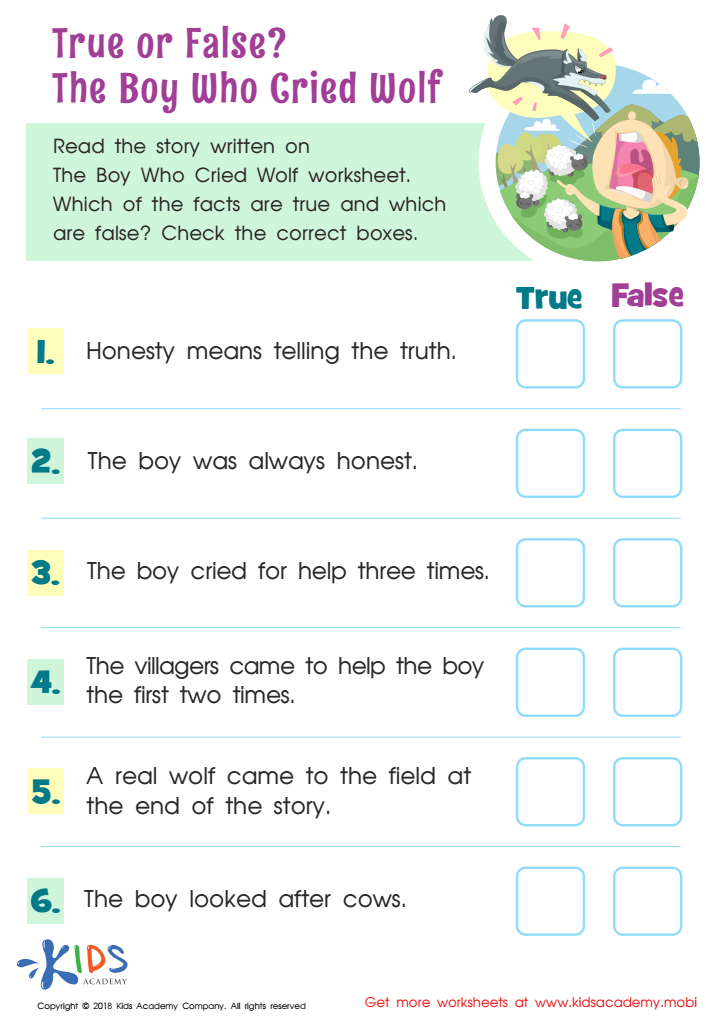
True or False? The Boy Who Cried Wolf Worksheet
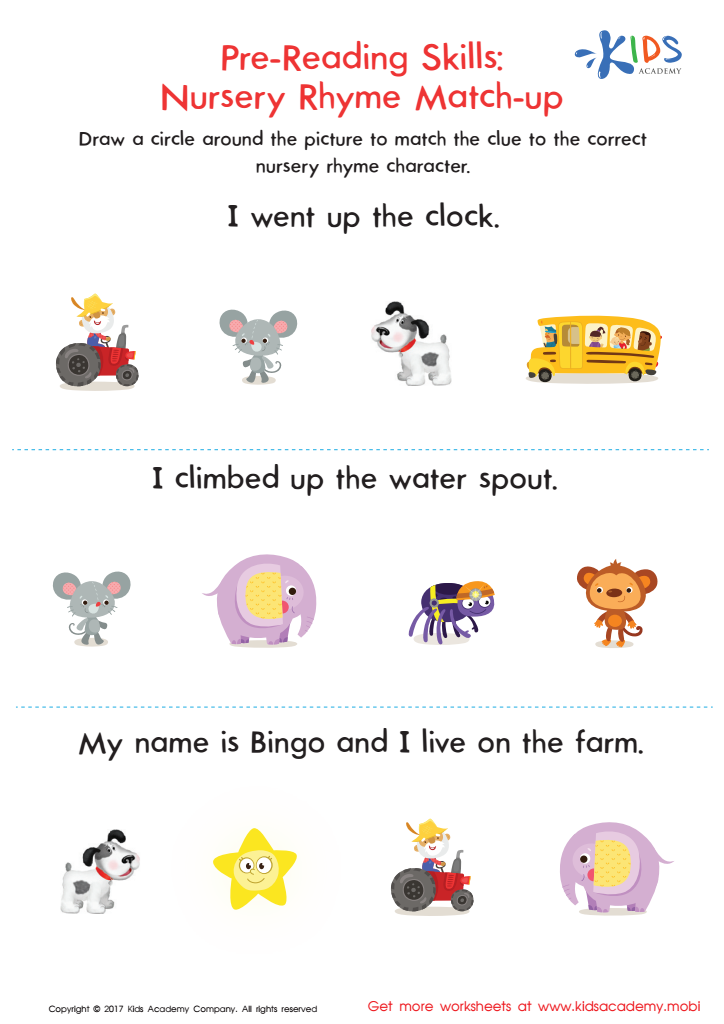
Nursery Rhyme Match–Up Worksheet
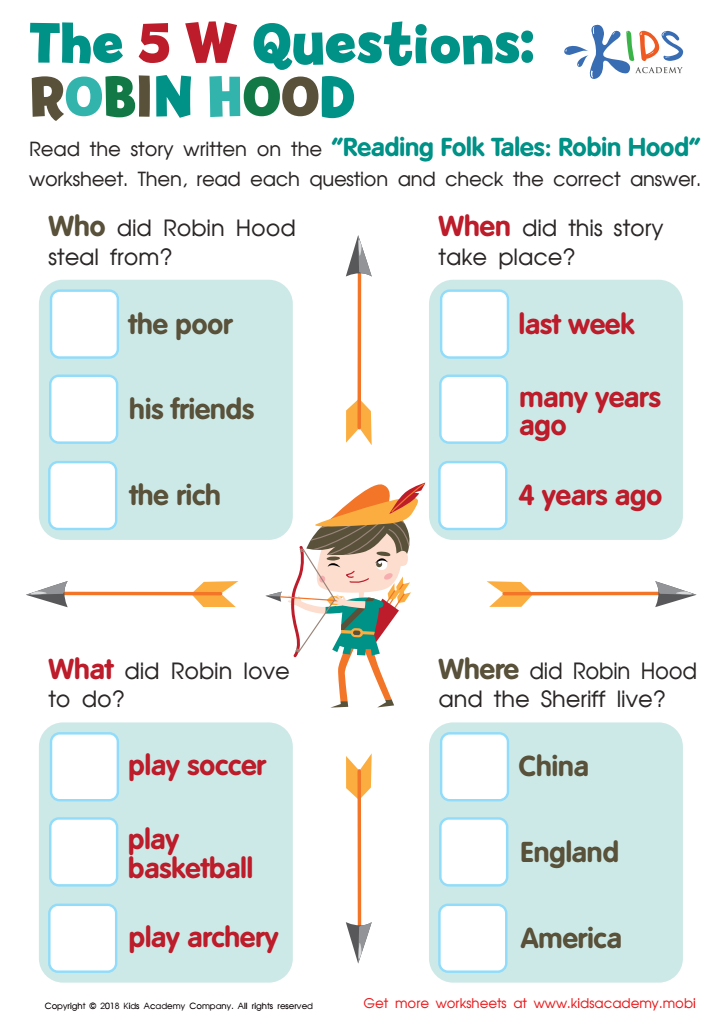
The 5 W Questions: Robin Hood Worksheet
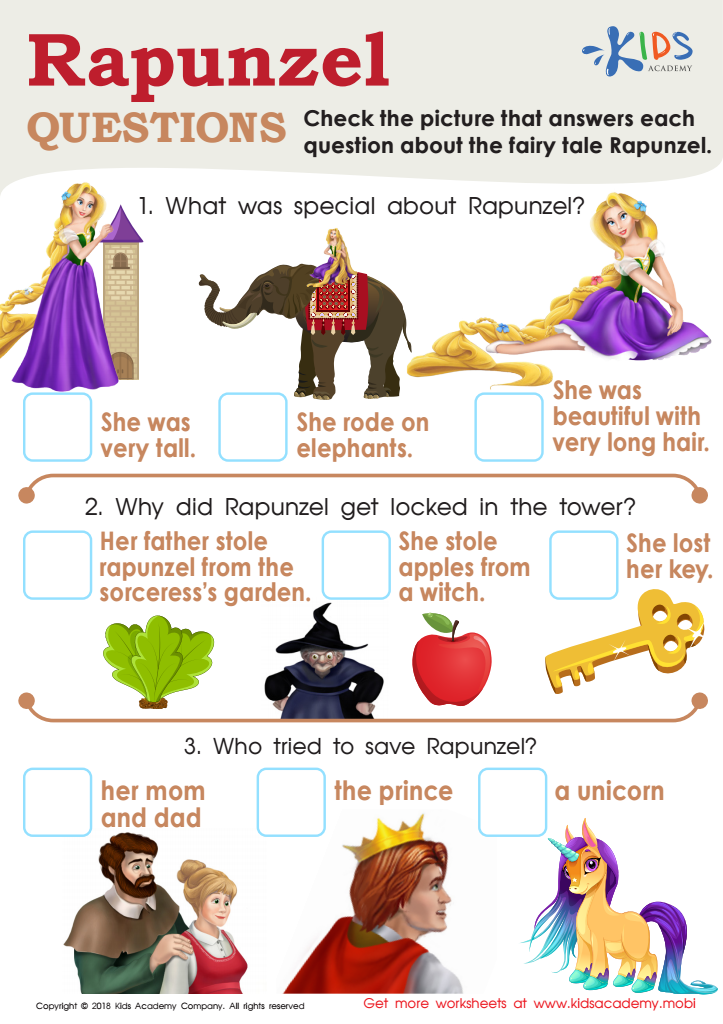
Rapunzel Questions Worksheet
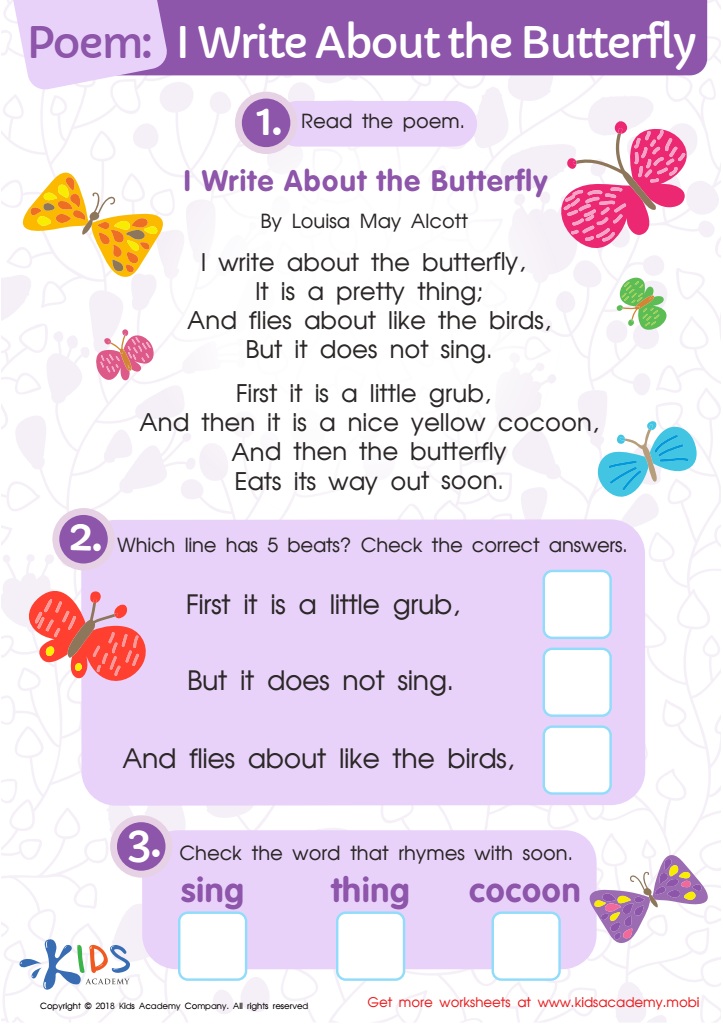
Poem: I Write About The Butterfly Worksheet



.jpg)




Reading comprehension and engaging with fiction are essential components of early education for children ages 6-8, laying the groundwork for their academic success and overall development. At this critical stage, children transition from merely decoding words to understanding and interpreting text. This skill is crucial because it enables them to extract meaning, make inferences, and connect ideas—abilities vital not only for their academic pursuits but also for real-life situations.
Engaging with fiction introduces children to different perspectives, cultures, and experiences beyond their everyday lives, fostering empathy and emotional intelligence. Through stories, children learn to navigate and articulate complex emotions, which aids in social interactions and emotional regulation.
Additionally, a strong foundation in reading comprehension helps children build vocabulary and improves their language skills. It promotes critical thinking and problem-solving abilities as children analyze plots and character motivations. Reading fiction also stimulates imagination and creativity, encouraging children to envision different scenarios and solutions.
Parents and teachers play a pivotal role in nurturing these skills. By valuing and prioritizing reading comprehension of fiction, they not only support children’s cognitive and emotional growth but also instill a lifelong love of reading. This enduring habit equips children with the tools necessary for continuous learning and personal development.








