Comparative analysis Science Worksheets for Ages 6-8
3 filtered results
-
From - To
Explore our engaging Comparative Analysis Science Worksheets designed for children ages 6-8! These worksheets are a wonderful educational resource, encouraging young learners to develop critical thinking and observational skills. Through interactive activities, students will compare various concepts and elements within the science curriculum, fostering a deeper understanding of topics such as living organisms, habitats, and basic scientific principles. Perfect for both classroom and homeschooling environments, these printable worksheets help children enhance their analytical abilities while having fun. Encourage curiosity and support skill development with our thoughtfully crafted comparative analysis worksheets, tailored to make science exciting for young minds!
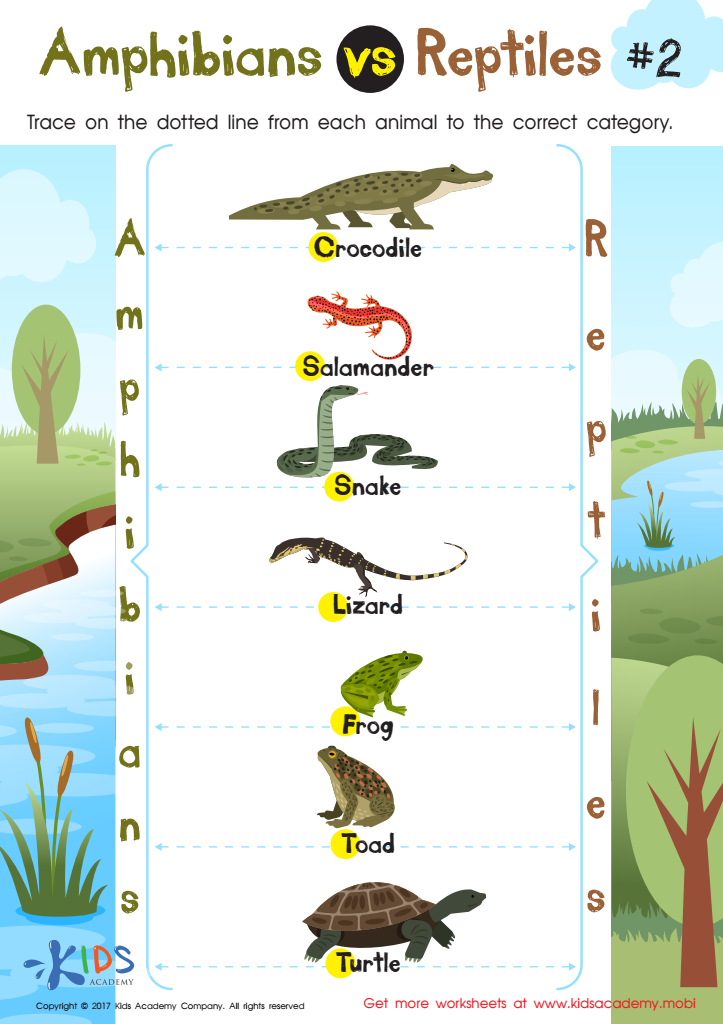
Amphibians vs Reptiles Worksheet for 3rd Grade
 Assign to My Students
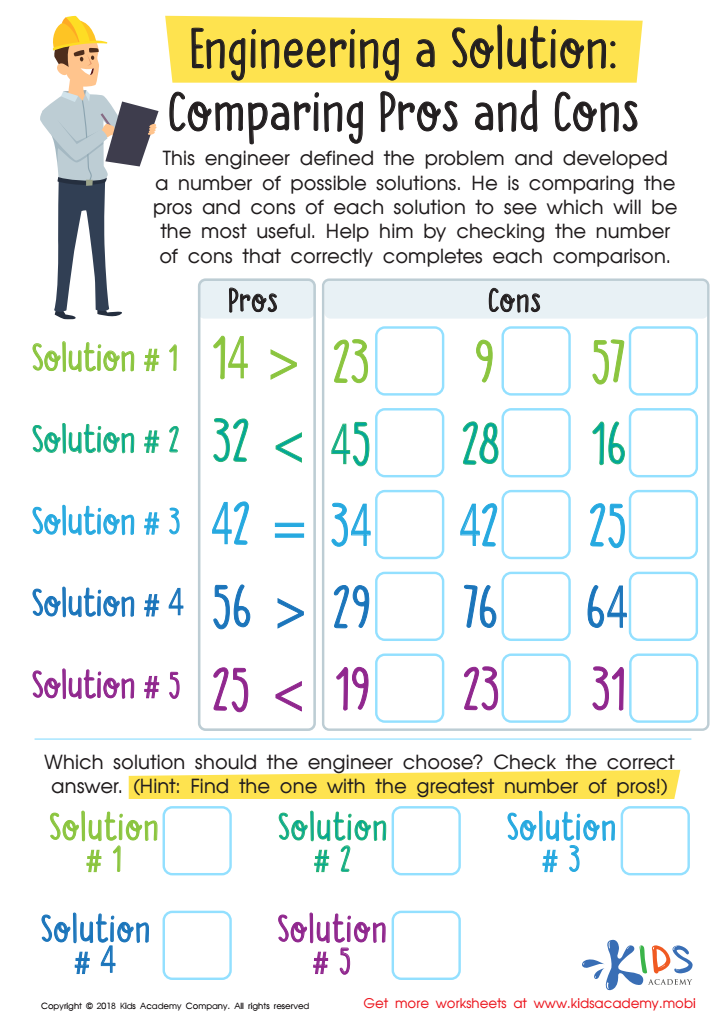
Engineering a Solution: Comparing Pros and Cons Worksheet
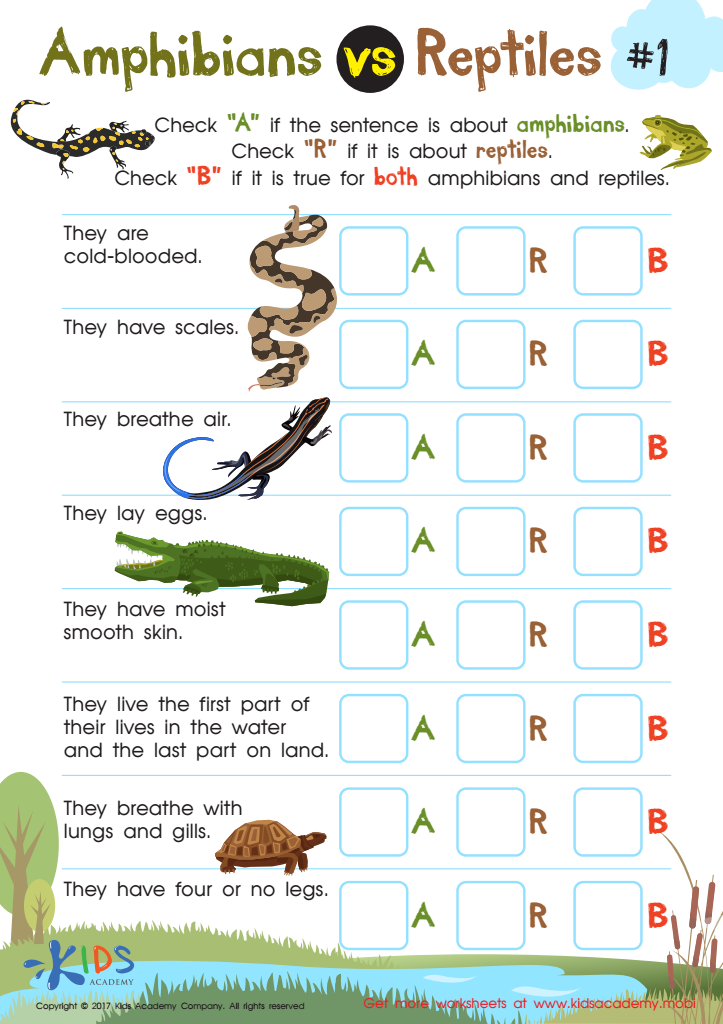
Amphibians vs Reptiles Worksheet







Comparative analysis in science is crucial for children aged 6-8, as it nurtures critical thinking and observational skills. At this developmental stage, young learners are naturally inquisitive, making it an ideal time to encourage exploration and understanding of similarities and differences in the world around them. By engaging in comparative analysis, children learn to classify and categorize, skills essential for scientific reasoning.
Parents and teachers should care about this method because it lays a foundation for scientific literacy. It helps students grasp fundamental concepts such as ecosystems, life cycles, and physical properties by comparing and contrasting them. For example, when analyzing two types of plants, children can discover their commonalities and unique features, fostering a deeper appreciation for biodiversity.
Moreover, comparative analysis promotes communication skills as students articulate their observations and findings. This practice also incorporates collaborative learning, where children work together to explore ideas, enhancing teamwork capabilities.
In summary, fostering comparative analysis in science enriches educational experiences and builds essential skills that have long-term benefits, making it a critical area for parents and teachers to focus on in early education.







