Enhancing observational skills Science Worksheets for Ages 6-8
8 filtered results
-
From - To
Unlock your child's potential with our "Enhancing Observational Skills Science Worksheets" designed specifically for ages 6-8. These engaging worksheets foster critical thinking and scientific curiosity by encouraging young learners to observe their surroundings closely. Activities are tailored to help children identify details in nature, perform simple experiments, and discuss their findings. Each worksheet is filled with fun illustrations and interactive tasks that promote active learning, making science accessible and exciting. Perfect for classroom use or home study, these resources aim to cultivate a keen eye for details, empowering kids to become inquisitive scientists. Download now and inspire a lifelong love of exploration!
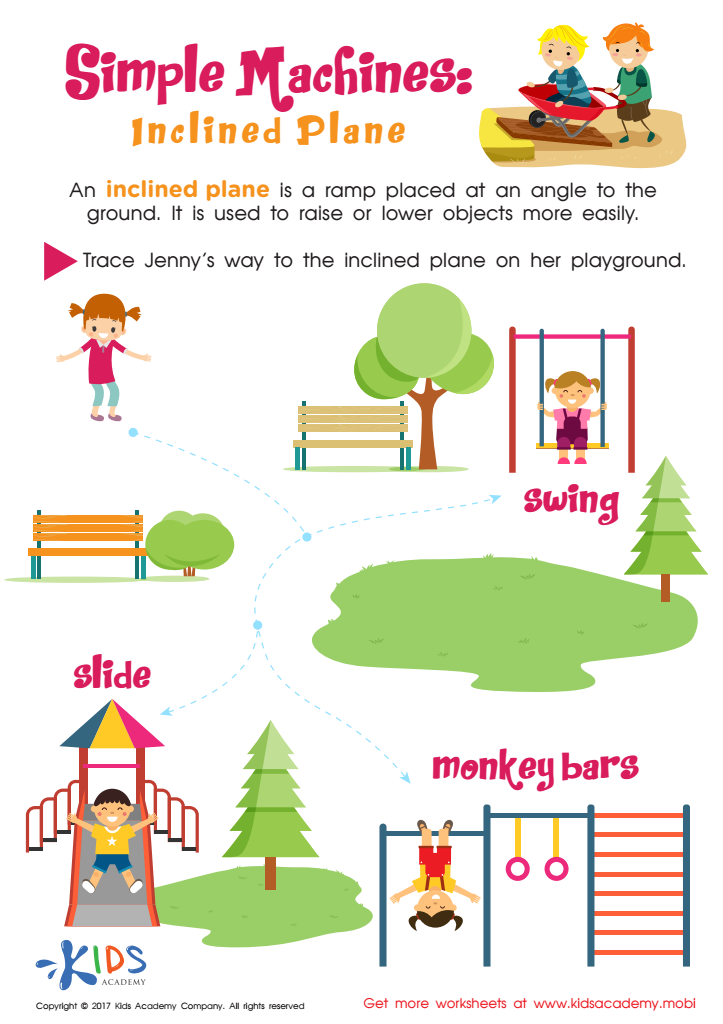
Simple Machines Inclined Plane Worksheet
 Assign to My Students
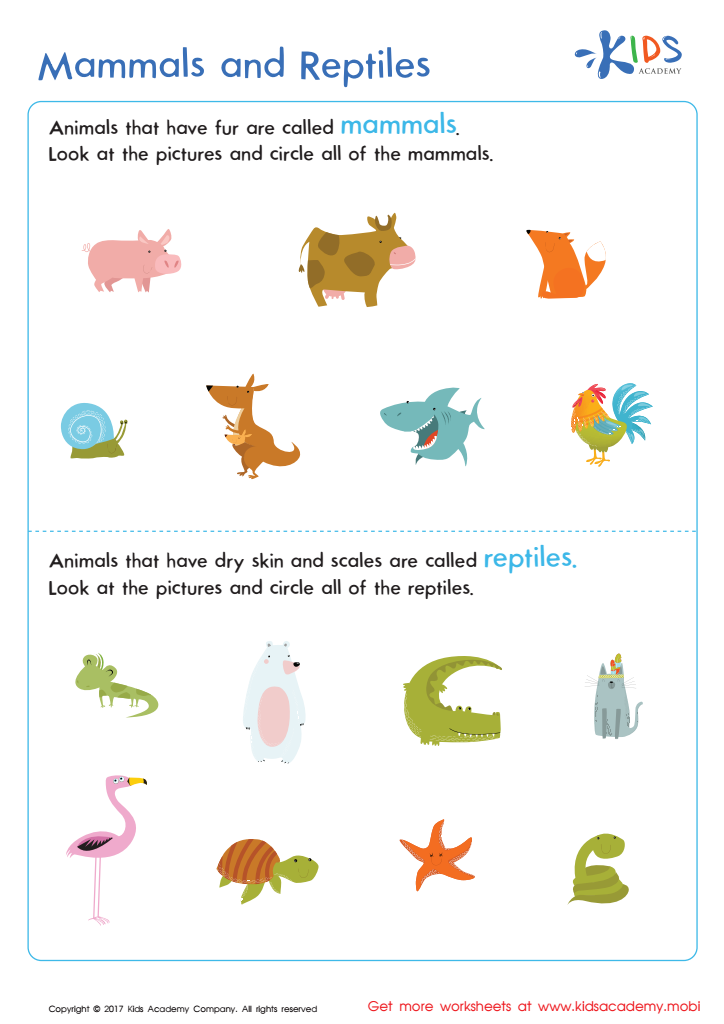
Mammals and Reptiles Worksheet
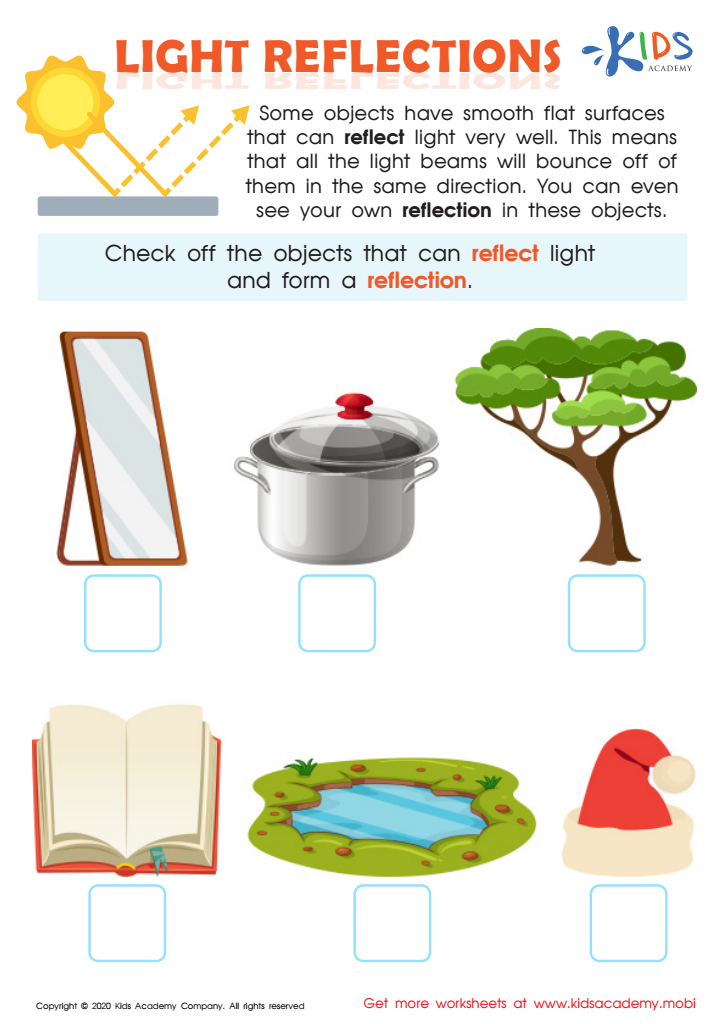
Light Reflections Worksheet
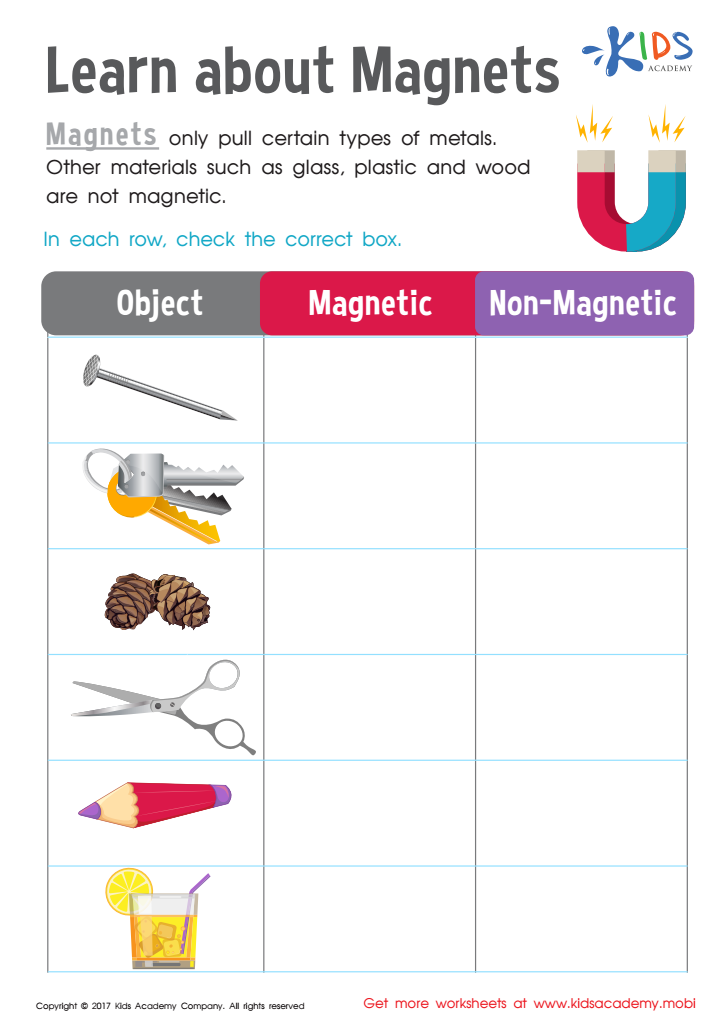
Magnetic Or Not Worksheet
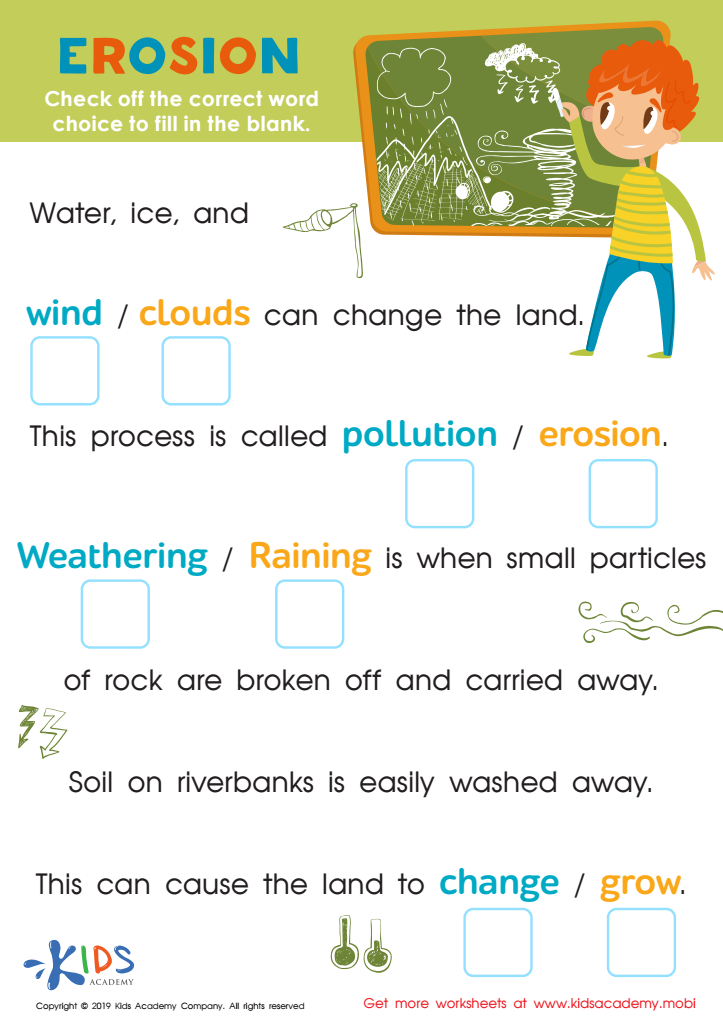
Erosion Worksheet
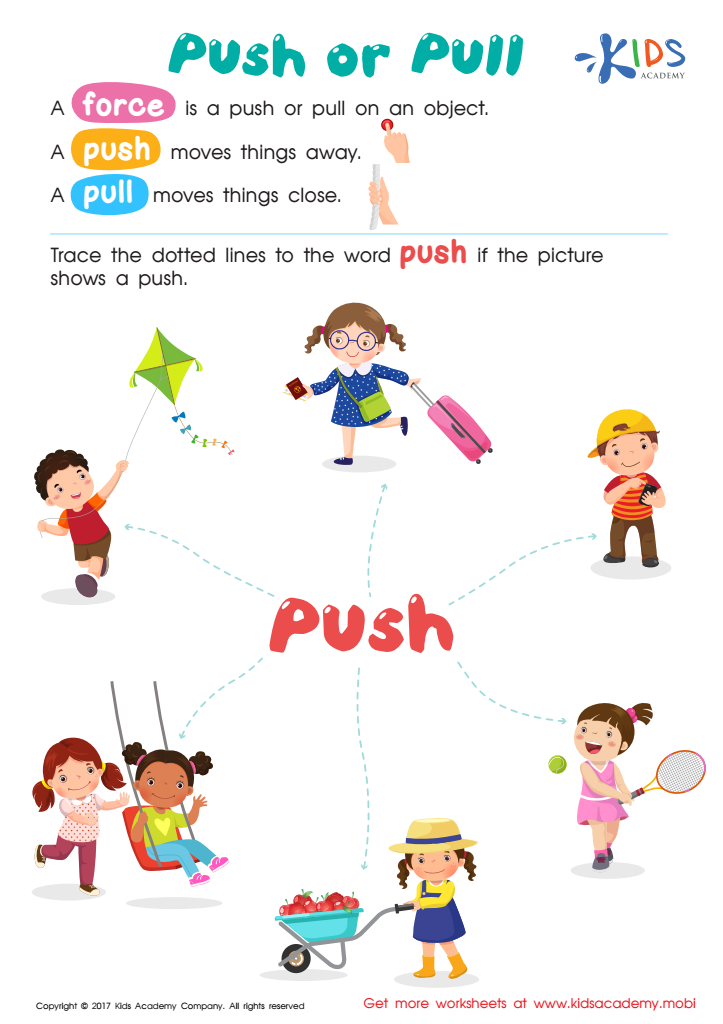
Push or Pull Worksheet
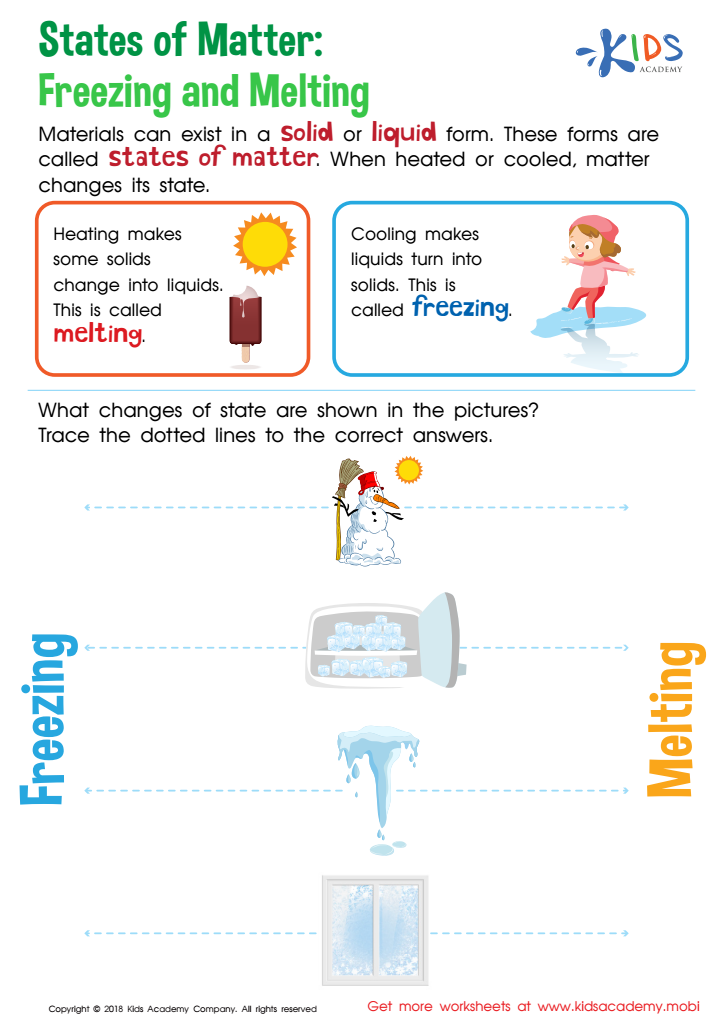
States of Matter: Freezing and Melting Worksheet
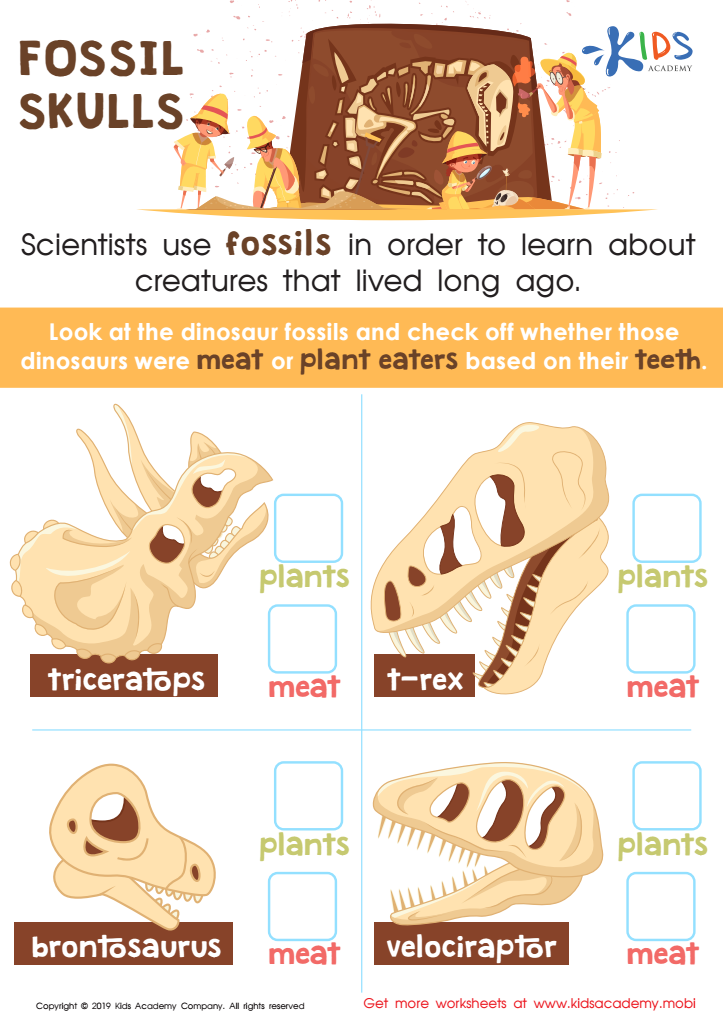
Fossil Skulls Worksheet








Enhancing observational skills in children ages 6-8 is crucial for their cognitive development and scientific understanding. At this stage, children are naturally curious and eager to explore the world around them. Strengthening their observational skills allows them to make connections, ask questions, and discover patterns in their environment, laying the foundation for critical thinking.
Parents and teachers play a vital role in fostering these skills. By encouraging children to observe details—be it in nature, through experiments, or in everyday situations—they stimulate curiosity and promote active learning. Engaging children in discussions about their observations can enhance their vocabulary and communication skills, enabling them to articulate their thoughts and ideas better.
Furthermore, these skills are not just scientific but are applicable across all subjects. As children learn to observe carefully and analyze what they see, they develop a holistic approach to learning. This ability not only nurtures a love for science but also builds resilience as children learn through trial and error, gaining confidence in their problem-solving abilities. Ultimately, enhancing observational skills enriches children’s educational experiences and prepares them for lifelong learning and exploration.







