Shape Recognition Science Worksheets for Ages 6-8
5 filtered results
-
From - To
Explore our exciting "Shape Recognition Science Worksheets for Ages 6-8" at Kids Academy! Perfectly designed to boost young learners' geometry and spatial awareness, these worksheets not only teach shape identification but also integrate fun science concepts tailored to your child's learning style. Engaging activities, colorful illustrations, and interactive exercises make geometry a playful adventure. Ideal for classroom or home use, these worksheets lay a strong foundation for critical thinking and problem-solving skills. Visit Kids Academy to download these expert-crafted resources and turn your child's shape recognition practice into a delightful learning journey.
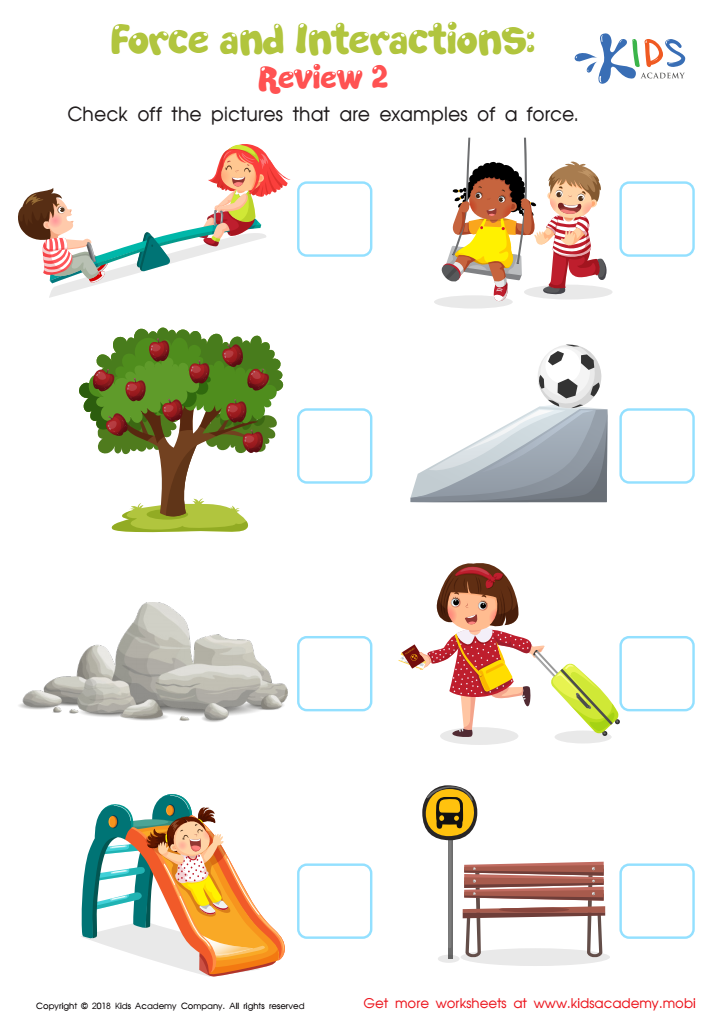
Force and Interactions: Review 2 Worksheet
 Assign to My Students
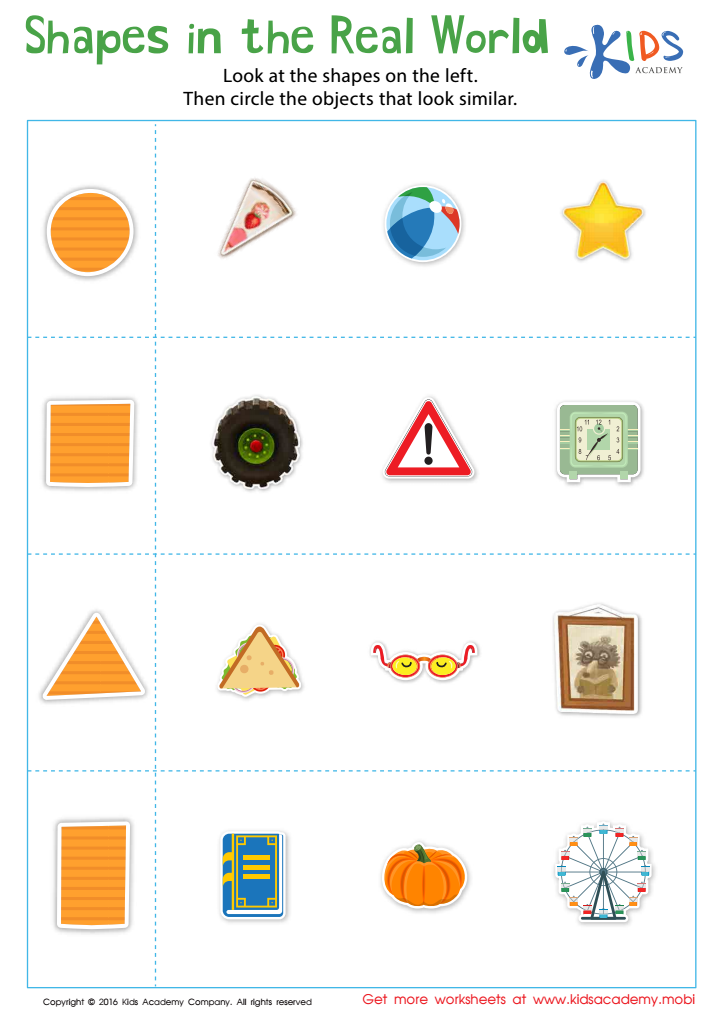
Shapes in the Real World Worksheet
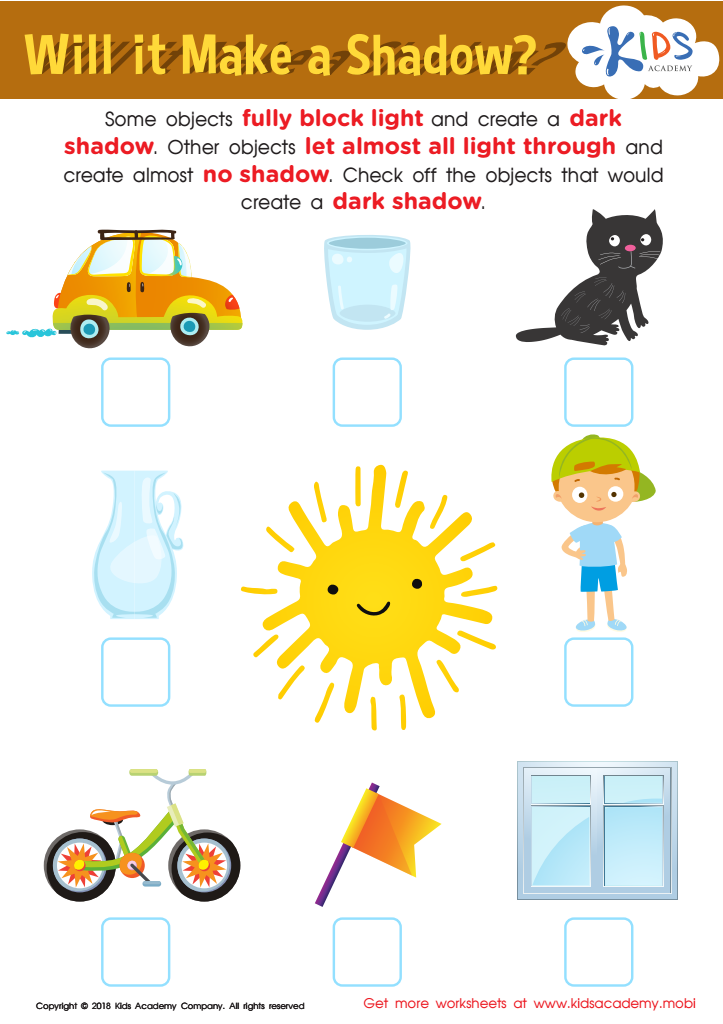
Will It Make a Shadow? Worksheet
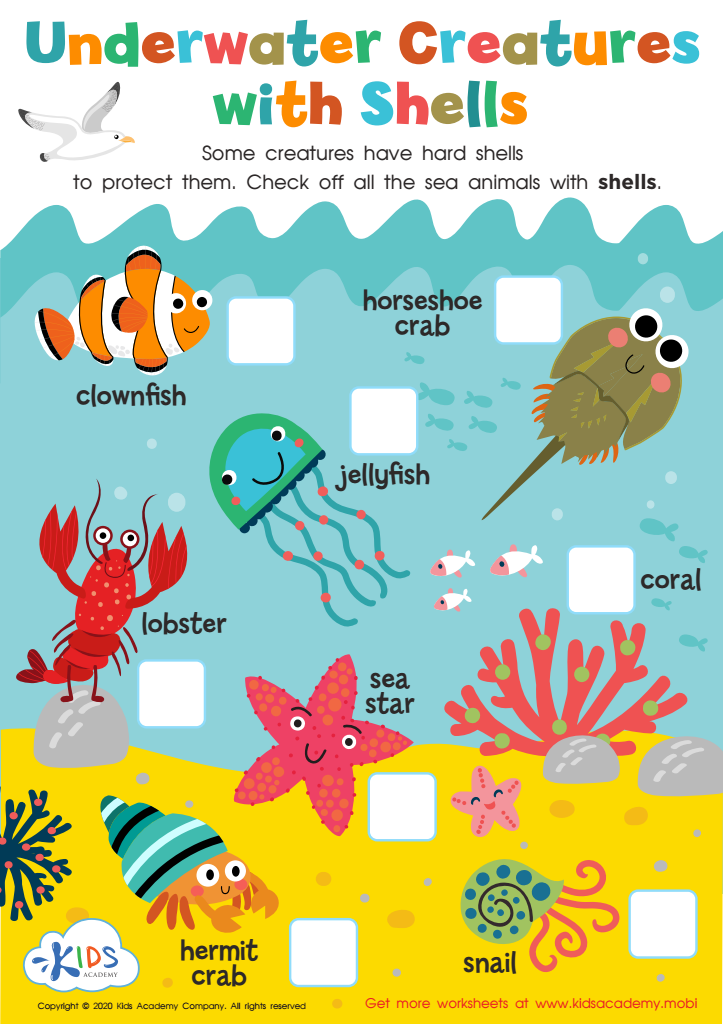
Underwater Creatures with Shells Worksheet
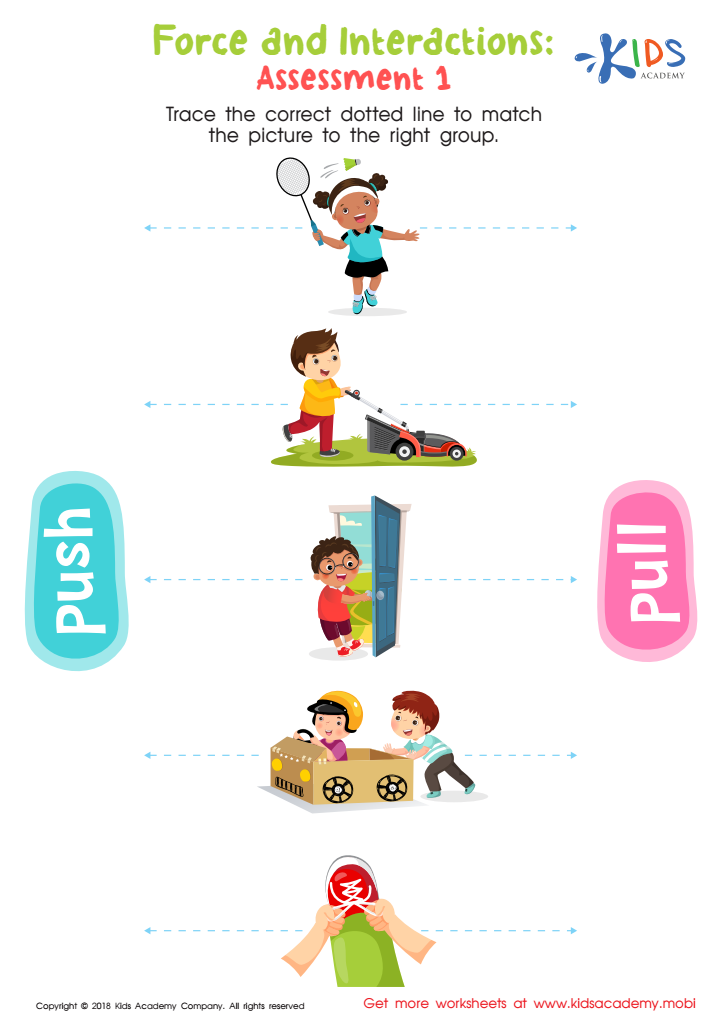
Force and Interactions: Assessment 2 Worksheet





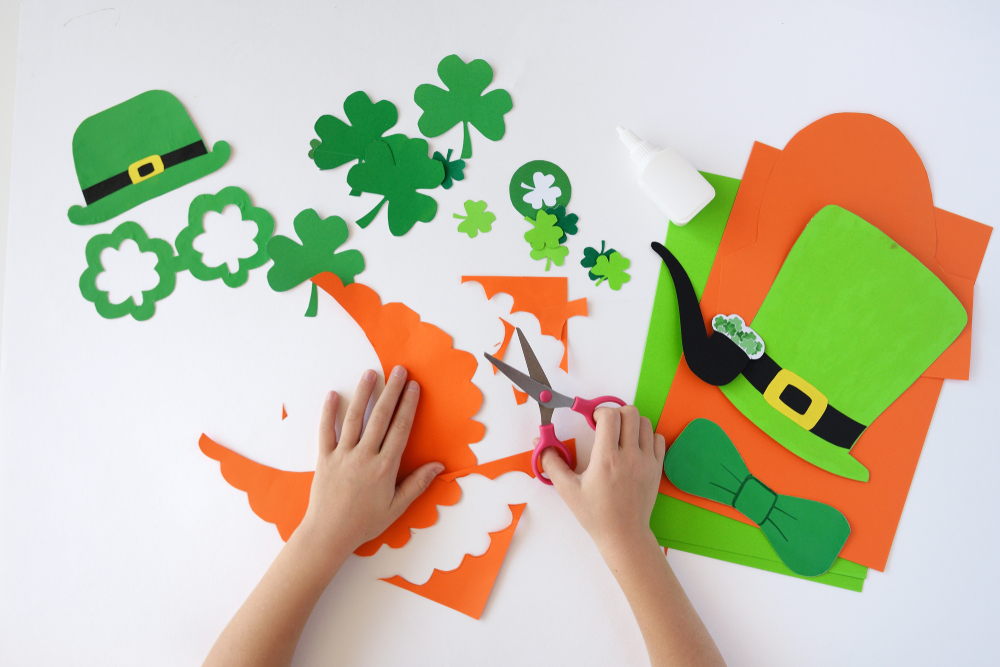


Shape recognition science is essential for children aged 6-8 because it underpins critical cognitive and mathematical development. At this formative age, kids are not just learning shapes, they’re building a foundation for complex problem-solving skills and logical reasoning. Understanding and recognizing shapes aids in enhancing spatial awareness, which is crucial for both everyday tasks and academic pursuits.
Shapes form the basis of more advanced geometry lessons; a solid grasp of basic shapes thus allows for smoother transitions into more difficult concepts like area, perimeter, and volumes as they progress through school. Additionally, shape knowledge supports literacy skills. Recognizing and differentiating shapes such as circles, squares, and triangles enhances visual discrimination, a skill crucial for distinguishing between letters and numbers.
Further, this aspect of early education boosts children’s skills in pattern recognition and categorization, vital for both math and science subjects. Mastery of shapes also fosters creativity as children learn to see and manipulate shapes in making drawings, building structures, and solving puzzles, fostering fine motor skills and hand-eye coordination.
Therefore, promoting shape recognition in children isn't just about knowing circles from squares—it’s about giving them the tools for comprehensive cognitive development and setting a solid academic foundation. This holistic approach in their formative years can boost overall academic performance and confidence in later learning experiences.







